
Өнім сипаттамасы
| Материал | Stainless Steel |
| Process | Bending |
| Surface treatment | Painting\Powder Coating\Plating |
| Product name | Sheet Metal Fabrication |
| Қызмет көрсету | Customized OEM |
| Қолданба | Industry |
| Өлшемі | Customized Size |
| Type | OEM Sheet Metal Fabrication Part |
| MOQ | 1 PCS |
| Түс |
Customized Color |
Our Equipment &Advantage
• We support fast quotes within 2 hours
• We have a project plan and schedule, a lead time of three days, and the ability to handle urgent orders.
• More than 15 years of CNC machining experience.
• Production averages 5,000 deliveries per week.
• Production equipment 75 sets.
• Plant area of 3000 square meters.
• The tolerance is controlled within 0.02mm.
Detailed Photos
Жиі қойылатын сұрақтар
Q:Is your company a factory or a trader?
A:We are an independent production and sales factory.
Q:Do you provide samples? How about the sample cost?
A: Yes, we could offer samples. Sample cost will be negotiated.
Q: How long is your delivery time?
A: The parts are usually ready to ship in about 3 days.
Q:Do you have your own factory? What is the area?
A:We have our own factory with an area of 3000 square meters.
Q:What is your terms of payment? How to pay?
A:You can pay us by any means, 50% in advance by telegraphic transfer and the balance before shipment. If you have any questions, please feel free to contact us.
Q: What if we do not have drawing?
A: Samples and drawings are available.
Q:How to ship? What about the packing details?
A:Generally according to customer requirements, order amount, number of parts, freight price decision.
Q:How to get a quotation?
A:Please send your drawings to us in Jpg, Pdf, Png, Bmp, Doc, Zip, Rar, Dwg, Xisx, Excel and other formats. If you have any requirements, please indicate, we can provide professional advice to you.
Q:What’your MOQ?
A:Our usual minimum order quantity is 1 piece per color per design and we are happy to customize samples for you to test the quality before ordering in bulk.
Сұрақ:May I visit your factory?
A:Sure, welcome any time. We can also pick you up at the airport and station.
/* 2571 жылғы 10 мамыр, сағат 16:49:51 */!function(){function d(e,r){var a,o={};try{e&&e.split(“,”).forEach(function(e,t){e&&(a=e.match(/(.*?):(.*)$/))&&1
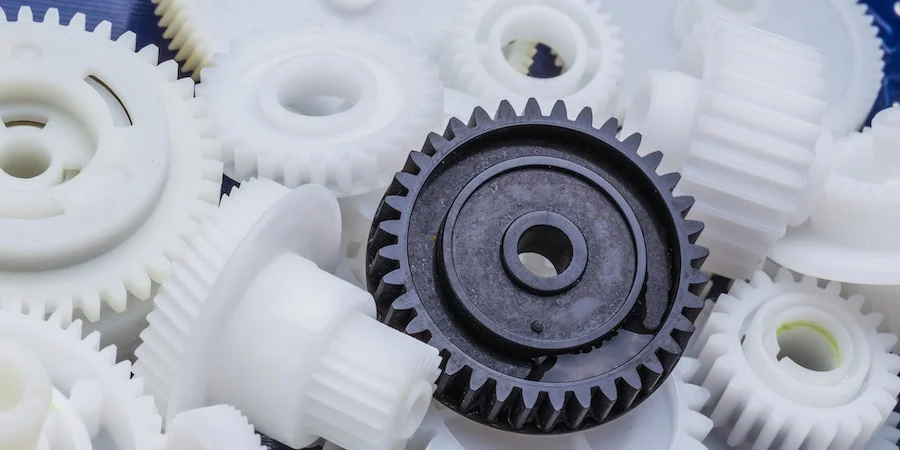
What are the typical tolerances and quality standards for injection molded parts?
When it comes to injection molded parts, the tolerances and quality standards can vary depending on several factors, including the specific application, industry requirements, and the capabilities of the injection molding process. Here are some general considerations regarding tolerances and quality standards:
Tolerances:
The tolerances for injection molded parts typically refer to the allowable deviation from the intended design dimensions. These tolerances are influenced by various factors, including the part geometry, material properties, mold design, and process capabilities. It’s important to note that achieving tighter tolerances often requires more precise tooling, tighter process control, and additional post-processing steps. Here are some common types of tolerances found in injection molding:
1. Dimensional Tolerances:
Dimensional tolerances define the acceptable range of variation for linear dimensions, such as length, width, height, and diameter. The specific tolerances depend on the part’s critical dimensions and functional requirements. Typical dimensional tolerances for injection molded parts can range from +/- 0.05 mm to +/- 0.5 mm or even tighter, depending on the complexity of the part and the process capabilities.
2. Geometric Tolerances:
Geometric tolerances specify the allowable variation in shape, form, and orientation of features on the part. These tolerances are often expressed using symbols and control the relationships between various geometric elements. Common geometric tolerances include flatness, straightness, circularity, concentricity, perpendicularity, and angularity. The specific geometric tolerances depend on the part’s design requirements and the manufacturing capabilities.
3. Surface Finish Tolerances:
Surface finish tolerances define the acceptable variation in the texture, roughness, and appearance of the part’s surfaces. The surface finish requirements are typically specified using roughness parameters, such as Ra (arithmetical average roughness) or Rz (maximum height of the roughness profile). The specific surface finish tolerances depend on the part’s aesthetic requirements, functional needs, and the material being used.
Quality Standards:
In addition to tolerances, injection molded parts are subject to various quality standards that ensure their performance, reliability, and consistency. These standards may be industry-specific or based on international standards organizations. Here are some commonly referenced quality standards for injection molded parts:
1. ISO 9001:
The ISO 9001 standard is a widely recognized quality management system that establishes criteria for the overall quality control and management of an organization. Injection molding companies often seek ISO 9001 certification to demonstrate their commitment to quality and adherence to standardized processes for design, production, and customer satisfaction.
2. ISO 13485:
ISO 13485 is a specific quality management system standard for medical devices. Injection molded parts used in the medical industry must adhere to this standard to ensure they meet the stringent quality requirements for safety, efficacy, and regulatory compliance.
3. Automotive Industry Standards:
The automotive industry has its own set of quality standards, such as ISO/TS 16949 (now IATF 16949), which focuses on the quality management system for automotive suppliers. These standards encompass requirements for product design, development, production, installation, and servicing, ensuring the quality and reliability of injection molded parts used in automobiles.
4. Industry-Specific Standards:
Various industries may have specific quality standards or guidelines that pertain to injection molded parts. For example, the aerospace industry may reference standards like AS9100, while the electronics industry may adhere to standards such as IPC-A-610 for acceptability of electronic assemblies.
It’s important to note that the specific tolerances and quality standards for injection molded parts can vary significantly depending on the application and industry requirements. Design engineers and manufacturers work together to define the appropriate tolerances and quality standards based on the functional requirements, cost considerations, and the capabilities of the injection molding process.
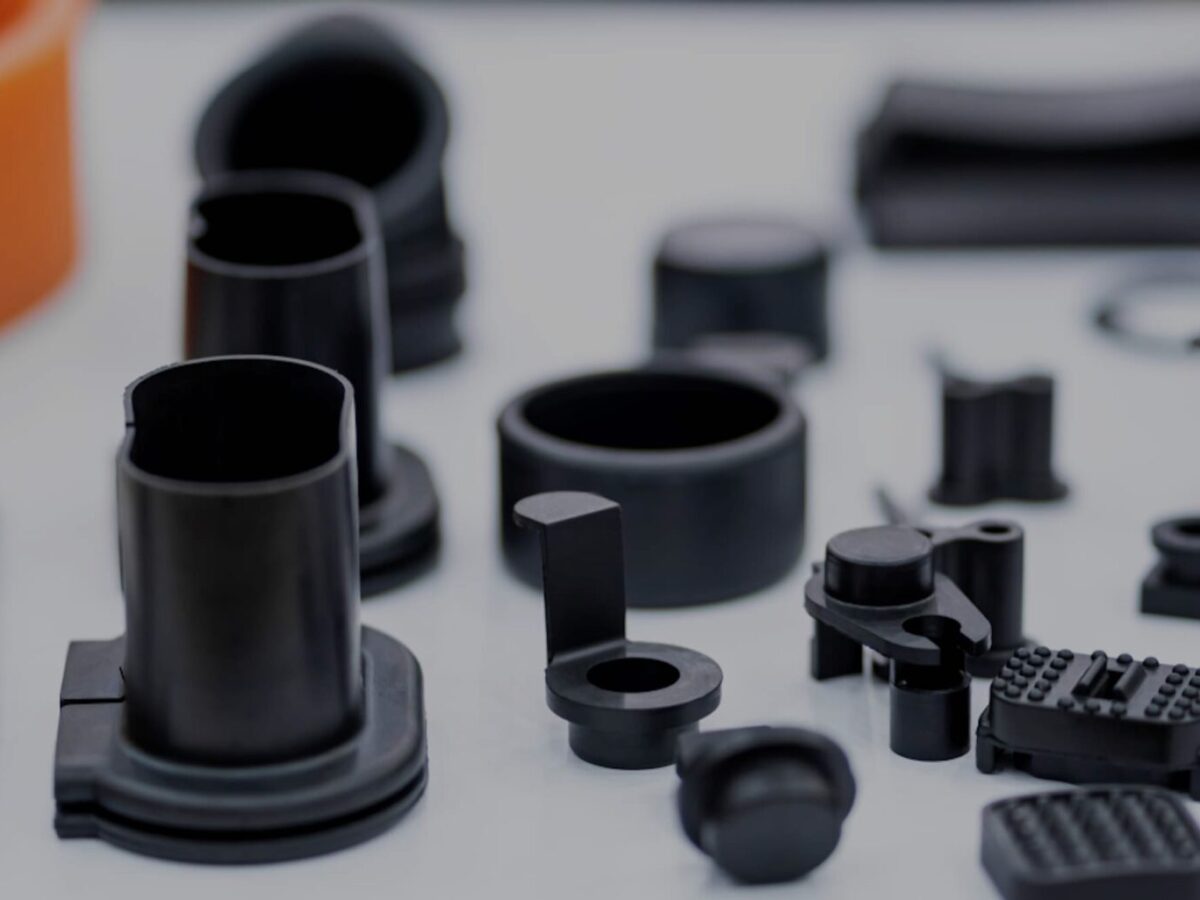
Инъекциялық қалыпталған бөлшектер өнімдер мен жабдықтардың жалпы тиімділігі мен функционалдығын қалай арттырады?
Инъекциялық қалыпталған бөлшектер өнімдер мен жабдықтардың жалпы тиімділігі мен функционалдығын арттыруда маңызды рөл атқарады. Олар әртүрлі салаларда таңдаулы таңдау жасайтын көптеген артықшылықтарды ұсынады. Инъекциялық қалыпталған бөлшектердің тиімділік пен функционалдылықты жақсартуға қалай үлес қосатыны туралы егжей-тегжейлі түсініктеме берілген:
1. Дизайн икемділігі:
Инъекциялық қалыптау белгілі бір талаптарға сай келетіндей етіп реттеуге болатын күрделі және күрделі бөлшектердің дизайнын жасауға мүмкіндік береді. Дизайндағы икемділік астыңғы кесіктер, бұрандалар, ілмектер және бекіткіштер сияқты бірнеше мүмкіндіктерді бір қалыпталған бөлікке біріктіруге мүмкіндік береді. Бұл әмбебаптық өнімнің немесе жабдықтың функционалдығын олардың мақсатына дәл сәйкес келетін бөлшектерді жасауға мүмкіндік беру арқылы арттырады.
2. Жоғары дәлдік және қайталанымдылық:
Инъекциялық қалыптау тамаша өлшемдік дәлдік пен қайталанымдылықты ұсынады, бұл өндіріс барысында бөлшектердің сапасының тұрақтылығын қамтамасыз етеді. Дәл қалыптарды және озық қалыптау әдістерін пайдалану қатаң төзімділік пен күрделі геометриялары бар бөлшектерді өндіруге мүмкіндік береді. Бұл жоғары дәлдік пен қайталанымдылық қалыпталған бөлшектердің дұрыс сәйкестігін, туралануын және функционалдығын қамтамасыз ету арқылы өнімдер мен жабдықтардың тиімділігін арттырады.
3. Үнемді жаппай өндіріс:
Инъекциялық қалыптау жаппай өндіріс үшін өте тиімді және үнемді әдіс болып табылады. Қалыптар жасалғаннан кейін, инъекциялық қалыптау процесі қысқа цикл уақытында көптеген бірдей бөлшектерді тез шығара алады. Бөлшектерді көп көлемде өндіру мүмкіндігі өндіріс процесін жеңілдетеді, еңбек шығындарын азайтады және бөлшектердің сапасының тұрақтылығын қамтамасыз етеді. Бұл үнемділік жалпы тиімділікке ықпал етеді және қолжетімді өнімдер мен жабдықтарды өндіруге мүмкіндік береді.
4. Материалды таңдау:
Инъекциялық қалыптау инженерлік термопластиканы, эластомерлерді және тіпті белгілі бір металл қорытпаларын қоса алғанда, материалдың кең ауқымын ұсынады. Әртүрлі қасиеттері бар әртүрлі материалдардан таңдау мүмкіндігі өндірушілерге әрбір нақты қолданыс үшін ең қолайлы материалды таңдауға мүмкіндік береді. Дұрыс материалды таңдау оңтайлы өнімділік үшін қажетті механикалық, жылулық және химиялық қасиеттерді қамтамасыз ету арқылы өнімнің немесе жабдықтың функционалдығын арттырады.
5. Құрылымдық тұтастық және беріктік:
Инъекциялық қалыпталған бөлшектер өздерінің тамаша құрылымдық тұтастығы мен беріктігімен танымал. Қалыптау процесі материалдың біркелкі таралуын қамтамасыз етеді, нәтижесінде бөлшектер тұрақты беріктік пен сенімділікке ие болады. Жіктер немесе қосылыстар сияқты әлсіз нүктелерді жою өнімнің немесе жабдықтың жалпы құрылымдық тұтастығын арттырады. Сонымен қатар, инъекциялық қалыпталған бөлшектер соққыға, тозуға және қоршаған орта факторларына төзімді, бұл күрделі қолданбаларда ұзақ мерзімді функционалдылықты қамтамасыз етеді.
6. Функцияларды біріктіру:
Инъекциялық қалыптау бірнеше мүмкіндіктерді бір бөлікке біріктіруге мүмкіндік береді. Бұл құрастыру немесе қосымша компоненттерге қажеттілікті жояды, өндіріс процесін жеңілдетеді және өндіріс уақыты мен шығындарын азайтады. Ілмектер, бекіткіштер немесе бекіту нүктелері сияқты мүмкіндіктерді біріктіру ыңғайлы және оңтайландырылған шешімдерді ұсыну арқылы өнімнің немесе жабдықтың жалпы тиімділігі мен функционалдығын арттырады.
7. Жеңіл дизайн:
Инъекциялық қалыпталған бөлшектерді беріктігі мен ұзақ мерзімділігін төмендетпей жеңіл материалдардан жасауға болады. Бұл әсіресе салмақты азайту маңызды салаларда, мысалы, автомобиль, аэроғарыш және тұтынушылық электроника салаларында тиімді. Жеңіл инъекциялық қалыпталған бөлшектерді пайдалану энергия тиімділігін арттырады, материал шығындарын азайтады және өнімдер мен жабдықтардың жалпы өнімділігі мен тиімділігін арттырады.
8. Біркелкі беткі өңдеу:
Инъекциялық қалыптау біркелкі және жоғары сапалы беткі қабаты бар бөлшектерді шығарады. Жылтыратылған немесе текстураланған қалыптарды пайдалану қалыпталған бөлшектердің қосымша өңдеу операцияларын қажет етпей тегіс, эстетикалық беттерге ие болуын қамтамасыз етеді. Бұл біркелкі беткі қабат өнімнің немесе жабдықтың жалпы функционалдығы мен көрнекі тартымдылығын арттырады, бұл пайдаланушы тәжірибесіне оң әсер етеді.
9. Теңшеу және брендинг:
Инъекциялық қалыптау логотиптерді, жапсырмаларды немесе беткі текстураларды тікелей қалыпталған бөлшектерге енгізу сияқты теңшеу және брендинг опцияларын жасауға мүмкіндік береді. Бұл теңшеу өнімдер мен жабдықтардың функционалдығын және нарыққа қолжетімділігін бірегей сәйкестікті қамтамасыз ету және брендтің танылуын күшейту арқылы арттырады.
Жалпы алғанда, инъекциялық қалыпталған бөлшектер өнімдер мен жабдықтардың тиімділігі мен функционалдығын арттыратын көптеген артықшылықтарды ұсынады. Олардың дизайн икемділігі, дәлдігі, үнемділігі, материалды таңдауы, құрылымдық тұтастығы, жеңіл дизайны және теңшеу мүмкіндіктері оларды салалардағы кең ауқымды қолданбалар үшін таңдаулы таңдау етеді.
How do injection molded parts compare to other manufacturing methods in terms of cost and efficiency?
Injection molded parts have distinct advantages over other manufacturing methods when it comes to cost and efficiency. The injection molding process offers high efficiency and cost-effectiveness, especially for large-scale production. Here’s a detailed explanation of how injection molded parts compare to other manufacturing methods:
Cost Comparison:
Injection molding can be cost-effective compared to other manufacturing methods for several reasons:
1. Tooling Costs:
Injection molding requires an initial investment in creating molds, which can be costly. However, once the molds are made, they can be used repeatedly for producing a large number of parts, resulting in a lower per-unit cost. The amortized tooling costs make injection molding more cost-effective for high-volume production runs.
2. Material Efficiency:
Injection molding is highly efficient in terms of material usage. The process allows for precise control over the amount of material injected into the mold, minimizing waste. Additionally, excess material from the molding process can be recycled and reused, further reducing material costs compared to methods that generate more significant amounts of waste.
3. Labor Costs:
Injection molding is a highly automated process, requiring minimal labor compared to other manufacturing methods. Once the molds are set up and the process parameters are established, the injection molding machine can run continuously, producing parts with minimal human intervention. This automation reduces labor costs and increases overall efficiency.
Efficiency Comparison:
Injection molded parts offer several advantages in terms of efficiency:
1. Rapid Production Cycle:
Injection molding is a fast manufacturing process, capable of producing parts in a relatively short cycle time. The cycle time depends on factors such as part complexity, material properties, and cooling time. However, compared to other methods such as machining or casting, injection molding can produce multiple parts simultaneously in each cycle, resulting in higher production rates and improved efficiency.
2. High Precision and Consistency:
Injection molding enables the production of parts with high precision and consistency. The molds used in injection molding are designed to provide accurate and repeatable dimensional control. This precision ensures that each part meets the required specifications, reducing the need for additional machining or post-processing operations. The ability to consistently produce precise parts enhances efficiency and reduces time and costs associated with rework or rejected parts.
3. Scalability:
Injection molding is highly scalable, making it suitable for both low-volume and high-volume production. Once the molds are created, the injection molding process can be easily replicated, allowing for efficient production of identical parts. The ability to scale production quickly and efficiently makes injection molding a preferred method for meeting changing market demands.
4. Design Complexity:
Injection molding supports the production of parts with complex geometries and intricate details. The molds can be designed to accommodate undercuts, thin walls, and complex shapes that may be challenging or costly with other manufacturing methods. This flexibility in design allows for the integration of multiple components into a single part, reducing assembly requirements and potential points of failure. The ability to produce complex designs efficiently enhances overall efficiency and functionality.
5. Material Versatility:
Injection molding supports a wide range of thermoplastic materials, providing versatility in material selection based on the desired properties of the final part. Different materials can be chosen to achieve specific characteristics such as strength, flexibility, heat resistance, chemical resistance, or transparency. This material versatility allows for efficient customization and optimization of part performance.
In summary, injection molded parts are cost-effective and efficient compared to many other manufacturing methods. The initial tooling costs are offset by the ability to produce a large number of parts at a lower per-unit cost. The material efficiency, labor automation, rapid production cycle, high precision, scalability, design complexity, and material versatility contribute to the overall cost-effectiveness and efficiency of injection molding. These advantages make injection molding a preferred choice for various industries seeking to produce high-quality parts efficiently and economically.
<img src="https://img.hzpt.com/img/Injectionmoldedparts/Injectionmoldedparts-L1.webp" alt="China Best Sales China Plastic Injection Molding Companies Custom Injection Plastic Products Injection Molded Parts- Electric Tool CHINAMFG “><img src="https://img.hzpt.com/img/Injectionmoldedparts/Injectionmoldedparts-L2.webp" alt="China Best Sales China Plastic Injection Molding Companies Custom Injection Plastic Products Injection Molded Parts- Electric Tool CHINAMFG “>
editor by Dream 2024-10-15