
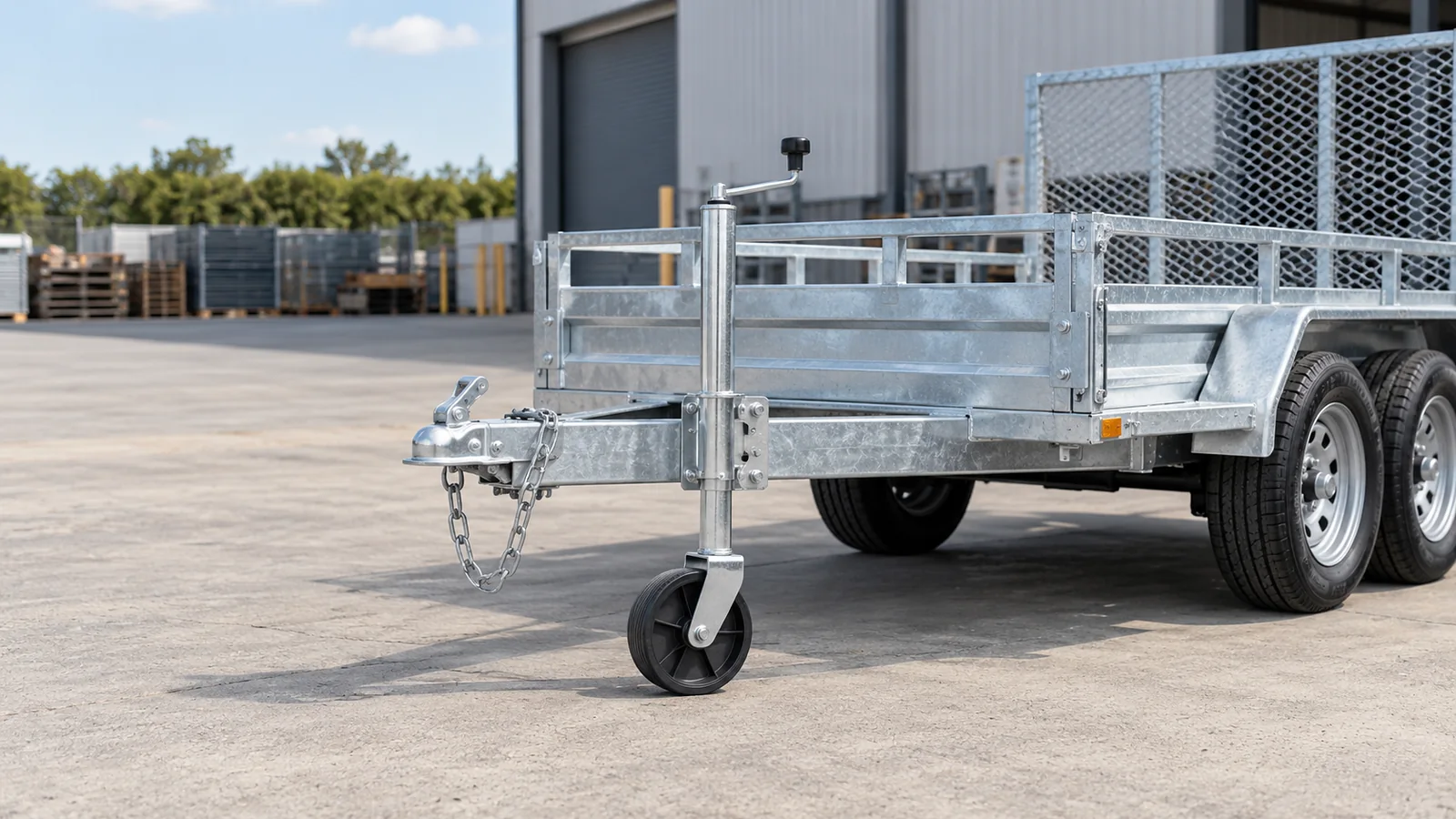
Bagaimana Ketinggian dan Perjalanan Tertutup Mempengaruhi Pemasangan Roda Joki
A practical buyer guide to jockey wheel closed height travel, focused on measurable operating conditions and RFQ-ready decisions.
Where the purchasing risk actually sits — How Closed Height and Travel
Procurement teams often encounter jockey wheel closed height travel as a catalogue term, but the purchasing decision becomes clearer when the term is converted into measurable operating requirements.
In trailer drawbars, parked trailers and short-distance manual manoeuvring, the selection should therefore start with drawbar/support load, ground surface, wheel diameter/width, tube or clamp fit, travel and stowed clearance. That keeps a dimensional or material choice connected to the job it must perform rather than to a generic product description.
The common failure is to treat one attractive parameter as the whole specification. A wheel may roll well but the jack can still be wrong for clamp diameter, retracted height or folding envelope. A better purchasing note captures vertical load at support point, ground condition, wheel size, tube/clamp dimensions, travel and quantity, so suppliers can compare like with like and flag missing dimensions instead of guessing.
Start from duty cycle and real movement — How Closed Height and Travel
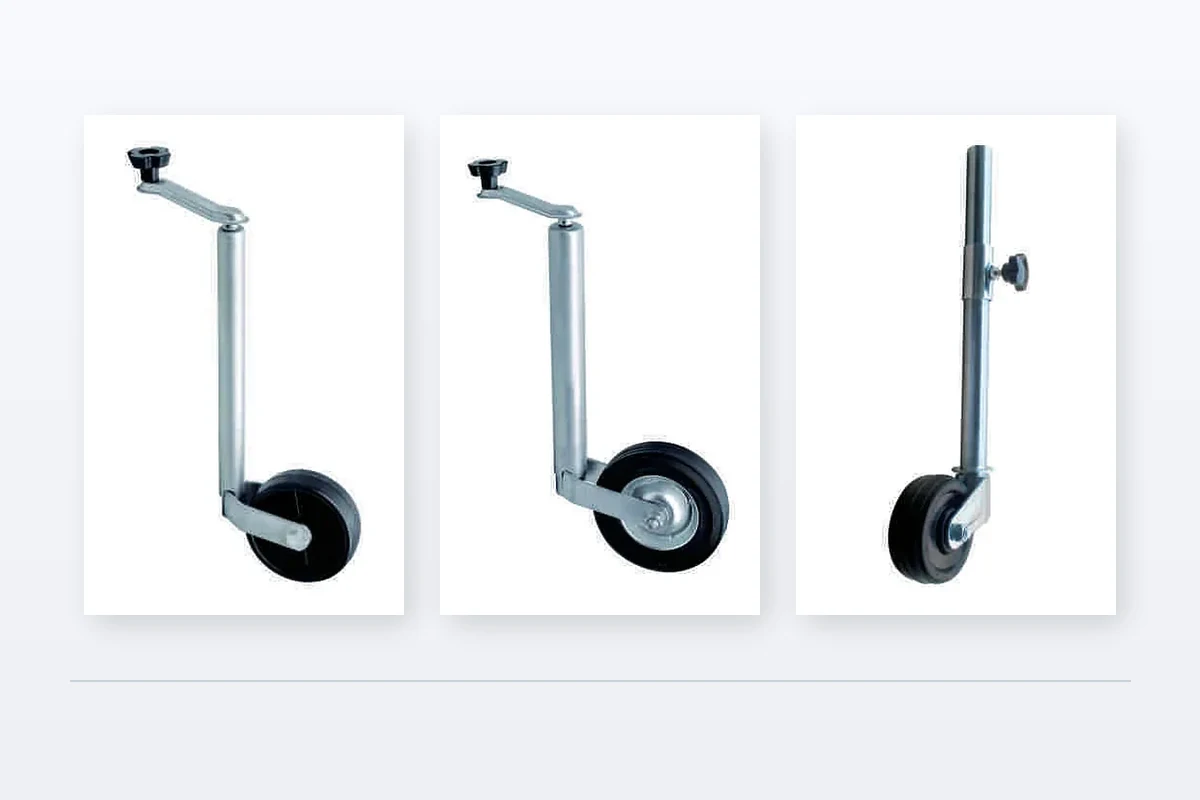
Before comparing products, write the equipment task in one sentence: what must move, what load it carries, where it travels and how often it is repositioned. That description provides context for jockey wheel closed height travel without turning one parameter into a universal rule.
For trailer drawbars, parked trailers and short-distance manual manoeuvring, the first review should cover drawbar/support load, ground surface, wheel diameter/width, tube or clamp fit, travel and stowed clearance. If a value is not known, mark it for measurement rather than substituting a typical number. The purpose of the RFQ is to close gaps, not hide them. In a How Closed Height and Travel Affect Jockey RFQ, this point is most useful when it is stated together with the operating condition and the fit-controlling dimensions.
Capture dimensions before the old part is removed — How Closed Height and Travel
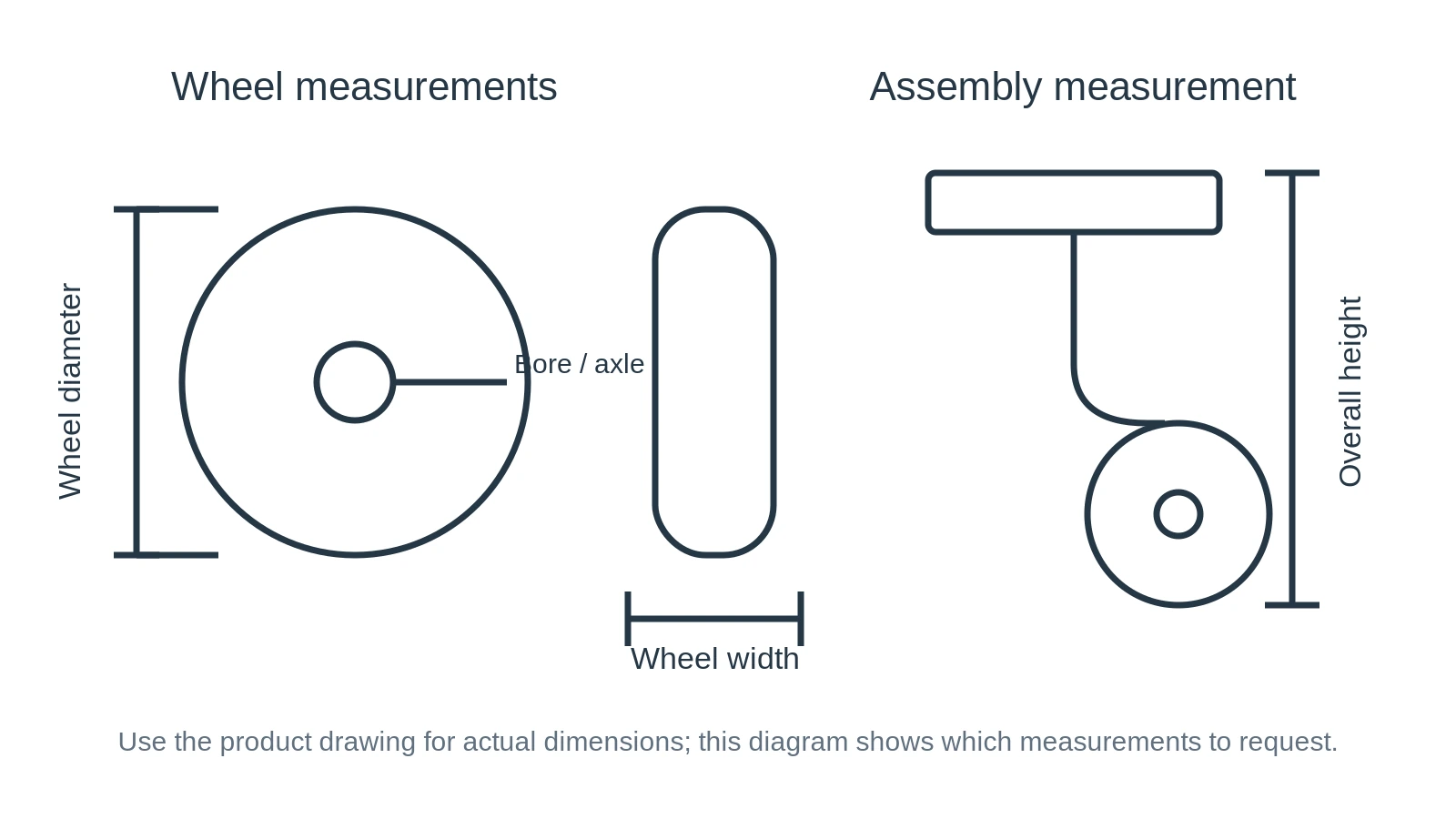
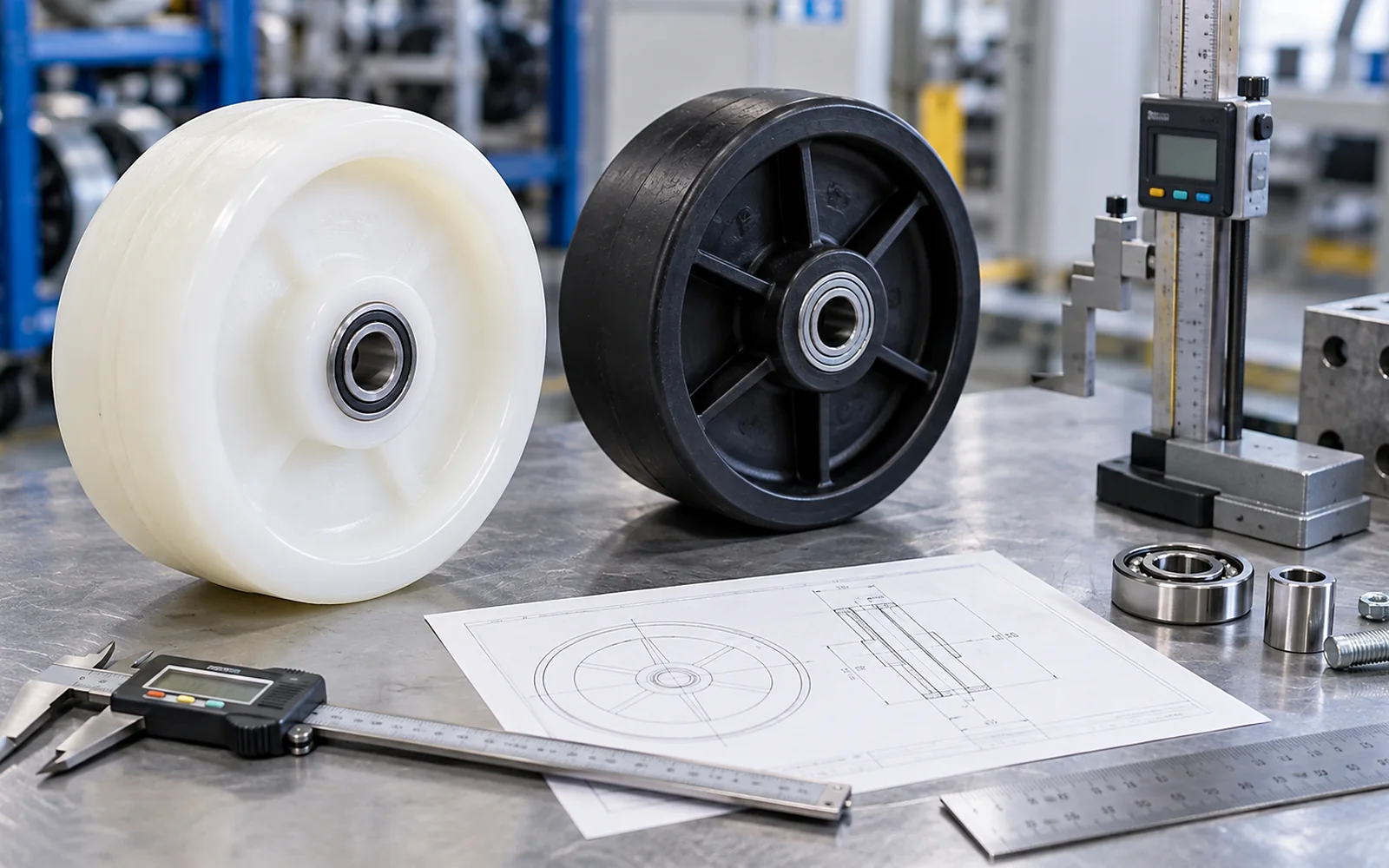
Replacement work benefits from a consistent measurement routine. Record wheel diameter and width, then move inward to the hub: bore or bearing type, axle diameter, hub length and spacers. For complete assemblies, add installed height and mounting geometry. Photograph the measurement tool in place when a dimension is difficult to describe. In a How Closed Height and Travel Affect Jockey RFQ, this point is most useful when it is stated together with the operating condition and the fit-controlling dimensions.
Do not use worn tread as the only reference if original diameter matters. A heavily worn wheel can make the replacement appear too large when the real issue is material loss. Likewise, a bent fork or improvised spacer can change apparent offset. In a How Closed Height and Travel Affect Jockey RFQ, this point is most useful when it is stated together with the operating condition and the fit-controlling dimensions.
Connect load to movement instead of treating it as static — How Closed Height and Travel
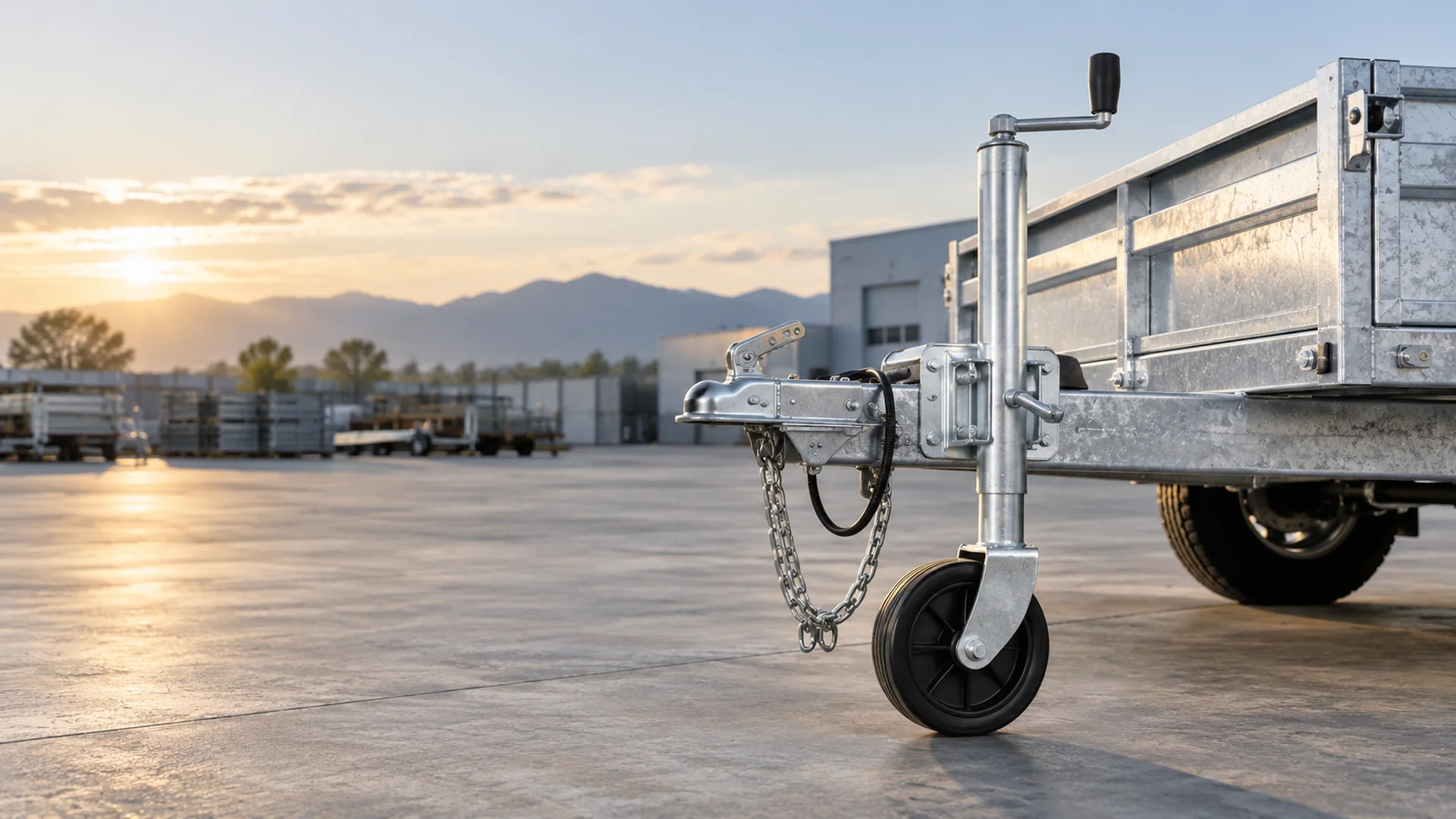
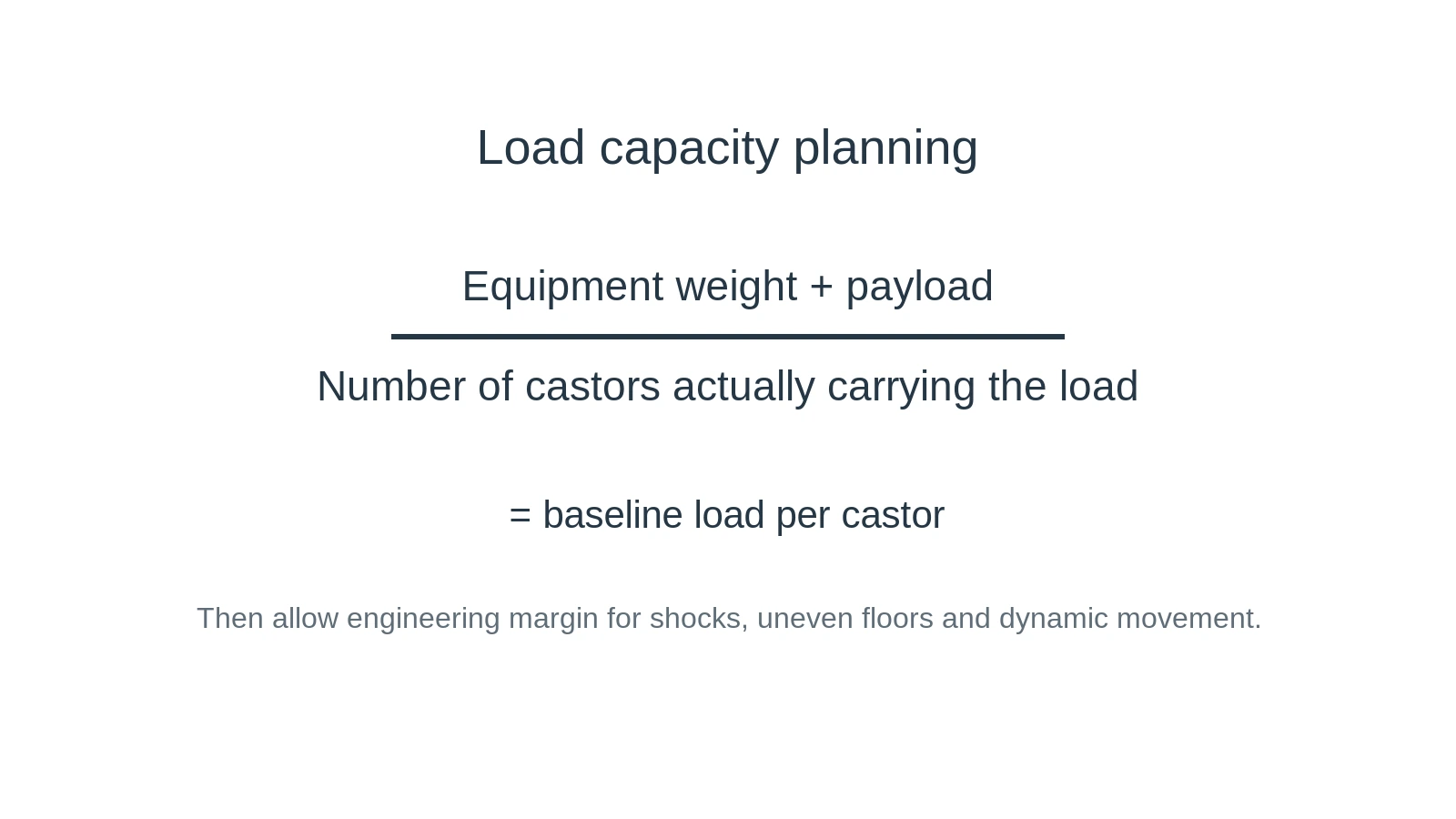
Load rating is not independent of how equipment moves. A cart crossing a threshold can create impact forces absent in a static parking condition. An uneven floor can shift load from four nominal support points to three. A trailer jockey wheel may carry a modest vertical drawbar load yet require substantial manoeuvring effort on loose ground. In a How Closed Height and Travel Affect Jockey RFQ, this point is most useful when it is stated together with the operating condition and the fit-controlling dimensions.
Rekodkan beban normal maksimum, beban luar biasa, lantai atau tanah, jarak perjalanan dan kekerapan halangan. Gabungan ini memberikan asas pemilihan yang lebih baik daripada satu berat kasar.
Jockey-wheel selection needs two load conversations — How Closed Height and Travel
The vertical load carried by the jack is one issue; the effort needed to manoeuvre the trailer is another. Ground, diameter and width can dominate the second. A configuration satisfactory on paving may be difficult on gravel even when vertical load is unchanged. In a How Closed Height and Travel Affect Jockey RFQ, this point is most useful when it is stated together with the operating condition and the fit-controlling dimensions.
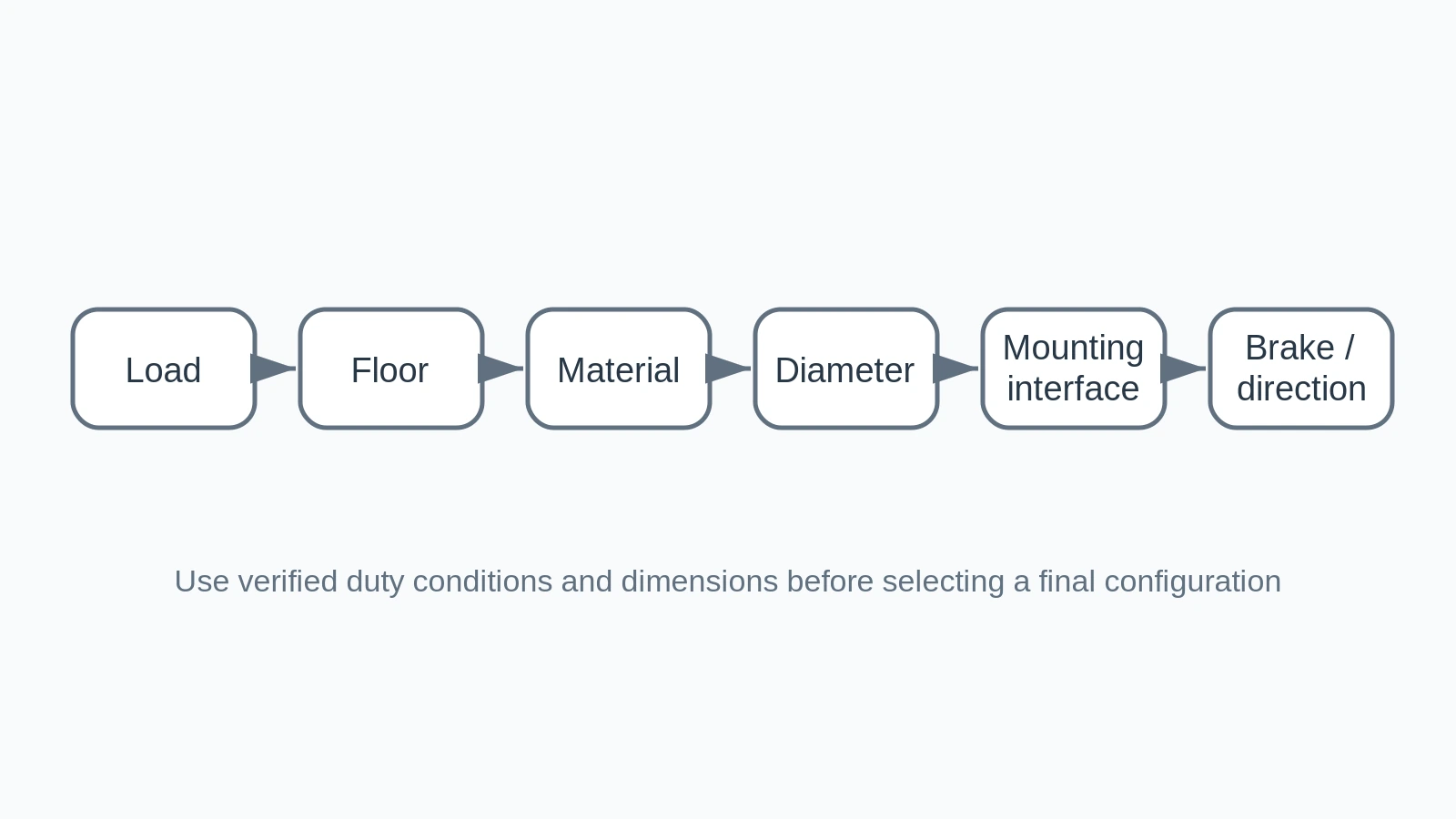
Sahkan juga diameter tiub/pengapit, pergerakan pengangkat, ketinggian tertutup dan ruang yang diperlukan untuk melipat atau memutarkan pemasangan.
Failure patterns to watch in how closed height and travel affect jockey
A wheel may roll well but the jack can still be wrong for clamp diameter, retracted height or folding envelope. Similar symptoms can also come from loose fasteners, worn bearings, misalignment, contaminated floors or a frame that is no longer square. Before blaming wheel material, inspect the mounting and compare wear patterns across positions. In a How Closed Height and Travel Affect Jockey RFQ, this point is most useful when it is stated together with the operating condition and the fit-controlling dimensions.
If only one corner wears rapidly, investigate that corner’s load and alignment. If all wheels show the same damage, review duty, floor and material specification. If wear accelerates after a process change, record the new contaminant, cleaning agent, temperature or travel pattern. In a How Closed Height and Travel Affect Jockey RFQ, this point is most useful when it is stated together with the operating condition and the fit-controlling dimensions.
Translate the engineering notes into one controlled RFQ line — How Closed Height and Travel
Use one line per configuration and write the requirement so another engineer can understand it without the original conversation. Include vertical load at support point, ground condition, wheel size, tube/clamp dimensions, travel and quantity. Attach the correct drawing or photo set. If an interface dimension is unknown, say “measurement pending” instead of using a guessed value. In a How Closed Height and Travel Affect Jockey RFQ, this point is most useful when it is stated together with the operating condition and the fit-controlling dimensions.
Untuk pesanan berbilang model, asingkan kuantiti dan kenal pasti dimensi yang dikongsi.
How Closed Height and Travel Affect Jockey decision checklist
- Adakah beban normal maksimum diketahui?
- Bolehkah roda penyokong berkongsi beban secara sama rata?
- Adakah lantai/tanah sebenar diterangkan?
- Adakah dimensi roda dan antara muka diukur?
- Adakah fungsi kawalan jelas?
- Adakah keperluan bahan/kemasan/persekitaran khas dinyatakan?
- Adakah kuantiti dilampirkan pada model yang betul?
Teruskan dengan halaman pilihan utama, bandingkan keluarga produk semasa, atau gunakan Borang RFQ.
Connect selection, installation and observed behaviour — How Closed Height and Travel
Perkara di bawah mengaplikasikan topik artikel kepada pengukuran, pemasangan dan pemerhatian lapangan tanpa menganggap label produk generik sebagai spesifikasi lengkap.
Separate technical approval from quantity changes — How Closed Height and Travel
If purchasing later changes quantity or consolidates models, do not let that commercial change overwrite the technical specification. Preserve approved dimensions and configuration while updating only the commercial fields that changed. In a How Closed Height and Travel Affect Jockey RFQ, this point is most useful when it is stated together with the operating condition and the fit-controlling dimensions.
What to observe when applying how closed height and travel affect jockey
Commission a new or replacement configuration for jockey wheel closed height travel under controlled load and low speed before normal operation. Watch for rubbing, bracket contact, wheel wobble, steering instability, fastener movement and any change in deck or drawbar height. The goal is to test the assumptions made during selection rather than merely confirm that the wheel turns.
For trailer drawbars, parked trailers and short-distance manual manoeuvring, include the most demanding normal floor or ground transition in the initial trial. If the system must cross a threshold, ramp or rough joint, observe it there. Document the result with the same model reference used in the RFQ so future subsequent orders have a useful baseline instead of relying on memory. In a How Closed Height and Travel Affect Jockey RFQ, this point is most useful when it is stated together with the operating condition and the fit-controlling dimensions.
Maintenance records that matter for how closed height and travel affect jockey
Record wheel position, installation date, duty, reason for replacement and unusual floor events. In a jockey wheel closed height travel program, this simple history helps identify whether wear is random, position-specific or linked to a changed environment. A wheel that fails repeatedly at one corner may point to load concentration, alignment or local contamination rather than a general material problem.
Inspect axle, spacers, bearings, bracket and fasteners when the old wheel is removed. Keep measurements that relate directly to vertical load at support point, ground condition, wheel size, tube/clamp dimensions, travel and quantity. If a component has been modified in service, photograph the change before installing the new item and decide whether the modified condition should become part of the official equipment specification. In a How Closed Height and Travel Affect Jockey RFQ, this point is most useful when it is stated together with the operating condition and the fit-controlling dimensions.
Frame the decision around the equipment — How Closed Height and Travel
The practical value of “How Closed Height and Travel Affect Jockey Wheel Installation” is not a universal yes-or-no answer. The useful boundary is the equipment and duty in which the question occurs. Write down drawbar support load, wheel size, tube or clamp fit, lifting travel, closed height, folding or swivel clearance, ground condition and manoeuvring frequency. Keeping these fields together makes it possible to distinguish a product-identification question from an engineering selection question and prevents a visually similar part from being treated as automatically interchangeable.
Use the most demanding normal condition rather than a best-case description. If the equipment sometimes crosses a threshold, works outdoors, carries an uneven payload or is manoeuvred only after long periods of static load, include that condition. The objective is a repeatable requirement that another engineer or buyer can understand without seeing the original component. In a How Closed Height and Travel Affect Jockey RFQ, this point is most useful when it is stated together with the operating condition and the fit-controlling dimensions.
Collect the dimensions that remove ambiguity — How Closed Height and Travel
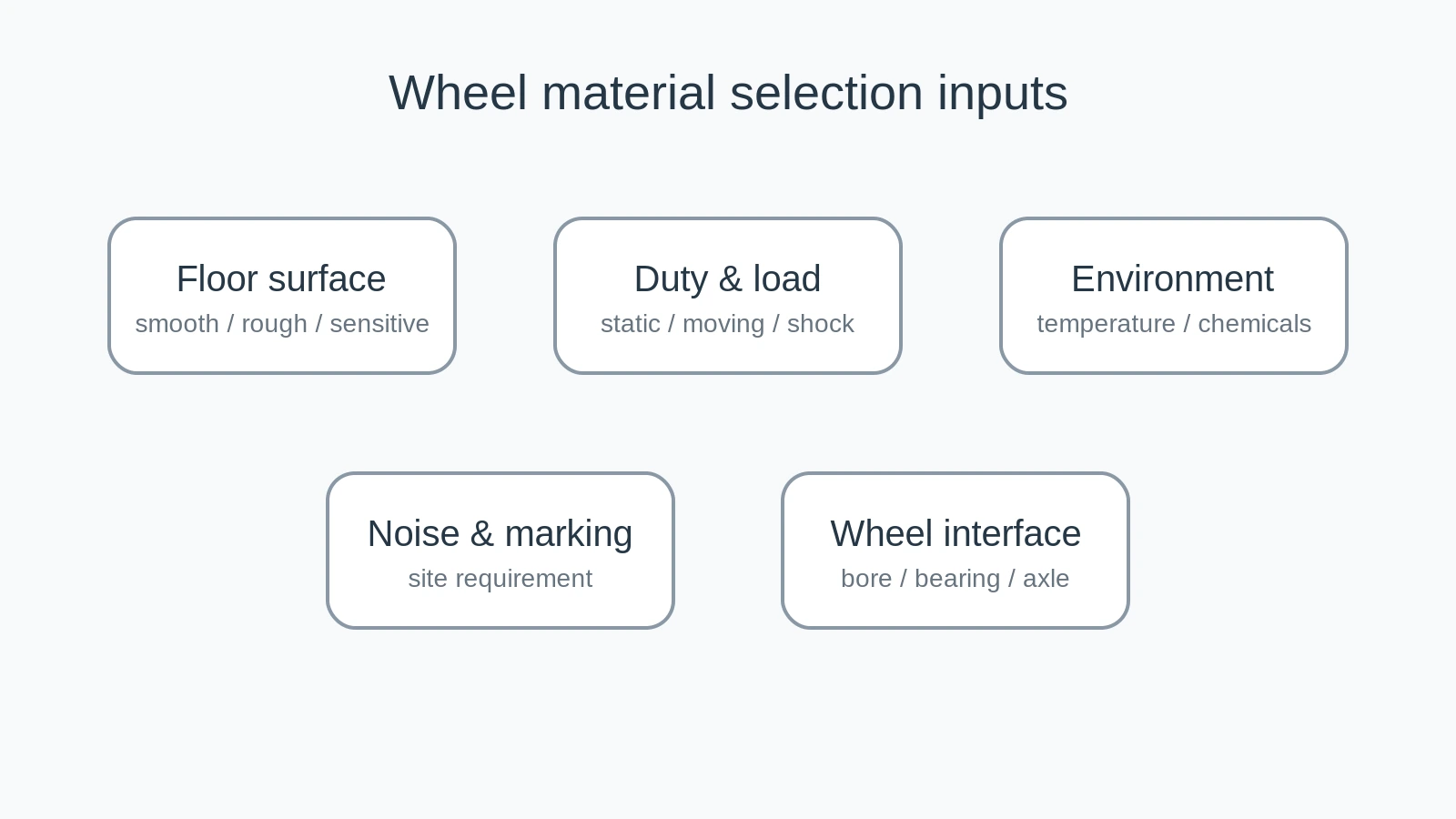
For this topic, record drawbar support load, wheel size, tube or clamp fit, lifting travel, closed height, folding or swivel clearance, ground condition and manoeuvring frequency. Use dimensioned photographs where a drawing is unavailable and show the reference points used for each measurement. If the old part is worn, bent or repaired, flag the affected dimension instead of treating the damaged geometry as the design target. In a How Closed Height and Travel Affect Jockey RFQ, this point is most useful when it is stated together with the operating condition and the fit-controlling dimensions.
A comparison sheet works best with one configuration per column or row. Keep measured values, required values and optional preferences separate. That simple separation reduces the chance that a supplier proposal or an old catalogue value is copied into the required specification without review. It also makes later quotation revisions easier to audit. In a How Closed Height and Travel Affect Jockey RFQ, this point is most useful when it is stated together with the operating condition and the fit-controlling dimensions.
Use a controlled trial before routine service — How Closed Height and Travel
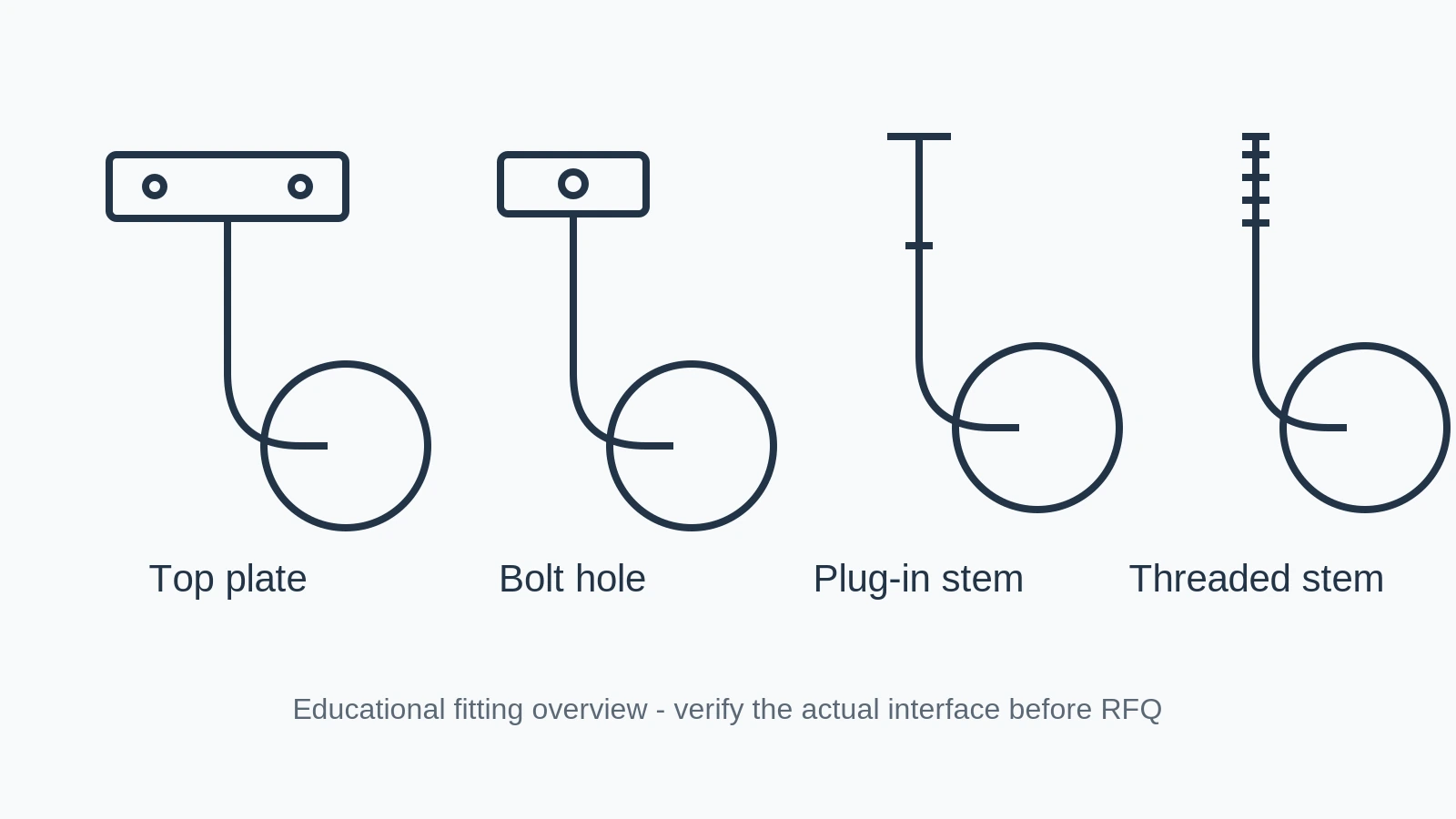
After a candidate is installed, raise and lower the jack through its usable travel, confirm the wheel carries the support point without interference, then manoeuvre on the normal yard surface and verify the stowed position clears the drawbar and coupling. The first trial should be slow enough to observe the wheel and mounting rather than merely prove that the equipment can move. Look for rubbing, unexpected side movement, fastener movement, wheel wobble, interference and a change in operator effort. In a How Closed Height and Travel Affect Jockey RFQ, this point is most useful when it is stated together with the operating condition and the fit-controlling dimensions.
If the result is unsatisfactory, record the symptom before changing several variables at once. One controlled change—such as wheel diameter, material, mounting alignment or steering layout—gives more useful information than changing the whole assembly and losing the cause of the original problem. In a How Closed Height and Travel Affect Jockey RFQ, this point is most useful when it is stated together with the operating condition and the fit-controlling dimensions.
Test the decision behind “How Closed Height and Travel Affect Jockey Wheel Installation” on the actual parking surface
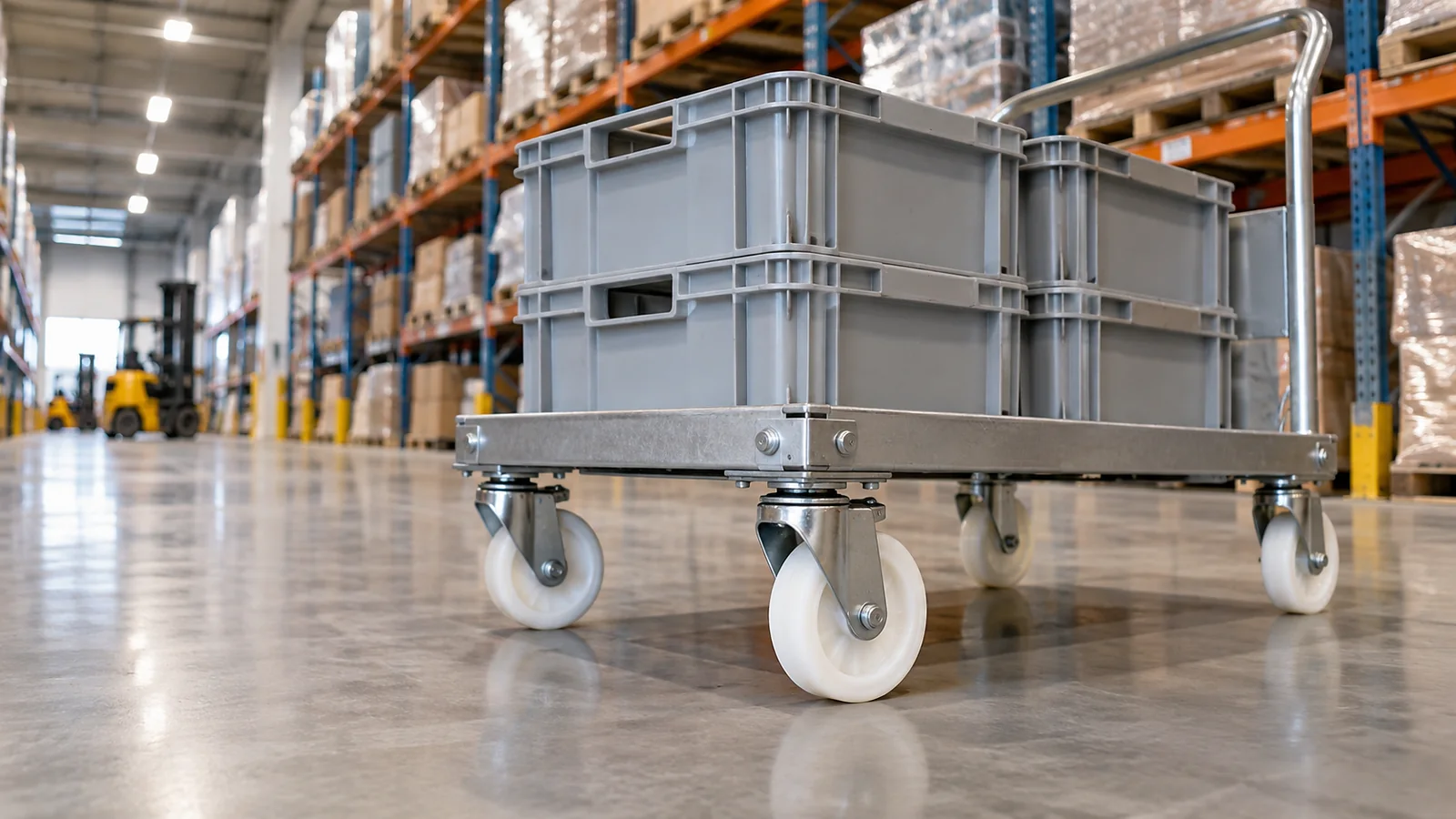
After installation, make a controlled low-speed manoeuvring check on the surface that normally creates the greatest effort. Observe steering, wheel scrub, fork clearance and any tendency for the mounting to twist or slip. If the trailer is routinely moved across gravel, pavers or drainage channels, include those conditions rather than testing only on workshop concrete. In a How Closed Height and Travel Affect Jockey RFQ, this point is most useful when it is stated together with the operating condition and the fit-controlling dimensions.
A short documented trial provides much more useful purchasing information than a generic statement that one wheel is “better.” Record the accepted configuration, the trailer group, the load condition and any clearance limitation so a later subsequent orders can be checked against the same operating basis. In a How Closed Height and Travel Affect Jockey RFQ, this point is most useful when it is stated together with the operating condition and the fit-controlling dimensions.
Record the installed envelope when applying “How Closed Height and Travel Affect Jockey Wheel Installation”
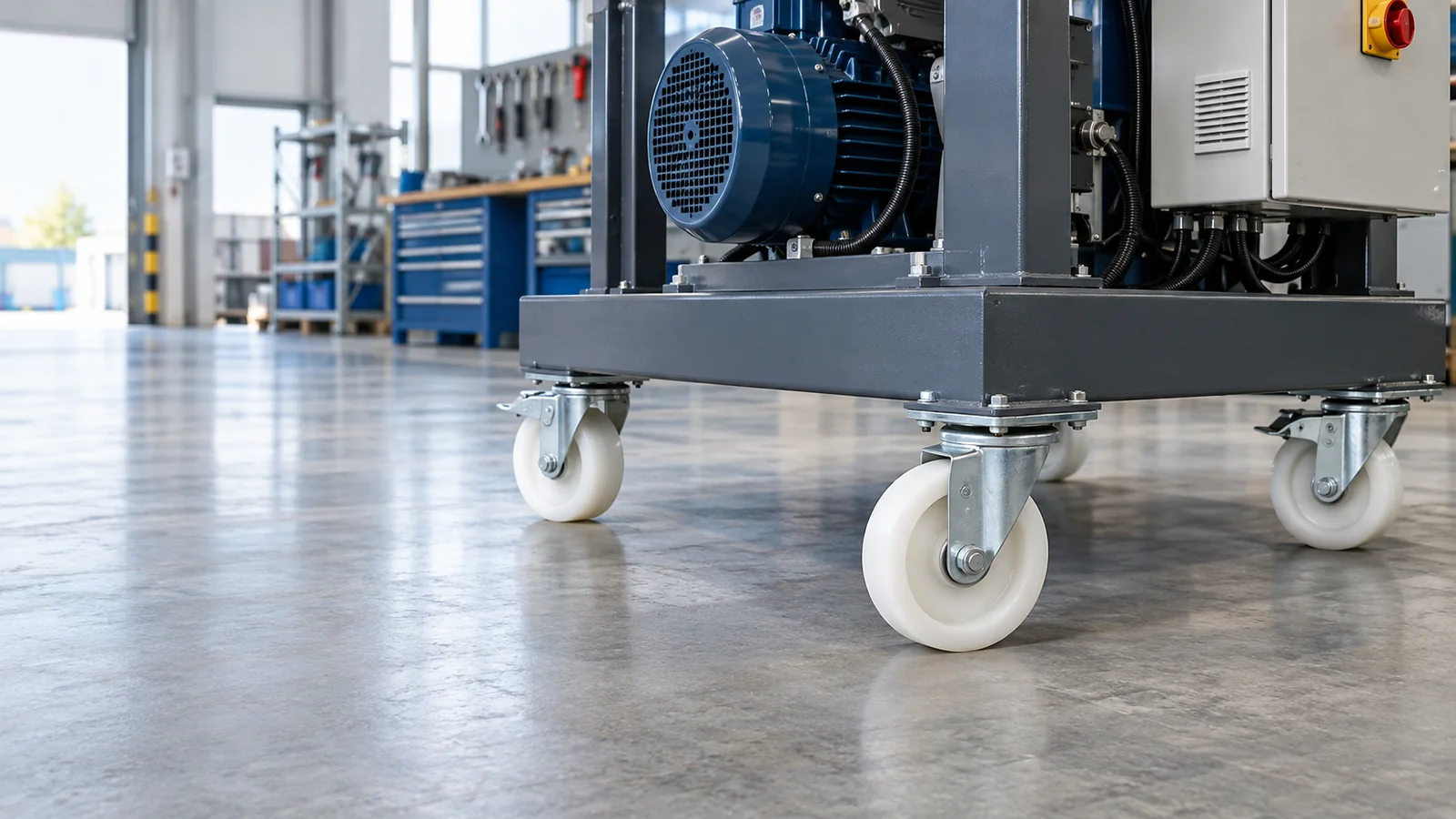
A jockey wheel must fit more than the nominal tyre diameter. Record tube or clamp size, closed height, required lift, wheel/fork envelope, crank clearance and the path the assembly takes if it folds or swivels for travel. Include the trailer’s actual drawbar load condition and the ground where uncoupled manoeuvring occurs. In a How Closed Height and Travel Affect Jockey RFQ, this point is most useful when it is stated together with the operating condition and the fit-controlling dimensions.
For replacement work, inspect the clamp, tube and mounting area for deformation or previous modification before assuming the old configuration should be copied exactly. If the supplier’s stated load refers to a jack family, do not use it as a substitute for measuring the real application requirement. In a How Closed Height and Travel Affect Jockey RFQ, this point is most useful when it is stated together with the operating condition and the fit-controlling dimensions.
Turn the trailer-support question into four comparable inputs — How Closed Height and Travel
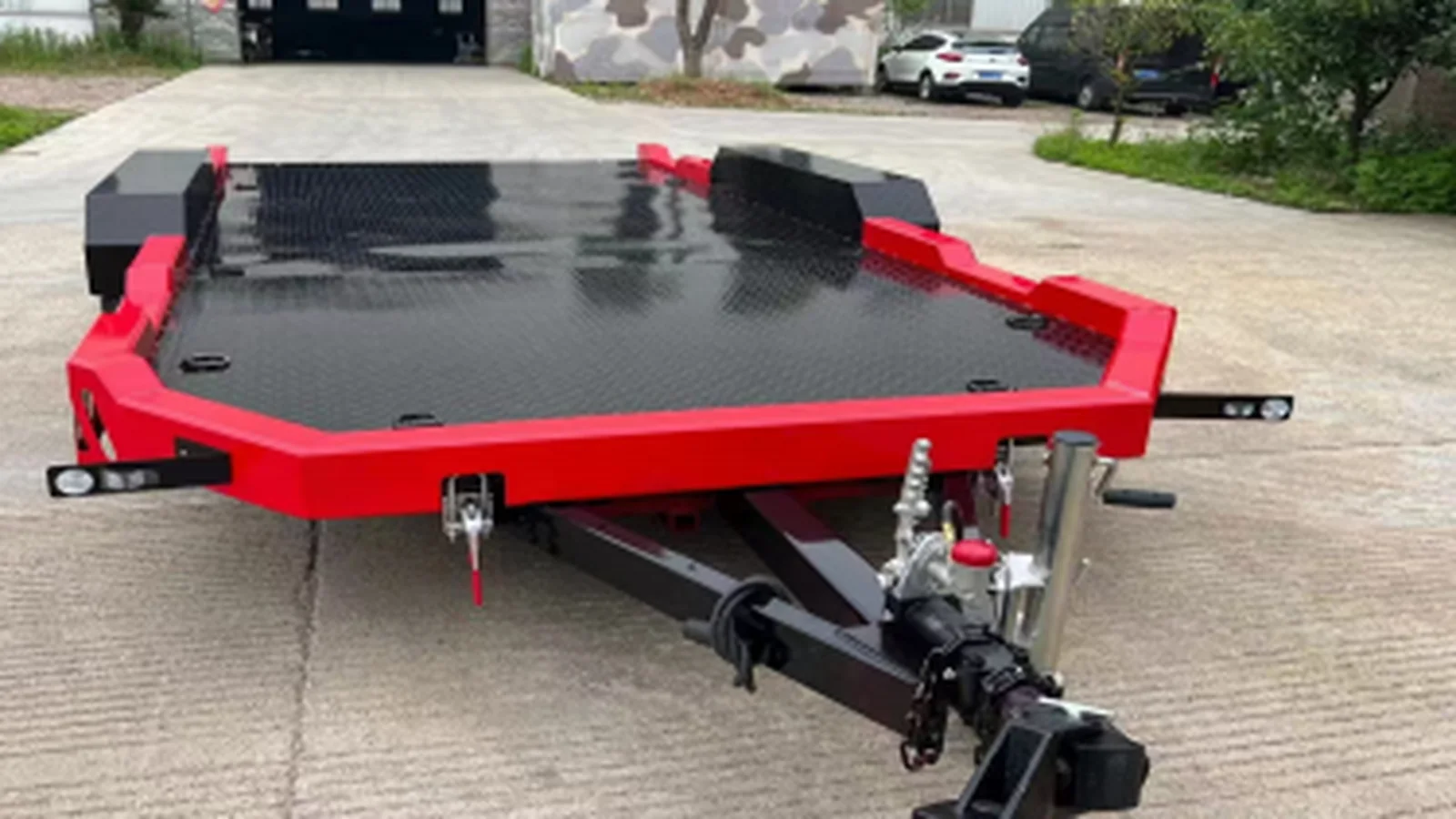
Trailer-support questions become easier to resolve when load, ground, interface and operating travel are written down separately. A catalogue title can identify a family, but it cannot describe how the support wheel is loaded, how the trailer is manoeuvred or how much space the mechanism has around the drawbar. In a How Closed Height and Travel Affect Jockey RFQ, this point is most useful when it is stated together with the operating condition and the fit-controlling dimensions.
| Input | Apa yang perlu direkodkan |
|---|---|
| Keadaan sokongan | Nyatakan beban muncung atau beban sokongan sebenar dan sama ada roda itu hanya digunakan untuk parkir, untuk manuver tangan atau kedua-duanya. |
| Tanah | Huraikan konkrit, turapan, batu kerikil, tanah lembut, sambungan dan cerun yang berlaku dalam penggunaan biasa. |
| Antara muka | Rekod dimensi tiub, pengapit, pendakap atau plat serta kedudukan gandingan dan anggota bingkai yang berdekatan. |
| Sampul operasi | Ukur ketinggian tertutup, pergerakan berguna, akses engkol dan laluan yang diperlukan untuk melipat atau berpusing jika berkaitan. |
Use these inputs to compare alternatives under the same conditions. A larger wheel may improve obstacle geometry but can also change stored clearance. A stronger-looking bracket may still be unsuitable if the clamp or tube does not match. When a brake, swivel or twin-wheel arrangement is involved, describe the function that the operator actually needs rather than requesting a feature from appearance alone. In a How Closed Height and Travel Affect Jockey RFQ, this point is most useful when it is stated together with the operating condition and the fit-controlling dimensions.
For replacement work, photograph the assembly before removal and include a side view that shows the mounting relationship. If the existing part is damaged, identify which dimensions are still trustworthy. During the first controlled installation, operate the mechanism through its usable travel without rushing the test, then load the trailer gradually and confirm that the wheel, handle and structure remain clear through normal manoeuvring. In a How Closed Height and Travel Affect Jockey RFQ, this point is most useful when it is stated together with the operating condition and the fit-controlling dimensions.
How how closed height and travel affect jockey changes the RFQ
For “How Closed Height and Travel Affect Jockey Wheel Installation”, the RFQ should state the operating fact that drives the question rather than only repeating the product term. Name the equipment, describe the normal and maximum duty, record the fit-controlling dimensions and identify the symptom or objective that prompted the review. If the decision concerns load, include equipment mass and supporting points; if it concerns material, describe floor and environment; if it concerns mounting, provide the interface geometry; and if it concerns a trailer support wheel, include the support condition, ground and available travel.
Keep required values separate from open questions. A supplier can respond much more usefully to “confirm bore and hub length against attached sketch” than to a guessed dimension presented as final. The same principle applies to load ratings, material grades, brake functions and mounting details. Where a value is verified, label it clearly; where it is not, ask for confirmation. That keeps the quotation aligned with the real equipment and makes later technical review easier without adding another repetitive approval or subsequent orders section to the page. In a How Closed Height and Travel Affect Jockey RFQ, this point is most useful when it is stated together with the operating condition and the fit-controlling dimensions.
How Closed Height and Travel Affect Jockey FAQ
What is the first thing to confirm for jockey wheel closed height travel?
Mulakan dengan beban palang penarik/sokongan, permukaan tanah, diameter/lebar roda, padanan tiub atau pengapit, pergerakan dan jarak simpanan. Itu memberikan konteks yang boleh diukur untuk pemilihan selebihnya.
Bolehkah foto menggantikan ukuran?
Foto membantu pengenalpastian, tetapi dimensi kritikal kesesuaian masih harus diukur atau diambil daripada lukisan yang diluluskan.
Patutkah pembeli menambah faktor keselamatan pada muatan?
A safety allowance is commonly used to address unequal load sharing and operating effects, but the appropriate value depends on the application and does not replace the product rating. In a How Closed Height and Travel Affect Jockey RFQ, this point is most useful when it is stated together with the operating condition and the fit-controlling dimensions.
Bagaimana jika bahan tersebut tidak diketahui?
Nyatakan tingkat operasi dan persekitaran, berikan sampel atau foto dan anggap bahan sebagai item pengesahan dan bukannya meneka berdasarkan warna.
Discuss your jockey wheel closed height travel requirement
Hantar permohonan, muat, dimensi kawalan kesesuaian, kuantiti dan sebarang foto atau lukisan yang berkaitan. Kami akan menggunakan input tersebut untuk menyempitkan keluarga produk tanpa meneka.