
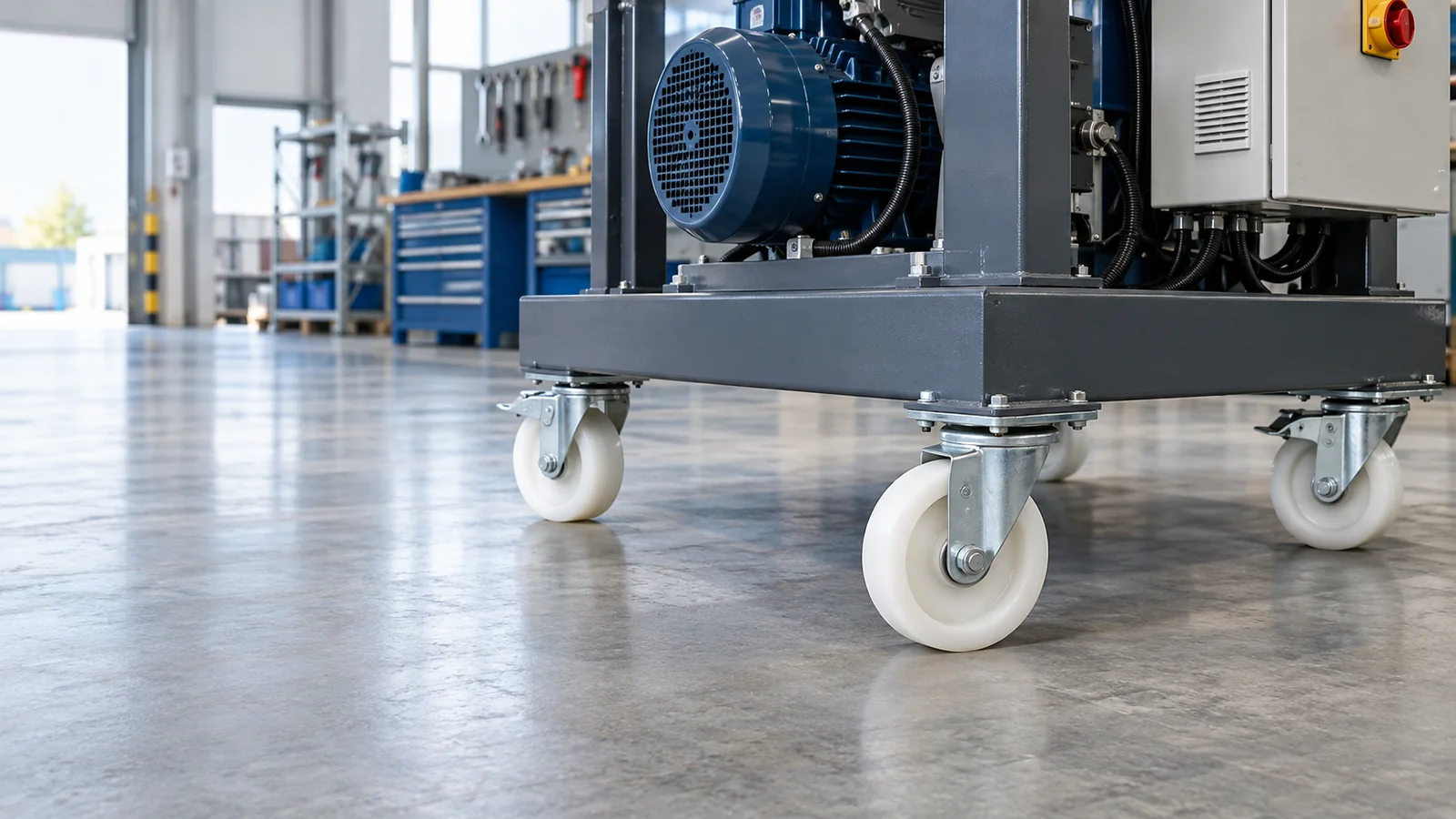
Two Swivel + Two Fixed vs Four Swivel Wheels on a Trolley
A practical buyer guide to two swivel two fixed caster layout, focused on measurable operating conditions and RFQ-ready decisions.
Where the purchasing risk actually sits — Two Swivel + Two Fixed
Procurement teams often encounter two swivel two fixed caster layout as a catalogue term, but the purchasing decision becomes clearer when the term is converted into measurable operating requirements.
Dalam troli perindustrian, tapak mesin dan rangka mudah alih yang memerlukan kawalan stereng atau parkir yang boleh diramal, pemilihan hendaklah bermula dengan geometri pemasangan, susun atur pusing/tetap, fungsi kawalan, ketinggian dan kelegaan yang dipasang. Ini memastikan pilihan dimensi atau bahan sentiasa berkaitan dengan kerja yang mesti dilakukan dan bukannya penerangan produk generik.
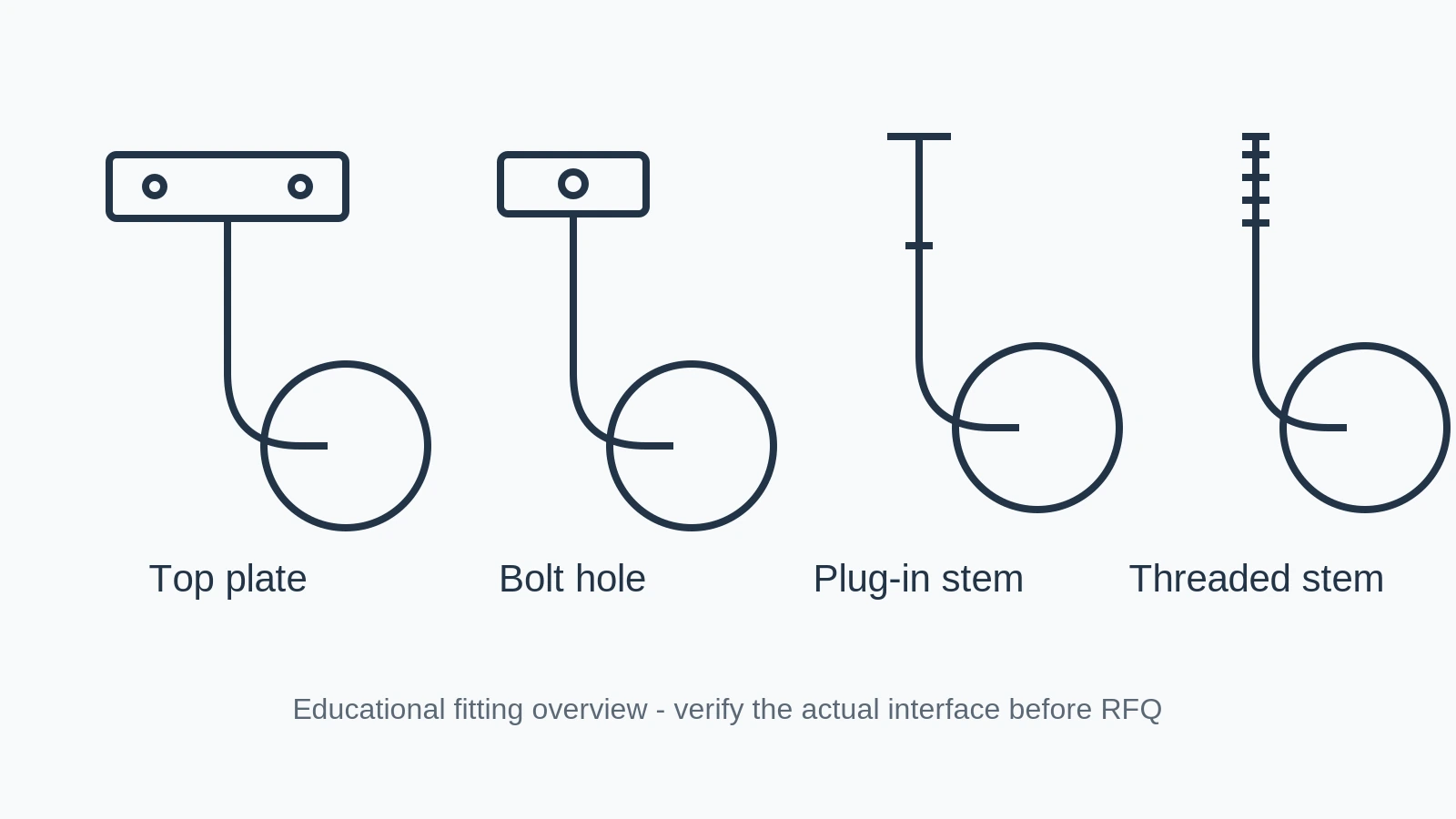
Kegagalan biasa adalah untuk menganggap satu parameter yang menarik sebagai keseluruhan spesifikasi. Dua kurungan boleh kelihatan sama semasa menggunakan corak lubang, ofset, fungsi kunci atau sampul pusing yang berbeza. Nota pembelian yang lebih baik dapat menangkap dimensi plat atau batang, pengikat, ketinggian yang dipasang, susun atur roda, fungsi kunci, beban dan kuantiti, supaya pembekal boleh membandingkan yang serupa dengan yang serupa dan menandakan dimensi yang hilang dan bukannya meneka.
Start from duty cycle and real movement — Two Swivel + Two Fixed
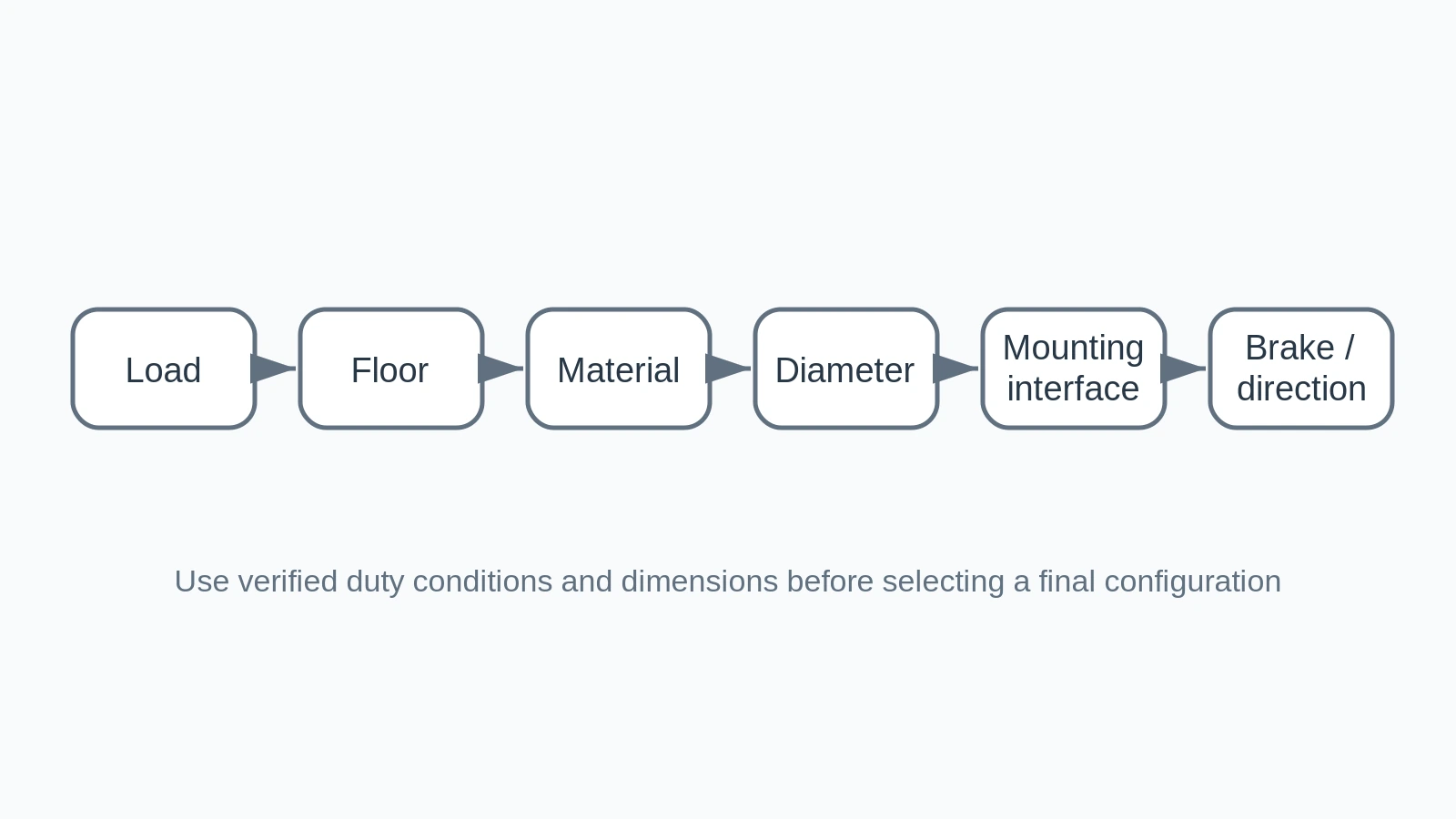
Before comparing products, write the equipment task in one sentence: what must move, what load it carries, where it travels and how often it is repositioned. That description provides context for two swivel two fixed caster layout without turning one parameter into a universal rule.
For industrial trolleys, machine bases and mobile frames requiring predictable steering or parking control, the first review should cover mounting geometry, swivel/fixed layout, control function, installed height and clearance. If a value is not known, mark it for measurement rather than substituting a typical number. The purpose of the RFQ is to close gaps, not hide them. When applying this to Two Swivel + Two Fixed vs Four, compare candidates against the same equipment record so material, size and interface changes are reviewed consistently.
Capture dimensions before the old part is removed — Two Swivel + Two Fixed
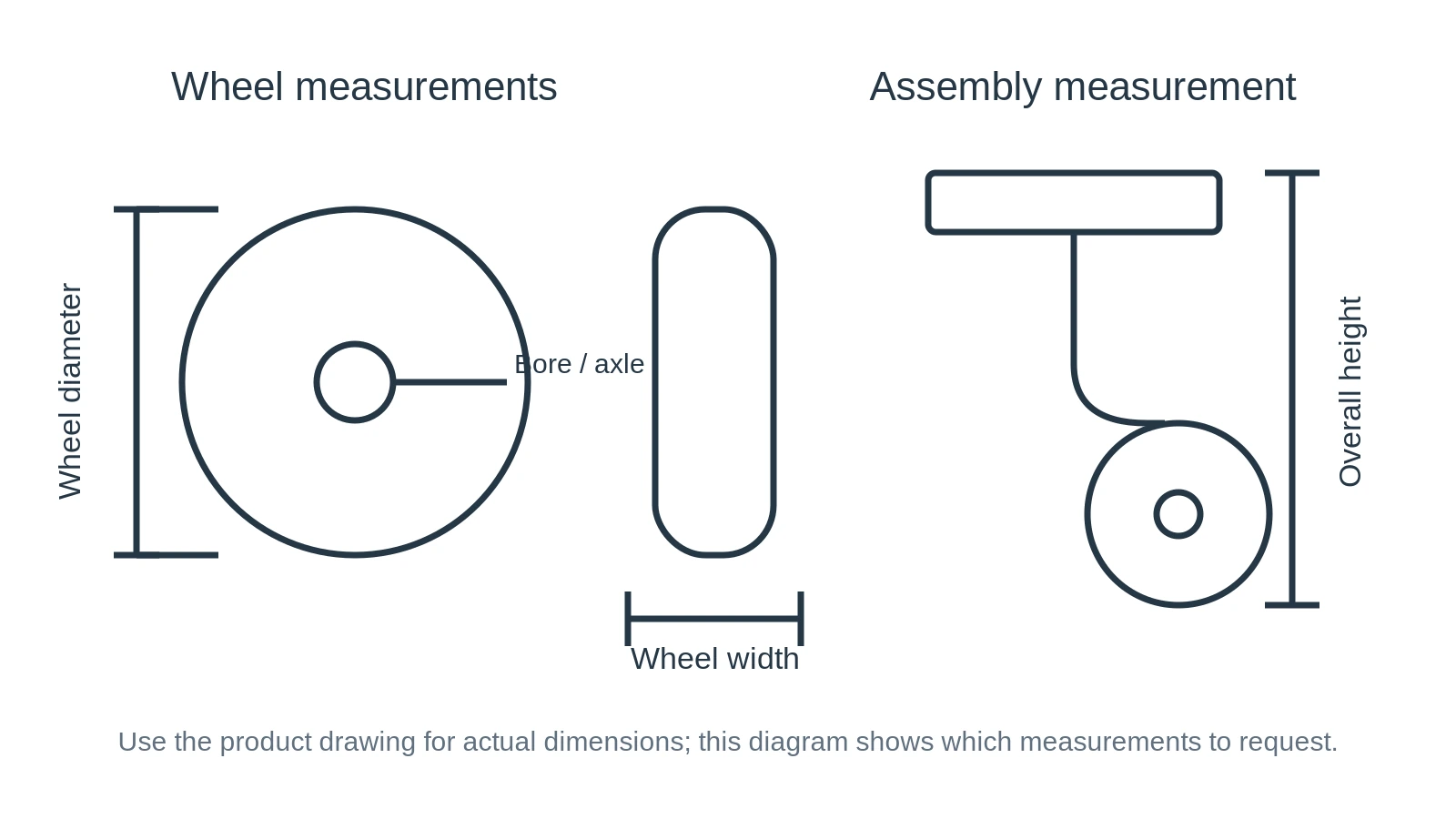
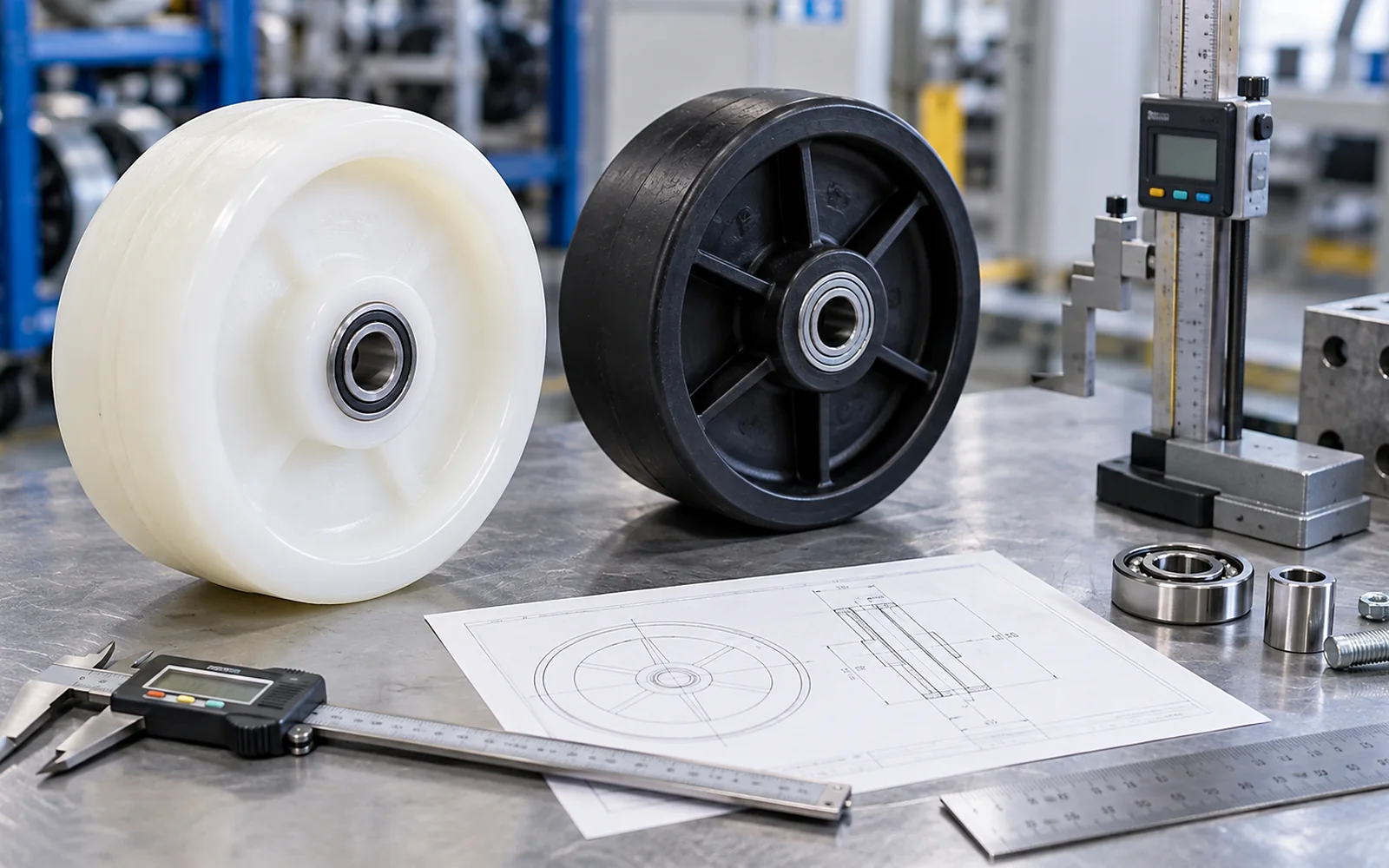
Replacement work benefits from a consistent measurement routine. Record wheel diameter and width, then move inward to the hub: bore or bearing type, axle diameter, hub length and spacers. For complete assemblies, add installed height and mounting geometry. Photograph the measurement tool in place when a dimension is difficult to describe. When applying this to Two Swivel + Two Fixed vs Four, compare candidates against the same equipment record so material, size and interface changes are reviewed consistently.
Do not use worn tread as the only reference if original diameter matters. A heavily worn wheel can make the replacement appear too large when the real issue is material loss. Likewise, a bent fork or improvised spacer can change apparent offset. When applying this to Two Swivel + Two Fixed vs Four, compare candidates against the same equipment record so material, size and interface changes are reviewed consistently.
Connect load to movement instead of treating it as static — Two Swivel + Two Fixed
Load rating is not independent of how equipment moves. A cart crossing a threshold can create impact forces absent in a static parking condition. An uneven floor can shift load from four nominal support points to three. A trailer jockey wheel may carry a modest vertical drawbar load yet require substantial manoeuvring effort on loose ground. When applying this to Two Swivel + Two Fixed vs Four, compare candidates against the same equipment record so material, size and interface changes are reviewed consistently.
Rekodkan beban normal maksimum, beban luar biasa, lantai atau tanah, jarak perjalanan dan kekerapan halangan. Gabungan ini memberikan asas pemilihan yang lebih baik daripada satu berat kasar.
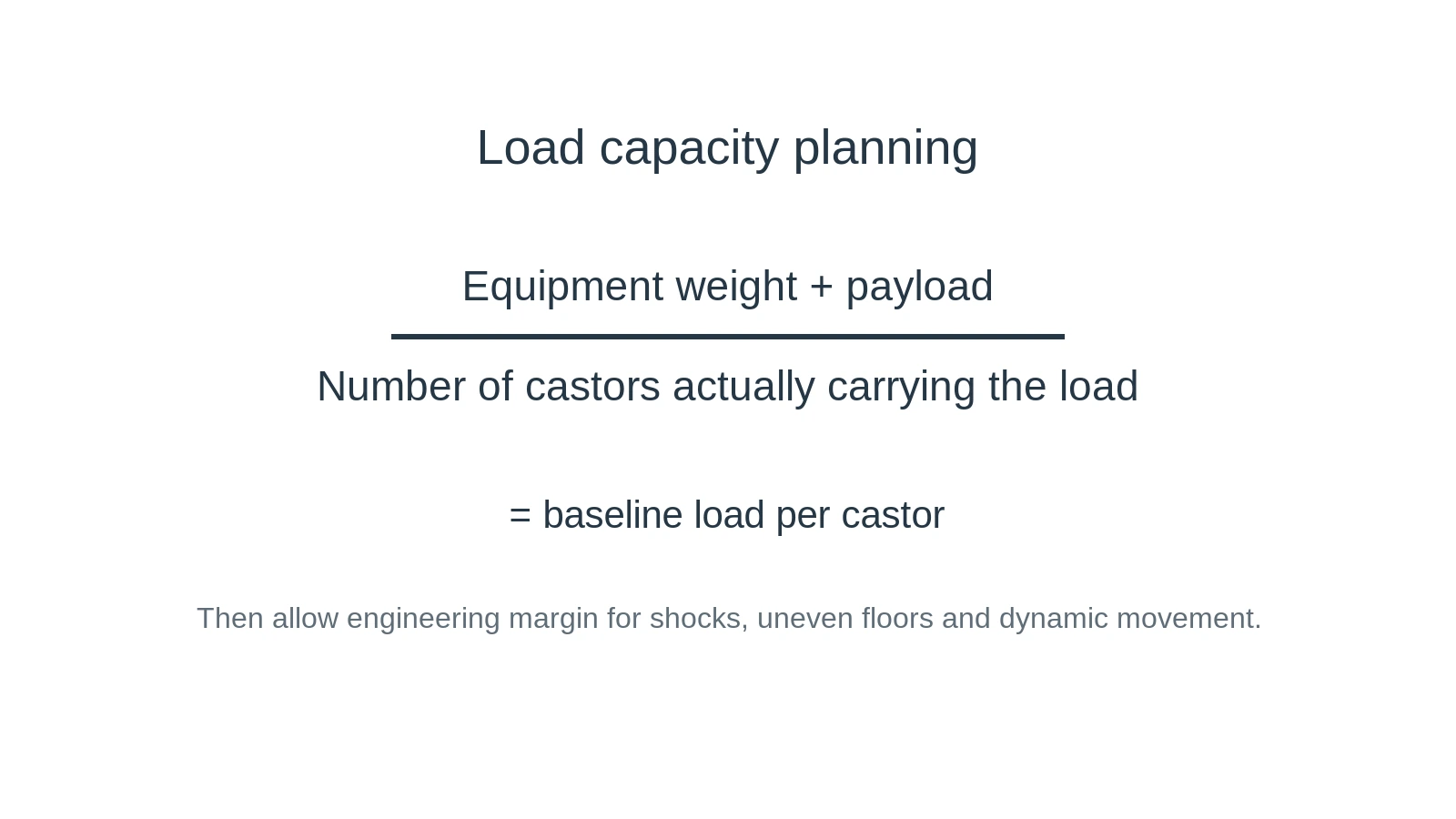
Control function must match the movement pattern — Two Swivel + Two Fixed
A wheel brake acts on wheel rotation; a swivel lock controls bracket direction; a total lock may control both. A fixed castor does not swivel. Those functions produce different steering behaviour, so layout depends on aisle length, turning space, operator access and how equipment is parked. When applying this to Two Swivel + Two Fixed vs Four, compare candidates against the same equipment record so material, size and interface changes are reviewed consistently.
Nilaikan susun atur roda sebagai kenderaan yang lengkap dan bukannya satu selekoh pada satu masa.
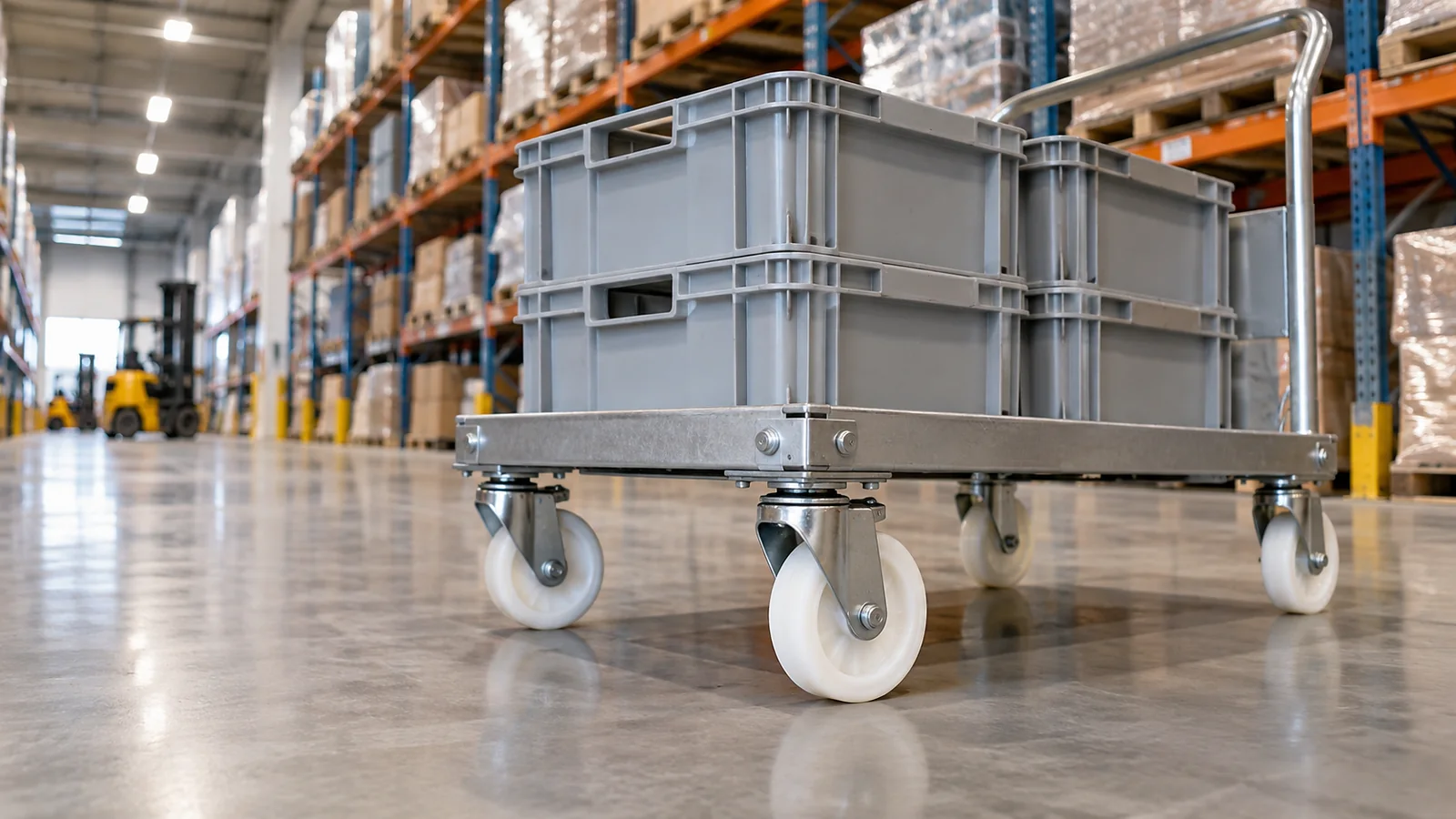
Failure patterns to watch in two swivel + two fixed vs four
Two brackets can look alike while using different hole patterns, offsets, lock functions or swivel envelopes. Similar symptoms can also come from loose fasteners, worn bearings, misalignment, contaminated floors or a frame that is no longer square. Before blaming wheel material, inspect the mounting and compare wear patterns across positions. When applying this to Two Swivel + Two Fixed vs Four, compare candidates against the same equipment record so material, size and interface changes are reviewed consistently.
If only one corner wears rapidly, investigate that corner’s load and alignment. If all wheels show the same damage, review duty, floor and material specification. If wear accelerates after a process change, record the new contaminant, cleaning agent, temperature or travel pattern. When applying this to Two Swivel + Two Fixed vs Four, compare candidates against the same equipment record so material, size and interface changes are reviewed consistently.
Translate the engineering notes into one controlled RFQ line — Two Swivel + Two Fixed
Use one line per configuration and write the requirement so another engineer can understand it without the original conversation. Include plate or stem dimensions, fasteners, installed height, wheel layout, lock function, load and quantity. Attach the correct drawing or photo set. If an interface dimension is unknown, say “measurement pending” instead of using a guessed value. When applying this to Two Swivel + Two Fixed vs Four, compare candidates against the same equipment record so material, size and interface changes are reviewed consistently.
Untuk pesanan berbilang model, asingkan kuantiti dan kenal pasti dimensi yang dikongsi.
Two Swivel + Two Fixed vs Four decision checklist
- Adakah beban normal maksimum diketahui?
- Bolehkah roda penyokong berkongsi beban secara sama rata?
- Adakah lantai/tanah sebenar diterangkan?
- Adakah dimensi roda dan antara muka diukur?
- Adakah fungsi kawalan jelas?
- Adakah keperluan bahan/kemasan/persekitaran khas dinyatakan?
- Adakah kuantiti dilampirkan pada model yang betul?
Teruskan dengan halaman pilihan utama, bandingkan keluarga produk semasa, atau gunakan Borang RFQ.
Translate the technical question into a practical field check — Two Swivel + Two Fixed
Perkara di bawah mengaplikasikan topik artikel kepada pengukuran, pemasangan dan pemerhatian lapangan tanpa menganggap label produk generik sebagai spesifikasi lengkap.
Separate technical approval from quantity changes — Two Swivel + Two Fixed
If purchasing later changes quantity or consolidates models, do not let that commercial change overwrite the technical specification. Preserve approved dimensions and configuration while updating only the commercial fields that changed. When applying this to Two Swivel + Two Fixed vs Four, compare candidates against the same equipment record so material, size and interface changes are reviewed consistently.
What to observe when applying two swivel + two fixed vs four
Commission a new or replacement configuration for two swivel two fixed caster layout under controlled load and low speed before normal operation. Watch for rubbing, bracket contact, wheel wobble, steering instability, fastener movement and any change in deck or drawbar height. The goal is to test the assumptions made during selection rather than merely confirm that the wheel turns.
For industrial trolleys, machine bases and mobile frames requiring predictable steering or parking control, include the most demanding normal floor or ground transition in the initial trial. If the system must cross a threshold, ramp or rough joint, observe it there. Document the result with the same model reference used in the RFQ so future subsequent orders have a useful baseline instead of relying on memory. When applying this to Two Swivel + Two Fixed vs Four, compare candidates against the same equipment record so material, size and interface changes are reviewed consistently.
Maintenance records that matter for two swivel + two fixed vs four
Record wheel position, installation date, duty, reason for replacement and unusual floor events. In a two swivel two fixed caster layout program, this simple history helps identify whether wear is random, position-specific or linked to a changed environment. A wheel that fails repeatedly at one corner may point to load concentration, alignment or local contamination rather than a general material problem.
Inspect axle, spacers, bearings, bracket and fasteners when the old wheel is removed. Keep measurements that relate directly to plate or stem dimensions, fasteners, installed height, wheel layout, lock function, load and quantity. If a component has been modified in service, photograph the change before installing the new item and decide whether the modified condition should become part of the official equipment specification. When applying this to Two Swivel + Two Fixed vs Four, compare candidates against the same equipment record so material, size and interface changes are reviewed consistently.
Start with the operating envelope — Two Swivel + Two Fixed
The practical value of “Two Swivel + Two Fixed vs Four Swivel Wheels on a Trolley” is not a universal yes-or-no answer. The useful boundary is the equipment and duty in which the question occurs. Write down swivel and fixed-wheel layout, swivel offset, mounting stiffness, wheelbase, speed, aisle length, floor condition, lock function and load distribution. Keeping these fields together makes it possible to distinguish a product-identification question from an engineering selection question and prevents a visually similar part from being treated as automatically interchangeable.
Use the most demanding normal condition rather than a best-case description. If the equipment sometimes crosses a threshold, works outdoors, carries an uneven payload or is manoeuvred only after long periods of static load, include that condition. The objective is a repeatable requirement that another engineer or buyer can understand without seeing the original component. When applying this to Two Swivel + Two Fixed vs Four, compare candidates against the same equipment record so material, size and interface changes are reviewed consistently.

Measure from stable datums — Two Swivel + Two Fixed
For this topic, record swivel and fixed-wheel layout, swivel offset, mounting stiffness, wheelbase, speed, aisle length, floor condition, lock function and load distribution. Use dimensioned photographs where a drawing is unavailable and show the reference points used for each measurement. If the old part is worn, bent or repaired, flag the affected dimension instead of treating the damaged geometry as the design target. When applying this to Two Swivel + Two Fixed vs Four, compare candidates against the same equipment record so material, size and interface changes are reviewed consistently.
A comparison sheet works best with one configuration per column or row. Keep measured values, required values and optional preferences separate. That simple separation reduces the chance that a supplier proposal or an old catalogue value is copied into the required specification without review. It also makes later quotation revisions easier to audit. When applying this to Two Swivel + Two Fixed vs Four, compare candidates against the same equipment record so material, size and interface changes are reviewed consistently.
Trial the assumption instead of the photograph — Two Swivel + Two Fixed
After a candidate is installed, push the equipment slowly in straight travel and turning, engage each lock separately, cross the normal floor joints and observe shimmy, pull, wheel scrub, bracket movement and the effort required from the operator. The first trial should be slow enough to observe the wheel and mounting rather than merely prove that the equipment can move. Look for rubbing, unexpected side movement, fastener movement, wheel wobble, interference and a change in operator effort. When applying this to Two Swivel + Two Fixed vs Four, compare candidates against the same equipment record so material, size and interface changes are reviewed consistently.
If the result is unsatisfactory, record the symptom before changing several variables at once. One controlled change—such as wheel diameter, material, mounting alignment or steering layout—gives more useful information than changing the whole assembly and losing the cause of the original problem. When applying this to Two Swivel + Two Fixed vs Four, compare candidates against the same equipment record so material, size and interface changes are reviewed consistently.
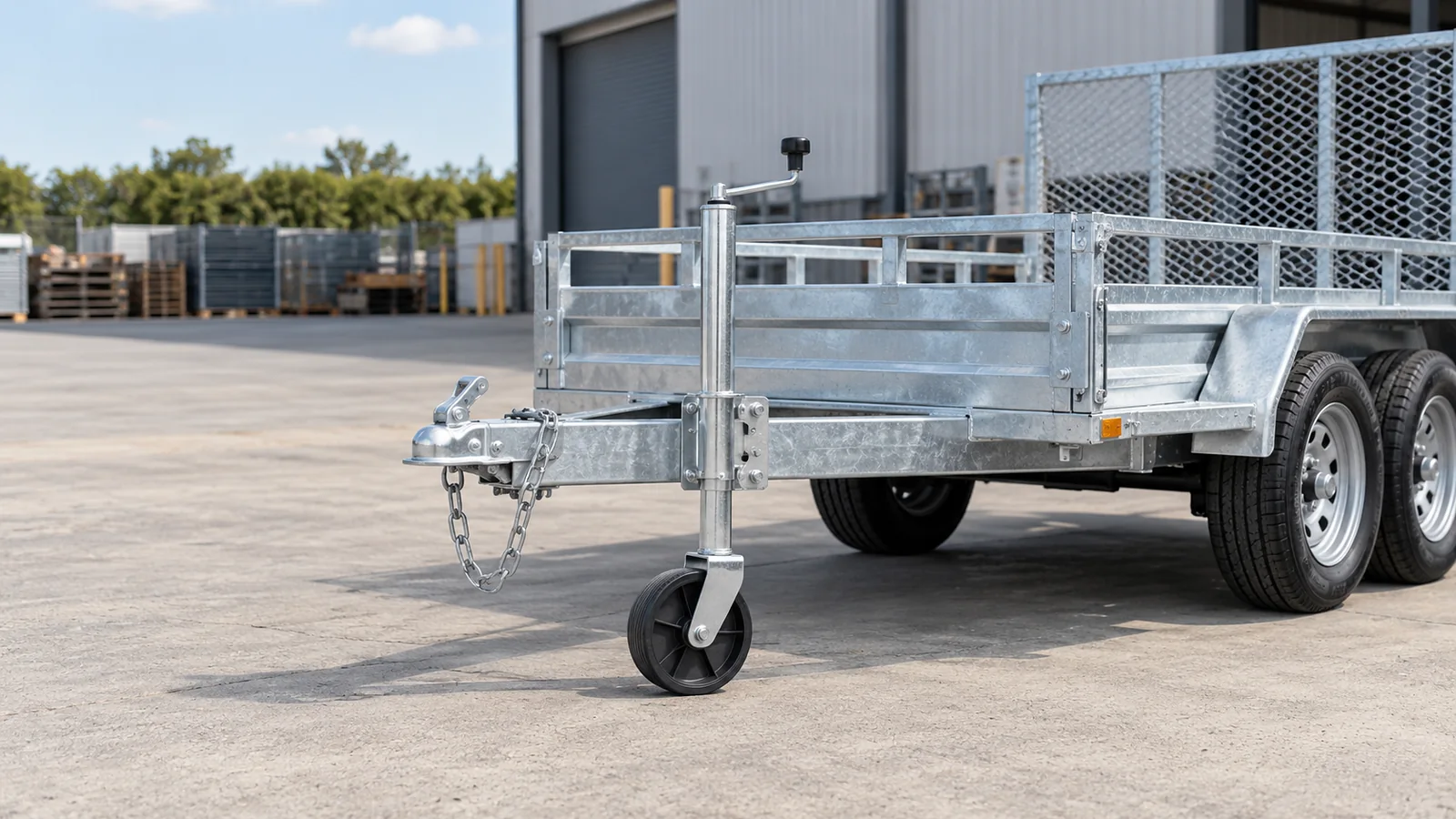
Separate component symptoms from system causes in “Two Swivel + Two Fixed vs Four Swivel Wheels on a Trolley”
If a cart wanders, shimmies, scrubs or becomes difficult to steer, inspect load distribution, mounting alignment, frame condition, wheel wear and floor joints before replacing one castor by assumption. A loose or distorted mounting surface can reproduce the same symptom after a new component is installed. When applying this to Two Swivel + Two Fixed vs Four, compare candidates against the same equipment record so material, size and interface changes are reviewed consistently.
Document the symptom with the cart loaded in its normal way and note whether it occurs during straight travel, turning, braking or crossing a threshold. That operating context helps purchasing and engineering teams ask for the right interface or function instead of treating every steering complaint as a wheel-material problem. When applying this to Two Swivel + Two Fixed vs Four, compare candidates against the same equipment record so material, size and interface changes are reviewed consistently.
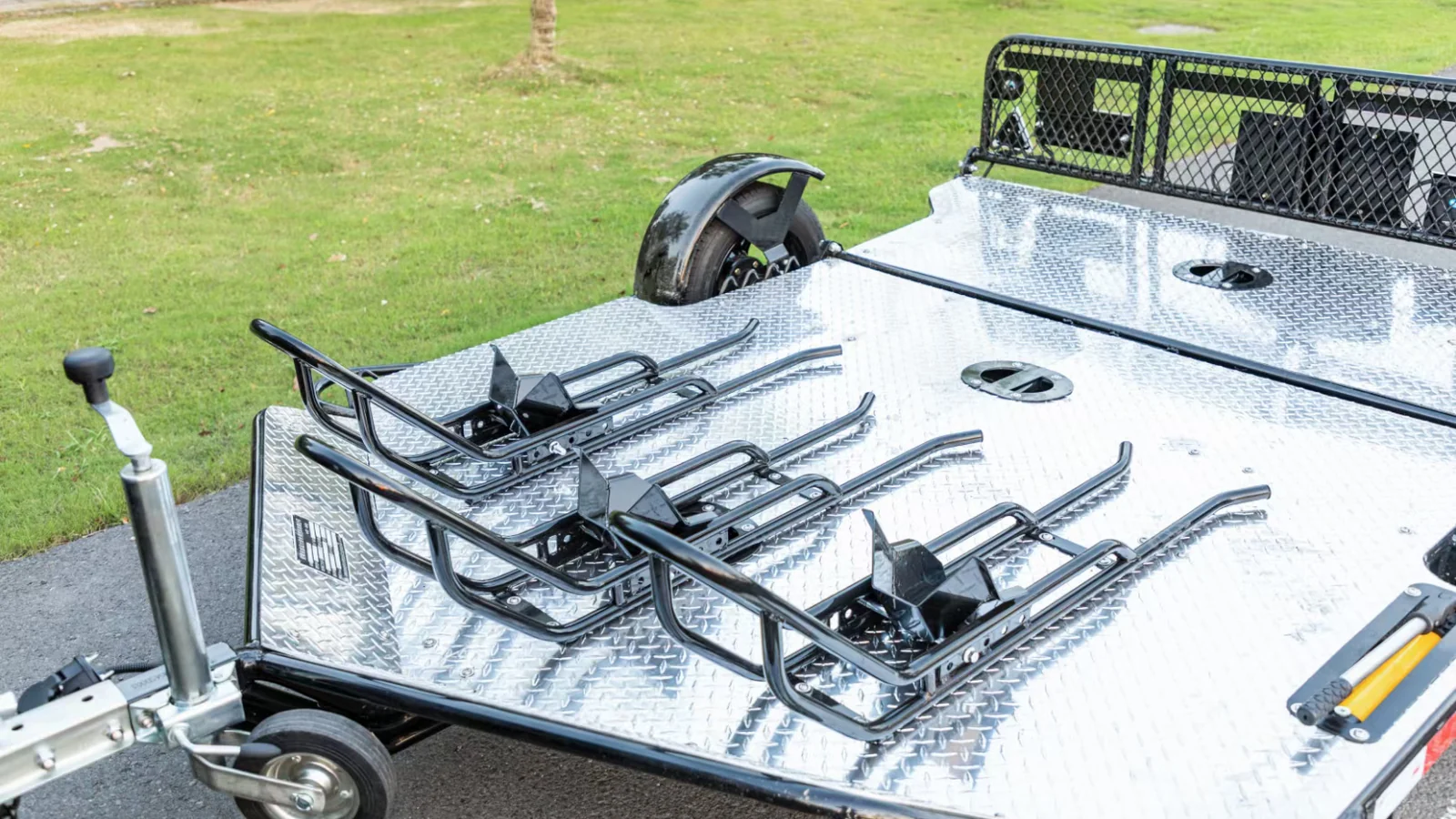
Check the whole cart geometry when applying “Two Swivel + Two Fixed vs Four Swivel Wheels on a Trolley”
Steering behaviour is created by the arrangement of wheels, castors and frame, not by one component in isolation. Record wheelbase, track width, location of fixed and swivel positions, handle or tow point, expected direction changes and the surface where the cart is used. Uneven loading or frame flexibility can make a layout behave differently from a simple diagram. When applying this to Two Swivel + Two Fixed vs Four, compare candidates against the same equipment record so material, size and interface changes are reviewed consistently.
For a lock or brake, define exactly what must be restrained: wheel rotation, swivel rotation, direction, or a combination. Use those functional requirements in the RFQ and verify lever access and release clearance on the real equipment instead of relying on a generic product-family name. When applying this to Two Swivel + Two Fixed vs Four, compare candidates against the same equipment record so material, size and interface changes are reviewed consistently.

Turn the topic into one controlled equipment-level comparison — Two Swivel + Two Fixed
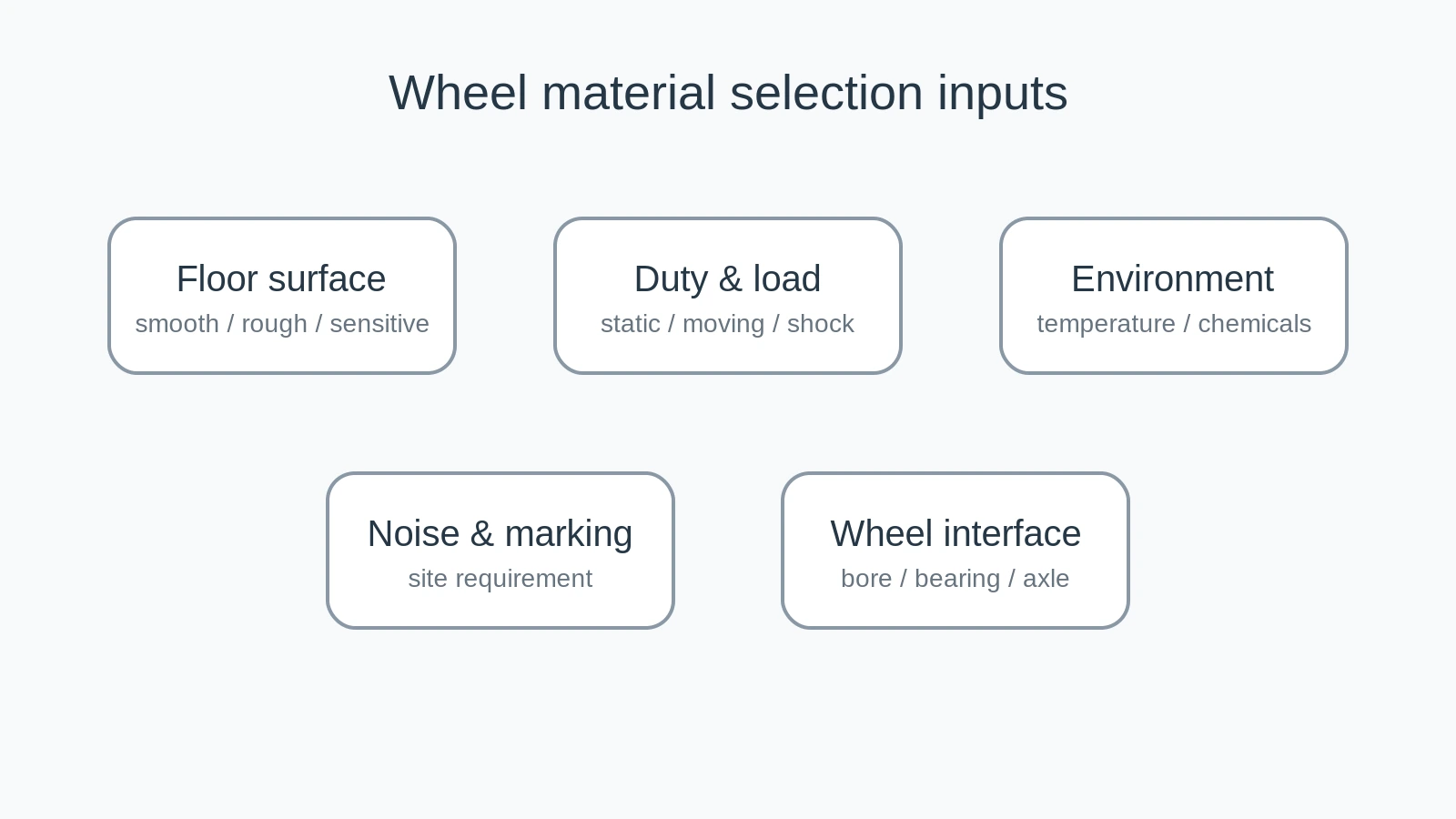
A useful engineering article should end with a decision method, not with a generic recommendation. Start by fixing the application boundary: equipment, load, movement, floor or ground, mounting interface and the outcome the buyer is trying to improve. When applying this to Two Swivel + Two Fixed vs Four, compare candidates against the same equipment record so material, size and interface changes are reviewed consistently.
| Input | Apa yang perlu direkodkan |
|---|---|
| Permohonan | Namakan peralatan tersebut dan huraikan pergerakan normal dan bukannya bergantung pada label industri yang luas. |
| Muatan | Rekodkan jisim peralatan, muatan dan titik sokongan di bawah keadaan normal yang paling kurang baik. |
| Sesuai | Ukur roda dan antara muka pelekap daripada datum stabil dan kenal pasti sebarang ciri yang haus atau dibaiki. |
| Kriteria keputusan | Nyatakan perkara yang calon mesti perbaiki atau kekalkan, seperti pelepasan, stereng, interaksi lantai atau akses perkhidmatan. |
Compare candidates against those same inputs. If one product changes more than one variable, record each change so the result can be interpreted later. A visually similar wheel may use a different material, hub, bearing or mounting geometry, while a dimensionally similar part can still behave differently on the floor. Keeping the comparison structured prevents an attractive single feature from dominating the decision. When applying this to Two Swivel + Two Fixed vs Four, compare candidates against the same equipment record so material, size and interface changes are reviewed consistently.
The first installation should be a controlled observation rather than a simple pass/fail moment. Check fit before load is applied, then move the equipment at low speed through the normal route and note interference, unusual movement, fastener behaviour and operator effort. Where the result is not satisfactory, capture the symptom before changing the next variable. This creates a practical feedback loop without turning routine purchasing into unsupported engineering assumptions. When applying this to Two Swivel + Two Fixed vs Four, compare candidates against the same equipment record so material, size and interface changes are reviewed consistently.
How two swivel + two fixed vs four changes the RFQ
For “Two Swivel + Two Fixed vs Four Swivel Wheels on a Trolley”, the RFQ should state the operating fact that drives the question rather than only repeating the product term. Name the equipment, describe the normal and maximum duty, record the fit-controlling dimensions and identify the symptom or objective that prompted the review. If the decision concerns load, include equipment mass and supporting points; if it concerns material, describe floor and environment; if it concerns mounting, provide the interface geometry; and if it concerns a trailer support wheel, include the support condition, ground and available travel.
Keep required values separate from open questions. A supplier can respond much more usefully to “confirm bore and hub length against attached sketch” than to a guessed dimension presented as final. The same principle applies to load ratings, material grades, brake functions and mounting details. Where a value is verified, label it clearly; where it is not, ask for confirmation. That keeps the quotation aligned with the real equipment and makes later technical review easier without adding another repetitive approval or subsequent orders section to the page. When applying this to Two Swivel + Two Fixed vs Four, compare candidates against the same equipment record so material, size and interface changes are reviewed consistently.
Two Swivel + Two Fixed vs Four FAQ
What is the first thing to confirm for two swivel two fixed caster layout?
Mulakan dengan geometri pelekap, susun atur putar/tetap, fungsi kawalan, ketinggian dan kelegaan yang dipasang. Itu memberikan konteks yang boleh diukur kepada pemilihan yang selebihnya.
Bolehkah foto menggantikan ukuran?
Foto membantu pengenalpastian, tetapi dimensi kritikal kesesuaian masih harus diukur atau diambil daripada lukisan yang diluluskan.
Patutkah pembeli menambah faktor keselamatan pada muatan?
A safety allowance is commonly used to address unequal load sharing and operating effects, but the appropriate value depends on the application and does not replace the product rating. When applying this to Two Swivel + Two Fixed vs Four, compare candidates against the same equipment record so material, size and interface changes are reviewed consistently.
Bagaimana jika bahan tersebut tidak diketahui?
Nyatakan tingkat operasi dan persekitaran, berikan sampel atau foto dan anggap bahan sebagai item pengesahan dan bukannya meneka berdasarkan warna.
Discuss your two swivel two fixed caster layout requirement
Hantar permohonan, muat, dimensi kawalan kesesuaian, kuantiti dan sebarang foto atau lukisan yang berkaitan. Kami akan menggunakan input tersebut untuk menyempitkan keluarga produk tanpa meneka.