
Produktbeskrivning
Produktbeskrivning
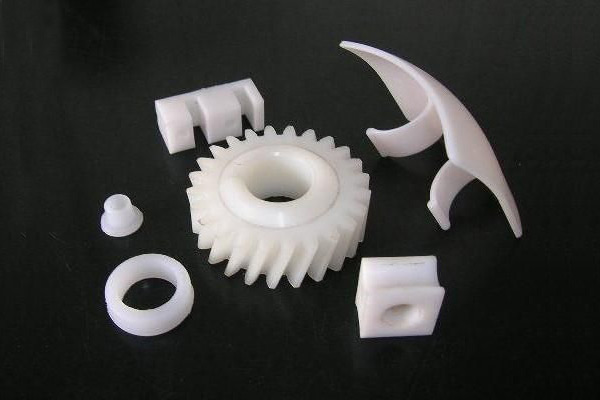
Factory Price Molding Products Plastic Plug ABS Injection Molded Plastic Parts
Common types of plastics are: polyethylene (PE), polypropylene (PP), polyvinyl chloride (PVC), polystyrene (PS) and acrylonitrile-butadiene-styrene copolymer (ABS).
Steps of Order injection plastic parts
1.Negotiations:Quality,material,price,payment,delivery time item and so on.
2.Place an order:According customer’s drawing or sample.
3.R&D:According to customer’s requirements,we could design or improve 3D modeling.
4.Mould Processing:CNC EDM machine prodcessing then assenbly and trial.
5.Sample confirm:we will send trial sample to customers.Before shiment,if the sample isn’t satisfied by customers.
we will modify mould until they are satisfied.
6.Mass Production:if customers need mass production of plastic procuts,we can offer.
Advantages of injection plastic parts
1.Competitive price
2.Continuance service and support
3.Diversified rich exprienced skilled workers.
4.Custom R&D program coordination.
5.Application exprtise
6.Quality,reliability and long product life.
7.Mature,perfect and excellence,but simple design.
Detaljerade foton
|
Item |
Factory Price Molding Products Plastic Plug ABS Injection Molded Plastic Parts |
|
Material |
ABS, PC/ABS, PP, PC, POM(Delrin), Nylon 6, Nylon 6/6, PA 12, HDPE, LDPE, PS(HIPS), SAN/AS, ASA, PVC, UPVC, TPE, TPR, PU, TPU, PET, PEI(Ultem), PSU, PPSU, PPE/PS, PTFE, GPPS, , PPO, PES, CA, etc. |
|
Performance |
UV Resistance, Heat Resistance, Fire Resistance, Good Flexibility, etc. |
|
Certificate |
IATF 16949:2016 / ISO 9001:2015 / ISO 45001:2018 /REACH/ROHS/MSDS/LFGB/F D A |
|
Ritningsformat |
.stp / .step / .igs /.CHINAMFG /.dwg / .pdf. etc. |
|
Färg |
Almost all PMS colors available. |
|
Parameters |
Inch, centimeter, millimeter, etc. |
|
Function |
Industrial parts /daily supply / Medical grade supply, etc. |
|
Ytbehandling |
Matte, Common polishing, Mirror polishing, Texture, Plating, Power Coating (Painting), Laser Engraving, Brushing, Marbling, Printing etc. |
Företagsprofil
SWKS is an enterprise engaged in plastic product injection processing, plastic mold processing, precision mold production and maintenance. In the increasingly fierce competitive market, the scale of the factory continues to grow and expand, and it has now become a set of product injection production, mold manufacturing and maintenance, product assembly and packaging. And other integrated comprehensive production enterprises. The factory has strong technical force and advanced equipment. It is equipped with injection mold production and maintenance department. It has CNC machining center, precision electric discharge machine, wire cutting, precision surface grinder, milling machine, lathe equipment, etc. to provide support for injection molding production and ensure production progress. The company continuously trains employees in awareness, quality, technology and other aspects to demonstrate our superb injection molding, mold maintenance and other business capabilities, in order to win the heart of every customer.
Certifieringar
Förpackning och frakt
Vanliga frågor
1.How can I get a quote?
Detailed drawings (PDF/STEP/IGS/DWG…) with material, quantity and surface treatment information.
2. Can I get a quote without drawings?
Sure, we appreciate to receive your samples, pictures or drafts with detailed dimensions for accurate quotation.
3.Will my drawings be divulged if you benefit?
No, we pay much attention to protect our customers’ privacy of drawings, signing NDA is also accepted if need.
4. Can you provide samples before mass production?
Sure, sample fee is needed, will be returned when mass production if possible.
5. How about the lead time?
Generally, 1-2 weeks for samples, 3-4 weeks for mass production.
6. How do you control the quality?
(1)Material inspection–Check the material surface and roughly dimension.
(2)Production first inspection–To ensure the critical dimension in mass production.
(3)Sampling inspection–Check the quality before sending to the warehouse.
(4)Pre-shipment inspection–100% inspected by QC assistants before shipment.
/* 10 mars 2571 17:59:20 */!function(){function s(e,r){var a,o={};try{e&&e.split(“,”).forEach(function(e,t){e&&(a=e.match(/(.*?):(.*)$/))&&1
| Material: | ABS/PP/PA/PE/PTFE/PC/POM/PA66/PU |
|---|---|
| Ansökan: | Medicin, Hushåll, Elektronik, Fordon, Jordbruk |
| Certifiering: | RoHS, ISO, SGS |
| Service: | OEM/ODM Available |
| Ytbehandling: | Polishing |
| Installation: | Semi Fixed |
| Prover: |
US$ 1/Piece
1 styck (minsta beställning) | |
|---|
| Anpassning: |
Tillgänglig
|
|
|---|
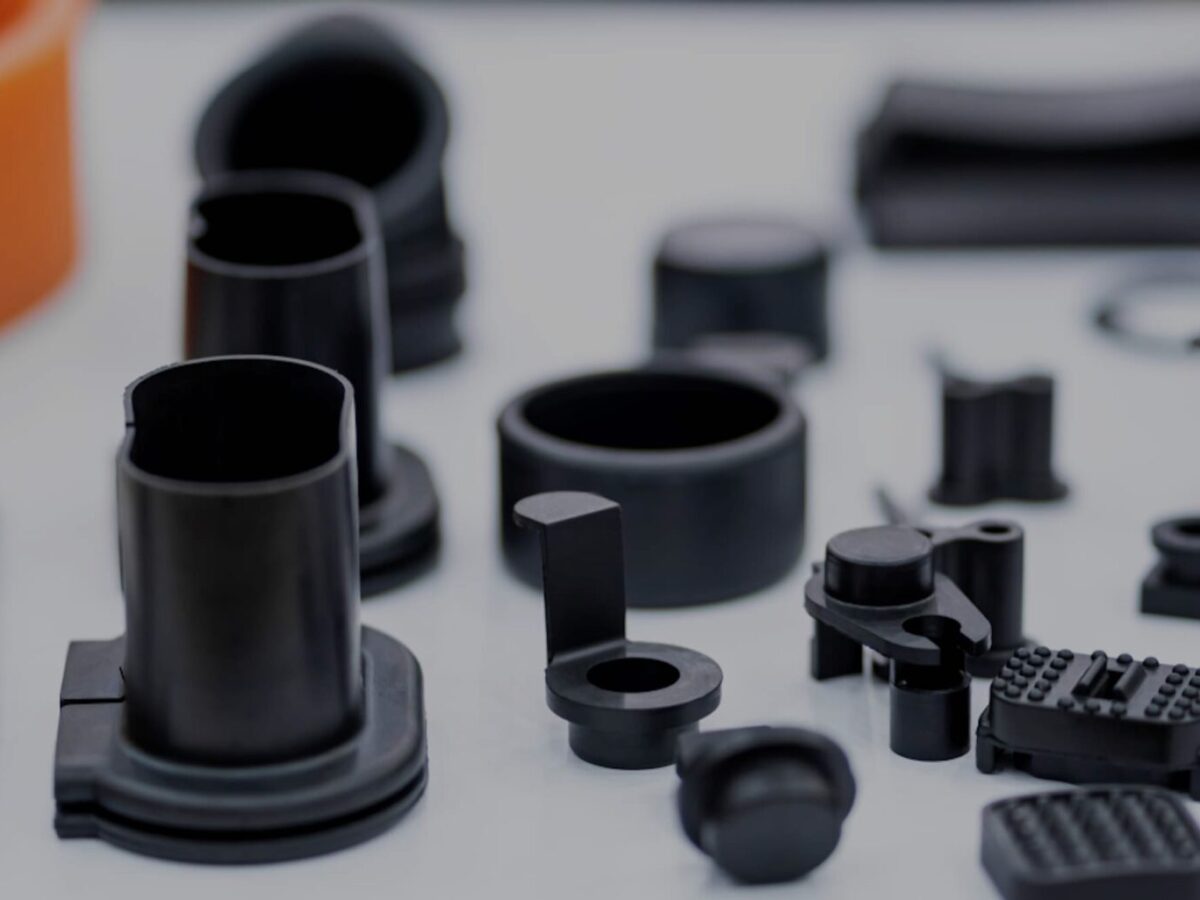
What is the impact of material selection on the performance and durability of injection molded parts?
The material selection for injection molded parts has a significant impact on their performance and durability. The choice of material influences various key factors, including mechanical properties, chemical resistance, thermal stability, dimensional stability, and overall part functionality. Here’s a detailed explanation of the impact of material selection on the performance and durability of injection molded parts:
Mechanical Properties:
The mechanical properties of the material directly affect the part’s strength, stiffness, impact resistance, and fatigue life. Different materials exhibit varying levels of tensile strength, flexural strength, modulus of elasticity, and elongation at break. The selection of a material with appropriate mechanical properties ensures that the injection molded part can withstand the applied forces, vibrations, and operational stresses without failure or deformation.
Chemical Resistance:
The material’s resistance to chemicals and solvents is crucial in applications where the part comes into contact with aggressive substances. Certain materials, such as engineering thermoplastics like ABS (Acrylonitrile Butadiene Styrene) or PEEK (Polyether Ether Ketone), exhibit excellent chemical resistance. Choosing a material with the appropriate chemical resistance ensures that the injection molded part maintains its integrity and functionality when exposed to specific chemicals or environments.
Thermal Stability:
The thermal stability of the material is essential in applications that involve exposure to high temperatures or thermal cycling. Different materials have varying melting points, glass transition temperatures, and heat deflection temperatures. Selecting a material with suitable thermal stability ensures that the injection molded part can withstand the anticipated temperature variations without dimensional changes, warping, or degradation of mechanical properties.
Dimensional Stability:
The dimensional stability of the material is critical in applications where precise tolerances and dimensional accuracy are required. Some materials, such as engineering thermoplastics or filled polymers, exhibit lower coefficients of thermal expansion, minimizing the part’s dimensional changes with temperature variations. Choosing a material with good dimensional stability helps ensure that the injection molded part maintains its shape, size, and critical dimensions over a wide range of operating temperatures.
Part Functionality:
The material selection directly impacts the functionality and performance of the injection molded part. Different materials offer unique properties that can be tailored to meet specific application requirements. For example, materials like polycarbonate (PC) or polypropylene (PP) offer excellent transparency, making them suitable for applications requiring optical clarity, while materials like polyamide (PA) or polyoxymethylene (POM) provide low friction and wear resistance, making them suitable for moving or sliding parts.
Cycle Time and Processability:
The material selection can also affect the cycle time and processability of injection molding. Different materials have different melt viscosities and flow characteristics, which influence the filling and cooling times during the molding process. Materials with good flow properties can fill complex mold geometries more easily, reducing the cycle time and improving productivity. It’s important to select a material that can be effectively processed using the available injection molding equipment and techniques.
Cost Considerations:
The material selection also impacts the overall cost of the injection molded part. Different materials have varying costs, and selecting the most suitable material involves considering factors such as material availability, tooling requirements, processing conditions, and the desired performance characteristics. Balancing the performance requirements with cost considerations is crucial in achieving an optimal material selection that meets the performance and durability requirements within the budget constraints.
Overall, material selection plays a critical role in determining the performance, durability, and functionality of injection molded parts. Careful consideration of mechanical properties, chemical resistance, thermal stability, dimensional stability, part functionality, cycle time, processability, and cost factors helps ensure that the chosen material meets the specific application requirements and delivers the desired performance and durability over the part’s intended service life.
Hur förbättrar formsprutade delar den totala effektiviteten och funktionaliteten hos produkter och utrustning?
Formsprutade delar spelar en avgörande roll för att förbättra produkters och utrustnings totala effektivitet och funktionalitet. De erbjuder många fördelar som gör dem till ett föredraget val inom olika branscher. Här är en detaljerad förklaring av hur formsprutade delar bidrar till förbättrad effektivitet och funktionalitet:
1. Designflexibilitet:
Formsprutning möjliggör invecklade och komplexa delkonstruktioner som kan anpassas för att möta specifika krav. Flexibiliteten i designen möjliggör integration av flera funktioner, såsom underskärningar, gängor, gångjärn och snäppfästen, i en enda gjuten del. Denna mångsidighet förbättrar produktens eller utrustningens funktionalitet genom att möjliggöra skapandet av delar som är exakt anpassade till sitt avsedda ändamål.
2. Hög precision och reproducerbarhet:
Formsprutning erbjuder utmärkt dimensionsnoggrannhet och repeterbarhet, vilket säkerställer jämn delkvalitet genom hela produktionen. Användningen av precisionsformar och avancerade gjutningstekniker möjliggör produktion av delar med snäva toleranser och invecklade geometrier. Denna höga precision och reproducerbarhet förbättrar effektiviteten hos produkter och utrustning genom att säkerställa korrekt passform, uppriktning och funktionalitet hos de gjutna delarna.
3. Kostnadseffektiv massproduktion:
Formsprutning är en mycket effektiv och kostnadseffektiv metod för massproduktion. När formarna väl är skapade kan formsprutningsprocessen snabbt producera ett stort antal identiska delar på kort cykeltid. Möjligheten att producera delar i stora volymer effektiviserar tillverkningsprocessen, minskar arbetskostnaderna och säkerställer en jämn delkvalitet. Denna kostnadseffektivitet bidrar till den totala effektiviteten och möjliggör produktion av prisvärda produkter och utrustning.
4. Materialval:
Formsprutning erbjuder ett brett utbud av materialalternativ, inklusive tekniska termoplaster, elastomerer och till och med vissa metalllegeringar. Möjligheten att välja mellan olika material med olika egenskaper gör det möjligt för tillverkare att välja det lämpligaste materialet för varje specifik tillämpning. Rätt materialval förbättrar produktens eller utrustningens funktionalitet genom att ge de önskade mekaniska, termiska och kemiska egenskaper som krävs för optimal prestanda.
5. Strukturell integritet och hållbarhet:
Formsprutade delar är kända för sin utmärkta strukturella integritet och hållbarhet. Formsprutningsprocessen säkerställer en jämn materialfördelning, vilket resulterar i delar med konsekvent styrka och tillförlitlighet. Elimineringen av svaga punkter, såsom sömmar eller fogar, förbättrar produktens eller utrustningens övergripande strukturella integritet. Dessutom är formsprutade delar motståndskraftiga mot stötar, slitage och miljöfaktorer, vilket säkerställer långvarig funktionalitet i krävande applikationer.
6. Integrering av funktioner:
Formsprutning möjliggör integration av flera funktioner i en enda del. Detta eliminerar behovet av montering eller ytterligare komponenter, vilket förenklar tillverkningsprocessen och minskar produktionstid och kostnader. Integreringen av funktioner som gångjärn, fästelement eller monteringspunkter förbättrar produktens eller utrustningens övergripande effektivitet och funktionalitet genom att tillhandahålla praktiska och strömlinjeformade lösningar.
7. Lättviktsdesign:
Formsprutade delar kan tillverkas med lättviktsmaterial utan att kompromissa med styrka eller hållbarhet. Detta är särskilt fördelaktigt inom industrier där viktminskning är avgörande, såsom fordonsindustrin, flygindustrin och konsumentelektronik. Användningen av lättviktiga formsprutade delar förbättrar energieffektiviteten, minskar materialkostnaderna och förbättrar produkternas och utrustningens övergripande prestanda och effektivitet.
8. Jämn ytfinish:
Formsprutning producerar delar med en jämn och högkvalitativ ytfinish. Användningen av polerade eller texturerade formar säkerställer att de gjutna delarna har släta, estetiska ytor utan behov av ytterligare efterbehandling. Denna jämna ytfinish förbättrar produktens eller utrustningens övergripande funktionalitet och visuella attraktionskraft, vilket bidrar till en positiv användarupplevelse.
9. Anpassning och varumärkesbyggande:
Formsprutning möjliggör anpassnings- och varumärkesbyggande alternativ, som att införliva logotyper, etiketter eller ytstrukturer direkt i de gjutna delarna. Denna anpassning förbättrar funktionaliteten och marknadsförbarheten hos produkter och utrustning genom att ge en unik identitet och förstärka varumärkesigenkänningen.
Sammantaget erbjuder formsprutade delar många fördelar som förbättrar effektiviteten och funktionaliteten hos produkter och utrustning. Deras designflexibilitet, precision, kostnadseffektivitet, materialval, strukturella integritet, lätta design och anpassningsmöjligheter gör dem till ett föredraget val för en mängd olika tillämpningar inom olika branscher.
What industries and applications commonly utilize injection molded parts?
Injection molded parts find widespread use across various industries and applications due to their versatility, cost-effectiveness, and ability to meet specific design requirements. Here’s a detailed explanation of the industries and applications that commonly utilize injection molded parts:
1. Automotive Industry:
The automotive industry extensively relies on injection molded parts for both interior and exterior components. These parts include dashboards, door panels, bumpers, grilles, interior trim, seating components, electrical connectors, and various engine and transmission components. Injection molding enables the production of lightweight, durable, and aesthetically pleasing parts that meet the stringent requirements of the automotive industry.
2. Consumer Electronics:
Injection molded parts are prevalent in the consumer electronics industry. They are used in the manufacturing of components such as housings, buttons, bezels, connectors, and structural parts for smartphones, tablets, laptops, gaming consoles, televisions, cameras, and other electronic devices. Injection molding allows for the production of parts with precise dimensions, excellent surface finish, and the ability to integrate features like snap fits, hinges, and internal structures.
3. Medicin och hälsovård:
The medical and healthcare industry extensively utilizes injection molded parts for a wide range of devices and equipment. These include components for medical devices, diagnostic equipment, surgical instruments, drug delivery systems, laboratory equipment, and disposable medical products. Injection molding offers the advantage of producing sterile, biocompatible, and precise parts with tight tolerances, ensuring safety and reliability in medical applications.
4. Packaging and Containers:
Injection molded parts are commonly used in the packaging and container industry. These parts include caps, closures, bottles, jars, tubs, trays, and various packaging components. Injection molding allows for the production of lightweight, durable, and visually appealing packaging solutions. The process enables the integration of features such as tamper-evident seals, hinges, and snap closures, contributing to the functionality and convenience of packaging products.
5. Aerospace and Defense:
The aerospace and defense industries utilize injection molded parts for a variety of applications. These include components for aircraft interiors, cockpit controls, avionics, missile systems, satellite components, and military equipment. Injection molding offers the advantage of producing lightweight, high-strength parts with complex geometries, meeting the stringent requirements of the aerospace and defense sectors.
6. Industrial Equipment:
Injection molded parts are widely used in industrial equipment for various applications. These include components for machinery, tools, pumps, valves, electrical enclosures, connectors, and fluid handling systems. Injection molding provides the ability to manufacture parts with excellent dimensional accuracy, durability, and resistance to chemicals, oils, and other harsh industrial environments.
7. Furniture and Appliances:
The furniture and appliance industries utilize injection molded parts for various components. These include handles, knobs, buttons, hinges, decorative elements, and structural parts for furniture, kitchen appliances, household appliances, and white goods. Injection molding enables the production of parts with aesthetic appeal, functional design, and the ability to withstand regular use and environmental conditions.
8. Toys and Recreational Products:
Injection molded parts are commonly found in the toy and recreational product industry. They are used in the manufacturing of plastic toys, games, puzzles, sporting goods, outdoor equipment, and playground components. Injection molding allows for the production of colorful, durable, and safe parts that meet the specific requirements of these products.
9. Electrical and Electronics:
Injection molded parts are widely used in the electrical and electronics industry. They are employed in the production of electrical connectors, switches, sockets, wiring harness components, enclosures, and other electrical and electronic devices. Injection molding offers the advantage of producing parts with excellent dimensional accuracy, electrical insulation properties, and the ability to integrate complex features.
10. Plumbing and Pipe Fittings:
The plumbing and pipe fittings industry relies on injection molded parts for various components. These include fittings, valves, connectors, couplings, and other plumbing system components. Injection molding provides the ability to manufacture parts with precise dimensions, chemical resistance, and robustness, ensuring leak-free connections and long-term performance.
In summary, injection molded parts are utilized in a wide range of industries and applications. The automotive, consumer electronics, medical and healthcare, packaging, aerospace and defense, industrial equipment, furniture and appliances, toys and recreational products, electrical and electronics, and plumbing industries commonly rely on injection molding for the production of high-quality, cost-effective, and functionally optimized parts.


editor by CX 2024-02-10