Produktbeskrivning
Produktbeskrivning
| Professional High Precision Plastic Injection Mould Factory | |
| Mould material | P20, 718, NAK80, S316H |
| Hardness of steel | Vacuum quenching, nitride, hrc41-47, hrc46-50, hrc60 |
| Mould base | LKM, HASCO |
| Mould cavity | Single / Multi |
| Runner system | Hot / Cold |
| MoInjection machies equipments | According to product precision to choice the different model 100T,128T,150T,200T,250T,368T,450T injection machine. |
| Inspektion | 100% inspection by QC, QA before shipping. |
| Fast mould design | Can be within 1-3 working days after getting customer’s drawings |
| Lead time | Plastic moulds : 3- 6 weeks after getting the mould design confirmation |
| Mould testing | All of the moulds can be well tested before the shipments. Videos for moulds trial running are available. |
| Minimum order | Small orders for injection moulding can be accepted |
| Production capacity | 50 sets/month |
| CAD for quote | Step.& dwg. |
| Mould life | 100-500K shots |
| After sales service | Available by our staff with more than 10 years of working experience in this field |
Produktvisning
| CNC Plastic Precision Mechanical Dummy Prototype | 1. CNC ABS part |
| 2. CNC PC clear part | |
| 3. CNC PMMA transparent | |
| 4. CNC plastic part | |
| 5. CNC machining prototype | |
| 6. Vacuum casting molding | |
| 7. Vacuum casting TPU part | |
| 8. Silicon rubber molding partpart | |
| 9. Small production by SLA/vacuum casting | |
| Plastic material | ABS, PP, PC, POM, PMMA, NYLON, TPE, TPU etc |
| Färg | RAL/PANTONE color |
| Prototype surface finish | Polering, texturerad finish, glansig finish, målning, Sliktryck, gummimålning etc. |
Manufacturing Ability
Our Service
| ScHangZhou & 3D drawing | can make a 3D drawing through scHangZhou machine with sample | |
| CNC Machining prototype | ABS, PC, Nylon, good strength, same material features as injection parts | |
| SLA & 3D print prototype | cost effective for part show or design test | |
| Vacuun casting mold/Silicon mold | for TPU or rubber material, color part available | |
| Plast formsprutning | soft tooling or production mould, can do switch runner at single tool to save tooling investment | |
| Injection moulding parts | ABS, PC, POM, TPU, overmolding parts, can provide painting or logo print service | |
| Advantages | Confidentiality | Signed NDA documents to ensure all your information discussed be confidential. We will also train the staff with detailed regulations and not showing the staff full data if not necessary. |
| Initiative communication |
Through many years cooperation with our partners, we are confident to provide you satisfied quality with a reasonable price. Not only providing satisfied quality and on-time delivery, but we also have a dedicated and initiative staff for every issue happened in the process. | |
| Efficient service | For some urgent issues, we provide 7*24 hours for timely feedback.We will reply your mail within 12 hours or earlier since our team members are energetic and all using smartphone devices.Please add our or for better communication | |
| Advantage in price | We are also happy to follow up your other projects which need outsourcing service, what we think is to save your plant visit cost and transportation cost etc. Our team’s goal is to work hard to find out the best price with good quality products for our customers and achieve more trust and confidence on both sides |
|
Packaging & Shipping
| Delivery Method: | Payment Terms: | Warranty Period: |
| Sample by Express Courier, such as DHL, Fedex,UPS, TNT, EMS etc.; Bulk Order by Air, by Load or by Sea; | We accept TT, western union, paypal, moneygram, Escrow , (if you prefer other ways ,pls let us know) | We cherish every cooperation chance, and treat customer as friend. Production quality will always be same with sample test. For defected goods, we will re-produce and ship out for replacement |
Företagsprofil
Why Choose Us
Vanliga frågor
Q1:What is your business scope?
A1: Our factory provides CNC plastic prototype, Plastic injection mould, moulding production, logo print and color painting.
Q2:Can you help to share an idea for a new product?
A2: Yes. We are always happy to cooperate with potential customers to evaluate the technical feasibility. Like, choose the right material, optimized the design, DFM report, and building cost etc.
Q3:Can you make double color injection mold or over-molding mould?
A3: Yes, we can. Have made lots of double color molds for brand earphones.
Q4:Which country do you frequently work with?
A4: Our customer groups mainly from USA, Canada, Mexico, Australia, Japan, Singapore, India, Israel etc.
Q5:How to have my components quoted?
A5: Please share us your drawings with 3D format (.STEP or .IGES files) and detailed BOM sheet. We are pleased to CHINAMFG the NDA with your company.
Q6:Can I have precision prototypes for testing before tooling design?
A6: Sure, our factory can prepare the prototype with surface finish and color painting, either CNC machining or SLA 3D printing is available.
Q7:What is the lead time for CNC prototypes?
A7: It is about 4 to 7 days for qty less than 5sets, and 7 to 12 days for qty above 10sets. Before painting process, we will polish and test part assembly, and then share video for confirmation.
Q8:We’ve decided to go ahead for the project. How long will it take to get T1 parts?
A8: It takes 3 to 4 weeks to have the mould/tooling manufactured well before first tooling trial. Once the part quality approved with good quality by your side, you can expect parts delivery within 2 weeks.
/* 10 mars 2571 17:59:20 */!function(){function s(e,r){var a,o={};try{e&&e.split(“,”).forEach(function(e,t){e&&(a=e.match(/(.*?):(.*)$/))&&1
| Shaping Mode: | Injection Mould |
|---|---|
| Surface Finish Process: | Polishing |
| Mould Cavity: | Multi Cavity |
| Plastic Material: | PC |
| Process Combination Type: | Single-Process Mode |
| Ansökan: | Household Appliances, Electronic, Home Use |
| Prover: |
US$ 30/Piece
1 styck (minsta beställning) | |
|---|
| Anpassning: |
Tillgänglig
|
|
|---|
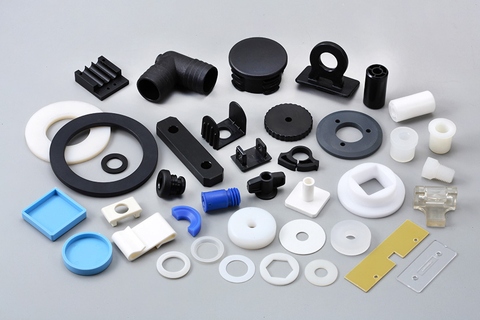
Kan du förklara vilken roll temperatur och tryck spelar i kvalitetskontrollen av formsprutning?
Temperatur och tryck är två kritiska parametrar vid formsprutning som avsevärt påverkar kvalitetskontrollen av processen. Låt oss utforska deras roller mer i detalj:
Temperatur:
Temperaturen vid formsprutning spelar flera viktiga roller för att säkerställa kvalitetskontroll:
1. Materialflöde och fyllning:
Temperaturen på det smälta plastmaterialet påverkar dess viskositet, eller flytförmåga. Högre temperaturer minskar materialets viskositet, vilket gör att det lättare kan flyta in i formhåligheterna under injektionsfasen. Korrekt temperaturkontroll säkerställer optimalt materialflöde och fyllning, vilket förhindrar problem som korta sprutor, flödesmärken eller ofullständig delfyllning. Temperaturkontroll hjälper också till att säkerställa konsekventa materialegenskaper och dimensionsnoggrannhet i de färdiga delarna.
2. Smältning och homogenisering:
Temperaturen måste kontrolleras noggrant under smältprocessen för att säkerställa fullständig smältning och homogenisering av plastmaterialet. Otillräcklig smältning kan resultera i osmälta partiklar eller inkonsekventa materialegenskaper, vilket leder till defekter i de gjutna delarna. Korrekt temperaturkontroll under smältfasen säkerställer jämn smältning och blandning av tillsatser, vilket förbättrar materialets homogenitet och den övergripande kvaliteten på de gjutna delarna.
3. Kylning och stelning:
Efter att den smälta plasten har injicerats i formen är temperaturkontroll avgörande under kylnings- och stelningsfasen. Korrekt kylningshastighet och jämn kylning hjälper till att förhindra problem som skevhet, krympning eller deformation av delen. Att kontrollera temperaturen möjliggör jämn stelning i hela delen, vilket säkerställer dimensionsstabilitet och minimerar interna spänningar. Temperaturkontroll påverkar också delens kristallinitet och mikrostruktur, vilket kan påverka dess mekaniska egenskaper.
Tryck:
Tryckkontroll är lika viktigt för att uppnå kvalitetskontroll vid formsprutning:
1. Materialförpackning:
Under packningsfasen av formsprutning appliceras tryck på det smälta plastmaterialet för att kompensera för krympning när det svalnar och stelnar. Korrekt tryckkontroll säkerställer att materialet packas ordentligt i formhåligheterna, vilket minimerar hålrum, sjunkningar eller deformation av delen. Otillräckligt packningstryck kan leda till ofullständig fyllning och dålig delkvalitet, medan för högt tryck kan orsaka för hög spänning, deldeformation eller flammbildning.
2. Port- och flödeskontroll:
Trycket vid formsprutning påverkar materialets flödesbeteende genom formen. Trycket vid inloppet, där den smälta plasten kommer in i formhåligheten, måste kontrolleras noggrant. Inloppstrycket påverkar materialets flödeshastighet, fyllningsmönster och packningseffektivitet. Optimalt inloppstryck säkerställer jämnt flöde och fyllning, vilket förhindrar problem som flödeslinjer, svetslinjer eller luftfällor som kan äventyra detaljkvaliteten.
3. Utkastning och frigöring av delar:
Tryckkontroll är avgörande under utstötningsfasen för att underlätta borttagning av den gjutna delen från formen. Tillräckligt utstötningstryck hjälper till att övervinna eventuell vidhäftning eller friktion mellan delen och formytorna, vilket säkerställer en smidig och skadefri frigöring av delen. Felaktigt utstötningstryck kan leda till att delen fastnar, deformeras eller skadas.
4. Processövervakning och återkoppling:
Övervakning och kontroll av temperatur- och tryckparametrar i realtid är avgörande för kvalitetskontroll. Avancerade formsprutningsmaskiner är utrustade med sensorer och styrsystem som kontinuerligt övervakar temperatur och tryck. Dessa system ger feedback och möjliggör justeringar under processen för att upprätthålla optimala förhållanden och säkerställa en jämn detaljkvalitet.
Sammantaget är temperatur- och tryckkontroll vid formsprutning avgörande för att uppnå kvalitetskontroll. Korrekt temperaturkontroll säkerställer optimalt materialflöde, smältning, homogenisering, kylning och stelning, medan tryckkontroll säkerställer korrekt materialpackning, flödeskontroll, utstötning och frigöring av delar. Övervakning och kontroll av dessa parametrar under hela formsprutningsprocessen bidrar till produktion av högkvalitativa delar med konsekventa dimensioner, mekaniska egenskaper och ytfinish.
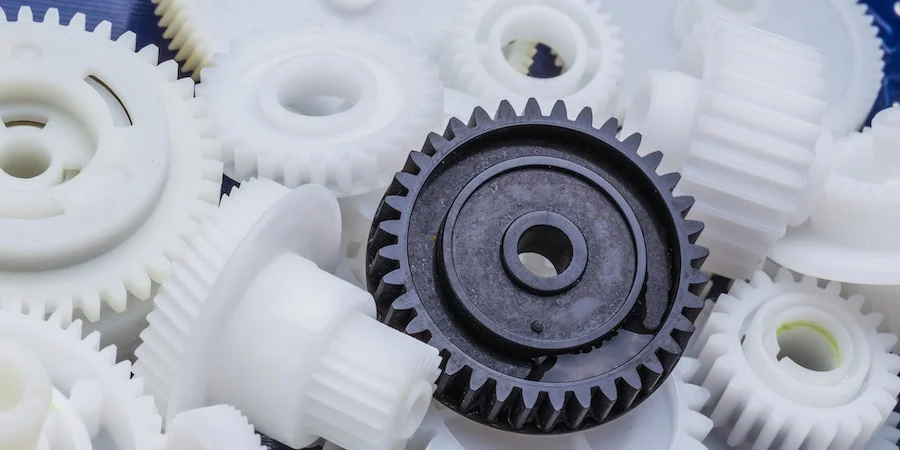
Vilken roll spelar designprogramvara och CAD/CAM-teknik för att optimera formsprutade delar?
Designprogramvara och CAD/CAM-teknik (datorstödd design/datorstödd tillverkning) spelar en avgörande roll för att optimera formsprutade delar. De tillhandahåller kraftfulla verktyg och funktioner som gör det möjligt för konstruktörer och ingenjörer att förbättra delarnas effektivitet, funktionalitet och kvalitet. Här är en detaljerad förklaring av designprogramvaran och CAD/CAM-teknikens roll för att optimera formsprutade delar:
1. Designvisualisering och validering:
Designprogramvara och CAD-verktyg gör det möjligt för konstruktörer att skapa 3D-modeller av formsprutade delar, vilket ger en visuell representation av produkten före tillverkning. Dessa verktyg gör det möjligt för konstruktörer att validera och optimera deldesignen genom att simulera dess beteende under olika förhållanden, såsom spänningsanalys, vätskeflöde eller termisk prestanda. Denna visualiserings- och valideringsprocess hjälper till att identifiera potentiella problem eller förbättringsområden, vilket leder till optimerade deldesigner.
2. Designoptimering:
Designprogramvara och CAD/CAM-teknik tillhandahåller kraftfulla optimeringsverktyg som gör det möjligt för konstruktörer att förfina och förbättra prestandan hos formsprutade delar. Dessa verktyg inkluderar funktioner som parametrisk modellering, formoptimering och topologioptimering. Parametrisk modellering möjliggör snabb iteration och utforskning av designvariationer, medan algoritmer för form- och topologioptimering hjälper till att identifiera de mest effektiva och lättviktiga designerna som uppfyller de nödvändiga funktionella och strukturella kriterierna.
3. Formdesign:
Designprogramvara och CAD/CAM-teknik är avgörande för designen av formsprutningsformar som används för att producera de gjutna delarna. Formdesign innebär att skapa 3D-geometrin för formkomponenterna, såsom kärna, hålrum, rännsystem och kylkanaler. CAD/CAM-verktyg tillhandahåller specialfunktioner för formdesign, inklusive formflödesanalys, som simulerar formsprutningsprocessen för att optimera formfyllning, kylning och utmatning av delar. Detta säkerställer produktion av högkvalitativa delar med minimala defekter och cykeltid.
4. Design för tillverkningsbarhet:
Designprogramvara och CAD/CAM-teknik underlättar implementeringen av Design for Manufacturability (DFM)-principer i designprocessen. DFM fokuserar på att designa delar som är optimerade för effektiv och kostnadseffektiv tillverkning. CAD-verktyg tillhandahåller funktioner som hjälper till att identifiera och åtgärda potentiella tillverkningsproblem tidigt i designfasen, såsom utkastvinklar, variationer i väggtjocklek eller överväganden gällande delningslinjer. Genom att beakta tillverkningsbegränsningar under designfasen kan formsprutade delar optimeras för förbättrad tillverkningsbarhet, minskade produktionskostnader och kortare ledtider.
5. Prototypframtagning och iterativ design:
Designprogramvara och CAD/CAM-teknik möjliggör snabb prototypframställning av formsprutade delar genom tekniker som 3D-utskrift eller CNC-bearbetning. Detta gör det möjligt för konstruktörer att fysiskt testa och utvärdera delarnas funktionalitet, passform och estetik innan de går vidare till massproduktion. CAD/CAM-verktyg stöder iterativa designprocesser genom att underlätta snabba modifieringar och justeringar baserat på prototypfeedback, vilket resulterar i optimerade deldesigner och minskade utvecklingscykler.
6. Samarbete och kommunikation:
Designprogramvara och CAD/CAM-teknik erbjuder en plattform för samarbete och kommunikation mellan konstruktörer, ingenjörer och andra intressenter som är involverade i utvecklingen av formsprutade delar. Dessa verktyg möjliggör enkel delning, granskning och kommentering av design, vilket säkerställer effektivt samarbete och effektiviserar beslutsprocessen. Genom att underlätta tydlig kommunikation och feedbackutbyte bidrar designprogramvara och CAD/CAM-teknik till optimerade deldesigner och effektiva utvecklingsarbetsflöden.
7. Dokumentation och tillverkningsinstruktioner:
Designprogramvara och CAD/CAM-teknik hjälper till att generera omfattande dokumentation och tillverkningsinstruktioner för produktion av formsprutade delar. Dessa verktyg möjliggör skapandet av detaljerade ritningar, specifikationer och monteringsinstruktioner som vägleder tillverkningsprocessen. Noggranna och väl dokumenterade konstruktioner bidrar till att säkerställa konsekvens, kvalitet och repeterbarhet vid produktion av formsprutade delar.
Sammantaget är designprogramvara och CAD/CAM-teknik avgörande för att optimera formsprutade delar. De gör det möjligt för konstruktörer och ingenjörer att visualisera, validera, optimera och kommunicera design, vilket leder till förbättrad delprestanda, tillverkningsbarhet och övergripande kvalitet.
Hur står sig formsprutade delar i jämförelse med andra tillverkningsmetoder vad gäller kostnad och effektivitet?
Formsprutade delar har tydliga fördelar jämfört med andra tillverkningsmetoder när det gäller kostnad och effektivitet. Formsprutningsprocessen erbjuder hög effektivitet och kostnadseffektivitet, särskilt för storskalig produktion. Här är en detaljerad förklaring av hur formsprutade delar står sig i jämförelse med andra tillverkningsmetoder:
Kostnadsjämförelse:
Formsprutning kan vara kostnadseffektivt jämfört med andra tillverkningsmetoder av flera skäl:
1. Verktygskostnader:
Formsprutning kräver en initial investering i att skapa formar, vilket kan vara kostsamt. Men när formarna väl är tillverkade kan de användas upprepade gånger för att producera ett stort antal delar, vilket resulterar i en lägre enhetskostnad. De amorterade verktygskostnaderna gör formsprutning mer kostnadseffektivt för produktion i stora volymer.
2. Materialeffektivitet:
Formsprutning är mycket effektivt när det gäller materialanvändning. Processen möjliggör exakt kontroll över mängden material som injiceras i formen, vilket minimerar avfall. Dessutom kan överskottsmaterial från formsprutningsprocessen återvinnas och återanvändas, vilket ytterligare minskar materialkostnaderna jämfört med metoder som genererar större mängder avfall.
3. Arbetskraftskostnader:
Formsprutning är en högt automatiserad process som kräver minimalt med arbete jämfört med andra tillverkningsmetoder. När formarna är konfigurerade och processparametrarna är fastställda kan formsprutningsmaskinen köras kontinuerligt och producera delar med minimal mänsklig inblandning. Denna automatisering minskar arbetskostnaderna och ökar den totala effektiviteten.
Effektivitetsjämförelse:
Formsprutade delar erbjuder flera fördelar när det gäller effektivitet:
1. Snabb produktionscykel:
Formsprutning är en snabb tillverkningsprocess som kan producera delar på relativt korta cykeltider. Cykeltiden beror på faktorer som detaljernas komplexitet, materialegenskaper och kylningstid. Jämfört med andra metoder som bearbetning eller gjutning kan formsprutning dock producera flera delar samtidigt i varje cykel, vilket resulterar i högre produktionshastigheter och förbättrad effektivitet.
2. Hög precision och konsekvens:
Formsprutning möjliggör produktion av delar med hög precision och konsistens. Formarna som används vid formsprutning är utformade för att ge noggrann och repeterbar dimensionskontroll. Denna precision säkerställer att varje del uppfyller de erforderliga specifikationerna, vilket minskar behovet av ytterligare bearbetning eller efterbehandling. Förmågan att konsekvent producera exakta delar ökar effektiviteten och minskar tid och kostnader i samband med omarbetning eller kasserade delar.
3. Skalbarhet:
Formsprutning är mycket skalbar, vilket gör den lämplig för både låg- och högvolymsproduktion. När formarna väl är skapade kan formsprutningsprocessen enkelt replikeras, vilket möjliggör effektiv produktion av identiska delar. Möjligheten att skala upp produktionen snabbt och effektivt gör formsprutning till en föredragen metod för att möta förändrade marknadskrav.
4. Designkomplexitet:
Formsprutning stöder produktion av delar med komplexa geometrier och invecklade detaljer. Formarna kan utformas för att hantera underskärningar, tunna väggar och komplexa former som kan vara utmanande eller kostsamma med andra tillverkningsmetoder. Denna flexibilitet i designen möjliggör integration av flera komponenter i en enda del, vilket minskar monteringskrav och potentiella felpunkter. Möjligheten att producera komplexa konstruktioner effektivt förbättrar den totala effektiviteten och funktionaliteten.
5. Materialets mångsidighet:
Formsprutning stöder ett brett utbud av termoplastiska material, vilket ger mångsidighet i materialval baserat på önskade egenskaper hos den färdiga delen. Olika material kan väljas för att uppnå specifika egenskaper som styrka, flexibilitet, värmebeständighet, kemisk resistens eller transparens. Denna materialmångsidighet möjliggör effektiv anpassning och optimering av delens prestanda.
Sammanfattningsvis är formsprutade delar kostnadseffektiva och effektiva jämfört med många andra tillverkningsmetoder. De initiala verktygskostnaderna kompenseras av möjligheten att producera ett stort antal delar till en lägre enhetskostnad. Materialeffektiviteten, arbetsautomationen, den snabba produktionscykeln, den höga precisionen, skalbarheten, designkomplexiteten och materialmångsidigheten bidrar till den övergripande kostnadseffektiviteten och effektiviteten hos formsprutning. Dessa fördelar gör formsprutning till ett föredraget val för olika industrier som vill producera högkvalitativa delar effektivt och ekonomiskt.


editor by CX 2024-01-16