
Produktbeskrivning
ZheJiang CHINAMFG PLASTIC MOULD CO.,LTD, located in ZheJiang China. we make product design, injection mould design and manufacture, injection production, printing, ultra- welding & welding, and product assembly, and high-cycle blowing package in one.
With a total investment of RMB 5 millions, ZheJiang CHINAMFG PLASTIC MOULD CO.,LTD. has a modern factory with building area of more than 2000 square meters, with advanced equipments. And there are 3 experienced designers, 15 skilled mould makers and injection machines operators.
Our clients throught the world, especially from the United states, Sweden, Italy, Mexico,France, Spain, Norway, Kuwait, Japan, India, Srilanka and so on. Our main produts are plastic injection moulds and injection moulding, products cover medical apparatus and instruments, automobile products, motorcycle accessories, electric tool, GYM equipments,electronic devices,office equipment and writing insruments and so on. We make products for INTEL, HP, KUM and others, and keep good business partnership with ZHangZhouG UNIVERSITY, ZheJiang UNIVERSITY and other colleges and universities.
Nowdays, we have senior designers and skilled mould makers more than 50, 10 professional managers and QC inspection persons. Furthure more, we adopt advanced international design software and system, combine modern quality control system, deeply through contract review, design and development, material purchasing, manufacturing, trial and testing,injection production and after-sales service.
Our consistent purpose is to supply high-quality products, excellent service with reasonable price to our clients overseas.
/* 10 mars 2571 17:59:20 */!function(){function s(e,r){var a,o={};try{e&&e.split(“,”).forEach(function(e,t){e&&(a=e.match(/(.*?):(.*)$/))&&1
| Material: | ABS |
|---|---|
| Color: | Customized |
| Certificate: | ISO 9001 |
| Transport Package: | Carton |
| Specification: | customized |
| Trademark: | jesun mould |
| Prover: |
US$ 0/Styck
1 styck (minsta beställning) | |
|---|
| Anpassning: |
Tillgänglig
|
|
|---|
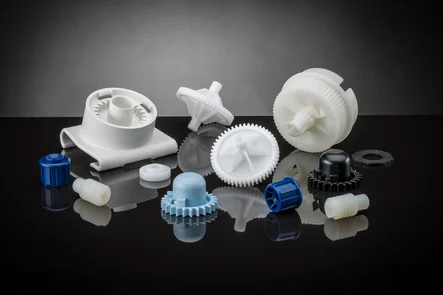
Can you provide examples of products or equipment that incorporate injection molded parts?
Yes, there are numerous products and equipment across various industries that incorporate injection molded parts. Injection molding is a widely used manufacturing process that enables the production of complex and precise components. Here are some examples of products and equipment that commonly incorporate injection molded parts:
1. Electronics and Consumer Devices:
– Mobile phones and smartphones: These devices typically have injection molded plastic casings, buttons, and connectors.
– Computers and laptops: Injection molded parts are used for computer cases, keyboard keys, connectors, and peripheral device housings.
– Appliances: Products such as televisions, refrigerators, washing machines, and vacuum cleaners often incorporate injection molded components for their casings, handles, buttons, and control panels.
– Audio equipment: Speakers, headphones, and audio players often use injection molded parts for their enclosures and buttons.
2. Automotive Industry:
– Cars and Trucks: Injection molded parts are extensively used in the automotive industry. Examples include dashboard panels, door handles, interior trim, steering wheel components, air vents, and various under-the-hood components.
– Motorcycle and Bicycle Parts: Many motorcycle and bicycle components are manufactured using injection molding, including fairings, handle grips, footrests, instrument panels, and engine covers.
– Automotive Lighting: Headlights, taillights, turn signals, and other automotive lighting components often incorporate injection molded lenses, housings, and mounts.
3. Medical and Healthcare:
– Medical Devices: Injection molding is widely used in the production of medical devices such as syringes, IV components, surgical instruments, respiratory masks, implantable devices, and diagnostic equipment.
– Laboratory Equipment: Many laboratory consumables, such as test tubes, petri dishes, pipette tips, and specimen containers, are manufactured using injection molding.
– Dental Equipment: Dental tools, orthodontic devices, and dental prosthetics often incorporate injection molded components.
4. Packaging Industry:
– Bottles and Containers: Plastic bottles and containers used for food, beverages, personal care products, and household chemicals are commonly produced using injection molding.
– Caps and Closures: Injection molded caps and closures are widely used in the packaging industry for bottles, jars, and tubes.
– Thin-Walled Packaging: Injection molding is used to produce thin-walled packaging products such as trays, cups, and lids for food and other consumer goods.
5. Toys and Games:
– Many toys and games incorporate injection molded parts. Examples include action figures, building blocks, puzzles, board game components, and remote-controlled vehicles.
6. Industrial Equipment and Tools:
– Industrial machinery: Injection molded parts are used in various industrial equipment and machinery, including components for manufacturing machinery, conveyor systems, and robotic systems.
– Power tools: Many components of power tools, such as housing, handles, switches, and guards, are manufactured using injection molding.
– Hand tools: Injection molded parts are incorporated into a wide range of hand tools, including screwdrivers, wrenches, pliers, and cutting tools.
These are just a few examples of products and equipment that incorporate injection molded parts. The versatility of injection molding allows for its application in a wide range of industries, enabling the production of high-quality components with complex geometries and precise specifications.
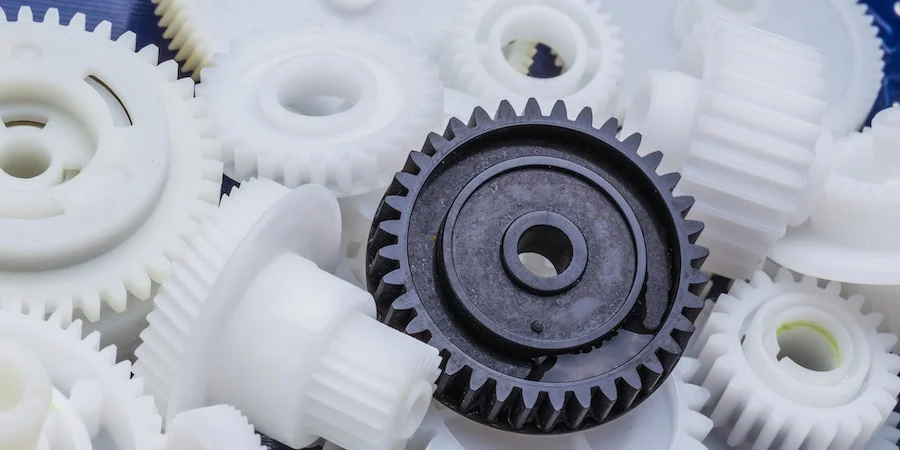
Vilken roll spelar designprogramvara och CAD/CAM-teknik för att optimera formsprutade delar?
Designprogramvara och CAD/CAM-teknik (datorstödd design/datorstödd tillverkning) spelar en avgörande roll för att optimera formsprutade delar. De tillhandahåller kraftfulla verktyg och funktioner som gör det möjligt för konstruktörer och ingenjörer att förbättra delarnas effektivitet, funktionalitet och kvalitet. Här är en detaljerad förklaring av designprogramvaran och CAD/CAM-teknikens roll för att optimera formsprutade delar:
1. Designvisualisering och validering:
Designprogramvara och CAD-verktyg gör det möjligt för konstruktörer att skapa 3D-modeller av formsprutade delar, vilket ger en visuell representation av produkten före tillverkning. Dessa verktyg gör det möjligt för konstruktörer att validera och optimera deldesignen genom att simulera dess beteende under olika förhållanden, såsom spänningsanalys, vätskeflöde eller termisk prestanda. Denna visualiserings- och valideringsprocess hjälper till att identifiera potentiella problem eller förbättringsområden, vilket leder till optimerade deldesigner.
2. Designoptimering:
Designprogramvara och CAD/CAM-teknik tillhandahåller kraftfulla optimeringsverktyg som gör det möjligt för konstruktörer att förfina och förbättra prestandan hos formsprutade delar. Dessa verktyg inkluderar funktioner som parametrisk modellering, formoptimering och topologioptimering. Parametrisk modellering möjliggör snabb iteration och utforskning av designvariationer, medan algoritmer för form- och topologioptimering hjälper till att identifiera de mest effektiva och lättviktiga designerna som uppfyller de nödvändiga funktionella och strukturella kriterierna.
3. Formdesign:
Designprogramvara och CAD/CAM-teknik är avgörande för designen av formsprutningsformar som används för att producera de gjutna delarna. Formdesign innebär att skapa 3D-geometrin för formkomponenterna, såsom kärna, hålrum, rännsystem och kylkanaler. CAD/CAM-verktyg tillhandahåller specialfunktioner för formdesign, inklusive formflödesanalys, som simulerar formsprutningsprocessen för att optimera formfyllning, kylning och utmatning av delar. Detta säkerställer produktion av högkvalitativa delar med minimala defekter och cykeltid.
4. Design för tillverkningsbarhet:
Designprogramvara och CAD/CAM-teknik underlättar implementeringen av Design for Manufacturability (DFM)-principer i designprocessen. DFM fokuserar på att designa delar som är optimerade för effektiv och kostnadseffektiv tillverkning. CAD-verktyg tillhandahåller funktioner som hjälper till att identifiera och åtgärda potentiella tillverkningsproblem tidigt i designfasen, såsom utkastvinklar, variationer i väggtjocklek eller överväganden gällande delningslinjer. Genom att beakta tillverkningsbegränsningar under designfasen kan formsprutade delar optimeras för förbättrad tillverkningsbarhet, minskade produktionskostnader och kortare ledtider.
5. Prototypframtagning och iterativ design:
Designprogramvara och CAD/CAM-teknik möjliggör snabb prototypframställning av formsprutade delar genom tekniker som 3D-utskrift eller CNC-bearbetning. Detta gör det möjligt för konstruktörer att fysiskt testa och utvärdera delarnas funktionalitet, passform och estetik innan de går vidare till massproduktion. CAD/CAM-verktyg stöder iterativa designprocesser genom att underlätta snabba modifieringar och justeringar baserat på prototypfeedback, vilket resulterar i optimerade deldesigner och minskade utvecklingscykler.
6. Samarbete och kommunikation:
Designprogramvara och CAD/CAM-teknik erbjuder en plattform för samarbete och kommunikation mellan konstruktörer, ingenjörer och andra intressenter som är involverade i utvecklingen av formsprutade delar. Dessa verktyg möjliggör enkel delning, granskning och kommentering av design, vilket säkerställer effektivt samarbete och effektiviserar beslutsprocessen. Genom att underlätta tydlig kommunikation och feedbackutbyte bidrar designprogramvara och CAD/CAM-teknik till optimerade deldesigner och effektiva utvecklingsarbetsflöden.
7. Dokumentation och tillverkningsinstruktioner:
Designprogramvara och CAD/CAM-teknik hjälper till att generera omfattande dokumentation och tillverkningsinstruktioner för produktion av formsprutade delar. Dessa verktyg möjliggör skapandet av detaljerade ritningar, specifikationer och monteringsinstruktioner som vägleder tillverkningsprocessen. Noggranna och väl dokumenterade konstruktioner bidrar till att säkerställa konsekvens, kvalitet och repeterbarhet vid produktion av formsprutade delar.
Sammantaget är designprogramvara och CAD/CAM-teknik avgörande för att optimera formsprutade delar. De gör det möjligt för konstruktörer och ingenjörer att visualisera, validera, optimera och kommunicera design, vilket leder till förbättrad delprestanda, tillverkningsbarhet och övergripande kvalitet.
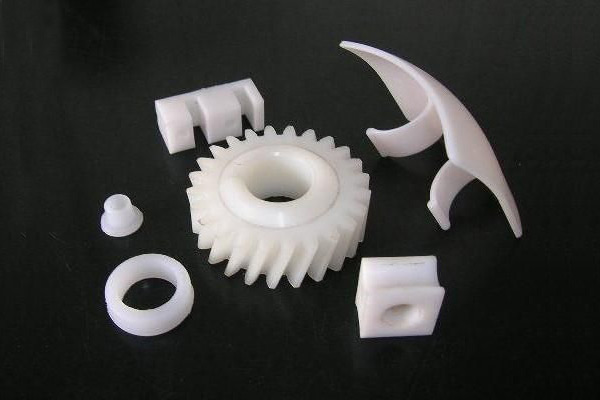
What industries and applications commonly utilize injection molded parts?
Injection molded parts find widespread use across various industries and applications due to their versatility, cost-effectiveness, and ability to meet specific design requirements. Here’s a detailed explanation of the industries and applications that commonly utilize injection molded parts:
1. Automotive Industry:
The automotive industry extensively relies on injection molded parts for both interior and exterior components. These parts include dashboards, door panels, bumpers, grilles, interior trim, seating components, electrical connectors, and various engine and transmission components. Injection molding enables the production of lightweight, durable, and aesthetically pleasing parts that meet the stringent requirements of the automotive industry.
2. Consumer Electronics:
Injection molded parts are prevalent in the consumer electronics industry. They are used in the manufacturing of components such as housings, buttons, bezels, connectors, and structural parts for smartphones, tablets, laptops, gaming consoles, televisions, cameras, and other electronic devices. Injection molding allows for the production of parts with precise dimensions, excellent surface finish, and the ability to integrate features like snap fits, hinges, and internal structures.
3. Medical and Healthcare:
The medical and healthcare industry extensively utilizes injection molded parts for a wide range of devices and equipment. These include components for medical devices, diagnostic equipment, surgical instruments, drug delivery systems, laboratory equipment, and disposable medical products. Injection molding offers the advantage of producing sterile, biocompatible, and precise parts with tight tolerances, ensuring safety and reliability in medical applications.
4. Packaging and Containers:
Injection molded parts are commonly used in the packaging and container industry. These parts include caps, closures, bottles, jars, tubs, trays, and various packaging components. Injection molding allows for the production of lightweight, durable, and visually appealing packaging solutions. The process enables the integration of features such as tamper-evident seals, hinges, and snap closures, contributing to the functionality and convenience of packaging products.
5. Aerospace and Defense:
The aerospace and defense industries utilize injection molded parts for a variety of applications. These include components for aircraft interiors, cockpit controls, avionics, missile systems, satellite components, and military equipment. Injection molding offers the advantage of producing lightweight, high-strength parts with complex geometries, meeting the stringent requirements of the aerospace and defense sectors.
6. Industrial Equipment:
Injection molded parts are widely used in industrial equipment for various applications. These include components for machinery, tools, pumps, valves, electrical enclosures, connectors, and fluid handling systems. Injection molding provides the ability to manufacture parts with excellent dimensional accuracy, durability, and resistance to chemicals, oils, and other harsh industrial environments.
7. Furniture and Appliances:
The furniture and appliance industries utilize injection molded parts for various components. These include handles, knobs, buttons, hinges, decorative elements, and structural parts for furniture, kitchen appliances, household appliances, and white goods. Injection molding enables the production of parts with aesthetic appeal, functional design, and the ability to withstand regular use and environmental conditions.
8. Toys and Recreational Products:
Injection molded parts are commonly found in the toy and recreational product industry. They are used in the manufacturing of plastic toys, games, puzzles, sporting goods, outdoor equipment, and playground components. Injection molding allows for the production of colorful, durable, and safe parts that meet the specific requirements of these products.
9. Electrical and Electronics:
Injection molded parts are widely used in the electrical and electronics industry. They are employed in the production of electrical connectors, switches, sockets, wiring harness components, enclosures, and other electrical and electronic devices. Injection molding offers the advantage of producing parts with excellent dimensional accuracy, electrical insulation properties, and the ability to integrate complex features.
10. Plumbing and Pipe Fittings:
The plumbing and pipe fittings industry relies on injection molded parts for various components. These include fittings, valves, connectors, couplings, and other plumbing system components. Injection molding provides the ability to manufacture parts with precise dimensions, chemical resistance, and robustness, ensuring leak-free connections and long-term performance.
In summary, injection molded parts are utilized in a wide range of industries and applications. The automotive, consumer electronics, medical and healthcare, packaging, aerospace and defense, industrial equipment, furniture and appliances, toys and recreational products, electrical and electronics, and plumbing industries commonly rely on injection molding for the production of high-quality, cost-effective, and functionally optimized parts.


editor by CX 2024-02-22