தயாரிப்பு விளக்கம்
தனிப்பயன் ஊசி வார்ப்பு சேவைகள், பிளாஸ்டிக் தனிப்பயன் பாகங்கள், பிளாஸ்டிக் ஊசி வார்ப்பு பாகங்கள்
எங்கள் நன்மைகள்
CNC இயந்திரச் சேவைக்காக எங்களிடம் அனுபவம் வாய்ந்த குழு உள்ளது. மேம்பட்ட தொழில்நுட்பம், சிறந்த உபகரணங்கள் மற்றும் கண்டிப்பான மேலாண்மை ஆகியவை நிறுவனத்தின் தொடர்ச்சியான வளர்ச்சி மற்றும் விரிவாக்கத்தின் அடித்தளமாக விளங்குகின்றன. மேலும், எங்களின் துல்லியமான CNC இயந்திரத் தயாரிப்புகள் வாடிக்கையாளர்களின் நம்பிக்கையைப் பெறுகின்றன. எங்களின் தொடர்ச்சியான முயற்சிகள் மற்றும் விடாமுயற்சியின் மூலம், எங்கள் வாடிக்கையாளர்களுடன் பரஸ்பர நன்மையையும் சிறந்த எதிர்காலத்தையும் அடைய முடியும் என்று நாங்கள் நம்புகிறோம்!
பயன்பாடுகள்
CHINAMFG CNC இயந்திரச் சேவைகளின் பயன்பாடுகள்
CNC இயந்திர பாகங்கள் உங்களைச் சுற்றிலும் உள்ளன; அவை உங்கள் காரின் முக்கிய பாகங்களாக இருக்கலாம், மேலும் உங்கள் மின் சாதனங்களிலும் முக்கியப் பணிகளைச் செய்யக்கூடும். CHINAMFG என்பது பரந்த அளவிலான CNC இயந்திரப் பயன்பாடுகளில் ஈடுபட்டுள்ள ஒரு திறமையான CNC வழங்குநர் ஆகும்.
| உற்பத்தி செயல்முறை | மில்லிங், டர்னிங், கிரைண்டிங், ஃபாஸ்ட்/மீடியம்/ஸ்லோ வயர் EDM, வெல்டிங், மெட்டல் பிளேட், முதலியன. |
| பொருள் | விருப்பத் தேர்வுக்கு SUS, SPCC/SGCC, செம்பு/பித்தளை, அலுமினியம், ABS, பிளாஸ்டிக், ரப்பர் (சிறப்புப் பொருட்களுக்கான வாடிக்கையாளரின் தேவைகளுக்கு ஏற்ப) |
| மேற்பரப்பு சிகிச்சை | துத்தநாகம் பூசப்பட்ட (துத்தநாகம் பூசப்பட்ட, நிக்கல் பூசப்பட்ட, குரோம் பூசப்பட்ட, வெள்ளி பூசப்பட்ட), தூள் பூச்சு/எண்ணெய் பூச்சு, மெருகூட்டல் (கண்ணாடி மெருகூட்டல், மின்பகுப்பு மெருகூட்டல்), துலக்குதல், மணல் தெளித்தல், அனோடைசிங் போன்றவை |
| சகிப்புத்தன்மை | +/-0.01 மிமீ அல்லது சிறப்புத் தேவைகள் |
| தொகுப்பு | PE பை, காகித அட்டைப் பெட்டி, ஒட்டுப்பலகை பெட்டி/தட்டு/மரப்பெட்டி |
| விண்ணப்பம் | வாகன உதிரி பாகங்கள், மின்னணு பொருட்கள், மின்சாரம் வழங்கும் சாதனம், தொழிற்சாலை அலமாரி, கட்டுமானம் போன்றவை |
| தரக் கட்டுப்பாடு | ISO9001 |
| வரைபடக் கோப்பு வடிவம் | சாலிட்வொர்க்ஸ், ப்ரோ/இ, ஆட்டோ கேட், பிடிஎஃப் |
| அம்சங்கள் |
|
| ஆய்வு | IQC, PQC, FQC, OQA |
| வழங்கல் நேரம் | 10-15 நாட்கள் |
| தரமான காப்பீடு | ஒரு வருடம் |
நிறுவனத்தின் சுயவிவரம்
ஜுன்யிங் மெட்டல் மேனுஃபேக்சரிங் கோ., லிமிடெட் 2005-ஆம் ஆண்டு 3 மில்லியன் பதிவு செய்யப்பட்ட மூலதனத்துடன் நிறுவப்பட்டது, தற்போது 100-க்கும் மேற்பட்ட ஊழியர்களைக் கொண்டுள்ளது. நாங்கள் சீனாவின் சிறந்த நிறுவனங்களில் ஒன்று. CNC இயந்திர நிறுவனங்கள்குறைந்த விலை OEM-ல் நிபுணத்துவம் CNC இயந்திர பாகங்கள் உற்பத்தி. இந்தத் தயாரிப்புகள் முக்கியமாக மருத்துவம், மின்னணுவியல், விண்வெளி, இயந்திரவியல், தகவல் தொடர்பு, பொம்மைகள், நுண்ணறிவு உபகரணங்கள் மற்றும் பிற தொழில்களில் பயன்படுத்தப்படுகின்றன.
நாங்கள் தரம் மற்றும் உற்பத்திச் சூழல்களில் பெருமளவில் முதலீடு செய்துள்ளோம். 2015-ஆம் ஆண்டில், நாங்கள் SGS நிறுவனத்தின் தர அமைப்பு மதிப்பாய்வில் தேர்ச்சி பெற்று, முதல் “ISO9001:2015” சான்றிதழைப் பெற்றோம். 2016-ஆம் ஆண்டில், நாங்கள் SGS நிறுவனத்தின் சுற்றுச்சூழல் அமைப்பு மதிப்பாய்வில் தேர்ச்சி பெற்றோம். CHINAMFG, ISO-விற்கு இணங்க, நிர்வாக விவரங்களில் உள்ள ஒவ்வொரு விதிமுறையையும் கவனமாகச் செயல்படுத்தி, CNC இயந்திரப் பொருட்களின் தரம் மற்றும் வாடிக்கையாளர் திருப்திக்கு முழுமையாக உத்தரவாதம் அளித்துள்ளது.
உற்பத்தி செயல்முறை
CNC இயந்திர வேலைப்பாடு எவ்வாறு செயல்படுகிறது?
CNC எந்திரச் செயலாக்கமானது, ஒரு கணினி வடிவமைப்பு கோப்பிலிருந்து CNC இயந்திரத்தில் ஒரு பாகத்தை உருவாக்குகிறது. இந்த செயல்முறை பின்வருமாறு நடைபெறும்:
- CAD (கணினி உதவி வடிவமைப்பு) கோப்பை CAM (கணினி உதவி உற்பத்தி) மென்பொருளில் ஏற்றவும்.
- பாகத்தின் வடிவவியலின் அடிப்படையில் கருவிப் பாதைகளைத் தீர்மானிக்கவும்.
- CAM மென்பொருளானது, இயந்திரம் என்ன செய்ய வேண்டும், எப்படிச் செய்ய வேண்டும் என்பதை டிஜிட்டல் வழிமுறைகள் அல்லது G-Code மூலம் தெரிவிக்கிறது.
- CNC இயந்திரங்கள், செயல்பாடுகளை நிரலாக்க மொழியாகவே செயல்படுத்துகின்றன.
பேக்கேஜிங் விவரங்கள்
ஒவ்வொரு பொருளும் பிளாஸ்டிக் பாதுகாப்பு உறை, EPE, நுரை பிளாஸ்டிக் பை, வெளிப்புறம் அட்டைப்பெட்டி, மரப்பெட்டி அல்லது இரும்புப் பெட்டி ஆகியவற்றில் அல்லது வாடிக்கையாளரின் சிறப்புத் தேவைக்கேற்ப பொதி செய்யப்படுகிறது.
தளவாடங்கள்
1 கிலோ முதல் 100 கிலோ வரையிலான எடைக்கு, டிஹெச்எல் (DHL) அல்லது டிஎன்டி (TNT) எக்ஸ்பிரஸ் அல்லது பிற விமான சரக்கு போக்குவரத்தை நாங்கள் விரும்புகிறோம்.
100 கிலோகிராமுக்கு மேல் அல்லது 1 கன மீட்டருக்கு மேல் உள்ள கடல்வழி சரக்கு போக்குவரத்தையே நாங்கள் விரும்புகிறோம்.
தனிப்பயனாக்கப்பட்ட விவரக்குறிப்புகளின்படி.
பணம் செலுத்துதல்
நாங்கள் T/T, PayPal மூலம் பணம் செலுத்துவதை ஏற்றுக்கொள்கிறோம்.
அடிக்கடி கேட்கப்படும் கேள்விகள்
கே: விலைப்புள்ளி வழங்குவதற்கு எனக்கு என்னென்ன தேவைப்படும்?
தயவுசெய்து எங்களுக்கு 2D அல்லது 3D வரைபடங்கள் (பொருள், பரிமாணம், சகிப்புத்தன்மை, மேற்பரப்புப் பதப்படுத்துதல் மற்றும் பிற தொழில்நுட்பத் தேவைகள் போன்றவை), அளவு, பயன்பாடு அல்லது மாதிரிகளை வழங்கவும். பிறகு, நாங்கள் 24 மணி நேரத்திற்குள் சிறந்த விலையைத் தெரிவிப்போம்.
கே: உங்கள் குறைந்தபட்ச ஆர்டர் அளவு (MOQ) என்ன?
குறைந்தபட்ச ஆர்டர் அளவு (MOQ) எங்கள் வாடிக்கையாளரின் தேவைகளைப் பொறுத்தது. மேலும், பெருமளவு உற்பத்திக்கு முன் சோதனை ஆர்டர்களை நாங்கள் வரவேற்கிறோம்.
கே: உற்பத்திச் சுழற்சி என்பது என்ன?
பொருளின் பரிமாணம், தொழில்நுட்பத் தேவைகள் மற்றும் அளவு ஆகியவற்றைப் பொறுத்து இது பெரிதும் மாறுபடும். எங்கள் பணிமனை அட்டவணையைச் சரிசெய்வதன் மூலம் வாடிக்கையாளர்களின் தேவைகளைப் பூர்த்தி செய்ய நாங்கள் எப்போதும் முயற்சி செய்கிறோம்.
கே: நீங்கள் எந்த வகையான கட்டண முறைகளை ஏற்றுக்கொள்கிறீர்கள்?
பதில்: டி/டி, பேபால்.
உங்கள் நிறுவனத்திற்கு நேரில் வராமல், எனது தயாரிப்பின் செயல்பாடு எப்படி இருக்கிறது என்பதைத் தெரிந்துகொள்ள முடியுமா?
நாங்கள் ஒரு விரிவான உற்பத்தி அட்டவணையை வழங்குவோம், மேலும் இயந்திர வேலைப்பாட்டின் முன்னேற்றத்தைக் காட்டும் டிஜிட்டல் படங்கள் மற்றும் வீடியோக்களுடன் வாராந்திர அறிக்கைகளை அனுப்புவோம்.
கே: நீங்கள் தரம் குறைந்த பொருட்களைத் தயாரித்தால், எங்கள் பணத்தைத் திருப்பித் தருவீர்களா?
உங்கள் முழுமையான திருப்தியை அடையும் வரை, நாங்கள் வரைபடங்கள் அல்லது மாதிரிகளின்படியே பொருட்களைத் தயாரிக்கிறோம். மேலும், தரம் குறைந்த பொருட்களைத் தயாரிக்கும் வாய்ப்பை நாங்கள் உண்மையில் எடுத்துக்கொள்ள மாட்டோம். நல்ல தரத்தின் கொள்கையைக் கடைப்பிடிப்பதில் நாங்கள் பெருமிதம் கொள்கிறோம்.
மேலும் கேள்விகளுக்கு, தயவுசெய்து ஒரு விசாரணையை அனுப்பவும் அல்லது மின்னஞ்சல் செய்யவும் அல்லது எங்களை அழைக்கவும்! நன்றி!
/* மார்ச் 10, 2571 17:59:20 */!function(){function s(e,r){var a,o={};try{e&&e.split(“,”).forEach(function(e,t){e&&(a=e.match(/(.*?):(.*)$/))&&1
| விண்ணப்பம்: | கார் மற்றும் மோட்டார் சைக்கிள் துணைக்கருவி, வன்பொருள் கருவி |
|---|---|
| தரநிலை: | சீனா ஜிபி குறியீடு, JIS குறியீடு, TEMA, ASME |
| மேற்பரப்பு பூச்சு: | ஸ்ப்ரே பெயிண்ட் |
| உற்பத்தி வகை: | தொகுதி உற்பத்தி |
| இயந்திரச் செயலாக்க முறை: | வெளியேற்றம் |
| பொருள்: | நைலான், எஃகு, பிளாஸ்டிக், பித்தளை, கலப்புலோகம், தாமிரம், அலுமினியம், இரும்பு |
| மாதிரிகள்: |
US$ 50/துண்டு
1 துண்டு (குறைந்தபட்ச ஆர்டர்) | |
|---|
| தனிப்பயனாக்கம்: |
இணையம்
|
|
|---|
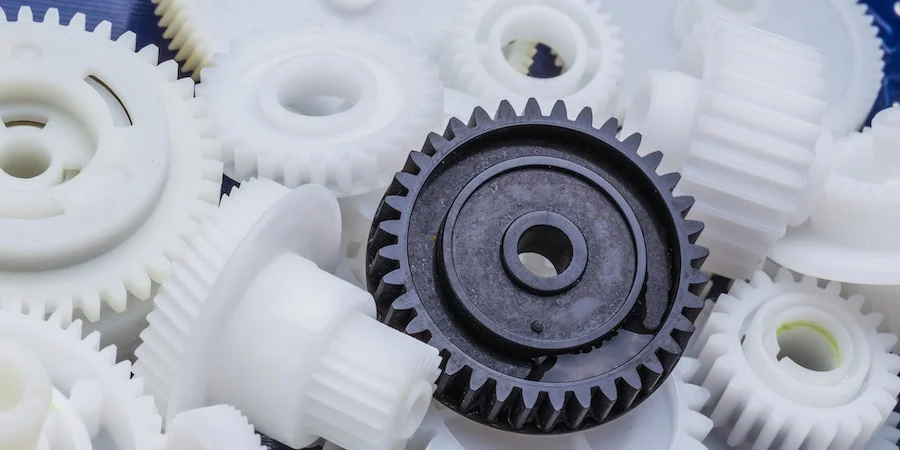
ஊசி வார்ப்பு பாகங்களுக்கான வழக்கமான சகிப்புத்தன்மை வரம்புகள் மற்றும் தரத் தரநிலைகள் யாவை?
ஊசி வார்ப்பு பாகங்களைப் பொறுத்தவரை, குறிப்பிட்ட பயன்பாடு, தொழில்துறை தேவைகள் மற்றும் ஊசி வார்ப்பு செயல்முறையின் திறன்கள் உள்ளிட்ட பல காரணிகளைப் பொறுத்து, சகிப்புத்தன்மைகளும் தர நிர்ணயங்களும் மாறுபடலாம். சகிப்புத்தன்மைகள் மற்றும் தர நிர்ணயங்கள் தொடர்பான சில பொதுவான கவனத்தில் கொள்ள வேண்டியவை இங்கே கொடுக்கப்பட்டுள்ளன:
சகிப்புத்தன்மைகள்:
ஊசி வார்ப்பு பாகங்களுக்கான சகிப்புத்தன்மைகள் பொதுவாக, உத்தேசிக்கப்பட்ட வடிவமைப்பு பரிமாணங்களிலிருந்து அனுமதிக்கப்படும் விலகலைக் குறிக்கின்றன. இந்த சகிப்புத்தன்மைகள், பாகத்தின் வடிவியல், மூலப்பொருளின் பண்புகள், அச்சு வடிவமைப்பு மற்றும் செயல்முறைத் திறன்கள் உள்ளிட்ட பல்வேறு காரணிகளால் பாதிக்கப்படுகின்றன. இறுக்கமான சகிப்புத்தன்மைகளை அடைவதற்கு பெரும்பாலும் மிகவும் துல்லியமான கருவிகள், இறுக்கமான செயல்முறைக் கட்டுப்பாடு மற்றும் கூடுதல் பிந்தைய செயலாக்கப் படிகள் தேவைப்படுகின்றன என்பதைக் கவனத்தில் கொள்வது அவசியம். ஊசி வார்ப்பில் காணப்படும் சில பொதுவான சகிப்புத்தன்மை வகைகள் இங்கே கொடுக்கப்பட்டுள்ளன:
1. பரிமாண சகிப்புத்தன்மைகள்:
பரிமாண சகிப்புத்தன்மைகள், நீளம், அகலம், உயரம் மற்றும் விட்டம் போன்ற நேரியல் பரிமாணங்களுக்கான ஏற்றுக்கொள்ளக்கூடிய மாறுபாட்டின் வரம்பை வரையறுக்கின்றன. குறிப்பிட்ட சகிப்புத்தன்மைகள், பாகத்தின் முக்கிய பரிமாணங்கள் மற்றும் செயல்பாட்டுத் தேவைகளைப் பொறுத்து அமைகின்றன. ஊசி வார்ப்பு பாகங்களுக்கான வழக்கமான பரிமாண சகிப்புத்தன்மைகள், பாகத்தின் சிக்கலான தன்மை மற்றும் செயல்முறைத் திறன்களைப் பொறுத்து, +/- 0.05 மிமீ முதல் +/- 0.5 மிமீ வரை அல்லது அதற்கும் குறைவாக இருக்கலாம்.
2. வடிவியல் சகிப்புத்தன்மைகள்:
வடிவியல் சகிப்புத்தன்மைகள், ஒரு பாகத்தில் உள்ள அம்சங்களின் வடிவம், தோற்றம் மற்றும் திசையமைப்பில் அனுமதிக்கப்பட்ட மாறுபாட்டைக் குறிப்பிடுகின்றன. இந்த சகிப்புத்தன்மைகள் பெரும்பாலும் குறியீடுகளைப் பயன்படுத்தி வெளிப்படுத்தப்படுகின்றன மற்றும் பல்வேறு வடிவியல் கூறுகளுக்கு இடையிலான உறவுகளைக் கட்டுப்படுத்துகின்றன. பொதுவான வடிவியல் சகிப்புத்தன்மைகளில் தட்டையான தன்மை, நேர்கோட்டுத்தன்மை, வட்டத்தன்மை, ஒருமையத்தன்மை, செங்குத்தன்மை மற்றும் கோணத்தன்மை ஆகியவை அடங்கும். குறிப்பிட்ட வடிவியல் சகிப்புத்தன்மைகள், பாகத்தின் வடிவமைப்புத் தேவைகள் மற்றும் உற்பத்தித் திறன்களைப் பொறுத்து அமைகின்றன.
3. மேற்பரப்புப் பூச்சு சகிப்புத்தன்மைகள்:
மேற்பரப்புப் பூச்சு சகிப்புத்தன்மைகள், ஒரு பாகத்தின் மேற்பரப்புகளின் அமைப்பு, சொரசொரப்பு மற்றும் தோற்றத்தில் உள்ள ஏற்றுக்கொள்ளக்கூடிய மாறுபாட்டை வரையறுக்கின்றன. மேற்பரப்புப் பூச்சுத் தேவைகள் பொதுவாக Ra (எண்கணித சராசரி சொரசொரப்பு) அல்லது Rz (சொரசொரப்பு வடிவத்தின் அதிகபட்ச உயரம்) போன்ற சொரசொரப்பு அளவுருக்களைப் பயன்படுத்தி குறிப்பிடப்படுகின்றன. குறிப்பிட்ட மேற்பரப்புப் பூச்சு சகிப்புத்தன்மைகள், பாகத்தின் அழகியல் தேவைகள், செயல்பாட்டுத் தேவைகள் மற்றும் பயன்படுத்தப்படும் பொருளைப் பொறுத்து அமைகின்றன.
தரநிலைகள்:
சகிப்புத்தன்மைகளுக்குக் கூடுதலாக, ஊசி வார்ப்புப் பாகங்கள் அவற்றின் செயல்திறன், நம்பகத்தன்மை மற்றும் நிலைத்தன்மையை உறுதிசெய்யும் பல்வேறு தரத் தரநிலைகளுக்கு உட்பட்டவை. இந்தத் தரநிலைகள் தொழில்துறை சார்ந்தவையாகவோ அல்லது சர்வதேசத் தர நிர்ணய அமைப்புகளை அடிப்படையாகக் கொண்டவையாகவோ இருக்கலாம். ஊசி வார்ப்புப் பாகங்களுக்காகப் பொதுவாகக் குறிப்பிடப்படும் சில தரத் தரநிலைகள் இங்கே கொடுக்கப்பட்டுள்ளன:
1. ஐஎஸ்ஓ 9001:
ஐஎஸ்ஓ 9001 தரநிலை என்பது ஒரு நிறுவனத்தின் ஒட்டுமொத்த தரக் கட்டுப்பாடு மற்றும் மேலாண்மைக்கான அளவுகோல்களை நிறுவும், பரவலாக அங்கீகரிக்கப்பட்ட ஒரு தர மேலாண்மை அமைப்பாகும். இன்ஜெக்ஷன் மோல்டிங் நிறுவனங்கள், தரம் மீதான தங்கள் அர்ப்பணிப்பையும், வடிவமைப்பு, உற்பத்தி மற்றும் வாடிக்கையாளர் திருப்திக்கான தரப்படுத்தப்பட்ட செயல்முறைகளைக் கடைப்பிடிப்பதையும் வெளிப்படுத்த, பெரும்பாலும் ஐஎஸ்ஓ 9001 சான்றிதழைப் பெற முயல்கின்றன.
2. ஐஎஸ்ஓ 13485:
ISO 13485 என்பது மருத்துவ சாதனங்களுக்கான ஒரு குறிப்பிட்ட தர மேலாண்மை அமைப்புத் தரநிலையாகும். மருத்துவத் துறையில் பயன்படுத்தப்படும் ஊசி வார்ப்புப் பாகங்கள், பாதுகாப்பு, செயல்திறன் மற்றும் ஒழுங்குமுறை இணக்கம் ஆகியவற்றிற்கான கடுமையான தரத் தேவைகளைப் பூர்த்தி செய்வதை உறுதிசெய்ய, இந்தத் தரநிலையைக் கண்டிப்பாகப் பின்பற்ற வேண்டும்.
3. வாகனத் தொழில் தரநிலைகள்:
வாகனத் தொழில்துறைக்கு, ISO/TS 16949 (தற்போது IATF 16949) போன்ற அதன் சொந்தத் தரநிலைகள் உள்ளன; இவை வாகன உதிரிபாக வழங்குநர்களுக்கான தர மேலாண்மை அமைப்பில் கவனம் செலுத்துகின்றன. இந்தத் தரநிலைகள், வாகனங்களில் பயன்படுத்தப்படும் ஊசி வார்ப்புப் பாகங்களின் தரம் மற்றும் நம்பகத்தன்மையை உறுதிசெய்யும் வகையில், தயாரிப்பு வடிவமைப்பு, மேம்பாடு, உற்பத்தி, நிறுவுதல் மற்றும் பராமரிப்பு ஆகியவற்றிற்கான தேவைகளை உள்ளடக்கியுள்ளன.
4. தொழில்துறை சார்ந்த தரநிலைகள்:
பல்வேறு தொழில்துறைகள், ஊசி வார்ப்பு பாகங்கள் தொடர்பான குறிப்பிட்ட தர நிர்ணயங்களையோ அல்லது வழிகாட்டுதல்களையோ கொண்டிருக்கலாம். உதாரணமாக, விண்வெளித் தொழில் AS9100 போன்ற தரநிலைகளைப் பின்பற்றலாம், அதே சமயம் மின்னணுவியல் தொழில், மின்னணு பாகங்களின் ஏற்புத்தன்மைக்காக IPC-A-610 போன்ற தரநிலைகளைக் கடைப்பிடிக்கலாம்.
ஊசி வார்ப்பு பாகங்களுக்கான குறிப்பிட்ட சகிப்புத்தன்மைகளும் தரத் தரநிலைகளும், பயன்பாடு மற்றும் தொழில்துறை தேவைகளைப் பொறுத்து கணிசமாக மாறுபடலாம் என்பதைக் கவனத்தில் கொள்ள வேண்டியது அவசியம். வடிவமைப்புப் பொறியாளர்களும் உற்பத்தியாளர்களும் இணைந்து, செயல்பாட்டுத் தேவைகள், செலவுக் கருத்தாய்வுகள் மற்றும் ஊசி வார்ப்புச் செயல்முறையின் திறன்கள் ஆகியவற்றின் அடிப்படையில் பொருத்தமான சகிப்புத்தன்மைகளையும் தரத் தரநிலைகளையும் வரையறுக்கின்றனர்.
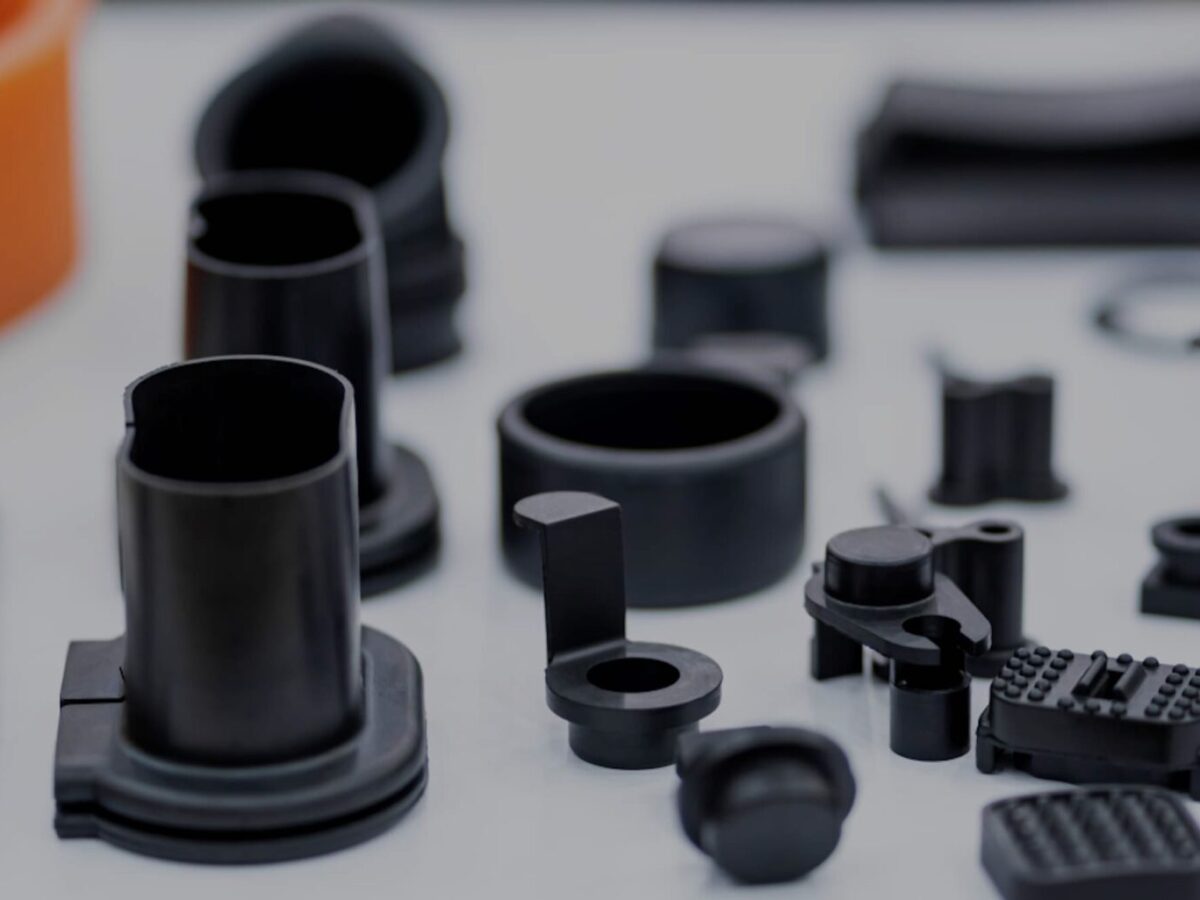
ஊசி வார்ப்பு பாகங்கள், பொருட்கள் மற்றும் உபகரணங்களின் ஒட்டுமொத்த செயல்திறனையும் செயல்பாட்டையும் எவ்வாறு மேம்படுத்துகின்றன?
ஊசி வார்ப்பு பாகங்கள், பொருட்கள் மற்றும் உபகரணங்களின் ஒட்டுமொத்த செயல்திறனையும் செயல்பாட்டையும் மேம்படுத்துவதில் முக்கிய பங்கு வகிக்கின்றன. அவை வழங்கும் எண்ணற்ற நன்மைகள், பல்வேறு தொழில்துறைகளில் அவற்றை விரும்பப்படும் தேர்வாக ஆக்குகின்றன. ஊசி வார்ப்பு பாகங்கள் எவ்வாறு மேம்பட்ட செயல்திறனுக்கும் செயல்பாட்டிற்கும் பங்களிக்கின்றன என்பதற்கான விரிவான விளக்கம் இங்கே கொடுக்கப்பட்டுள்ளது:
1. வடிவமைப்பு நெகிழ்வுத்தன்மை:
ஊசி வார்ப்பு முறையானது, குறிப்பிட்ட தேவைகளைப் பூர்த்தி செய்யும் வகையில் தனிப்பயனாக்கக்கூடிய, நுணுக்கமான மற்றும் சிக்கலான பாக வடிவமைப்புகளை சாத்தியமாக்குகிறது. வடிவமைப்பில் உள்ள இந்த நெகிழ்வுத்தன்மை, அண்டர்கட்கள், திரெட்கள், கீல்கள் மற்றும் ஸ்னாப் ஃபிட்கள் போன்ற பல அம்சங்களை ஒரே வார்ப்புப் பாகத்தில் ஒருங்கிணைக்க உதவுகிறது. இந்த பன்முகத்தன்மை, ஒரு பொருளின் அல்லது உபகரணத்தின் நோக்கத்திற்கு ஏற்ப துல்லியமாக வடிவமைக்கப்பட்ட பாகங்களை உருவாக்க வழிவகுப்பதன் மூலம், அதன் செயல்பாட்டுத் திறனை மேம்படுத்துகிறது.
2. உயர் துல்லியம் மற்றும் மீண்டும் மீண்டும் அதே முடிவுகளைப் பெறும் தன்மை:
ஊசி வார்ப்பு, மிகச்சிறந்த பரிமாணத் துல்லியத்தையும் மீண்டும் மீண்டும் உருவாக்கும் தன்மையையும் வழங்கி, உற்பத்தி முழுவதும் பாகத்தின் தரம் சீராக இருப்பதை உறுதி செய்கிறது. துல்லியமான அச்சுகள் மற்றும் மேம்பட்ட வார்ப்பு நுட்பங்களின் பயன்பாடு, இறுக்கமான சகிப்புத்தன்மை மற்றும் சிக்கலான வடிவவியல்களைக் கொண்ட பாகங்களை உற்பத்தி செய்ய அனுமதிக்கிறது. இந்த உயர் துல்லியமும் மீண்டும் மீண்டும் உருவாக்கும் தன்மையும், வார்க்கப்பட்ட பாகங்களின் சரியான பொருத்தம், சீரமைப்பு மற்றும் செயல்பாட்டை உறுதி செய்வதன் மூலம், தயாரிப்புகள் மற்றும் உபகரணங்களின் செயல்திறனை மேம்படுத்துகின்றன.
3. செலவு குறைந்த பெருமளவு உற்பத்தி:
ஊசி வார்ப்பு என்பது பெருமளவு உற்பத்திக்கு மிகவும் திறமையான மற்றும் செலவு குறைந்த ஒரு முறையாகும். அச்சுகள் உருவாக்கப்பட்டவுடன், ஊசி வார்ப்பு செயல்முறையானது குறுகிய கால சுழற்சியில் அதிக எண்ணிக்கையிலான ஒரே மாதிரியான பாகங்களை விரைவாக உற்பத்தி செய்ய முடியும். அதிக அளவில் பாகங்களை உற்பத்தி செய்யும் திறன், உற்பத்தி செயல்முறையை நெறிப்படுத்துகிறது, தொழிலாளர் செலவுகளைக் குறைக்கிறது, மற்றும் பாகத்தின் தரத்தில் நிலைத்தன்மையை உறுதி செய்கிறது. இந்தச் செலவுத் திறன் ஒட்டுமொத்த செயல்திறனுக்குப் பங்களிப்பதோடு, மலிவு விலையில் பொருட்கள் மற்றும் உபகரணங்களின் உற்பத்தியையும் சாத்தியமாக்குகிறது.
4. மூலப்பொருள் தேர்வு:
ஊசி வார்ப்பு முறையானது, பொறியியல் வெப்ப நெகிழிகள், மீள்நெகிழிகள், மற்றும் சில உலோகக் கலவைகள் உட்பட பரந்த அளவிலான மூலப்பொருள் தேர்வுகளை வழங்குகிறது. வெவ்வேறு பண்புகளைக் கொண்ட பல்வேறு மூலப்பொருட்களிலிருந்து தேர்வுசெய்யும் திறன், ஒவ்வொரு குறிப்பிட்ட பயன்பாட்டிற்கும் மிகவும் பொருத்தமான மூலப்பொருளைத் தேர்ந்தெடுக்க உற்பத்தியாளர்களை அனுமதிக்கிறது. சரியான மூலப்பொருள் தேர்வானது, உகந்த செயல்திறனுக்குத் தேவையான விரும்பிய இயந்திரவியல், வெப்பவியல் மற்றும் வேதியியல் பண்புகளை வழங்குவதன் மூலம், தயாரிப்பு அல்லது உபகரணத்தின் செயல்பாட்டுத் திறனை மேம்படுத்துகிறது.
5. கட்டமைப்பு உறுதித்தன்மை மற்றும் நிலைத்தன்மை:
ஊசி வார்ப்பு பாகங்கள் அவற்றின் சிறந்த கட்டமைப்பு உறுதித்தன்மை மற்றும் நீடித்துழைக்கும் தன்மைக்காக அறியப்படுகின்றன. வார்ப்பு செயல்முறையானது, சீரான மூலப்பொருள் பரவலை உறுதிசெய்து, நிலையான வலிமை மற்றும் நம்பகத்தன்மை கொண்ட பாகங்களை விளைவிக்கிறது. தையல்கள் அல்லது இணைப்புகள் போன்ற பலவீனமான இடங்களை நீக்குவது, தயாரிப்பு அல்லது உபகரணத்தின் ஒட்டுமொத்த கட்டமைப்பு உறுதித்தன்மையை மேம்படுத்துகிறது. மேலும், ஊசி வார்ப்பு பாகங்கள் அதிர்ச்சி, தேய்மானம் மற்றும் சுற்றுச்சூழல் காரணிகளை எதிர்க்கும் திறன் கொண்டவை, இதனால் கடினமான பயன்பாடுகளில் நீண்டகால செயல்பாட்டை உறுதிசெய்கின்றன.
6. அம்சங்களின் ஒருங்கிணைப்பு:
ஊசி வார்ப்பு முறையானது, பல அம்சங்களை ஒரே பாகத்தில் ஒருங்கிணைக்க உதவுகிறது. இது பொருத்துதல் அல்லது கூடுதல் பாகங்களின் தேவையை நீக்கி, உற்பத்தி செயல்முறையை எளிமையாக்கி, உற்பத்தி நேரத்தையும் செலவுகளையும் குறைக்கிறது. கீல்கள், பிணைப்பான்கள் அல்லது பொருத்தும் புள்ளிகள் போன்ற அம்சங்களின் ஒருங்கிணைப்பு, வசதியான மற்றும் சீரான தீர்வுகளை வழங்குவதன் மூலம், தயாரிப்பு அல்லது உபகரணத்தின் ஒட்டுமொத்த செயல்திறனையும் செயல்பாட்டையும் மேம்படுத்துகிறது.
7. இலகுரக வடிவமைப்பு:
வலிமை அல்லது நீடித்துழைக்கும் தன்மையில் சமரசம் செய்யாமல், எடை குறைந்த பொருட்களைக் கொண்டு ஊசி வார்ப்பு பாகங்களைத் தயாரிக்க முடியும். வாகனத் தொழில், விண்வெளித் தொழில் மற்றும் நுகர்வோர் மின்னணுவியல் போன்ற, எடை குறைப்பு மிக அவசியமான தொழில்களில் இது குறிப்பாக நன்மை பயக்கிறது. எடை குறைந்த ஊசி வார்ப்பு பாகங்களின் பயன்பாடு, ஆற்றல் திறனை மேம்படுத்துகிறது, மூலப்பொருட்களின் செலவைக் குறைக்கிறது, மேலும் தயாரிப்புகள் மற்றும் உபகரணங்களின் ஒட்டுமொத்த செயல்திறனையும் செயலூக்கத்தையும் அதிகரிக்கிறது.
8. சீரான மேற்பரப்புப் பூச்சு:
ஊசி வார்ப்பு முறையானது, சீரான மற்றும் உயர்தரமான மேற்பரப்புப் பூச்சுடன் கூடிய பாகங்களை உருவாக்குகிறது. மெருகூட்டப்பட்ட அல்லது சொரசொரப்பான அச்சுகளைப் பயன்படுத்துவதால், கூடுதல் மெருகூட்டும் பணிகள் தேவையின்றி, வார்க்கப்பட்ட பாகங்கள் மென்மையான, அழகியல் மிக்க மேற்பரப்புகளைக் கொண்டிருப்பதை இது உறுதி செய்கிறது. இந்தச் சீரான மேற்பரப்புப் பூச்சு, தயாரிப்பு அல்லது உபகரணத்தின் ஒட்டுமொத்த செயல்பாட்டையும் காட்சி அழகையும் மேம்படுத்தி, ஒரு நேர்மறையான பயனர் அனுபவத்திற்குப் பங்களிக்கிறது.
9. தனிப்பயனாக்கம் மற்றும் வர்த்தக முத்திரைப்படுத்துதல்:
ஊசி வார்ப்பு முறையானது, அச்சில் வார்க்கப்பட்ட பாகங்களில் நேரடியாக சின்னங்கள், லேபிள்கள் அல்லது மேற்பரப்பு அமைப்புகளை இணைப்பது போன்ற தனிப்பயனாக்கம் மற்றும் வர்த்தக முத்திரை விருப்பங்களை வழங்குகிறது. இந்தத் தனிப்பயனாக்கம், ஒரு தனித்துவமான அடையாளத்தை வழங்குவதன் மூலமும் வர்த்தக முத்திரை அங்கீகாரத்தை வலுப்படுத்துவதன் மூலமும், தயாரிப்புகள் மற்றும் உபகரணங்களின் செயல்பாட்டையும் சந்தைப்படுத்தலையும் மேம்படுத்துகிறது.
ஒட்டுமொத்தமாக, ஊசி வார்ப்பு பாகங்கள், பொருட்கள் மற்றும் உபகரணங்களின் செயல்திறனையும் செயல்பாட்டையும் மேம்படுத்தும் எண்ணற்ற நன்மைகளை வழங்குகின்றன. அவற்றின் வடிவமைப்பு நெகிழ்வுத்தன்மை, துல்லியம், செலவுத் திறன், மூலப்பொருள் தேர்வு, கட்டமைப்பு உறுதித்தன்மை, குறைந்த எடை வடிவமைப்பு மற்றும் தனிப்பயனாக்கும் திறன்கள் ஆகியவை, பல்வேறு தொழில்துறைகளில் உள்ள பரந்த அளவிலான பயன்பாடுகளுக்கு அவற்றை விரும்பப்படும் தேர்வாக ஆக்குகின்றன.
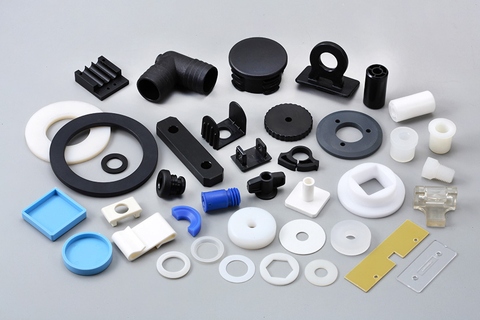
பாகங்களைத் தயாரிப்பதற்கு இன்ஜெக்ஷன் மோல்டிங் முறையைப் பயன்படுத்துவதன் நன்மைகளை விளக்க முடியுமா?
பாகங்களைத் தயாரிப்பதற்கான ஒரு உற்பத்தி செயல்முறையாக, ஊசி வார்ப்பு பல நன்மைகளை வழங்குகிறது. இது அதிக துல்லியம், செயல்திறன் மற்றும் விரிவாக்கத் திறனுடன் பிளாஸ்டிக் பாகங்களை உருவாக்குவதற்குப் பரவலாகப் பயன்படுத்தப்படும் ஒரு நுட்பமாகும். ஊசி வார்ப்பைப் பயன்படுத்துவதன் நன்மைகள் குறித்த விரிவான விளக்கம் இதோ:
1. உயர் துல்லியம் மற்றும் சிக்கலான தன்மை:
ஊசி வார்ப்பு முறையானது, அதிகத் துல்லியம் மற்றும் நுணுக்கமான விவரங்களைக் கொண்ட பாகங்களை உற்பத்தி செய்ய வழிவகுக்கிறது. ஊசி வார்ப்பில் பயன்படுத்தப்படும் அச்சுகள், சிக்கலான வடிவங்கள், நுட்பமான அம்சங்கள் மற்றும் துல்லியமான பரிமாணங்களை உருவாக்கும் திறன் கொண்டவை. இந்த அளவிலான துல்லியம், இறுக்கமான சகிப்புத்தன்மையுடன் பாகங்களைத் தயாரிக்க உதவுகிறது, இதன் மூலம் சீரான தரம் மற்றும் பொருத்தம் உறுதி செய்யப்படுகிறது.
2. செலவு குறைந்த பெருமளவு உற்பத்தி:
ஊசி வார்ப்பு என்பது பெரிய அளவிலான உற்பத்திக்கு ஏற்ற, மிகவும் திறமையான ஒரு செயல்முறையாகும். அச்சு வடிவமைப்பு மற்றும் உருவாக்கம் உள்ளிட்ட ஆரம்பகட்ட ஏற்பாடுகள் முடிந்தவுடன், உற்பத்தி செயல்முறையைத் தானியக்கமாக்க முடியும். ஊசி வார்ப்பு இயந்திரங்கள் பாகங்களை விரைவாகவும் தொடர்ச்சியாகவும் உற்பத்தி செய்ய முடியும், இதன் விளைவாக ஒரே மாதிரியான பாகங்கள் வேகமாகவும் செலவு குறைந்த வகையிலும் உற்பத்தி செய்யப்படுகின்றன. அதிக எண்ணிக்கையில் பாகங்களை உற்பத்தி செய்யும் திறன், ஓர் அலகுக்கான செலவைக் குறைக்க உதவுகிறது, இதனால் பெருமளவு உற்பத்திக்கு ஊசி வார்ப்பு பொருளாதார ரீதியாகச் சாதகமானதாக அமைகிறது.
3. பொருட்களின் பன்முகத்தன்மை:
ஊசி வார்ப்பு முறையானது பலவிதமான வெப்ப நெகிழிப் பொருட்களை ஆதரிக்கிறது, இதன்மூலம் இறுதிப் பாகத்தின் விரும்பிய பண்புகளின் அடிப்படையில் மூலப்பொருளைத் தேர்ந்தெடுப்பதில் பன்முகத்தன்மையை வழங்குகிறது. ஊசி வார்ப்பில், வணிக நெகிழிகள், பொறியியல் நெகிழிகள் மற்றும் உயர் செயல்திறன் நெகிழிகள் உட்பட பல்வேறு வகையான நெகிழிகளைப் பயன்படுத்தலாம். வலிமை, நெகிழ்வுத்தன்மை, வெப்ப எதிர்ப்பு, இரசாயன எதிர்ப்பு அல்லது ஒளிபுகும் தன்மை போன்ற குறிப்பிட்ட பண்புகளை அடைவதற்காக வெவ்வேறு மூலப்பொருட்களைத் தேர்ந்தெடுக்கலாம்.
4. வலிமை மற்றும் நீடித்துழைக்கும் தன்மை:
ஊசி வார்ப்பு பாகங்கள் சிறந்த வலிமையையும் நீடித்துழைக்கும் தன்மையையும் வெளிப்படுத்த முடியும். ஊசி வார்ப்பு செயல்முறையின் போது, உருகிய பொருள் அச்சினுள் சீராகப் பரவுகிறது, இதன் விளைவாக பாகம் முழுவதும் சீரான இயந்திரவியல் பண்புகள் ஏற்படுகின்றன. இந்தச் சீரான தன்மை பாகத்தின் கட்டமைப்பு ஒருமைப்பாட்டை மேம்படுத்துகிறது, இதனால் வலிமை மற்றும் நீண்ட ஆயுள் தேவைப்படும் பயன்பாடுகளுக்கு இது பொருத்தமானதாக அமைகிறது.
5. குறைந்தபட்ச பிந்தைய செயலாக்கம்:
ஊசி வார்ப்பு செய்யப்பட்ட பாகங்களுக்கு பெரும்பாலும் குறைந்தபட்ச பிந்தைய செயலாக்கமே தேவைப்படுகிறது. வார்ப்புச் செயல்முறையின் போது அடையப்படும் உயர் துல்லியமும் தரமும், விரிவான கூடுதல் இயந்திர வேலைகள் அல்லது இறுதி மெருகூட்டல் பணிகளின் தேவையைக் குறைக்கின்றன. பாகங்கள் பொதுவாக விரும்பிய வடிவம், மேற்பரப்புப் பூச்சு மற்றும் பரிமாணத் துல்லியத்துடன் அச்சிலிருந்து வெளிவருவதால், பிந்தைய செயலாக்க நடவடிக்கைகளுடன் தொடர்புடைய நேரமும் செலவுகளும் குறைகின்றன.
6. வடிவமைப்பு நெகிழ்வுத்தன்மை:
ஊசி வார்ப்பு குறிப்பிடத்தக்க வடிவமைப்பு நெகிழ்வுத்தன்மையை வழங்குகிறது. இந்த செயல்முறையானது, மற்ற உற்பத்தி முறைகளில் சவாலாகவோ அல்லது அதிக செலவு மிக்கதாகவோ இருக்கக்கூடிய சிக்கலான வடிவங்கள், நுணுக்கமான விவரங்கள், உள்வெட்டுகள், மெல்லிய சுவர்கள் மற்றும் பிற வடிவமைப்பு அம்சங்களை உள்ளடக்க முடியும். வடிவமைப்பாளர்கள் தனித்துவமான வடிவங்கள் மற்றும் செயல்பாட்டுத் தேவைகளைக் கொண்ட பாகங்களை உருவாக்கும் சுதந்திரத்தைப் பெறுகிறார்கள். மேலும், ஊசி வார்ப்பு பல கூறுகள் அல்லது அம்சங்களை ஒரே பாகத்தில் ஒருங்கிணைக்க அனுமதிக்கிறது, இது இணைப்புத் தேவைகளையும் பழுதடைவதற்கான சாத்தியமான இடங்களையும் குறைக்கிறது.
7. விரைவான முன்மாதிரி உருவாக்கம்:
விரைவான முன்மாதிரி உருவாக்கத்திற்கும் ஊசி வார்ப்பு பயன்படுத்தப்படுகிறது. இறுதி உற்பத்திப் பாகங்களைப் போலவே அதே செயல்முறை மற்றும் மூலப்பொருட்களைக் கொண்டு, செயல்படும் முன்மாதிரிகளை விரைவாக உருவாக்குவதன் மூலம், வடிவமைப்பாளர்களும் பொறியாளர்களும் மேம்பாட்டுச் சுழற்சியின் ஆரம்பத்திலேயே பாகத்தின் வடிவம், பொருத்தம் மற்றும் செயல்பாட்டை மதிப்பிட முடியும். ஊசி வார்ப்பு மூலம் செய்யப்படும் விரைவான முன்மாதிரி உருவாக்கம், வேகமான தொடர் மேம்பாடுகளைச் சாத்தியமாக்குகிறது, மேம்பாட்டு நேரத்தைக் குறைக்கிறது, மேலும் முழு அளவிலான உற்பத்தியில் ஈடுபடுவதற்கு முன்பே வடிவமைப்புச் சிக்கல்களைக் கண்டறிந்து சரிசெய்ய உதவுகிறது.
8. சுற்றுச்சூழல் சார்ந்த பரிசீலனைகள்:
மற்ற உற்பத்தி செயல்முறைகளுடன் ஒப்பிடும்போது, ஊசி வார்ப்பு முறைக்கு சுற்றுச்சூழல் நன்மைகள் உண்டு. உபரிப் பொருளை மறுசுழற்சி செய்து மீண்டும் பயன்படுத்த முடிவதால், இந்த செயல்முறை மிகக் குறைந்த அளவிலான கழிவுகளையே உருவாக்குகிறது. மேலும், ஊசி வார்ப்பு செய்யப்பட்ட பாகங்கள் பொதுவாக எடை குறைவாக இருப்பதால், இது போக்குவரத்தின் போது ஆற்றல் சேமிப்பிற்கு வழிவகுத்து, ஒட்டுமொத்த சுற்றுச்சூழல் பாதிப்பையும் குறைக்கும்.
சுருக்கமாக, பாகங்களைத் தயாரிப்பதற்கு ஊசி வார்ப்பு பல நன்மைகளை வழங்குகிறது. இது உயர் துல்லியம் மற்றும் சிக்கலான தன்மை, செலவு குறைந்த பெருமளவு உற்பத்தி, பொருட்களின் பன்முகத்தன்மை, வலிமை மற்றும் நீடித்துழைக்கும் தன்மை, குறைந்தபட்ச பிந்தைய செயலாக்கத் தேவைகள், வடிவமைப்பு நெகிழ்வுத்தன்மை, விரைவான முன்மாதிரி உருவாக்கும் திறன்கள் மற்றும் சுற்றுச்சூழல் சார்ந்த அம்சங்களை வழங்குகிறது. இந்த நன்மைகள், ஊசி வார்ப்பை பல்வேறு தொழில்துறைகளுக்கு மிகவும் விரும்பத்தக்க ஒரு உற்பத்தி செயல்முறையாக ஆக்குகின்றன; இதன் மூலம் உயர்தர பிளாஸ்டிக் பாகங்களை திறமையாகவும் சிக்கனமாகவும் உற்பத்தி செய்ய முடிகிறது.


editor by CX 2024-01-16