
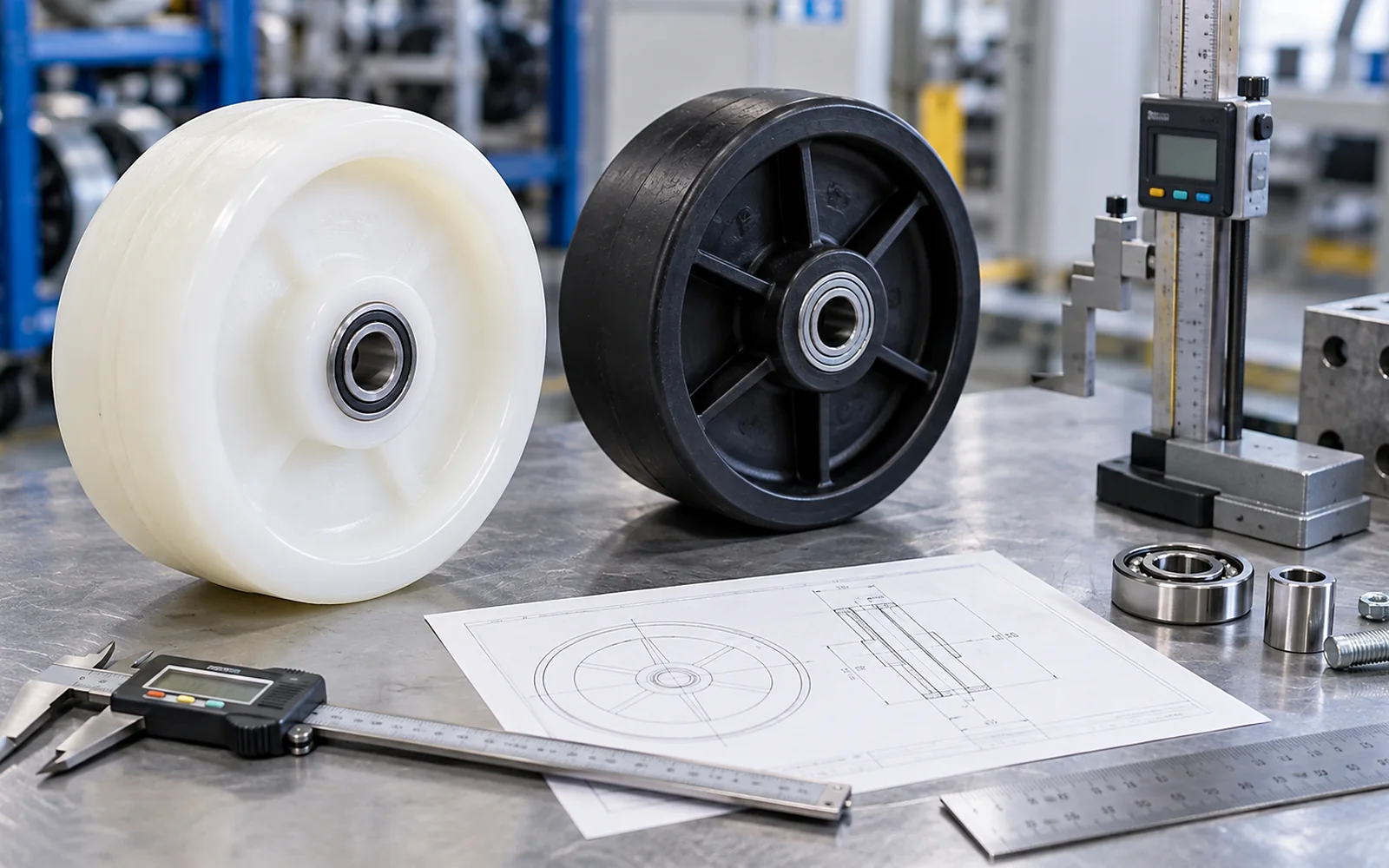
How to Photograph a Castor or Wheel for an Accurate RFQ
A practical buyer guide to castor wheel RFQ photos, focused on measurable operating conditions and RFQ-ready decisions.
What the question is really asking — How to Photograph a Castor
The practical value of castor wheel RFQ photos appears only when the specification is tied to the equipment that must move, the floor it runs on and the interface that carries the load.
Trong các chương trình thay thế và yêu cầu từ nhà sản xuất thiết bị gốc (OEM) mà việc xác định độ phù hợp phải dựa trên bản vẽ hoặc cụm lắp ráp hiện có, thì kích thước kiểm soát độ phù hợp và mối quan hệ giữa bánh xe, trục, moay ốc, giá đỡ và khung xe nên được xem xét như điểm kiểm tra kỹ thuật đầu tiên. Sau khi xác định được điều đó, đường kính, chiều rộng, vật liệu, bố trí ổ trục và chi tiết lắp đặt của bánh xe có thể được xem xét theo trình tự hợp lý.
Tránh cho rằng bánh xe lớn hơn, chất liệu polymer cứng hơn hoặc giá đỡ nặng hơn sẽ tự động giải quyết vấn đề. Một bức ảnh không có tỷ lệ hoặc đường kính mà không có thông tin về trục bánh xe có thể tạo ra một giải pháp thay thế khả thi nhưng không tương thích. Do đó, yêu cầu báo giá an toàn nhất cần ghi lại ảnh/bản vẽ có kích thước, số đo bánh xe và trục bánh xe, dữ liệu lắp đặt, tải trọng, môi trường, số lượng và mã hiệu sản phẩm trước khi cấu hình được đưa ra để báo giá.
Build the operating envelope before comparing products — How to Photograph a Castor
Before comparing products, write the equipment task in one sentence: what must move, what load it carries, where it travels and how often it is repositioned. That description provides context for castor wheel RFQ photos without turning one parameter into a universal rule.
For replacement programs and OEM enquiries where fit must be established from an existing assembly or drawing, the first review should cover dimensions controlling fit and the relationship between wheel, axle, hub, bracket and frame. If a value is not known, mark it for measurement rather than substituting a typical number. The purpose of the RFQ is to close gaps, not hide them. In How to Photograph a Castor or Wheel, record the result beside the actual equipment condition so the article guidance remains tied to a measurable sourcing decision.
Measure the interface that can make or break the replacement — How to Photograph a Castor
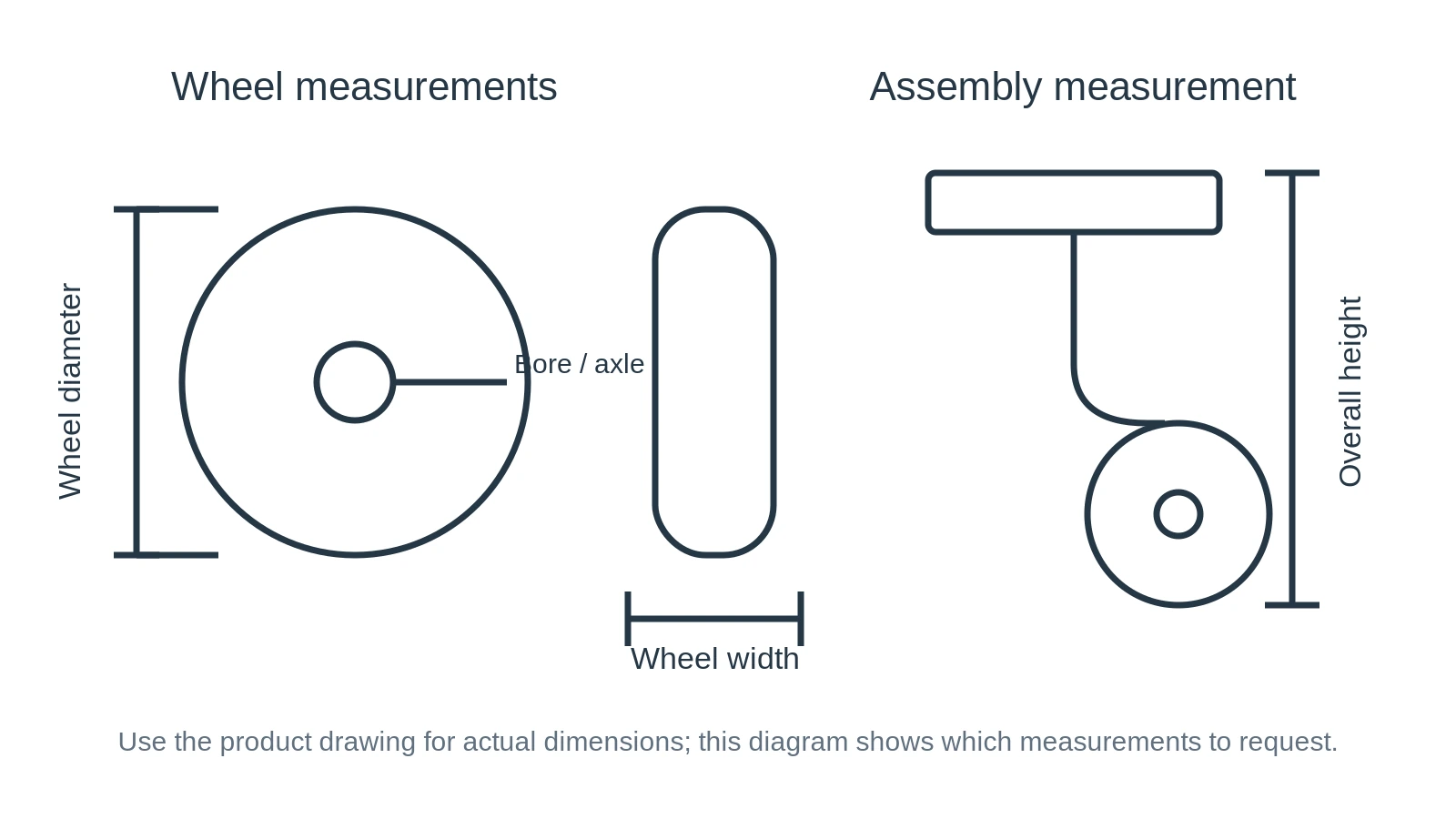
Replacement work benefits from a consistent measurement routine. Record wheel diameter and width, then move inward to the hub: bore or bearing type, axle diameter, hub length and spacers. For complete assemblies, add installed height and mounting geometry. Photograph the measurement tool in place when a dimension is difficult to describe. In How to Photograph a Castor or Wheel, record the result beside the actual equipment condition so the article guidance remains tied to a measurable sourcing decision.
Do not use worn tread as the only reference if original diameter matters. A heavily worn wheel can make the replacement appear too large when the real issue is material loss. Likewise, a bent fork or improvised spacer can change apparent offset. In How to Photograph a Castor or Wheel, record the result beside the actual equipment condition so the article guidance remains tied to a measurable sourcing decision.
Why the same load behaves differently on different floors — How to Photograph a Castor
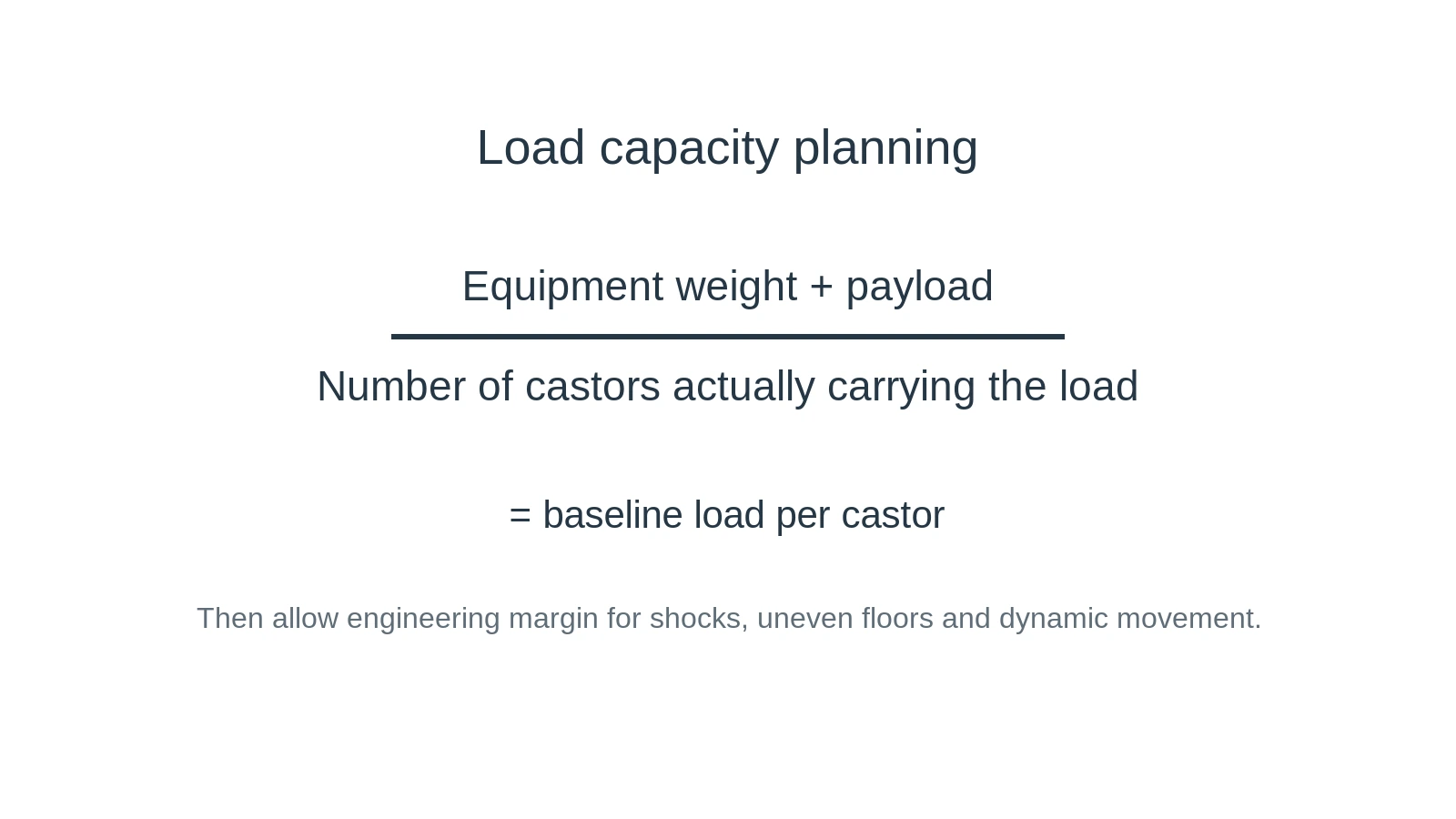
Load rating is not independent of how equipment moves. A cart crossing a threshold can create impact forces absent in a static parking condition. An uneven floor can shift load from four nominal support points to three. A trailer jockey wheel may carry a modest vertical drawbar load yet require substantial manoeuvring effort on loose ground. In How to Photograph a Castor or Wheel, record the result beside the actual equipment condition so the article guidance remains tied to a measurable sourcing decision.
Ghi lại tải trọng tối đa thông thường, tải trọng đặc biệt, loại sàn hoặc mặt đất, quãng đường di chuyển và tần suất chướng ngại vật. Sự kết hợp các thông số này mang lại cơ sở lựa chọn tốt hơn so với chỉ sử dụng một trọng lượng tổng.
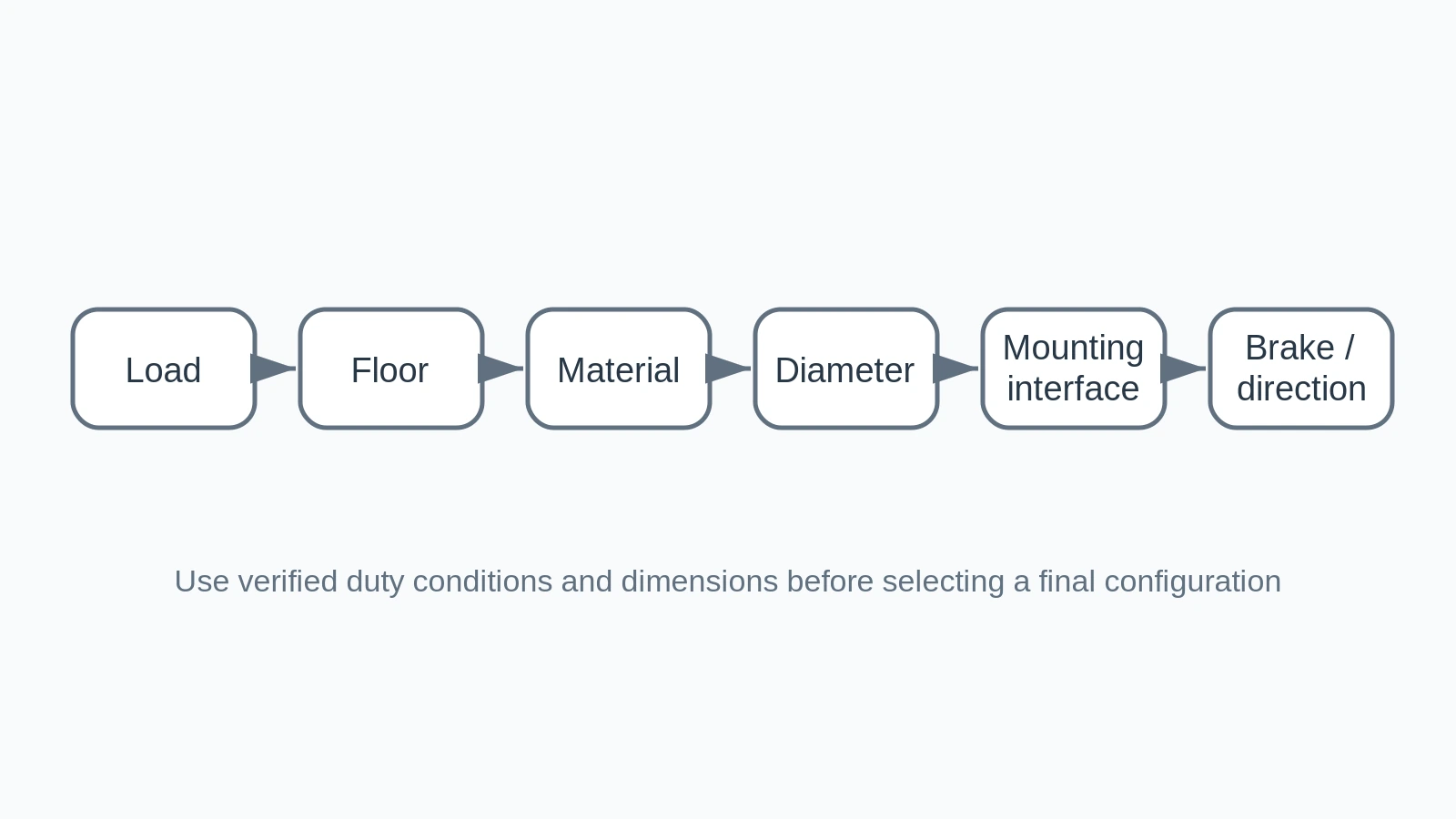
Turn the topic into a comparison matrix — How to Photograph a Castor
| Câu hỏi | Cần ghi lại những gì |
|---|---|
| Nhiệm vụ | Thiết bị đó làm gì và tần suất di chuyển của nó như thế nào? |
| Trọng tải | Trọng lượng tịnh, tải trọng và bố cục hỗ trợ |
| Sàn nhà | Bề mặt, các mối nối, mảnh vụn, nước hoặc hóa chất |
| Bánh xe | Đường kính, chiều rộng và chất liệu (nếu biết) |
| Giao diện | Lỗ khoan/ổ trục/trục hoặc giá đỡ/ống/thân |
| Điều khiển | Yêu cầu về phanh, khóa, gập hoặc lái |
| Thuộc về thương mại | Số lượng, mục đích lấy mẫu và điểm đến |
Failure patterns to watch in photograph a castor or wheel for an
A photograph without scale or diameter without hub information can create a plausible but incompatible replacement. Similar symptoms can also come from loose fasteners, worn bearings, misalignment, contaminated floors or a frame that is no longer square. Before blaming wheel material, inspect the mounting and compare wear patterns across positions. In How to Photograph a Castor or Wheel, record the result beside the actual equipment condition so the article guidance remains tied to a measurable sourcing decision.
If only one corner wears rapidly, investigate that corner’s load and alignment. If all wheels show the same damage, review duty, floor and material specification. If wear accelerates after a process change, record the new contaminant, cleaning agent, temperature or travel pattern. In How to Photograph a Castor or Wheel, record the result beside the actual equipment condition so the article guidance remains tied to a measurable sourcing decision.
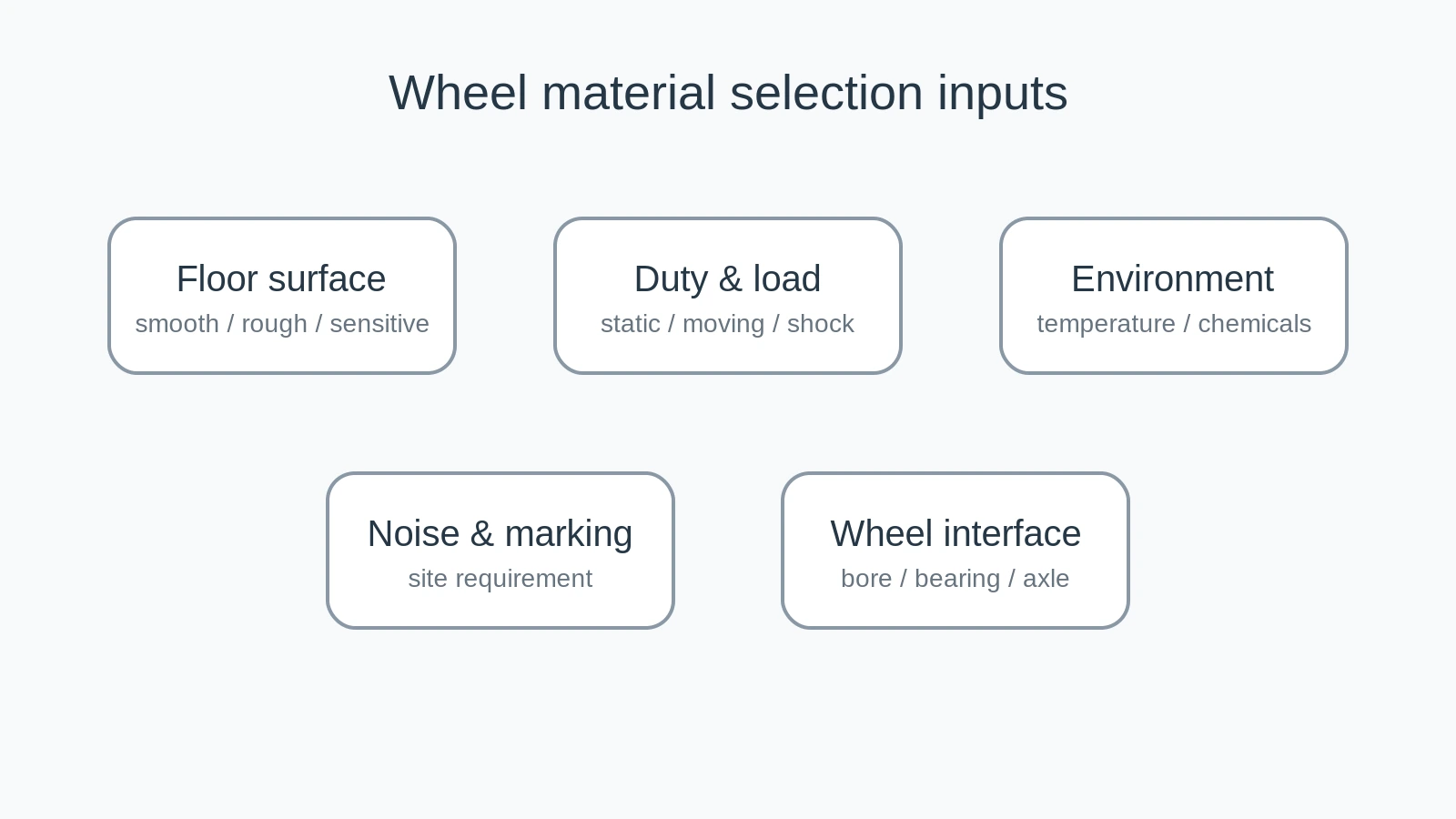
Write the requirement so another buyer can reproduce it — How to Photograph a Castor
Use one line per configuration and write the requirement so another engineer can understand it without the original conversation. Include dimensioned photos/drawings, wheel and hub measurements, mounting data, load, environment, quantity and model references. Attach the correct drawing or photo set. If an interface dimension is unknown, say “measurement pending” instead of using a guessed value. In How to Photograph a Castor or Wheel, record the result beside the actual equipment condition so the article guidance remains tied to a measurable sourcing decision.
Đối với các đơn đặt hàng nhiều mẫu, hãy tách riêng số lượng và xác định kích thước nào được dùng chung.
Photograph a Castor or Wheel for an decision checklist
- Đã biết tải trọng tối đa bình thường chưa?
- Các bánh xe đỡ có thể phân bổ tải trọng đều nhau không?
- Mô tả có đúng về tầng/mặt bằng thực tế không?
- Kích thước bánh xe và giao diện có được đo đạc không?
- Chức năng điều khiển đã rõ ràng chưa?
- Có nêu rõ các yêu cầu đặc biệt về vật liệu/hoàn thiện/môi trường không?
- Số lượng có được gắn với đúng mẫu sản phẩm không?
Tiếp tục với trang lựa chọn chính, so sánh các dòng sản phẩm hiện tạihoặc sử dụng Mẫu yêu cầu báo giá (RFQ).
Put the engineering question into a real operating context — How to Photograph a Castor
Các điểm dưới đây áp dụng chủ đề bài viết vào việc đo lường, lắp đặt và quan sát thực địa mà không coi nhãn sản phẩm chung chung là một bản đặc tả hoàn chỉnh.
Keep one approved reference — How to Photograph a Castor
Once a configuration is accepted, retain the approved drawing, model reference and key dimensions together. Future subsequent orders should still confirm that equipment and duty have not changed, but the approved reference reduces ambiguity. In How to Photograph a Castor or Wheel, record the result beside the actual equipment condition so the article guidance remains tied to a measurable sourcing decision.
Maintenance records that matter for photograph a castor or wheel for an
Record wheel position, installation date, duty, reason for replacement and unusual floor events. In a castor wheel RFQ photos program, this simple history helps identify whether wear is random, position-specific or linked to a changed environment. A wheel that fails repeatedly at one corner may point to load concentration, alignment or local contamination rather than a general material problem.
Inspect axle, spacers, bearings, bracket and fasteners when the old wheel is removed. Keep measurements that relate directly to dimensioned photos/drawings, wheel and hub measurements, mounting data, load, environment, quantity and model references. If a component has been modified in service, photograph the change before installing the new item and decide whether the modified condition should become part of the official equipment specification. In How to Photograph a Castor or Wheel, record the result beside the actual equipment condition so the article guidance remains tied to a measurable sourcing decision.
What to observe when applying photograph a castor or wheel for an
Commission a new or replacement configuration for castor wheel RFQ photos under controlled load and low speed before normal operation. Watch for rubbing, bracket contact, wheel wobble, steering instability, fastener movement and any change in deck or drawbar height. The goal is to test the assumptions made during selection rather than merely confirm that the wheel turns.
For replacement programs and OEM enquiries where fit must be established from an existing assembly or drawing, include the most demanding normal floor or ground transition in the initial trial. If the system must cross a threshold, ramp or rough joint, observe it there. Document the result with the same model reference used in the RFQ so future subsequent orders have a useful baseline instead of relying on memory. In How to Photograph a Castor or Wheel, record the result beside the actual equipment condition so the article guidance remains tied to a measurable sourcing decision.
Define the boundary before comparing parts — How to Photograph a Castor
The practical value of “How to Photograph a Castor or Wheel for an Accurate RFQ” is not a universal yes-or-no answer. The useful boundary is the equipment and duty in which the question occurs. Write down wheel diameter, width, bore or bearing, hub length, axle or fixing dimensions, installed height and surrounding clearance. Keeping these fields together makes it possible to distinguish a product-identification question from an engineering selection question and prevents a visually similar part from being treated as automatically interchangeable.
Use the most demanding normal condition rather than a best-case description. If the equipment sometimes crosses a threshold, works outdoors, carries an uneven payload or is manoeuvred only after long periods of static load, include that condition. The objective is a repeatable requirement that another engineer or buyer can understand without seeing the original component. In How to Photograph a Castor or Wheel, record the result beside the actual equipment condition so the article guidance remains tied to a measurable sourcing decision.
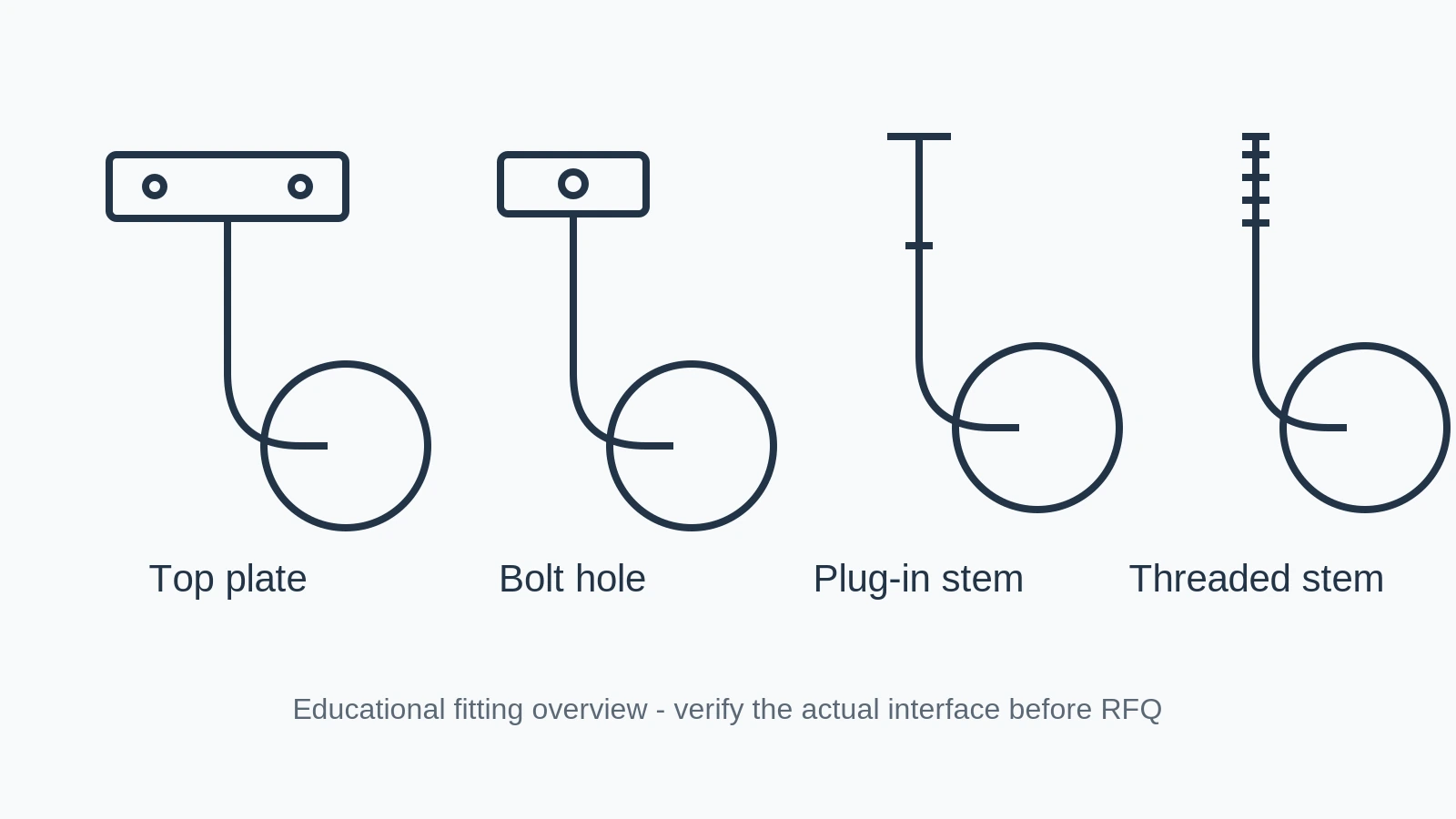
Measurements and observations worth recording — How to Photograph a Castor
For this topic, record wheel diameter, width, bore or bearing, hub length, axle or fixing dimensions, installed height and surrounding clearance. Use dimensioned photographs where a drawing is unavailable and show the reference points used for each measurement. If the old part is worn, bent or repaired, flag the affected dimension instead of treating the damaged geometry as the design target. In How to Photograph a Castor or Wheel, record the result beside the actual equipment condition so the article guidance remains tied to a measurable sourcing decision.
A comparison sheet works best with one configuration per column or row. Keep measured values, required values and optional preferences separate. That simple separation reduces the chance that a supplier proposal or an old catalogue value is copied into the required specification without review. It also makes later quotation revisions easier to audit. In How to Photograph a Castor or Wheel, record the result beside the actual equipment condition so the article guidance remains tied to a measurable sourcing decision.
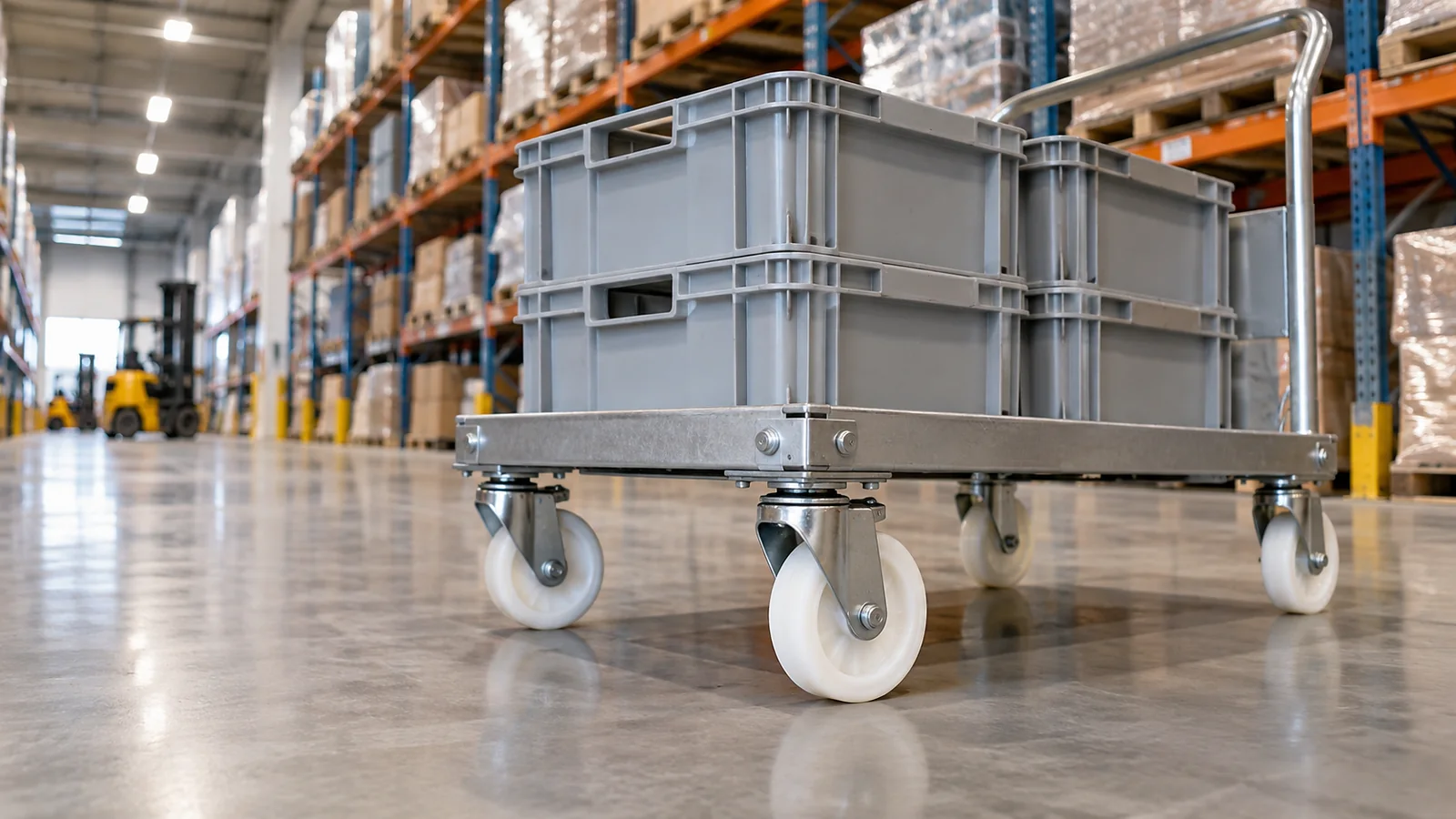
A useful first-installation test — How to Photograph a Castor
After a candidate is installed, compare the new component with the old part and the equipment interface before applying full load; rotate it by hand and check spacer, fastener and side-clearance relationships. The first trial should be slow enough to observe the wheel and mounting rather than merely prove that the equipment can move. Look for rubbing, unexpected side movement, fastener movement, wheel wobble, interference and a change in operator effort. In How to Photograph a Castor or Wheel, record the result beside the actual equipment condition so the article guidance remains tied to a measurable sourcing decision.
If the result is unsatisfactory, record the symptom before changing several variables at once. One controlled change—such as wheel diameter, material, mounting alignment or steering layout—gives more useful information than changing the whole assembly and losing the cause of the original problem. In How to Photograph a Castor or Wheel, record the result beside the actual equipment condition so the article guidance remains tied to a measurable sourcing decision.
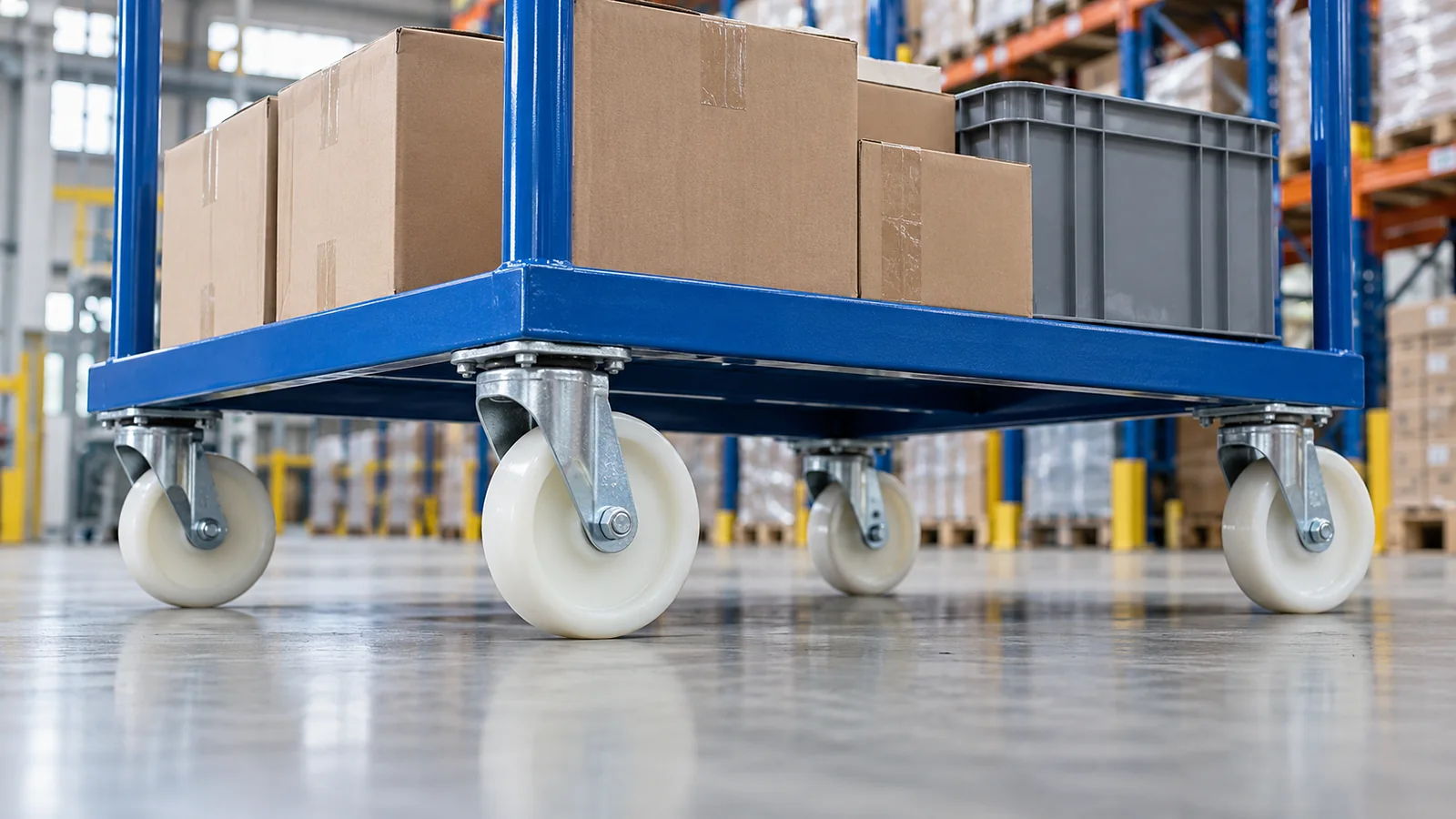
Use the same checkpoints when the replacement for “How to Photograph a Castor or Wheel for an Accurate RFQ” arrives
The quickest way to catch a mismatch is to compare the received part against the same dimensions recorded at the RFQ stage. Check the fit-controlling interface first, then overall envelope and free movement. Where bearings or sleeves are present, verify that they seat correctly and rotate without binding before the equipment is returned to service. In How to Photograph a Castor or Wheel, record the result beside the actual equipment condition so the article guidance remains tied to a measurable sourcing decision.
Keep the accepted measurement sheet with the equipment record. That turns a one-off replacement exercise into a reusable sourcing reference and reduces the risk that a future buyer relies on a photograph or supplier description that omits the dimension that originally controlled fit. In How to Photograph a Castor or Wheel, record the result beside the actual equipment condition so the article guidance remains tied to a measurable sourcing decision.
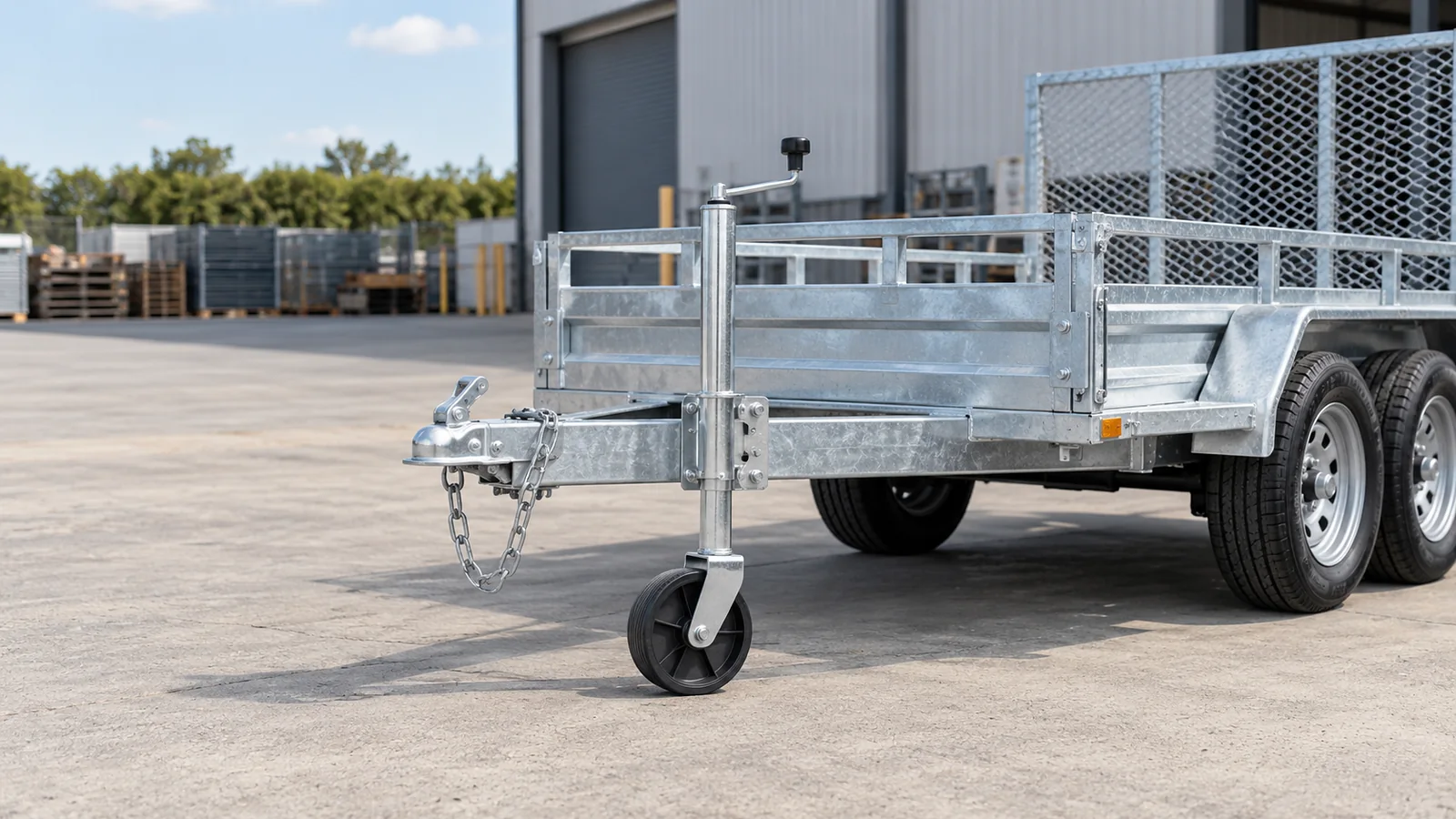
Turn the inspection for “How to Photograph a Castor or Wheel for an Accurate RFQ” into a usable drawing note
Write measurements in a consistent order and state where each dimension starts and ends. For a loose wheel that normally means outside diameter, tread or wheel width, bore or bearing ID, hub length and any shoulder or spacer detail. For a castor or support assembly, add installed height, plate or tube dimensions, hole spacing, offset, adjustment travel and clearance envelope as relevant. In How to Photograph a Castor or Wheel, record the result beside the actual equipment condition so the article guidance remains tied to a measurable sourcing decision.
Photographs should support those dimensions rather than replace them. Include a straight-on side view, the opposite side, the mounting interface and a scale or caliper where practical. Mark uncertain values instead of estimating them from perspective, because a few millimetres at an interface can decide whether a replacement actually fits. In How to Photograph a Castor or Wheel, record the result beside the actual equipment condition so the article guidance remains tied to a measurable sourcing decision.
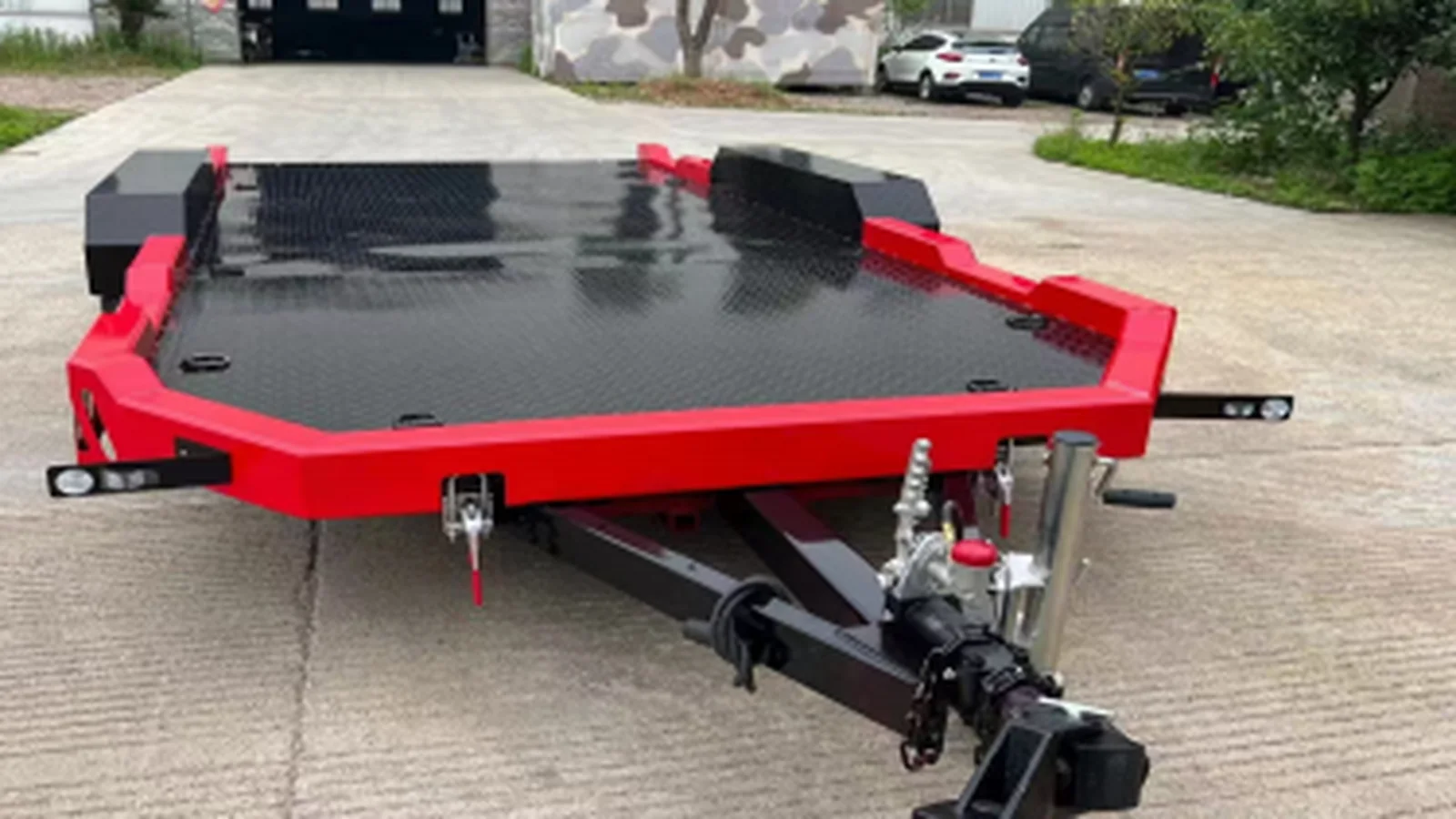
Turn the topic into one controlled equipment-level comparison — How to Photograph a Castor
A useful engineering article should end with a decision method, not with a generic recommendation. Start by fixing the application boundary: equipment, load, movement, floor or ground, mounting interface and the outcome the buyer is trying to improve. In How to Photograph a Castor or Wheel, record the result beside the actual equipment condition so the article guidance remains tied to a measurable sourcing decision.
| Đầu vào | Cần ghi lại những gì |
|---|---|
| Ứng dụng | Hãy nêu tên thiết bị và mô tả chuyển động bình thường của nó thay vì chỉ dựa vào một nhãn hiệu chung chung trong ngành. |
| Trọng tải | Ghi lại khối lượng thiết bị, tải trọng và các điểm đỡ trong điều kiện bình thường bất lợi nhất. |
| Phù hợp | Đo đường kính bánh xe và giao diện lắp đặt từ các mốc chuẩn cố định và xác định bất kỳ bộ phận nào bị mòn hoặc đã được sửa chữa. |
| Tiêu chí quyết định | Hãy nêu rõ những gì ứng viên cần cải thiện hoặc duy trì, chẳng hạn như khoảng cách thông thoáng, khả năng điều khiển, tương tác trên sàn hoặc khả năng tiếp cận dịch vụ. |
Compare candidates against those same inputs. If one product changes more than one variable, record each change so the result can be interpreted later. A visually similar wheel may use a different material, hub, bearing or mounting geometry, while a dimensionally similar part can still behave differently on the floor. Keeping the comparison structured prevents an attractive single feature from dominating the decision. In How to Photograph a Castor or Wheel, record the result beside the actual equipment condition so the article guidance remains tied to a measurable sourcing decision.
The first installation should be a controlled observation rather than a simple pass/fail moment. Check fit before load is applied, then move the equipment at low speed through the normal route and note interference, unusual movement, fastener behaviour and operator effort. Where the result is not satisfactory, capture the symptom before changing the next variable. This creates a practical feedback loop without turning routine purchasing into unsupported engineering assumptions. In How to Photograph a Castor or Wheel, record the result beside the actual equipment condition so the article guidance remains tied to a measurable sourcing decision.
How photograph a castor or wheel for an changes the RFQ
For “How to Photograph a Castor or Wheel for an Accurate RFQ”, the RFQ should state the operating fact that drives the question rather than only repeating the product term. Name the equipment, describe the normal and maximum duty, record the fit-controlling dimensions and identify the symptom or objective that prompted the review. If the decision concerns load, include equipment mass and supporting points; if it concerns material, describe floor and environment; if it concerns mounting, provide the interface geometry; and if it concerns a trailer support wheel, include the support condition, ground and available travel.
Keep required values separate from open questions. A supplier can respond much more usefully to “confirm bore and hub length against attached sketch” than to a guessed dimension presented as final. The same principle applies to load ratings, material grades, brake functions and mounting details. Where a value is verified, label it clearly; where it is not, ask for confirmation. That keeps the quotation aligned with the real equipment and makes later technical review easier without adding another repetitive approval or subsequent orders section to the page. In How to Photograph a Castor or Wheel, record the result beside the actual equipment condition so the article guidance remains tied to a measurable sourcing decision.
Photograph a Castor or Wheel for an FAQ
What is the first thing to confirm for castor wheel RFQ photos?
Hãy bắt đầu với các kích thước kiểm soát sự phù hợp và mối quan hệ giữa bánh xe, trục, moay ốc, giá đỡ và khung. Điều đó sẽ cung cấp một bối cảnh có thể đo lường được cho phần còn lại của quá trình lựa chọn.
Ảnh chụp có thể thay thế số đo thực tế không?
Ảnh chụp giúp nhận dạng, nhưng các kích thước quan trọng để đảm bảo độ vừa vặn vẫn cần được đo hoặc lấy từ bản vẽ đã được phê duyệt.
Người mua có nên cộng thêm hệ số an toàn vào tải trọng không?
A safety allowance is commonly used to address unequal load sharing and operating effects, but the appropriate value depends on the application and does not replace the product rating. In How to Photograph a Castor or Wheel, record the result beside the actual equipment condition so the article guidance remains tied to a measurable sourcing decision.
Nếu vật liệu đó không xác định thì sao?
Nêu rõ vị trí và môi trường làm việc, cung cấp mẫu hoặc ảnh, và coi vật liệu như một yếu tố xác nhận thay vì chỉ đoán dựa vào màu sắc.
Discuss your castor wheel RFQ photos requirement
Hãy gửi đơn đăng ký, tải trọng, kích thước kiểm soát phù hợp, số lượng và bất kỳ hình ảnh hoặc bản vẽ liên quan nào. Chúng tôi sẽ sử dụng những thông tin này để thu hẹp dòng sản phẩm mà không cần phỏng đoán.