
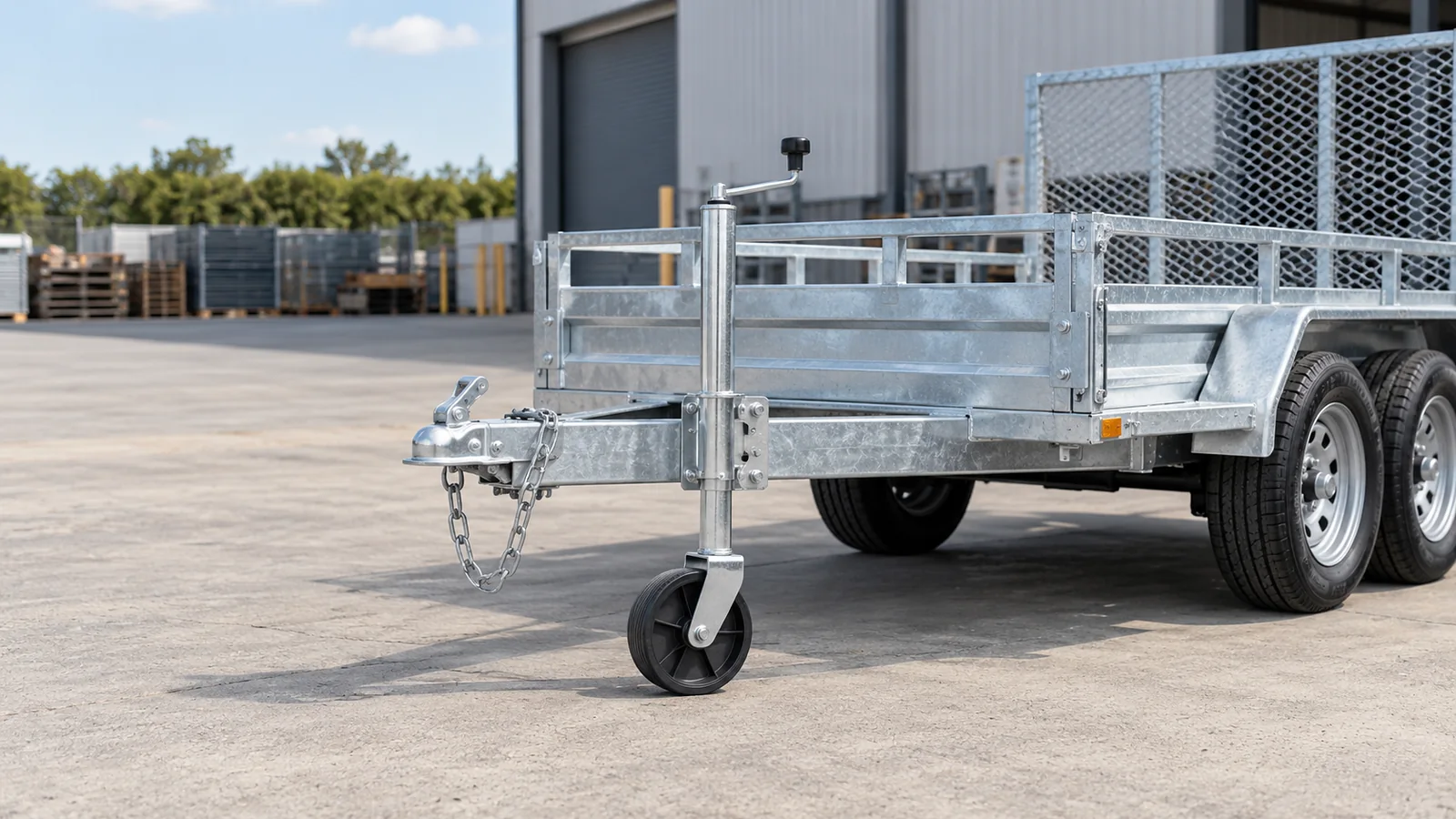
Carga estática frente a carga de maniobra en una rueda de apoyo de remolque
Una guía práctica para compradores sobre la carga estática frente a la dinámica de la rueda de apoyo, centrada en las condiciones de funcionamiento medibles y en la toma de decisiones preparadas para la solicitud de presupuesto.
Por qué importa esta pregunta: Carga estática frente a carga de maniobra.
Para un comprador industrial, la distinción entre carga estática y dinámica de la rueda de apoyo no es una etiqueta que deba elegirse de forma aislada. La pregunta clave es cómo se comporta dentro del conjunto de la rueda, su montaje y el ciclo de trabajo.
Para barras de tiro de remolques, remolques estacionados y maniobras manuales de corta distancia, comience por confirmar la carga de la barra de tiro/soporte, la superficie del suelo, el diámetro/ancho de la rueda, el ajuste del tubo o abrazadera, el recorrido y el espacio libre de almacenamiento. Esto suele ser más útil que comparar nombres nominales de productos, ya que dos ruedas visualmente similares pueden comportarse de manera diferente una vez que se consideran el montaje, el estado del suelo y la distribución real de la carga. Al aplicar esto a la carga estática frente a la carga de maniobra en un remolque, compare los candidatos con el mismo registro de equipo para que los cambios de material, tamaño e interfaz se revisen de manera consistente.
Esto también evita un error frecuente en la selección de proveedores: elegir basándose únicamente en la apariencia. Una rueda puede rodar bien, pero el gato puede no ser el adecuado para el diámetro de la abrazadera, la altura retraída o el área de plegado. Registre la carga vertical en el punto de apoyo, las condiciones del terreno, el tamaño de la rueda, las dimensiones del tubo/abrazadera, el recorrido y la cantidad en la consulta para que la discusión comercial parta de una base técnicamente significativa. Al aplicar esto a la carga estática frente a la carga de maniobra, compare los candidatos con el mismo registro de equipo para que los cambios de material, tamaño e interfaz se revisen de manera consistente.
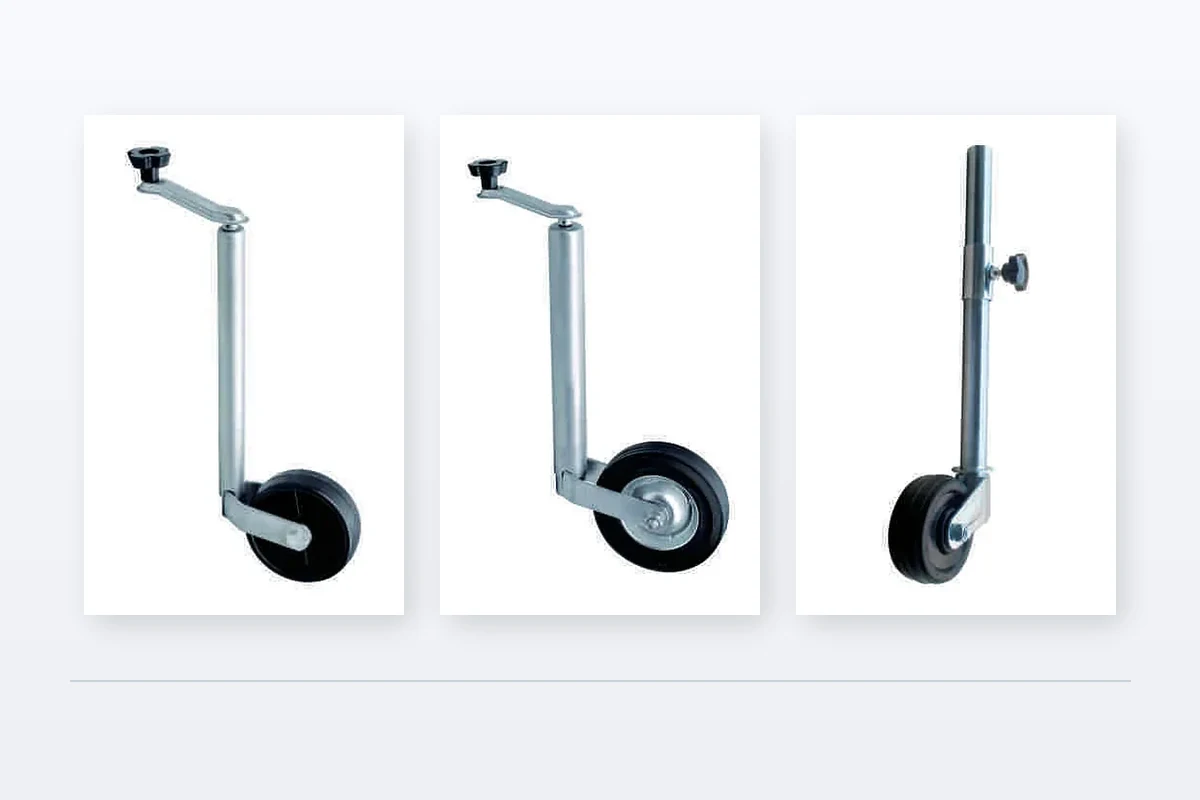
Primero, defina la condición de operación: carga estática frente a carga de maniobra.
Antes de comparar productos, describa la tarea del equipo en una sola frase: qué debe moverse, qué carga soporta, por dónde se desplaza y con qué frecuencia se reposiciona. Esta descripción proporciona contexto para la carga estática frente a la dinámica de la rueda de apoyo, sin convertir un parámetro en una regla universal.
Para las barras de tiro de remolques, remolques estacionados y maniobras manuales de corta distancia, la primera revisión debe abarcar la carga de la barra de tiro/soporte, la superficie del terreno, el diámetro/ancho de la rueda, el ajuste del tubo o abrazadera, el recorrido y el espacio libre de almacenamiento. Si se desconoce un valor, márquelo para su medición en lugar de sustituirlo por un número típico. El propósito de la solicitud de cotización es subsanar deficiencias, no ocultarlas. Al aplicar esto a la carga estática frente a la carga de maniobra en un remolque, compare los candidatos con el mismo registro de equipo para que los cambios de material, tamaño e interfaz se revisen de manera consistente.
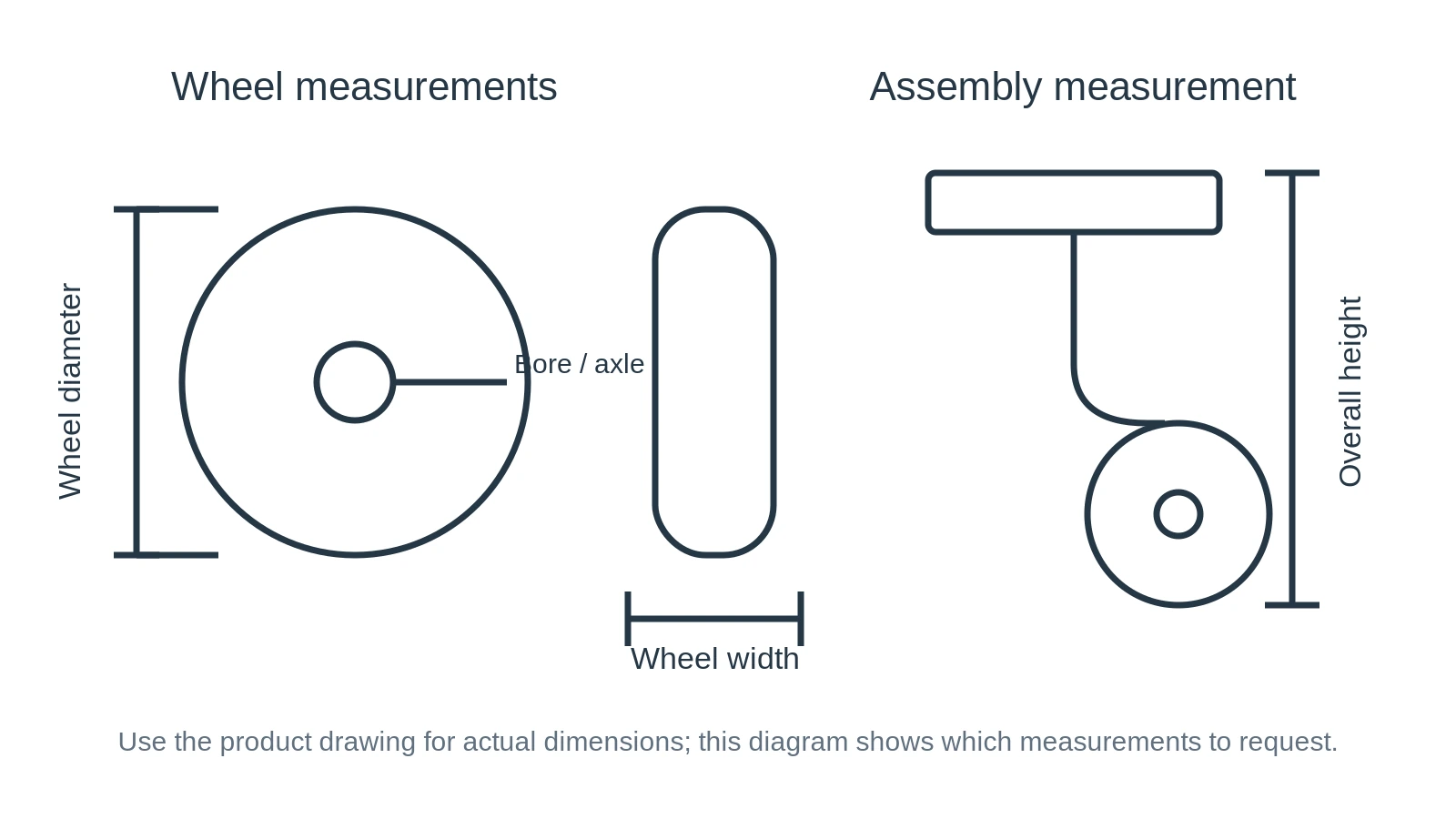
Mediciones que evitan coincidencias falsas: carga estática frente a carga de maniobra.
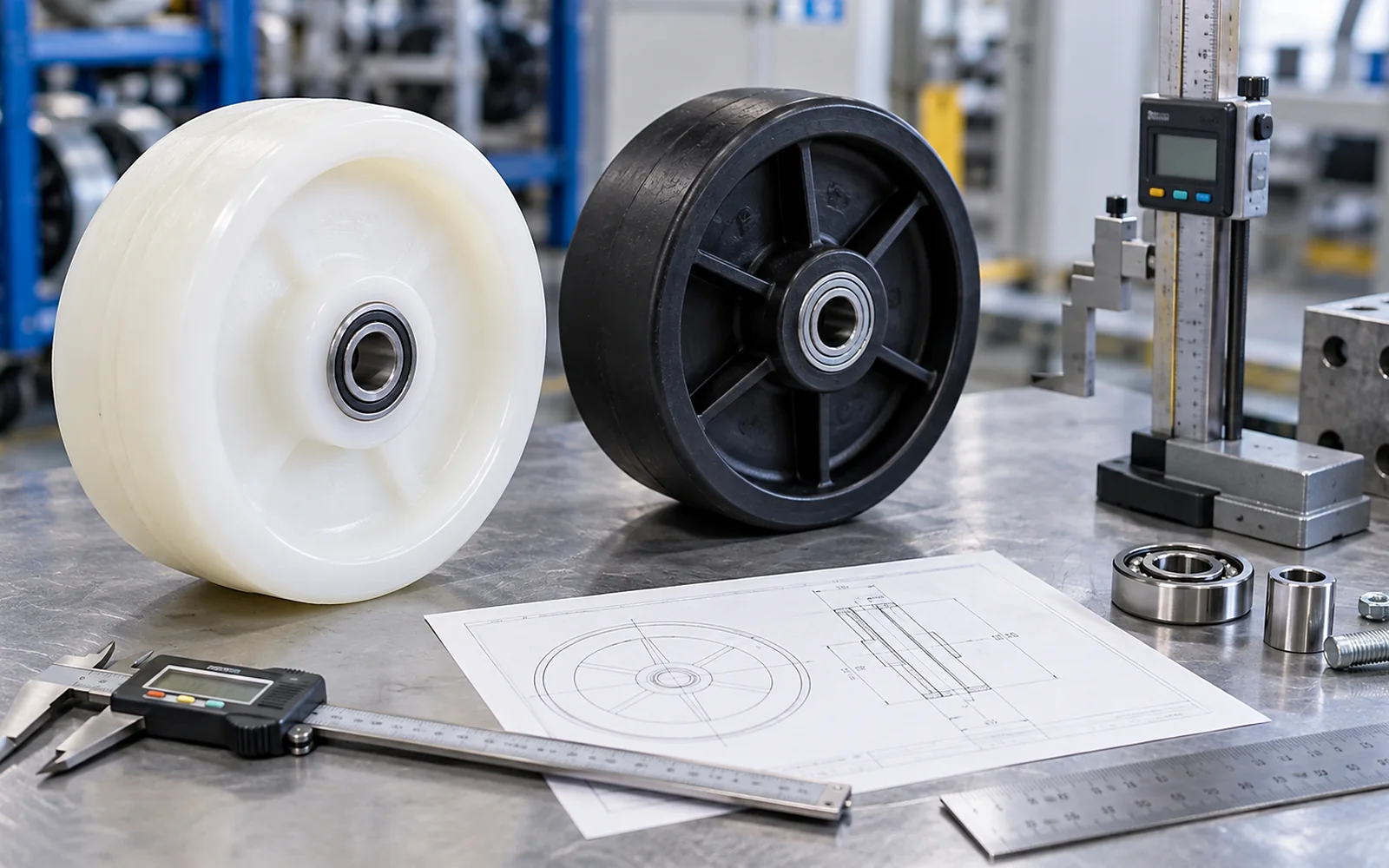
El trabajo de reemplazo se beneficia de una rutina de medición consistente. Registre el diámetro y el ancho de la rueda, luego avance hacia el interior hasta el cubo: tipo de orificio o rodamiento, diámetro del eje, longitud del cubo y espaciadores. Para conjuntos completos, agregue la altura instalada y la geometría de montaje. Fotografie la herramienta de medición en su lugar cuando una dimensión sea difícil de describir. Al aplicar esto a la carga estática frente a la carga de maniobra, compare los candidatos con el mismo registro de equipo para que los cambios de material, tamaño e interfaz se revisen de manera consistente.
No utilice el desgaste de la banda de rodadura como única referencia si el diámetro original es importante. Una rueda muy desgastada puede hacer que la de repuesto parezca demasiado grande cuando el problema real es la pérdida de material. Del mismo modo, una horquilla doblada o un espaciador improvisado pueden cambiar el desplazamiento aparente. Al aplicar esto a la carga estática frente a la carga de maniobra, compare las opciones con el mismo registro de equipo para que los cambios de material, tamaño e interfaz se revisen de forma coherente.
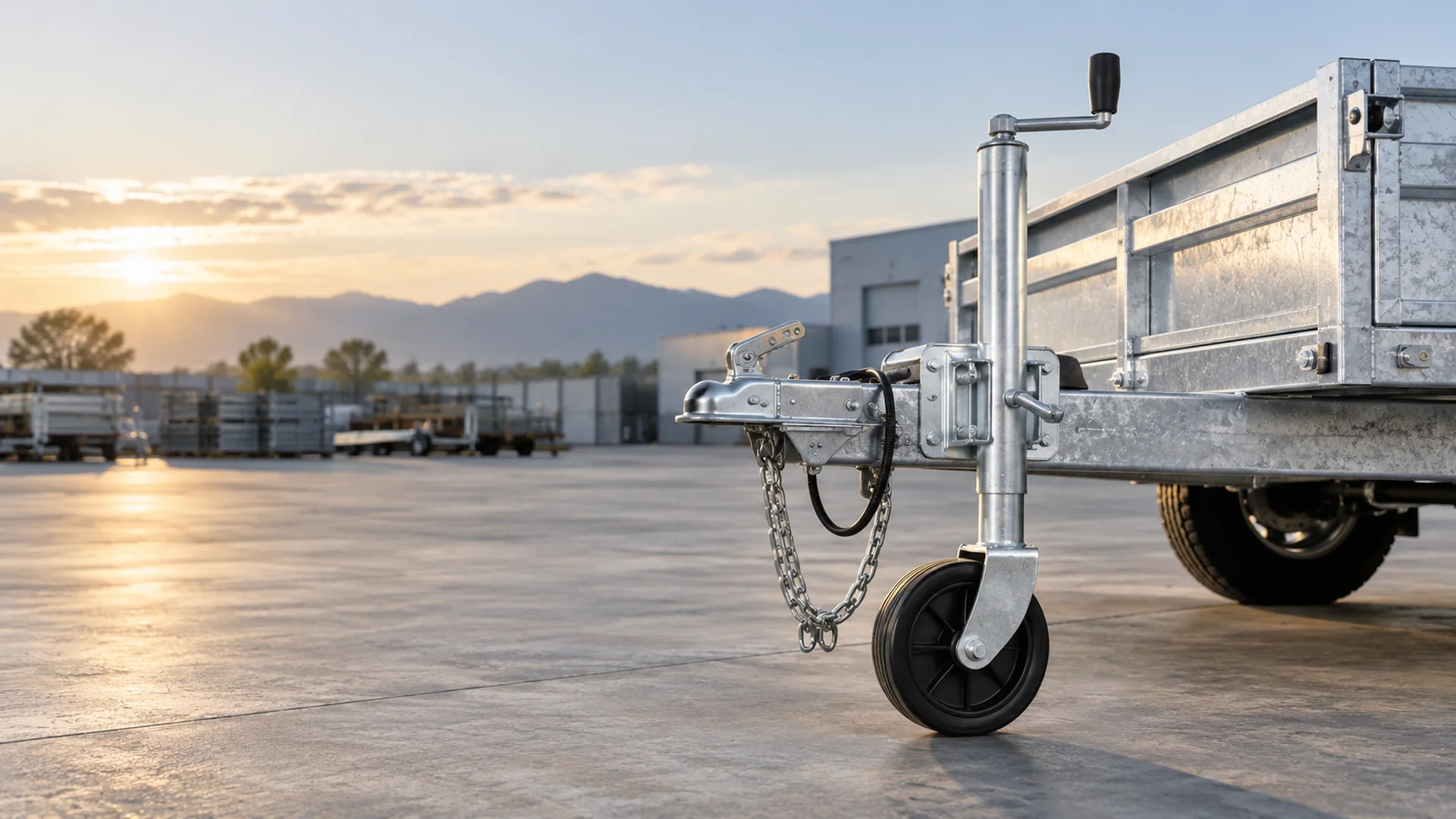
La carga, el suelo y el movimiento interactúan: carga estática frente a carga de maniobra.
La capacidad de carga no es independiente del movimiento del equipo. Un carro que cruza un umbral puede generar fuerzas de impacto ausentes en condiciones de estacionamiento estático. Un piso irregular puede desplazar la carga de cuatro puntos de apoyo nominales a tres. Una rueda de apoyo de remolque puede soportar una carga vertical moderada en la barra de tiro, pero requerir un esfuerzo de maniobra considerable en terreno suelto. Al aplicar esto a la carga estática frente a la carga de maniobra, compare los candidatos con el mismo registro de equipo para que los cambios de material, tamaño e interfaz se revisen de manera consistente.
Registre la carga máxima normal, la carga excepcional, el tipo de suelo (ya sea piso o superficie), la distancia recorrida y la frecuencia de obstáculos. Esta combinación ofrece una mejor base de selección que un solo peso bruto.
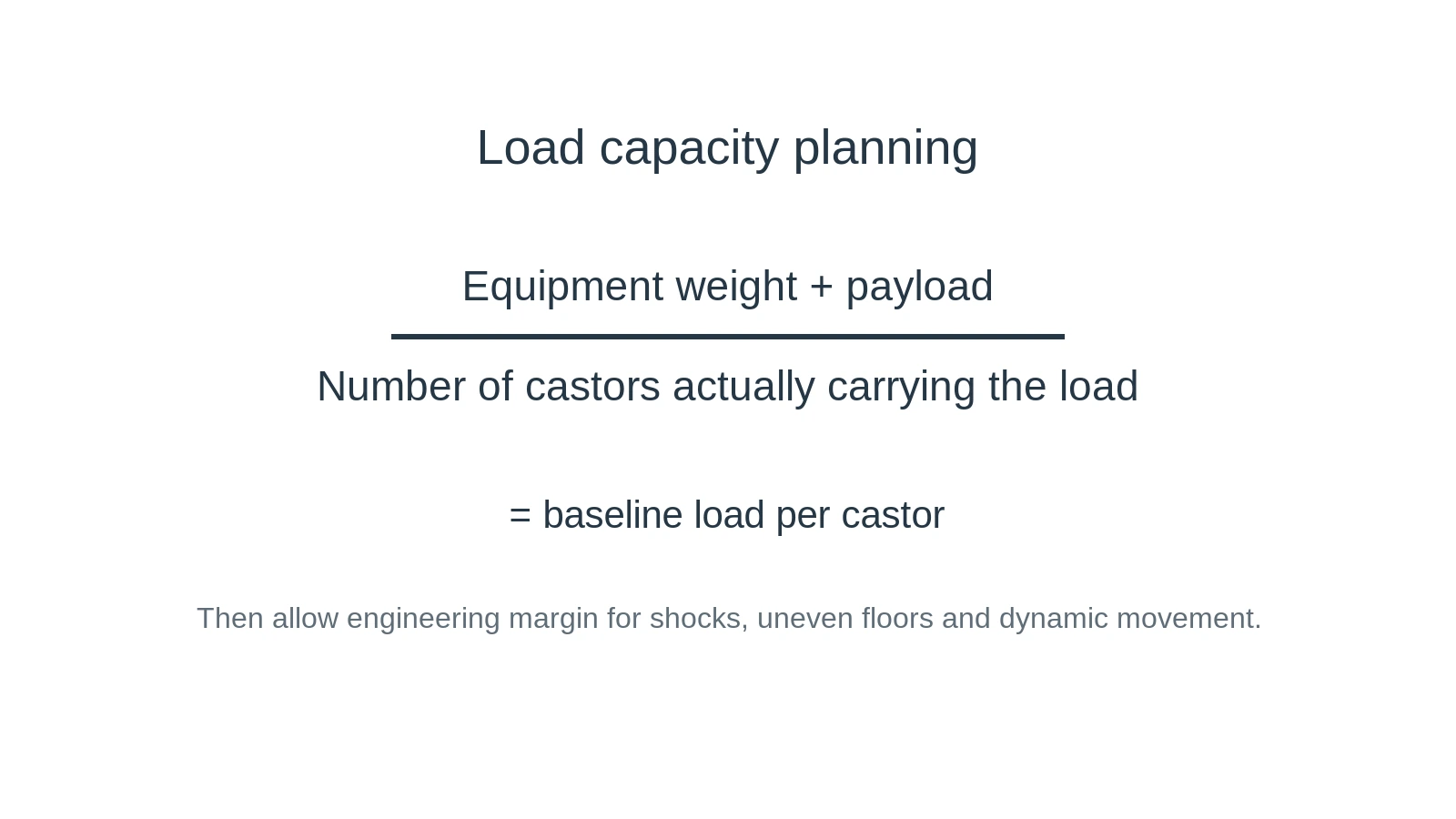
La selección de la rueda jockey requiere dos análisis de carga: carga estática frente a carga de maniobra.
La carga vertical que soporta el gato es un factor importante; el esfuerzo necesario para maniobrar el remolque es otro. El terreno, el diámetro y el ancho pueden influir considerablemente en este último. Una configuración que resulta satisfactoria en pavimento puede ser difícil de manejar en grava, incluso cuando la carga vertical es la misma. Al aplicar esto a la comparación entre carga estática y carga de maniobra, compare las opciones con el mismo registro de equipo para que los cambios en el material, el tamaño y la interfaz se revisen de forma consistente.
Confirme también el diámetro del tubo/abrazadera, el recorrido de elevación, la altura de cierre y el espacio necesario para plegar o girar el conjunto.
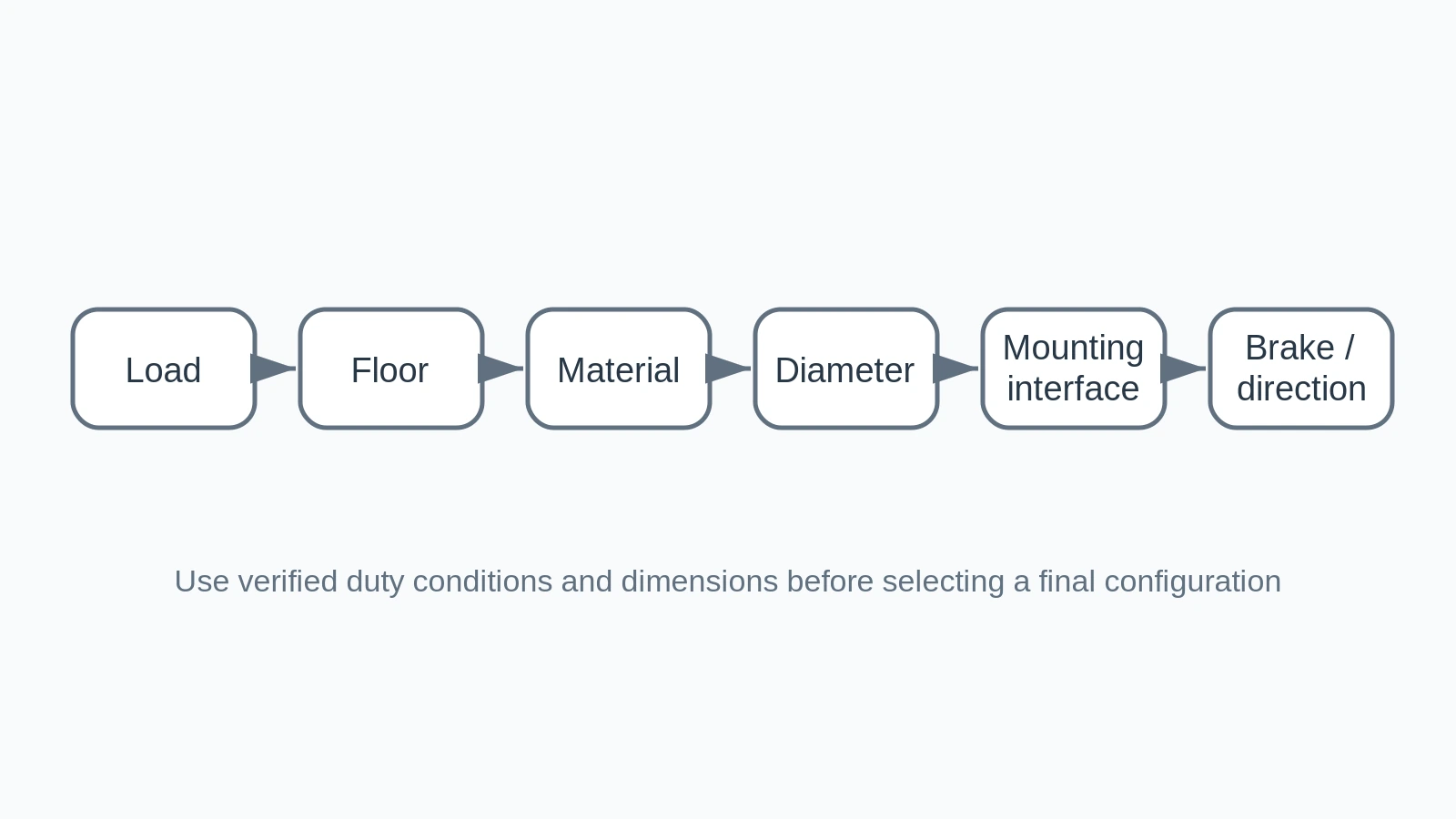
Patrones de falla a observar en carga estática versus carga de maniobra en un
Una rueda puede rodar bien, pero el gato puede no ser el adecuado para el diámetro de la abrazadera, la altura retraída o el área de plegado. Síntomas similares también pueden deberse a sujetadores flojos, cojinetes desgastados, desalineación, pisos contaminados o un bastidor que ya no está escuadrado. Antes de culpar al material de la rueda, inspeccione el montaje y compare los patrones de desgaste en diferentes posiciones. Al aplicar esto a la carga estática frente a la carga de maniobra, compare los candidatos con el mismo registro de equipo para que los cambios de material, tamaño e interfaz se revisen de manera consistente.
Si solo una esquina se desgasta rápidamente, investigue la carga y la alineación de esa esquina. Si todas las ruedas presentan el mismo daño, revise la función, el tipo de piso y las especificaciones del material. Si el desgaste se acelera después de un cambio de proceso, registre el nuevo contaminante, agente de limpieza, temperatura o patrón de desplazamiento. Al aplicar esto a la carga estática frente a la carga de maniobra, compare los candidatos con el mismo registro del equipo para que los cambios de material, tamaño e interfaz se revisen de manera consistente.
Cómo redactar la línea de solicitud de cotización: carga estática frente a carga de maniobra.
Utilice una línea por configuración y redacte el requisito de forma que otro ingeniero pueda comprenderlo sin necesidad de consultar la conversación original. Incluya la carga vertical en el punto de apoyo, las condiciones del terreno, el tamaño de la rueda, las dimensiones del tubo/abrazadera, el recorrido y la cantidad. Adjunte el dibujo o conjunto de fotos correspondiente. Si se desconoce una dimensión de la interfaz, indique «medición pendiente» en lugar de utilizar un valor estimado. Al aplicar esto a la carga estática frente a la carga de maniobra, compare los candidatos con el mismo registro del equipo para que los cambios de material, tamaño e interfaz se revisen de forma coherente.
Para pedidos de varios modelos, mantenga las cantidades separadas e identifique qué dimensiones son comunes.
Carga estática frente a carga de maniobra en una lista de verificación para la toma de decisiones
- ¿Se conoce la carga normal máxima?
- ¿Pueden las ruedas de apoyo compartir la carga por igual?
- ¿Se describe el suelo/piso real?
- ¿Se miden las dimensiones de la rueda y de la interfaz?
- ¿La función de control es clara?
- ¿Se especifican requisitos especiales de material, acabado o entorno?
- ¿La cantidad está asociada al modelo correcto?
Continúa con el página de selección primaria, comparar familias de productos actualeso utilice el Formulario de solicitud de cotización.
Traduzca la pregunta técnica a una comprobación práctica sobre el terreno: carga estática frente a carga de maniobra.
Los puntos que se describen a continuación aplican el tema del artículo a la medición, la instalación y la observación en campo, sin considerar la etiqueta genérica de un producto como una especificación completa.
Cierre el ciclo con la instalación: carga estática frente a carga de maniobra.
Tras instalar una muestra o el primer lote, compare el comportamiento real con las suposiciones de la solicitud de cotización. Registre las interferencias, el desgaste inusual o los movimientos extraños e incorpórelos a la siguiente especificación de compra. Esto convierte un reemplazo en un estándar de mantenimiento controlado. Al aplicar este método a la carga estática frente a la carga de maniobra, compare los candidatos con el mismo registro del equipo para que los cambios de material, tamaño e interfaz se revisen de forma coherente.
Qué observar al aplicar carga estática frente a carga de maniobra en un
Antes de la operación normal, configure una nueva o una de reemplazo para la rueda de apoyo, comparando la carga estática con la dinámica, bajo carga controlada y a baja velocidad. Preste atención al roce, el contacto con el soporte, la oscilación de la rueda, la inestabilidad de la dirección, el movimiento de los sujetadores y cualquier cambio en la altura de la plataforma o la barra de tiro. El objetivo es comprobar las suposiciones realizadas durante la selección, en lugar de simplemente confirmar que la rueda gira.
Para barras de remolque, remolques estacionados y maniobras manuales de corta distancia, incluya la transición de piso o suelo normal más exigente en la prueba inicial. Si el sistema debe cruzar un umbral, rampa o junta irregular, obsérvelo allí. Documente el resultado con la misma referencia de modelo utilizada en la solicitud de cotización para que los pedidos posteriores tengan una base útil en lugar de depender de la memoria. Al aplicar esto a Carga estática vs. Carga de maniobra en un, compare los candidatos con el mismo registro de equipo para que los cambios de material, tamaño e interfaz se revisen de manera consistente.
Registros de mantenimiento que importan para carga estática versus carga de maniobra en un
Registre la posición de la rueda, la fecha de instalación, el uso, el motivo del reemplazo y cualquier anomalía en el piso. En un programa de carga estática y dinámica para ruedas de apoyo, este historial simple ayuda a identificar si el desgaste es aleatorio, específico de la posición o está relacionado con un cambio en el entorno. Una rueda que falla repetidamente en una esquina puede indicar concentración de carga, alineación o contaminación local, en lugar de un problema general del material.
Inspeccione el eje, los espaciadores, los cojinetes, el soporte y los sujetadores al retirar la rueda vieja. Mantenga un registro de las mediciones que se relacionen directamente con la carga vertical en el punto de apoyo, las condiciones del terreno, el tamaño de la rueda, las dimensiones del tubo/abrazadera, el recorrido y la cantidad. Si un componente se ha modificado durante su uso, fotografíe el cambio antes de instalar el nuevo elemento y decida si la condición modificada debe formar parte de la especificación oficial del equipo. Al aplicar esto a la carga estática frente a la carga de maniobra, compare los candidatos con el mismo registro del equipo para que los cambios de material, tamaño e interfaz se revisen de manera consistente.
Comencemos con el rango operativo: carga estática frente a carga de maniobra.
La utilidad práctica de la pregunta «Carga estática frente a carga de maniobra en una rueda de apoyo de remolque» no tiene una respuesta universal de sí o no. El límite útil lo marca el equipo y la aplicación en la que se plantea la pregunta. Anote la carga de apoyo de la barra de tiro, el tamaño de la rueda, el tipo de ajuste (tubo o abrazadera), el recorrido de elevación, la altura plegada, la holgura de plegado o giro, las condiciones del terreno y la frecuencia de maniobra. Mantener estos datos agrupados permite distinguir una pregunta de identificación de producto de una pregunta de selección de ingeniería y evita que una pieza visualmente similar se considere automáticamente intercambiable.
Utilice la condición normal más exigente en lugar de una descripción del mejor caso. Si el equipo a veces supera un umbral, funciona al aire libre, transporta una carga útil irregular o se maniobra solo después de largos períodos de carga estática, incluya esa condición. El objetivo es un requisito repetible que otro ingeniero o comprador pueda comprender sin ver el componente original. Al aplicar esto a Carga estática vs. Carga de maniobra, compare los candidatos con el mismo registro de equipo para que los cambios de material, tamaño e interfaz se revisen de manera consistente.
Medición desde puntos de referencia estables: carga estática frente a carga de maniobra.
Para este tema, registre la carga de soporte de la barra de tiro, el tamaño de la rueda, el ajuste del tubo o la abrazadera, el recorrido de elevación, la altura cerrada, la holgura de plegado o giro, el estado del terreno y la frecuencia de maniobra. Utilice fotografías acotadas cuando no haya un dibujo disponible y muestre los puntos de referencia utilizados para cada medición. Si la pieza antigua está desgastada, doblada o reparada, marque la dimensión afectada en lugar de tratar la geometría dañada como el objetivo de diseño. Al aplicar esto a Carga estática vs. Carga de maniobra en un, compare los candidatos con el mismo registro de equipo para que los cambios de material, tamaño e interfaz se revisen de manera consistente.
Una hoja comparativa funciona mejor con una configuración por columna o fila. Mantenga separados los valores medidos, los valores requeridos y las preferencias opcionales. Esta sencilla separación reduce la posibilidad de que una propuesta de proveedor o un valor de catálogo antiguo se copie en la especificación requerida sin revisión. También facilita la auditoría de revisiones posteriores de la cotización. Al aplicar esto a la carga estática frente a la carga de maniobra, compare los candidatos con el mismo registro de equipo para que los cambios de material, tamaño e interfaz se revisen de forma coherente.
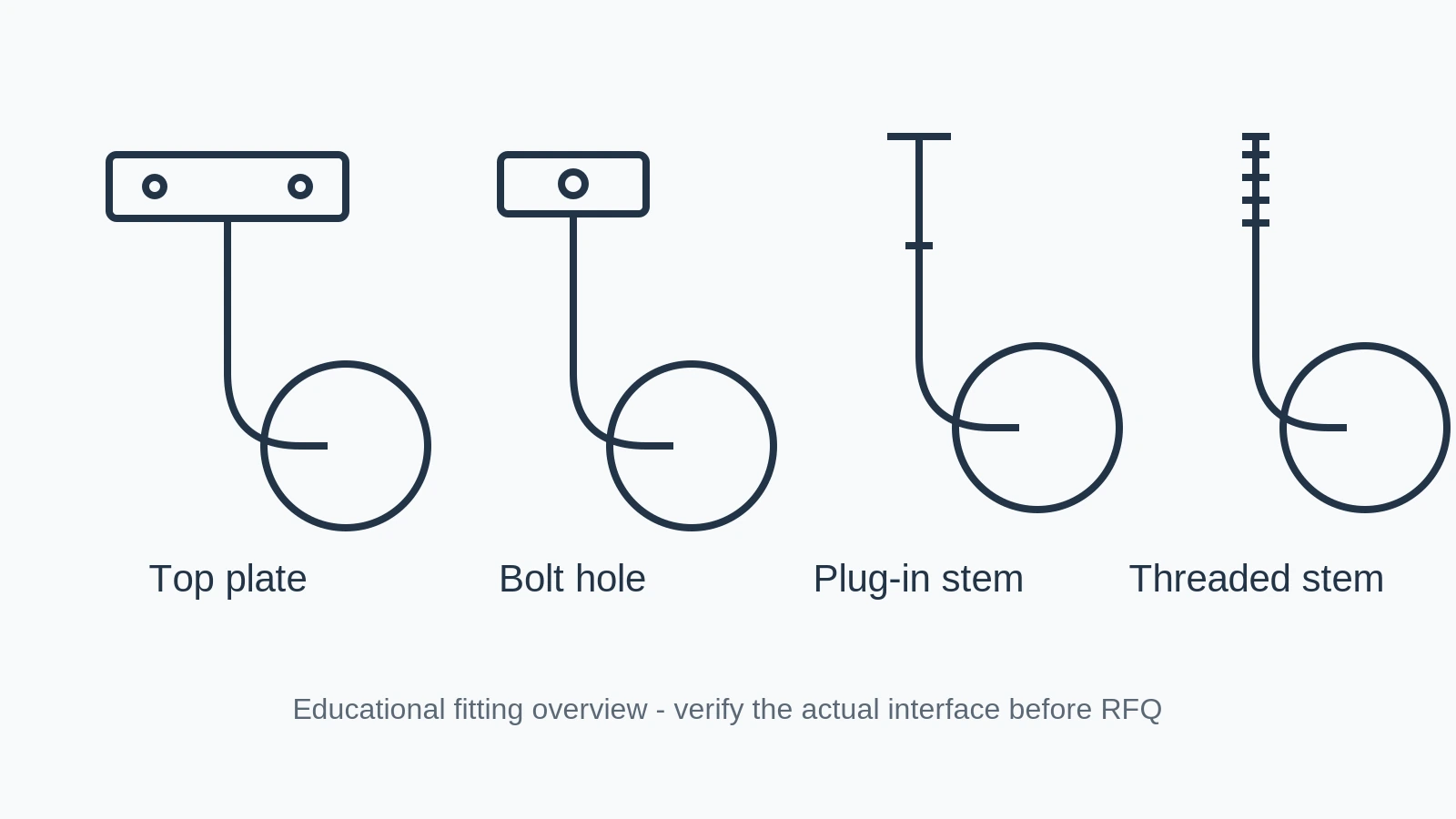
Pruebe la suposición en lugar de la fotografía: carga estática frente a carga de maniobra.
Una vez instalado el candidato, suba y baje el gato en todo su recorrido útil, confirme que la rueda soporta el punto de apoyo sin interferencias, luego maniobre en la superficie normal del patio y verifique que la posición de almacenamiento no interfiera con la barra de tiro ni el acoplamiento. La primera prueba debe ser lo suficientemente lenta como para observar la rueda y el montaje, en lugar de simplemente comprobar que el equipo puede moverse. Busque rozaduras, movimientos laterales inesperados, movimiento de los sujetadores, oscilación de la rueda, interferencias y cambios en el esfuerzo del operador. Al aplicar esto a la carga estática frente a la carga de maniobra, compare los candidatos con el mismo registro de equipo para que los cambios de material, tamaño e interfaz se revisen de forma consistente.
Si el resultado es insatisfactorio, registre el síntoma antes de modificar varias variables a la vez. Un cambio controlado, como el diámetro de la rueda, el material, la alineación de montaje o la configuración de la dirección, proporciona información más útil que cambiar todo el conjunto y perder la causa del problema original. Al aplicar esto a la carga estática frente a la carga de maniobra, compare las opciones con el mismo registro del equipo para que los cambios de material, tamaño e interfaz se revisen de forma coherente.
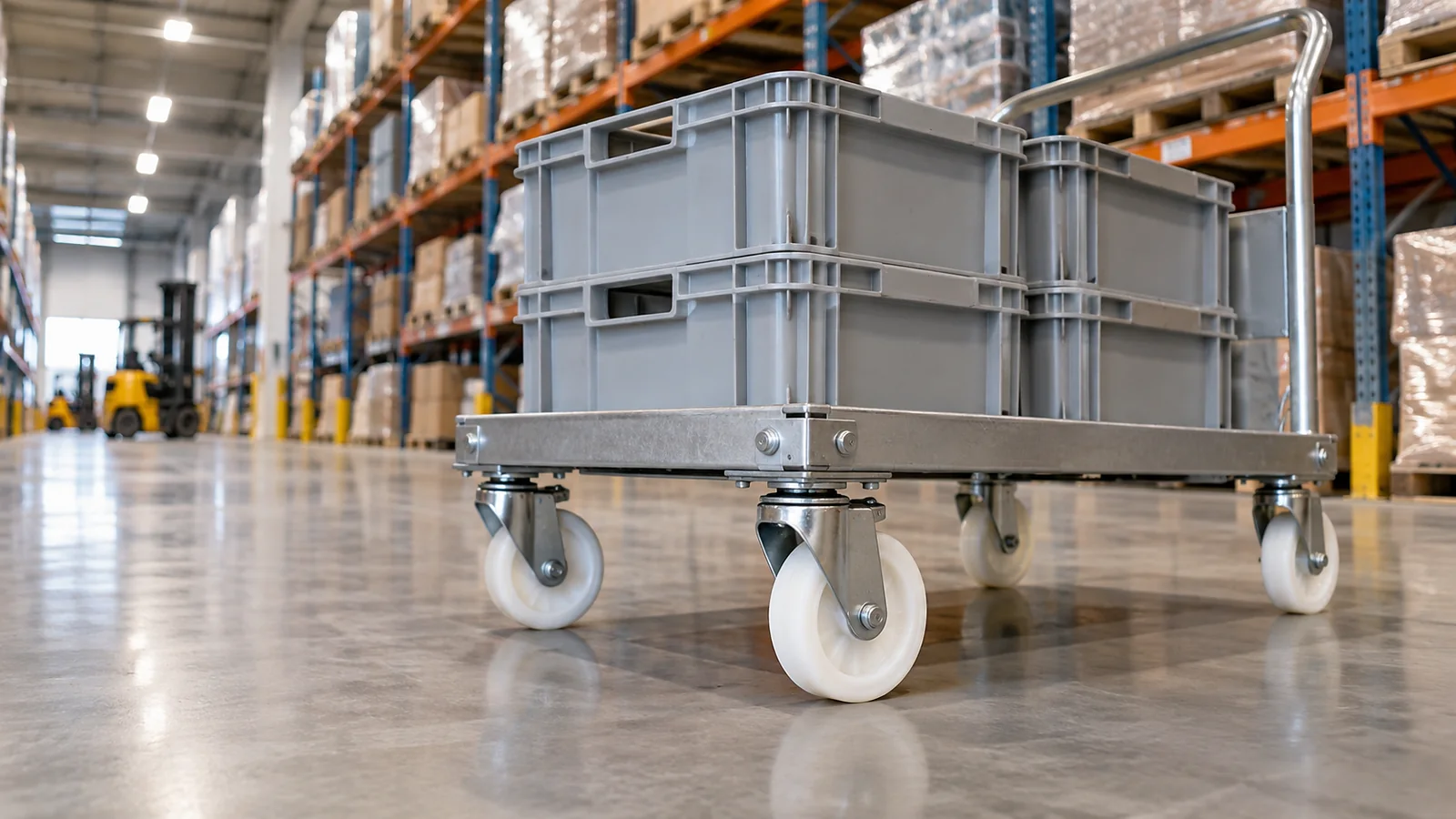
Pruebe la decisión detrás de “Carga estática vs. Carga de maniobra en una rueda jockey de remolque” en la superficie de estacionamiento real.
Tras la instalación, realice una comprobación de maniobra controlada a baja velocidad sobre la superficie que normalmente genera mayor esfuerzo. Observe la dirección, el roce de las ruedas, la holgura de las horquillas y cualquier tendencia del montaje a torcerse o deslizarse. Si el remolque se mueve habitualmente sobre grava, adoquines o canales de drenaje, incluya estas condiciones en lugar de realizar la prueba únicamente sobre hormigón de taller. Al aplicar esto a la carga estática frente a la carga de maniobra, compare los candidatos con el mismo registro de equipo para que los cambios de material, tamaño e interfaz se revisen de forma coherente.
Una breve prueba documentada proporciona información de compra mucho más útil que una afirmación genérica de que una rueda es "mejor". Registre la configuración aceptada, el grupo de remolques, la condición de carga y cualquier limitación de espacio libre para que los pedidos posteriores puedan verificarse con la misma base operativa. Al aplicar esto a la carga estática frente a la carga de maniobra, compare las opciones con el mismo registro de equipo para que los cambios de material, tamaño e interfaz se revisen de forma coherente.
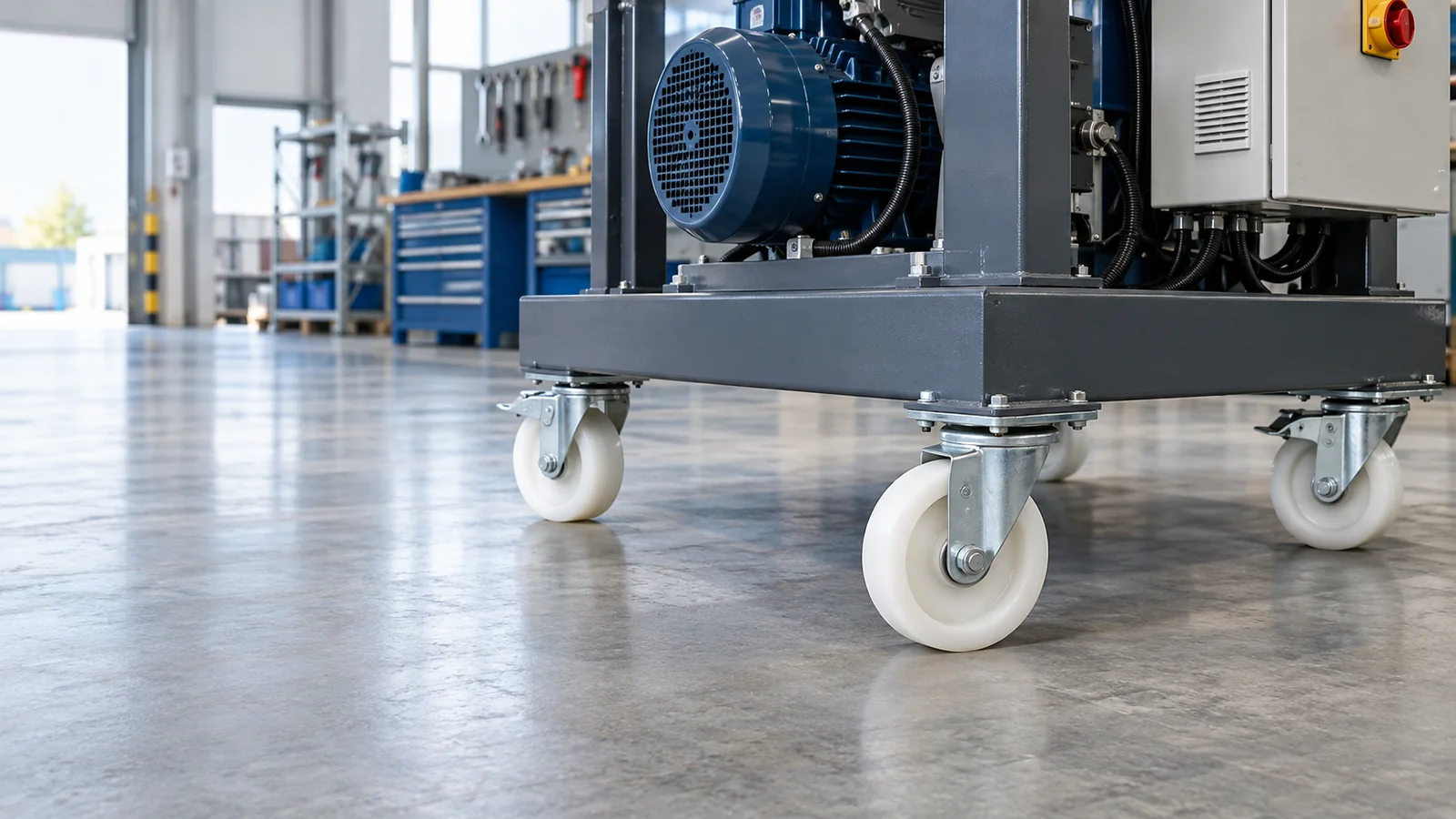
Registre la envolvente instalada al aplicar “Carga estática frente a carga de maniobra en una rueda de apoyo de remolque”.
Una rueda jockey debe tener un diámetro mayor que el diámetro nominal del neumático. Registre el tamaño del tubo o abrazadera, la altura cerrada, la elevación requerida, el área de la rueda/horquilla, la holgura de la manivela y la trayectoria que sigue el conjunto si se pliega o gira para el transporte. Incluya la condición de carga real de la barra de tiro del remolque y el terreno donde se realiza la maniobra desacoplada. Al aplicar esto a Carga estática vs. Carga de maniobra en un, compare los candidatos con el mismo registro de equipo para que los cambios de material, tamaño e interfaz se revisen de manera consistente.
Para trabajos de reemplazo, inspeccione la abrazadera, el tubo y el área de montaje en busca de deformaciones o modificaciones previas antes de asumir que la configuración anterior debe copiarse exactamente. Si la carga indicada por el proveedor se refiere a una familia de gatos, no la utilice como sustituto de la medición del requisito real de la aplicación. Al aplicar esto a la carga estática frente a la carga de maniobra, compare los candidatos con el mismo registro de equipo para que los cambios de material, tamaño e interfaz se revisen de manera consistente.
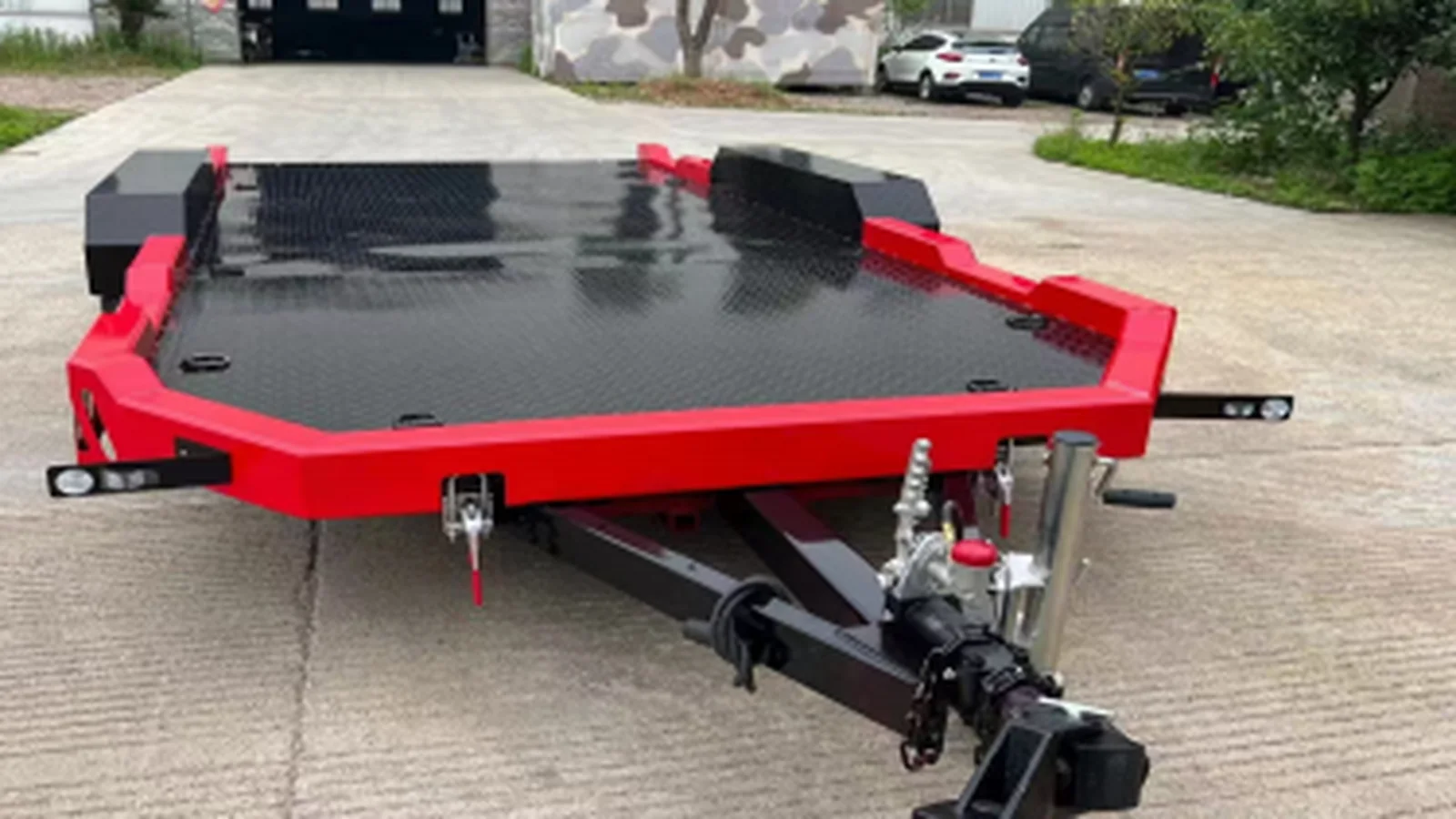
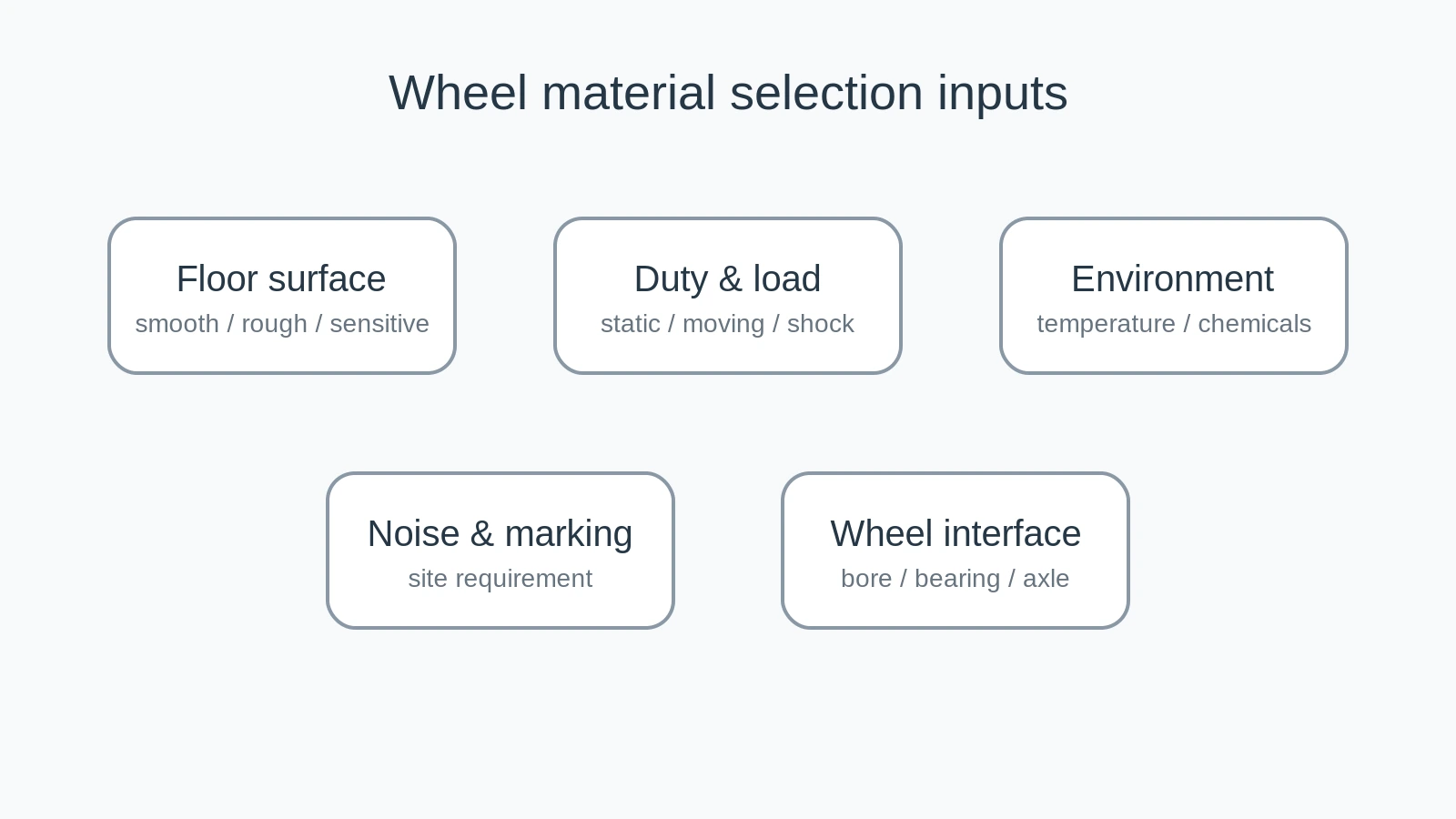
Convierta la pregunta sobre el soporte del remolque en cuatro entradas comparables: carga estática frente a carga de maniobra.
Las dudas sobre el soporte del remolque se resuelven más fácilmente cuando se registran por separado la carga, el terreno, la interfaz y el recorrido de operación. El título de un catálogo puede identificar una familia, pero no describe cómo se carga la rueda de apoyo, cómo se maniobra el remolque ni cuánto espacio tiene el mecanismo alrededor de la barra de tiro. Al aplicar esto a la carga estática frente a la carga de maniobra, compare los candidatos con el mismo registro de equipo para que los cambios de material, tamaño e interfaz se revisen de forma coherente.
| Aporte | Qué grabar |
|---|---|
| Condición de soporte | Indique la carga real en la punta o en el soporte y si la rueda se utiliza únicamente para aparcar, para maniobrar manualmente o para ambas cosas. |
| Suelo | Describa el hormigón, el pavimento, la grava, el terreno blando, las juntas y las pendientes que se producen durante el uso normal. |
| Interfaz | Registre las dimensiones del tubo, abrazadera, soporte o placa, así como la posición de los elementos de acoplamiento y del bastidor cercanos. |
| Entorno operativo | Mida la altura en posición cerrada, el recorrido útil, el acceso a la manivela y la trayectoria necesaria para el plegado o giro, según corresponda. |
Utilice estos datos para comparar alternativas en las mismas condiciones. Una rueda más grande puede mejorar la geometría del obstáculo, pero también puede modificar la holgura almacenada. Un soporte de aspecto más robusto puede resultar inadecuado si la abrazadera o el tubo no coinciden. Cuando se trate de un sistema de freno, pivote o doble rueda, describa la función que el operador realmente necesita, en lugar de solicitar una característica basándose únicamente en su apariencia. Al aplicar esto a la carga estática frente a la carga de maniobra, compare las opciones con el mismo registro de equipo para que los cambios de material, tamaño e interfaz se revisen de forma coherente.
Para trabajos de reemplazo, fotografíe el conjunto antes de desmontarlo e incluya una vista lateral que muestre la relación de montaje. Si la pieza existente está dañada, identifique qué dimensiones siguen siendo fiables. Durante la primera instalación controlada, accione el mecanismo a lo largo de su recorrido útil sin apresurar la prueba, luego cargue el remolque gradualmente y confirme que la rueda, el asa y la estructura permanecen libres durante las maniobras normales. Al aplicar esto a Carga estática vs. Carga de maniobra en un, compare los candidatos con el mismo registro de equipo para que los cambios de material, tamaño e interfaz se revisen de forma coherente.
Cómo la carga estática frente a la carga de maniobra en un cambia la RFQ
Para la consulta sobre “Carga estática frente a carga de maniobra en una rueda de apoyo de remolque”, la solicitud de cotización debe indicar el hecho operativo que motiva la pregunta, en lugar de limitarse a repetir el nombre del producto. Indique el nombre del equipo, describa el servicio normal y máximo, registre las dimensiones que determinan el ajuste e identifique el síntoma u objetivo que motivó la revisión. Si la decisión se refiere a la carga, incluya la masa del equipo y los puntos de apoyo; si se refiere al material, describa el suelo y el entorno; si se refiere al montaje, proporcione la geometría de la interfaz; y si se refiere a una rueda de apoyo de remolque, incluya la condición de apoyo, el tipo de suelo y el recorrido disponible.
Mantenga los valores requeridos separados de las preguntas abiertas. Un proveedor puede responder de manera mucho más útil a "confirmar la longitud del orificio y del cubo con respecto al esquema adjunto" que a una dimensión estimada presentada como final. El mismo principio se aplica a las capacidades de carga, grados de material, funciones de frenado y detalles de montaje. Cuando un valor esté verificado, etiquételo claramente; cuando no lo esté, solicite confirmación. Esto mantiene la cotización alineada con el equipo real y facilita la revisión técnica posterior sin agregar otra sección de aprobación repetitiva o pedidos posteriores a la página. Al aplicar esto a la carga estática frente a la carga de maniobra en un, compare los candidatos con el mismo registro de equipo para que los cambios de material, tamaño e interfaz se revisen de manera consistente.
Carga estática frente a carga de maniobra en una sección de preguntas frecuentes
¿Qué es lo primero que hay que confirmar para la carga estática frente a la carga dinámica de la rueda de apoyo?
Comience con la carga de la barra de tiro/soporte, la superficie del terreno, el diámetro/ancho de las ruedas, el ajuste del tubo o la abrazadera, el recorrido y el espacio libre plegado. Esto proporciona un contexto medible para el resto de la selección.
¿Puede una foto sustituir a las medidas?
Una fotografía facilita la identificación, pero las dimensiones críticas para el ajuste deben medirse o tomarse de un plano aprobado.
¿Debe el comprador añadir un factor de seguridad a la carga?
Un margen de seguridad se utiliza habitualmente para compensar la distribución desigual de la carga y los efectos operativos, pero el valor adecuado depende de la aplicación y no sustituye la clasificación del producto. Al aplicarlo a la carga estática frente a la carga de maniobra, compare los candidatos con el mismo registro de equipo para que los cambios de material, tamaño e interfaz se revisen de forma coherente.
¿Qué ocurre si el material es desconocido?
Indique la planta de tratamiento y el entorno, proporcione una muestra o una fotografía, y trate el material como un elemento de confirmación en lugar de adivinarlo por el color.
Analice sus requisitos de carga estática y dinámica para la rueda jockey.
Envíenos la aplicación, la carga, las dimensiones de control de ajuste, la cantidad y cualquier foto o dibujo relevante. Utilizaremos esta información para acotar la gama de productos sin hacer conjeturas.