
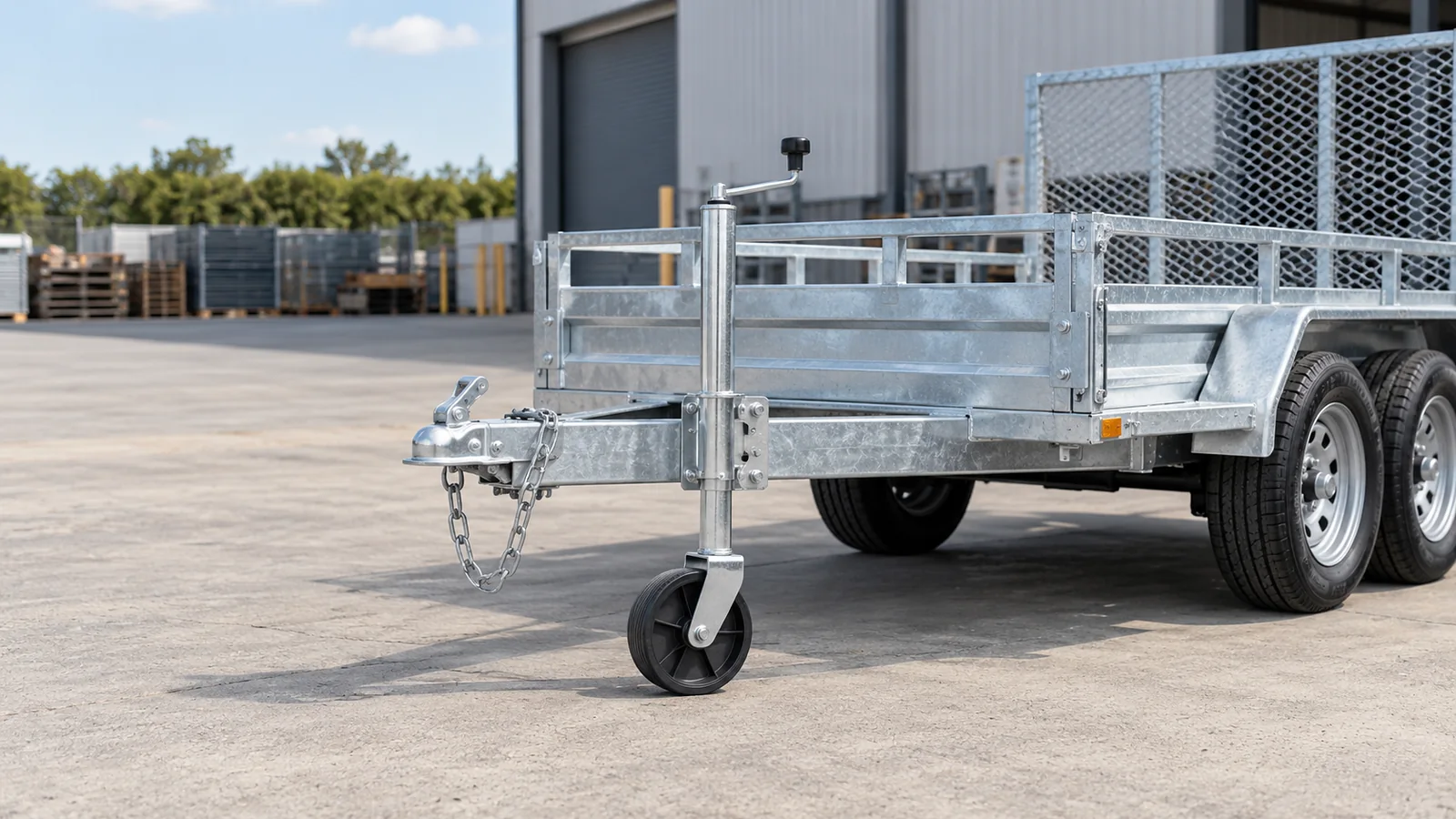
Статичне навантаження проти маневреного навантаження на опорне колесо причепа
A practical buyer guide to jockey wheel static vs dynamic load, focused on measurable operating conditions and RFQ-ready decisions.
Why this question matters — Static Load vs Manoeuvring Load
For an industrial buyer, jockey wheel static vs dynamic load is not a label to choose in isolation. The useful question is how it behaves inside the complete wheel, mounting and duty-cycle decision.
For trailer drawbars, parked trailers and short-distance manual manoeuvring, begin by confirming drawbar/support load, ground surface, wheel diameter/width, tube or clamp fit, travel and stowed clearance. This is usually more useful than comparing nominal product names because two visually similar wheels can behave differently once mounting, floor condition and real load distribution are considered. When applying this to Static Load vs Manoeuvring Load on a, compare candidates against the same equipment record so material, size and interface changes are reviewed consistently.
This also prevents a frequent sourcing error: choosing from appearance alone. A wheel may roll well but the jack can still be wrong for clamp diameter, retracted height or folding envelope. Record vertical load at support point, ground condition, wheel size, tube/clamp dimensions, travel and quantity in the enquiry so the commercial discussion starts from a technically meaningful baseline. When applying this to Static Load vs Manoeuvring Load on a, compare candidates against the same equipment record so material, size and interface changes are reviewed consistently.
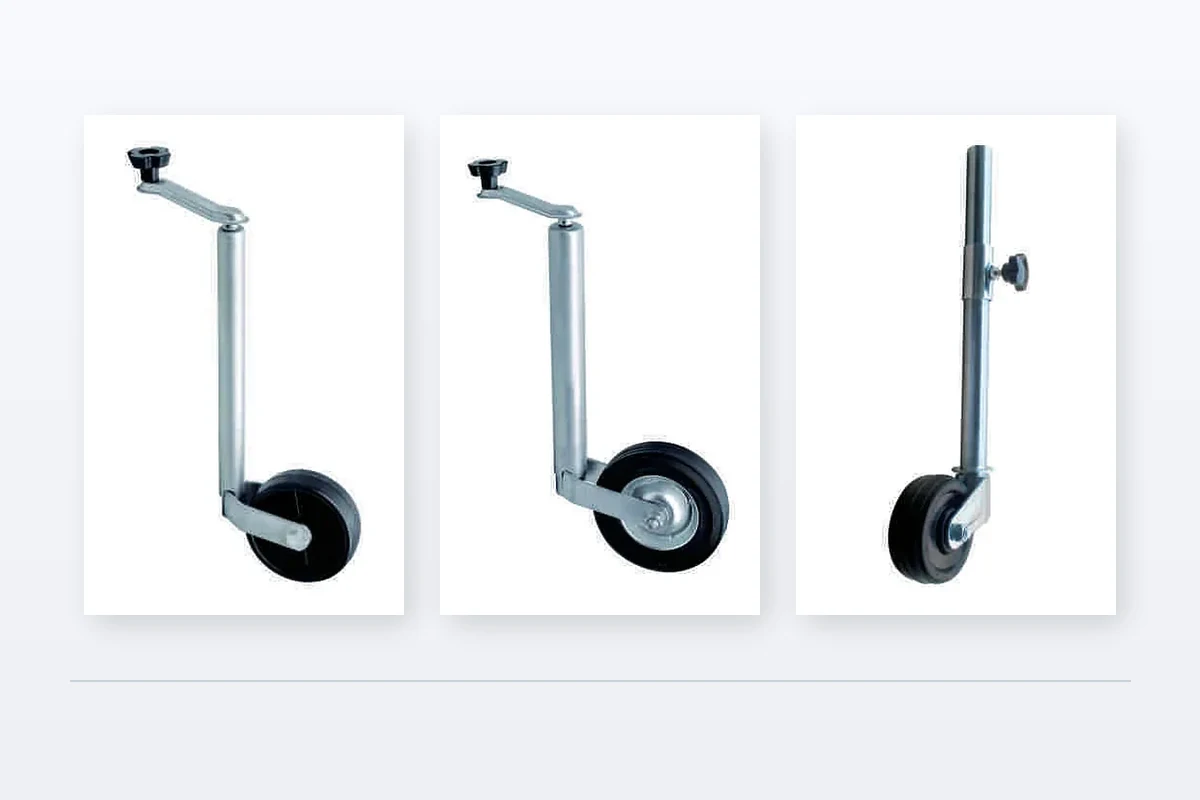
Define the operating condition first — Static Load vs Manoeuvring Load
Before comparing products, write the equipment task in one sentence: what must move, what load it carries, where it travels and how often it is repositioned. That description provides context for jockey wheel static vs dynamic load without turning one parameter into a universal rule.
For trailer drawbars, parked trailers and short-distance manual manoeuvring, the first review should cover drawbar/support load, ground surface, wheel diameter/width, tube or clamp fit, travel and stowed clearance. If a value is not known, mark it for measurement rather than substituting a typical number. The purpose of the RFQ is to close gaps, not hide them. When applying this to Static Load vs Manoeuvring Load on a, compare candidates against the same equipment record so material, size and interface changes are reviewed consistently.
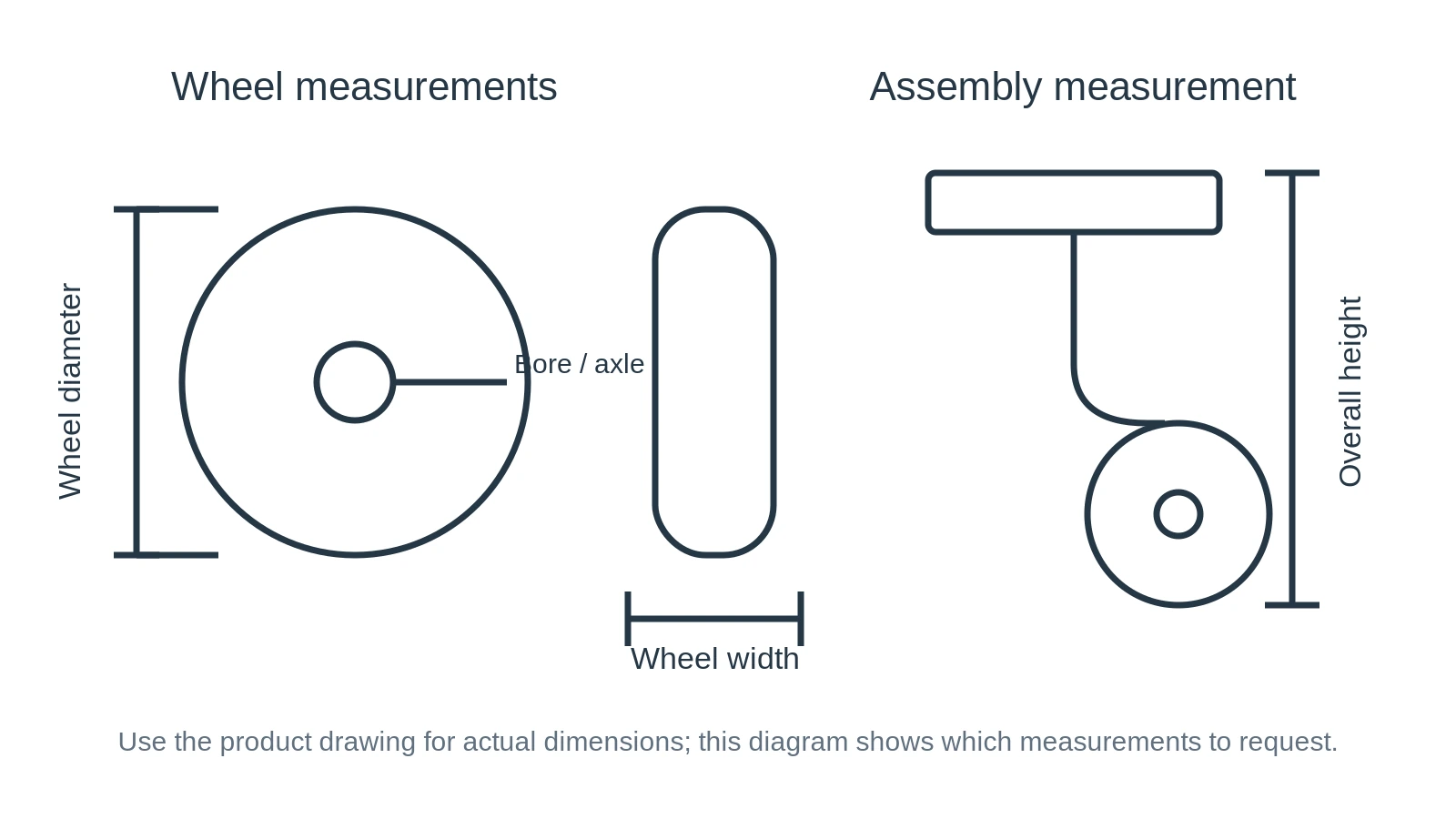
Measurements that prevent false matches — Static Load vs Manoeuvring Load
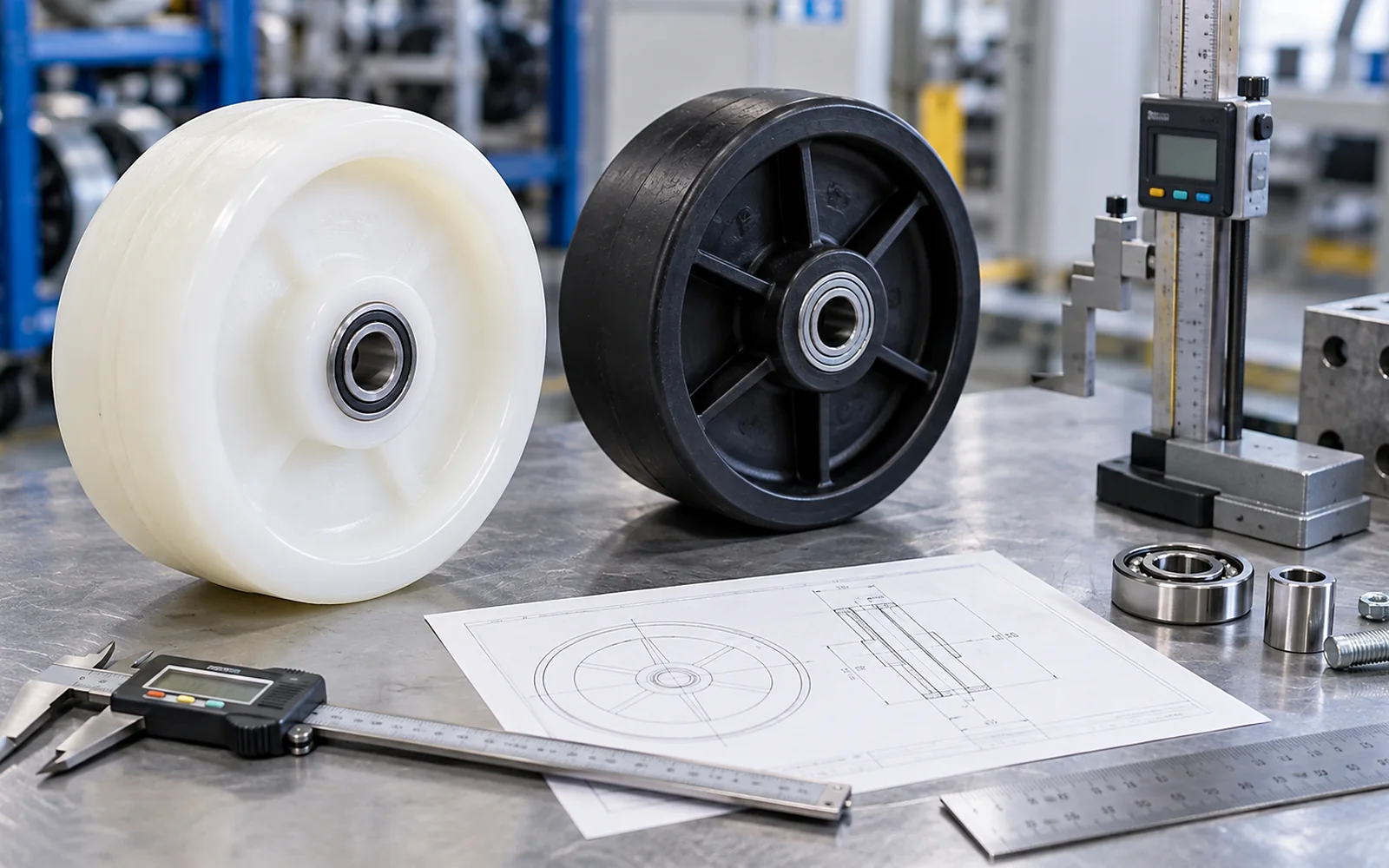
Replacement work benefits from a consistent measurement routine. Record wheel diameter and width, then move inward to the hub: bore or bearing type, axle diameter, hub length and spacers. For complete assemblies, add installed height and mounting geometry. Photograph the measurement tool in place when a dimension is difficult to describe. When applying this to Static Load vs Manoeuvring Load on a, compare candidates against the same equipment record so material, size and interface changes are reviewed consistently.
Do not use worn tread as the only reference if original diameter matters. A heavily worn wheel can make the replacement appear too large when the real issue is material loss. Likewise, a bent fork or improvised spacer can change apparent offset. When applying this to Static Load vs Manoeuvring Load on a, compare candidates against the same equipment record so material, size and interface changes are reviewed consistently.
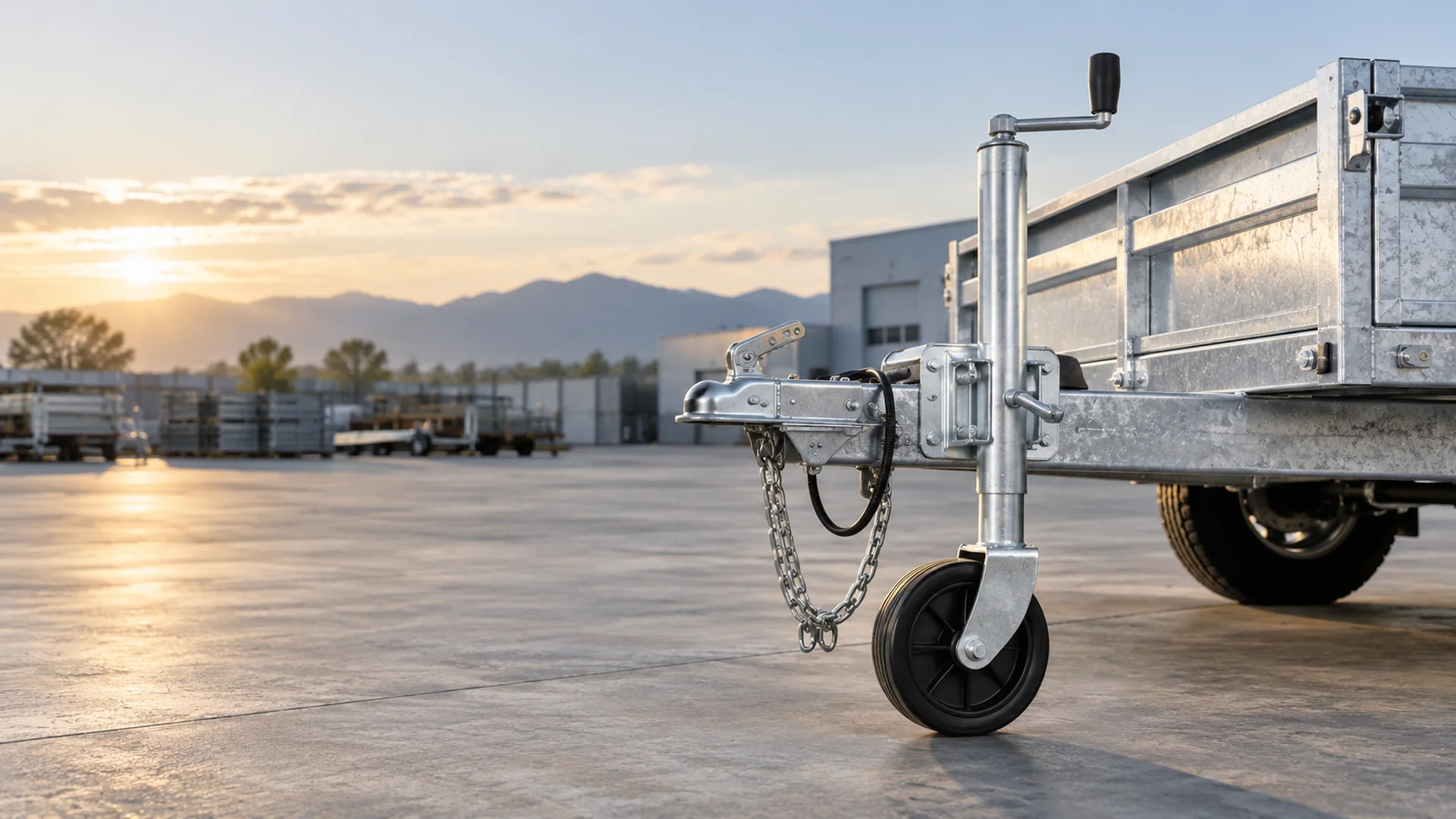
Load, floor and movement interact — Static Load vs Manoeuvring Load
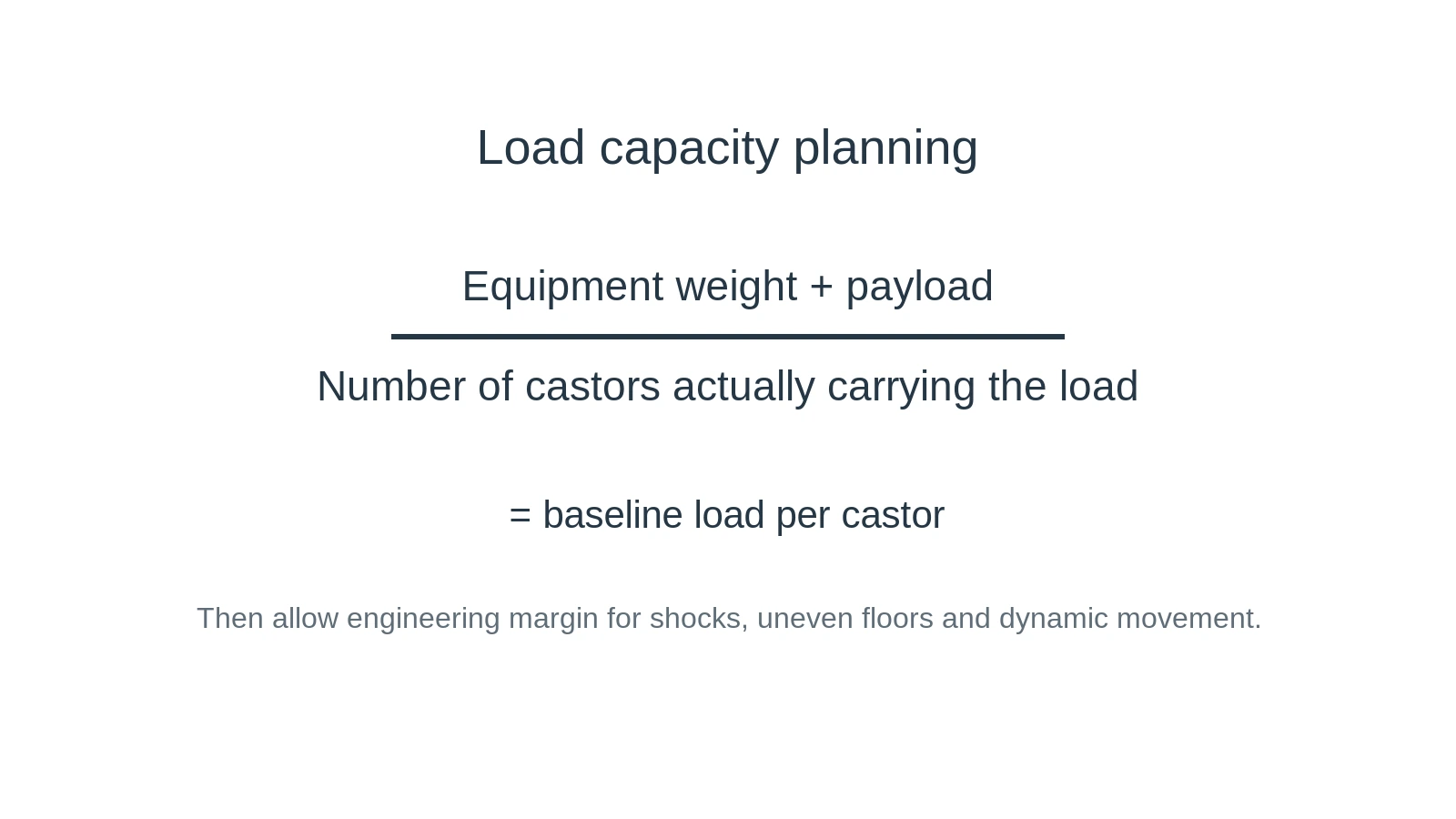
Load rating is not independent of how equipment moves. A cart crossing a threshold can create impact forces absent in a static parking condition. An uneven floor can shift load from four nominal support points to three. A trailer jockey wheel may carry a modest vertical drawbar load yet require substantial manoeuvring effort on loose ground. When applying this to Static Load vs Manoeuvring Load on a, compare candidates against the same equipment record so material, size and interface changes are reviewed consistently.
Зафіксуйте максимальне нормальне навантаження, виняткове навантаження, підлогу або землю, відстань пробігу та частоту перешкод. Ця комбінація дає кращу основу для вибору, ніж одна повна маса.
Jockey-wheel selection needs two load conversations — Static Load vs Manoeuvring Load
The vertical load carried by the jack is one issue; the effort needed to manoeuvre the trailer is another. Ground, diameter and width can dominate the second. A configuration satisfactory on paving may be difficult on gravel even when vertical load is unchanged. When applying this to Static Load vs Manoeuvring Load on a, compare candidates against the same equipment record so material, size and interface changes are reviewed consistently.
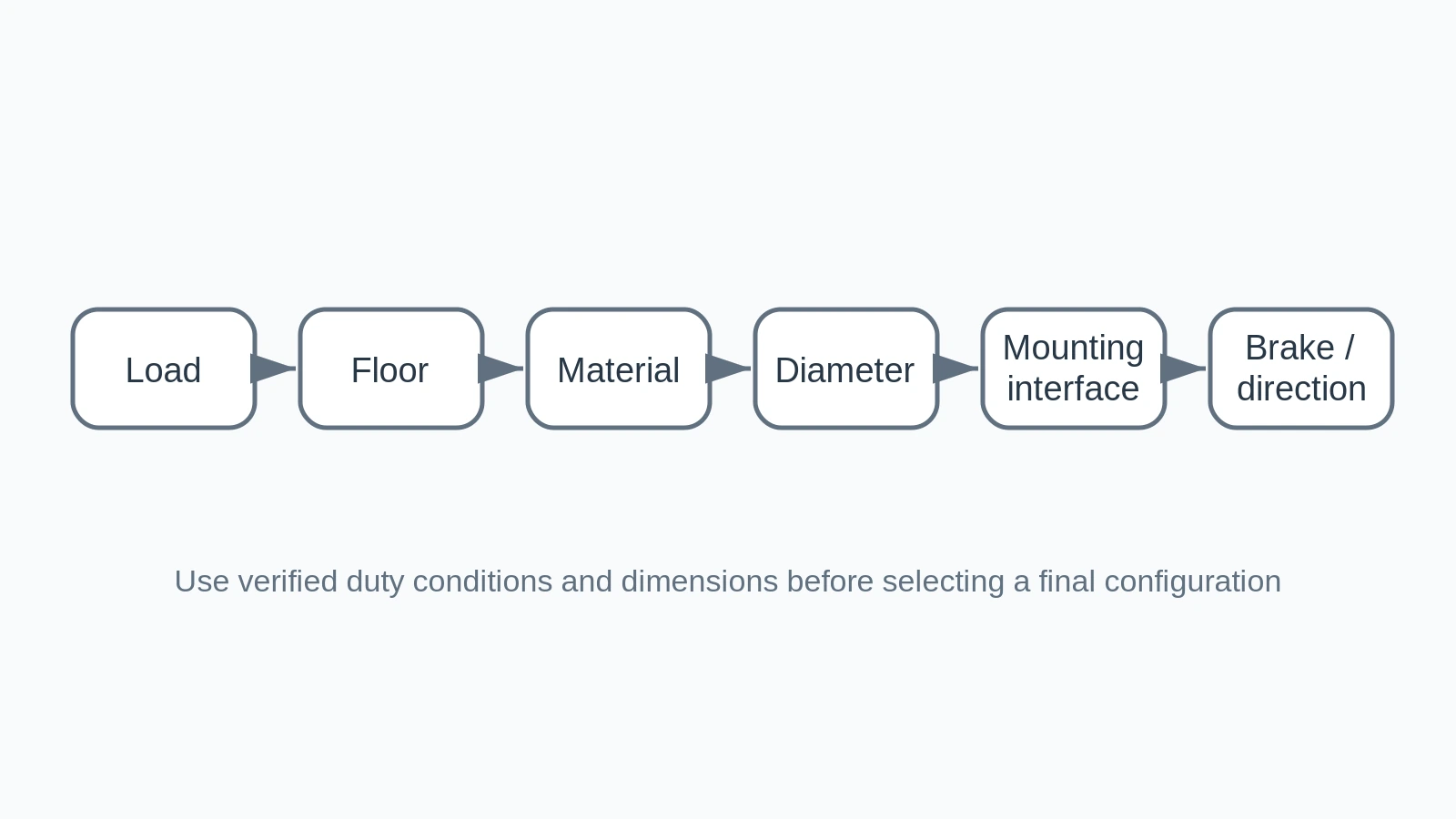
Також перевірте діаметр труби/затискача, хід підйому, висоту у закритому стані та простір, необхідний для складання або повороту вузла.
Failure patterns to watch in static load vs manoeuvring load on a
A wheel may roll well but the jack can still be wrong for clamp diameter, retracted height or folding envelope. Similar symptoms can also come from loose fasteners, worn bearings, misalignment, contaminated floors or a frame that is no longer square. Before blaming wheel material, inspect the mounting and compare wear patterns across positions. When applying this to Static Load vs Manoeuvring Load on a, compare candidates against the same equipment record so material, size and interface changes are reviewed consistently.
If only one corner wears rapidly, investigate that corner’s load and alignment. If all wheels show the same damage, review duty, floor and material specification. If wear accelerates after a process change, record the new contaminant, cleaning agent, temperature or travel pattern. When applying this to Static Load vs Manoeuvring Load on a, compare candidates against the same equipment record so material, size and interface changes are reviewed consistently.
How to write the RFQ line — Static Load vs Manoeuvring Load
Use one line per configuration and write the requirement so another engineer can understand it without the original conversation. Include vertical load at support point, ground condition, wheel size, tube/clamp dimensions, travel and quantity. Attach the correct drawing or photo set. If an interface dimension is unknown, say “measurement pending” instead of using a guessed value. When applying this to Static Load vs Manoeuvring Load on a, compare candidates against the same equipment record so material, size and interface changes are reviewed consistently.
Для замовлень на кілька моделей слід розділяти кількості та визначати, які розміри є спільними.
Static Load vs Manoeuvring Load on a decision checklist
- Чи відомо максимальне нормальне навантаження?
- Чи можуть опорні колеса розподіляти навантаження порівну?
- Чи описано справжній поверх/перший поверх?
- Чи вимірюються розміри колеса та інтерфейсу?
- Чи зрозуміла функція контролю?
- Чи зазначені спеціальні вимоги до матеріалів/оздоблення/довкілля?
- Чи кількість вказана для правильної моделі?
Продовжуйте з сторінка основного вибору, порівняти поточні сімейства продуктівабо скористайтеся Форма запиту цінової пропозиції.
Translate the technical question into a practical field check — Static Load vs Manoeuvring Load
Наведені нижче пункти стосуються теми статті вимірювання, встановлення та польових спостережень, не розглядаючи загальну етикетку продукту як повну специфікацію.
Close the loop with the installation — Static Load vs Manoeuvring Load
After a sample or first lot is installed, compare real behaviour with the RFQ assumptions. Record interference, unusual wear or movement and feed it into the next purchase specification. That turns one replacement into a controlled maintenance standard. When applying this to Static Load vs Manoeuvring Load on a, compare candidates against the same equipment record so material, size and interface changes are reviewed consistently.
What to observe when applying static load vs manoeuvring load on a
Commission a new or replacement configuration for jockey wheel static vs dynamic load under controlled load and low speed before normal operation. Watch for rubbing, bracket contact, wheel wobble, steering instability, fastener movement and any change in deck or drawbar height. The goal is to test the assumptions made during selection rather than merely confirm that the wheel turns.
For trailer drawbars, parked trailers and short-distance manual manoeuvring, include the most demanding normal floor or ground transition in the initial trial. If the system must cross a threshold, ramp or rough joint, observe it there. Document the result with the same model reference used in the RFQ so future subsequent orders have a useful baseline instead of relying on memory. When applying this to Static Load vs Manoeuvring Load on a, compare candidates against the same equipment record so material, size and interface changes are reviewed consistently.
Maintenance records that matter for static load vs manoeuvring load on a
Record wheel position, installation date, duty, reason for replacement and unusual floor events. In a jockey wheel static vs dynamic load program, this simple history helps identify whether wear is random, position-specific or linked to a changed environment. A wheel that fails repeatedly at one corner may point to load concentration, alignment or local contamination rather than a general material problem.
Inspect axle, spacers, bearings, bracket and fasteners when the old wheel is removed. Keep measurements that relate directly to vertical load at support point, ground condition, wheel size, tube/clamp dimensions, travel and quantity. If a component has been modified in service, photograph the change before installing the new item and decide whether the modified condition should become part of the official equipment specification. When applying this to Static Load vs Manoeuvring Load on a, compare candidates against the same equipment record so material, size and interface changes are reviewed consistently.
Start with the operating envelope — Static Load vs Manoeuvring Load
The practical value of “Static Load vs Manoeuvring Load on a Trailer Jockey Wheel” is not a universal yes-or-no answer. The useful boundary is the equipment and duty in which the question occurs. Write down drawbar support load, wheel size, tube or clamp fit, lifting travel, closed height, folding or swivel clearance, ground condition and manoeuvring frequency. Keeping these fields together makes it possible to distinguish a product-identification question from an engineering selection question and prevents a visually similar part from being treated as automatically interchangeable.
Use the most demanding normal condition rather than a best-case description. If the equipment sometimes crosses a threshold, works outdoors, carries an uneven payload or is manoeuvred only after long periods of static load, include that condition. The objective is a repeatable requirement that another engineer or buyer can understand without seeing the original component. When applying this to Static Load vs Manoeuvring Load on a, compare candidates against the same equipment record so material, size and interface changes are reviewed consistently.
Measure from stable datums — Static Load vs Manoeuvring Load
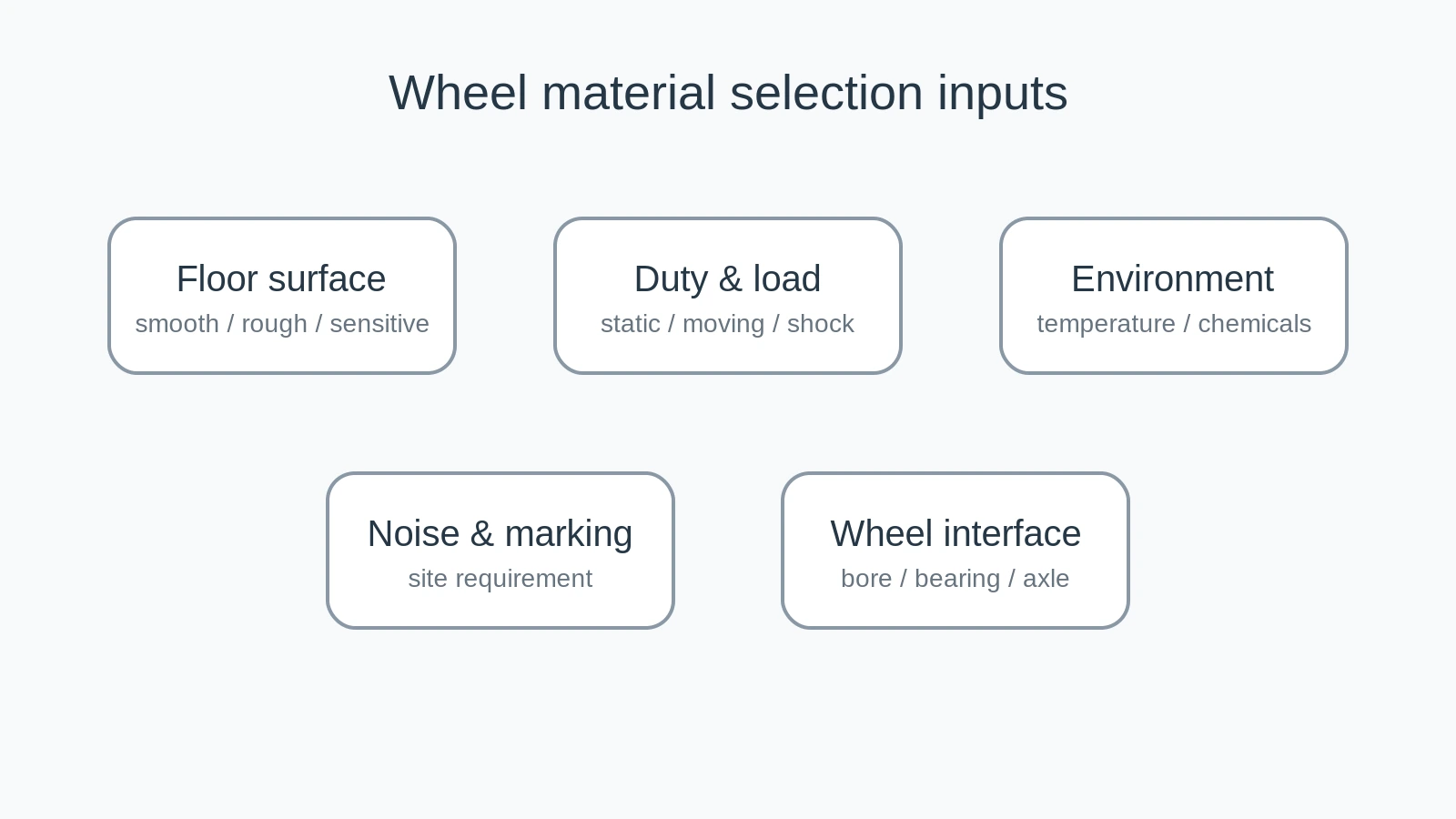
For this topic, record drawbar support load, wheel size, tube or clamp fit, lifting travel, closed height, folding or swivel clearance, ground condition and manoeuvring frequency. Use dimensioned photographs where a drawing is unavailable and show the reference points used for each measurement. If the old part is worn, bent or repaired, flag the affected dimension instead of treating the damaged geometry as the design target. When applying this to Static Load vs Manoeuvring Load on a, compare candidates against the same equipment record so material, size and interface changes are reviewed consistently.
A comparison sheet works best with one configuration per column or row. Keep measured values, required values and optional preferences separate. That simple separation reduces the chance that a supplier proposal or an old catalogue value is copied into the required specification without review. It also makes later quotation revisions easier to audit. When applying this to Static Load vs Manoeuvring Load on a, compare candidates against the same equipment record so material, size and interface changes are reviewed consistently.
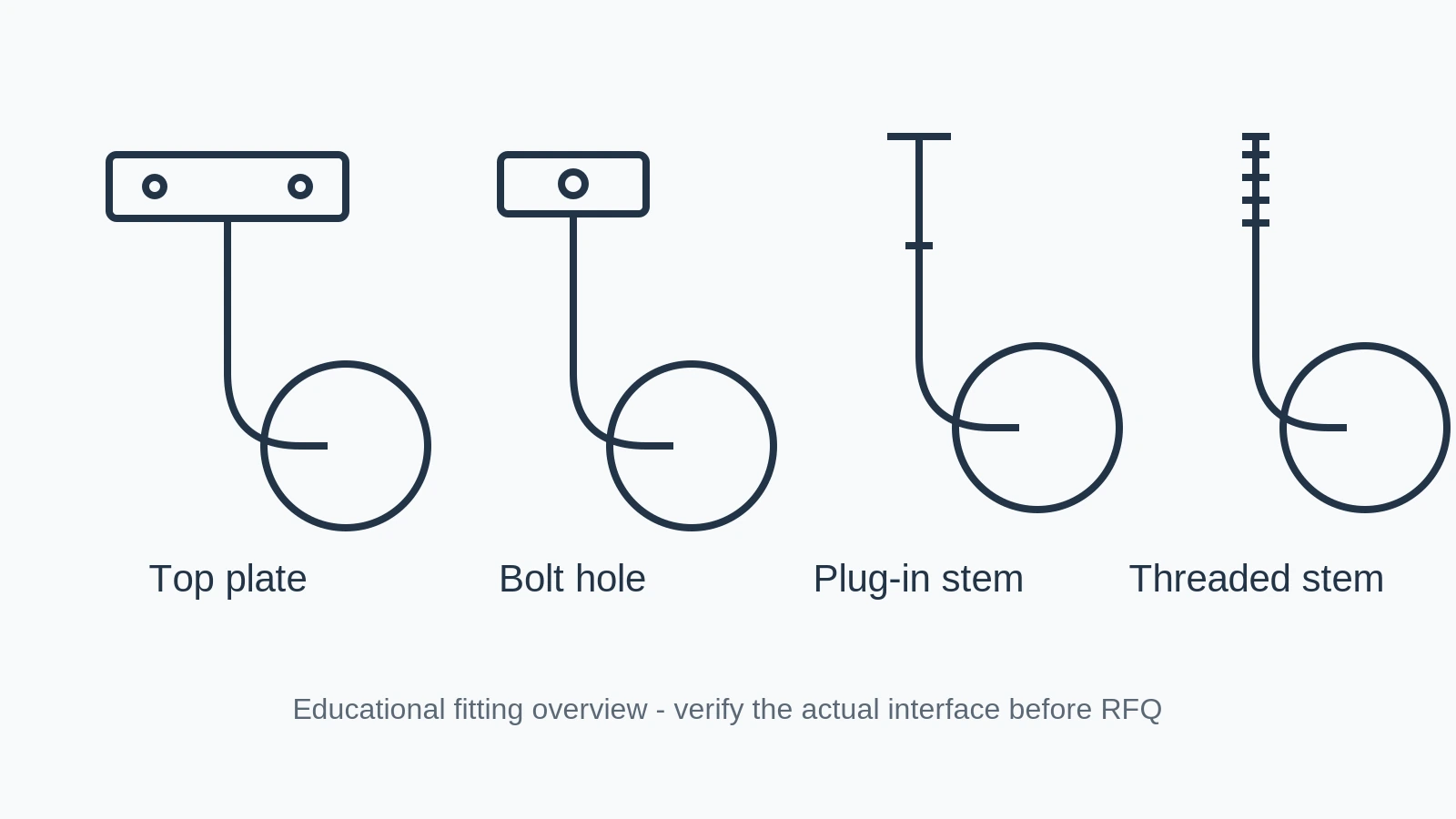
Trial the assumption instead of the photograph — Static Load vs Manoeuvring Load
After a candidate is installed, raise and lower the jack through its usable travel, confirm the wheel carries the support point without interference, then manoeuvre on the normal yard surface and verify the stowed position clears the drawbar and coupling. The first trial should be slow enough to observe the wheel and mounting rather than merely prove that the equipment can move. Look for rubbing, unexpected side movement, fastener movement, wheel wobble, interference and a change in operator effort. When applying this to Static Load vs Manoeuvring Load on a, compare candidates against the same equipment record so material, size and interface changes are reviewed consistently.
If the result is unsatisfactory, record the symptom before changing several variables at once. One controlled change—such as wheel diameter, material, mounting alignment or steering layout—gives more useful information than changing the whole assembly and losing the cause of the original problem. When applying this to Static Load vs Manoeuvring Load on a, compare candidates against the same equipment record so material, size and interface changes are reviewed consistently.
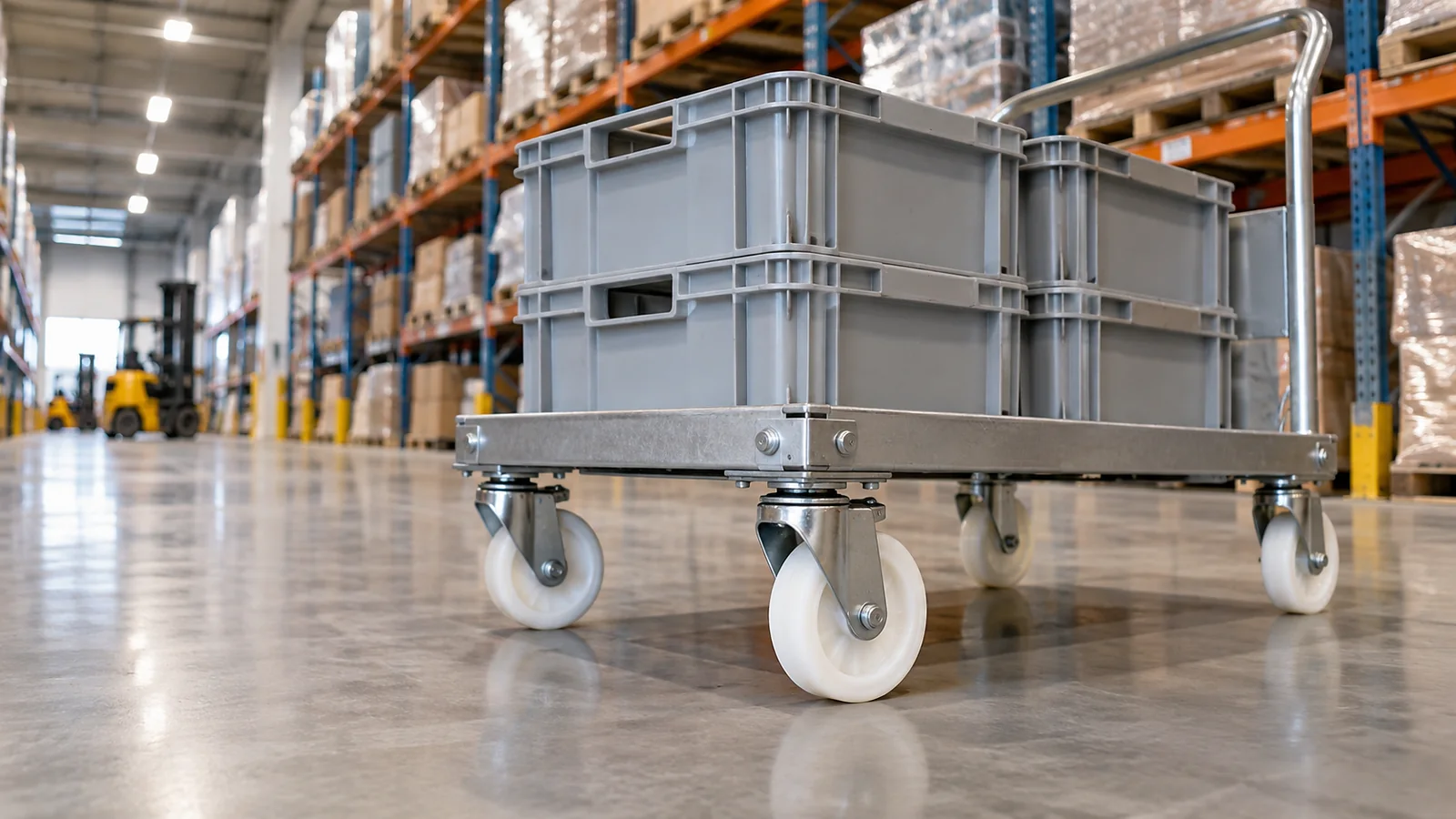
Test the decision behind “Static Load vs Manoeuvring Load on a Trailer Jockey Wheel” on the actual parking surface
After installation, make a controlled low-speed manoeuvring check on the surface that normally creates the greatest effort. Observe steering, wheel scrub, fork clearance and any tendency for the mounting to twist or slip. If the trailer is routinely moved across gravel, pavers or drainage channels, include those conditions rather than testing only on workshop concrete. When applying this to Static Load vs Manoeuvring Load on a, compare candidates against the same equipment record so material, size and interface changes are reviewed consistently.
A short documented trial provides much more useful purchasing information than a generic statement that one wheel is “better.” Record the accepted configuration, the trailer group, the load condition and any clearance limitation so a later subsequent orders can be checked against the same operating basis. When applying this to Static Load vs Manoeuvring Load on a, compare candidates against the same equipment record so material, size and interface changes are reviewed consistently.
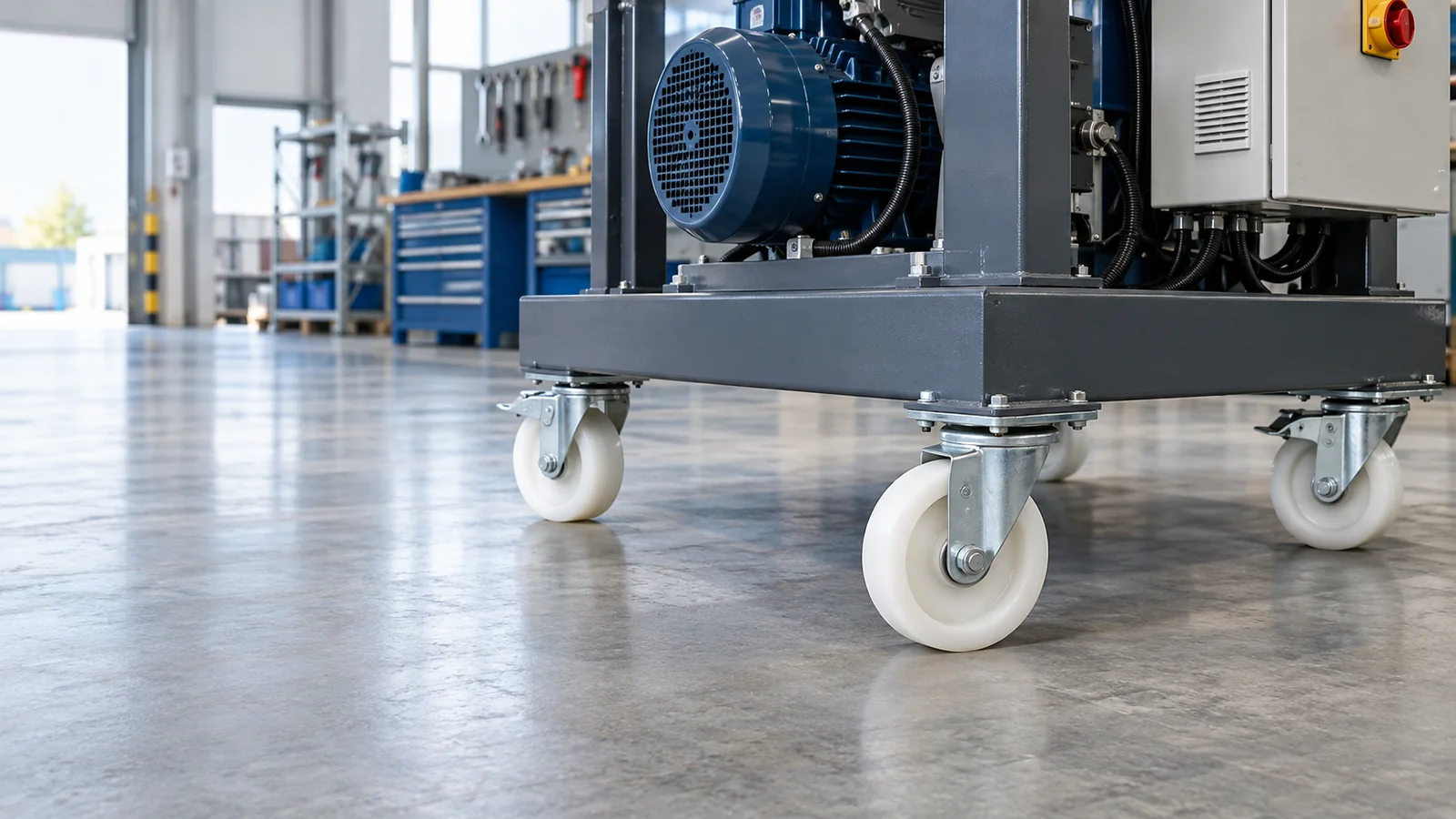
Record the installed envelope when applying “Static Load vs Manoeuvring Load on a Trailer Jockey Wheel”
A jockey wheel must fit more than the nominal tyre diameter. Record tube or clamp size, closed height, required lift, wheel/fork envelope, crank clearance and the path the assembly takes if it folds or swivels for travel. Include the trailer’s actual drawbar load condition and the ground where uncoupled manoeuvring occurs. When applying this to Static Load vs Manoeuvring Load on a, compare candidates against the same equipment record so material, size and interface changes are reviewed consistently.
For replacement work, inspect the clamp, tube and mounting area for deformation or previous modification before assuming the old configuration should be copied exactly. If the supplier’s stated load refers to a jack family, do not use it as a substitute for measuring the real application requirement. When applying this to Static Load vs Manoeuvring Load on a, compare candidates against the same equipment record so material, size and interface changes are reviewed consistently.
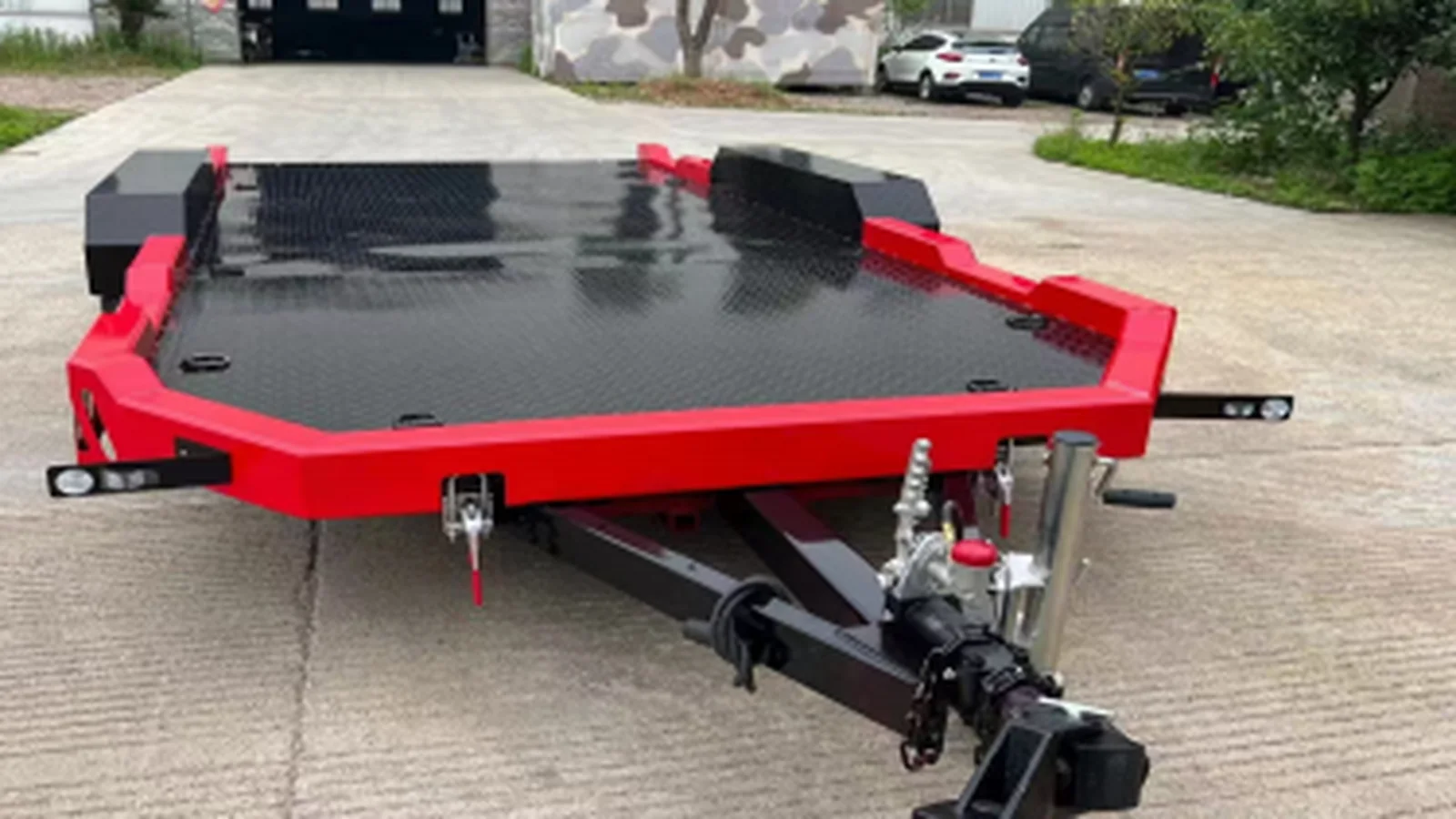
Turn the trailer-support question into four comparable inputs — Static Load vs Manoeuvring Load
Trailer-support questions become easier to resolve when load, ground, interface and operating travel are written down separately. A catalogue title can identify a family, but it cannot describe how the support wheel is loaded, how the trailer is manoeuvred or how much space the mechanism has around the drawbar. When applying this to Static Load vs Manoeuvring Load on a, compare candidates against the same equipment record so material, size and interface changes are reviewed consistently.
| Вхід | Що записувати |
|---|---|
| Умова підтримки | Вкажіть фактичне навантаження на ніс або опору та чи використовується колесо лише для паркування, для маневрування вручну чи для обох цілей. |
| Земля | Опишіть бетон, дорожнє покриття, гравій, м’який ґрунт, стики та ухили, що виникають під час нормального використання. |
| Інтерфейс | Запишіть розміри труби, затискача, кронштейна або пластини, а також положення сусідніх з'єднувальних елементів та елементів рами. |
| Операційний діапазон | Виміряйте висоту в закритому стані, корисний хід, доступ до кривошипа та шлях, необхідний для складання або повороту, де це доречно. |
Use these inputs to compare alternatives under the same conditions. A larger wheel may improve obstacle geometry but can also change stored clearance. A stronger-looking bracket may still be unsuitable if the clamp or tube does not match. When a brake, swivel or twin-wheel arrangement is involved, describe the function that the operator actually needs rather than requesting a feature from appearance alone. When applying this to Static Load vs Manoeuvring Load on a, compare candidates against the same equipment record so material, size and interface changes are reviewed consistently.
For replacement work, photograph the assembly before removal and include a side view that shows the mounting relationship. If the existing part is damaged, identify which dimensions are still trustworthy. During the first controlled installation, operate the mechanism through its usable travel without rushing the test, then load the trailer gradually and confirm that the wheel, handle and structure remain clear through normal manoeuvring. When applying this to Static Load vs Manoeuvring Load on a, compare candidates against the same equipment record so material, size and interface changes are reviewed consistently.
How static load vs manoeuvring load on a changes the RFQ
For “Static Load vs Manoeuvring Load on a Trailer Jockey Wheel”, the RFQ should state the operating fact that drives the question rather than only repeating the product term. Name the equipment, describe the normal and maximum duty, record the fit-controlling dimensions and identify the symptom or objective that prompted the review. If the decision concerns load, include equipment mass and supporting points; if it concerns material, describe floor and environment; if it concerns mounting, provide the interface geometry; and if it concerns a trailer support wheel, include the support condition, ground and available travel.
Keep required values separate from open questions. A supplier can respond much more usefully to “confirm bore and hub length against attached sketch” than to a guessed dimension presented as final. The same principle applies to load ratings, material grades, brake functions and mounting details. Where a value is verified, label it clearly; where it is not, ask for confirmation. That keeps the quotation aligned with the real equipment and makes later technical review easier without adding another repetitive approval or subsequent orders section to the page. When applying this to Static Load vs Manoeuvring Load on a, compare candidates against the same equipment record so material, size and interface changes are reviewed consistently.
Static Load vs Manoeuvring Load on a FAQ
What is the first thing to confirm for jockey wheel static vs dynamic load?
Почніть з навантаження на дишло/опору, поверхні землі, діаметра/ширини колеса, посадки труби або затискача, ходу та кліренсу у сховищі. Це надає решті вибору вимірний контекст.
Чи може фотографія замінити виміри?
Фотографія допомагає в ідентифікації, але критичні для підгонки розміри все одно слід виміряти або взяти із затвердженого креслення.
Чи повинен покупець додавати коефіцієнт безпеки до завантаження?
A safety allowance is commonly used to address unequal load sharing and operating effects, but the appropriate value depends on the application and does not replace the product rating. When applying this to Static Load vs Manoeuvring Load on a, compare candidates against the same equipment record so material, size and interface changes are reviewed consistently.
Що робити, якщо матеріал невідомий?
Вкажіть операційний поверх та середовище, надайте зразок або фотографію та розглядайте матеріал як підтверджувальний елемент, а не здогадуйтеся за кольором.
Discuss your jockey wheel static vs dynamic load requirement
Надішліть заявку, дані про навантаження, розміри для контролю придатності, кількість та будь-яке відповідне фото чи креслення. Ми використаємо ці дані, щоб звузити асортимент продукції без здогадок.