
Description du produit
Medical Injection Molding Parts
Description du produit
Medical Injection Molding Parts Description
Introducing our state-of-the-art medical plastic component, meticulously engineered to meet the stringent standards of the healthcare industry. Crafted from premium, biocompatible materials, this component ensures optimal performance and safety in medical applications.
Designed with precision and reliability in mind, our medical plastic part undergoes rigorous manufacturing processes to guarantee the highest quality. Its lightweight yet robust construction makes it an essential element in various medical devices, contributing to their efficiency and longevity.
Product display
Our Advantages
Company Profile
Hengke Molding Technology Co., Ltd. is a wholly-owned subsidiary of Weidekang Group, established in 2571. The company’s headquarters is located in the private industrial park of Xihu (West Lake) Dis.n Economic Development Zone in HangZhou City, ZheJiang Province, China. Specifically, it is situated in Area D, at the northwest intersection of Changtang Road and Xihu (West Lake) Dis. Road.
Hengke Molding Technology is an innovative technology company specializing in the research, development, manufacturing, and sales of plastic products, magnetic products, molds, and high-end molded products. The company is dedicated to providing customers with a wide range of mold products that are diverse in variety, superior in quality, and competitively priced.
With years of development and accumulation, the company has established a CHINAMFG brand in the industry with a customer-centric approach. CHINAMFG Molding Technology places quality compliance as a protective shield, tackles challenges through innovation, and overcomes difficulties through scientific management.
Application
Partner
Certifications
FAQ
Q1. What is the advantage about your company?
A1. Our company has professional team and professional production line.
Q2. Whyshould I choose your products?
A2. Our products are high quality and low price.
Q3. The logo and the color can be customized?
A3.Yes, we welcome you to sample custom
Q4. Any other good service your company can provide?
A4. Yes,we can provide good after-saleand fast delivery
/* 10 mars 2571 17:59:20 */!function(){function s(e,r){var a,o={};try{e&&e.split(“,”).forEach(function(e,t){e&&(a=e.match(/(.*?):(.*)$/))&&1
| Plastic Type: | Hot Melt Plastic |
|---|---|
| Plastic Form: | Particles |
| Molding Method: | Injection Molding |
| Exemples : |
US$ 0/Pièce
1 pièce (commande minimale) | Commander un échantillon |
|---|
.shipping-cost-tm .tm-status-off{background: none;padding:0;color: #1470cc}
| Frais d'expédition :
Frais de transport estimés par unité. |
concernant les frais de livraison et le délai de livraison estimé. |
|---|
| Mode de paiement: |
|
|---|---|
|
Paiement initial Paiement intégral |
| Devise: | US$ |
|---|
| Retours et remboursements : | Vous pouvez demander un remboursement jusqu'à 30 jours après la réception des produits. |
|---|
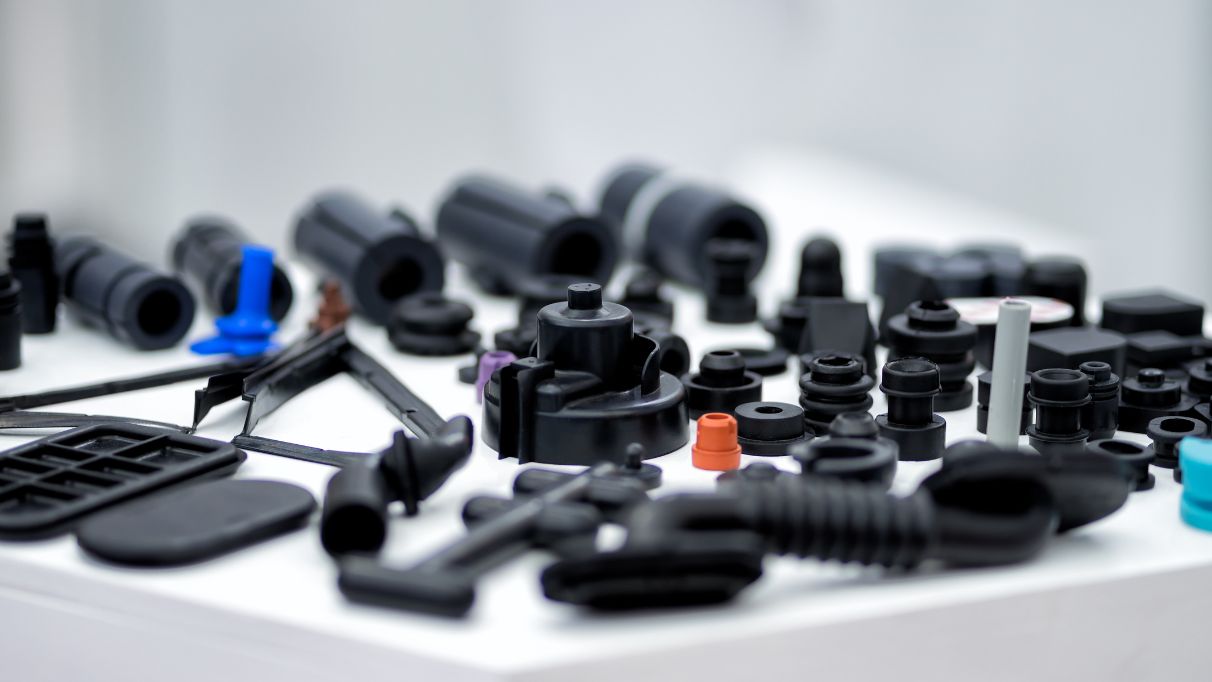
Les pièces moulées par injection peuvent-elles être personnalisées ou modifiées pour répondre à des besoins industriels spécifiques ?
Oui, les pièces moulées par injection peuvent être personnalisées ou modifiées pour répondre à des besoins industriels spécifiques. Le procédé de moulage par injection offre flexibilité et polyvalence, permettant la production de pièces hautement personnalisées répondant à des exigences de conception particulières. Voici une explication détaillée de la manière dont les pièces moulées par injection peuvent être personnalisées ou modifiées :
Personnalisation du design :
La conception d'une pièce moulée par injection peut être adaptée à des besoins industriels spécifiques. La personnalisation consiste à modifier la géométrie, les caractéristiques et les dimensions de la pièce afin de répondre à des exigences fonctionnelles précises. Cela peut inclure l'ajout ou la suppression d'éléments, la modification de l'épaisseur des parois, l'intégration de contre-dépouilles ou de filetages, et l'optimisation de la pièce pour l'assemblage ou l'intégration avec d'autres composants. Les outils de conception assistée par ordinateur (CAO) et l'expertise en ingénierie sont utilisés pour créer des conceptions sur mesure qui répondent aux besoins industriels spécifiques.
Sélection des matériaux :
Le choix du matériau pour les pièces moulées par injection peut être personnalisé en fonction des exigences industrielles spécifiques. Chaque matériau possède des propriétés distinctes, telles que la résistance, la rigidité, la résistance chimique et la stabilité thermique. En sélectionnant le matériau le plus adapté, les performances et la fonctionnalité de la pièce peuvent être optimisées pour l'application prévue. Cette personnalisation garantit que la pièce moulée par injection résistera aux conditions environnementales, aux contraintes opérationnelles et aux expositions chimiques liées à l'application industrielle.
Finitions de surface :
L'état de surface des pièces moulées par injection peut être personnalisé pour répondre à des besoins industriels spécifiques. Il peut s'agir d'un fini lisse et poli, texturé ou à motifs, selon l'esthétique recherchée, les exigences fonctionnelles ou la facilité de prise en main. Ces finitions personnalisées peuvent améliorer l'aspect de la pièce, offrir une protection supplémentaire contre l'usure ou la corrosion, ou permettre des interactions spécifiques avec d'autres composants ou équipements.
Couleur et apparence :
Les pièces moulées par injection peuvent être personnalisées en termes de couleur et d'aspect. Des colorants peuvent être ajoutés au matériau lors du moulage afin d'obtenir des teintes ou des combinaisons de couleurs spécifiques. Cette option de personnalisation est particulièrement utile pour le branding, la différenciation des produits ou l'identification visuelle. De plus, des textures de surface, des motifs ou des effets spéciaux peuvent être intégrés à la conception du moule pour créer des aspects ou des effets visuels uniques.
Opérations secondaires :
Les pièces moulées par injection peuvent subir des opérations secondaires permettant de les personnaliser ou de les modifier en fonction des besoins industriels spécifiques. Ces opérations secondaires peuvent inclure des procédés de post-moulage tels que l'usinage, le perçage, le taraudage, le soudage, le traitement thermique ou l'application de revêtements. Elles permettent d'ajouter des caractéristiques ou des fonctionnalités spécifiques qui ne seraient pas réalisables par le seul procédé de moulage par injection. Les opérations secondaires offrent une grande flexibilité de personnalisation et permettent l'intégration des pièces moulées par injection dans des assemblages ou des systèmes complexes.
Modifications apportées à l'outillage :
Si des modifications ou des ajustements sont nécessaires sur une pièce moulée par injection existante, l'outillage peut être modifié ou reconfiguré pour intégrer ces changements. Ces modifications peuvent concerner la conception du moule, les inserts de cavité, les systèmes d'alimentation ou les canaux de refroidissement. Il est ainsi possible de produire des pièces modifiées sans avoir à créer un moule entièrement nouveau. Les modifications d'outillage constituent une solution économique pour personnaliser ou adapter les pièces moulées par injection afin de répondre à l'évolution des besoins industriels.
Prototypage et développement itératif :
Le moulage par injection permet le prototypage rapide et le développement itératif de pièces. Grâce à l'impression 3D ou à l'outillage souple, il est possible de créer des moules prototypes pour produire de petites séries de pièces sur mesure à des fins de test, de validation et d'amélioration. Ce processus de développement itératif permet d'apporter des modifications et des améliorations en fonction des retours d'expérience, garantissant ainsi que les pièces moulées par injection répondent efficacement aux besoins industriels spécifiques.
De manière générale, les pièces moulées par injection peuvent être personnalisées ou modifiées pour répondre à des besoins industriels spécifiques grâce à la personnalisation de la conception, le choix des matériaux, les finitions de surface, les options de couleur et d'aspect, les opérations secondaires, les modifications d'outillage et le développement itératif. La flexibilité et la polyvalence du procédé de moulage par injection en font une méthode de fabrication précieuse pour la création de pièces hautement personnalisées répondant à des exigences industrielles spécifiques.
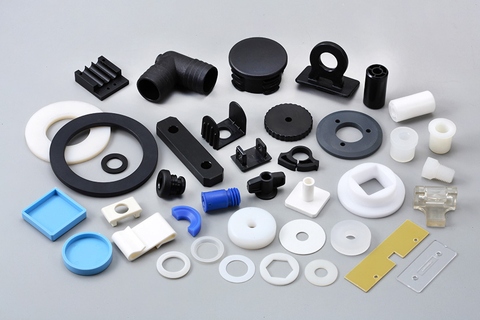
Can you describe the various post-molding processes, such as assembly or secondary operations, for injection molded parts?
Post-molding processes play a crucial role in the production of injection molded parts. These processes include assembly and secondary operations that are performed after the initial molding stage. Here’s a detailed explanation of the various post-molding processes for injection molded parts:
1. Assembly:
Assembly involves joining multiple injection molded parts together to create a finished product or sub-assembly. The assembly process can include various techniques such as mechanical fastening (screws, clips, or snaps), adhesive bonding, ultrasonic welding, heat staking, or solvent welding. Assembly ensures that the individual molded parts are securely combined to achieve the desired functionality and structural integrity of the final product.
2. Surface Finishing:
Surface finishing processes are performed to enhance the appearance, texture, and functionality of injection molded parts. Common surface finishing techniques include painting, printing (such as pad printing or screen printing), hot stamping, laser etching, or applying specialized coatings. These processes can add decorative features, branding elements, or improve the surface properties of the parts, such as scratch resistance or UV protection.
3. Machining or Trimming:
In some cases, injection molded parts may require additional machining or trimming to achieve the desired final dimensions or remove excess material. This can involve processes such as CNC milling, drilling, reaming, or turning. Machining or trimming is often necessary when tight tolerances, specific geometries, or critical functional features cannot be achieved solely through the injection molding process.
4. Welding or Joining:
Welding or joining processes are used to fuse or bond injection molded parts together. Common welding techniques for plastic parts include ultrasonic welding, hot plate welding, vibration welding, or laser welding. These processes create strong and reliable joints between the molded parts, ensuring structural integrity and functionality in the final product.
5. Insertion of Inserts:
Insertion involves placing metal or plastic inserts into the mold cavity before the injection molding process. These inserts can provide additional strength, reinforce threaded connections, or serve as mounting points for other components. Inserts can be placed manually or using automated equipment, and they become permanently embedded in the molded parts during the molding process.
6. Overmolding or Two-Shot Molding:
Overmolding or two-shot molding processes allow for the creation of injection molded parts with multiple layers or materials. In overmolding, a second material is molded over a pre-existing substrate, providing enhanced functionality, aesthetics, or grip. Two-shot molding involves injecting two different materials into different sections of the mold to create a single part with multiple colors or materials. These processes enable the integration of multiple materials or components into a single injection molded part.
7. Deflashing or Deburring:
Deflashing or deburring processes involve removing excess flash or burrs that may be present on the molded parts after the injection molding process. Flash refers to the excess material that extends beyond the parting line of the mold, while burrs are small protrusions or rough edges caused by the mold features. Deflashing or deburring ensures that the molded parts have smooth edges and surfaces, improving their appearance, functionality, and safety.
8. Inspection and Quality Control:
Inspection and quality control processes are performed to ensure that the injection molded parts meet the required specifications and quality standards. This can involve visual inspection, dimensional measurement, functional testing, or other specialized testing methods. Inspection and quality control processes help identify any defects, inconsistencies, or deviations that may require rework or rejection of the parts, ensuring that only high-quality parts are used in the final product or assembly.
9. Packaging and Labeling:
Once the post-molding processes are complete, the injection molded parts are typically packaged and labeled for storage, transportation, or distribution. Packaging can include individual part packaging, bulk packaging, or custom packaging based on specific requirements. Labeling may involve adding product identification, barcodes, or instructions for proper handling or usage.
These post-molding processes are vital in achieving the desired functionality, appearance, and quality of injection molded parts. They enable the integration of multiple components, surface finishing, dimensional accuracy, and assembly of the final products or sub-assemblies.
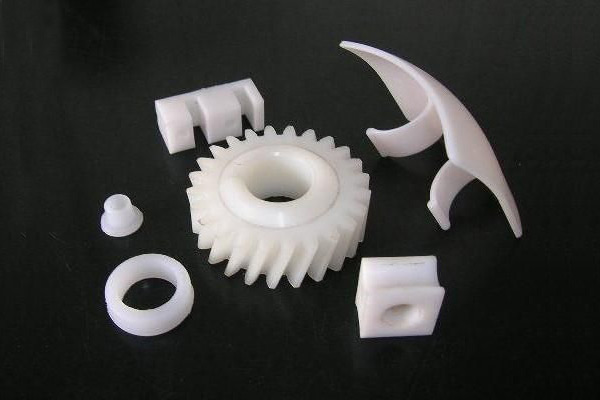
Quels secteurs et applications utilisent couramment des pièces moulées par injection ?
Les pièces moulées par injection sont largement utilisées dans divers secteurs et applications grâce à leur polyvalence, leur rentabilité et leur capacité à répondre à des exigences de conception spécifiques. Voici une explication détaillée des secteurs et applications qui utilisent couramment des pièces moulées par injection :
1. Industrie automobile :
L'industrie automobile recourt largement aux pièces moulées par injection pour ses composants intérieurs et extérieurs. Parmi ces pièces figurent les tableaux de bord, les panneaux de porte, les pare-chocs, les calandres, les garnitures intérieures, les éléments de sièges, les connecteurs électriques et divers composants de moteur et de transmission. Le moulage par injection permet de produire des pièces légères, résistantes et esthétiques, répondant aux exigences rigoureuses de l'industrie automobile.
2. Électronique grand public :
Les pièces moulées par injection sont omniprésentes dans l'industrie de l'électronique grand public. Elles servent à la fabrication de composants tels que les boîtiers, les boutons, les façades, les connecteurs et les éléments structurels des smartphones, tablettes, ordinateurs portables, consoles de jeux, téléviseurs, appareils photo et autres appareils électroniques. Le moulage par injection permet de produire des pièces aux dimensions précises, avec un excellent état de surface, et offre la possibilité d'intégrer des éléments comme des systèmes d'encliquetage, des charnières et des structures internes.
3. Médical et soins de santé :
L'industrie médicale et paramédicale utilise largement les pièces moulées par injection pour une vaste gamme de dispositifs et d'équipements. Il s'agit notamment de composants pour dispositifs médicaux, d'équipements de diagnostic, d'instruments chirurgicaux, de systèmes d'administration de médicaments, d'équipements de laboratoire et de produits médicaux à usage unique. Le moulage par injection offre l'avantage de produire des pièces stériles, biocompatibles et précises, avec des tolérances serrées, garantissant ainsi sécurité et fiabilité dans les applications médicales.
4. Emballage et contenants :
Les pièces moulées par injection sont couramment utilisées dans l'industrie de l'emballage. Elles comprennent les bouchons, les fermetures, les bouteilles, les pots, les barquettes, les plateaux et divers autres composants d'emballage. Le moulage par injection permet de produire des solutions d'emballage légères, résistantes et esthétiques. Ce procédé permet l'intégration de caractéristiques telles que des scellés d'inviolabilité, des charnières et des fermetures à pression, contribuant ainsi à la fonctionnalité et à la praticité des produits d'emballage.
5. Aérospatiale et défense :
Les industries aérospatiales et de défense utilisent des pièces moulées par injection pour de nombreuses applications, notamment des composants d'aménagements intérieurs d'aéronefs, des commandes de cockpit, de l'avionique, des systèmes de missiles, des composants de satellites et des équipements militaires. Le moulage par injection offre l'avantage de produire des pièces légères et très résistantes, aux géométries complexes, répondant ainsi aux exigences rigoureuses des secteurs aérospatial et de défense.
6. Équipements industriels :
Les pièces moulées par injection sont largement utilisées dans les équipements industriels pour diverses applications. Elles comprennent des composants de machines, d'outils, de pompes, de vannes, d'armoires électriques, de connecteurs et de systèmes de gestion des fluides. Le moulage par injection permet de fabriquer des pièces d'une excellente précision dimensionnelle, d'une grande durabilité et d'une résistance aux produits chimiques, aux huiles et aux environnements industriels agressifs.
7. Meubles et appareils électroménagers :
Les industries du meuble et de l'électroménager utilisent des pièces moulées par injection pour divers composants. Il s'agit notamment des poignées, boutons, charnières, éléments décoratifs et pièces structurelles pour le mobilier, les appareils de cuisine, l'électroménager et le gros électroménager. Le moulage par injection permet de produire des pièces esthétiques, fonctionnelles et résistantes à une utilisation régulière et aux conditions environnementales.
8. Jouets et articles de loisirs :
Les pièces moulées par injection sont courantes dans l'industrie du jouet et des articles de loisirs. Elles servent à la fabrication de jouets en plastique, de jeux, de puzzles, d'articles de sport, d'équipements de plein air et d'éléments d'aires de jeux. Le moulage par injection permet de produire des pièces colorées, résistantes et sûres, répondant aux exigences spécifiques de ces produits.
9. Électricité et électronique :
Les pièces moulées par injection sont largement utilisées dans l'industrie électrique et électronique. Elles servent à la fabrication de connecteurs électriques, d'interrupteurs, de prises, de composants de faisceaux de câbles, de boîtiers et d'autres dispositifs électriques et électroniques. Le moulage par injection offre l'avantage de produire des pièces d'une excellente précision dimensionnelle, de bonnes propriétés d'isolation électrique et permet d'intégrer des éléments complexes.
10. Plomberie et raccords de tuyauterie :
L'industrie de la plomberie et de la tuyauterie utilise des pièces moulées par injection pour divers composants, notamment les raccords, les vannes, les connecteurs, les manchons et autres éléments des systèmes de plomberie. Le moulage par injection permet de fabriquer des pièces aux dimensions précises, résistantes aux produits chimiques et robustes, garantissant ainsi des connexions étanches et une performance durable.
En résumé, les pièces moulées par injection sont utilisées dans de nombreux secteurs et applications. Les industries automobile, électronique grand public, médicale et de la santé, de l'emballage, aérospatiale et de la défense, des équipements industriels, du mobilier et de l'électroménager, des jouets et des articles de loisirs, de l'électronique et de l'électricité, ainsi que de la plomberie, ont couramment recours au moulage par injection pour la production de pièces de haute qualité, économiques et fonctionnellement optimisées.


editor by CX 2024-02-13