
제품 설명
Custom CNC Medical Plastic Injection Molding Molded Rapid Prototype Plastic Hook Parts Micro ABS Injection Molding Part ABS PP PE POM PC Nylon Mould Making and Moulding Service Gas Assisted Injection Molding Mould Mold Manufacturing for PA66+GF CHINAMFG
| Mold Description | |
| 금형 재료 | H13, 2344, 8407, 8418, 718, SKD61,SKD11, P20, NAK80,S136,2316,2738,40Cr,60#, 45#, etc |
| 금형 정밀도 | Depends on the product tolerance request. |
| 제품 재료 |
Aluminum:ADC12,ADC10,A360,A356,A380… |
| Zinc: 3#,5#,8#…. | |
| Plastic:PP,PC,PS,PAG,POM,PE,PU,PVC,ABS,PMMA…. | |
| Stainless Steel 304, 420, 316L,17-4PH….. | |
| Mould Cavity | Singe or multias your requiremen |
| Process Machine | CNC, High Speed Carve, EDM, Wire Cut, Driller, Grinder, fly cutter etc. |
| 견본 | We can provide 3D printing or cnc parts sample to test the design before mould making. |
회사 소개
Device List
자주 묻는 질문
1. How many molds could you make every month?
About 100 sets.
2. What is the lead time for tooling and samples fabrication?
Generally, it take 20-25 working days.
3.Can you give me help if my products are very urgent?
Yes, we will try our best to give you help. Because we have our own factory to produce. We can flexible to adjust our production schedule.
4.I want to keep our design in secret, can we CHINAMFG NDA?
Sure, we will not display any customers’ design or show to other people, we can CHINAMFG NDA.
5.Can we know the production process without visiting the factory?
We will offer a detailed production schedule and send pictures and videos which show the machining progress.
6. Are you trade company or manufacturer?
Senbao was founded in 2003, it owns a large factory which occupies over 10000 sq. mt in HangZhou and HangZhou. An ISO 9001:2015 & IATF 16949 & SGS &TUV Certified company, more than 140 employees.
/* 2571년 3월 10일 17:59:20 */!function(){function s(e,r){var a,o={};try{e&&e.split(“,”).forEach(function(e,t){e&&(a=e.match(/(.*?):(.*)$/))&&1
| 보증: | 2 Years |
|---|---|
| 애플리케이션: | Car, Household Appliances, Home Use, Electronic, Hardware, Commodity, Automation Equipment |
| 재료: | Steel |
| 샘플: |
US$ 4999/Piece
1개 (최소 주문 수량) | 주문 샘플 |
|---|
| 맞춤 설정: |
사용 가능
|
|
|---|
.shipping-cost-tm .tm-status-off{background: none;padding:0;color: #1470cc}
| 배송비:
단위당 예상 운송비. |
배송비 및 예상 배송 시간에 관한 정보입니다. |
|---|
| 결제 방법: |
|
|---|---|
|
초기 납부금 전액 지불 |
| 통화: | 미국$ |
|---|
| 반품 및 환불: | 제품 수령 후 최대 30일 이내에 환불을 신청할 수 있습니다. |
|---|
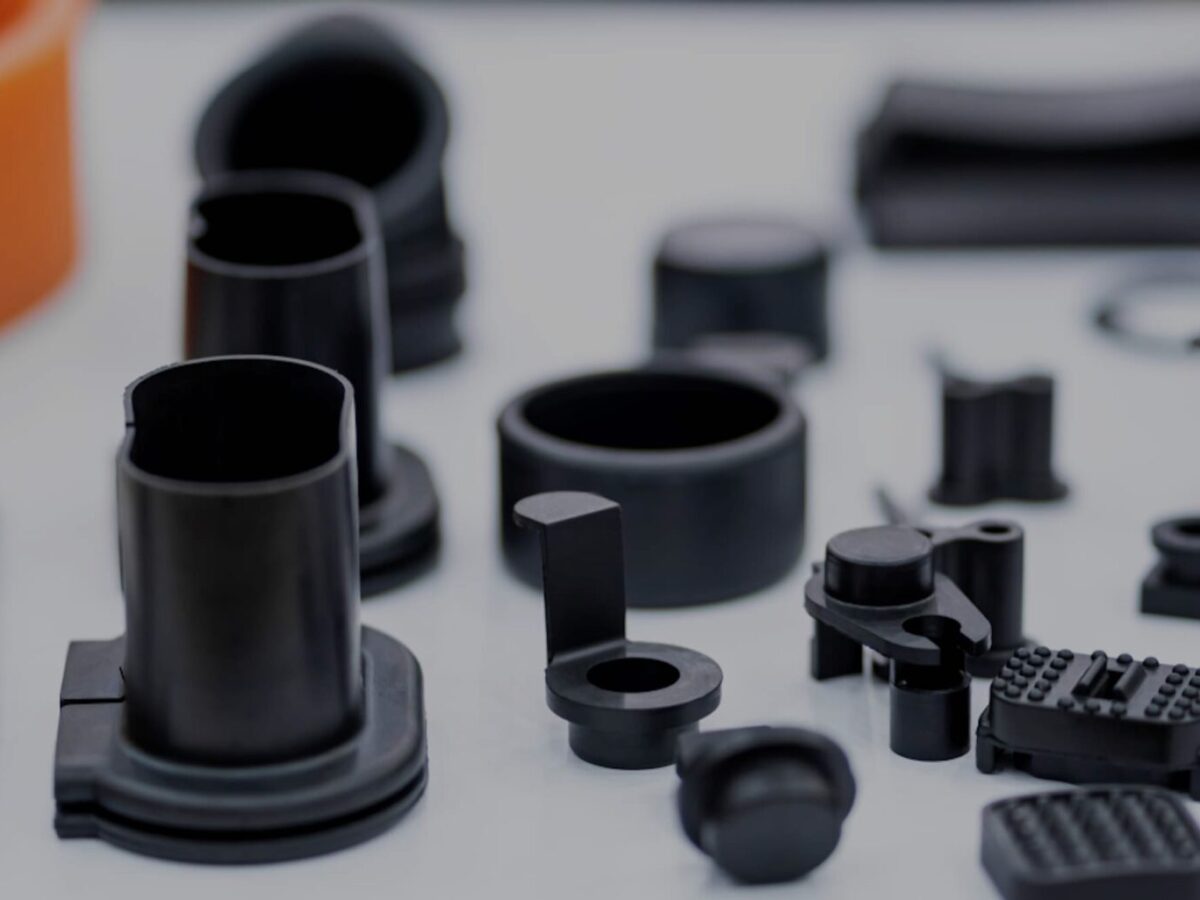
사출 성형 공정은 고정밀 부품 생산에 어떻게 기여합니까?
사출 성형 공정은 일관된 품질의 고정밀 부품을 생산하는 능력으로 널리 인정받고 있습니다. 사출 성형을 통해 달성되는 정밀도에는 여러 요인이 작용합니다.
1. 공구 및 금형 설계:
사출 금형의 설계 및 제작은 높은 정밀도를 달성하는 데 매우 중요한 역할을 합니다. 금형은 일반적으로 정밀 가공 기술을 사용하여 제작되므로 정확한 치수와 엄격한 공차를 보장합니다. 금형 설계 시에는 부품 수축, 냉각 채널, 게이트 위치, 배출 메커니즘 등의 요소를 고려하며, 이러한 모든 요소는 성형 공정 중 치수 정확도와 부품 안정성에 기여합니다.
2. 자재 관리:
사출 성형은 공정에 사용되는 재료를 정밀하게 제어할 수 있도록 해줍니다. 용융된 플라스틱 재료는 세심하게 측정 및 제어되어 일관된 재료 특성을 보장하고 성형 부품의 편차를 줄입니다. 용융 온도, 점도, 충진율과 같은 재료 매개변수에 대한 이러한 제어는 일관된 치수와 기계적 특성을 가진 고정밀 부품 생산에 기여합니다.
3. 주입 공정 제어:
사출 성형 공정은 고압으로 용융된 플라스틱을 금형 내부에 주입하는 방식입니다. 최첨단 사출 성형기는 사출 속도, 압력, 시간을 정밀하게 제어하는 시스템을 갖추고 있습니다. 이러한 제어 시스템은 금형에 정확하고 반복 가능한 주입을 보장하여 부품의 치수 및 표면 마감 편차를 최소화합니다. 이러한 매개변수를 정밀하게 조정하고 제어할 수 있는 능력은 고정밀 부품 생산에 기여합니다.
4. 냉각 및 응고:
사출 성형된 플라스틱 소재의 적절한 냉각 및 응고는 높은 정밀도를 달성하는 데 매우 중요합니다. 냉각 과정은 부품 전체에 걸쳐 균일한 냉각을 보장하고 뒤틀림이나 변형을 최소화하기 위해 세심하게 제어됩니다. 냉각 채널이나 컨포멀 냉각과 같은 금형 내 효율적인 냉각 시스템은 일정한 온도와 응고 속도를 유지하여 정밀한 부품 치수를 확보하고 내부 응력을 감소시키는 데 도움을 줍니다.
5. 자동화 및 로봇공학:
사출 성형 공정에 자동화 및 로봇 기술을 활용하면 정밀도와 반복성이 향상됩니다. 자동화 시스템은 금형, 인서트, 완제품을 일관되고 정확하게 처리하여 인적 오류와 편차를 줄여줍니다. 로봇은 부품 제거, 검사, 조립 등의 작업을 높은 정확도로 수행하여 생산 공정의 전반적인 정밀도를 높이는 데 기여합니다.
6. 공정 모니터링 및 품질 관리:
사출 성형 공정에는 종종 첨단 모니터링 및 품질 관리 시스템이 통합됩니다. 이러한 시스템은 온도, 압력, 사이클 시간과 같은 주요 공정 변수를 지속적으로 모니터링하고 분석하여 변동이나 편차를 감지합니다. 시스템에서 제공되는 실시간 피드백을 통해 조정 및 시정 조치를 취할 수 있으며, 이를 통해 생산이 원하는 허용 오차 및 품질 기준을 충족하도록 보장합니다.
7. 후처리 및 마무리:
사출 성형 공정 후, 트리밍, 디버링, 표면 처리와 같은 후처리 및 마감 기술을 통해 부품의 정밀도와 미관을 더욱 향상시킬 수 있습니다. 이러한 공정은 불완전한 부분이나 과도한 재료를 제거하여 최종 부품이 지정된 치수 및 외관 요구 사항을 충족하도록 합니다.
정밀한 금형 설계, 재료 관리, 사출 공정 제어, 냉각 및 응고 기술, 자동화 및 로봇 기술, 공정 모니터링, 후처리 등이 종합적으로 결합되어 사출 성형 공정을 통해 고정밀 부품을 생산할 수 있습니다. 엄격한 공차, 정확한 치수, 우수한 표면 조도를 일관되게 구현할 수 있는 사출 성형은 높은 정밀도가 요구되는 분야에 적합한 공정입니다.
사출 성형 부품은 제품 및 장비의 전반적인 효율성과 기능성을 어떻게 향상시키는가?
사출 성형 부품은 제품 및 장비의 전반적인 효율성과 기능성을 향상시키는 데 중요한 역할을 합니다. 다양한 산업 분야에서 선호되는 여러 장점을 제공하기 때문입니다. 사출 성형 부품이 효율성과 기능성 향상에 어떻게 기여하는지 자세히 살펴보겠습니다.
1. 디자인 유연성:
사출 성형은 특정 요구 사항에 맞춰 정교하고 복잡한 부품 설계를 가능하게 합니다. 이러한 설계 유연성 덕분에 언더컷, 나사산, 힌지, 스냅핏 등 다양한 기능을 하나의 성형 부품에 통합할 수 있습니다. 이러한 다용성은 제품이나 장비의 기능성을 향상시키고, 의도된 용도에 정확하게 맞는 부품을 제작할 수 있도록 해줍니다.
2. 높은 정밀도와 재현성:
사출 성형은 탁월한 치수 정확도와 반복성을 제공하여 생산 전반에 걸쳐 일관된 부품 품질을 보장합니다. 정밀 금형과 첨단 성형 기술을 통해 엄격한 공차와 복잡한 형상의 부품을 생산할 수 있습니다. 이러한 높은 정밀도와 재현성은 성형 부품의 정확한 맞춤, 정렬 및 기능성을 보장함으로써 제품과 장비의 효율성을 향상시킵니다.
3. 비용 효율적인 대량 생산:
사출 성형은 대량 생산에 매우 효율적이고 비용 효율적인 방법입니다. 금형이 제작되면 사출 성형 공정을 통해 짧은 사이클 타임 내에 동일한 부품을 대량으로 신속하게 생산할 수 있습니다. 대량 생산 능력은 제조 공정을 간소화하고 인건비를 절감하며 일관된 부품 품질을 보장합니다. 이러한 비용 효율성은 전반적인 효율성을 높여 저렴한 제품 및 장비 생산을 가능하게 합니다.
4. 재료 선택:
사출 성형은 엔지니어링 열가소성 수지, 엘라스토머, 심지어 특정 금속 합금에 이르기까지 다양한 소재를 사용할 수 있도록 해줍니다. 다양한 특성을 가진 소재 중에서 선택할 수 있다는 점은 제조업체가 각 특정 용도에 가장 적합한 소재를 고를 수 있게 해줍니다. 올바른 소재 선택은 최적의 성능에 필요한 기계적, 열적, 화학적 특성을 제공함으로써 제품이나 장비의 기능을 향상시킵니다.
5. 구조적 안정성 및 내구성:
사출 성형 부품은 뛰어난 구조적 안정성과 내구성으로 잘 알려져 있습니다. 성형 공정은 재료의 균일한 분포를 보장하여 일관된 강도와 신뢰성을 지닌 부품을 생산합니다. 이음매나 접합부와 같은 취약 부위를 제거함으로써 제품 또는 장비의 전반적인 구조적 안정성을 향상시킵니다. 또한 사출 성형 부품은 충격, 마모 및 환경 요인에 대한 저항력이 뛰어나 까다로운 환경에서도 오랫동안 기능을 유지합니다.
6. 기능 통합:
사출 성형은 여러 기능을 하나의 부품에 통합할 수 있도록 해줍니다. 이를 통해 조립이나 추가 부품이 필요 없어 제조 공정이 간소화되고 생산 시간과 비용이 절감됩니다. 경첩, 패스너, 장착 지점과 같은 기능을 통합하면 편리하고 효율적인 솔루션을 제공하여 제품이나 장비의 전반적인 효율성과 기능성을 향상시킬 수 있습니다.
7. 경량 설계:
사출 성형 부품은 강도나 내구성을 저하시키지 않으면서 경량 소재로 제조할 수 있습니다. 이는 자동차, 항공우주, 가전제품과 같이 경량화가 중요한 산업에서 특히 유리합니다. 경량 사출 성형 부품을 사용하면 에너지 효율이 향상되고 재료비가 절감되며 제품 및 장비의 전반적인 성능과 효율성이 향상됩니다.
8. 균일한 표면 마감:
사출 성형은 일관되고 고품질의 표면 마감을 가진 부품을 생산합니다. 광택 또는 질감이 있는 금형을 사용하면 추가적인 후가공 작업 없이도 성형 부품의 표면이 매끄럽고 미려하게 유지됩니다. 이러한 일관된 표면 마감은 제품이나 장비의 전반적인 기능성과 시각적 매력을 향상시켜 사용자 경험을 개선하는 데 기여합니다.
9. 맞춤 설정 및 브랜딩:
사출 성형은 로고, 라벨, 표면 질감 등을 성형 부품에 직접 새겨 넣는 등 맞춤 제작 및 브랜딩 옵션을 제공합니다. 이러한 맞춤 제작은 고유한 정체성을 부여하고 브랜드 인지도를 강화함으로써 제품 및 장비의 기능성과 시장성을 향상시킵니다.
전반적으로 사출 성형 부품은 제품 및 장비의 효율성과 기능성을 향상시키는 수많은 장점을 제공합니다. 설계 유연성, 정밀성, 비용 효율성, 재료 선택, 구조적 안정성, 경량 설계 및 맞춤 제작 가능성 덕분에 다양한 산업 분야에서 선호되는 선택입니다.
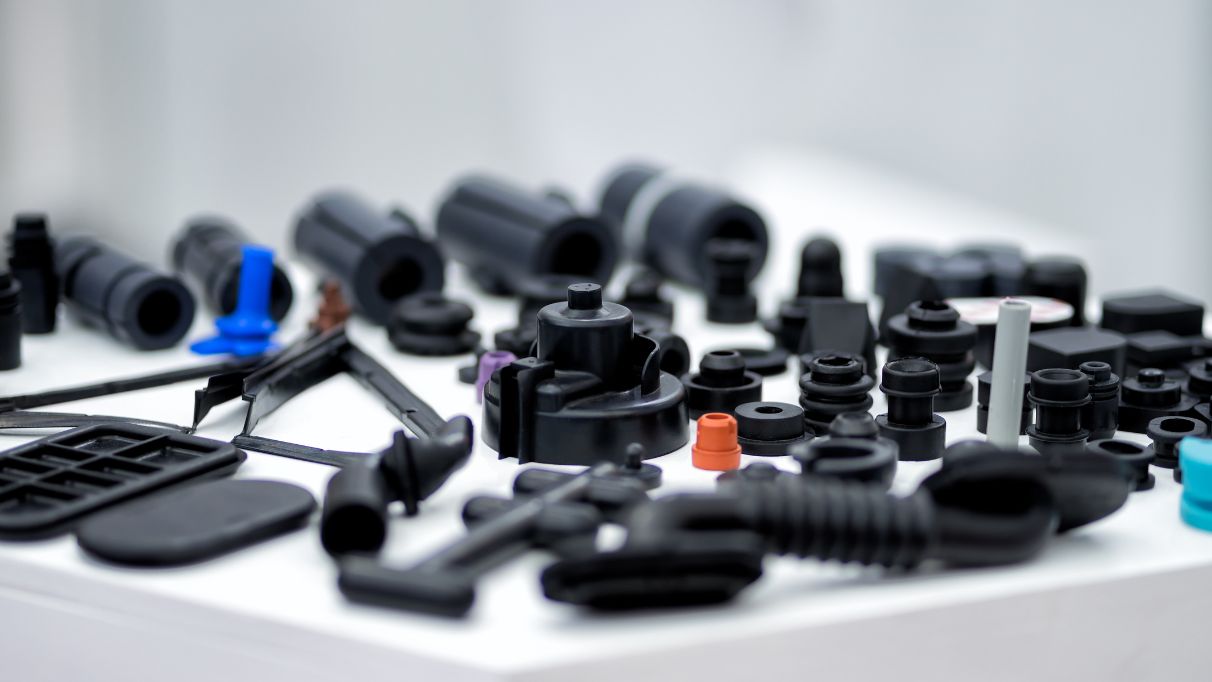
Can you describe the range of materials that can be used for injection molding?
Injection molding offers a wide range of materials that can be used to produce parts with diverse properties and characteristics. The choice of material depends on the specific requirements of the application, including mechanical properties, chemical resistance, thermal stability, transparency, and cost. Here’s a description of the range of materials commonly used for injection molding:
1. Thermoplastics:
Thermoplastics are the most commonly used materials in injection molding due to their versatility, ease of processing, and recyclability. Some commonly used thermoplastics include:
- Polypropylene (PP): PP is a lightweight and flexible thermoplastic with excellent chemical resistance and low cost. It is widely used in automotive parts, packaging, consumer products, and medical devices.
- Polyethylene (PE): PE is a versatile thermoplastic with excellent impact strength and chemical resistance. It is used in various applications, including packaging, pipes, automotive components, and toys.
- Polystyrene (PS): PS is a rigid and transparent thermoplastic with good dimensional stability. It is commonly used in packaging, consumer goods, and disposable products.
- Polycarbonate (PC): PC is a transparent and impact-resistant thermoplastic with high heat resistance. It finds applications in automotive parts, electronic components, and optical lenses.
- Acrylonitrile Butadiene Styrene (ABS): ABS is a versatile thermoplastic with a good balance of strength, impact resistance, and heat resistance. It is commonly used in automotive parts, electronic enclosures, and consumer products.
- Polyvinyl Chloride (PVC): PVC is a durable and flame-resistant thermoplastic with good chemical resistance. It is used in a wide range of applications, including construction, electrical insulation, and medical tubing.
- Polyethylene Terephthalate (PET): PET is a strong and lightweight thermoplastic with excellent clarity and barrier properties. It is commonly used in packaging, beverage bottles, and textile fibers.
2. Engineering Plastics:
Engineering plastics offer enhanced mechanical properties, heat resistance, and dimensional stability compared to commodity thermoplastics. Some commonly used engineering plastics in injection molding include:
- Polyamide (PA/Nylon): Nylon is a strong and durable engineering plastic with excellent wear resistance and low friction properties. It is used in automotive components, electrical connectors, and industrial applications.
- Polycarbonate (PC): PC, mentioned earlier, is also considered an engineering plastic due to its exceptional impact resistance and high-temperature performance.
- Polyoxymethylene (POM/Acetal): POM is a high-strength engineering plastic with low friction and excellent dimensional stability. It finds applications in gears, bearings, and precision mechanical components.
- Polyphenylene Sulfide (PPS): PPS is a high-performance engineering plastic with excellent chemical resistance and thermal stability. It is used in electrical and electronic components, automotive parts, and industrial applications.
- Polyetheretherketone (PEEK): PEEK is a high-performance engineering plastic with exceptional heat resistance, chemical resistance, and mechanical properties. It is commonly used in aerospace, medical, and industrial applications.
3. Thermosetting Plastics:
Thermosetting plastics undergo a chemical crosslinking process during molding, resulting in a rigid and heat-resistant material. Some commonly used thermosetting plastics in injection molding include:
- Epoxy: Epoxy resins offer excellent chemical resistance and mechanical properties. They are commonly used in electrical components, adhesives, and coatings.
- Phenolic: Phenolic resins are known for their excellent heat resistance and electrical insulation properties. They find applications in electrical switches, automotive parts, and consumer goods.
- Urea-formaldehyde (UF) and Melamine-formaldehyde (MF): UF and MF resins are used for molding electrical components, kitchenware, and decorative laminates.
4. Elastomers:
Elastomers, also known as rubber-like materials, are used to produce flexible and elastic parts. They provide excellent resilience, durability, and sealing properties. Some commonly used elastomers in injection molding include:
- Thermoplastic Elastomers (TPE): TPEs are a class of materials that combine the characteristics of rubber and plastic. They offer flexibility, good compression set, and ease of processing. TPEs find applications in automotive components, consumer products, and medical devices.
- Silicone: Silicone elastomers provide excellent heat resistance, electrical insulation, and biocompatibility. They are commonly used in medical devices, automotive seals, and household products.
- Styrene Butadiene Rubber (SBR): SBR is a synthetic elastomer with good abrasion resistance and low-temperature flexibility. It is used in tires, gaskets, and conveyor belts.
- Ethylene Propylene Diene Monomer (EPDM): EPDM is a durable elastomer with excellent weather resistance and chemical resistance. It finds applications in automotive seals, weatherstripping, and roofing membranes.
5. Composites:
Injection molding can also be used to produce parts made of composite materials, which combine two or more different types of materials to achieve specific properties. Commonly used composite materials in injection molding include:
- Glass-Fiber Reinforced Plastics (GFRP): GFRP combines glass fibers with thermoplastics or thermosetting resins to enhance mechanical strength, stiffness, and dimensional stability. It is used in automotive components, electrical enclosures, and sporting goods.
- Carbon-Fiber Reinforced Plastics (CFRP): CFRP combines carbon fibers with thermosetting resins to produce parts with exceptional strength, stiffness, and lightweight properties. It is commonly used in aerospace, automotive, and high-performance sports equipment.
- Metal-Filled Plastics: Metal-filled plastics incorporate metal particles or fibers into thermoplastics to achieve properties such as conductivity, electromagnetic shielding, or enhanced weight and feel. They are used in electrical connectors, automotive components, and consumer electronics.
These are just a few examples of the materials used in injection molding. There are numerous other specialized materials available, each with its own unique properties, such as flame retardancy, low friction, chemical resistance, or specific certifications for medical or food-contact applications. The selection of the material depends on the desired performance, cost considerations, and regulatory requirements of the specific application.


CX 편집, 2024년 2월 12일