
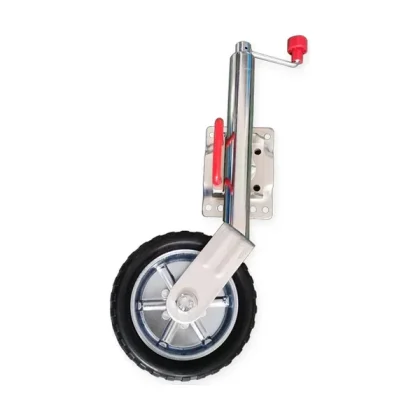
가이드휠
10인치 트레일러 가이드 휠 어셈블리
공칭 휠 사이즈10인치제품 유형트레일러 가이드/지지 휠 어셈블리
B2B 장비 또는 트레일러 지원 프로젝트에 사용되는 10인치 트레일러 가이드 휠 어셈블리입니다. 장착 제어 인터페이스, 용도 등을 명시하십시오.
보기 구성 →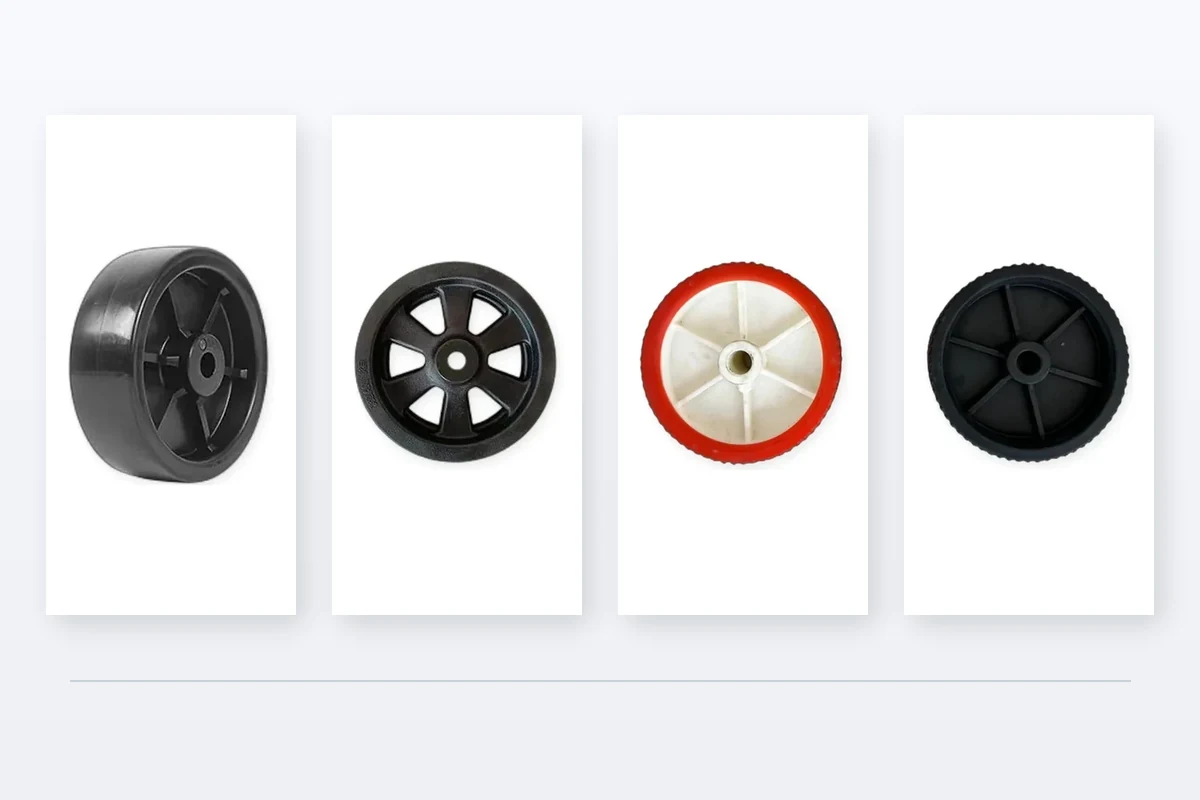
카탈로그는 기능과 재질별로 정리되어 있어 구매자는 개별 제품을 비교하기 전에 관련 기술 질문에 대한 답을 찾을 수 있습니다. 현재 카탈로그에는 나일론 및 폴리프로필렌 휠, 트레일러 가이드/조키 휠, 제동식 지지대 어셈블리 및 이중 바퀴 장치가 포함되어 있습니다.
교체 시에는 측정부터 시작하고, 신규 설계 시에는 하중, 바닥/지면 및 설치 공간부터 시작하십시오.
자재 취급, 장비 및 교체 프로젝트에 적합한 루즈휠 제품군입니다.
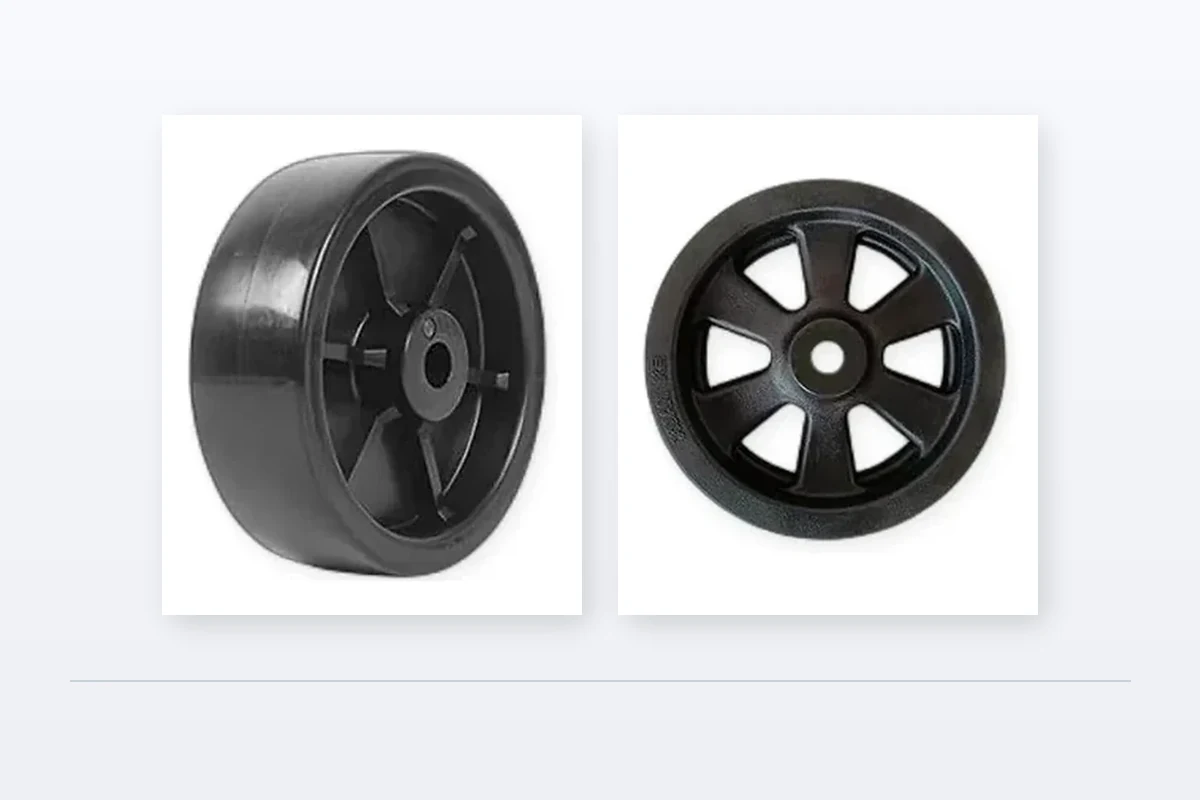
현재의 나일론 휠 구성으로 대표되는 경질 열가소성 휠.
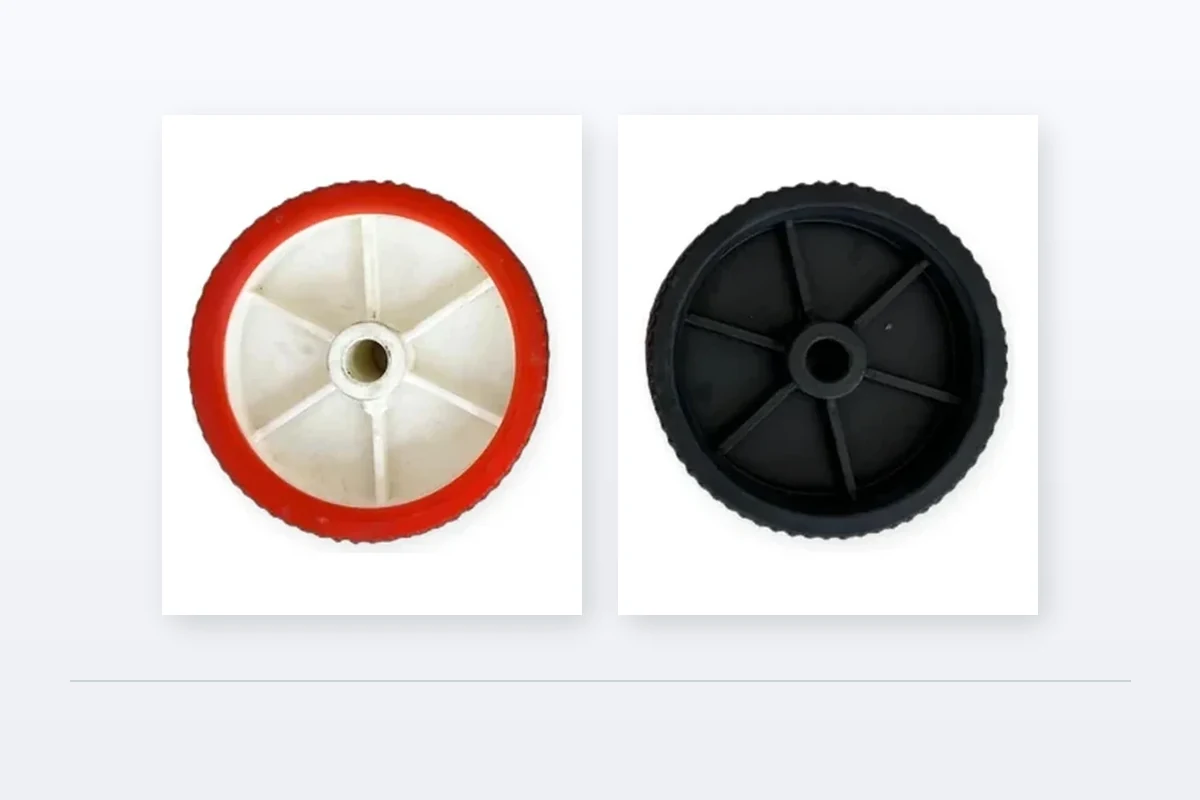
장비 이동성 및 교체 프로젝트를 위한 PP 휠 구성.
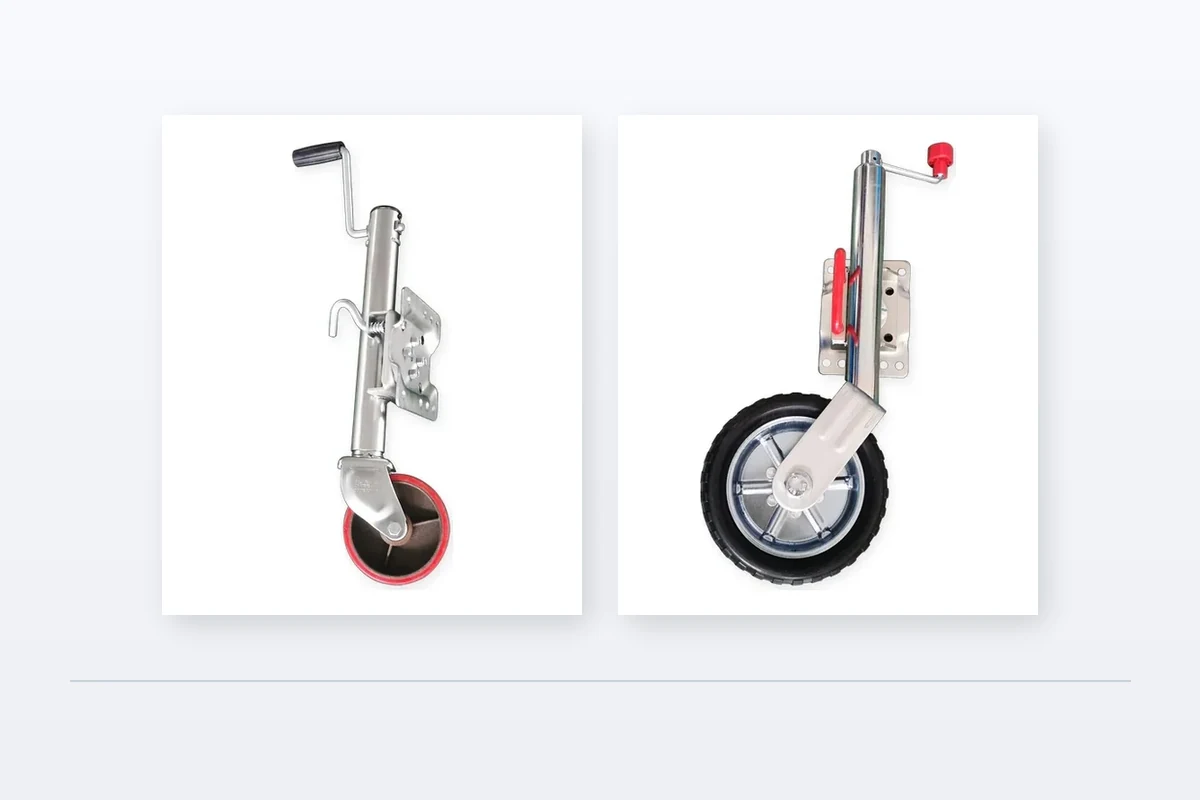
트레일러 및 이동 장비 지지대용 가이드 휠 어셈블리.
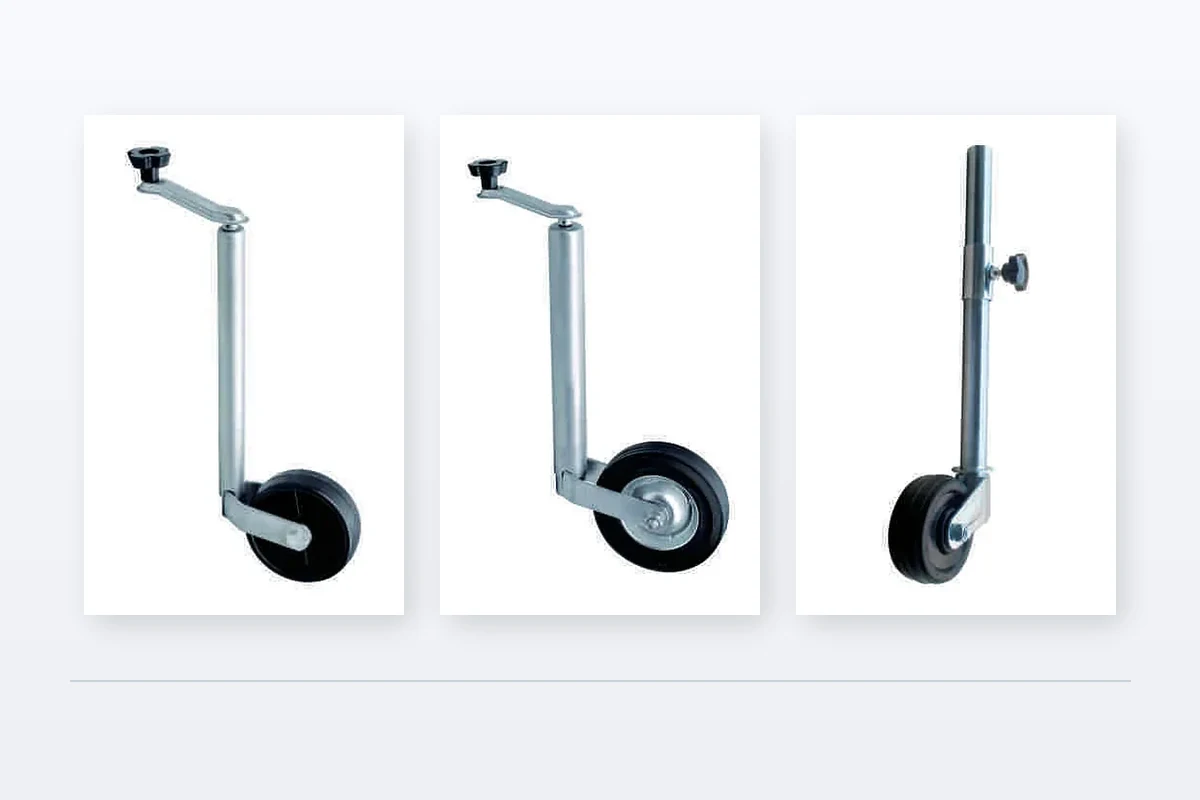
트레일러 핸들링을 위한 단일, 제동식 및 이중 휠 조키 어셈블리.
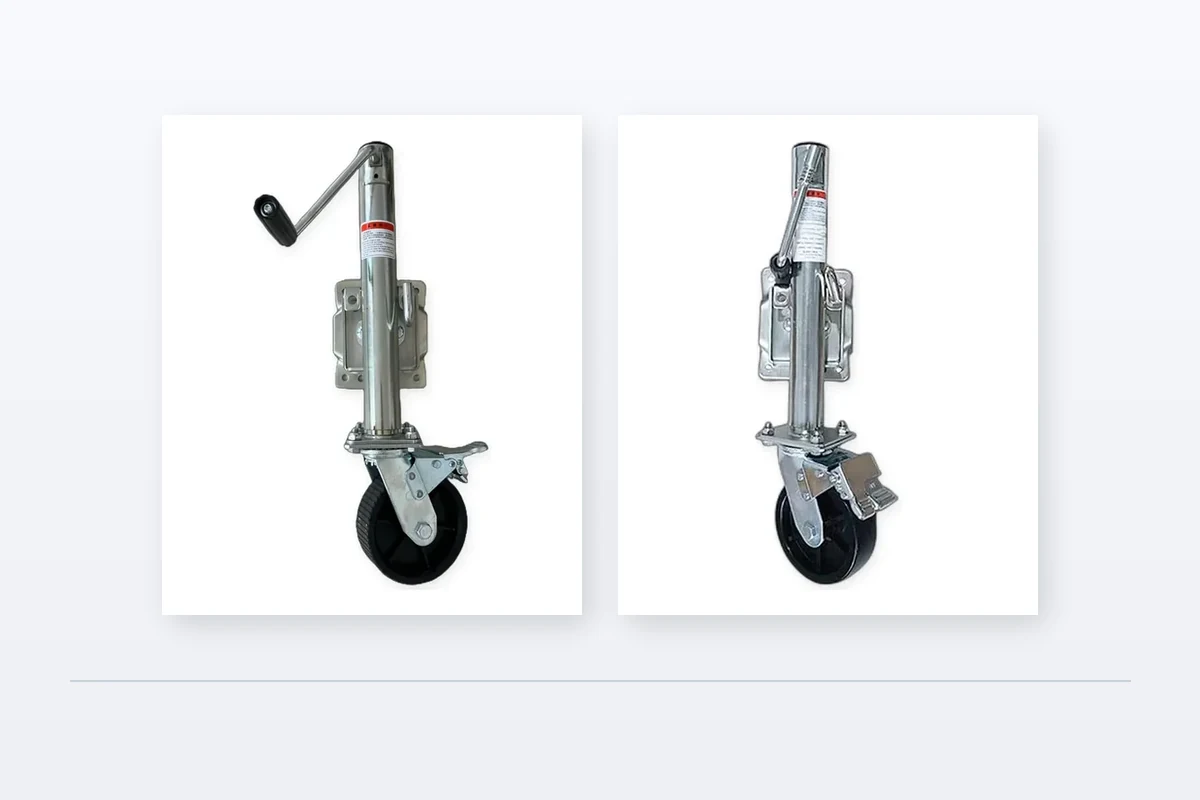
제동 가능한 나일론 및 PP 재질의 보조 바퀴 구성.
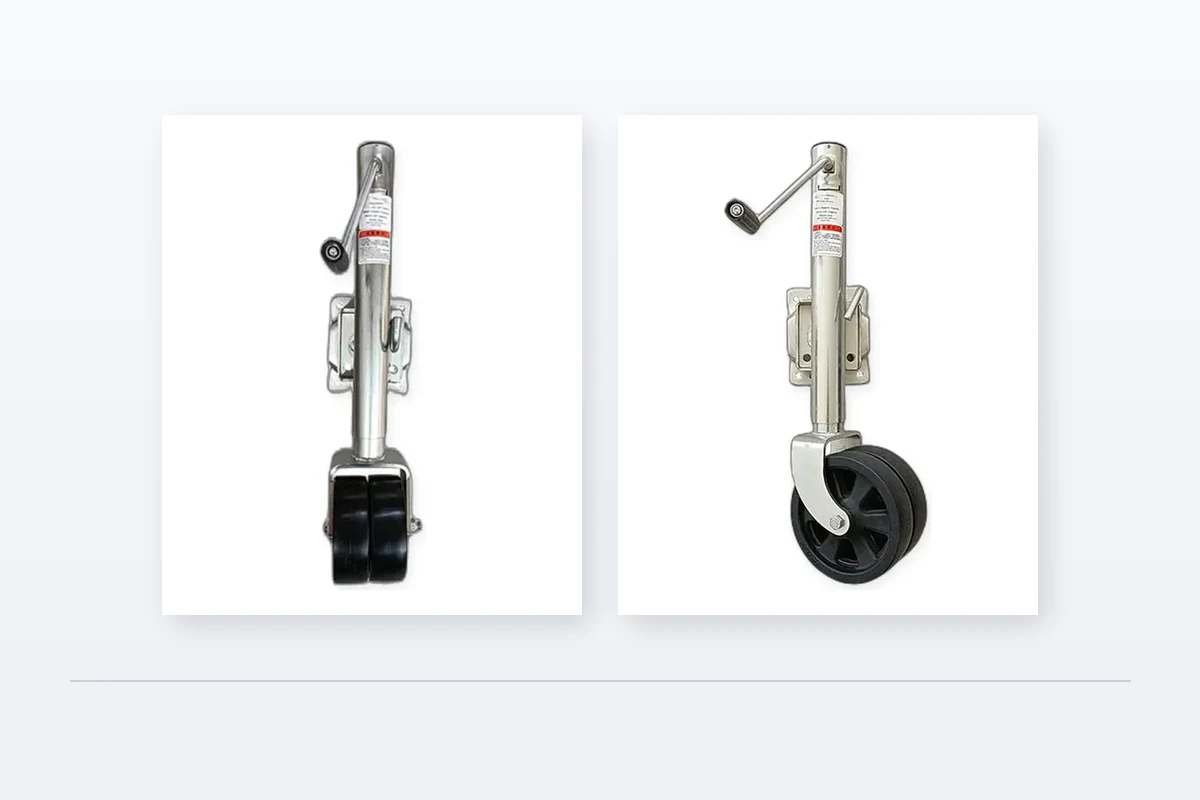
조키잭 및 교체용 트윈휠 지지 장치.
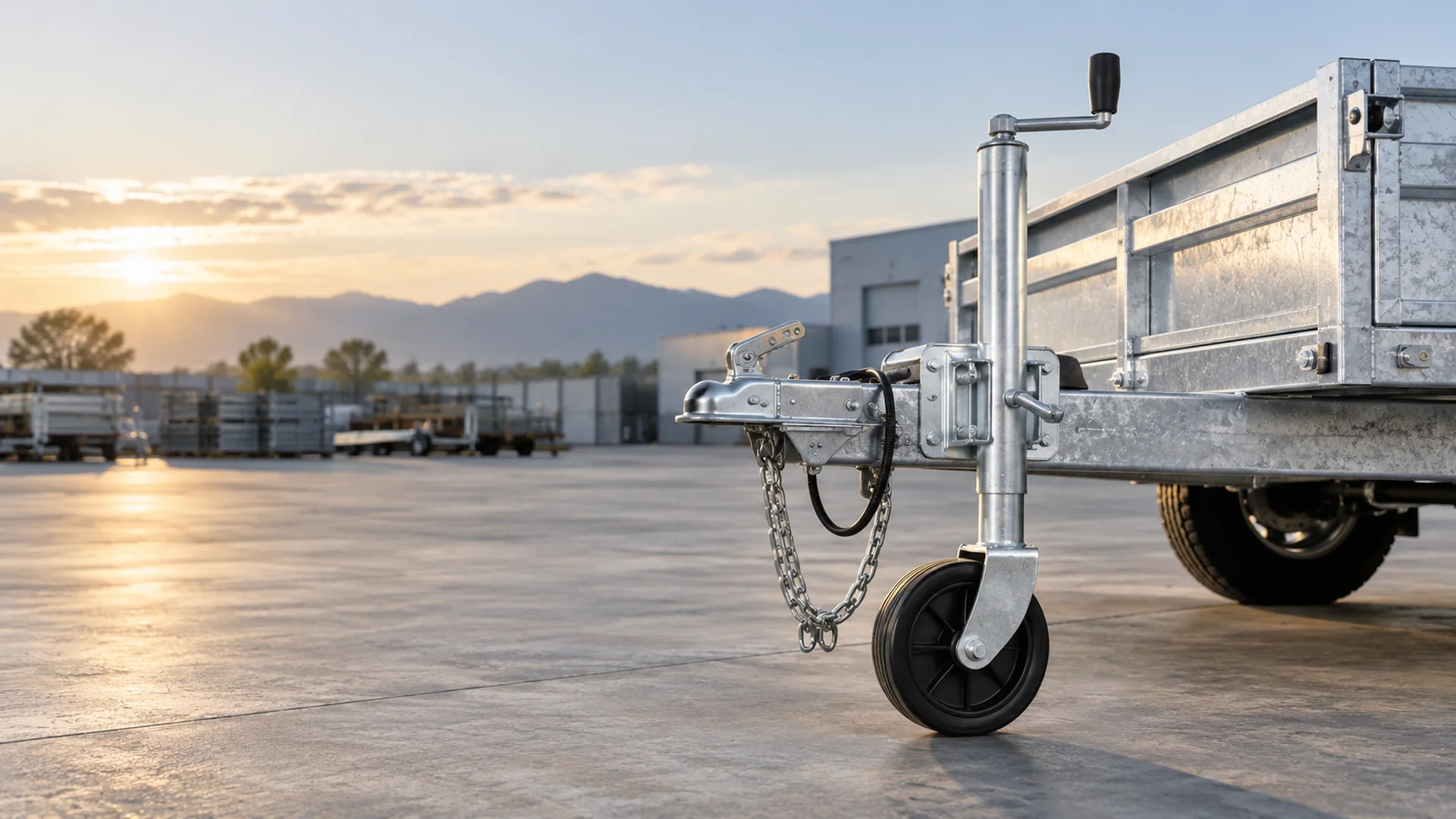
인터페이스, 지면 및 작업 조건에 따라 지지 바퀴 구성이 선택됩니다.
산업 구매자에게 있어 산업용 플라스틱 휠은 단순히 라벨 하나만으로 선택할 문제가 아닙니다. 중요한 질문은 휠 전체의 내부 구조, 장착 방식, 그리고 사용 주기 결정에 있어 해당 소재가 어떻게 작용하는지입니다.
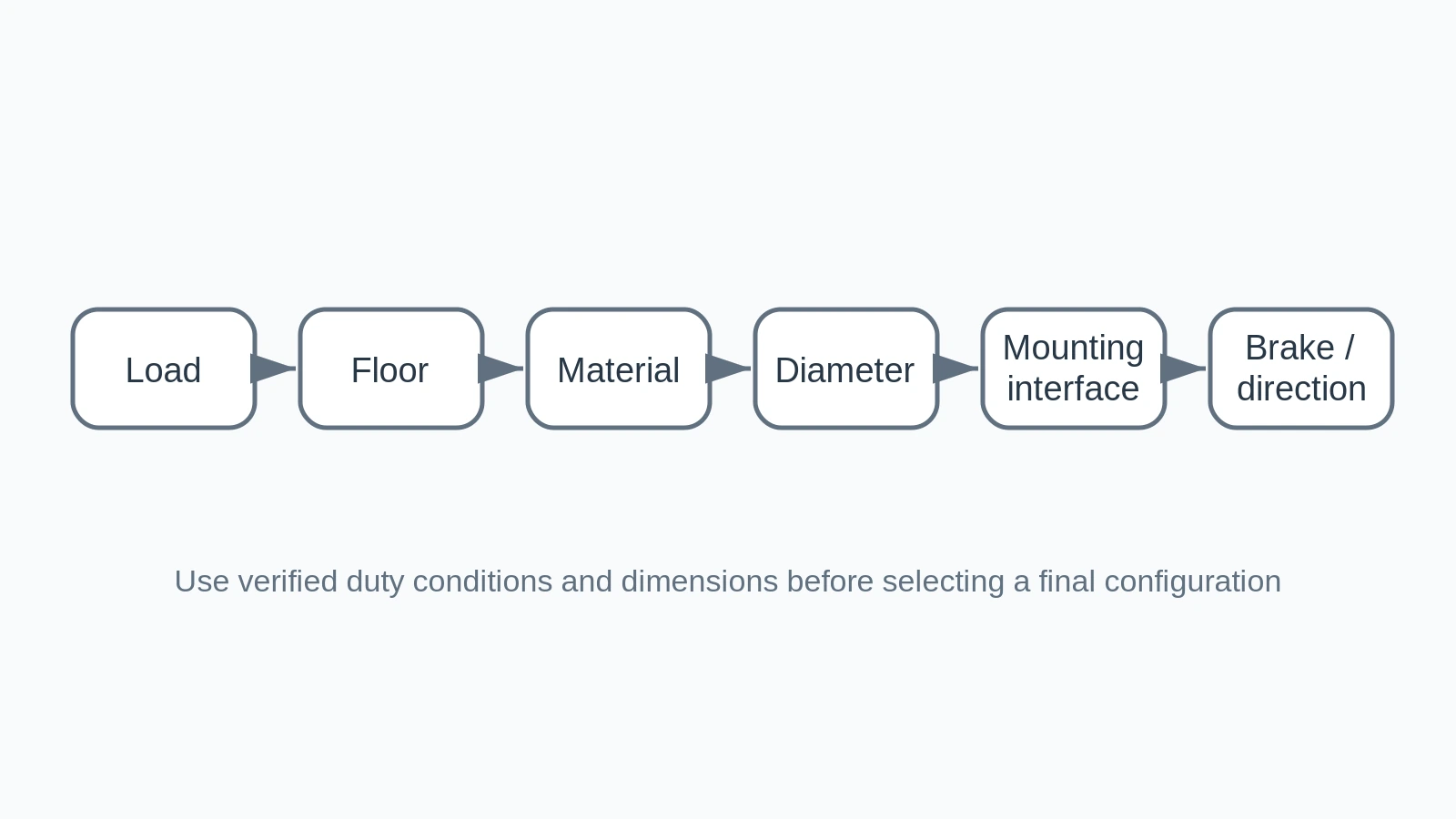
자재 운반, 장비 받침대 및 트레일러 지지대와 관련하여, 먼저 하중, 바닥 및 장착 치수를 확인하는 것이 중요합니다. 이는 제품명만 비교하는 것보다 훨씬 유용한데, 외관상 유사해 보이는 두 바퀴라도 장착, 바닥 상태 및 실제 하중 분포를 고려하면 작동 방식이 다를 수 있기 때문입니다.
이는 흔히 발생하는 소싱 오류, 즉 외관만 보고 선택하는 실수를 방지합니다. 단순히 제품명만으로는 차축, 브래킷 또는 하중 호환성을 판단할 수 없습니다. 문의 시 하중, 휠 크기, 인터페이스, 사용 환경, 수량 및 도면/사진을 기록하여 기술적으로 의미 있는 기준점을 바탕으로 상업적 논의를 시작할 수 있도록 하십시오.
B2B 장비 또는 트레일러 지원 프로젝트에 사용되는 10인치 트레일러 가이드 휠 어셈블리입니다. 장착 제어 인터페이스, 용도 등을 명시하십시오.
보기 구성 →
B2B 장비 또는 트레일러 지원 프로젝트에 사용되는 150mm/6인치 검정색 폴리프로필렌 휠입니다. 장착 제어 사양을 지정하십시오…
보기 구성 →
B2B 장비 또는 트레일러 지지대 프로젝트에 사용되는 150mm/6인치 나일론 휠. 장착 제어 인터페이스를 지정하십시오.
보기 구성 →
B2B 장비 또는 트레일러 지원 프로젝트에 적합한 150mm/6인치 적색 및 백색 PP 휠. 사양을 명시해 주십시오…
보기 구성 →
1BJY-326 6인치 PVC 조키 휠은 B2B 장비 또는 트레일러 지원 프로젝트에 사용됩니다. 장착 제어 인터페이스, 용도 등을 명시하십시오.
보기 구성 →
1BJY-327 8인치 철제 조키 휠은 B2B 장비 또는 트레일러 지원 프로젝트에 사용됩니다. 장착 제어 인터페이스, 용도 등을 명시하십시오.
보기 구성 →
1BJY-328 6인치 PVC 조키 휠은 B2B 장비 또는 트레일러 지원 프로젝트에 사용됩니다. 장착 제어 인터페이스, 용도 등을 명시하십시오.
보기 구성 →
1BJY-JW-01 B2B 장비 또는 트레일러 지원 프로젝트용 단일 잭 교체 휠. 적합성 제어 인터페이스, 용도 및…
보기 구성 →
1BJY-JW-04 B2B 장비 또는 트레일러 지원 프로젝트용 이중 잭 교체 휠. 장착 제어 인터페이스, 용도 및… 사양을 지정하십시오.
보기 구성 →
B2B 장비 또는 트레일러 지지대 프로젝트에 사용되는 200mm/8인치 나일론 휠. 장착 제어 인터페이스를 지정하십시오.
보기 구성 →
B2B 장비 또는 트레일러 지원 프로젝트에 사용되는 6인치 나일론 브레이크 장착형 조키 휠 어셈블리입니다. 장착 제어 인터페이스를 지정하십시오.
보기 구성 →
B2B 장비 또는 트레일러 지원 프로젝트에 사용되는 6인치 PP 제동식 조키 휠 어셈블리입니다. 장착 제어 인터페이스를 지정하십시오.
보기 구성 →
B2B 장비 또는 트레일러 지원 프로젝트에 사용되는 6인치 트레일러 가이드 휠 어셈블리입니다. 장착 제어 인터페이스, 용도 등을 명시하십시오.
보기 구성 →
B2B 장비 또는 트레일러 지지 프로젝트에 적합한 6인치 트윈 휠 1500lb 조키잭입니다. 장착 제어 사양을 지정하십시오…
보기 구성 →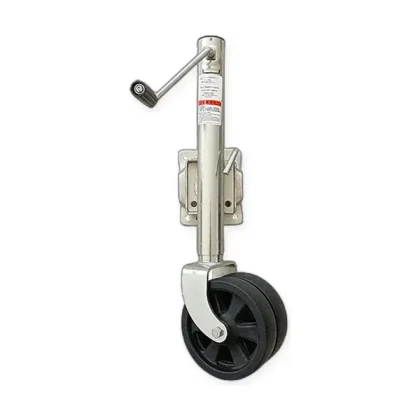
B2B 장비 또는 트레일러 지지 프로젝트에 적합한 8인치 트윈 휠 2000lb 조키잭입니다. 장착 제어 사양을 지정하십시오…
보기 구성 →
JW1602 1000lb 6인치 솔리드 휠 잭은 B2B 장비 또는 트레일러 지지 프로젝트에 적합합니다. 장착 제어 사양을 지정하십시오…
보기 구성 →
JW1605 1500lb 6인치 더블 솔리드 휠 잭은 B2B 장비 또는 트레일러 지지 프로젝트에 적합합니다. 사양을 명시하십시오…
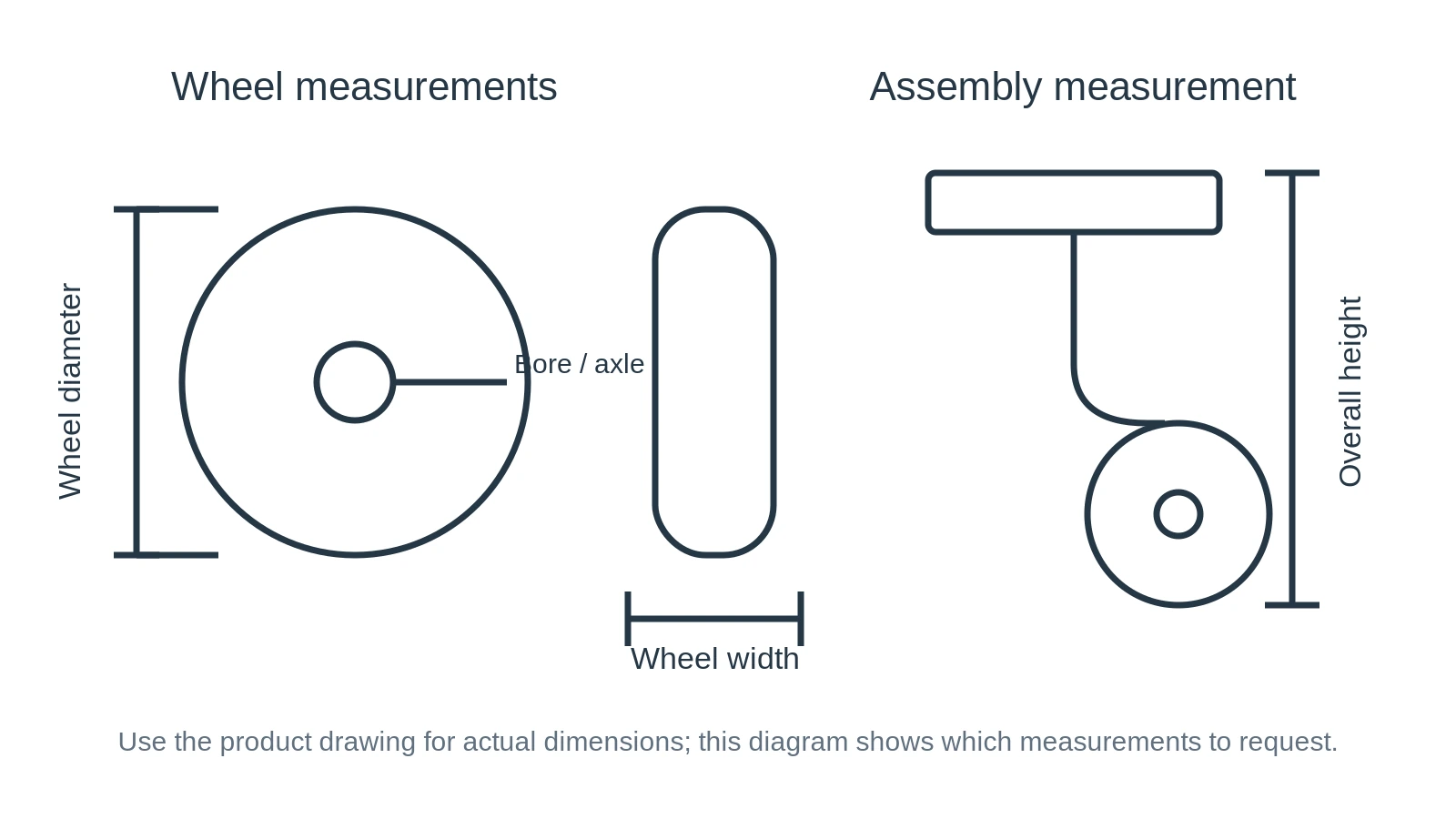
보기 구성 →이 제품군에서 적합한 제품을 선별하는 가장 확실한 방법은 모든 후보를 동일한 적용 분야 설명과 비교하는 것입니다. 카탈로그 이름이나 사진을 비교하기 전에 휠 직경, 너비, 재질, 내경 또는 베어링 배열, 허브 길이 및 지지점당 실제 하중을 기록하십시오. 이렇게 하면 특정 기능에 현혹되지 않고 장비에 맞는 제품을 선택할 수 있습니다. 산업용 플라스틱 휠 및 지지대 어셈블리의 경우, 이 기준을 활용하여 제품군 내에서 선택 범위를 좁힌 후 개별 구성이 장비에 적합한지 검토하십시오.
교체 작업 시에는 바닥 상태, 이음매 또는 문턱, 차축 고정 장치, 브래킷 또는 프레임 내부의 측면 여유 공간 등을 고려해야 합니다. 기존 부품이 마모, 변형 또는 수리된 경우, 더 이상 의도된 형상을 나타내지 않을 수 있는 치수를 확인해야 합니다. 눈에 보이는 마모를 설계 기준으로 삼는 것보다 실측 도면이나 치수가 표시된 사진을 활용하는 것이 더 유용합니다. 산업용 플라스틱 휠 및 지지대 어셈블리의 경우, 이 점을 활용하여 개별 구성이 장비에 적합한지 검토하기 전에 제품군 내에서 선택 범위를 좁혀야 합니다.
여러 구성을 비교할 때는 필수 값과 선택적 선호 사항을 별도의 열에 유지하십시오. 적합성을 결정하는 수치가 없는 경우, 다른 크기 또는 시리즈의 값을 가져오는 대신 견적 요청서(RFQ)에서 확인 항목으로 남겨 두십시오. 산업용 플라스틱 휠 및 지지대 어셈블리의 경우, 이 항목을 활용하여 개별 구성을 장비에 적합한 것으로 판단하기 전에 제품군 수준에서 선택 범위를 좁히십시오.
산업용 플라스틱 휠 및 지지대 어셈블리 페이지를 활용하여 재질 및 형상 범위를 좁힌 후 개별 구성을 비교하십시오. 휠 단품의 경우, 최종 선택은 장비 측 차축 또는 베어링 인터페이스, 허브 공간 및 설치 경로에 따라 달라집니다. 동일한 하중 조건과 연결부, 경사로, 파편 및 조작에 대한 동일한 가정을 바탕으로 후보 제품들을 비교하십시오. 특정 구성에 대해 재질 특성, 베어링 배열 또는 하중 등급이 표시되지 않은 경우, 제품군 설명을 모든 휠에 대한 사양으로 간주하지 말고 견적 요청(RFQ) 시 확인 사항으로 활용하십시오.
제품 허브에서는 분리형 바퀴, 가이드 바퀴, 조키 또는 지지대 어셈블리를 의도적으로 구분하여 관리합니다. 각 구성 요소는 서로 다른 인터페이스 문제를 해결하기 때문입니다. 먼저 장비에 맞는 구성 요소 유형을 선택한 다음, 제품군 페이지를 사용하여 치수, 재질 및 작동 환경을 비교하십시오. 이렇게 하면 바퀴만 교체하는 것을 캐스터 또는 잭 어셈블리 전체와 호환되는 것으로 간주하는 것을 방지할 수 있습니다. 현재 구성에서 필요한 적합성 제어 값을 찾을 수 없는 경우, 해당 값을 문의에 포함하여 제품 선택 전에 확인할 수 있도록 하십시오.
사용하세요 선택 가이드, 애플리케이션 페이지또는 견적 요청 체크리스트.
아니요. 현재 사이트에는 분리 가능한 플라스틱 바퀴와 트레일러 지지대/조키 어셈블리, 그리고 캐스터 인터페이스 가이드가 포함되어 있습니다.
아니요. 색상은 신뢰할 수 있는 재질 사양이 아닙니다.
현재 구성 치수만 표시됩니다. 누락된 적합성 필수 값은 확인해야 합니다.
혼합 모델 B2B 주문은 검토가 가능하며, 각 모델과 수량을 별도로 관리해야 합니다.
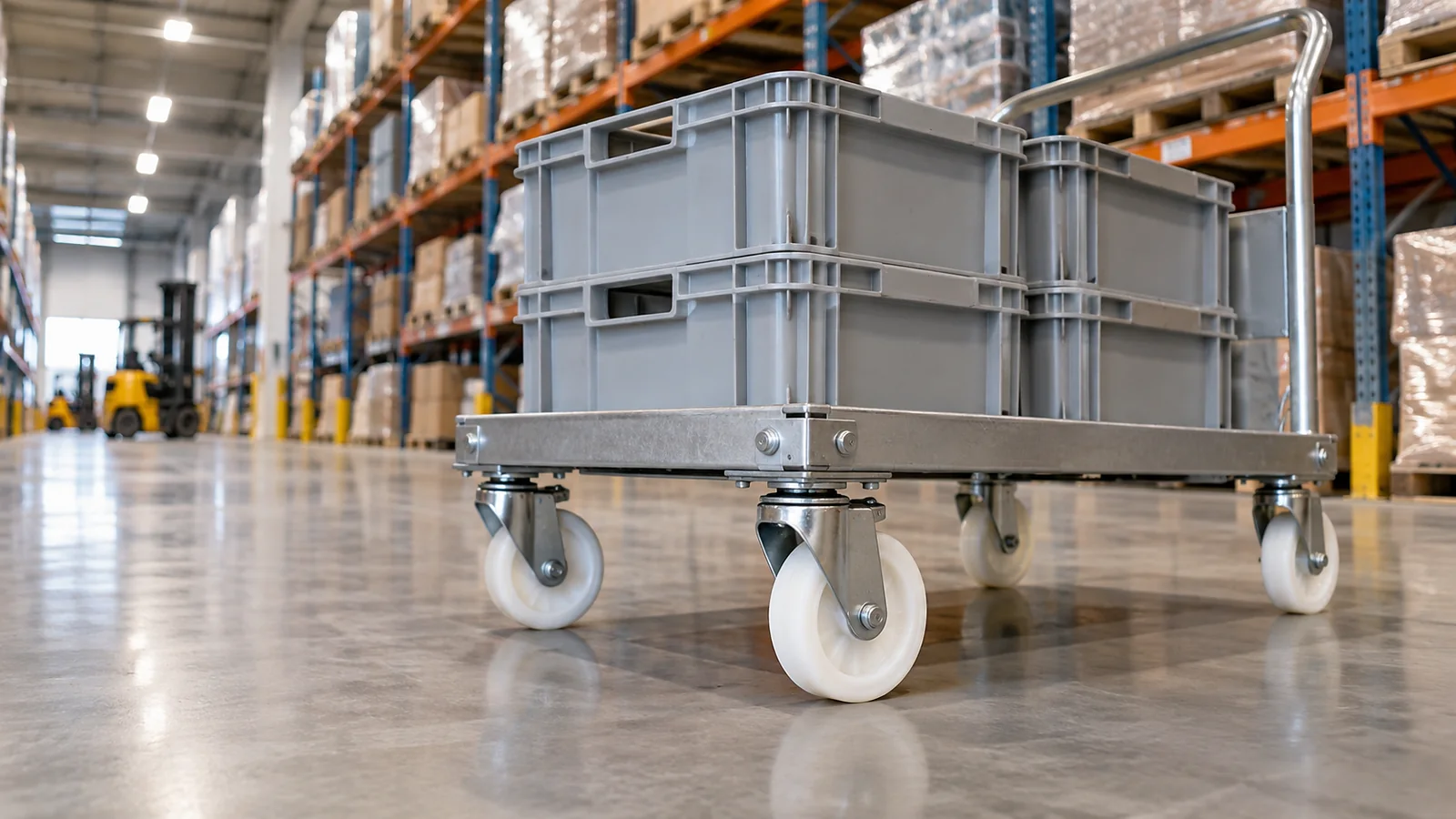
자재 운반 카트, 기계 받침대 및 트레일러 조키 휠은 바퀴 직경이 겹치더라도 각각 다른 요구 사항을 갖습니다. 실내 카트는 반복적인 이동, 조향 및 문턱 통과에 중점을 두어야 할 수 있으며, 장비 받침대는 설치 높이 및 서비스 접근성에 제약을 받을 수 있습니다. 또한 트레일러 지지대는 견인봉 또는 클램프에 맞아야 하고 예상되는 실외 표면에서 작동해야 합니다.
제품군 다음으로 애플리케이션 페이지를 두 번째 필터로 활용하세요. 목표는 카탈로그 페이지를 늘리는 것이 아니라, 구매자가 견적 요청 전에 확인해야 할 운영 변수와 각 구성을 연결하는 것입니다.
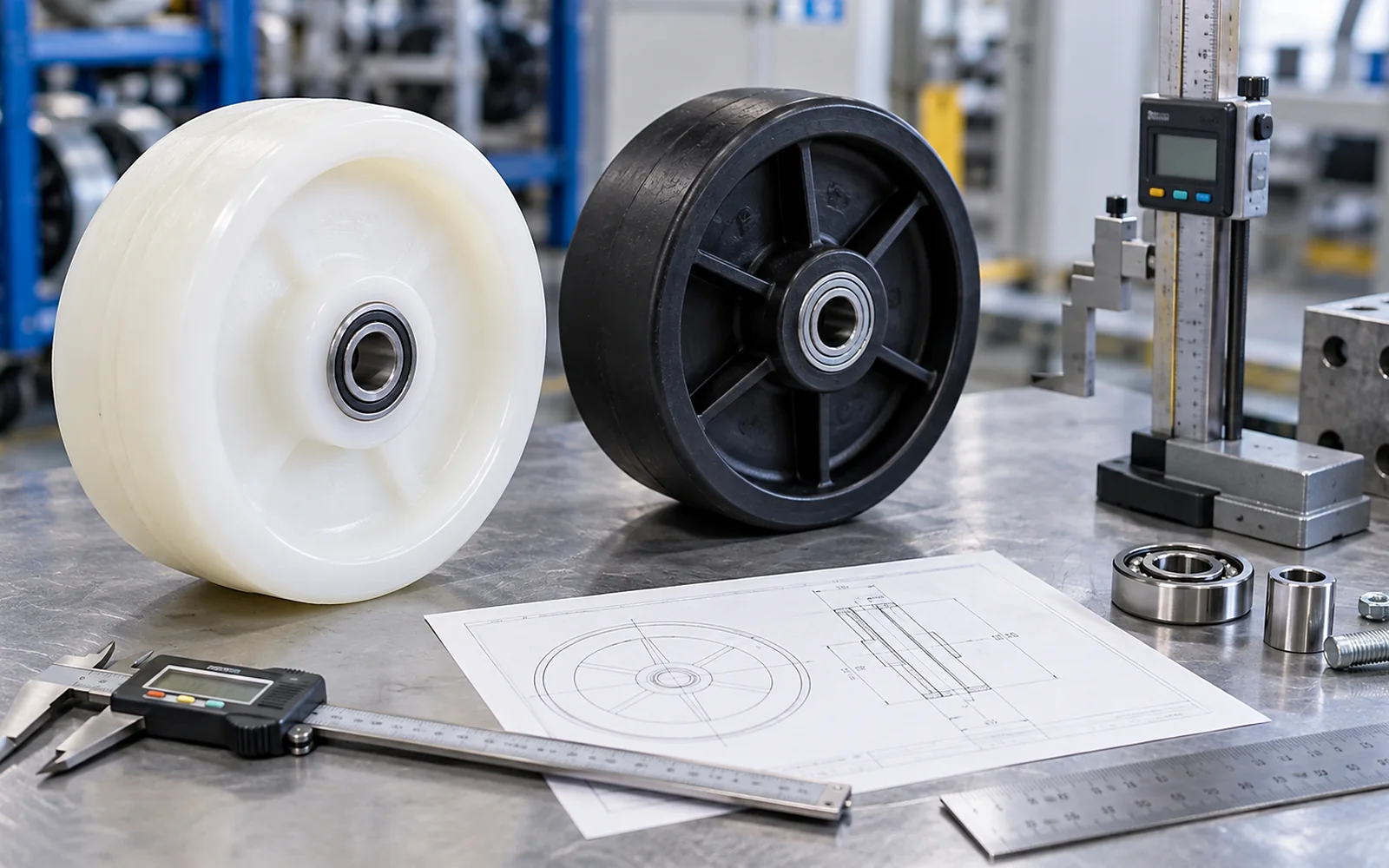
유용한 제품 목록을 작성할 때는 외관보다는 치수와 용도를 우선적으로 고려해야 합니다. 분리형 바퀴의 경우 직경, 너비, 내경 또는 베어링 배열, 허브 길이를 기록하십시오. 완전한 지지대 조립체의 경우 튜브, 클램프 또는 브래킷의 형상, 닫았을 때의 높이, 이동 거리, 브레이크 필요 여부 및 간극을 추가하십시오. 그런 다음 이러한 치수를 실제 하중, 바닥 또는 지면 상태, 이동 패턴과 함께 기록하십시오.
이 방법을 사용하면 외관이 유사한 제품을 더 쉽게 비교할 수 있고 누락된 정보를 조기에 파악할 수 있습니다. 제품에 특정 매개변수가 명시되어 있지 않은 경우, 다른 크기나 제품군의 값이 그대로 적용된다고 가정하지 말고 견적 요청서(RFQ)에 해당 매개변수를 질문으로 포함하십시오.
신청서, 수량 및 이미 알고 있는 치수를 보내주세요. 누락된 필수 정보는 견적 전에 검토해 드립니다.