
제품 설명
제품 설명
| Product name | OEM New Design Injection Molding Service Custom ABS Injection Molded Plastic Parts | |
| Product material | ABS, PC, PP, PS, POM,PBT,PVC,PA6,PA66,PA66+30%GF, PTFE,PC+ABS,TPE,etc |
|
| 색상 | any colour available,will according customer’s request | |
| 크기 | as per your drawing or the sample | |
| 용인 | +/-0.1MM | |
| surface finish | Color painting,Texture,Silk-printing,Vacuum coating,rubber coating, etc. | |
| Logo | accept customized | |
| Application field | Various plastic injection molded parts for various industrial and automotive applications | |
| MOQ | Negotiable | |
| Mold Cavity | Single or Multi-cavity | |
| 곰팡이 수명 | 5 shots | |
| runner system | hot runner and cold runner | |
| package | 표준 수출용 상자 포장 또는 고객 요청에 따른 포장. | |
| 지불 조건 | For mold: 50% advanceT/T payment, balance will be after you confirm our samples; For production: 30%T/T, balance will be after received our B/L copy | |
| 리드 타임 |
|
Detailed products
Production Procedure
회사 소개
저희 회사는 2003년에 설립되었으며, 중국 항저우시 서호현에 위치하고 있으며 3000제곱미터 규모의 부지를 차지하고 있습니다.
저희는 고객의 디자인이나 샘플에 따라 맞춤형 사출 성형 및 플라스틱 압출 프로파일을 제작하는 전문 제조업체입니다.
당사는 시제품 제작부터 금형 설계 및 제작, 부품 생산 및 조립에 이르기까지 원스톱 서비스를 제공합니다. 10년 이상의 플라스틱 사출 금형 설계 및 사출 성형 공정 경험을 보유한 전문 엔지니어링 팀을 운영하고 있습니다.
당사에서 생산하는 제품은 가정용 가전제품, 헬스 기구, LED 조명, 자동차 산업, 포장 산업 등 다양한 분야에서 널리 사용되고 있습니다. 고객의 도면이나 샘플에 따라 모든 종류의 엔지니어링 플라스틱 제품을 맞춤 제작할 수 있습니다.
with Professional technicians and rich experience we have established CZPT business relationships with customers spread worldwidely,Mainly in Europe,South America and North America.
We are looking CZPT to forming successful business relationships with new clients in the near future.
부담 없이 연락 주세요. 저희가 귀사의 좋은 비즈니스 파트너가 될 수 있다고 믿습니다!
자주 묻는 질문
Q1. Are you a trading company or a manufacturer?
저희는 제조업체입니다.
Q2. What kind of trade terms can you do?
EX-WORKS, FOB, CIF, DDP, DDU
Q3. 금형 제작에 들어가기 전에 아이디어/부품을 테스트해 볼 수 있을까요?
네, 기능 평가를 위한 3D 샘플을 제작할 수 있습니다.
Q4. Can you assure the quality ?
Yes ,We have a professional quality inspection department,pre production sample before mass production,final inspection before shipment.
Q5. Do you support OEM ?
네, 기술 도면이나 샘플을 기반으로 생산할 수 있습니다.
Q6.What type of plastic is best for my design/component?
재료 선택은 디자인의 용도와 사용될 환경에 따라 달라집니다. 다양한 대안을 함께 논의하고 최적의 제안을 드리게 되어 기쁩니다.
Q7. How about your delivery time?
일반적으로 금형 제작에는 25일이 소요되며, 대량 생산은 주문 수량에 따라 달라집니다.
Q8.How to slove the quality problem after sale?
please take photos&video of the problem and send us,we will make a solution for you within 24hours after we confirm the problem.
we will be responsible for our products quality.
| 재료: | ABS/PP/PA6/PC/POM |
|---|---|
| 애플리케이션: | 의료, 가정용품, 전자제품, 자동차, 농업 |
| 도면 형식: | 도면 .단계 .Igs |
| Mold Material: | P20/S50c/H13/Nak80/718/738h/S136 |
| 크기: | as Customer′s Design File |
| Logo: | Accept Custom |
| 샘플: |
US$ 2개입
1개 (최소 주문 수량) | |
|---|
| 맞춤 설정: |
사용 가능
| 맞춤형 요청 |
|---|
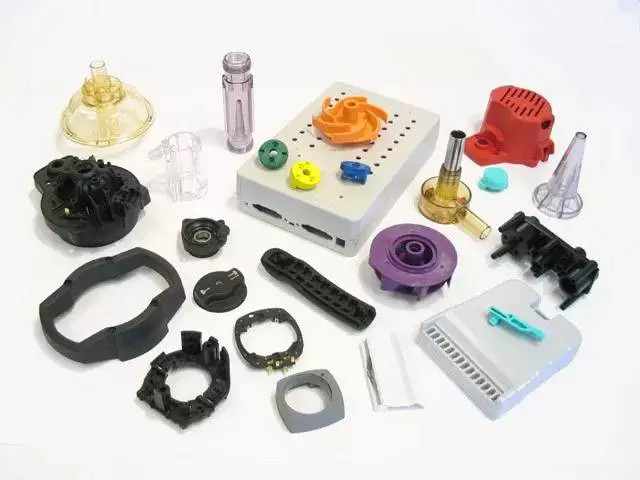
Design Considerations for Injection Molded Parts
There are many factors to consider when designing a component for injection molding. These include design factors, materials, overhangs, and process. Understanding these factors will make it easier to choose the right part for the application. In this article, we’ll go over several of the most common design considerations.
Design factors
To get the best results from your injection molded parts, you must ensure that they meet certain design factors. These factors can help you achieve consistent parts and reduce cost. These guidelines can also help you to avoid common defects. One of the most common defects is warping, which is caused by the unintended warping of the part as it cools.
When designing injection molded parts, the draft angle is critical. Increasing the draft angle allows the part to emerge cleanly from the mold and reduces stress concentration. This can improve the part’s function and speed up the production process. In addition, it ensures a uniform surface finish. Incorrect draft angles can result in parts that are not functional and can cost you money. If your product team doesn’t pay attention to these design factors, they could end up destroying expensive molds and producing a high number of rejects.
Ribs are another design factor that should be taken into consideration. Rib height should be less than three times the thickness of the part’s wall. This will prevent sink marks and minimize the chances of the ribs sticking inside the mold.
재료
There are many options when it comes to materials for injection molded parts. Choosing the right material will affect how well it performs in your particular application. If you need a large part to be flexible and sturdy, then a plastic with good flow properties will work best. Injection molded plastics come in a variety of different resins. Choose the one that best meets your application’s needs, considering its main functionality and the desired appearance. You may also want to choose a material that is UV resistant, heat resistant, flexible, and food safe.
Polymers that are suitable for injection molding include polycarbonate and polypropylene. These materials are flexible and strong, and can be used to create parts with high-level details. These materials are also lightweight and inexpensive. Despite being flexible, they are not suitable for high-stress applications.
During the molding process, the injected material must be cooled, otherwise it will expand again. This is why you need to keep the temperature of the mould at 80 degrees Celsius or less.
Process
Injection molding is the process of creating plastic parts. The plastic is melted in a mold and then forced to cool. It then solidifies into the desired shape. During the cooling process, the plastic can shrink, so it is important to pack the material tightly in the mold to prevent visible shrinkage. When the mold is completed, it cannot be opened until the required cooling time has passed. This time can be estimated based on the thermodynamic properties of plastic and the maximum wall thickness of the part.
The mold must be precisely designed and tested. The process can be repeated many times, which makes it ideal for mass production. It is also one of the fastest ways to scale production. The more parts a mold can produce, the lower its cost per piece. This is one of the benefits of injection molding.
Injection molding parts are used for many industries, including appliances, electronics, packaging, and medical devices. They can be made to have complicated shapes.
Overhangs
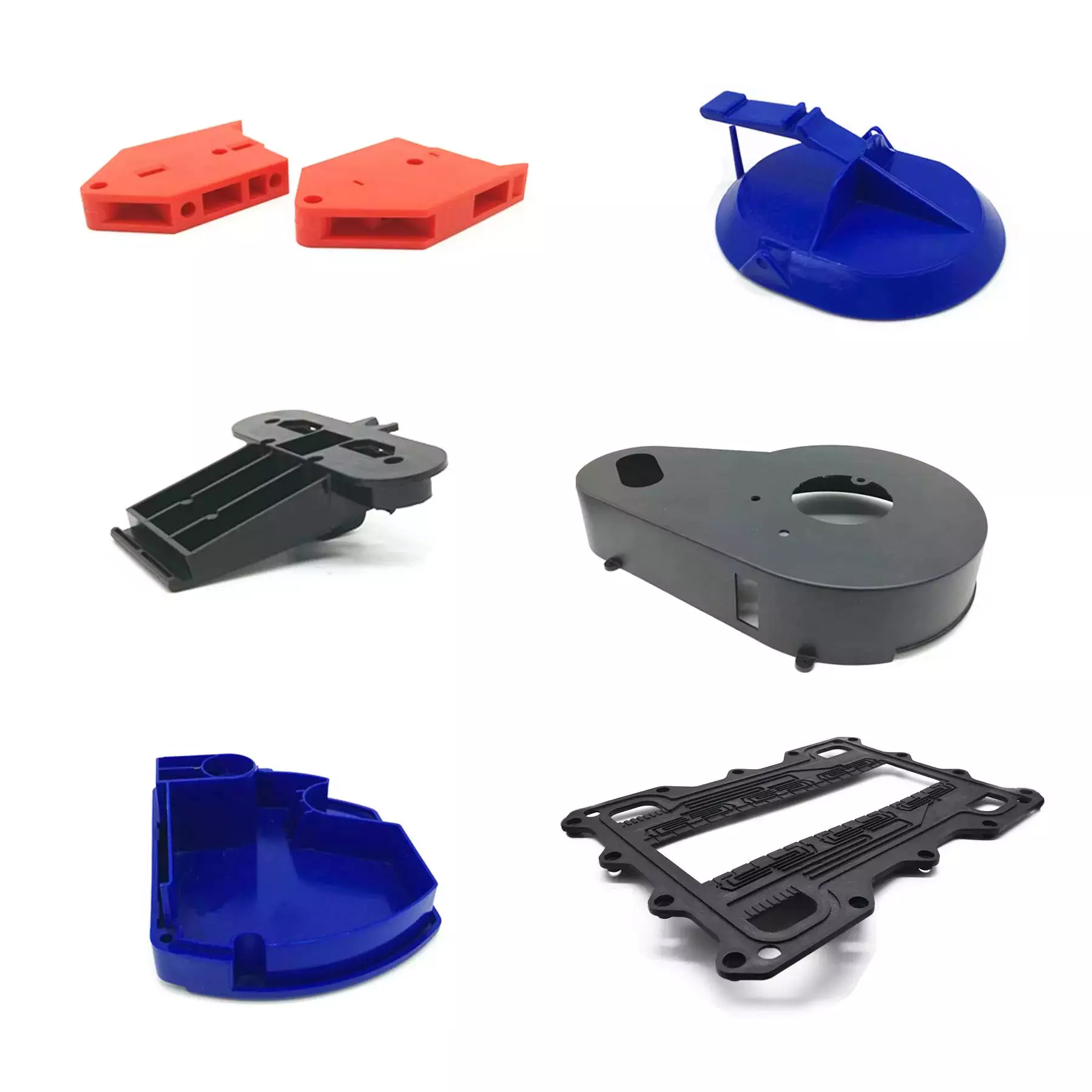 Overhangs are areas of extra material that surround the surface of an injection molded part. This extra material is typically made of inexpensive material that is edged or glued on the part’s surface. The overhang material can be easily separated from the blank using a simple cutting process.
The amount of material needed for an overhang is dependent on the shape of the part and the amount of surface area. Generally, an overhang is less than 15 percent of the cost of the part. Usually, the material used should be able to fulfill the overhang’s function and differentiate it from the material in the form flachen area.
Overhangs on injection molded parts should be avoided because they may cause the design to become unstable. To avoid this problem, consider designing your part so that the sides and edges are parallel to one another. This will help ensure that the part will be free of undercuts and overhangs.
Overhangs on injection molded parts can be avoided by ensuring that the parts are designed with tolerances in mind. For example, an overhang in an injection molded part can cause a mold to have an overhang that is too small for the machine. This can cause problems in the manufacturing process, and it can result in a costly mold.
Cost
Injection molding costs can vary depending on the complexity of the part, the size and the type of plastic. Parts with complex geometries may require additional design work and tooling. Larger parts can also cost more than small ones. The amount of time spent designing and producing them is also important.
To reduce the cost of injection molding, a manufacturer must consider two major factors: tooling and the material used. The plastic used for injection molding has several different properties, which will impact the part price. For instance, plastics with a lot of glass fibers will reduce the amount of time necessary to repair the mold. Another factor to consider is the thermal properties of the material.
The next major factor in the cost of injection molded parts is the material of the injection mold. While most of these molds are made of steel, the type and grade of steel used is important. Injection molds are also required to have nearly wear-free interior cavities. This is necessary to maintain tight tolerances.
Another factor that contributes to the cost of injection molded parts is the cost of bulk material. This material costs money and requires expensive electricity to process. Typically, the more parts you produce, the lower the cost per pound. Storage of bulk material is also a significant expense. Therefore, a quicker cycle time will reduce storage costs.
Reliability
While manufacturing involves some degree of variation, the variation should be within acceptable limits. This is essential if you want to produce high-quality, dimensionally stable parts. A reliable manufacturing process involves precise control over mold tooling and part design. It also requires repeatability in both quality and production processes.
A reliable injection molding process also focuses on detecting defects early in the production process. Invisible hazards, such as air pockets, mold materials compromised by overheating, and more, can lead to failure. These defects will most likely not be discovered by simple visual inspection and may not come to light until after warranty claims are filed from the field. By finding the defects in the early stages, manufacturers can maximize productivity and reduce costs by minimizing the number of replacement parts needed.
The process of building a custom mould for plastic components is highly skilled. A perfect mould will eliminate potential defects and ensure that the production process is reliable. Traditionally, this process relied on trial and error, which added time and money to the production process.
제조 용이성을 고려한 설계
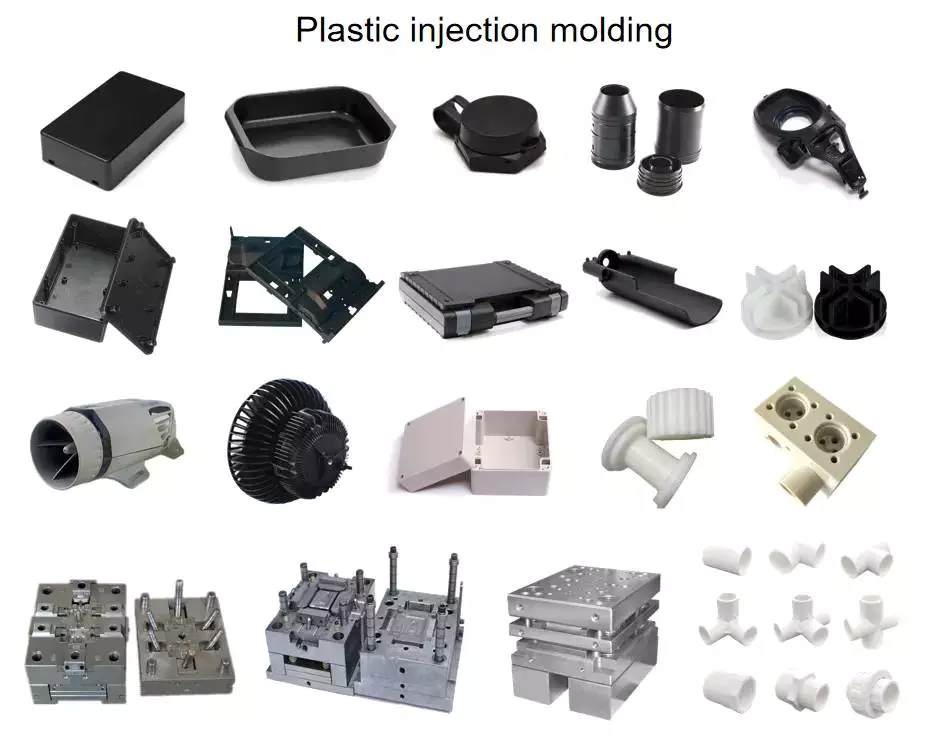 When designing injection molded parts, it is imperative to keep in mind their manufacturability. Injection molding allows for complex geometries and multiple functions to be combined into a single part. For example, a hinged part can have a single mold that can produce two different halves. This also decreases the overall volume of the part.
Injection molded parts do not typically undergo post-processing. However, the mold itself can be finished to various degrees. If the mold is rough, it can cause friction during the ejection process and require a larger draft angle. Detailed finishing procedures are outlined by the Society of Plastics Industry.
The process of designing injection molds is very exacting. Any errors in the mold design can lead to out-of-spec parts and costly repair. Therefore, the process of Design for Manufacturability (DFM) validation is a key step early in the injection molding process. Fictiv’s DFM feedback process can identify design challenges and provide early feedback to minimize lead times and improve quality.
The surface of an injection molded part can develop sink marks, which occur when the material has not fully solidified when it is ejected from the mold. Parts with thick walls or ribs are more prone to sinking. Another common defect in plastic injection molding is drag marks, which occur when walls scrape against one another during ejection. In addition to sink marks, parts with holes or exposed edges can form knit lines.

editor by CX 2023-05-29