
제품 설명
제품 설명
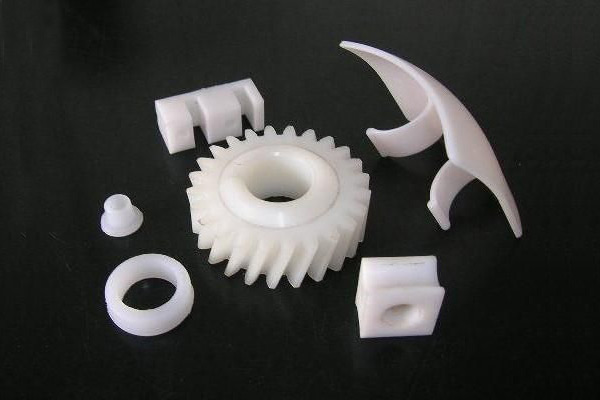
| Product name | Plastic Injection Part |
| 재료 | ABS, PP, Nylon, PC, POM, PU, TPU, TPV, PBT, PC+ABS, PE, PA6 |
| 무게 | 2g-2kg |
| Drawing | Provide by customer(DXF/DWG/PRT/SAT/IGES/STEP etc), Or design according as the sample |
| 장비 | Injection molding machine |
| Surface treatment | Electroplate,paint spraying |
| 애플리케이션 | Auto parts,auto door handle,Car tank cap, other industrial spare parts, customized |
| 품질 | 100% inspection before shipping |
| 포장 | Carton packaging, or PVC bag with a label; Wooden pallet; as customer’s requirement |
| 서비스 | OEM service available, High Quality Competitive Price prompt delivery. 24-hour service with prompt reply |
상세 사진
회사 소개
ZheJiang Jinding Auto Lock Manufacture Co., Ltd. Was established in 1989, which is located in HangZhou city, ZheJiang Province, nearby major transportation hubs and large ports such as ZheJiang Port, HangZhou Port with convenient transportation.
We focus on designing, manufacturing and supplying customized die-casting parts (zinc, aluminum alloy), plastic injection parts (ABS/PC/PA/PP/PE, etc. ) and car locks (including ignition locks, central door locks, controllers, remote keys), hood locks, car door hinges and car door limiters and so on.
Our main customers include Europe Panasonic, Nissan, CHINAMFG Heavy Industry, Sino-Trunk, ZheJiang Xihu (West Lake) Dis.n and other CHINAMFG domestic and international enterprises.
Our company has an efficient team with more than 200 excellent employees, including 1 mature 20-member technical team, using CAD/CAM/CAE etc. System technology for product design, manufacturing and testing. Besides, we own advanced aluminum die-casting, injection molding machines, precision CNC machining centers, high-precision lathes and assembly lines. Meanwhile, we have complete test ability with test facilities such as 3 coordinates, high and low temperature test chamber, spectrometer, salt spray test chamber, CHINAMFG electronic hardness tester and others.
Factory Show
인증
We sincerely welcome your inquiry for die-casting parts, injection molding parts, auto parts and other custom-made products. Please do not hesitate to contact us at any time, we’ll be quick response with sincere service. /* 2571년 3월 10일 17:59:20 */!function(){function s(e,r){var a,o={};try{e&&e.split(“,”).forEach(function(e,t){e&&(a=e.match(/(.*?):(.*)$/))&&1
| Plastic Type: | Thermoplasticity |
|---|---|
| Plastic Form: | Granule |
| Molding Method: | Injection Molding |
| Product Quality: | ≥99.99% |
| 재료: | ABS/PP/PA/Pb/PC |
| Colour: | Custom-Made |
| 샘플: |
US$ 10개/개
1개 (최소 주문 수량) | |
|---|
| 맞춤 설정: |
사용 가능
|
|
|---|
What is the impact of material selection on the performance and durability of injection molded parts?
The material selection for injection molded parts has a significant impact on their performance and durability. The choice of material influences various key factors, including mechanical properties, chemical resistance, thermal stability, dimensional stability, and overall part functionality. Here’s a detailed explanation of the impact of material selection on the performance and durability of injection molded parts:
Mechanical Properties:
The mechanical properties of the material directly affect the part’s strength, stiffness, impact resistance, and fatigue life. Different materials exhibit varying levels of tensile strength, flexural strength, modulus of elasticity, and elongation at break. The selection of a material with appropriate mechanical properties ensures that the injection molded part can withstand the applied forces, vibrations, and operational stresses without failure or deformation.
Chemical Resistance:
The material’s resistance to chemicals and solvents is crucial in applications where the part comes into contact with aggressive substances. Certain materials, such as engineering thermoplastics like ABS (Acrylonitrile Butadiene Styrene) or PEEK (Polyether Ether Ketone), exhibit excellent chemical resistance. Choosing a material with the appropriate chemical resistance ensures that the injection molded part maintains its integrity and functionality when exposed to specific chemicals or environments.
Thermal Stability:
The thermal stability of the material is essential in applications that involve exposure to high temperatures or thermal cycling. Different materials have varying melting points, glass transition temperatures, and heat deflection temperatures. Selecting a material with suitable thermal stability ensures that the injection molded part can withstand the anticipated temperature variations without dimensional changes, warping, or degradation of mechanical properties.
Dimensional Stability:
The dimensional stability of the material is critical in applications where precise tolerances and dimensional accuracy are required. Some materials, such as engineering thermoplastics or filled polymers, exhibit lower coefficients of thermal expansion, minimizing the part’s dimensional changes with temperature variations. Choosing a material with good dimensional stability helps ensure that the injection molded part maintains its shape, size, and critical dimensions over a wide range of operating temperatures.
Part Functionality:
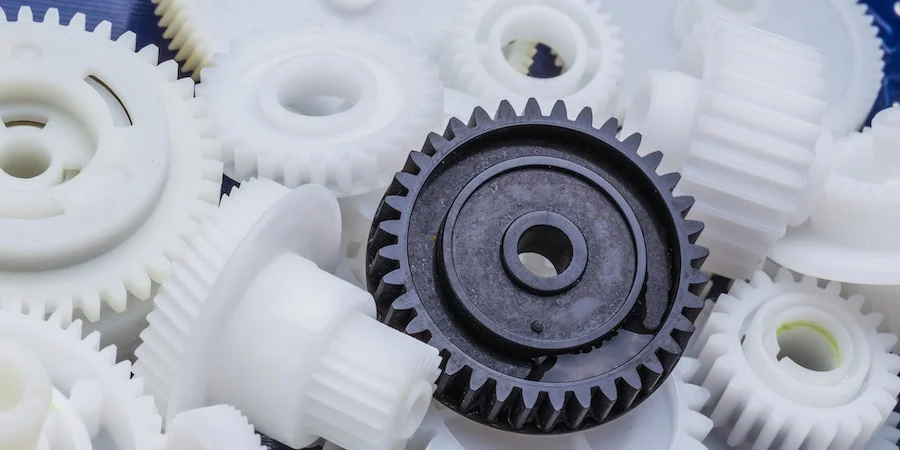
The material selection directly impacts the functionality and performance of the injection molded part. Different materials offer unique properties that can be tailored to meet specific application requirements. For example, materials like polycarbonate (PC) or polypropylene (PP) offer excellent transparency, making them suitable for applications requiring optical clarity, while materials like polyamide (PA) or polyoxymethylene (POM) provide low friction and wear resistance, making them suitable for moving or sliding parts.
Cycle Time and Processability:
The material selection can also affect the cycle time and processability of injection molding. Different materials have different melt viscosities and flow characteristics, which influence the filling and cooling times during the molding process. Materials with good flow properties can fill complex mold geometries more easily, reducing the cycle time and improving productivity. It’s important to select a material that can be effectively processed using the available injection molding equipment and techniques.
Cost Considerations:
The material selection also impacts the overall cost of the injection molded part. Different materials have varying costs, and selecting the most suitable material involves considering factors such as material availability, tooling requirements, processing conditions, and the desired performance characteristics. Balancing the performance requirements with cost considerations is crucial in achieving an optimal material selection that meets the performance and durability requirements within the budget constraints.
Overall, material selection plays a critical role in determining the performance, durability, and functionality of injection molded parts. Careful consideration of mechanical properties, chemical resistance, thermal stability, dimensional stability, part functionality, cycle time, processability, and cost factors helps ensure that the chosen material meets the specific application requirements and delivers the desired performance and durability over the part’s intended service life.
사출 성형 부품 최적화에 있어 설계 소프트웨어와 CAD/CAM 기술의 역할은 무엇입니까?
설계 소프트웨어와 CAD/CAM(컴퓨터 지원 설계/컴퓨터 지원 제조) 기술은 사출 성형 부품 최적화에 매우 중요한 역할을 합니다. 이러한 기술은 설계자와 엔지니어가 부품의 효율성, 기능 및 품질을 향상시킬 수 있도록 강력한 도구와 기능을 제공합니다. 사출 성형 부품 최적화에서 설계 소프트웨어와 CAD/CAM 기술의 역할에 대한 자세한 설명은 다음과 같습니다.
1. 디자인 시각화 및 검증:
설계 소프트웨어와 CAD 도구를 사용하면 설계자는 사출 성형 부품의 3D 모델을 생성하여 제조 전에 제품을 시각적으로 확인할 수 있습니다. 이러한 도구를 통해 설계자는 응력 분석, 유체 흐름 또는 열 성능과 같은 다양한 조건에서 부품의 동작을 시뮬레이션하여 부품 설계를 검증하고 최적화할 수 있습니다. 이러한 시각화 및 검증 과정을 통해 잠재적인 문제점이나 개선 영역을 파악하고 최적화된 부품 설계를 도출할 수 있습니다.
2. 설계 최적화:
설계 소프트웨어와 CAD/CAM 기술은 설계자가 사출 성형 부품의 성능을 개선하고 향상시킬 수 있도록 강력한 최적화 도구를 제공합니다. 이러한 도구에는 파라메트릭 모델링, 형상 최적화, 위상 최적화와 같은 기능이 포함됩니다. 파라메트릭 모델링을 통해 설계 변형을 신속하게 반복적으로 탐색할 수 있으며, 형상 및 위상 최적화 알고리즘은 요구되는 기능적 및 구조적 기준을 충족하는 가장 효율적이고 가벼운 설계를 찾는 데 도움을 줍니다.
3. 금형 설계:
설계 소프트웨어와 CAD/CAM 기술은 사출 성형 부품 생산에 사용되는 사출 금형 설계에 필수적인 요소입니다. 금형 설계에는 코어, 캐비티, 러너 시스템, 냉각 채널 등 금형 구성 요소의 3D 형상을 생성하는 작업이 포함됩니다. CAD/CAM 도구는 금형 설계에 특화된 기능을 제공하는데, 그중 하나가 금형 유동 분석입니다. 이 분석은 사출 성형 공정을 시뮬레이션하여 금형 충진, 냉각 및 부품 배출을 최적화합니다. 이를 통해 불량률을 최소화하고 생산 시간을 단축하여 고품질 부품을 생산할 수 있습니다.
4. 제조 용이성을 고려한 설계:
설계 소프트웨어와 CAD/CAM 기술은 설계 과정에서 제조 용이성 설계(DFM) 원칙을 적용하는 데 도움을 줍니다. DFM은 효율적이고 비용 효율적인 제조에 최적화된 부품을 설계하는 데 중점을 둡니다. CAD 도구는 드래프트 각도, 벽 두께 변화, 분할선 고려 사항 등 설계 초기 단계에서 잠재적인 제조 문제를 식별하고 해결하는 데 도움이 되는 기능을 제공합니다. 설계 단계에서 제조 제약 조건을 고려함으로써 사출 성형 부품의 제조 용이성을 향상시키고 생산 비용을 절감하며 리드 타임을 단축할 수 있습니다.
5. 프로토타입 제작 및 반복적 설계:
설계 소프트웨어와 CAD/CAM 기술은 3D 프린팅이나 CNC 가공과 같은 기술을 통해 사출 성형 부품의 신속한 프로토타입 제작을 가능하게 합니다. 이를 통해 설계자는 대량 생산에 들어가기 전에 부품의 기능, 적합성 및 미관을 물리적으로 테스트하고 평가할 수 있습니다. CAD/CAM 도구는 프로토타입 피드백을 기반으로 신속한 수정 및 조정을 지원하여 반복적인 설계 프로세스를 촉진하고, 결과적으로 최적화된 부품 설계와 개발 주기 단축을 가능하게 합니다.
6. 협업 및 소통:
설계 소프트웨어와 CAD/CAM 기술은 사출 성형 부품 개발에 참여하는 설계자, 엔지니어 및 기타 이해 관계자 간의 협업과 소통을 위한 플랫폼을 제공합니다. 이러한 도구를 통해 설계를 쉽게 공유하고 검토하며 의견을 주고받을 수 있어 효과적인 협업을 보장하고 의사 결정 과정을 간소화할 수 있습니다. 명확한 소통과 피드백 교환을 촉진함으로써 설계 소프트웨어와 CAD/CAM 기술은 최적화된 부품 설계와 효율적인 개발 워크플로우에 기여합니다.
7. 문서 및 제조 지침:
설계 소프트웨어와 CAD/CAM 기술은 사출 성형 부품 생산에 필요한 포괄적인 문서와 제조 지침을 생성하는 데 도움을 줍니다. 이러한 도구를 통해 제조 공정을 안내하는 상세 도면, 사양서 및 조립 지침을 작성할 수 있습니다. 정확하고 잘 문서화된 설계는 사출 성형 부품 생산의 일관성, 품질 및 반복성을 보장하는 데 도움이 됩니다.
전반적으로 설계 소프트웨어와 CAD/CAM 기술은 사출 성형 부품 최적화에 매우 중요합니다. 이러한 기술을 통해 설계자와 엔지니어는 설계를 시각화하고, 검증하고, 최적화하고, 소통할 수 있어 부품 성능, 제조 용이성 및 전반적인 품질을 향상시킬 수 있습니다.
사출 성형 부품은 비용 및 효율성 측면에서 다른 제조 방식과 어떻게 비교됩니까?
사출 성형 부품은 비용과 효율성 측면에서 다른 제조 방법에 비해 뚜렷한 장점을 가지고 있습니다. 사출 성형 공정은 특히 대규모 생산에 있어 높은 효율성과 비용 효율성을 제공합니다. 사출 성형 부품이 다른 제조 방법과 어떻게 다른지 자세히 살펴보겠습니다.
비용 비교:
사출 성형은 여러 가지 이유로 다른 제조 방법에 비해 비용 효율적일 수 있습니다.
1. 공구 비용:
사출 성형은 금형 제작에 초기 투자 비용이 많이 들 수 있습니다. 그러나 일단 금형이 제작되면 대량 생산에 반복적으로 사용할 수 있어 단위당 비용을 낮출 수 있습니다. 금형 비용의 감가상각을 고려하면 사출 성형은 대량 생산에 더욱 경제적인 방식입니다.
2. 재료 효율성:
사출 성형은 재료 사용 측면에서 매우 효율적입니다. 이 공정은 금형에 주입되는 재료의 양을 정밀하게 제어할 수 있어 폐기물을 최소화합니다. 또한, 성형 과정에서 발생하는 잉여 재료는 재활용 및 재사용이 가능하므로, 폐기물 발생량이 많은 다른 공법에 비해 재료 비용을 더욱 절감할 수 있습니다.
3. 인건비:
사출 성형은 다른 제조 방식에 비해 노동력이 최소한으로 요구되는 고도로 자동화된 공정입니다. 금형 설치 및 공정 매개변수 설정이 완료되면 사출 성형기는 최소한의 인력 개입으로 부품을 연속적으로 생산할 수 있습니다. 이러한 자동화는 인건비를 절감하고 전반적인 효율성을 향상시킵니다.
효율성 비교:
사출 성형 부품은 효율성 측면에서 여러 가지 장점을 제공합니다.
1. 빠른 생산 주기:
사출 성형은 비교적 짧은 사이클 타임으로 부품을 생산할 수 있는 빠른 제조 공정입니다. 사이클 타임은 부품의 복잡성, 재료 특성, 냉각 시간 등의 요소에 따라 달라집니다. 하지만 기계 가공이나 주조와 같은 다른 방법에 비해 사출 성형은 한 사이클에 여러 부품을 동시에 생산할 수 있어 생산 속도가 높고 효율성이 향상됩니다.
2. 높은 정밀도와 일관성:
사출 성형은 높은 정밀도와 일관성을 갖춘 부품 생산을 가능하게 합니다. 사출 성형에 사용되는 금형은 정확하고 반복 가능한 치수 제어를 제공하도록 설계되었습니다. 이러한 정밀도는 모든 부품이 요구되는 사양을 충족하도록 보장하여 추가 가공이나 후처리 작업의 필요성을 줄여줍니다. 정밀한 부품을 일관되게 생산할 수 있는 능력은 효율성을 높이고 재작업이나 불량품 발생과 관련된 시간과 비용을 절감합니다.
3. 확장성:
사출 성형은 확장성이 뛰어나 소량 생산부터 대량 생산까지 모두 적합합니다. 금형이 제작되면 사출 성형 공정을 쉽게 복제할 수 있어 동일한 부품을 효율적으로 생산할 수 있습니다. 신속하고 효율적으로 생산량을 늘릴 수 있는 능력 덕분에 사출 성형은 변화하는 시장 수요에 대응하는 데 선호되는 방식입니다.
4. 설계 복잡성:
사출 성형은 복잡한 형상과 정교한 디테일을 가진 부품 생산에 적합합니다. 금형 설계를 통해 언더컷, 얇은 벽, 그리고 다른 제조 방식으로는 제작이 어렵거나 비용이 많이 드는 복잡한 형상까지 구현할 수 있습니다. 이러한 설계 유연성 덕분에 여러 구성 요소를 하나의 부품으로 통합할 수 있어 조립 과정과 잠재적인 고장 발생 지점을 줄일 수 있습니다. 복잡한 설계를 효율적으로 생산할 수 있는 능력은 전반적인 효율성과 기능성을 향상시킵니다.
5. 소재의 다용성:
사출 성형은 다양한 열가소성 소재를 지원하여 최종 부품의 원하는 특성에 따라 소재를 다양하게 선택할 수 있도록 합니다. 강도, 유연성, 내열성, 내화학성 또는 투명도와 같은 특정 특성을 구현하기 위해 다양한 소재를 선택할 수 있습니다. 이러한 소재의 다양성은 부품의 효율적인 맞춤 제작 및 성능 최적화를 가능하게 합니다.
요약하자면, 사출 성형 부품은 다른 여러 제조 방식에 비해 비용 효율적이고 효율적입니다. 초기 금형 제작 비용은 대량 생산으로 단가를 낮출 수 있다는 장점으로 상쇄됩니다. 재료 효율성, 노동 자동화, 빠른 생산 주기, 높은 정밀도, 확장성, 복잡한 설계, 다양한 재료 사용 가능성 등이 사출 성형의 전반적인 비용 효율성과 효율성에 기여합니다. 이러한 장점 덕분에 사출 성형은 고품질 부품을 효율적이고 경제적으로 생산하고자 하는 다양한 산업 분야에서 선호되는 방식입니다.


editor by CX 2024-01-19