Professional Custom High Quality Rubber Product for Various Fields/EPDM/NBR/Silicone/FKM
Product
Name
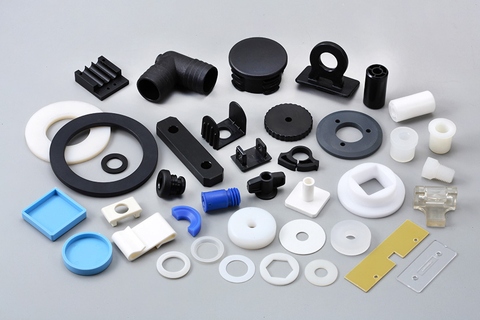
RUBBER PRODUCT
재료
NBR, FKM, SI, NR, EPDM, HNBR, CR, ACM, SBR, etc
응용 프로그램
NBR, FKM, SI, NR, EPDM, HNBR, CR, ACM, SBR, etc
크기
According to drawing
certificaton
IS09001:2015
색상
natural,black,yellow,redor as per client’s samples or requirements
Shape
caple of all shapes as per drawing
경도
20°C-90’C Shore A,usually 30°C-80°ºC Shore A
Delivery time
20-30days after payment received
MOQ
1000pcs
온도
-40°C~+230°C
Free sample
Yes
패키지
As your request
Market
Europe,America.Ocenia
QC
Every order production will get more than 10 times regular tests and 5times random check byour professional QC Or by Third Party appointed by customer.
Mold
Molding process
injection molding,mold processing,extrusion
Mould type
processing mold,iniection mold,extrusion mold
Machines
350T vacuum pressing machine at 300T ,250T and so on
finish each mold of product in 2.5 days and working on 2 shafts with 24 hours
Mold lead time
10~30 Days
Sample lead time
3-5 Days
Production time
Usually 10-30Days,should be confirmed before order
Loading port
ZheJiang /HangZhou
Rubber Material Propertie
more product
Our Advantages
We have experienced professional production team. Can customize the products you need according to your product requirements,
It can also be produced according to your 2D/3D drawings
We welcome you to visit our factory. You can personally inspect our product molds, raw materials, production processes as well as product testing, packaging processes. We welcome you with a sincere attitude
We have professional product testing equipment, each batch of goods we will go through strict product quality testing. Including raw material testing, size testing, quality testing. We guarantee that our products will make you satisfied
Certifications
Packaging & Shipping
자주 묻는 질문
1. Q: Are you trading company or manufacturer ? A: We are direct factory with experienced engineers and employees as well as well-organized workshop.
2. Q: How long is your delivery time? A: Generally is 15-20 days, it is according to quantity.
3. Q: Do you provide samples ? is it free or extra ? A: Yes, the sample fee depends on the product geometry, and the fee will be returned to your bulk order.
4. Q: How long can I get the sample? A: Depends on your part geometry, normally within 3-7 days.
5. Q: How long is your delivery time? A: Sample 3-7days; Mass production order 7-45 days depends on quantity and part complexity.
6. Q: What’s kinds of information you need for a quote? A: Kindly please provide the product 2D drawing with PDF or DWG format and 3D drawings with STEP or IGS or X_T format, and other requirements like:material, surface treatment, quantity…etc.
7. Q: What is your standard PO procurement process flow? A: Prototyping —-> FA approval —-> Quality Control Plan —> Manufacturing Process Instruction —> Batch Production —> Inspection —> Shipping
8. Q: What shall we do if we do not have drawings? A. Please send your sample to our factory, then we can copy or provide you better solutions. Please send us pictures or drafts with dimensions (Length, Height, Width), CAD or 3D file will be made for you if placed order.
9. Q: Will my drawings be safe after sending to you? A: Yes, we can CHINAMFG the NDA before got your drawing and will not release to the third party without your permission.
10. Q: Is it possible to know how are my products going on without visiting your company? A: We will offer a detailed production schedule and send weekly reports with digital pictures and videos which show the machining progress
11. Q: How to enjoy the OEM services? A: Usually, base on your design drawings or original samples, we give some technical proposals and a quotation to you, after your agreement, we produce for you. If you have another question, pls feel free to contact us
/* October 22, 2571 15:47:17 */(()=>{function d(e,r){var a,o={};try{e&&e.split(“,”).forEach(function(e,t){e&&(a=e.match(/(.*?):(.*)$/))&&1
사출 성형 품질 관리에서 온도와 압력의 역할에 대해 설명해 주시겠습니까?
온도와 압력은 사출 성형 공정의 품질 관리에 큰 영향을 미치는 두 가지 핵심 변수입니다. 이 두 변수의 역할에 대해 좀 더 자세히 살펴보겠습니다.
온도:
사출 성형에서 온도는 품질 관리를 보장하는 데 여러 가지 중요한 역할을 합니다.
1. 자재 흐름 및 충진:
용융된 플라스틱 재료의 온도는 점도, 즉 유동성에 영향을 미칩니다. 온도가 높을수록 재료의 점도가 낮아져 사출 과정에서 금형 캐비티로 더 쉽게 흘러들어갑니다. 적절한 온도 제어는 최적의 재료 흐름과 충진을 보장하여 쇼트샷, 유동 자국, 불완전한 부품 충진과 같은 문제를 방지합니다. 또한 온도 제어는 최종 부품의 일관된 재료 특성과 치수 정확도를 확보하는 데 도움이 됩니다.
2. 용융 및 균질화:
플라스틱 소재의 완전한 용융 및 균질화를 위해서는 용융 과정 중 온도를 세심하게 제어해야 합니다. 용융이 불충분하면 미융해 입자가 남거나 재료 특성이 고르지 못하게 되어 성형품에 결함이 발생할 수 있습니다. 용융 단계에서 적절한 온도 제어는 첨가제의 균일한 용융 및 혼합을 보장하여 재료의 균질성과 성형품의 전반적인 품질을 향상시킵니다.
3. 냉각 및 응고:
용융된 플라스틱을 금형에 주입한 후, 냉각 및 응고 단계에서 온도 제어는 매우 중요합니다. 적절한 냉각 속도와 균일한 냉각은 뒤틀림, 수축 또는 부품 변형과 같은 문제를 방지하는 데 도움이 됩니다. 온도 제어를 통해 부품 전체에 걸쳐 균일한 응고가 이루어져 치수 안정성을 확보하고 내부 응력을 최소화할 수 있습니다. 또한 온도 제어는 부품의 결정성과 미세 구조에 영향을 미치며, 이는 기계적 특성에도 영향을 줄 수 있습니다.
압력:
사출 성형에서 품질 관리를 달성하는 데 있어 압력 제어는 매우 중요합니다.
1. 자재 포장:
사출 성형의 패킹 단계에서는 용융된 플라스틱 재료에 압력을 가하여 냉각 및 응고 시 발생하는 수축을 보상합니다. 적절한 압력 제어는 재료가 금형 캐비티에 충분히 채워지도록 하여 기포, 수축 또는 부품 변형을 최소화합니다. 패킹 압력이 부족하면 불완전한 충진과 부품 품질 저하로 이어질 수 있으며, 과도한 압력은 과도한 응력, 부품 변형 또는 플래시를 유발할 수 있습니다.
2. 게이트 및 유량 제어:
사출 성형에서 압력은 금형을 통과하는 재료의 흐름 특성에 영향을 미칩니다. 용융된 플라스틱이 금형 캐비티로 유입되는 게이트 부분의 압력은 정밀하게 제어해야 합니다. 게이트 압력은 재료의 유속, 충진 패턴 및 패킹 효율에 영향을 미칩니다. 최적의 게이트 압력은 균일한 흐름과 충진을 보장하여 부품 품질을 저하시킬 수 있는 유동선, 용접선 또는 기포 발생과 같은 문제를 방지합니다.
3. 배출 및 부품 분리:
사출 단계에서 압력 제어는 성형품을 금형에서 쉽게 분리하는 데 필수적입니다. 적절한 사출 압력은 부품과 금형 표면 사이의 접착이나 마찰을 방지하여 부품이 매끄럽고 손상 없이 분리되도록 합니다. 사출 압력이 부적절하면 부품이 금형에 달라붙거나, 변형되거나, 금형이 손상될 수 있습니다.
4. 프로세스 모니터링 및 피드백:
실시간으로 온도와 압력 매개변수를 모니터링하고 제어하는 것은 품질 관리에 매우 중요합니다. 최첨단 사출 성형기는 온도와 압력을 지속적으로 모니터링하는 센서와 제어 시스템을 갖추고 있습니다. 이러한 시스템은 피드백을 제공하고 공정 중 조정을 가능하게 하여 최적의 조건을 유지하고 일관된 부품 품질을 보장합니다.
전반적으로 사출 성형에서 온도와 압력 제어는 품질 관리에 매우 중요합니다. 적절한 온도 제어는 최적의 재료 흐름, 용융, 균질화, 냉각 및 응고를 보장하며, 압력 제어는 적절한 재료 패킹, 게이트 및 유량 제어, 배출 및 부품 분리를 보장합니다. 사출 성형 공정 전반에 걸쳐 이러한 매개변수를 모니터링하고 제어함으로써 일관된 치수, 기계적 특성 및 표면 마감을 갖춘 고품질 부품을 생산할 수 있습니다.
용도에 따른 사출 성형 재료 선택에 대한 지침을 제공해 주실 수 있습니까?
네, 적용 분야 요구 사항에 따라 사출 성형 재료 선택에 대한 지침을 제공해 드릴 수 있습니다. 사출 성형 재료 선택은 성형 부품의 성능, 내구성 및 기능성을 결정하는 데 매우 중요한 역할을 합니다. 고려해야 할 요소와 적절한 재료를 선택하기 위한 지침에 대한 자세한 설명은 다음과 같습니다.
1. 기계적 특성:
강도, 강성, 충격 저항성, 내마모성 등 용도에 필요한 기계적 특성을 고려해야 합니다. 재료마다 기계적 특성이 다르므로 적합한 특성을 가진 재료를 선택하는 것이 중요합니다. 예를 들어 ABS, PC, 나일론과 같은 엔지니어링 열가소성 수지는 높은 강도와 충격 저항성을 제공하는 반면, PEEK 또는 ULTEM과 같은 재료는 고온에서 탁월한 기계적 성능을 발휘합니다.
2. 내화학성:
부품이 화학 물질에 노출될 경우, 재질의 내화학성을 고려해야 합니다. PVC나 PTFE와 같은 일부 재질은 광범위한 화학 물질에 대해 탁월한 내성을 보이는 반면, 다른 재질은 열화나 팽창에 취약할 수 있습니다. 선택한 재질이 적용 환경에서 접하게 될 특정 화학 물질을 견딜 수 있는지 확인하십시오.
3. 열적 특성:
적용 분야의 작동 온도 범위를 평가하고 적합한 열적 특성을 가진 재료를 선택하십시오. PPS, PEEK 또는 LCP와 같은 재료는 뛰어난 내열성을 제공하는 반면, 다른 재료는 사용 온도 범위가 제한적일 수 있습니다. 부품의 최대 온도, 열 안정성, 열팽창 계수 및 열 전달 요구 사항과 같은 요소를 고려해야 합니다.
4. 전기적 특성:
전기 또는 전자 응용 분야의 경우 재료의 전기적 특성을 고려해야 합니다. PBT 또는 PPS와 같은 재료는 우수한 전기 절연 특성을 제공하는 반면, 다른 재료는 전도성 또는 소산성 특성을 가질 수 있습니다. 응용 분야에 필요한 유전 강도, 전기 전도도, 표면 저항률 및 기타 관련 전기적 특성을 결정하십시오.
5. 환경 조건:
부품이 노출될 환경 조건(습도, 자외선 노출, 옥외 풍화 작용, 극한 온도 등)을 평가하십시오. ASA나 HDPE와 같은 일부 소재는 내후성 및 자외선 저항성이 뛰어나지만, 다른 소재는 가혹한 조건에서 열화되거나 취성해질 수 있습니다. 장기적인 성능과 내구성을 보장하기 위해 특정 환경 요인을 견딜 수 있는 소재를 선택하십시오.
6. 규정 준수:
해당 재료가 충족해야 하는 규제 요건이나 산업 표준을 고려하십시오. 의료 또는 식품 산업과 같은 특정 분야에서는 FDA 승인을 받았거나 특정 인증을 준수하는 재료가 필요할 수 있습니다. 선택한 재료가 의도된 용도에 필요한 규제 및 안전 기준을 충족하는지 확인하십시오.
7. 비용 고려 사항:
재료 선택과 관련된 비용 영향을 평가하십시오. 재료마다 비용이 다르므로 프로젝트 예산에 맞춰 재료를 선택해야 합니다. 단위당 재료비뿐만 아니라 금형 비용, 생산 효율성, 부품의 전체 수명 주기 비용과 같은 요소도 고려해야 합니다.
8. 자재 가용성 및 가공:
재료의 가용성을 확인하고 사출 성형 공정에서의 가공성을 고려해야 합니다. 공급업체로부터 재료를 쉽게 구할 수 있는지, 용융 유량, 성형성, 선택한 성형 장비와의 호환성 등 특정 사출 성형 공정 매개변수에 적합한지 확인하십시오.
9. 재료 시험 및 검증:
선정된 재료가 요구되는 사양 및 성능 기준을 충족하는지 확인하기 위해 재료 시험 및 검증을 수행합니다. 기계적, 열적, 화학적, 전기적 시험을 실시하여 특정 적용 분야 조건에서 재료의 특성과 거동을 검증합니다.
특정 적용 분야 요구 사항에 따라 추가적인 지침과 권장 사항을 얻으려면 재료 공급업체, 엔지니어 또는 사출 성형 전문가와 상담하는 것을 고려해 보십시오. 이들은 업계 표준 및 모범 사례에 대한 전문 지식과 경험을 바탕으로 재료 선택에 대한 귀중한 통찰력을 제공할 수 있습니다.
이러한 요소와 지침을 신중하게 고려하면 특정 용도에 필요한 요구 사항을 충족하는 가장 적합한 사출 성형 재료를 선택하여 성형 부품의 최적 성능, 내구성 및 기능을 보장할 수 있습니다.
How do injection molded parts compare to other manufacturing methods in terms of cost and efficiency?
Injection molded parts have distinct advantages over other manufacturing methods when it comes to cost and efficiency. The injection molding process offers high efficiency and cost-effectiveness, especially for large-scale production. Here’s a detailed explanation of how injection molded parts compare to other manufacturing methods:
Cost Comparison:
Injection molding can be cost-effective compared to other manufacturing methods for several reasons:
1. Tooling Costs:
Injection molding requires an initial investment in creating molds, which can be costly. However, once the molds are made, they can be used repeatedly for producing a large number of parts, resulting in a lower per-unit cost. The amortized tooling costs make injection molding more cost-effective for high-volume production runs.
2. Material Efficiency:
Injection molding is highly efficient in terms of material usage. The process allows for precise control over the amount of material injected into the mold, minimizing waste. Additionally, excess material from the molding process can be recycled and reused, further reducing material costs compared to methods that generate more significant amounts of waste.
3. Labor Costs:
Injection molding is a highly automated process, requiring minimal labor compared to other manufacturing methods. Once the molds are set up and the process parameters are established, the injection molding machine can run continuously, producing parts with minimal human intervention. This automation reduces labor costs and increases overall efficiency.
Efficiency Comparison:
Injection molded parts offer several advantages in terms of efficiency:
1. Rapid Production Cycle:
Injection molding is a fast manufacturing process, capable of producing parts in a relatively short cycle time. The cycle time depends on factors such as part complexity, material properties, and cooling time. However, compared to other methods such as machining or casting, injection molding can produce multiple parts simultaneously in each cycle, resulting in higher production rates and improved efficiency.
2. High Precision and Consistency:
Injection molding enables the production of parts with high precision and consistency. The molds used in injection molding are designed to provide accurate and repeatable dimensional control. This precision ensures that each part meets the required specifications, reducing the need for additional machining or post-processing operations. The ability to consistently produce precise parts enhances efficiency and reduces time and costs associated with rework or rejected parts.
3. Scalability:
Injection molding is highly scalable, making it suitable for both low-volume and high-volume production. Once the molds are created, the injection molding process can be easily replicated, allowing for efficient production of identical parts. The ability to scale production quickly and efficiently makes injection molding a preferred method for meeting changing market demands.
4. Design Complexity:
Injection molding supports the production of parts with complex geometries and intricate details. The molds can be designed to accommodate undercuts, thin walls, and complex shapes that may be challenging or costly with other manufacturing methods. This flexibility in design allows for the integration of multiple components into a single part, reducing assembly requirements and potential points of failure. The ability to produce complex designs efficiently enhances overall efficiency and functionality.
5. Material Versatility:
Injection molding supports a wide range of thermoplastic materials, providing versatility in material selection based on the desired properties of the final part. Different materials can be chosen to achieve specific characteristics such as strength, flexibility, heat resistance, chemical resistance, or transparency. This material versatility allows for efficient customization and optimization of part performance.
In summary, injection molded parts are cost-effective and efficient compared to many other manufacturing methods. The initial tooling costs are offset by the ability to produce a large number of parts at a lower per-unit cost. The material efficiency, labor automation, rapid production cycle, high precision, scalability, design complexity, and material versatility contribute to the overall cost-effectiveness and efficiency of injection molding. These advantages make injection molding a preferred choice for various industries seeking to produce high-quality parts efficiently and economically.