
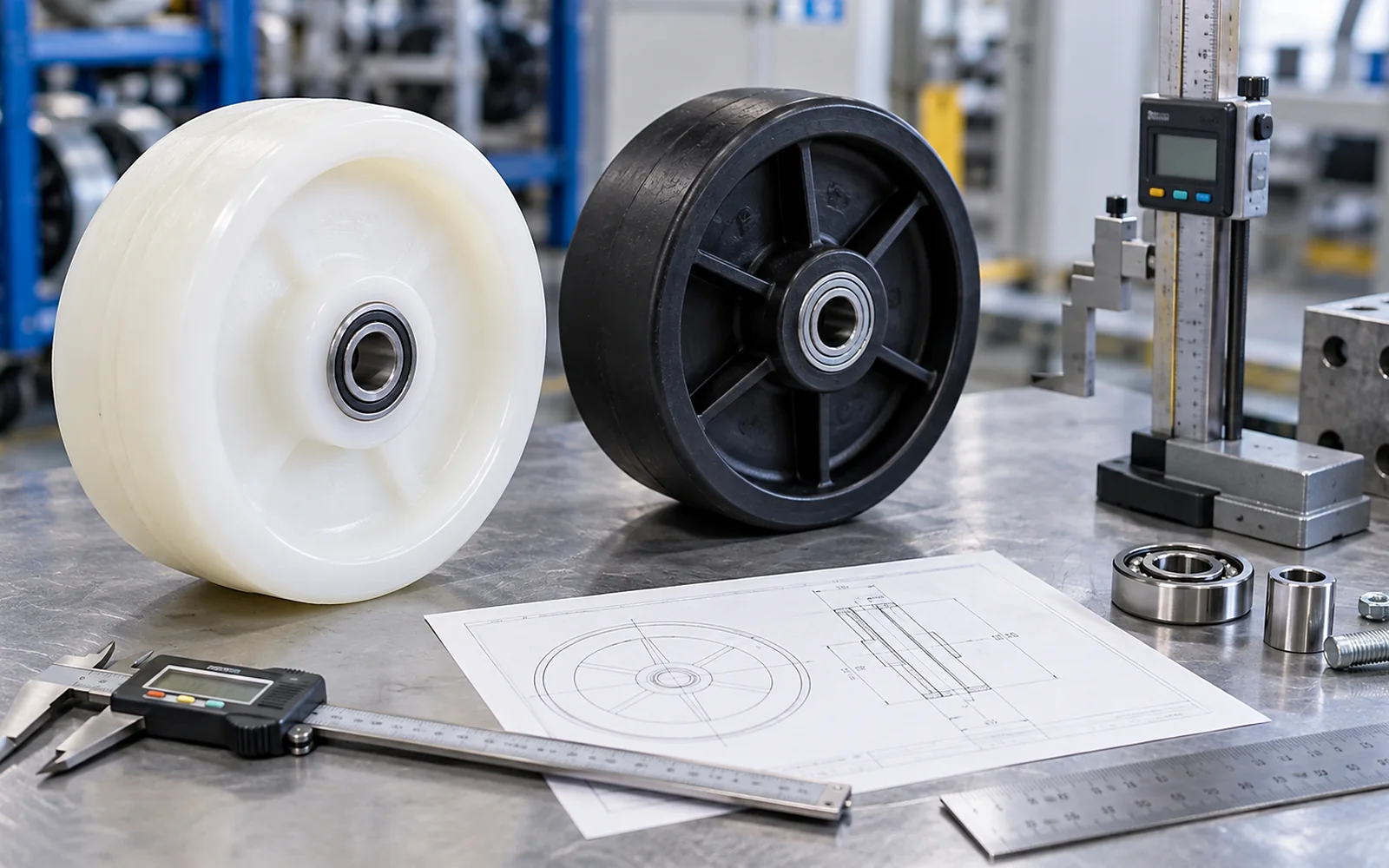
Waarom de naaflengte belangrijk is bij het vervangen van een industrieel wiel
Een praktische koopgids voor het vervangen van wielnaven, gericht op meetbare bedrijfsomstandigheden en beslissingen die direct toepasbaar zijn in offertetrajecten.
De vraag draait eigenlijk om de vraag waarom de naaflengte ertoe doet.
De praktische waarde van het vervangen van de wielnaaflengte komt pas tot uiting wanneer de specificatie is afgestemd op de te verplaatsen apparatuur, de ondergrond waarop deze rijdt en het contactvlak dat de belasting draagt.
Bij vervangingsprogramma's en OEM-aanvragen waarbij de pasvorm moet worden vastgesteld op basis van een bestaande assemblage of tekening, moeten de afmetingen die de pasvorm bepalen en de relatie tussen wiel, as, naaf, beugel en frame als eerste technische controlepunt worden beschouwd. Zodra dat bekend is, kunnen de wieldiameter, breedte, het materiaal, de lagerconfiguratie en de montagegegevens in een logische volgorde worden beoordeeld.
Ga er niet zomaar vanuit dat een groter wiel, harder polymeer of zwaardere beugel het probleem automatisch oplost. Een foto zonder schaalverdeling of diameter zonder informatie over de naaf kan een plausibele, maar incompatibele vervanging opleveren. De veiligste offerteaanvraag (RFQ) bevat daarom foto's/tekeningen met afmetingen, wiel- en naafmaten, montagegegevens, belasting, omgevingsomstandigheden, hoeveelheid en modelreferenties voordat een configuratie wordt vrijgegeven voor offerte.
Bepaal eerst het werkingsgebied voordat je producten vergelijkt — Waarom de naaflengte ertoe doet
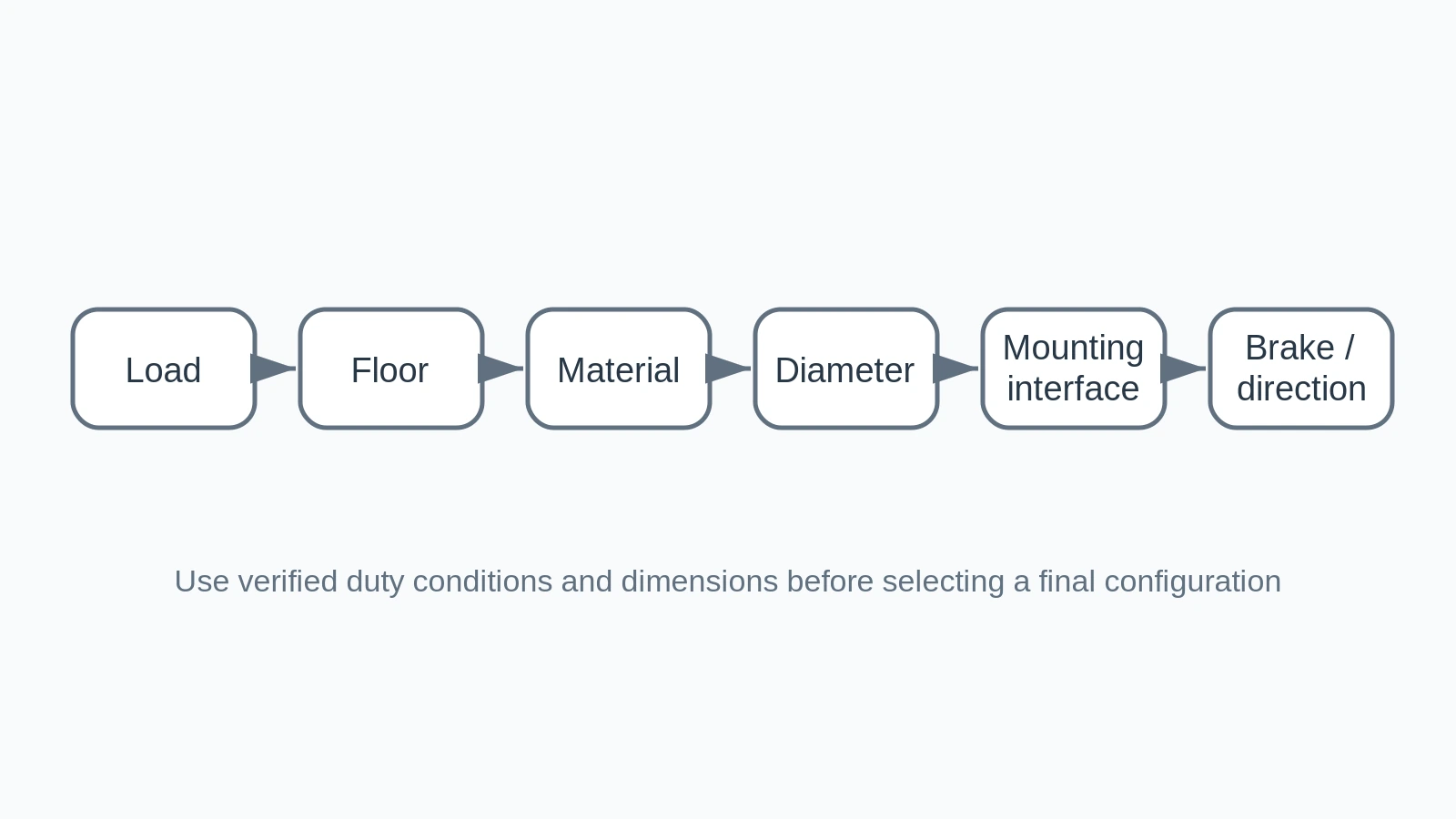
Voordat je producten vergelijkt, beschrijf de taak van de apparatuur in één zin: wat moet er bewegen, welke last moet het dragen, waar moet het naartoe en hoe vaak moet het worden verplaatst? Die beschrijving geeft context voor het vervangen van de wielnaaflengte zonder van één parameter een universele regel te maken.
Bij vervangingsprogramma's en OEM-aanvragen waarbij de pasvorm moet worden vastgesteld op basis van een bestaande assemblage of tekening, moet de eerste beoordeling betrekking hebben op de afmetingen die de pasvorm bepalen en de relatie tussen wiel, as, naaf, beugel en frame. Als een waarde niet bekend is, markeer deze dan voor meting in plaats van een standaardwaarde te gebruiken. Het doel van de offerteaanvraag is om hiaten te dichten, niet om ze te verbergen. Wanneer dit wordt toegepast op de vraag waarom de naaflengte van belang is bij het vervangen van een wiel, vergelijk dan kandidaten met dezelfde apparatuurgegevens, zodat wijzigingen in materiaal, afmetingen en interface consistent worden beoordeeld.
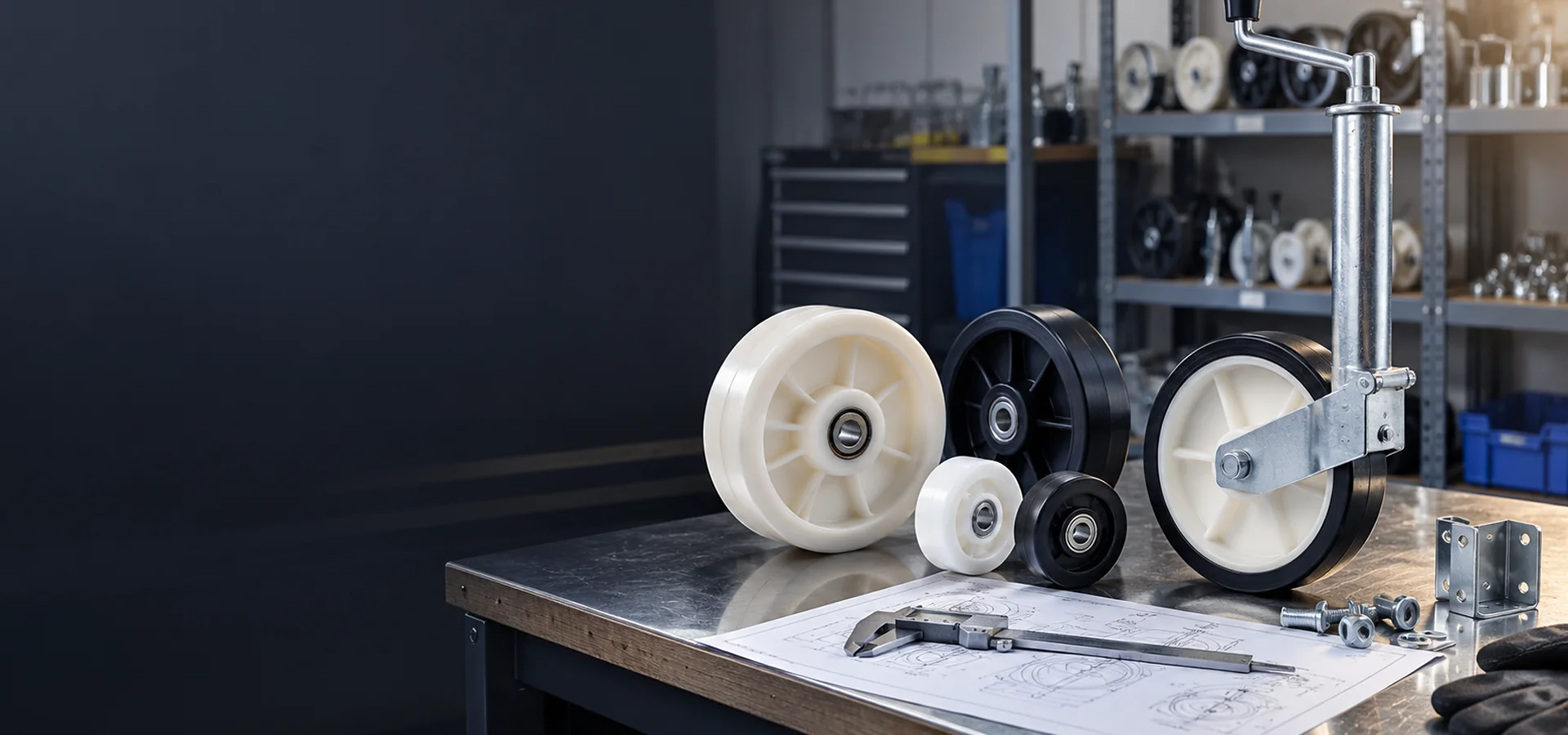
Meet de interface die het succes van de vervanging kan bepalen — Waarom de naaflengte ertoe doet
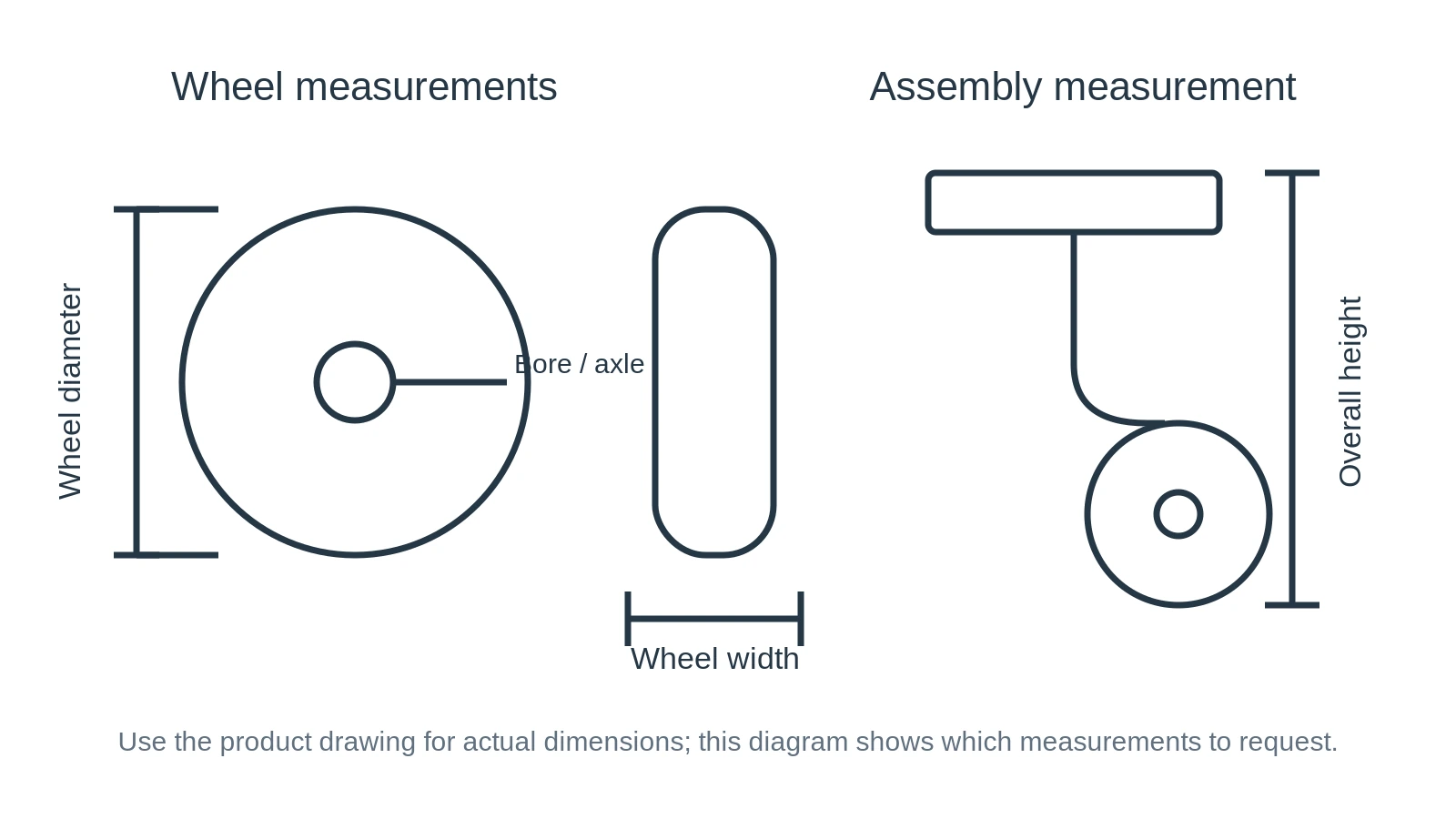
Vervangingswerkzaamheden profiteren van een consistente meetprocedure. Noteer de wieldiameter en -breedte en ga vervolgens verder naar de naaf: boring of lagertype, asdiameter, naaflengte en afstandhouders. Voeg voor complete assemblages de inbouwhoogte en montagegeometrie toe. Fotografeer het meetinstrument op zijn plaats wanneer een afmeting moeilijk te beschrijven is. Wanneer u dit toepast op de vraag waarom de naaflengte belangrijk is bij het vervangen van een wiel, vergelijk dan de kandidaten met dezelfde apparatuurgegevens, zodat wijzigingen in materiaal, afmetingen en interface consistent worden beoordeeld.
Gebruik slijtage van het loopvlak niet als enige referentiepunt als de oorspronkelijke diameter van belang is. Een sterk versleten wiel kan ervoor zorgen dat het vervangende wiel te groot lijkt, terwijl het werkelijke probleem materiaalverlies is. Evenzo kan een verbogen vork of een geïmproviseerde spacer de schijnbare offset veranderen. Wanneer je dit toepast op de vraag waarom de naaflengte van belang is bij het vervangen van een wiel, vergelijk dan de kandidaten met dezelfde gegevens van de apparatuur, zodat veranderingen in materiaal, maat en interface consistent worden beoordeeld.
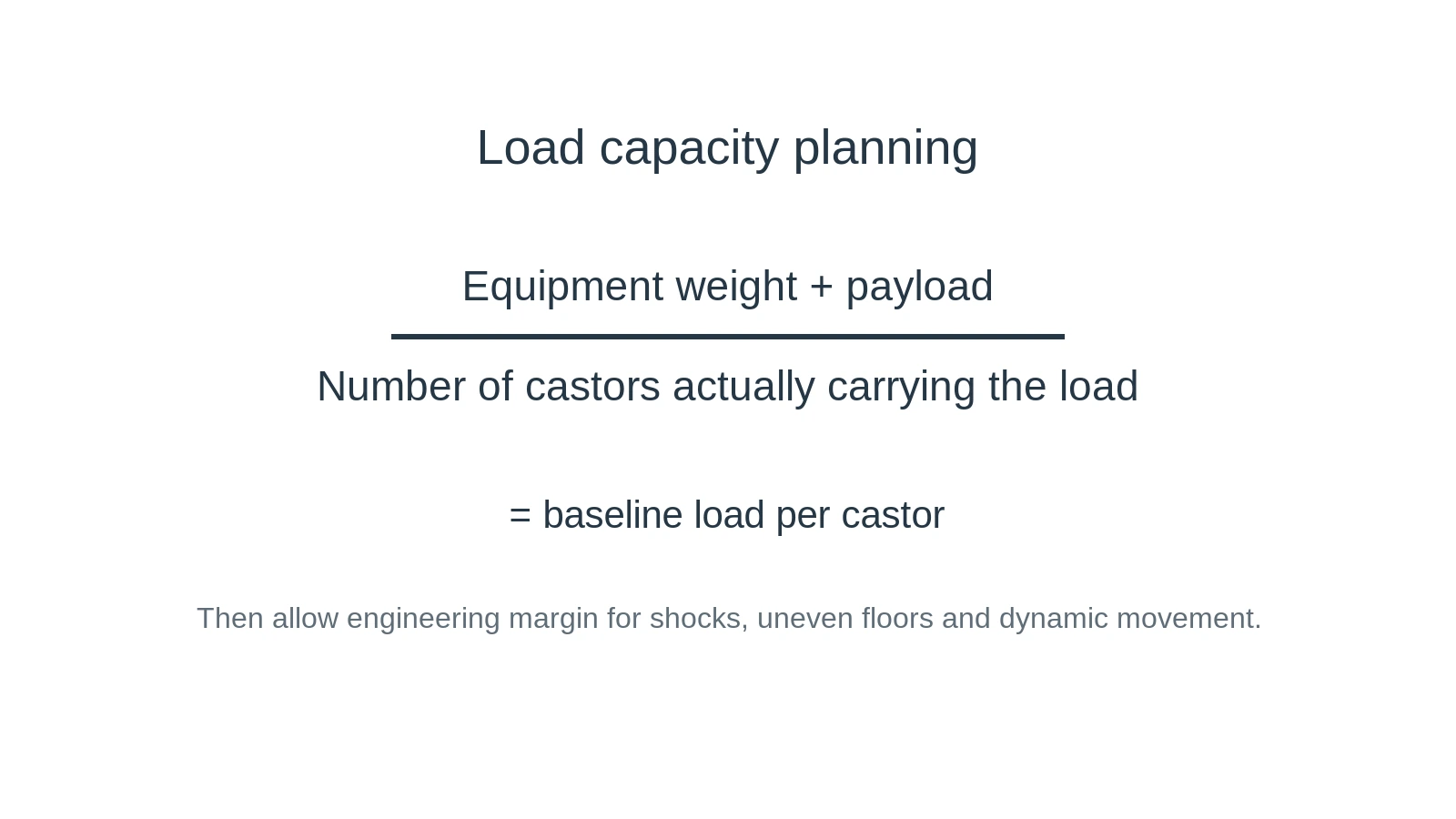
Waarom dezelfde belasting zich anders gedraagt op verschillende verdiepingen — Waarom de naaflengte ertoe doet
De draagkracht is niet onafhankelijk van de manier waarop apparatuur beweegt. Een kar die over een drempel rijdt, kan impactkrachten veroorzaken die er niet zijn bij stilstaand parkeren. Een oneffen vloer kan de belasting verschuiven van vier nominale steunpunten naar drie. Een neuswiel van een aanhanger kan een bescheiden verticale disselbelasting dragen, maar toch aanzienlijke manoeuvreerkracht vereisen op losse ondergrond. Wanneer dit wordt toegepast op de vraag waarom de naaflengte van belang is bij het vervangen van een naaf, vergelijk dan de kandidaten met dezelfde apparatuurgegevens, zodat veranderingen in materiaal, afmetingen en interface consistent worden beoordeeld.
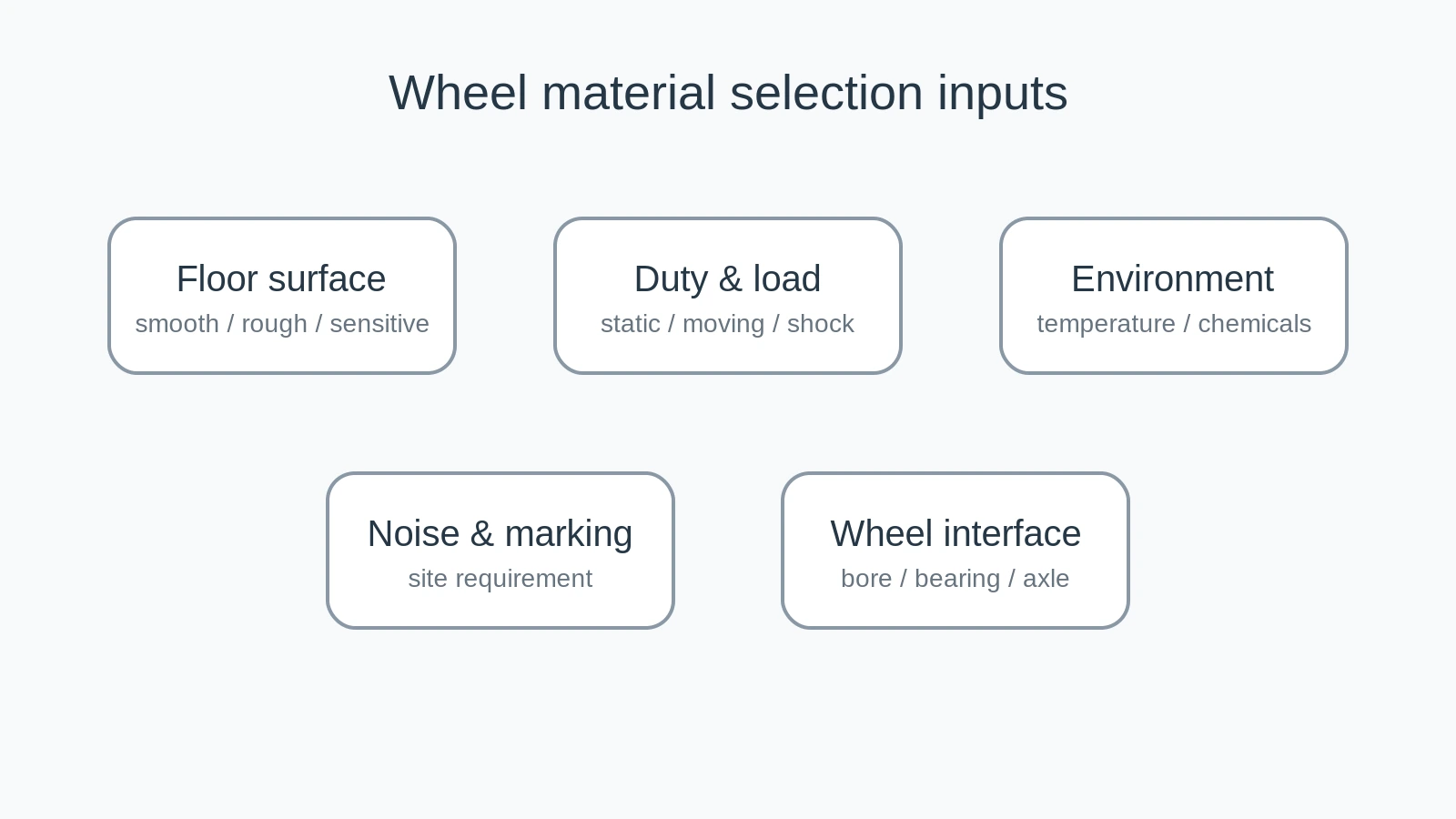
Noteer de maximale normale belasting, de uitzonderlijke belasting, de vloer of ondergrond, de afgelegde afstand en de frequentie van obstakels. Deze combinatie biedt een betere basis voor de selectie dan één totaalgewicht.
De hub is vaak de verborgen compatibiliteitscontrole.
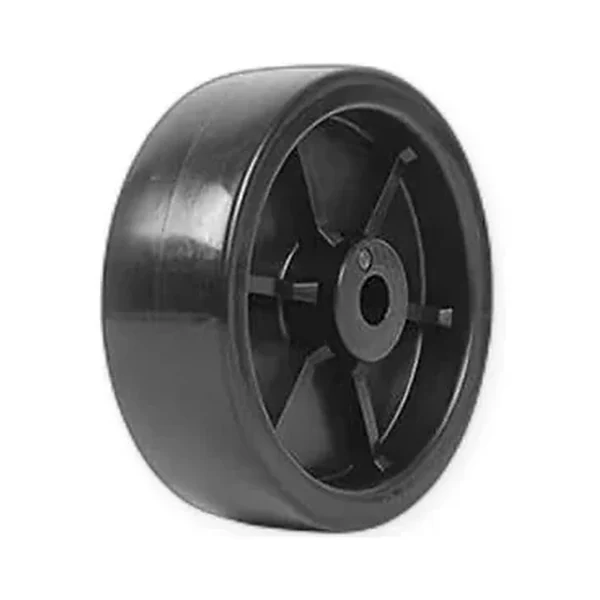
Een vervangend wiel kan de juiste buitendiameter hebben en toch defect raken doordat de naaf te lang is, de boring niet klopt of de lagerbreedte de afstandhouders beïnvloedt. Meet de bruikbare aslengte en noteer of de oude wielconstructie gebruikmaakt van bussen, lagers, ringen of schouderafstandhouders.
Na installatie moet het wiel vrij kunnen draaien zonder overmatige axiale speling en zonder dat het door een lager wordt vastgeklemd waardoor de rotatie wordt belemmerd.
Storingspatronen om in de gaten te houden bij het vervangen van een industriële naaf: de lengte van de naaf is van belang.
Een foto zonder schaalverdeling of diameterinformatie, zonder naafgegevens, kan een plausibele maar incompatibele vervanging opleveren. Vergelijkbare symptomen kunnen ook worden veroorzaakt door losse bevestigingsmiddelen, versleten lagers, verkeerde uitlijning, vervuilde vloeren of een frame dat niet meer haaks is. Voordat u het wielmateriaal de schuld geeft, inspecteer de montage en vergelijk slijtagepatronen op verschillende posities. Wanneer u dit toepast op de vraag waarom de naaflengte belangrijk is bij het vervangen van een wiel, vergelijk dan de kandidaten met dezelfde apparatuurgegevens, zodat veranderingen in materiaal, maat en interface consistent worden beoordeeld.
Als slechts één hoek snel slijt, onderzoek dan de belasting en uitlijning van die hoek. Als alle wielen dezelfde schade vertonen, controleer dan de toepassing, de vloer en de materiaalspecificaties. Als de slijtage versnelt na een proceswijziging, noteer dan de nieuwe verontreiniging, het reinigingsmiddel, de temperatuur of het rijpatroon. Wanneer je dit toepast op de vraag waarom de naaflengte van belang is bij het vervangen van een wiel, vergelijk dan de kandidaten met dezelfde apparatuurgegevens, zodat veranderingen in materiaal, maat en interface consistent worden beoordeeld.
Formuleer de specificatie zo dat een andere koper deze kan reproduceren — Waarom de naaflengte ertoe doet
Gebruik één regel per configuratie en beschrijf de vereisten zo dat een andere engineer ze kan begrijpen zonder het oorspronkelijke gesprek. Voeg foto's/tekeningen met afmetingen, wiel- en naafmetingen, montagegegevens, belasting, omgeving, hoeveelheid en modelreferenties toe. Voeg de juiste tekening of fotoset bij. Als een interfaceafmeting onbekend is, vermeld dan "meting in afwachting" in plaats van een geschatte waarde te gebruiken. Wanneer u dit toepast op "Waarom de naaflengte belangrijk is bij het vervangen van een wiel", vergelijk dan de kandidaten met hetzelfde apparatuurrecord, zodat wijzigingen in materiaal, afmetingen en interface consistent worden beoordeeld.
Bij bestellingen van meerdere modellen dient u de aantallen gescheiden te houden en aan te geven welke afmetingen overeenkomen.
Naaflengte is belangrijk bij het vervangen van een industriële onderdelen - beslissingschecklist
- Is de maximale normale belasting bekend?
- Kunnen de steunwielen de belasting gelijkmatig verdelen?
- Wordt de daadwerkelijke vloer/grond beschreven?
- Worden de afmetingen van de wielen en de interface gemeten?
- Is de bedieningsfunctie duidelijk?
- Worden er specifieke eisen gesteld aan materiaal, afwerking of omgevingsomstandigheden?
- Is de hoeveelheid gekoppeld aan het juiste model?
Ga verder met de primaire selectiepagina, vergelijken huidige productfamiliesof gebruik de Offerteaanvraagformulier.
Vertaal de technische vraag naar een praktische veldtest: waarom de naaflengte ertoe doet.
De onderstaande punten passen het onderwerp van het artikel toe op meting, installatie en veldobservatie, zonder een algemeen productlabel als een volledige specificatie te beschouwen.
Bewaar één goedgekeurde referentie — Waarom de naaflengte ertoe doet.
Zodra een configuratie is goedgekeurd, bewaar dan de goedgekeurde tekening, modelreferentie en belangrijkste afmetingen bij elkaar. Bij toekomstige bestellingen moet nog steeds worden bevestigd dat de apparatuur en de toepassing niet zijn gewijzigd, maar de goedgekeurde referentie vermindert de onduidelijkheid. Wanneer dit wordt toegepast op de vraag waarom de naaflengte van belang is bij het vervangen van een onderdeel, vergelijk dan de kandidaten met hetzelfde apparatuurrecord, zodat wijzigingen in materiaal, afmetingen en interfaces consistent worden beoordeeld.
Onderhoudsgegevens die van belang zijn voor de naaflengte zijn relevant bij het vervangen van een industrieel onderdeel.
Noteer de wielpositie, installatiedatum, toepassing, reden voor vervanging en ongebruikelijke gebeurtenissen op de vloer. In een programma voor het vervangen van wielnaven helpt deze eenvoudige geschiedenis vast te stellen of slijtage willekeurig is, positiegebonden of verband houdt met een veranderde omgeving. Een wiel dat herhaaldelijk op één hoek slijt, kan wijzen op een concentratie van de belasting, een verkeerde uitlijning of lokale vervuiling in plaats van een algemeen materiaalprobleem.
Inspecteer de as, afstandhouders, lagers, beugel en bevestigingsmiddelen wanneer het oude wiel wordt verwijderd. Noteer de afmetingen die direct overeenkomen met de maattekeningen/foto's, wiel- en naafafmetingen, montagegegevens, belasting, omgevingsomstandigheden, aantal en modelreferenties. Als een onderdeel tijdens gebruik is aangepast, fotografeer dan de wijziging voordat u het nieuwe onderdeel installeert en bepaal of de gewijzigde toestand onderdeel moet worden van de officiële specificaties. Wanneer u dit toepast op de vraag waarom de naaflengte van belang is bij het vervangen van een wiel, vergelijk dan de kandidaten met dezelfde gegevens, zodat wijzigingen in materiaal, afmetingen en interface consistent worden beoordeeld.
Waarop te letten bij het toepassen van de juiste naaflengte bij het vervangen van een industriële naaf
Test een nieuwe of vervangende configuratie voor het aanpassen van de wielnaaflengte onder gecontroleerde belasting en bij lage snelheid vóór normaal gebruik. Let op wrijving, contact met de beugel, wielinstabiliteit, stuurinstabiliteit, beweging van de bevestigingsmiddelen en eventuele veranderingen in de hoogte van het dek of de dissel. Het doel is om de aannames die tijdens de selectie zijn gemaakt te testen, en niet alleen om te bevestigen dat het wiel draait.
Voor vervangingsprogramma's en OEM-aanvragen waarbij de pasvorm moet worden vastgesteld op basis van een bestaande assemblage of tekening, dient de meest veeleisende normale vloer- of grondovergang in de eerste test te worden opgenomen. Als het systeem een drempel, helling of oneffenheid moet overbruggen, observeer het dan ter plaatse. Documenteer het resultaat met dezelfde modelreferentie die in de offerteaanvraag is gebruikt, zodat toekomstige bestellingen een bruikbare basislijn hebben in plaats van op het geheugen te moeten vertrouwen. Wanneer dit wordt toegepast op de vraag waarom de naaflengte van belang is bij het vervangen van een systeem, vergelijk dan de kandidaten met dezelfde apparatuurgegevens, zodat wijzigingen in materiaal, afmetingen en interfaces consistent worden beoordeeld.
Begin met het werkingsgebied — Waarom de naaflengte ertoe doet
De praktische waarde van "Waarom de naaflengte ertoe doet bij het vervangen van een industrieel wiel" is niet eenduidig te beantwoorden met een simpel ja of nee. De nuttige afbakening wordt bepaald door de apparatuur en de toepassing waarvoor de vraag geldt. Noteer de wieldiameter, breedte, boring of lager, naaflengte, as- of bevestigingsafmetingen, inbouwhoogte en de speling rondom. Door deze gegevens bij elkaar te houden, kan onderscheid worden gemaakt tussen een productidentificatievraag en een technische selectievraag, en wordt voorkomen dat een visueel gelijkend onderdeel automatisch als uitwisselbaar wordt beschouwd.
Gebruik de meest veeleisende normale situatie in plaats van een best-case scenario. Als de apparatuur soms een drempel overschrijdt, buiten werkt, een ongelijkmatige lading draagt of pas na lange perioden van statische belasting wordt gemanoeuvreerd, neem die situatie dan mee. Het doel is een herhaalbare eis die een andere engineer of inkoper kan begrijpen zonder het originele onderdeel te zien. Wanneer je dit toepast op de vraag waarom de naaflengte van belang is bij het vervangen van een onderdeel, vergelijk dan de kandidaten met hetzelfde apparatuurrecord, zodat wijzigingen in materiaal, afmetingen en interface consistent worden beoordeeld.
Meten vanaf stabiele referentiepunten — Waarom de naaflengte ertoe doet
Voor dit onderwerp dient u de wieldiameter, breedte, boring of lager, naaflengte, as- of bevestigingsafmetingen, inbouwhoogte en de speling eromheen te registreren. Gebruik foto's met afmetingen als er geen tekening beschikbaar is en geef de referentiepunten aan die voor elke meting zijn gebruikt. Als het oude onderdeel versleten, verbogen of gerepareerd is, markeer dan de betreffende afmeting in plaats van de beschadigde geometrie als ontwerpdoel te beschouwen. Wanneer u dit toepast op de vraag waarom naaflengte belangrijk is bij het vervangen van een onderdeel, vergelijk dan de kandidaten met dezelfde apparatuurgegevens, zodat wijzigingen in materiaal, afmetingen en interface consistent worden beoordeeld.
Een vergelijkingsblad werkt het beste met één configuratie per kolom of rij. Houd gemeten waarden, vereiste waarden en optionele voorkeuren gescheiden. Deze eenvoudige scheiding verkleint de kans dat een voorstel van een leverancier of een oude cataloguswaarde zonder controle in de vereiste specificatie wordt overgenomen. Het maakt latere herzieningen van offertes ook gemakkelijker te controleren. Wanneer u dit toepast op de vraag waarom de naaflengte van belang is bij het vervangen van een naaf, vergelijk dan kandidaten met hetzelfde apparatuurrecord, zodat wijzigingen in materiaal, afmetingen en interface consistent worden beoordeeld.
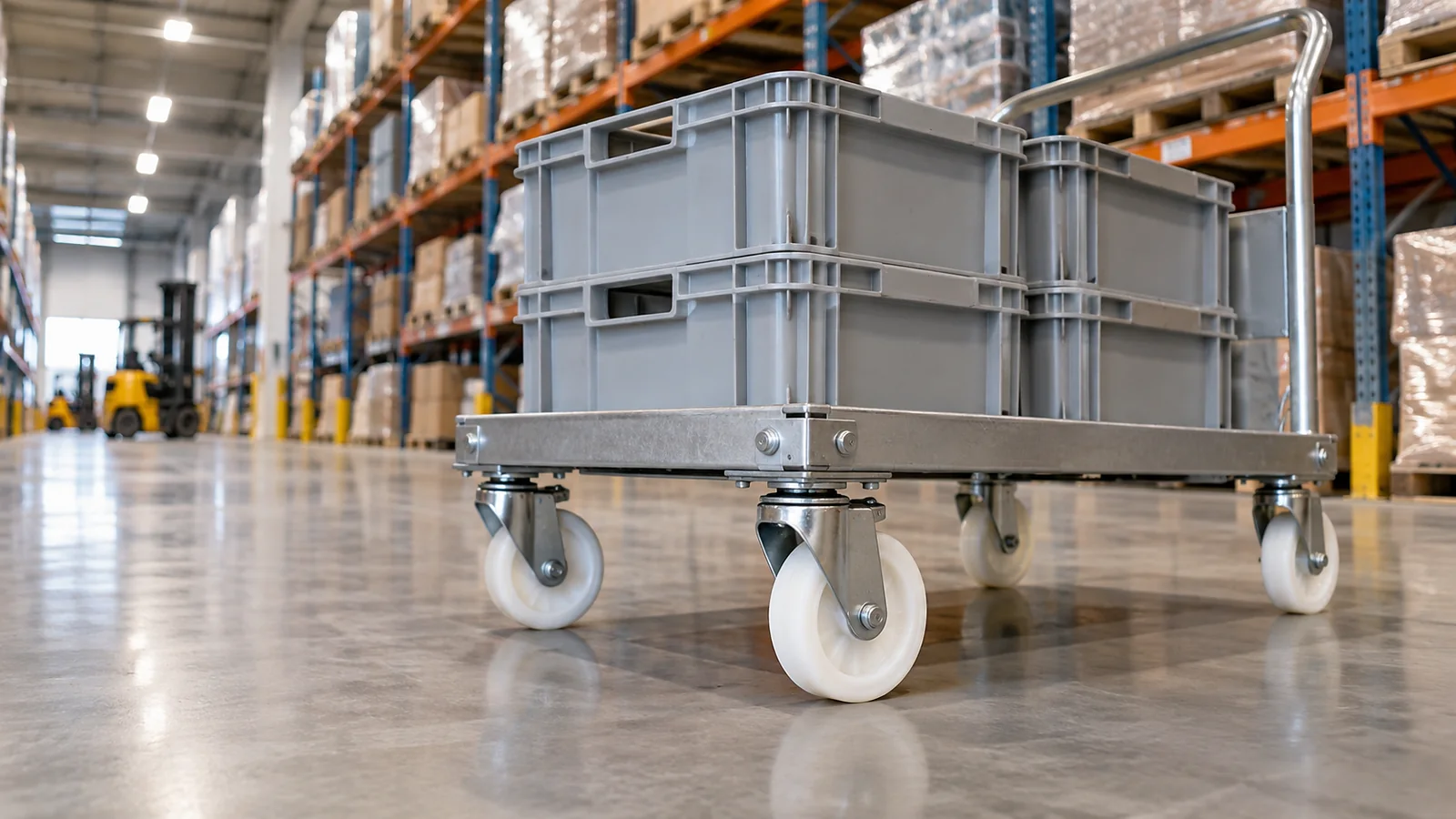
Test de aanname in plaats van de foto — Waarom de naaflengte ertoe doet
Nadat een kandidaat-onderdeel is geïnstalleerd, vergelijk het nieuwe onderdeel met het oude onderdeel en de interface van de apparatuur voordat u de volledige belasting aanbrengt; draai het met de hand en controleer de afstandhouders, bevestigingsmiddelen en zijdelingse speling. De eerste test moet langzaam genoeg worden uitgevoerd om het wiel en de montage te observeren, in plaats van alleen te bewijzen dat de apparatuur kan bewegen. Let op wrijving, onverwachte zijwaartse beweging, beweging van de bevestigingsmiddelen, wielinstabiliteit, interferentie en een verandering in de benodigde inspanning van de bestuurder. Wanneer u dit toepast op de vraag waarom de naaflengte van belang is bij het vervangen van een onderdeel, vergelijk de kandidaten dan met dezelfde apparatuurgegevens, zodat veranderingen in materiaal, afmetingen en interface consistent worden beoordeeld.
Als het resultaat onbevredigend is, noteer dan het symptoom voordat u meerdere variabelen tegelijk wijzigt. Eén gecontroleerde wijziging – zoals wieldiameter, materiaal, montage-uitlijning of stuurinrichting – levert nuttigere informatie op dan het vervangen van de complete wielassemblage, waardoor de oorzaak van het oorspronkelijke probleem verloren gaat. Wanneer u dit toepast op de vraag waarom de naaflengte van belang is bij het vervangen van een wiel, vergelijk dan de kandidaten met dezelfde apparatuurgegevens, zodat wijzigingen in materiaal, afmetingen en interface consistent worden beoordeeld.
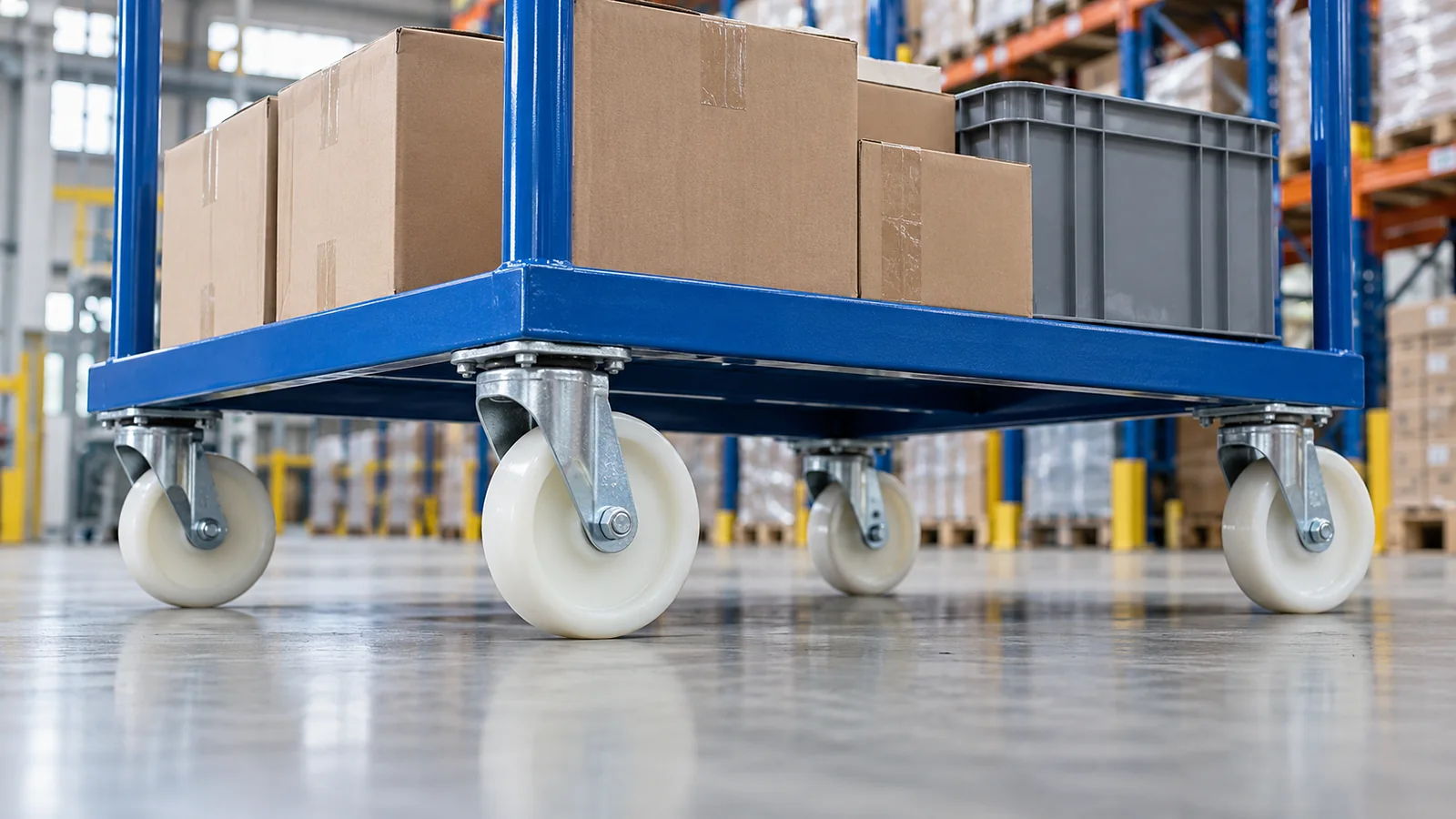
Gebruik dezelfde controlepunten wanneer de vervanging voor "Waarom de naaflengte belangrijk is bij het vervangen van een industrieel wiel" arriveert.
De snelste manier om een afwijking te ontdekken, is door het ontvangen onderdeel te vergelijken met dezelfde afmetingen die tijdens de offerteaanvraag zijn vastgelegd. Controleer eerst de pasvorm, vervolgens de algehele afmetingen en de vrije beweging. Indien lagers of bussen aanwezig zijn, controleer dan of ze correct passen en soepel draaien voordat de apparatuur weer in gebruik wordt genomen. Wanneer dit wordt toegepast op de vraag waarom de naaflengte van belang is bij het vervangen van een onderdeel, vergelijk dan de kandidaten met dezelfde apparatuurgegevens, zodat wijzigingen in materiaal, afmetingen en interface consistent worden beoordeeld.
Bewaar het goedgekeurde meetblad bij de apparatuurgegevens. Zo wordt een eenmalige vervanging een herbruikbare referentie voor de inkoop en wordt het risico verkleind dat een toekomstige koper afgaat op een foto of leveranciersbeschrijving waarin de afmeting ontbreekt die oorspronkelijk bepalend was voor de pasvorm. Wanneer je dit toepast op de vraag waarom de naaflengte belangrijk is bij het vervangen van een onderdeel, vergelijk dan de kandidaten met dezelfde apparatuurgegevens, zodat wijzigingen in materiaal, afmetingen en interface consistent worden beoordeeld.
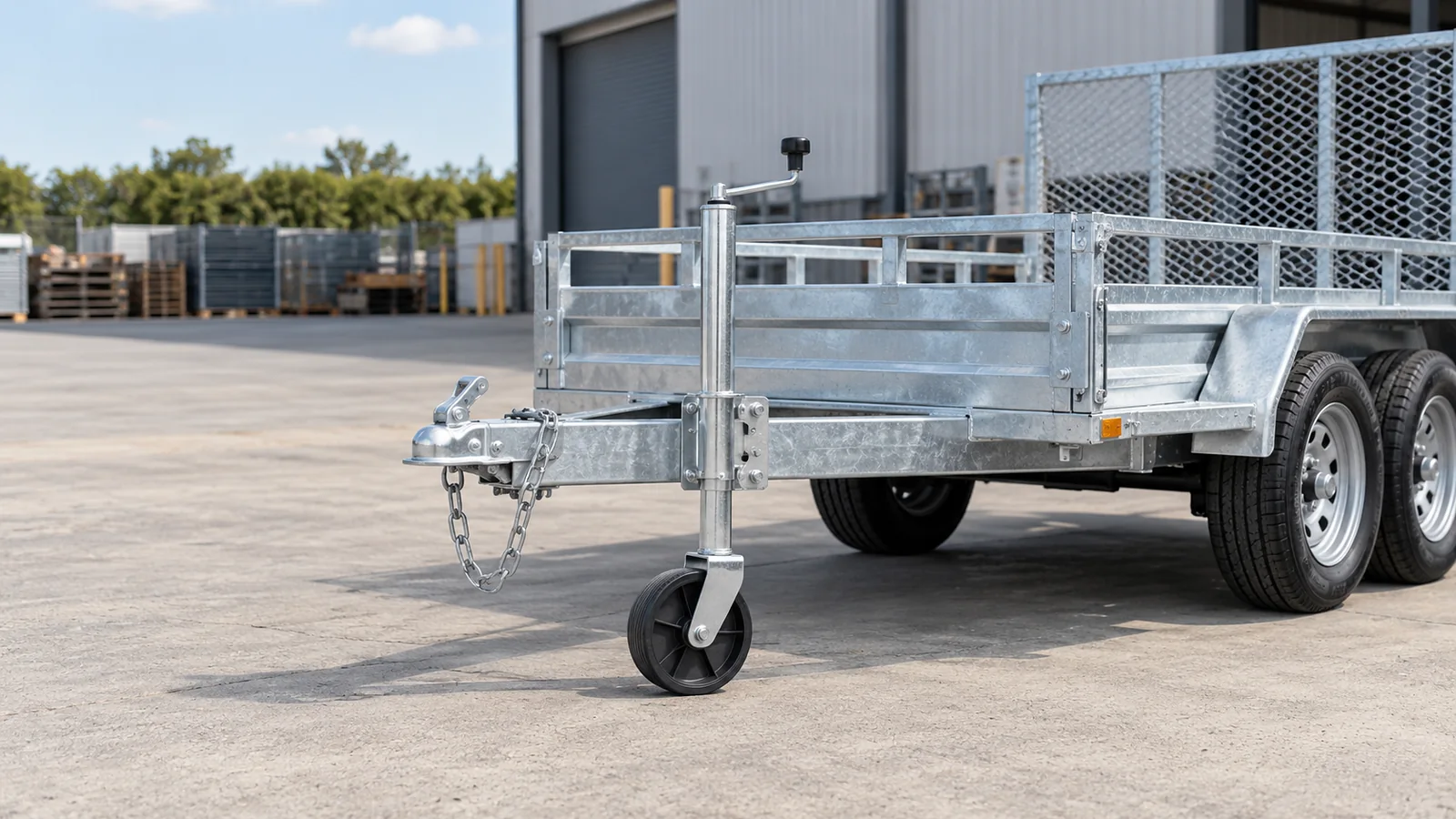
Zet de inspectie voor "Waarom de naaflengte belangrijk is bij het vervangen van een industrieel wiel" om in een bruikbare tekening.
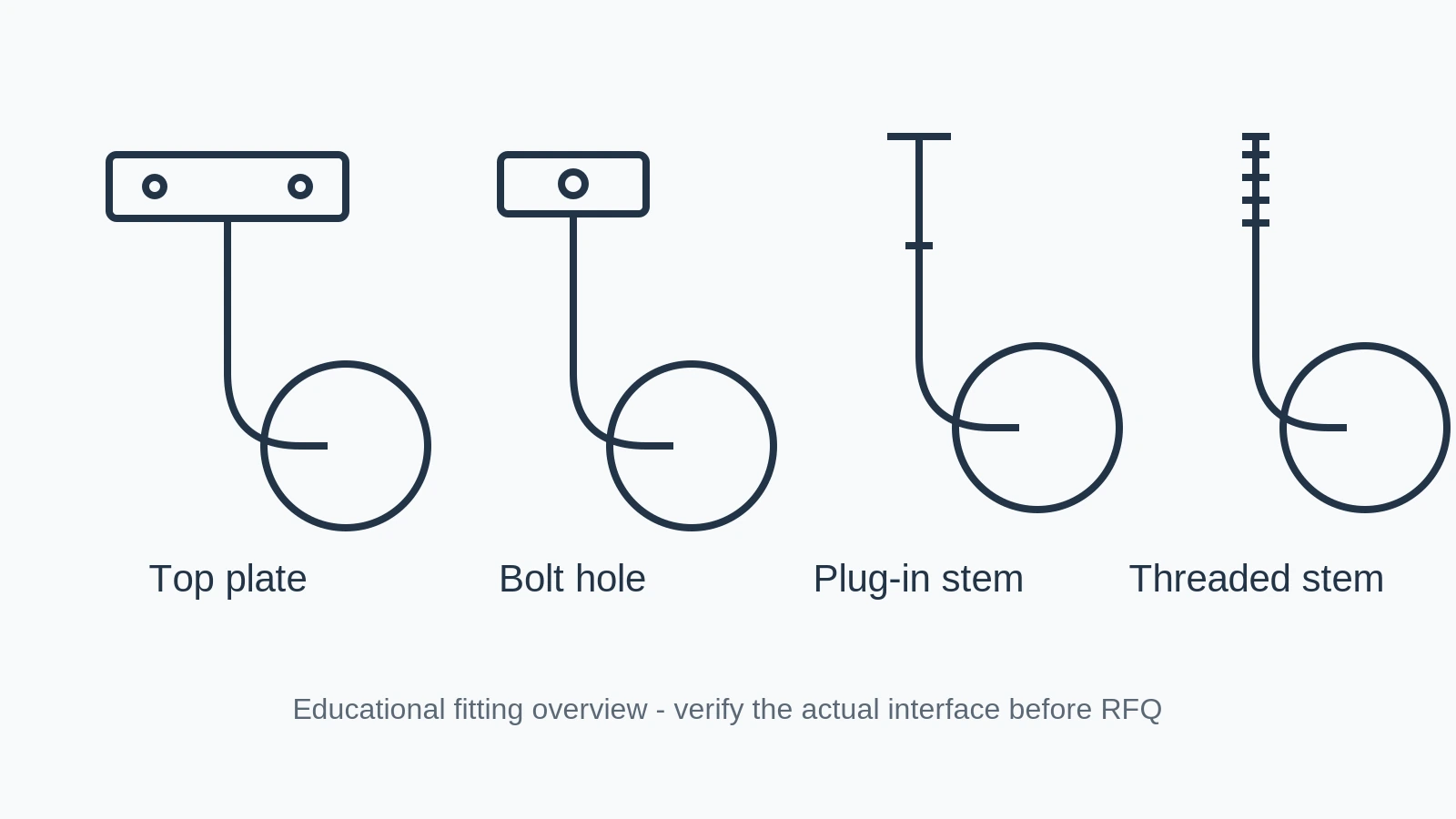
Noteer de afmetingen in een consistente volgorde en geef aan waar elke afmeting begint en eindigt. Voor een los wiel betekent dit normaal gesproken de buitendiameter, de spoorbreedte of wielbreedte, de boring of lager-ID, de naaflengte en eventuele details van de schouder of afstandhouder. Voeg voor een zwenkwiel of steunconstructie de inbouwhoogte, de afmetingen van de plaat of buis, de gatenafstand, de offset, de verstelafstand en de speling toe, indien van toepassing. Wanneer u dit toepast op de vraag waarom de naaflengte belangrijk is bij het vervangen van een wiel, vergelijk dan de kandidaten met dezelfde apparatuurgegevens, zodat wijzigingen in materiaal, afmetingen en interface consistent worden beoordeeld.
Foto's moeten die afmetingen ondersteunen in plaats van ze te vervangen. Voeg een rechtstreeks zijaanzicht, de andere kant, de montage-interface en, indien mogelijk, een schaalverdeling of schuifmaat toe. Markeer onzekere waarden in plaats van ze te schatten op basis van perspectief, omdat een paar millimeter bij een interface kan bepalen of een vervangend onderdeel daadwerkelijk past. Wanneer je dit toepast op de vraag waarom de naaflengte belangrijk is bij het vervangen van een onderdeel, vergelijk dan de kandidaten met dezelfde apparatuurgegevens, zodat veranderingen in materiaal, grootte en interface consistent worden beoordeeld.
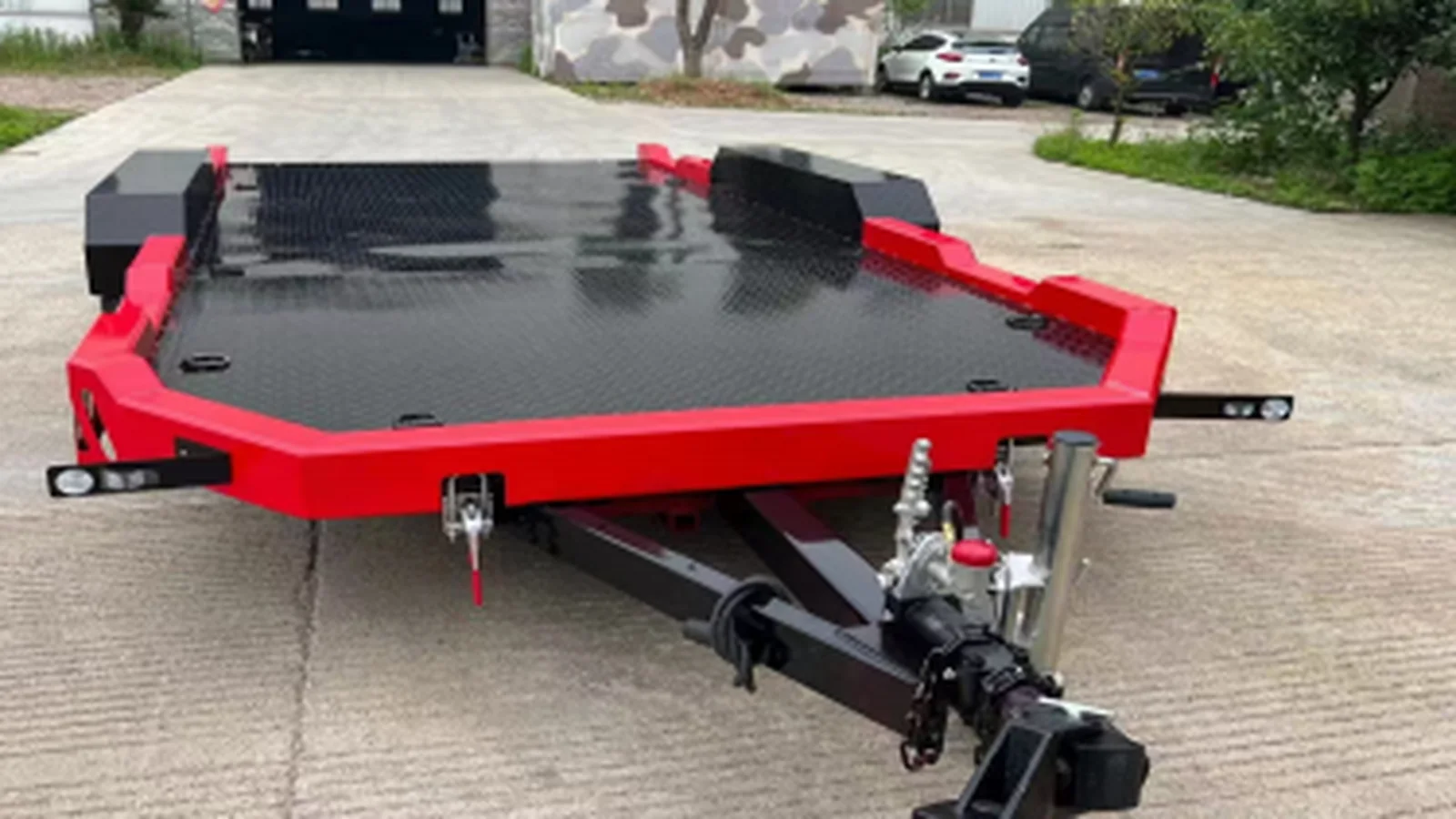
Baseer de beslissing op dimensies die daadwerkelijk de pasvorm bepalen.
Meetkundige onderwerpen zijn het meest nuttig wanneer elke afmeting gekoppeld is aan een fysiek referentiepunt. Een getal zonder referentiepunt kan door inkoop, onderhoud en leveranciers verschillend worden geïnterpreteerd, vooral wanneer een oud wiel of zwenkwiel versleten is of gerepareerd is.
| Invoer | Wat moet je vastleggen? |
|---|---|
| Wielgeometrie | Noteer de diameter en breedte van onbeschadigde oppervlakken en geef aan of de waarde nominaal of gemeten is. |
| Naaf / boring | Noteer de boring of lagerconfiguratie, de naaflengte, de asdiameter, de afstandhouders en de bevestiging. |
| Montage | Voor complete assemblages dient u de afmetingen van de plaat, het boutgat, de steel, de buis of de klem te registreren aan de hand van stabiele referentiepunten. |
| Geïnstalleerde envelop | Controleer de totale hoogte, de draai- of inklapruimte en de aangrenzende beschermkappen, frames of bevestigingsmiddelen. |
Foto's met afmetingen zijn handig als er geen tekening beschikbaar is, maar de afbeelding moet de schaal en de exacte te meten oppervlakken weergeven. Vermijd het gebruik van perspectieffoto's om de gatenafstand of de lengte van de naaf te schatten. Als het oude onderdeel versleten is, noteer dan de schade en meet de aansluiting aan de machinezijde als tweede referentie. Dit voorkomt dat een versleten buitendiameter, een uitgerekt gat of een verbogen beugel per ongeluk de nieuwe doelgeometrie wordt.
Bij het vergelijken van alternatieven is het belangrijk om de vereiste afmetingen gescheiden te houden van voorkeuren zoals kleur of afwerking. Als een kandidaat een van de maatbepalende afmetingen wijzigt, noteer dan het effect op de inbouwhoogte, de speling en het bevestigingsmateriaal in plaats van het onderdeel als een directe vervanging te beschouwen. Hetzelfde meetformulier kan vervolgens worden gebruikt voor leveranciersbeoordeling, eerste-artikelinspectie en onderhoud, zonder dat de eisen in andere bewoordingen hoeven te worden herschreven.
Hoe de naaflengte van belang is bij het vervangen van een industriële naaf, verandert de offerteaanvraag.
Voor de vraag "Waarom de naaflengte van belang is bij het vervangen van een industrieel wiel", moet de offerteaanvraag de operationele feiten vermelden die aan de vraag ten grondslag liggen, in plaats van alleen de productterm te herhalen. Benoem de apparatuur, beschrijf de normale en maximale belasting, noteer de afmetingen die bepalend zijn voor de pasvorm en geef aan wat het probleem of de doelstelling was die aanleiding gaf tot de beoordeling. Als de beslissing betrekking heeft op de belasting, vermeld dan de massa van de apparatuur en de steunpunten; als het om het materiaal gaat, beschrijf dan de vloer en de omgeving; als het om de montage gaat, geef dan de interfacegeometrie aan; en als het een steunwiel van een aanhanger betreft, vermeld dan de ondersteuningsconditie, de ondergrond en de beschikbare veerweg.
Houd de vereiste waarden gescheiden van de open vragen. Een leverancier kan veel nuttiger reageren op "bevestig de boring en naaflengte aan de hand van de bijgevoegde schets" dan op een geschatte afmeting die als definitief wordt gepresenteerd. Hetzelfde principe geldt voor belastingswaarden, materiaalkwaliteiten, remfuncties en montagedetails. Waar een waarde is geverifieerd, geef dit dan duidelijk aan; waar dit niet het geval is, vraag dan om bevestiging. Dit zorgt ervoor dat de offerte aansluit op de daadwerkelijke apparatuur en maakt latere technische controles eenvoudiger, zonder dat er een extra, repetitieve goedkeurings- of vervolgordersectie aan de pagina wordt toegevoegd. Wanneer u dit toepast op de vraag waarom de naaflengte belangrijk is bij het vervangen van een onderdeel, vergelijk dan de kandidaten met dezelfde apparatuurgegevens, zodat wijzigingen in materiaal, afmetingen en interfaces consistent worden beoordeeld.
De naaflengte is belangrijk bij het vervangen van een industriële naaf. Veelgestelde vragen
Wat is het eerste dat je moet controleren bij het vervangen van de wielnaaflengte?
Begin met de afmetingen die de pasvorm bepalen en de relatie tussen wiel, as, naaf, beugel en frame. Dat geeft de rest van de selectie een meetbare context.
Kan een foto metingen vervangen?
Een foto helpt bij de identificatie, maar de cruciale afmetingen moeten nog steeds worden opgemeten of overgenomen van een goedgekeurde tekening.
Moet de koper een veiligheidsmarge toevoegen aan de belasting?
Een veiligheidsmarge wordt vaak gebruikt om ongelijke lastverdeling en operationele effecten te compenseren, maar de juiste waarde hangt af van de toepassing en vervangt de productclassificatie niet. Bij toepassing hiervan op de vraag waarom de naaflengte van belang is bij het vervangen van een onderdeel, is het belangrijk om kandidaten te vergelijken met dezelfde apparatuurgegevens, zodat veranderingen in materiaal, afmetingen en interface consistent worden beoordeeld.
Wat als het materiaal onbekend is?
Beschrijf de bedrijfsvloer en de omgeving, lever een monster of foto aan en beschouw het materiaal als een bevestigingsmiddel in plaats van te gokken op basis van de kleur.
Bespreek uw vereisten voor het vervangen van de wielnaaf.
Stuur ons de toepassing, de belasting, de pasvormcontrolematen, de hoeveelheid en eventuele relevante foto's of tekeningen. Aan de hand van deze gegevens kunnen we de productfamilie nauwkeuriger afbakenen zonder te hoeven gissen.