Produktbeskrivelse
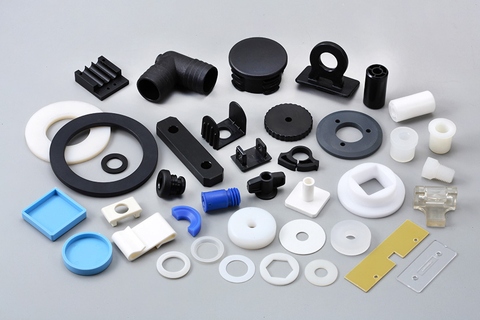
Plastdeler
VI HJELPER MED Å OPPNÅ DITT DESIGN, SOM DIN OPPRIKTIGSTE PARTNER!
OPPRIKTIGHET KVALITET KOMPETANSE
Generelt produktanvendelse/tjenesteområde:
Metalldeler til kjøretøy, landbruksmaskiner, anleggsmaskiner, transportutstyr, ventil- og pumpesystemer. F.eks. motorbrakett, lastebilchassisbrakett, girkasse, girhus, girdeksel, aksel, splineaksel, trinse, flens, tilkoblingsrør, rør, hydraulisk ventil, ventilhus, beslag, flens, hjul, svinghjul, oljepumpehus, starterhus, kjølevæskepumpehus, girkasse, girkasse, tannhjul, kjeder osv.
| Søknad | |||||
| • Landbruksutstyr | • Bevæpning | • Bilindustrien | • Datautstyr | • Medisinske/tannlege instrumenter | • Måleinstrumenter |
| • Diverse utstyr | • Legemiddelindustrien | • Ortopediske implantater | • Sikkerhetsutstyr | • Petrokjemisk industri | • Industrielle ventiler |
| • Feste- og flyttbart utstyr | • Sanitærutstyr | • Generelt maskineri | • Pumper og generelle tilkoblinger | • Mat- og drikkevareforedling | • Instrumenteringsutstyr |
PRODUKTBESKRIVELSE:
| Produktnavn | Plastdeler |
|---|---|
| Materiale | PA, PA6, PA+FG, ABS, FR ABS, POM, PC, PS, PP, PVC, TPR, TPU, TPE, HDPE, PMMA osv. |
| Mugghulrom | Enkelt eller flerhulrom |
| Enkelt eller flerhulrom | LKM eller tilsvarende standardformbase |
| Kjerne stål | NAK80 Herdet stål, 718, 718H, P20, S136 osv. |
| Størrelse på injeksjonsmaskinen | 40 sett varierer fra 80 tonn til 1400 tonn. |
| Toleranse | +/-0,1 mm |
| Maks. formstørrelse | 1500 mm x 1300 mm |
| Produktenhetsvekt | fra 0,1 gram til 10 000 gram |
| Overflatebehandling | Krombelegg, silketrykk, laseretsing, tekstur, fargemaling osv. |
| Produktenhetsvekt | Standard eksportpakking eller tilpasset |
| Leveringstid | Omtrent 25–60 dager for ny produksjon |
| Forsendelse | Luft eller sjø |
Produksjonsprosess
1. Aluminiumstøping er en prosess med injeksjon av aluminiumslegering under trykk, som produserer deler i stort volum til lave kostnader.
2, Det er 2 prosesser for støping av aluminium: varmt kammer og kaldt kammer.
3. En komplett syklus kan variere fra 1 sekund for små komponenter til minutter for støping av store deler, noe som gjør aluminiumstøping til den raskeste teknikken som er tilgjengelig for å produsere presise deler av aluminiumslegering.
4, Alle deler av støpegods av aluminiumslegering tilpasses i henhold til kundens tegning eller prøver.
5, Sertifisering: som kundens krav.
Teknisk Støtte:
HangZhou Ketuohong Machinery Equipment., Ltd (KTH) er profesjonelle innen uavhengig utvikling og design. Våre ingeniører er dyktige innen AUTO CAD, PRO ENGINEER, UG, SOLID WORKS og annen 2D- og 3D-programvare, og vi har CHINAMFG mold flow-programvare for å simulere støpeprosessen ved hjelp av verktøy/dyser og pre-design. Vi kan designe, utvikle, produsere og levere din innkjøpsordre i henhold til dine tegninger, prøver eller bare en idé. Varig kontroll over standardprodukter og OEM-produkter.
Kvalitet Kontroll:
1) Kontroll av råmaterialet etter at det har kommet til fabrikken vår——- Innkommende kvalitetskontroll (IQC)
2) Kontrollerer detaljene før produksjonslinjen opereres
3) Ha full inspeksjon og ruteinspeksjon under masseproduksjon – Kvalitetskontroll i prosessen (IPQC)
4) Kontrollerer varene etter at de er ferdige - Endelig kvalitetskontroll (FQC)
5) Kontrollerer varene etter at de er ferdige - Utgående kvalitetskontroll (OQC)
Vår fabrikk
HangZhou Ketuohong Maskinutstyr Ltd (KTH)
Vi spesialiserer oss på metalldeler til kjøretøy, landbruksmaskiner, anleggsmaskiner, transportutstyr, ventil- og pumpesystemer etc.
Ved å holde produksjonsprosessdesign, kvalitetskontroll i HangZhou, viktige produksjonsprosesser og endelig kvalitetskontroll internt, mestrer vi nøkkelkompetanse for å levere mekaniske deler og montering av høy kvalitet til våre kunder for både det kinesiske markedet og eksportmarkedet.
For å tilfredsstille ulike mekaniske og funksjonelle krav fra våre kunder, produserer vi et stort utvalg av metallprodukter basert på ulike emneløsninger og -teknologier. Disse emneløsningene og -teknologiene inkluderer prosesser som jernstøping, stålstøping, støping av rustfritt stål, støping av aluminium og smiing.
Tidlig i kundens designprosess gir vi profesjonelle innspill til kundene våre når det gjelder prosessgjennomførbarhet, kostnadsreduksjon og funksjonell tilnærming. Du er velkommen til å kontakte oss for tekniske forespørsler og forretningssamarbeid.
Vanlige spørsmål
1Q: Er du et handelsselskap eller en produsent?
A: Vi er en fabrikk, så vi kan tilby konkurransedyktig pris og rask levering til deg.
2Q: Hva slags tjeneste kan dere tilby?
A: Vårt firma kan tilby skreddersydd støping, CNC-maskinering og overflatebehandling i henhold til kundens krav.
3Q: Hva slags informasjon trenger du for et tilbud?
A: For å kunne gi deg et tilbud tidligere, vennligst gi oss følgende informasjon sammen med forespørselen din.
1. Detaljtegninger (STEP, CAD, CHINAMFG Works, PROE, DXF og PDF)
2. Materialkrav (SUS, SPCC, SECC, SGCC, kobber, AL, ETC.)
3. Overflatebehandling (pulverlakkering, sandblåsing, planting, polering, oksidering, børsting, etc.)
4. Antall (per bestilling/per måned/årlig)
5. Eventuelle spesielle krav eller krav, som pakking, etiketter, levering osv.
4Q: Hva skal vi gjøre hvis vi ikke har tegninger?
A: Send prøven din til fabrikken vår, så kan vi kopiere den eller gi deg bedre løsninger. Send oss bilder eller utkast med dimensjoner (tykkelse, lengde, høyde, bredde). CAD- eller 3D-filer vil bli laget for deg hvis du bestiller.
5Q: Hva gjør deg annerledes enn andre?
A: 1. Vår utmerkede service
Vi sender inn tilbudet innen 48 timer hvis vi får detaljert informasjon i løpet av virkedager.
2. Vår raske produksjonstid
For normale bestillinger lover vi å produsere innen 3 til 4 uker.
Som fabrikk kan vi sikre leveringstiden i henhold til den formelle kontrakten.
6Q: Er det mulig å vite hvordan produktene mine går uten å besøke bedriften din?
A: Vi vil tilby en detaljert produksjonsplan og sende ukentlige rapporter med bilder eller videoer som viser maskineringsfremdriften.
7Q: Kan jeg få en prøveordre eller prøver bare for flere stykker?
A: Siden produktet er tilpasset og må produseres, vil vi belaste prøvekostnaden, men hvis prøven ikke er dyrere, refunderer vi prøvekostnaden etter at du har lagt inn massebestillinger.
8Q: Hvorfor er det verktøykostnader?
A: Det er muggkostnad. Uunnværlig produksjonsprosess. Du trenger bare å betale for første bestilling, så dekker vi vedlikeholdskostnadene for muggskader.
9Q: Hva er betalingsbetingelsene dine?
A: Betaling av prøveordre ≤ 1000 USD, 100% T/T full betaling.
Betaling av verktøy eller batchbestilling ≥ 5000USD, 70% T/T på forhånd, balanse før forsendelse.
10Q: Hva er din ettersalgsservice?
A: Hvis det er et kvalitetsproblem, vennligst oppgi bilder eller testrapport, så erstatter vi defekte varer eller returnerer pengene.
Hvis du har andre spørsmål, kan du finne oss på nett, eller sende meldinger via e-post eller WhatsApp for bedre kommunikasjon!
/* 10. mars 2571 17:59:20 */!function(){function s(e,r){var a,o={};try{e&&e.split(“,”).forEach(function(e,t){e&&(a=e.match(/(.*?):(.*)$/))&&1
| Materiale: | Aluminiumslegering, ADC10, ADC12, A380, A356, Alsi10mn, ABS |
|---|---|
| Søknad: | Medisinsk, Husholdning, Elektronikk, Bil, Landbruk, Maskindeler |
| Sertifisering: | TS16949, RoHS, ISO, RoHS, ISO 9001:2000, IATF16949:2016 |
| Støpemaskintype: | Varmt kammer støpemaskin |
| Støpemetode: | Presisjonsstøping |
| Trykkkammerstruktur: | Horisontal |
| Prøver: |
US$ 5/Stykke
1 stk (min. bestilling) | |
|---|
Kan du forklare hvilken rolle temperatur og trykk spiller i kvalitetskontroll av sprøytestøping?
Temperatur og trykk er to kritiske parametere i sprøytestøping som påvirker kvalitetskontrollen av prosessen betydelig. La oss utforske rollene deres mer detaljert:
Temperatur:
Temperaturen i sprøytestøping spiller flere viktige roller for å sikre kvalitetskontroll:
1. Materialflyt og fylling:
Temperaturen til det smeltede plastmaterialet påvirker viskositeten, eller flyteevnen. Høyere temperaturer reduserer materialets viskositet, slik at det lettere kan flyte inn i formhulrommene under injeksjonsfasen. Riktig temperaturkontroll sikrer optimal materialflyt og fylling, og forhindrer problemer som korte skudd, flytemerker eller ufullstendig delfylling. Temperaturkontroll bidrar også til å sikre konsistente materialegenskaper og dimensjonsnøyaktighet i de ferdige delene.
2. Smelting og homogenisering:
Temperaturen må kontrolleres nøye under smelteprosessen for å sikre fullstendig smelting og homogenisering av plastmaterialet. Utilstrekkelig smelting kan føre til usmeltede partikler eller inkonsistente materialegenskaper, noe som kan føre til defekter i de støpte delene. Riktig temperaturkontroll under smeltefasen sikrer jevn smelting og blanding av tilsetningsstoffer, noe som forbedrer materialets homogenitet og den generelle kvaliteten på de støpte delene.
3. Avkjøling og størkning:
Etter at den smeltede plasten er injisert i formen, er temperaturkontroll avgjørende under kjøle- og størkningsfasen. Riktig kjølehastighet og jevn kjøling bidrar til å forhindre problemer som vridning, krymping eller deformasjon av delen. Kontroll av temperaturen muliggjør jevn størkning i hele delen, noe som sikrer dimensjonsstabilitet og minimerer indre spenninger. Temperaturkontroll påvirker også delens krystallinitet og mikrostruktur, noe som kan påvirke dens mekaniske egenskaper.
Trykk:
Trykkkontroll er like viktig for å oppnå kvalitetskontroll ved sprøytestøping:
1. Materialemballasje:
Under pakkefasen av sprøytestøping påføres trykk på det smeltede plastmaterialet for å kompensere for krymping når det avkjøles og størkner. Riktig trykkkontroll sikrer at materialet pakkes tilstrekkelig inn i formhulrommene, noe som minimerer hulrom, synker eller deformasjon av delene. Utilstrekkelig pakketrykk kan føre til ufullstendig fylling og dårlig delkvalitet, mens for høyt trykk kan forårsake for mye belastning, deldeformasjon eller flash.
2. Port- og flytkontroll:
Trykket i sprøytestøping påvirker materialets strømningsatferd gjennom formen. Trykket ved porten, der den smeltede plasten kommer inn i formhulrommet, må kontrolleres nøye. Porttrykket påvirker materialets strømningshastighet, fyllingsmønster og pakkeeffektivitet. Optimalt porttrykk sikrer jevn strømning og fylling, og forhindrer problemer som strømningslinjer, sveiselinjer eller luftfeller som kan kompromittere delkvaliteten.
3. Utkast og delutløsning:
Trykkkontroll er viktig under utstøtingsfasen for å gjøre det enkelt å fjerne den støpte delen fra formen. Tilstrekkelig utstøtingstrykk bidrar til å overvinne eventuell adhesjon eller friksjon mellom delen og formoverflatene, noe som sikrer jevn og skadefri frigjøring av delen. Feil utstøtingstrykk kan føre til at delen setter seg fast, deformeres eller skader på formen.
4. Prosessovervåking og tilbakemelding:
Overvåking og kontroll av temperatur- og trykkparametrene i sanntid er avgjørende for kvalitetskontroll. Avanserte sprøytestøpemaskiner er utstyrt med sensorer og kontrollsystemer som kontinuerlig overvåker temperatur og trykk. Disse systemene gir tilbakemelding og tillater justeringer underveis i prosessen for å opprettholde optimale forhold og sikre jevn delkvalitet.
Totalt sett er temperatur- og trykkkontroll i sprøytestøping avgjørende for å oppnå kvalitetskontroll. Riktig temperaturkontroll sikrer optimal materialflyt, smelting, homogenisering, avkjøling og størkning, mens trykkkontroll sikrer riktig materialpakking, port- og strømningskontroll, utstøting og frigjøring av deler. Overvåking og kontroll av disse parameterne gjennom hele sprøytestøpeprosessen bidrar til produksjon av deler av høy kvalitet med konsistente dimensjoner, mekaniske egenskaper og overflatefinish.
Hvordan forbedrer sprøytestøpte deler den generelle effektiviteten og funksjonaliteten til produkter og utstyr?
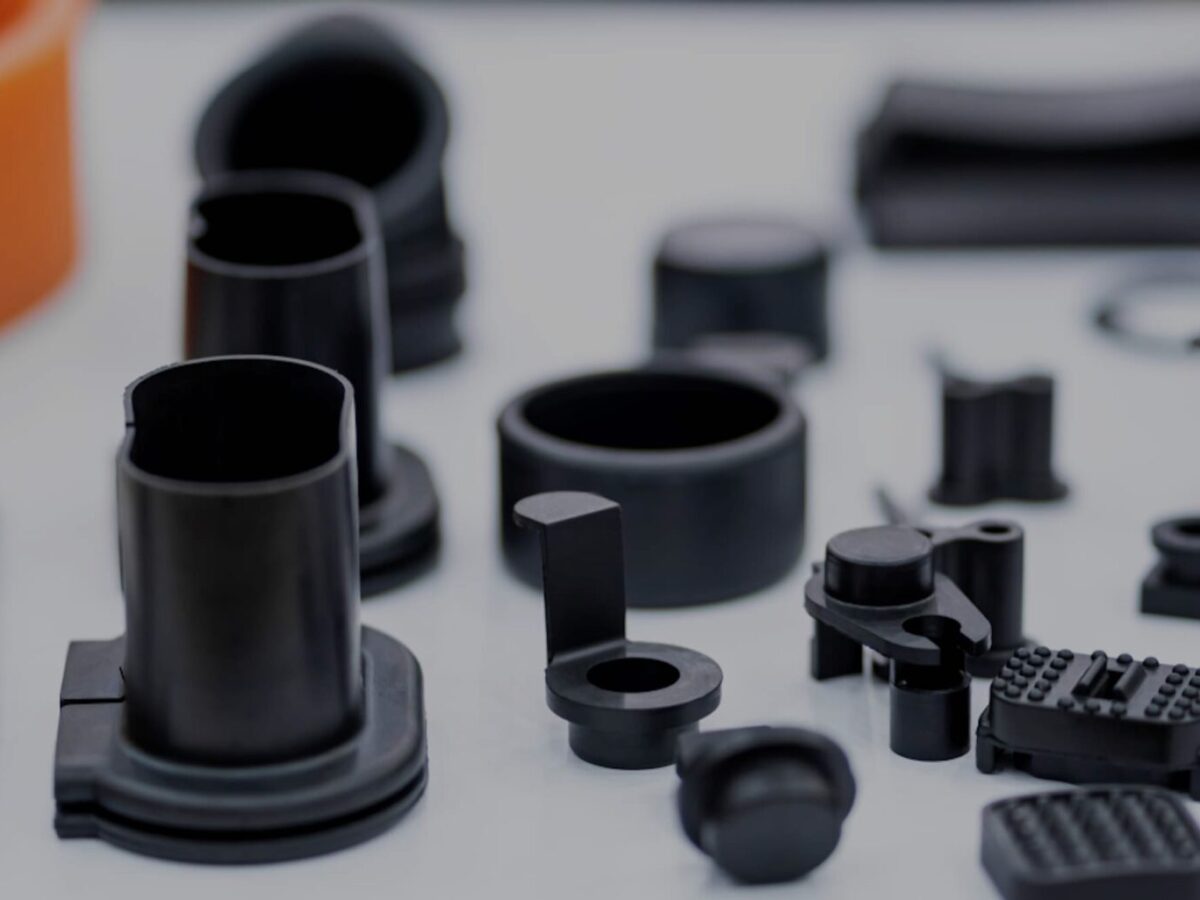
Sprøytestøpte deler spiller en avgjørende rolle i å forbedre den generelle effektiviteten og funksjonaliteten til produkter og utstyr. De tilbyr en rekke fordeler som gjør dem til et foretrukket valg i ulike bransjer. Her er en detaljert forklaring på hvordan sprøytestøpte deler bidrar til forbedret effektivitet og funksjonalitet:
1. Designfleksibilitet:
Sprøytestøping muliggjør intrikate og komplekse deldesign som kan tilpasses for å møte spesifikke krav. Fleksibiliteten i design muliggjør integrering av flere funksjoner, som underskjæringer, gjenger, hengsler og klikkfester, i en enkelt støpt del. Denne allsidigheten forbedrer funksjonaliteten til produktet eller utstyret ved å muliggjøre produksjon av deler som er nøyaktig skreddersydd til deres tiltenkte formål.
2. Høy presisjon og reproduserbarhet:
Sprøytestøping gir utmerket dimensjonsnøyaktighet og repeterbarhet, noe som sikrer jevn delkvalitet gjennom hele produksjonen. Bruken av presisjonsformer og avanserte støpeteknikker muliggjør produksjon av deler med små toleranser og intrikate geometrier. Denne høye presisjonen og reproduserbarheten forbedrer effektiviteten til produkter og utstyr ved å sikre riktig passform, justering og funksjonalitet til de støpte delene.
3. Kostnadseffektiv masseproduksjon:
Sprøytestøping er en svært effektiv og kostnadseffektiv metode for masseproduksjon. Når formene er laget, kan sprøytestøpeprosessen raskt produsere et stort antall identiske deler på kort syklustid. Muligheten til å produsere deler i store volumer effektiviserer produksjonsprosessen, reduserer lønnskostnadene og sikrer jevn delkvalitet. Denne kostnadseffektiviteten bidrar til total effektivitet og muliggjør produksjon av rimelige produkter og utstyr.
4. Materialvalg:
Sprøytestøping tilbyr et bredt spekter av materialalternativer, inkludert tekniske termoplaster, elastomerer og til og med visse metalllegeringer. Muligheten til å velge mellom ulike materialer med forskjellige egenskaper lar produsenter velge det mest passende materialet for hver spesifikke applikasjon. Riktig materialvalg forbedrer funksjonaliteten til produktet eller utstyret ved å gi de ønskede mekaniske, termiske og kjemiske egenskapene som kreves for optimal ytelse.
5. Strukturell integritet og holdbarhet:
Sprøytestøpte deler er kjent for sin utmerkede strukturelle integritet og holdbarhet. Støpeprosessen sikrer jevn materialfordeling, noe som resulterer i deler med konsistent styrke og pålitelighet. Elimineringen av svake punkter, som sømmer eller skjøter, forbedrer den generelle strukturelle integriteten til produktet eller utstyret. I tillegg er sprøytestøpte deler motstandsdyktige mot støt, slitasje og miljøfaktorer, noe som sikrer langvarig funksjonalitet i krevende applikasjoner.
6. Integrering av funksjoner:
Sprøytestøping muliggjør integrering av flere funksjoner i én del. Dette eliminerer behovet for montering eller tilleggskomponenter, forenkler produksjonsprosessen og reduserer produksjonstid og -kostnader. Integreringen av funksjoner som hengsler, festemidler eller monteringspunkter forbedrer produktets eller utstyrets generelle effektivitet og funksjonalitet ved å tilby praktiske og strømlinjeformede løsninger.
7. Lettvektsdesign:
Sprøytestøpte deler kan produseres med lette materialer uten at det går på bekostning av styrke eller holdbarhet. Dette er spesielt fordelaktig i bransjer der vektreduksjon er kritisk, som bilindustri, luftfart og forbrukerelektronikk. Bruken av lette sprøytestøpte deler forbedrer energieffektiviteten, reduserer materialkostnader og forbedrer den generelle ytelsen og effektiviteten til produktene og utstyret.
8. Konsekvent overflatefinish:
Sprøytestøping produserer deler med en jevn og høykvalitets overflatefinish. Bruken av polerte eller teksturerte former sikrer at de støpte delene har glatte, estetiske overflater uten behov for ytterligere etterbehandling. Denne jevne overflatefinishen forbedrer den generelle funksjonaliteten og det visuelle inntrykket av produktet eller utstyret, og bidrar til en positiv brukeropplevelse.
9. Tilpasning og merkevarebygging:
Sprøytestøping gir mulighet for tilpasning og merkevarebygging, som å innlemme logoer, etiketter eller overflateteksturer direkte i de støpte delene. Denne tilpasningen forbedrer funksjonaliteten og markedsførbarheten til produkter og utstyr ved å gi en unik identitet og forsterke merkegjenkjenning.
Samlet sett tilbyr sprøytestøpte deler en rekke fordeler som forbedrer effektiviteten og funksjonaliteten til produkter og utstyr. Deres designfleksibilitet, presisjon, kostnadseffektivitet, materialvalg, strukturelle integritet, lette design og tilpasningsmuligheter gjør dem til et foretrukket valg for et bredt spekter av bruksområder på tvers av bransjer.
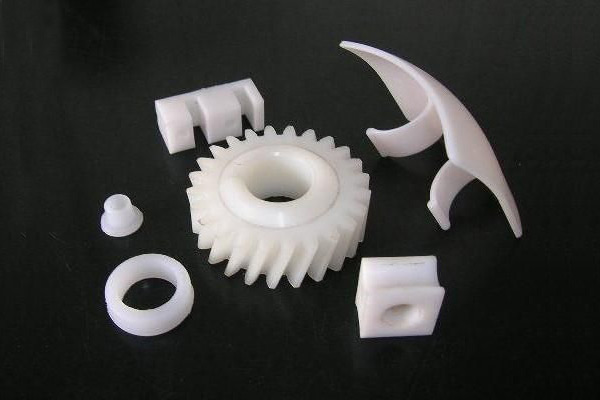
Hvilke bransjer og applikasjoner bruker vanligvis sprøytestøpte deler?
Sprøytestøpte deler finner utbredt bruk i ulike bransjer og applikasjoner på grunn av deres allsidighet, kostnadseffektivitet og evne til å oppfylle spesifikke designkrav. Her er en detaljert forklaring av bransjene og applikasjonene som vanligvis bruker sprøytestøpte deler:
1. Bilindustrien:
Bilindustrien er i stor grad avhengig av sprøytestøpte deler for både interiør- og eksteriørkomponenter. Disse delene inkluderer dashbord, dørpaneler, støtfangere, griller, interiørlister, setekomponenter, elektriske kontakter og diverse motor- og girkassekomponenter. Sprøytestøping muliggjør produksjon av lette, slitesterke og estetisk tiltalende deler som oppfyller bilindustriens strenge krav.
2. Forbrukerelektronikk:
Sprøytestøpte deler er utbredt i forbrukerelektronikkindustrien. De brukes i produksjonen av komponenter som hus, knapper, rammer, kontakter og strukturelle deler for smarttelefoner, nettbrett, bærbare datamaskiner, spillkonsoller, TV-er, kameraer og andre elektroniske enheter. Sprøytestøping muliggjør produksjon av deler med presise dimensjoner, utmerket overflatefinish og muligheten til å integrere funksjoner som klikkfester, hengsler og interne strukturer.
3. Medisinsk og helsevesen:
Medisinsk og helsevesenet bruker i stor grad sprøytestøpte deler til et bredt spekter av enheter og utstyr. Disse inkluderer komponenter til medisinsk utstyr, diagnostisk utstyr, kirurgiske instrumenter, medikamentleveringssystemer, laboratorieutstyr og medisinske engangsprodukter. Sprøytestøping gir fordelen av å produsere sterile, biokompatible og presise deler med små toleranser, noe som sikrer sikkerhet og pålitelighet i medisinske applikasjoner.
4. Emballasje og beholdere:
Sprøytestøpte deler brukes ofte i emballasje- og beholderindustrien. Disse delene inkluderer korker, lukninger, flasker, krukker, beger, brett og diverse emballasjekomponenter. Sprøytestøping muliggjør produksjon av lette, slitesterke og visuelt tiltalende emballasjeløsninger. Prosessen muliggjør integrering av funksjoner som forsegling, hengsler og trykknapplukkinger, noe som bidrar til funksjonaliteten og bekvemmeligheten til emballasjeprodukter.
5. Luftfart og forsvar:
Luftfarts- og forsvarsindustrien bruker sprøytestøpte deler til en rekke bruksområder. Disse inkluderer komponenter til flyinteriør, cockpitkontroller, flyelektronikk, missilsystemer, satellittkomponenter og militært utstyr. Sprøytestøping gir fordelen av å produsere lette, høyfaste deler med komplekse geometrier, som oppfyller de strenge kravene i luftfarts- og forsvarssektoren.
6. Industriutstyr:
Sprøytestøpte deler er mye brukt i industrielt utstyr for ulike bruksområder. Disse inkluderer komponenter til maskiner, verktøy, pumper, ventiler, elektriske kapslinger, kontakter og væskehåndteringssystemer. Sprøytestøping gir muligheten til å produsere deler med utmerket dimensjonsnøyaktighet, holdbarhet og motstand mot kjemikalier, oljer og andre tøffe industrielle miljøer.
7. Møbler og hvitevarer:
Møbel- og hvitevareindustrien bruker sprøytestøpte deler til ulike komponenter. Disse inkluderer håndtak, knotter, knapper, hengsler, dekorative elementer og strukturelle deler til møbler, kjøkkenapparater, husholdningsapparater og hvitevarer. Sprøytestøping muliggjør produksjon av deler med estetisk appell, funksjonell design og evne til å tåle regelmessig bruk og miljøforhold.
8. Leker og fritidsprodukter:
Sprøytestøpte deler finnes ofte i leketøys- og fritidsproduktindustrien. De brukes i produksjonen av plastleker, spill, puslespill, sportsutstyr, utendørsutstyr og lekeplasskomponenter. Sprøytestøping muliggjør produksjon av fargerike, slitesterke og trygge deler som oppfyller de spesifikke kravene til disse produktene.
9. Elektronikk og elektrisitet:
Sprøytestøpte deler er mye brukt i elektro- og elektronikkindustrien. De brukes i produksjon av elektriske kontakter, brytere, stikkontakter, ledningsnettkomponenter, kapslinger og andre elektriske og elektroniske enheter. Sprøytestøping gir fordelen av å produsere deler med utmerket dimensjonsnøyaktighet, elektriske isolasjonsegenskaper og evnen til å integrere komplekse funksjoner.
10. Rørleggerarbeid og rørdeler:
Rørlegger- og rørdelsindustrien er avhengig av sprøytestøpte deler for ulike komponenter. Disse inkluderer beslag, ventiler, kontakter, koblinger og andre komponenter i rørleggersystemer. Sprøytestøping gir muligheten til å produsere deler med presise dimensjoner, kjemisk motstand og robusthet, noe som sikrer lekkasjefrie koblinger og langvarig ytelse.
Kort sagt, sprøytestøpte deler brukes i en rekke bransjer og applikasjoner. Bilindustrien, forbrukerelektronikk, medisin og helsevesen, emballasje, romfart og forsvar, industrielt utstyr, møbler og hvitevarer, leker og fritidsprodukter, elektro og elektronikk, og rørleggerindustrien er ofte avhengig av sprøytestøping for produksjon av deler av høy kvalitet, kostnadseffektivt og funksjonelt optimalisert.


editor by CX 2024-01-15