
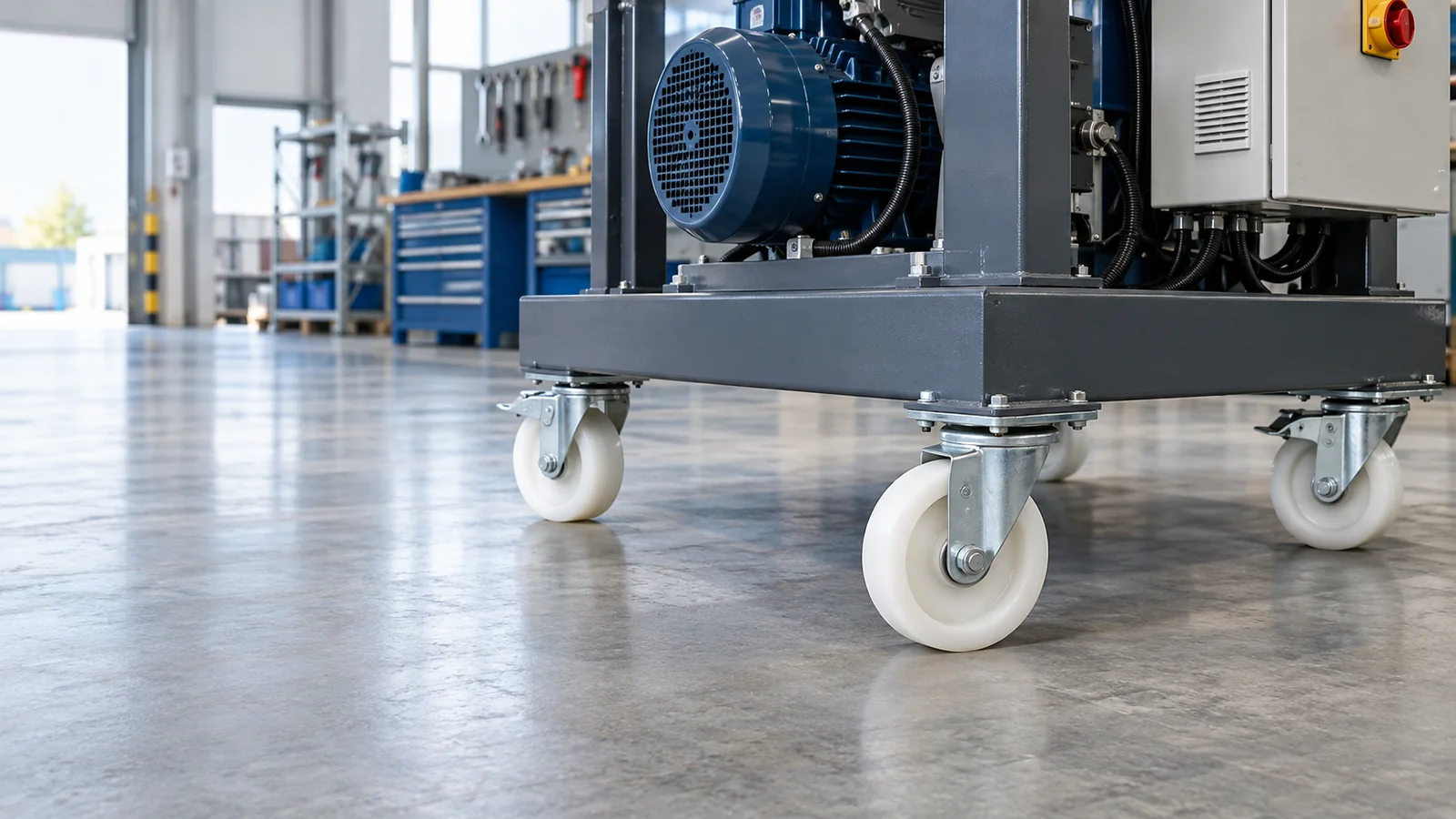
Tipos de montagem de rodízios
Um método focado no comprador para tipos de montagem de rodízios, enfatizando dados de aplicação mensuráveis em vez de correspondência visual.
Tipos de montagem de rodízios: a decisão fundamental
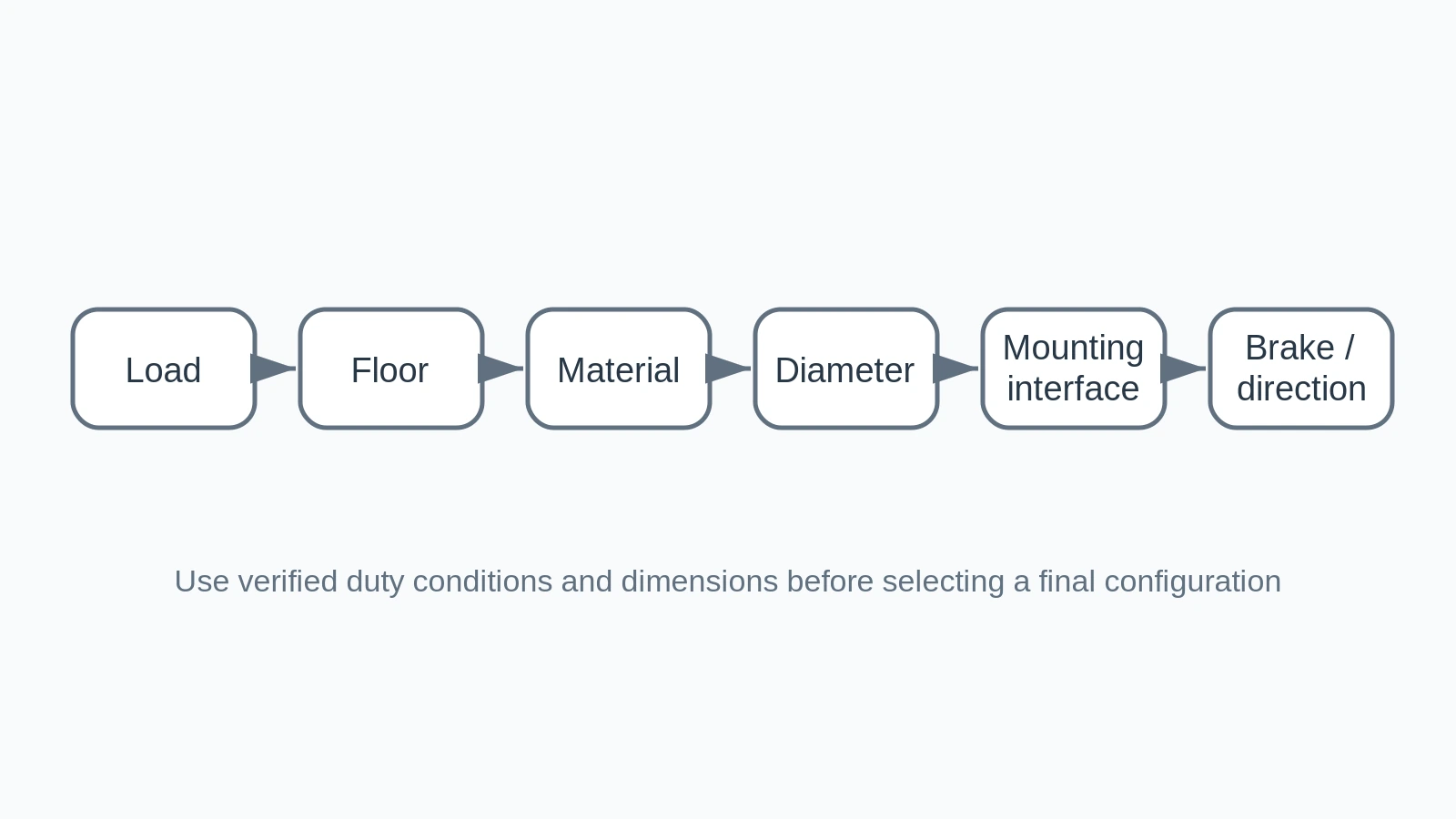
A escolha dos tipos de montagem de rodízios torna-se mais fácil quando se começa pela interface do equipamento e pela geometria dos fixadores, antes de se definir o estilo do suporte. O objetivo não é encontrar o produto com a especificação individual mais impressionante, mas sim escolher uma configuração cuja carga, geometria e ambiente de operação sejam compatíveis.
A utilidade prática dos tipos de montagem de rodízios só se torna evidente quando a especificação está relacionada ao equipamento que precisa se movimentar, ao piso em que ele se desloca e à superfície que suporta a carga.
Em carrinhos industriais, bases de equipamentos e sistemas de suporte para reboques, a interface do equipamento e a geometria dos fixadores, antes do tipo de suporte, devem ser consideradas o primeiro ponto de verificação de engenharia. Uma vez conhecidas essas informações, o diâmetro da roda, a largura, o material, a disposição dos rolamentos e os detalhes de montagem podem ser revisados em uma ordem lógica.
Evite presumir que uma roda maior, um polímero mais rígido ou um suporte mais pesado resolvam automaticamente o problema. As classificações ou dimensões nominais perdem o significado quando as condições de montagem ou de uso são diferentes. Portanto, a solicitação de cotação mais segura registra peso, layout, tipo de piso, padrão de movimento, dimensões, ambiente e quantidade antes que uma configuração seja liberada para cotação. Em relação aos tipos de montagem de rodízios, use este ponto para restringir a escolha em nível de família antes de considerar qualquer configuração individual como adequada para o equipamento.
Medidas que controlam os tipos de montagem de rodízios
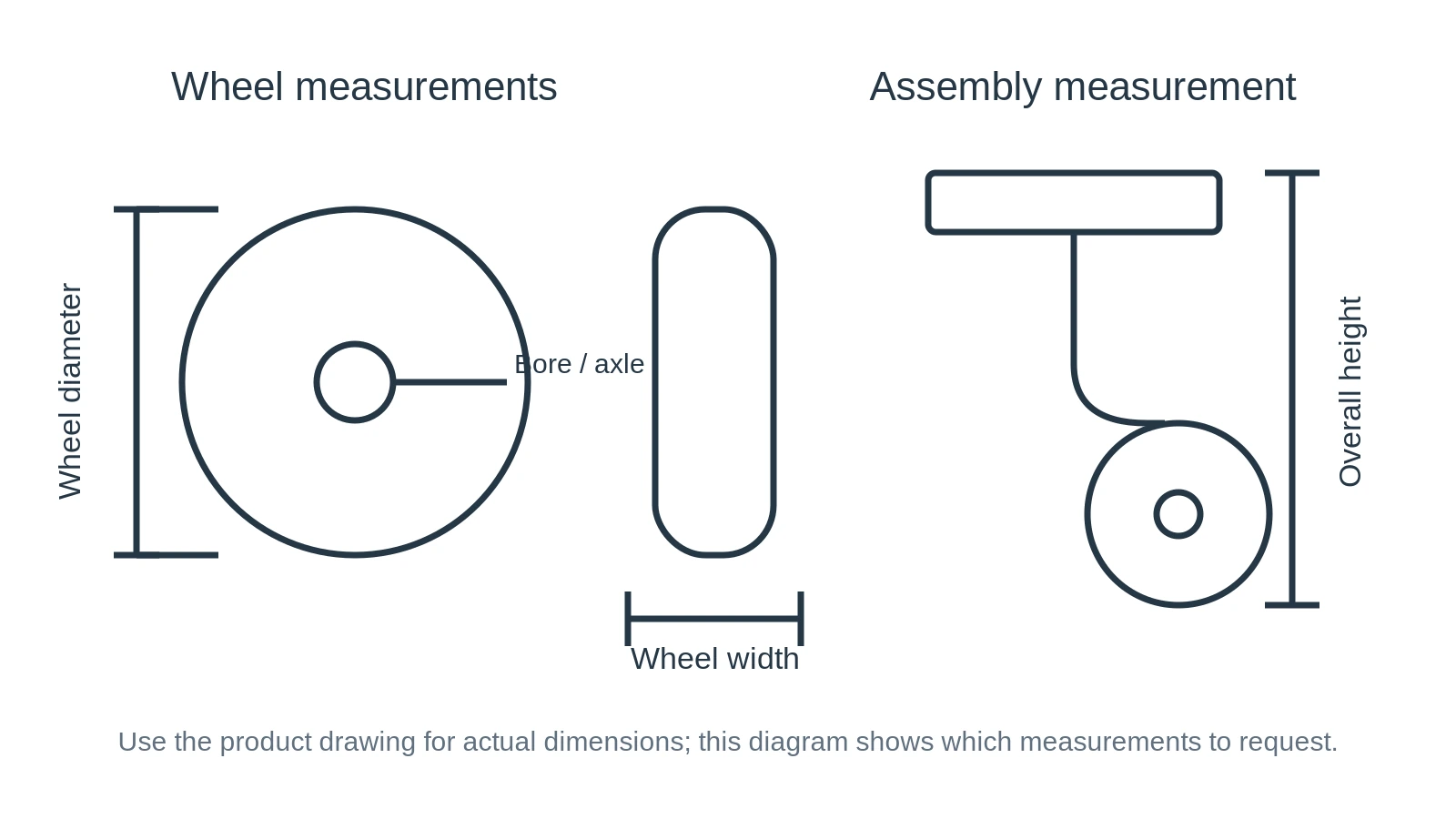
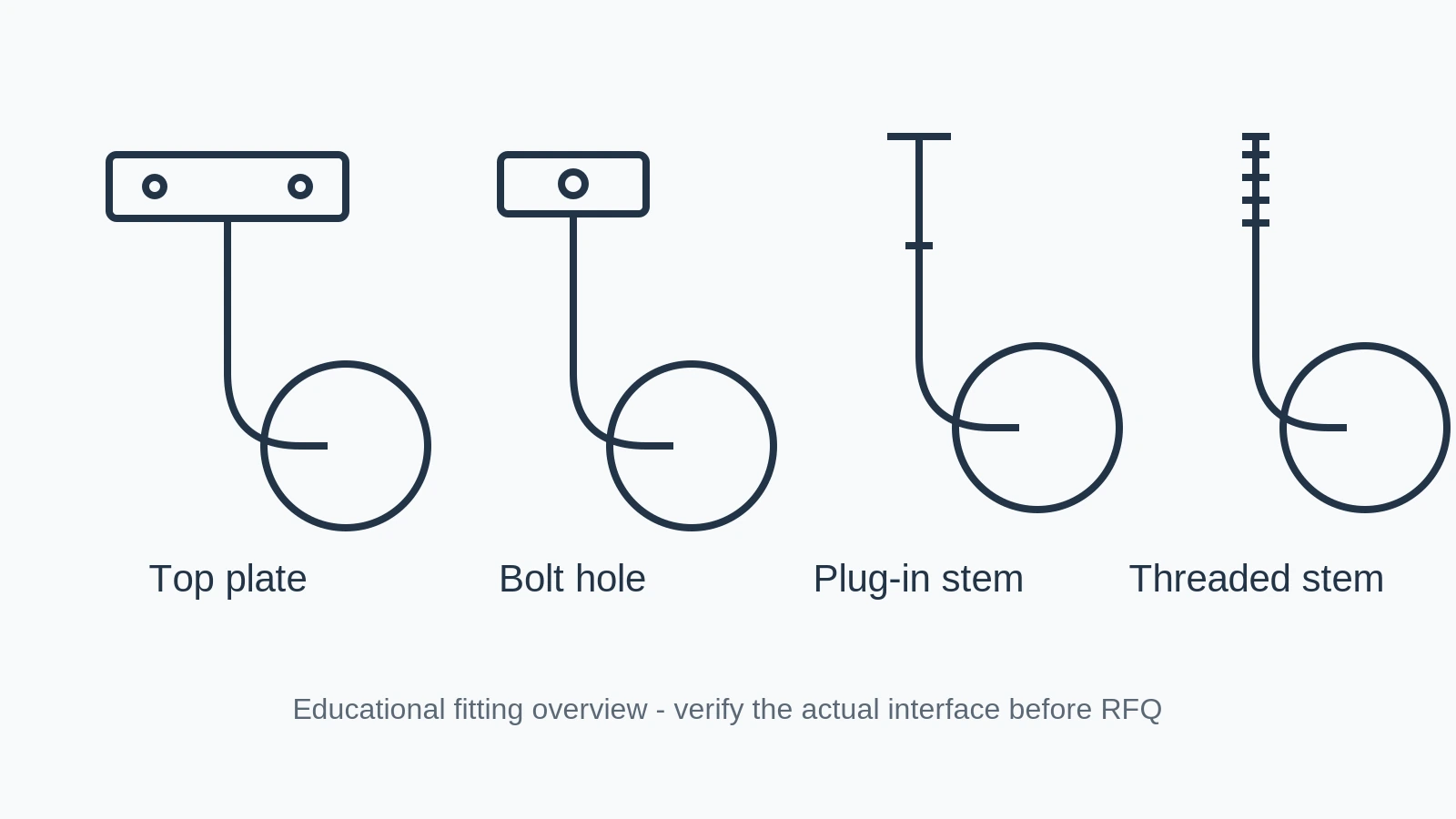
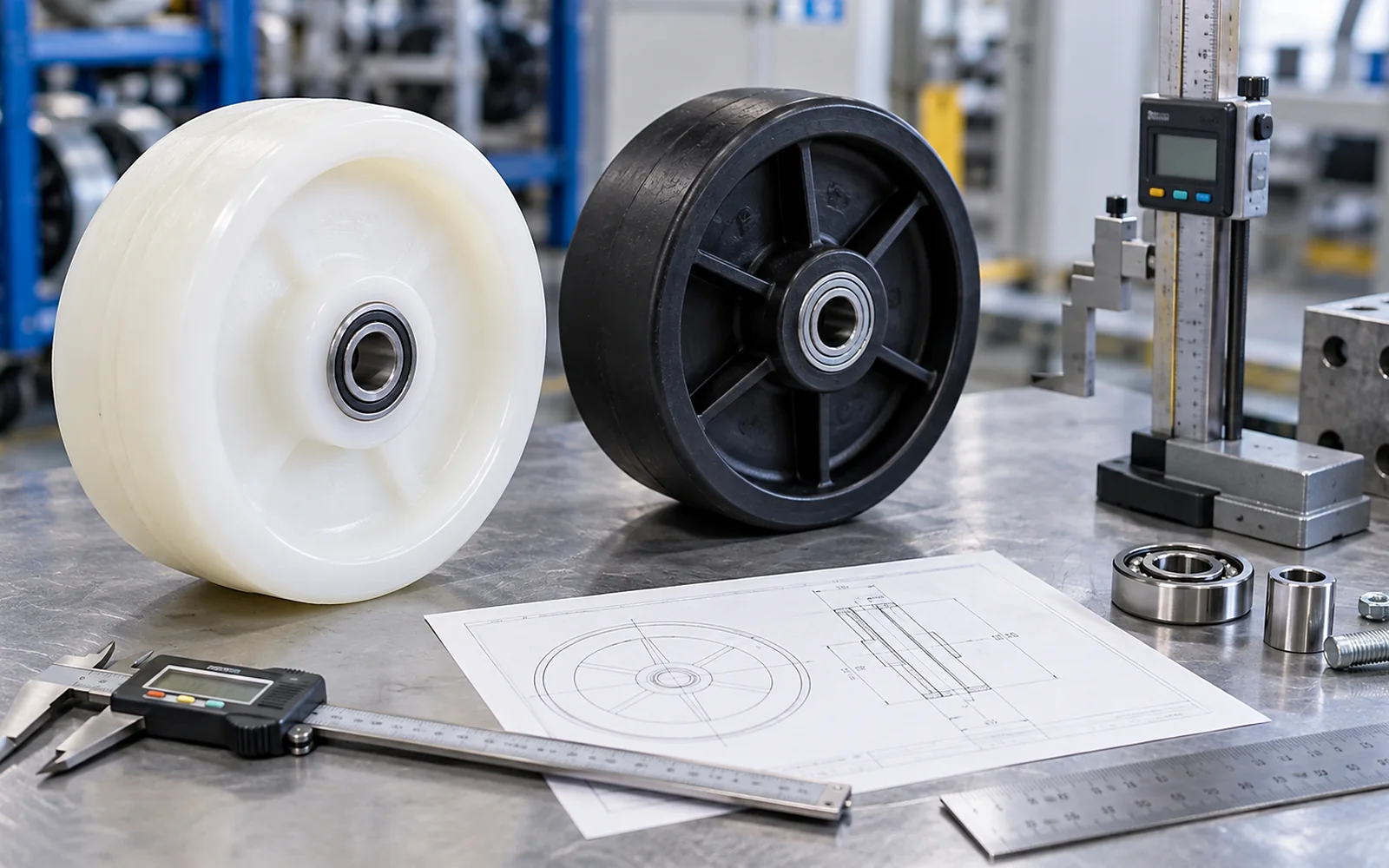
Para uma roda solta, registre o diâmetro da roda, a largura, o furo ou tipo de rolamento, o diâmetro do eixo, o comprimento do cubo e os espaçadores. Para um conjunto completo de rodízio ou suporte, adicione a altura de instalação, as dimensões da placa ou o diâmetro do tubo, o espaçamento dos furos dos parafusos, o deslocamento e o espaço para giro, freio ou movimento de dobragem. Em relação aos tipos de montagem de rodízios, use este ponto para restringir a escolha em nível familiar antes de considerar qualquer configuração individual como adequada para o equipamento.
Sempre que possível, faça medições a partir de pontos de referência metálicos estáveis. Pneus desgastados, suportes tortos e arruelas improvisadas podem distorcer as dimensões aparentes de uma montagem antiga.
Suposições de carga para tipos de montagem de rodízios
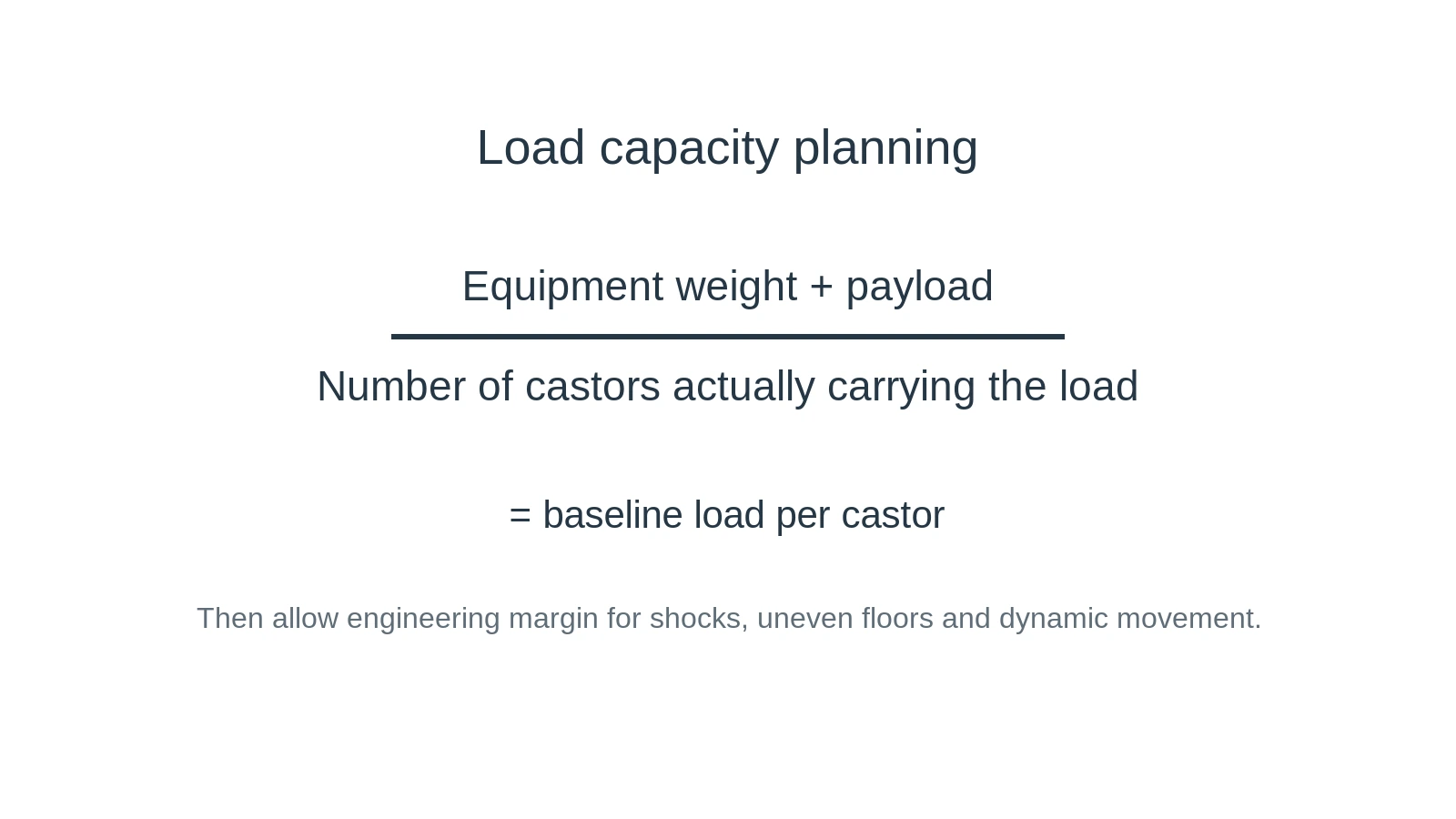
Um cálculo de carga inicial utiliza o peso próprio do equipamento mais a carga útil máxima e divide pelo número de rodas que suportam a carga de forma confiável. Em equipamentos reais, o piso e a estrutura podem impedir a distribuição uniforme da carga, portanto, uma margem de segurança é normalmente necessária. Impactos em juntas, rampas ou soleiras podem elevar as cargas instantâneas acima da condição estática. Ao escolher os tipos de montagem de rodízios, utilize este ponto para restringir a seleção geral antes de considerar qualquer configuração individual como adequada para o equipamento.
Para rodas de apoio, não confunda o peso bruto do reboque com a carga transportada no ponto de apoio da barra de tração.
Interação entre material e piso nos tipos de montagem de rodízios
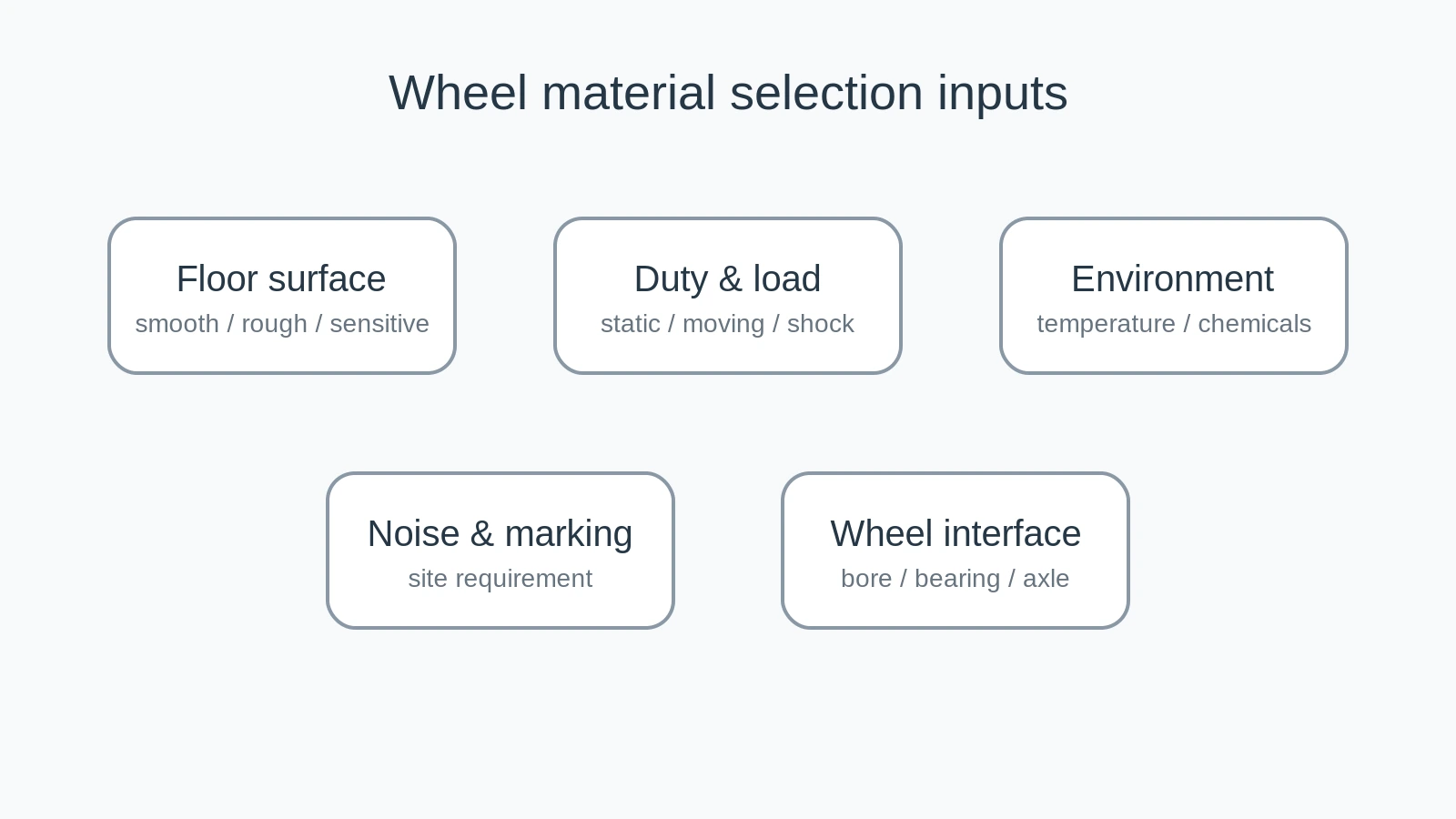
Rodas termoplásticas rígidas, como as de nylon e polipropileno, podem ser adequadas para muitas aplicações industriais, mas não são intercambiáveis em todos os ambientes. A especificação exata do polímero, o acabamento do piso, a contaminação, os produtos químicos, a temperatura e o nível de ruído são fatores importantes. Se a resistência a marcas ou a facilidade de lavagem forem essenciais, inclua esses requisitos em vez de presumir apenas pela cor. Em relação aos tipos de montagem das rodas, use este ponto para restringir a escolha em nível de família antes de considerar qualquer configuração individual como adequada para o equipamento.
Fatores de montagem e controle para tipos de montagem de rodízios
Rodízios fixos, rodízios giratórios, rodízios com freio e conjuntos de macaco para reboque resolvem diferentes problemas de movimentação. O tipo de montagem deve ser compatível com a estrutura e a função de controle deve ser compatível com a forma como o equipamento é operado. Freio de roda, trava giratória e trava total não são funções equivalentes. Ao escolher um tipo de rodízio, utilize este ponto para restringir as opções da família de rodízios antes de considerar qualquer configuração individual como adequada para o equipamento.
Planilha comparativa para tipos de montagem de rodízios
| Campo | Faça o cadastro antes de solicitar um orçamento. |
|---|---|
| Equipamento | Tipo, peso morto e carga útil máxima |
| Layout | Número e posição das rodas de apoio |
| Roda | Diâmetro, largura, material (se conhecido) |
| Interface | Dimensões do furo/rolamento/eixo ou placa/tubo/haste |
| Movimento | Distância percorrida, padrão de curvas, velocidade e frequência. |
| Chão | Superfície, juntas, rampas, detritos, água/produtos químicos |
| Controlar | Função de freio ou travamento |
| Comercial | Quantidade, destino e finalidade da amostra |
Inclua os tipos de montagem de rodízios na solicitação de cotação.
Inclua uma configuração em cada linha da solicitação de cotação e anexe as fotos ou desenhos correspondentes. Evite enviar um conjunto misto de imagens para várias rodas diferentes, a menos que cada item esteja claramente identificado. Se uma dimensão desconhecida afetar a compatibilidade, marque-a como "a confirmar" em vez de fazer uma suposição. Em relação aos tipos de montagem de rodízios, use este ponto para restringir a escolha em nível de família antes de considerar qualquer configuração individual como adequada para o equipamento.
Use o hub de produtos, análise orientações de aplicaçãoou acesse o formulário de cotação quando as dimensões básicas estiverem prontas.
Perguntas sobre tipos de montagem de rodízios
Devo selecionar por material ou carregar primeiro?
Comece verificando a carga e o tempo de serviço, depois compare o material com o piso e o ambiente.
O diâmetro da roda é o mesmo que a altura de instalação?
Não. A altura de instalação inclui o suporte ou garfo e é importante para o nivelamento e a folga do equipamento.
E se eu tiver apenas uma amostra antiga?
Fotografe a peça antes de desmontá-la e meça as dimensões que controlam o encaixe, observando qualquer desgaste ou modificação.
Um fornecedor pode determinar as dimensões em falta?
Um fornecedor pode sugerir opções, mas as dimensões críticas para o ajuste devem ser medidas ou aprovadas pelo comprador.
Registrando a decisão sobre os tipos de montagem das rodinhas.
Mantenha as decisões técnicas e comerciais sincronizadas. Se a engenharia alterar o diâmetro, o material ou a montagem da roda, atualize a descrição da linha na solicitação de cotação, bem como o desenho. Se o departamento de compras consolidar modelos, preserve as dimensões e a quantidade de cada modelo separadamente. Isso reduz erros entre modelos durante a cotação e revisões posteriores. Em relação aos tipos de montagem de rodízios, use este ponto para restringir a escolha em nível de família antes de considerar qualquer configuração individual como adequada para o equipamento.
Para pedidos subsequentes, compare o novo requisito com a configuração aprovada anteriormente, em vez de se basear no mesmo nome do produto.
Crie uma planilha repetível com os tipos de montagem de rodízios.
Utilize os tipos de montagem de rodízios como uma planilha, em vez de um exercício de leitura única. Coloque cada configuração candidata em uma coluna e mantenha as premissas de aplicação em um bloco fixo acima da comparação: peso do equipamento ou carga de suporte, pontos de apoio, piso ou solo, padrão de deslocamento, área de montagem e funções de controle necessárias. Isso torna as informações faltantes visíveis e evita que uma opção seja avaliada sob uma descrição de uso mais simples do que outra.
Quando um valor for desconhecido, marque-o para confirmação. Um item aberto explícito é mais útil do que uma dimensão estimada que posteriormente fica incorporada em um pedido de compra. Em relação aos tipos de montagem de rodízios, use este ponto para restringir a escolha em nível de família antes de considerar qualquer configuração individual como adequada para o equipamento.
Confirme a interface antes de verificar os recursos opcionais de montagem de rodízios.
Materiais, acabamentos e funções de freio opcionais não compensam uma interface de montagem incorreta. Meça as dimensões do furo, cubo, eixo, placa, haste, tubo ou braçadeira que realmente posicionam a peça no equipamento. Registre também a altura de instalação e a folga próxima onde a roda ou o conjunto se move em um giro, dobra ou elevação. Em relação aos tipos de montagem de rodízios, use este ponto para restringir a escolha em nível de família antes de considerar qualquer configuração individual como adequada para o equipamento.
Para trabalhos de substituição, fotografe a peça antiga enquanto ela ainda estiver instalada. A relação entre a roda, a estrutura e os fixadores costuma ser mais informativa do que uma peça solta fotografada em uma bancada. Em relação aos tipos de montagem de rodízios, use este ponto para restringir a escolha em nível familiar antes de considerar qualquer configuração individual como adequada para o equipamento.
Validar as hipóteses sobre os tipos de montagem das rodinhas durante o comissionamento.
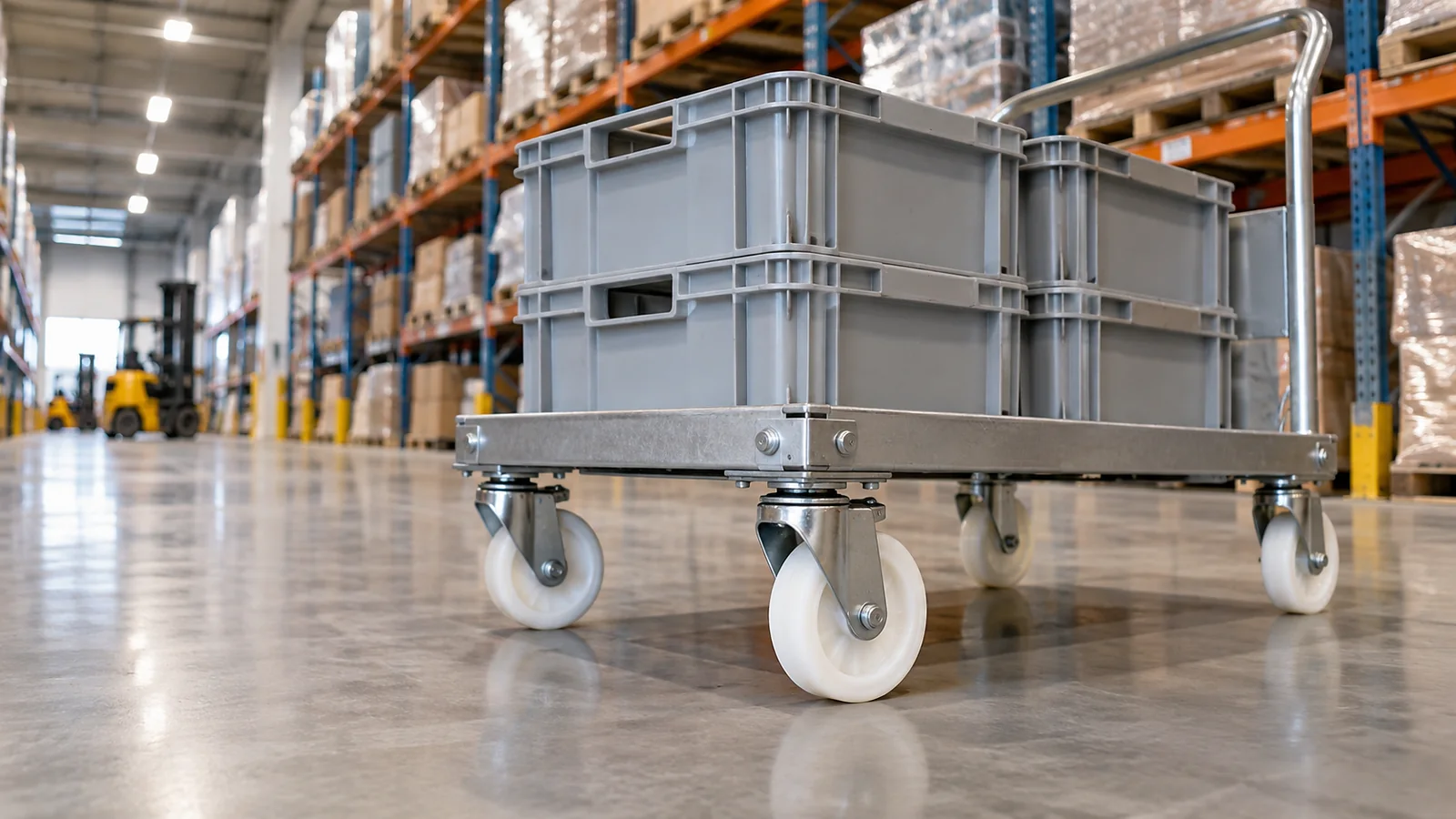
Após a instalação, observe o primeiro movimento sob carga controlada. Procure por travamentos, oscilações das rodas, esforço inesperado na direção, movimento do suporte, atrito e interferência. Teste em juntas de piso ou transições de solo relevantes para a aplicação, em vez de apenas em uma área plana e limpa. Em relação aos tipos de montagem de rodízios, use este ponto para restringir a escolha em nível familiar antes de considerar qualquer configuração individual como adequada para o equipamento.
Documente qualquer ajuste e mantenha a configuração aceita junto com o registro do equipamento. Isso fornece à equipe de manutenção e compras uma referência útil quando o desgaste for detectado ou a mesma peça for solicitada novamente. Em relação aos tipos de montagem de rodízios, utilize este ponto para restringir a escolha em nível de família antes de considerar qualquer configuração individual como adequada para o equipamento.

Utilize esta lista de verificação de tipos de montagem de rodízios em sua solicitação de cotação.
Envie a carga, as dimensões, as condições de operação e a quantidade relevantes para os tipos de montagem de rodízios, para que a análise do produto possa começar com dados mensuráveis.