Обзор отбора
Compare Trailer Support Wheels by support duty, fit and ground condition
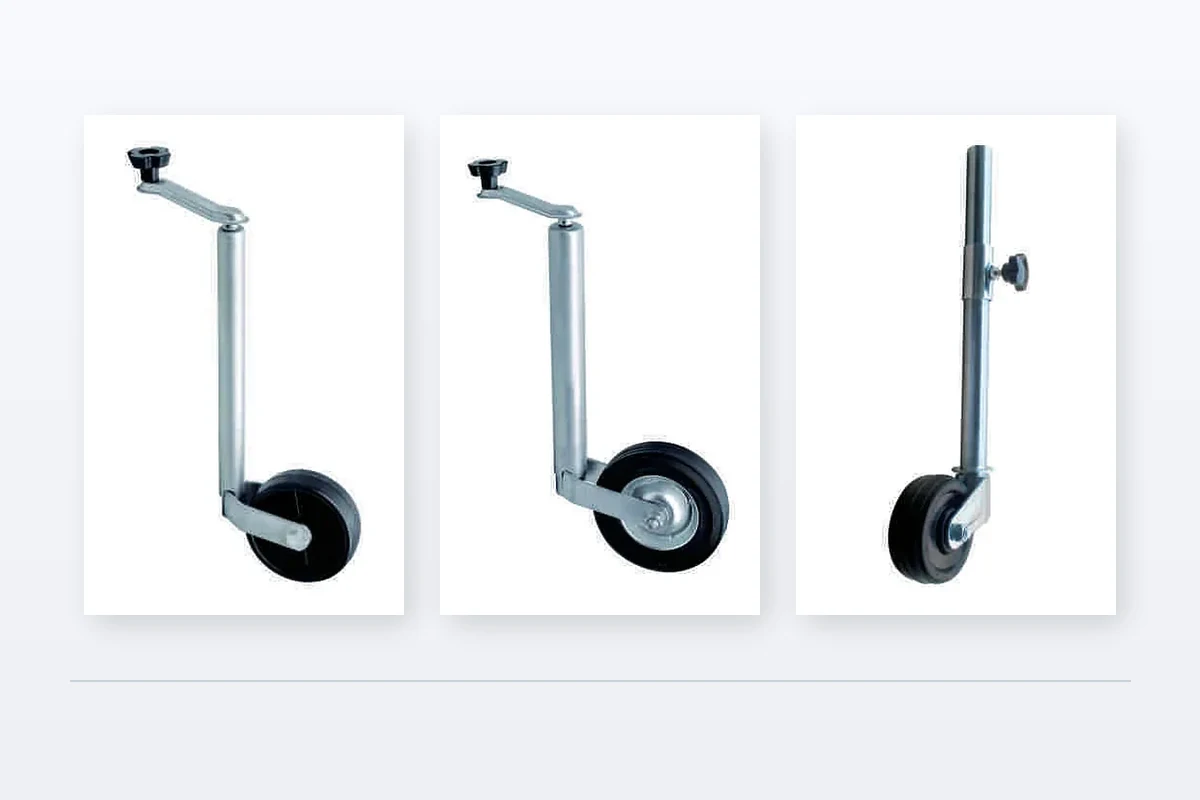
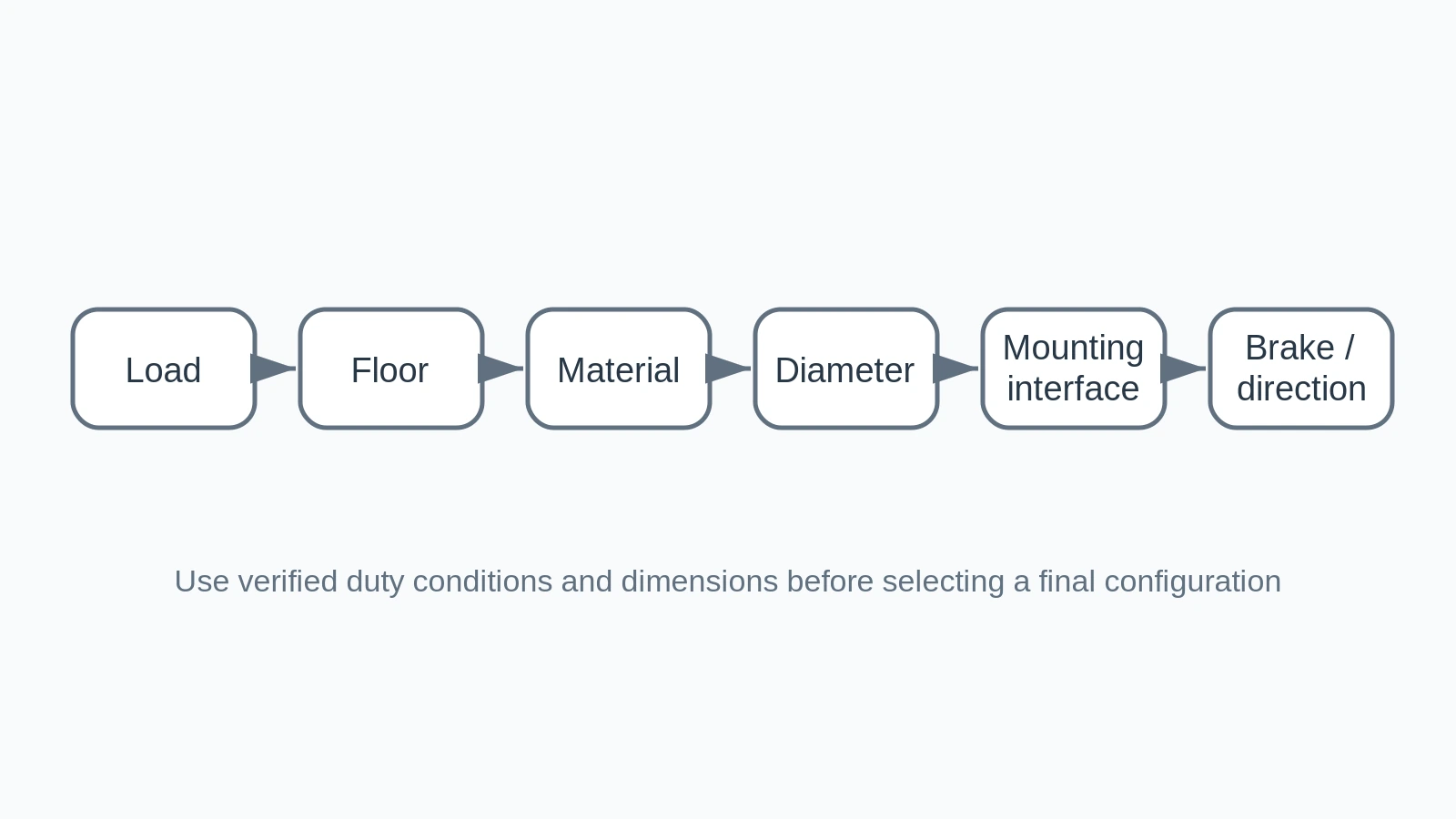
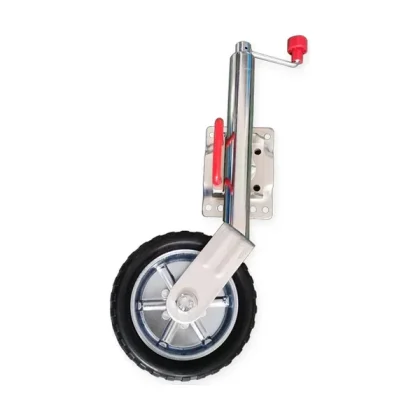
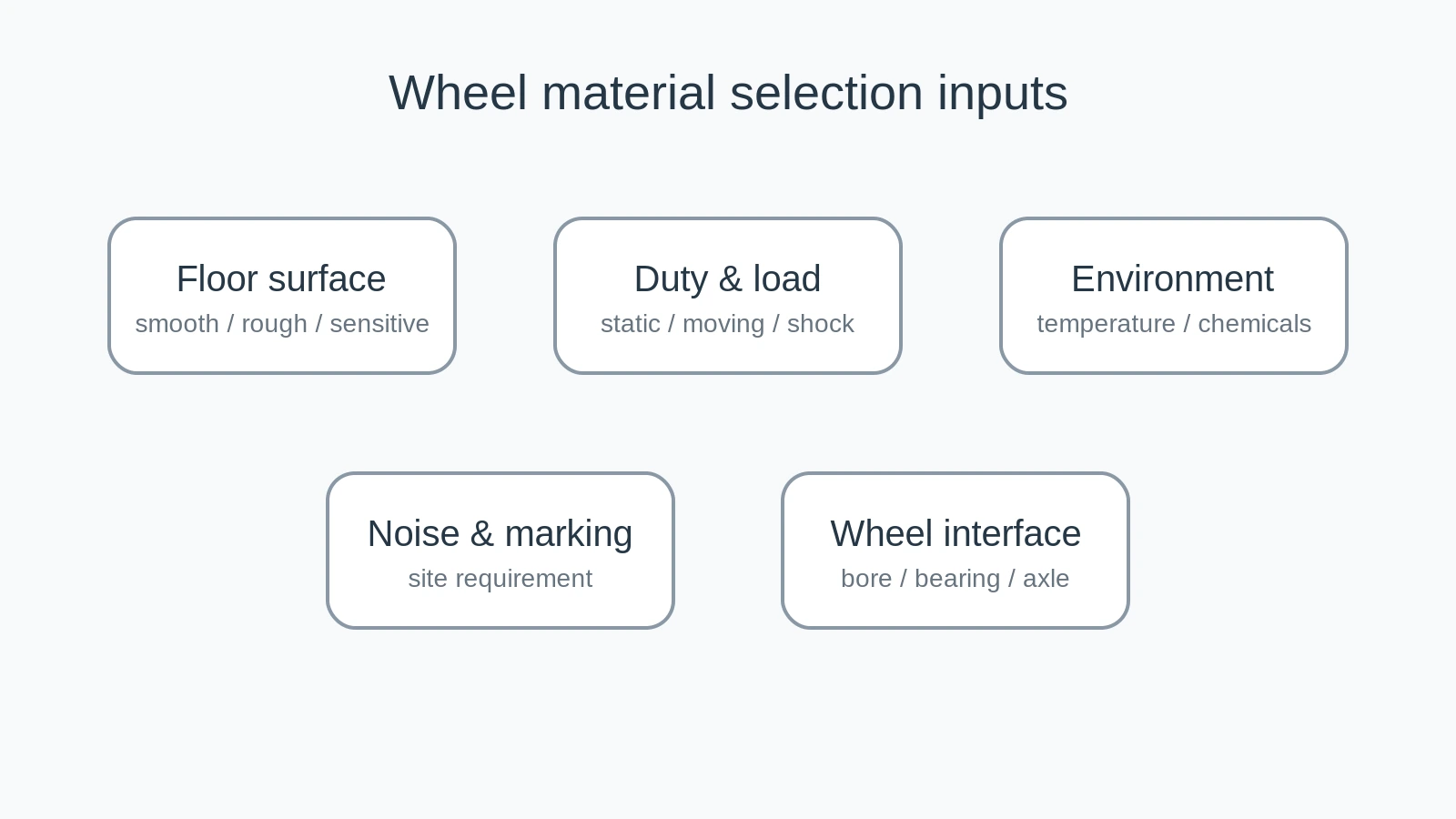
Shortlisting this family is most reliable when every candidate is compared against the same application description. Record wheel arrangement, support load, ground condition, tube or clamp interface and usable jack travel before comparing catalogue names or photographs. This keeps the decision tied to the equipment rather than to one attractive feature.
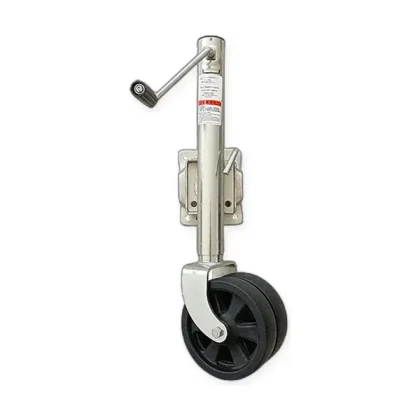
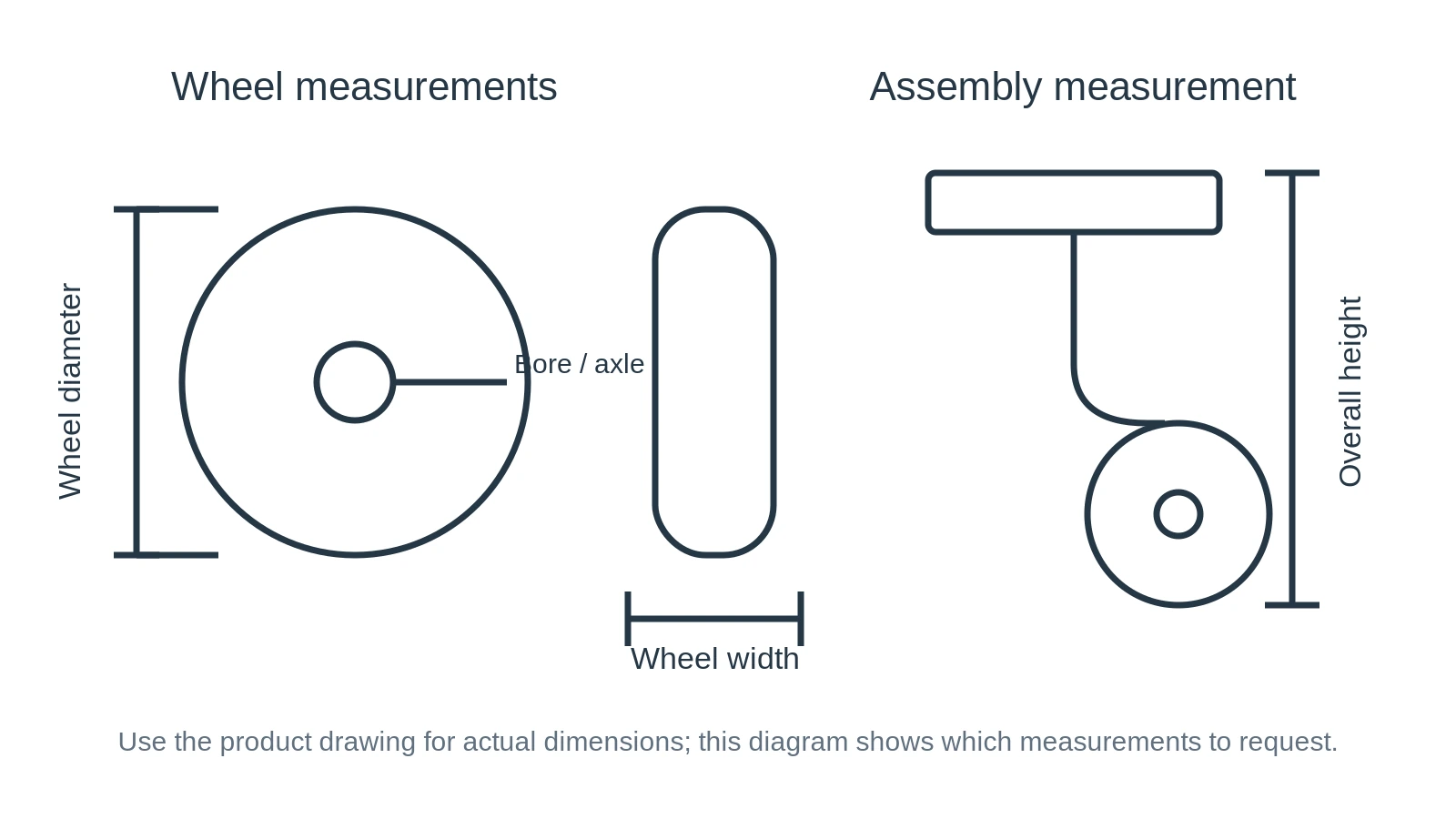
For replacement work, add closed and working height, crank access, stowed clearance and whether a brake or twin-wheel arrangement is required. Where an existing part is worn, bent or repaired, identify the dimensions that may no longer represent the intended geometry. A measured drawing or dimensioned photograph is more useful than treating visible wear as the design target.
When several configurations are being compared, keep required values and optional preferences in separate columns. If a fit-controlling number is not available, leave it as a confirmation item in the RFQ instead of borrowing a value from another size or series. On Trailer Support Wheels, use this point to narrow the family-level choice before treating any individual configuration as a fit for the equipment.
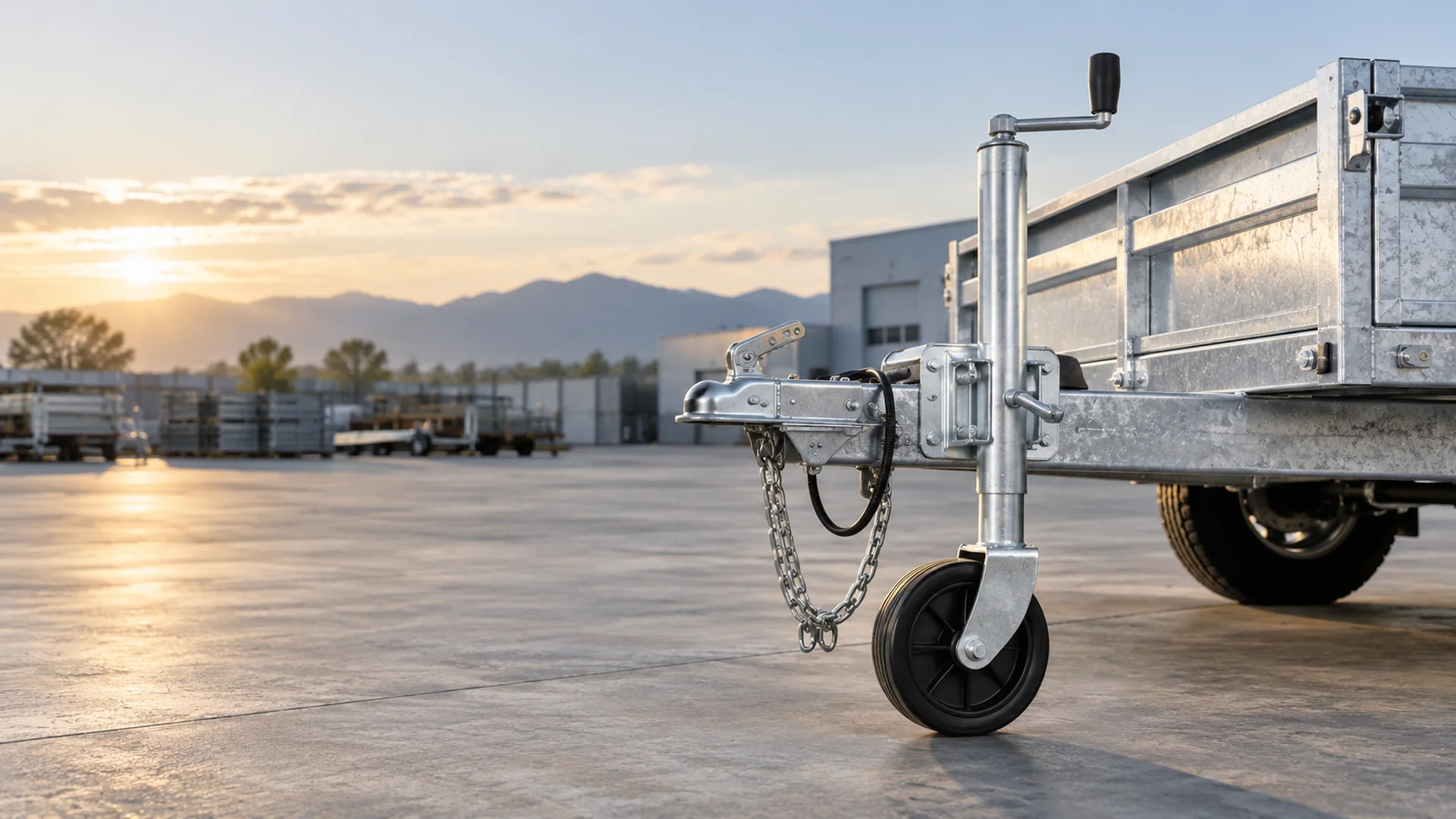
Use the Trailer Support Wheels page as a family-level filter, not as a substitute for a model check. After the support duty and mounting envelope are defined, compare only configurations whose wheel arrangement and interface can be measured against the equipment. For outdoor or trailer use, include the surface on which the wheel must actually manoeuvre and the clearance available when the support is raised or stowed. If a load, tube size, travel value or brake function is not shown for a specific configuration, ask for confirmation on that model rather than extending a value from another assembly.