
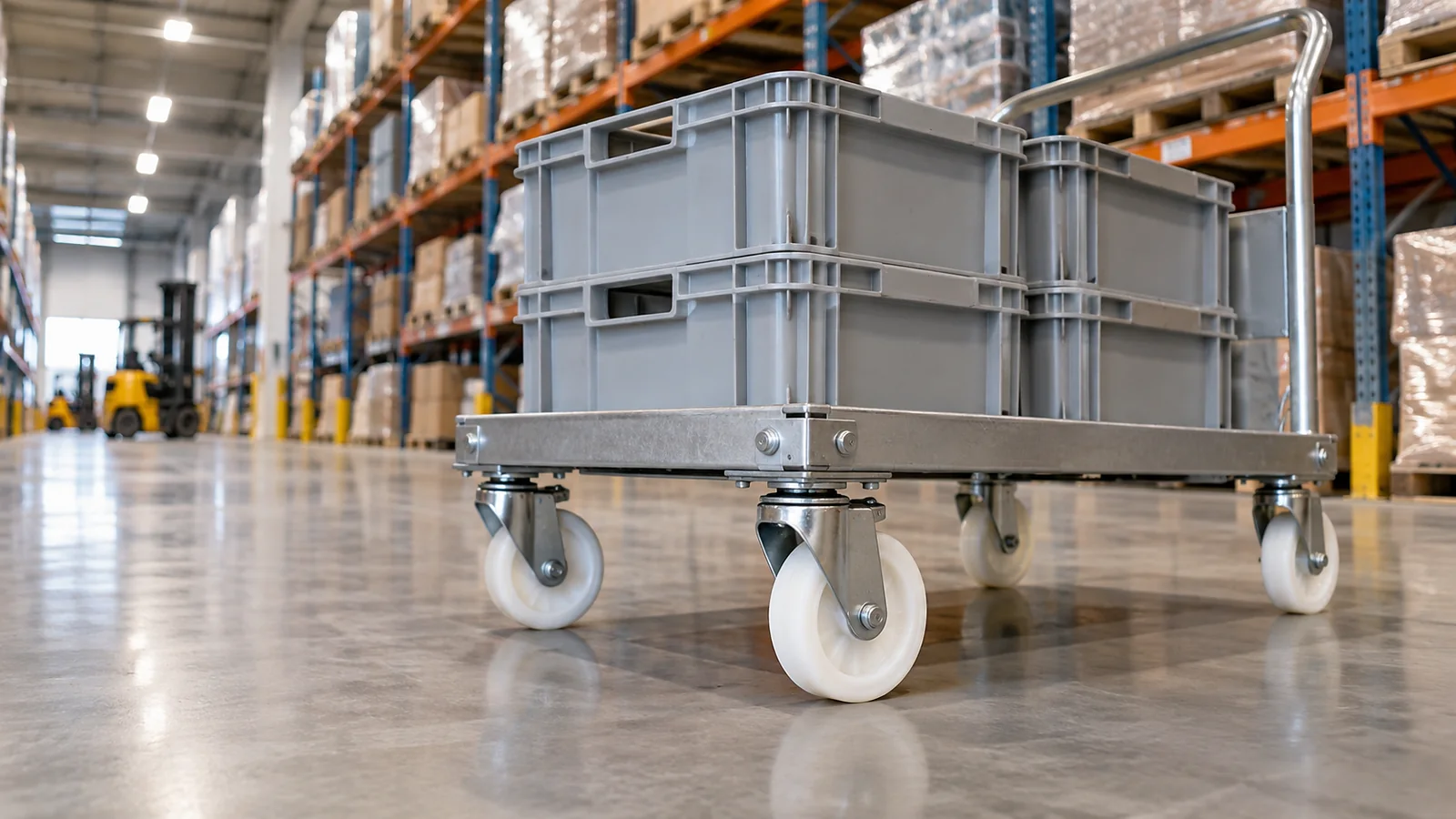
Оборудование для погрузочно-разгрузочных работ
Распределение нагрузки, многократные перемещения и переходы между этажами.
Изучить приложение →
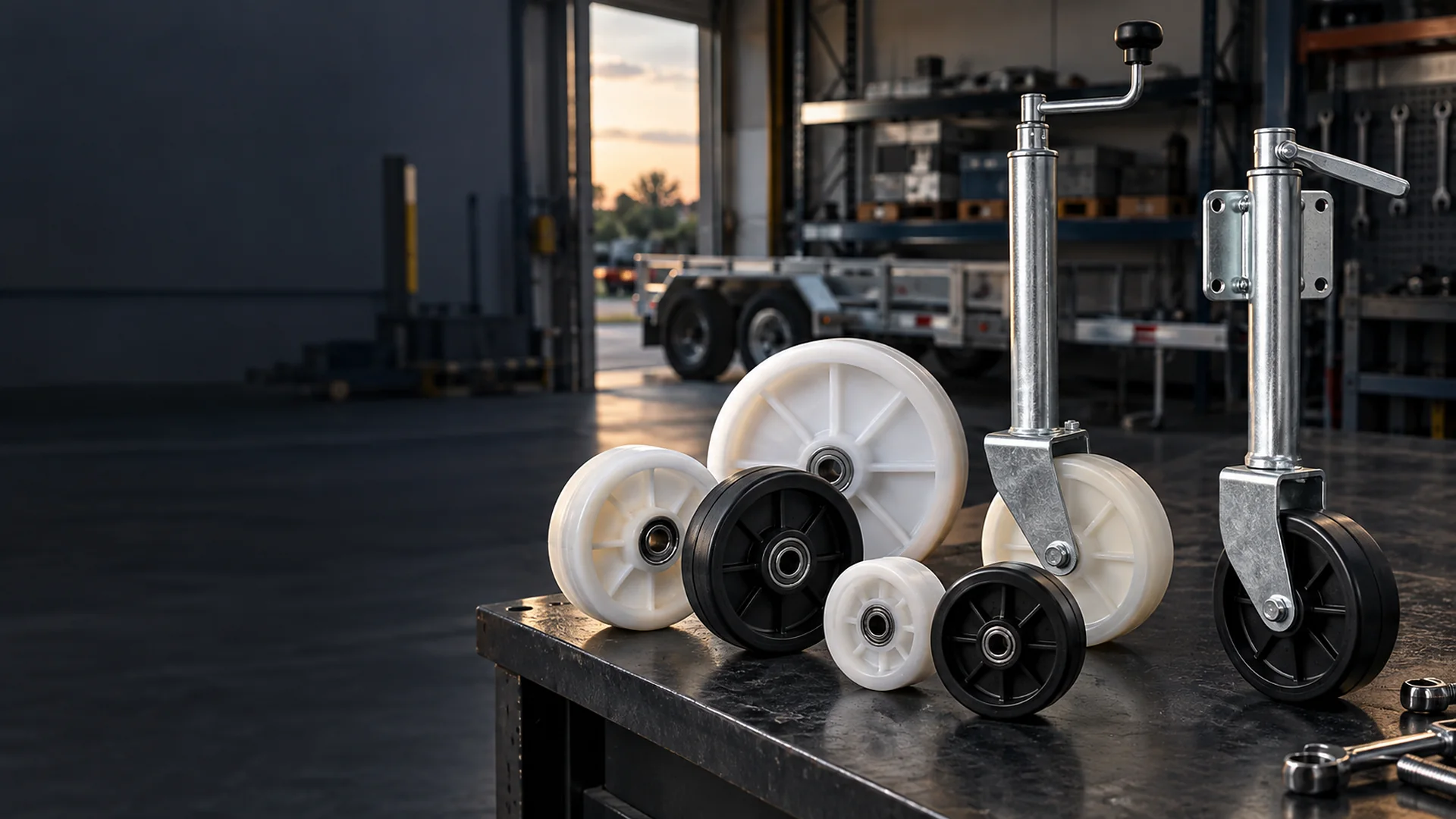
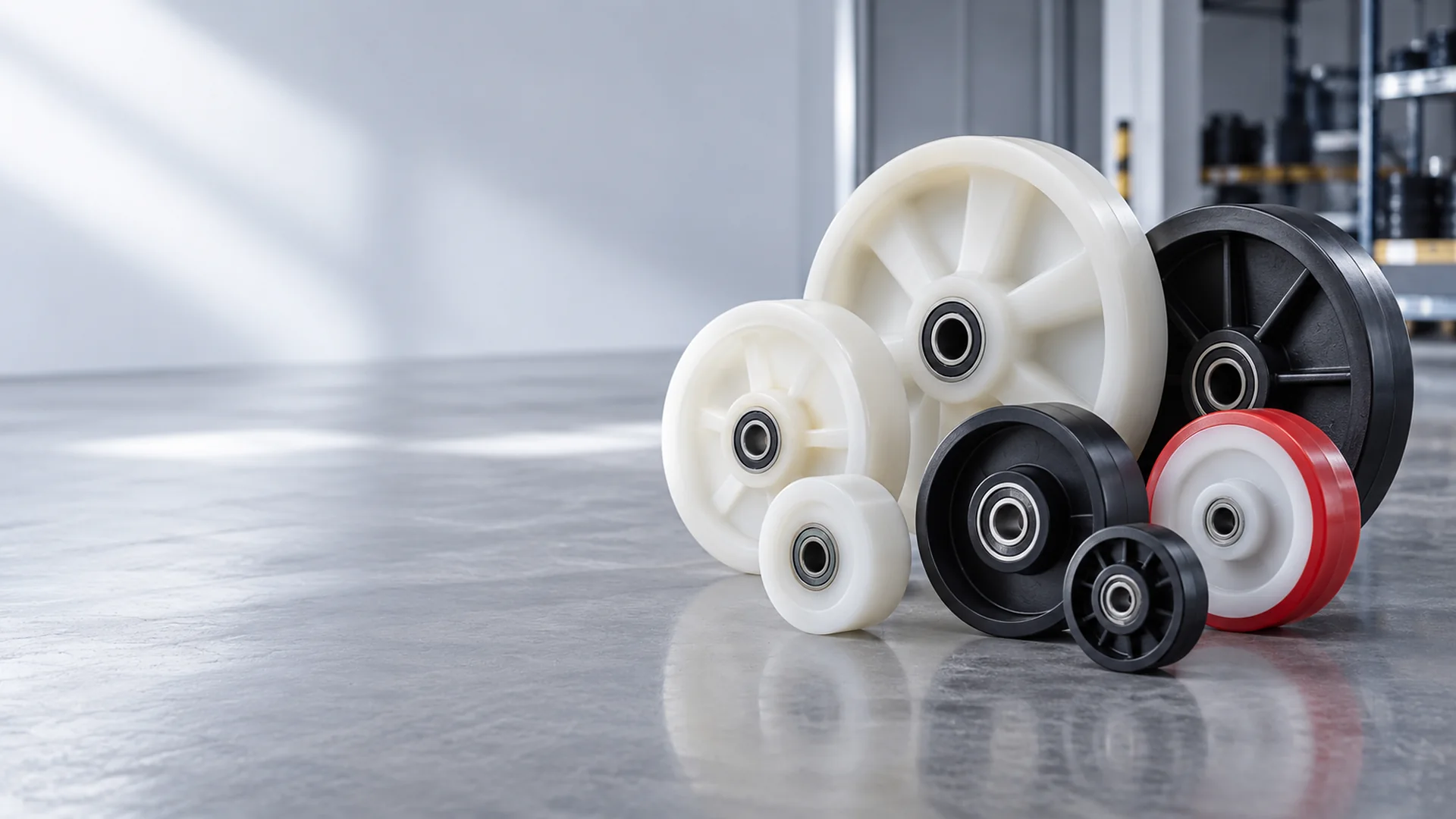
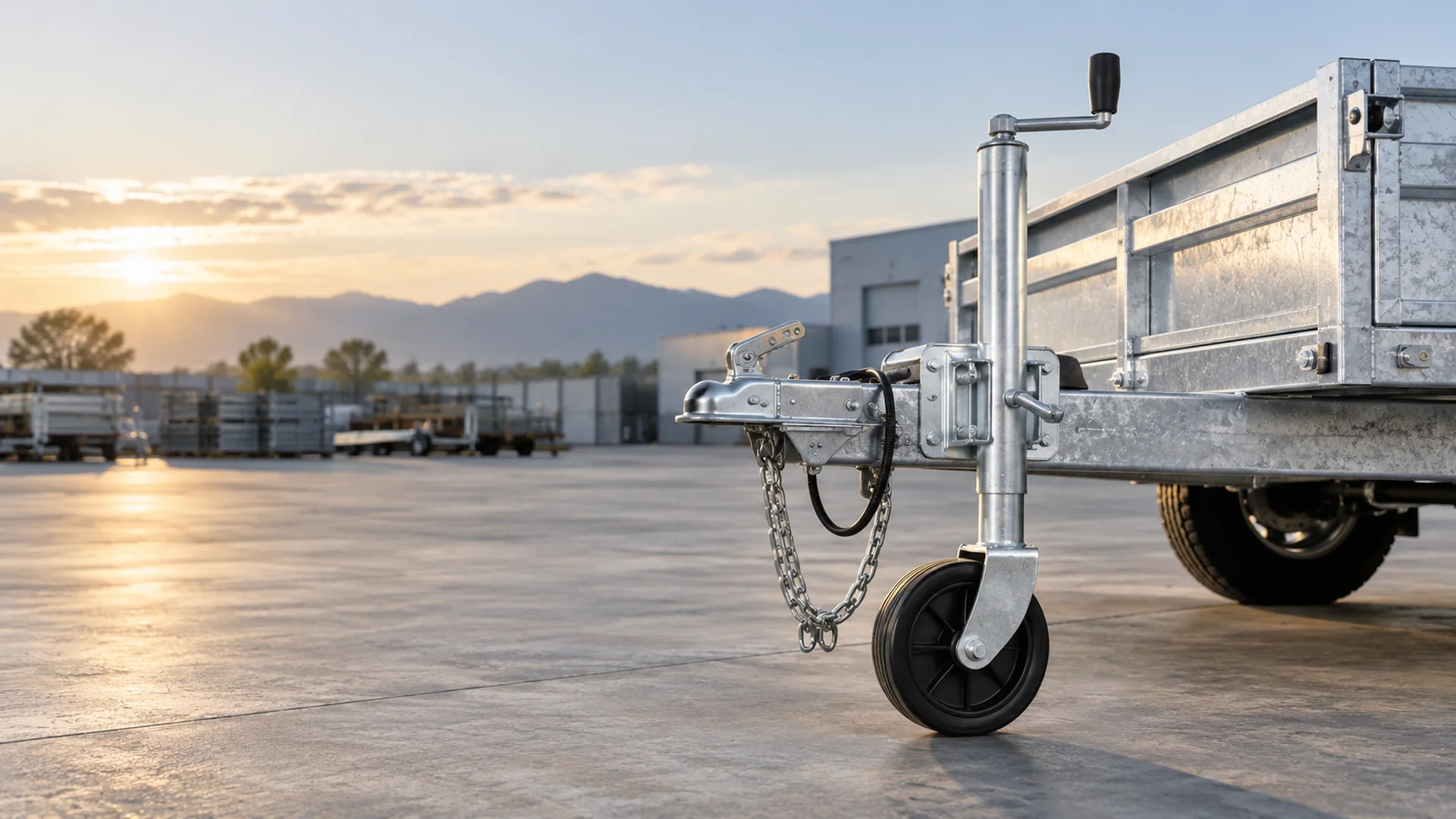
Промышленные покупатели редко начинают поиск с полного артикула. Обычно полезной отправной точкой является материал, оборудование, способ крепления или уже используемое запасное колесо. Каталог структурирован вокруг решений покупателя, а не на основе длинного списка моделей.
Используйте карточки семейств продуктов, чтобы перейти от общих потребностей к управляемому списку. На каждой целевой странице поясняются переменные выбора перед отображением продуктов, поэтому сетка продуктов остается частью инженерного решения, а не занимает всю страницу.
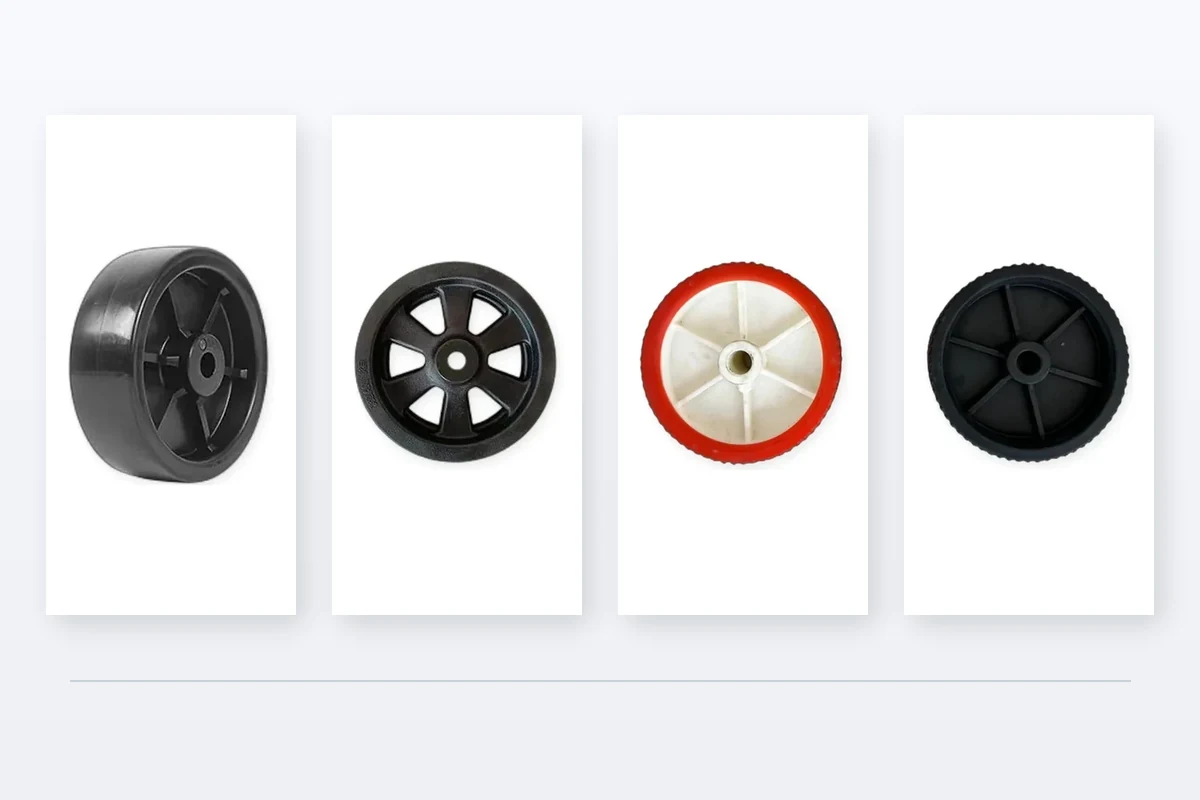
Семейства колес с подвижным колесом для погрузочно-разгрузочных работ, оборудования и проектов по замене.
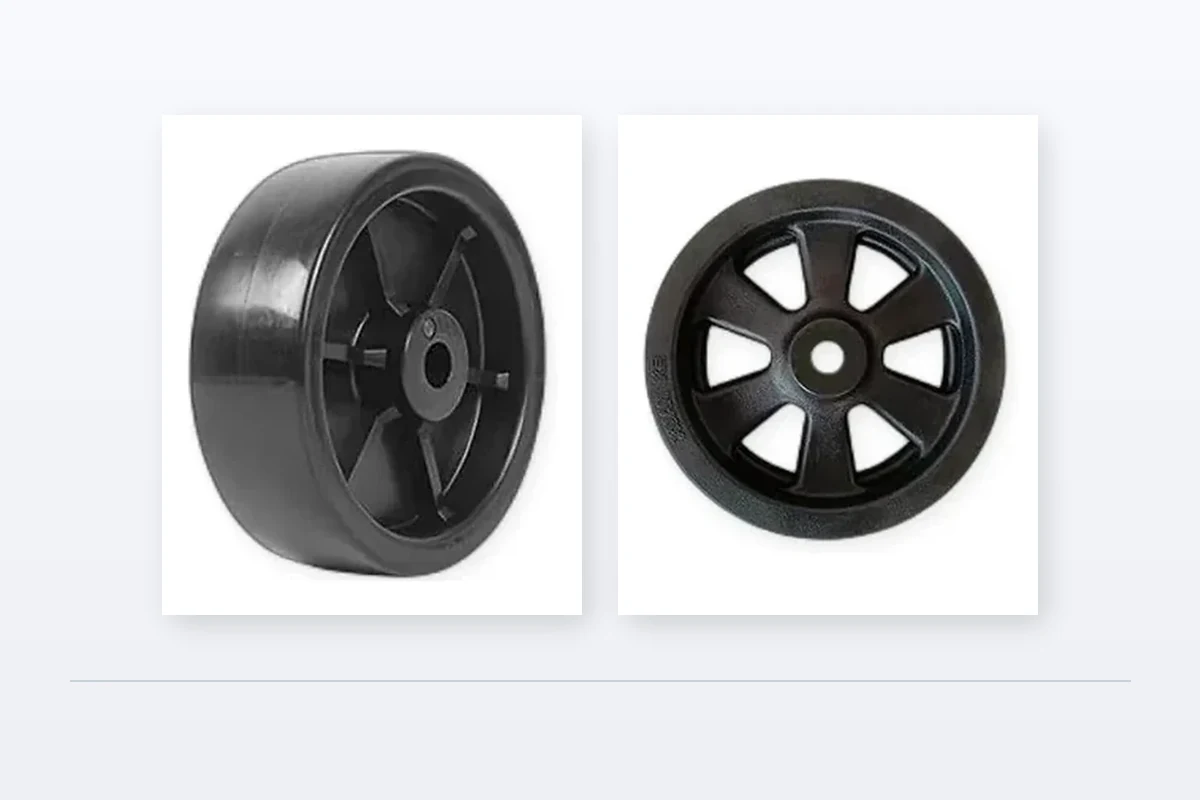
Твердые термопластичные колеса представлены в современных конфигурациях нейлоновых колес.
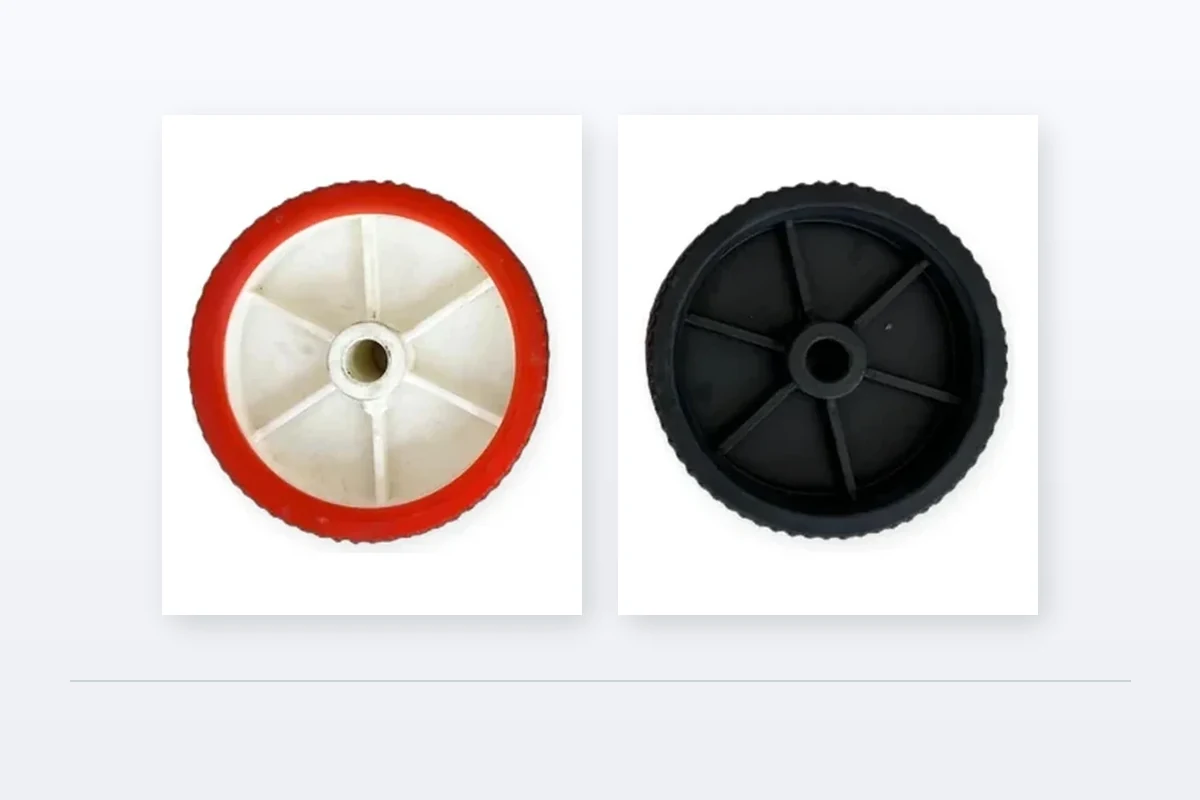
Конфигурации полипропиленовых колес для обеспечения мобильности оборудования и выполнения проектов по его замене.
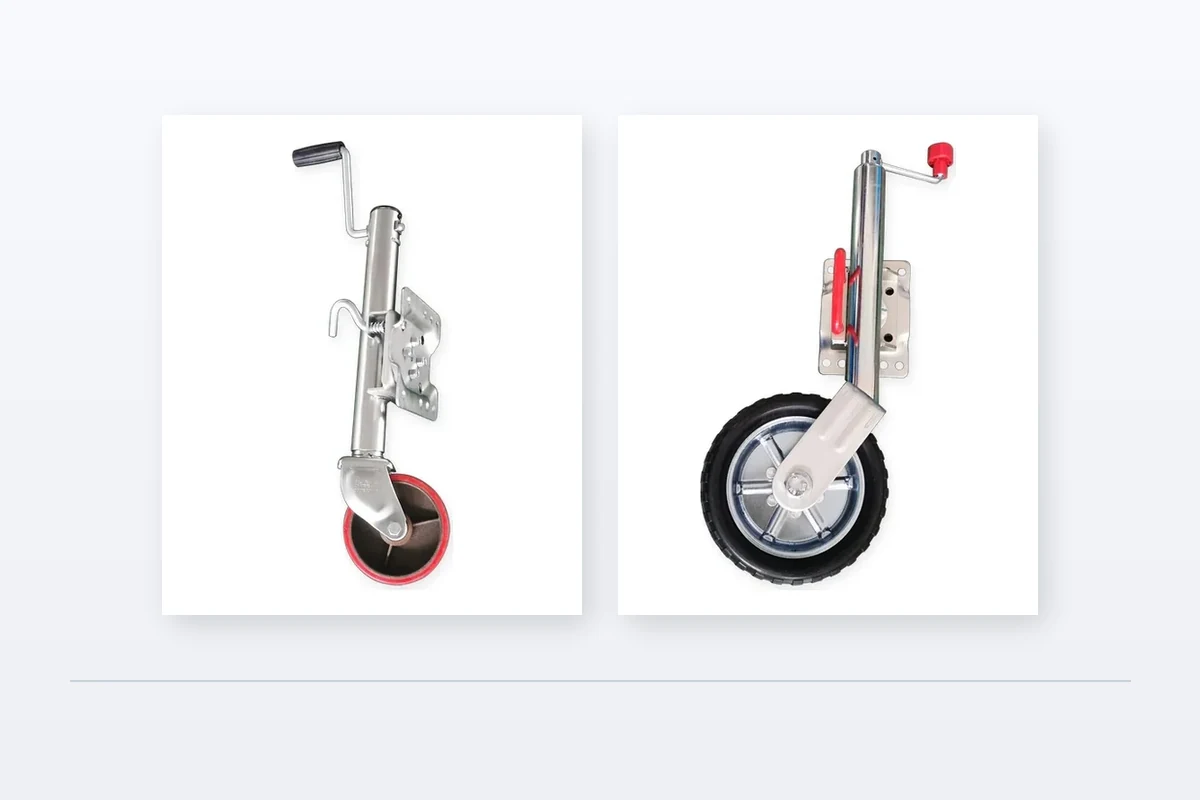
Направляющие колесные узлы для опорных позиций прицепов и мобильной техники.
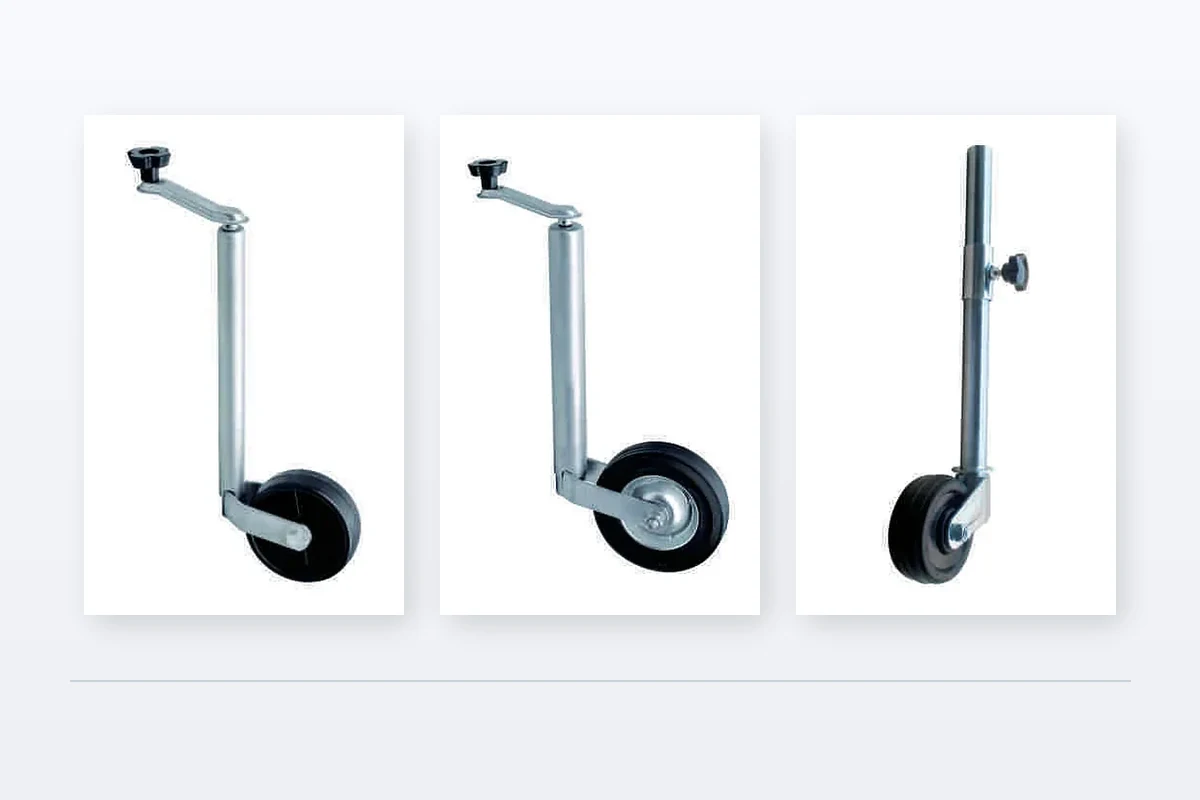
Одноколесные, тормозные и двухколесные опорные узлы для работы с прицепами.
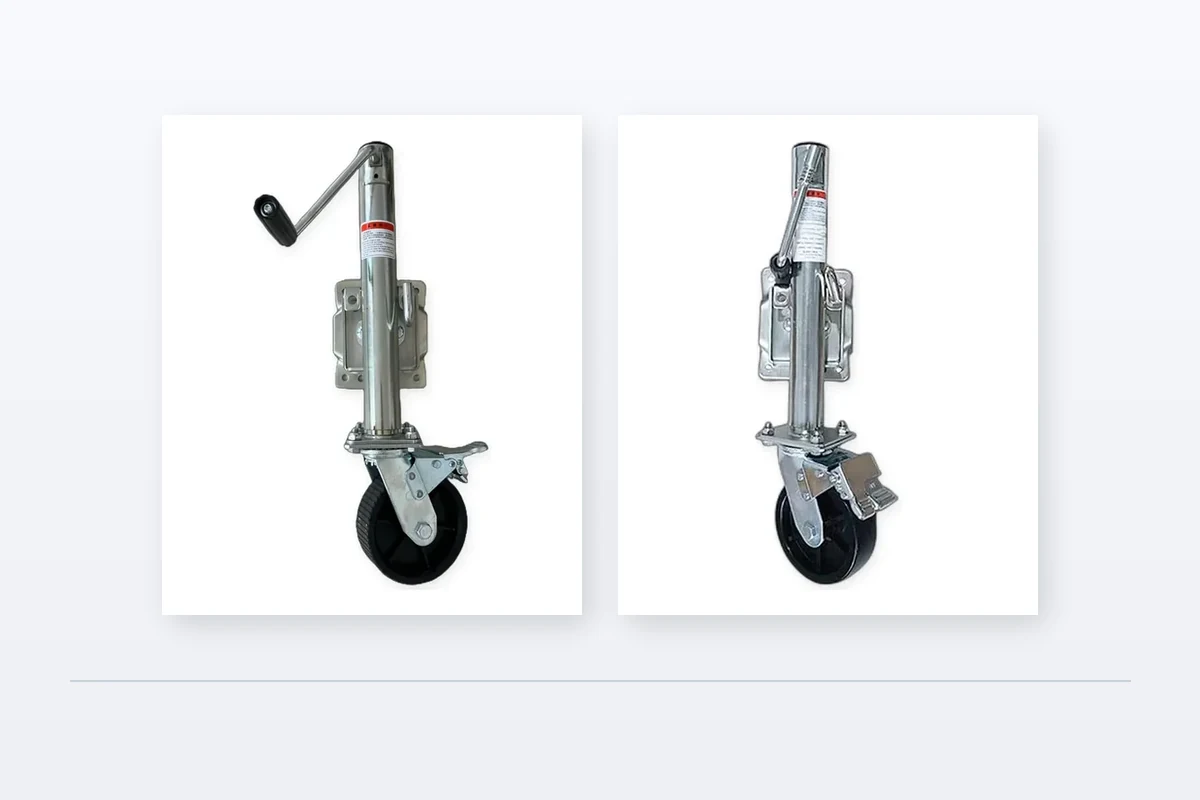
Тормозные конфигурации опорных колес из нейлона и полипропилена.
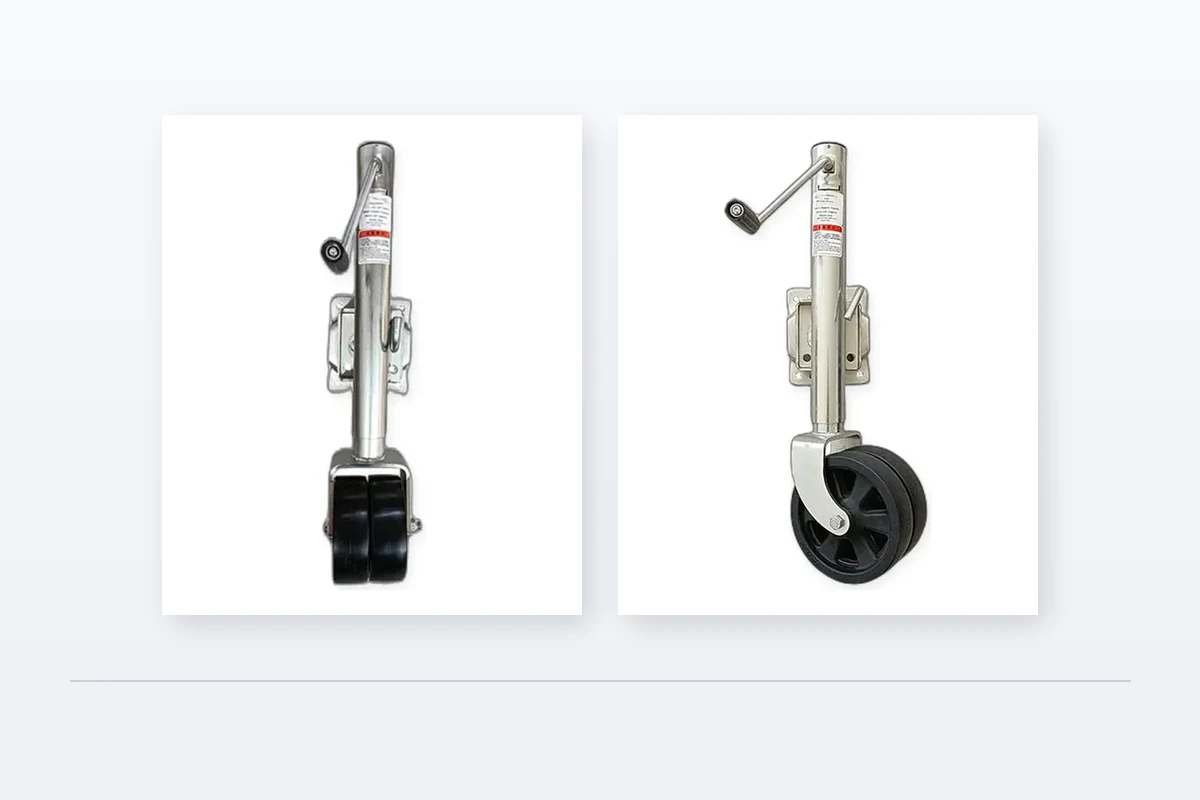
Двухколесные опорные устройства для опорных домкратов и замены оборудования.
Конфигурации опорных колес выбираются в зависимости от интерфейса, типа грунта и условий эксплуатации.
В текущем каталоге представлены колеса из нейлона и полипропилена — твердых термопластичных материалов. Окончательный выбор по-прежнему зависит от марки полимера, состояния пола, нагрузки, размеров колеса, контакта подшипника или оси, а также воздействия окружающей среды.
Не используйте цвет в качестве характеристики материала. Если важны химические вещества, промывка, маркировка, температура или загрязнение, укажите их, чтобы можно было проверить требования к материалу, а не предполагать их.
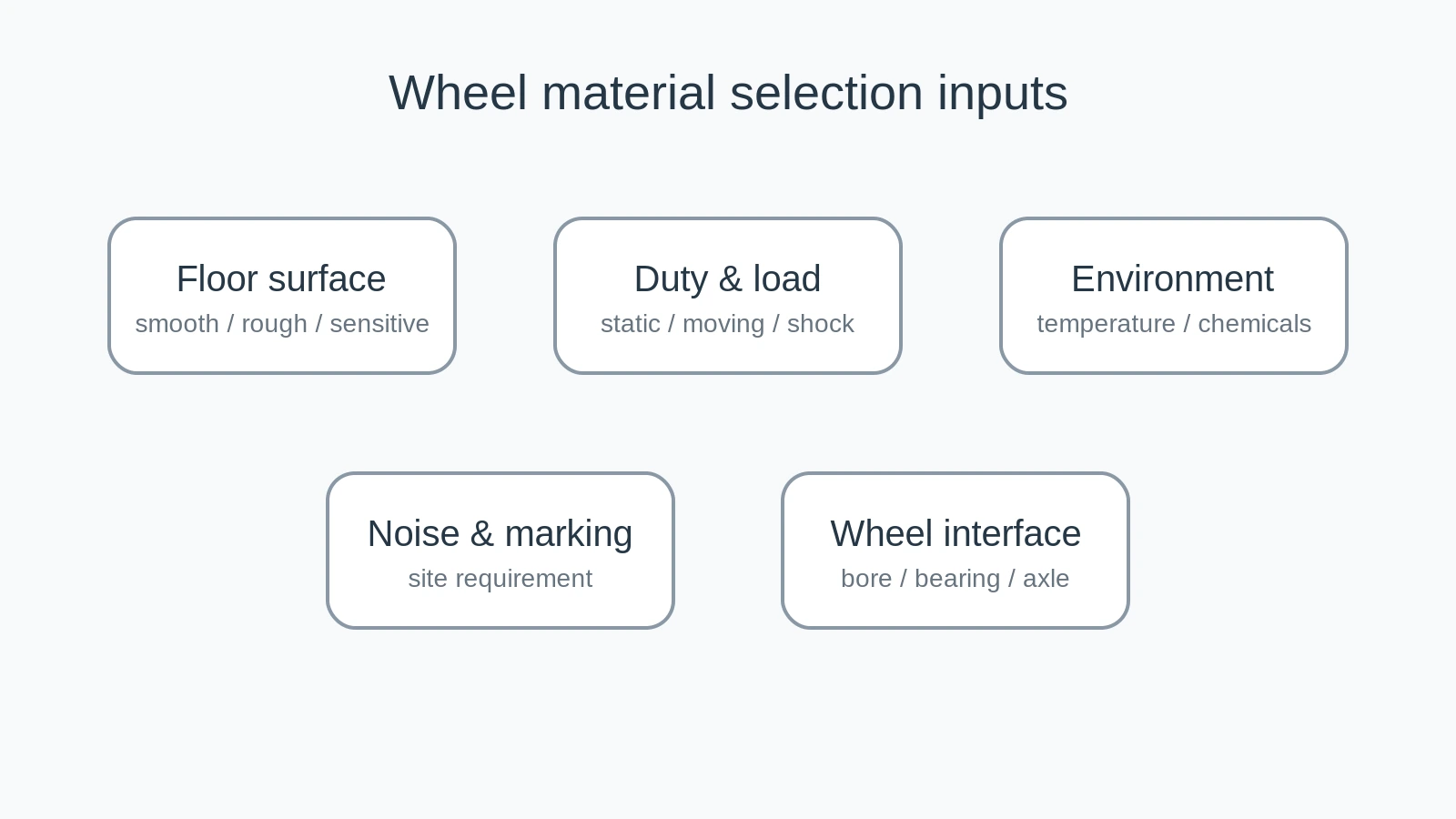
Выбор колес зависит от типа машины. Передвижная тележка по гладкому бетону не создает таких же ограничений, как опорное колесо прицепа, используемое периодически на гравийных покрытиях. Основания оборудования порождают вопросы высоты установки и доступа для обслуживания, в то время как для тележек для перемещения материалов может потребоваться больше внимания к конструкции рулевого управления, стыкам пола и повторяющимся перемещениям.
Распределение нагрузки, многократные перемещения и переходы между этажами.
Изучить приложение →
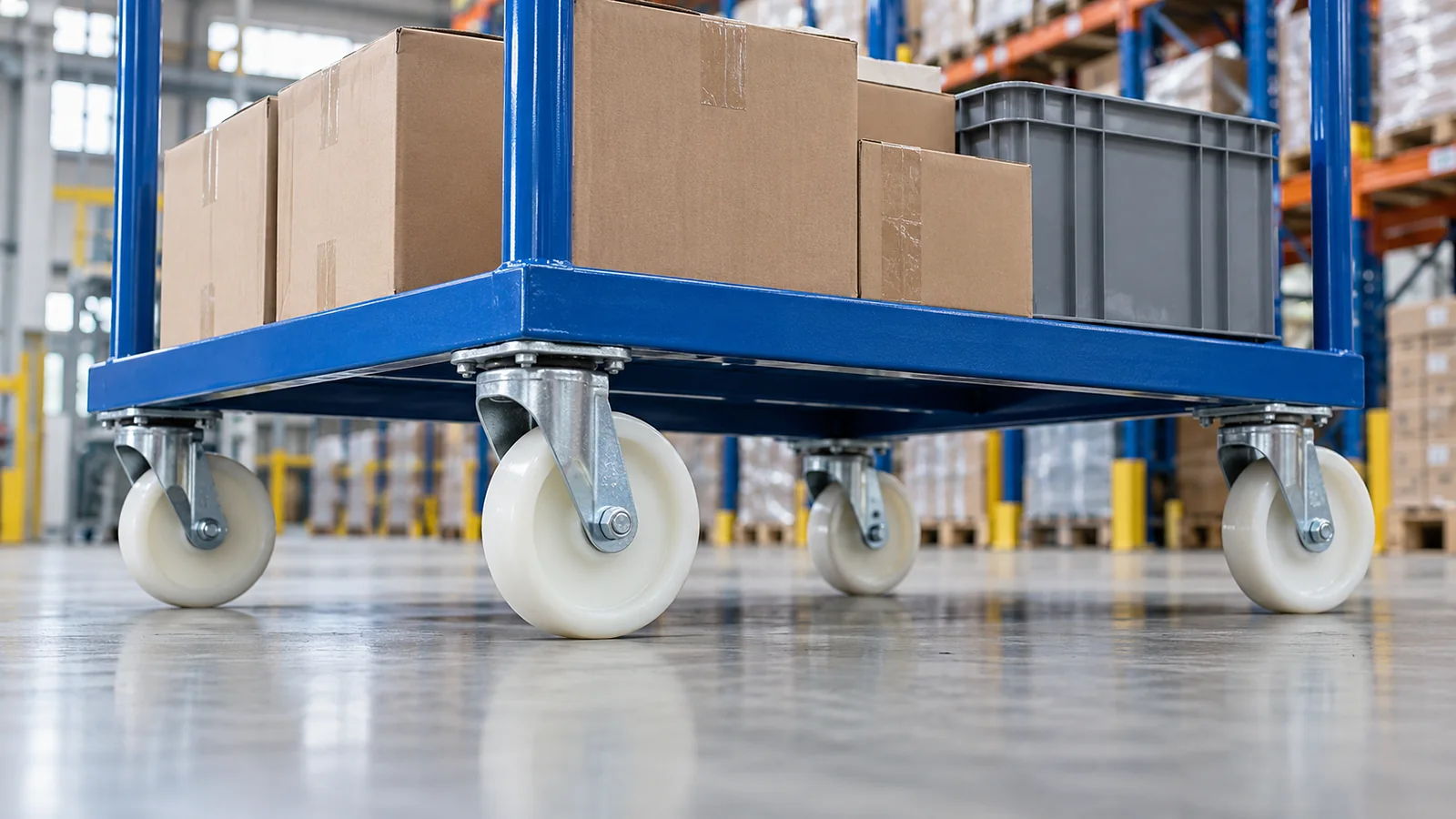
Расположение колес, особенности рулевого управления, пороговые значения и усилия оператора.
Изучить приложение →
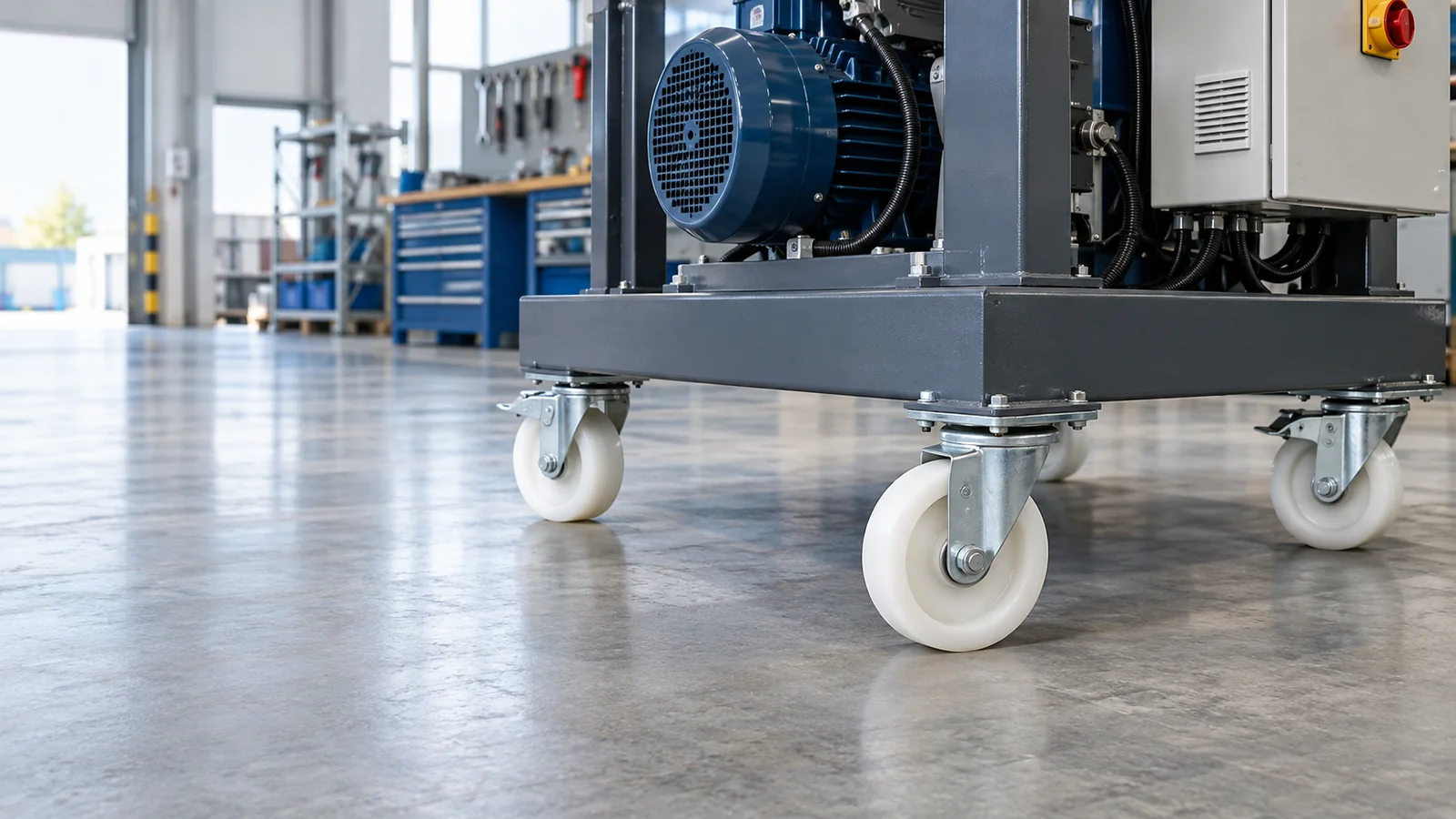
Высота установки, интерфейс крепления, доступ для обслуживания и устойчивость.
Изучить приложение →
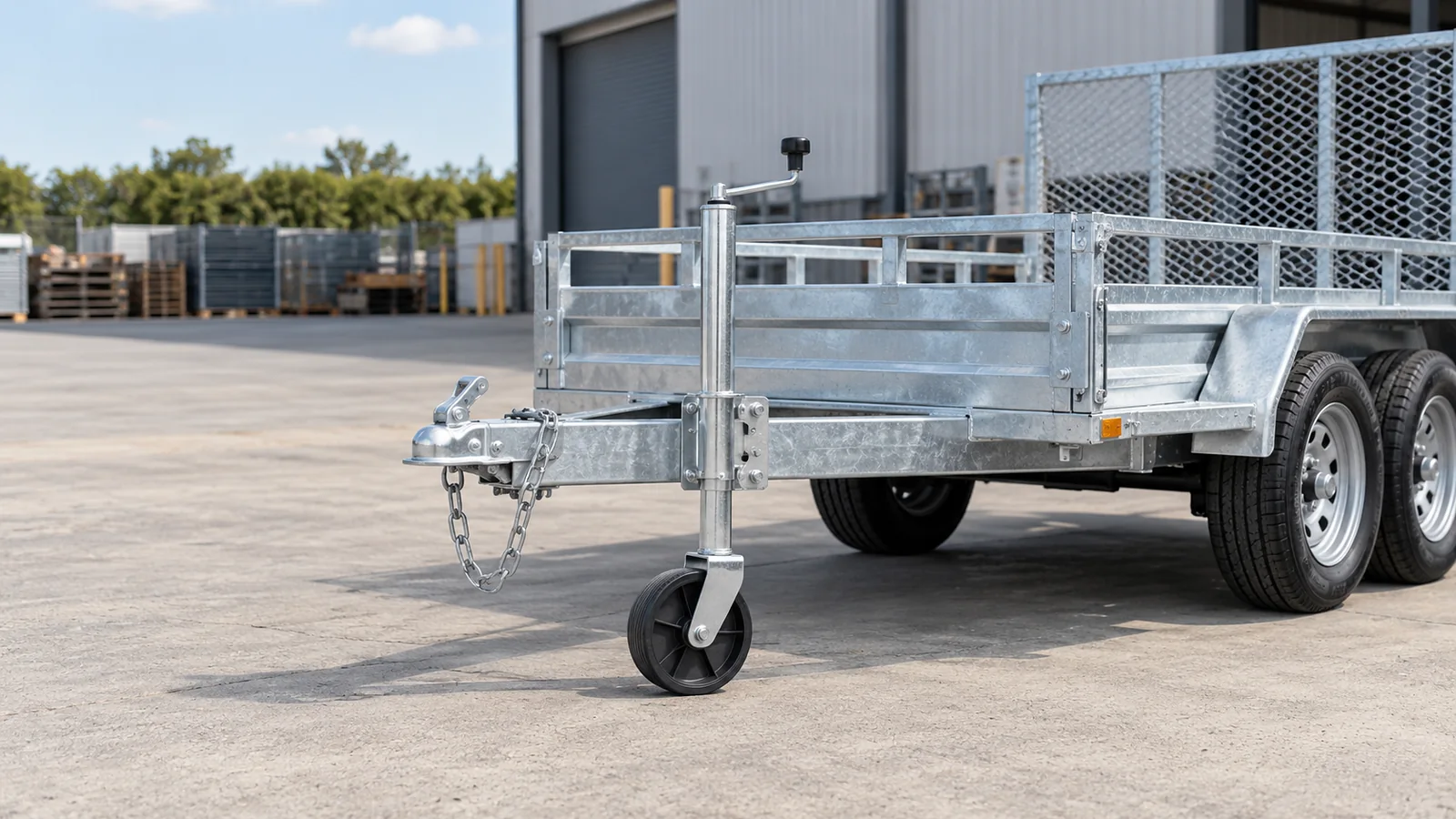
Нагрузка на дышло, грунт, ход, посадка труб и зазор в сложенном состоянии.
Изучить приложение →
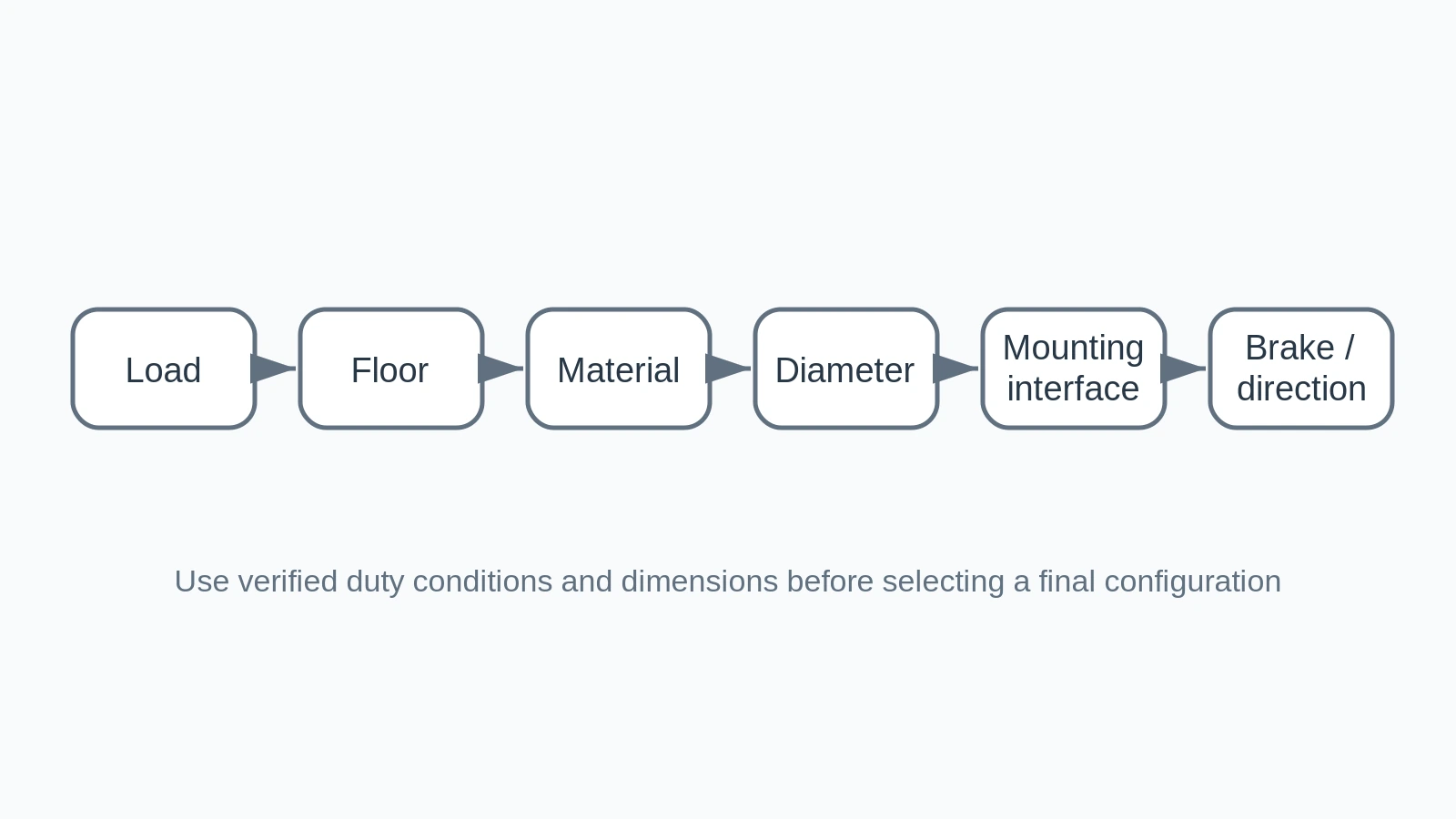
Начните с определения режима работы, а не с фотографии колеса. Определите вес и полезную нагрузку оборудования, затем определите точки опоры, распределяющие нагрузку. Зафиксируйте высоту пола или грунта, выберите практичный диаметр, определите условия эксплуатации, измерьте место соприкосновения и только после этого решите, необходимы ли функции торможения, поворота или складывания.
Такой порядок повышает эффективность составления котировок, поскольку каждое последующее решение основывается на информации, которую можно измерить или наблюдать.
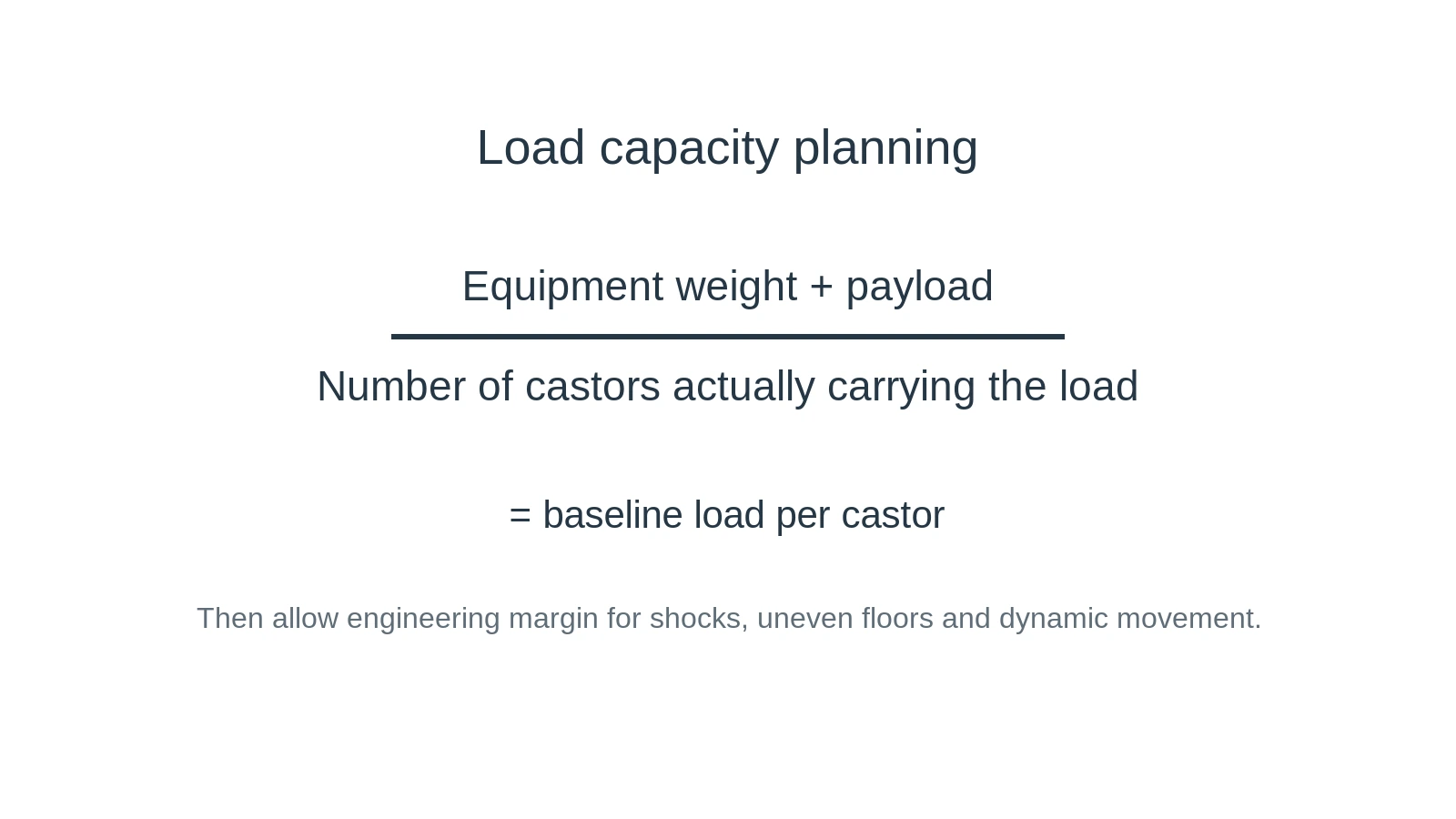
Предварительный расчет нагрузки полезен, но неровные полы и гибкие рамы могут препятствовать равномерному распределению нагрузки. Пороги и пандусы создают переходные силы. Для опоры прицепа соответствующая нагрузка на дышло отличается от полной массы прицепа.
Для замены колеса необходимы данные о диаметре, ширине, диаметре ступицы/отверстия и оси; для полной сборки добавляются данные о высоте установки, геометрии кронштейна или трубы и диапазоне перемещения. Эти схемы помогают покупателям получить эти размеры до запроса коммерческого предложения.
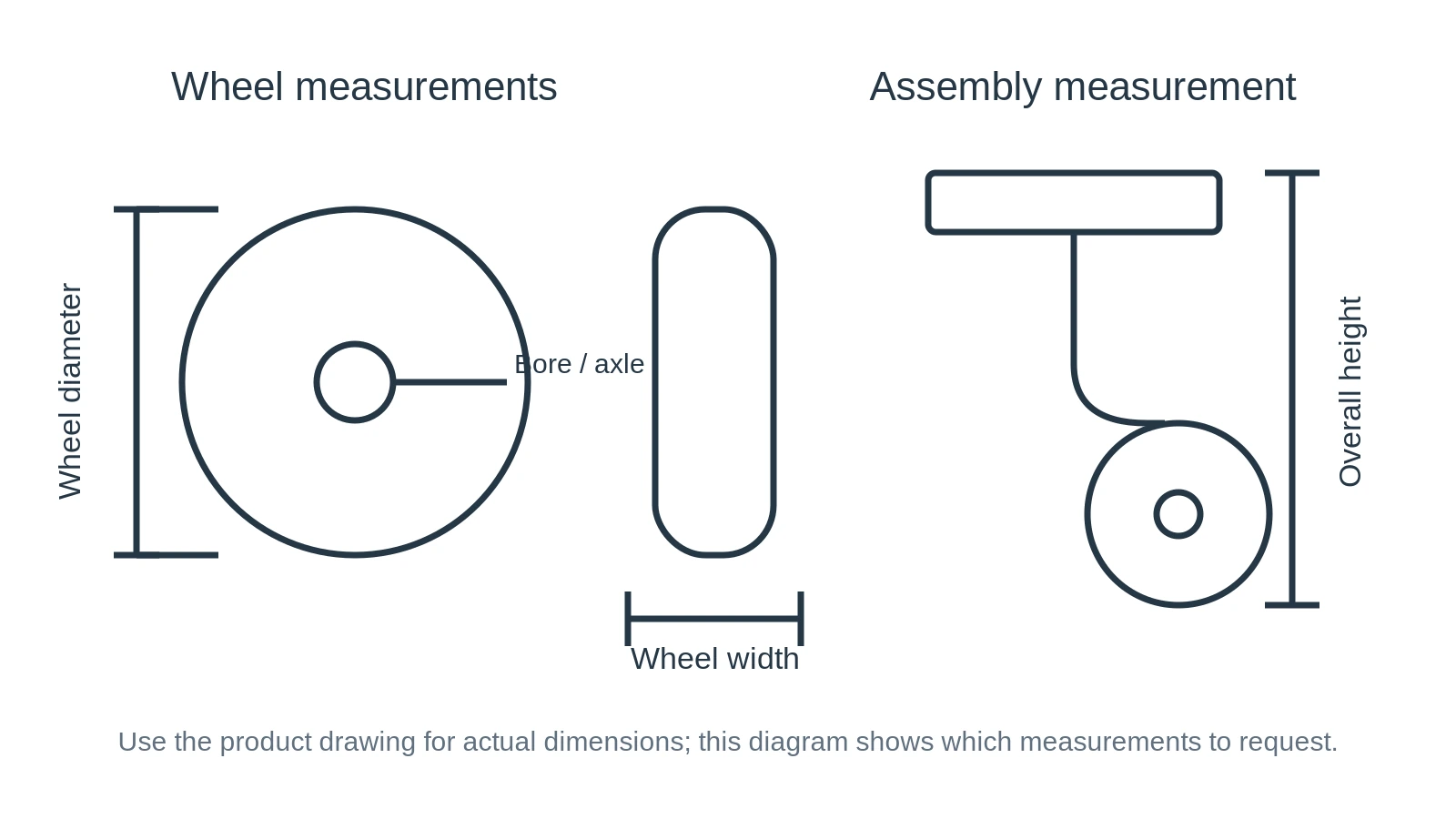
Хороший запрос не обязательно должен представлять собой готовый инженерный чертеж. Он должен отличать известные факты от предположений. Пришлите существующую модель (если она известна), четкие фотографии, размеры, определяющие соответствие, максимальную нагрузку, состояние пола или грунта, ожидаемые перемещения, количество и специальные требования к материалам или отделке.
В проектах, включающих несколько моделей, каждую конфигурацию следует оформлять в отдельную строку. Образцы для оценки новых клиентов можно обсудить для проверки посадки или материалов, а объемы производства и специальные процессы должны соответствовать установленным коммерческим минимумам.
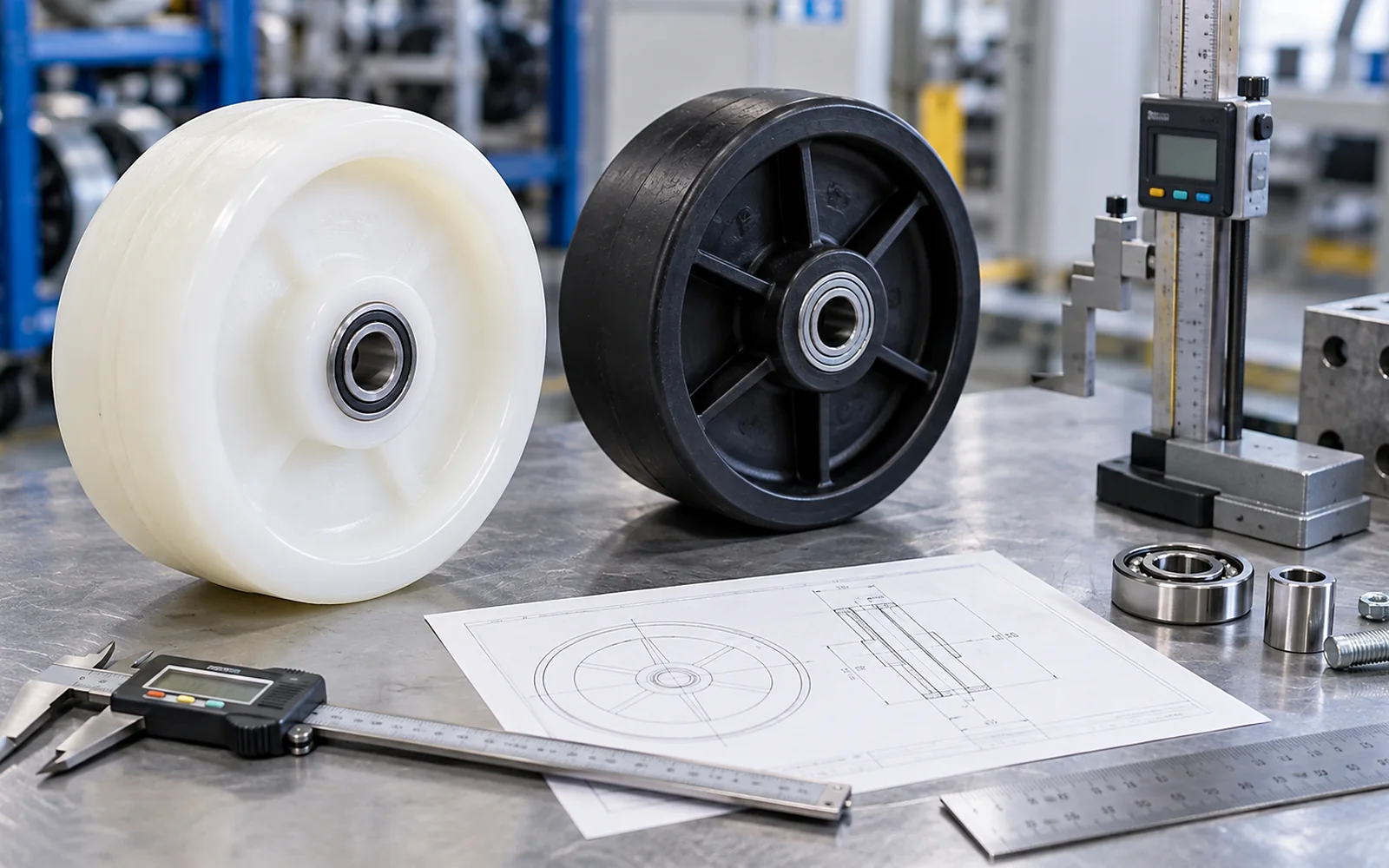
Используйте инженерную библиотеку, чтобы перейти от общего названия продукта к измеримым решениям, касающимся нагрузки, материала, крепления и совместимости при замене.
Выбирайте роликовые колеса, систематически учитывая нагрузку, тип пола, материал, диаметр, способ крепления, перемещение, тормозные характеристики и требования к подшипникам.
Открыть руководство →Сравните нейлоновые и полипропиленовые колеса по таким параметрам, как характеристики качения, состояние пола, условия окружающей среды, стоимость и доступные конфигурации.
Открыть руководство →Изучите расчет базовой нагрузки на одно колесо, а также практическое влияние неровных полов, динамических нагрузок, ударов и реального количества опорных колес.
Открыть руководство →Перед заменой или запросом коммерческого предложения правильно измерьте диаметр колеса, ширину протектора, диаметр центрального отверстия или оси, длину ступицы, общую высоту и детали крепления.
Открыть руководство →
Техническая заметка. Что следует приложить к запросу на поставку пластиковых колес или опорных колес. Практическое руководство для покупателей по контрольному списку запроса на поставку пластиковых колес, ориентированное на измеримые эксплуатационные характеристики…
Читать руководство →Техническая заметка. Как проверить люфт подшипников ступицы колеса перед установкой. Практическое руководство для покупателей по проверке люфта подшипников ступицы колеса, ориентированное на измеримые условия эксплуатации и готовое для запроса коммерческого предложения…
Читать руководство →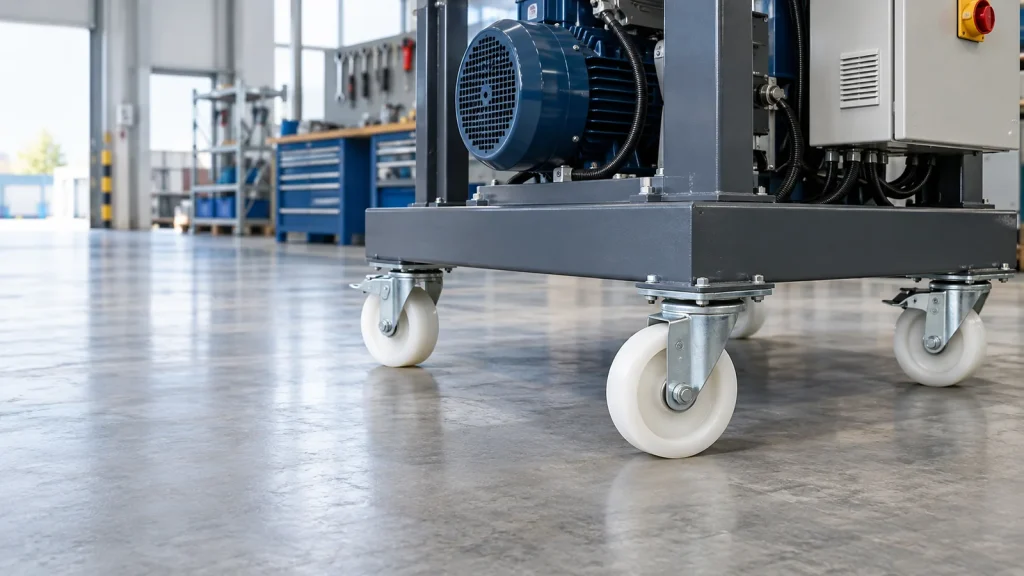
Примечание инженера: Почему поворотные ролики могут вибрировать или смещаться под нагрузкой. Практическое руководство для покупателей по причинам вибрации поворотных роликов, с акцентом на измеримые условия эксплуатации и…
Читать руководство →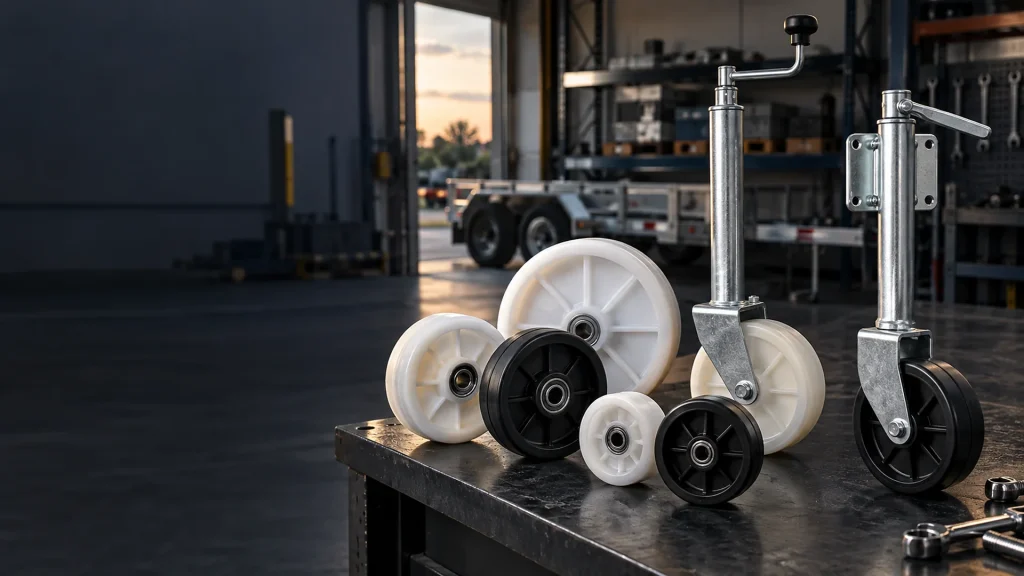
Техническая заметка. Распространенные причины неравномерного износа колес промышленных тележек. Практическое руководство для покупателей по проблеме неравномерного износа колес промышленных тележек, с акцентом на измеримые условия эксплуатации…
Читать руководство →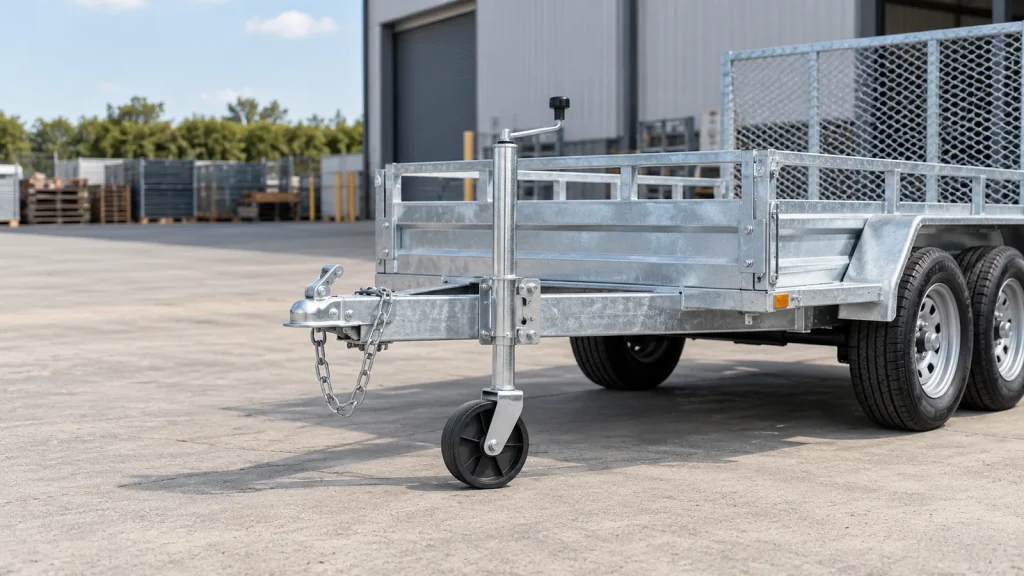
Технические рекомендации по диаметру трубы и посадке зажима: проверка при замене опорного колеса. Практическое руководство для покупателей по измерению диаметра трубы и посадке зажима опорного колеса, с упором на измеримые параметры…
Читать руководство →Примечание инженера: Какой зазор на дышле необходим для складного опорного колеса? Практическое руководство для покупателей по зазору для складного опорного колеса, с акцентом на измеримые условия эксплуатации…
Читать руководство →Полезный запрос на замену начинается с определения детали, которая фактически определяет совместимость. Для колеса без опоры обычно указываются диаметр, ширина, внутренний диаметр или расположение подшипников, длина ступицы и характеристики оси. Для опорного узла добавьте информацию о креплении на трубе или пластине, высоте установки, зазоре между шатуном и поворотным механизмом, а также способе хранения узла. Запись этих данных до утилизации старой детали предотвратит случайную замену на визуально похожую деталь.
Такой же подход помогает и в проектах по созданию нового оборудования. Начните с нагрузки, которую несут опорные точки, пола или грунта, частоты движения, препятствий и доступного пространства вокруг колеса. Только после этого сузьте круг требований к материалу, диаметру и элементам управления. Такая последовательность делает обсуждение практичным и позволяет закупать спецификацию, которую можно сравнивать с различными предложениями.
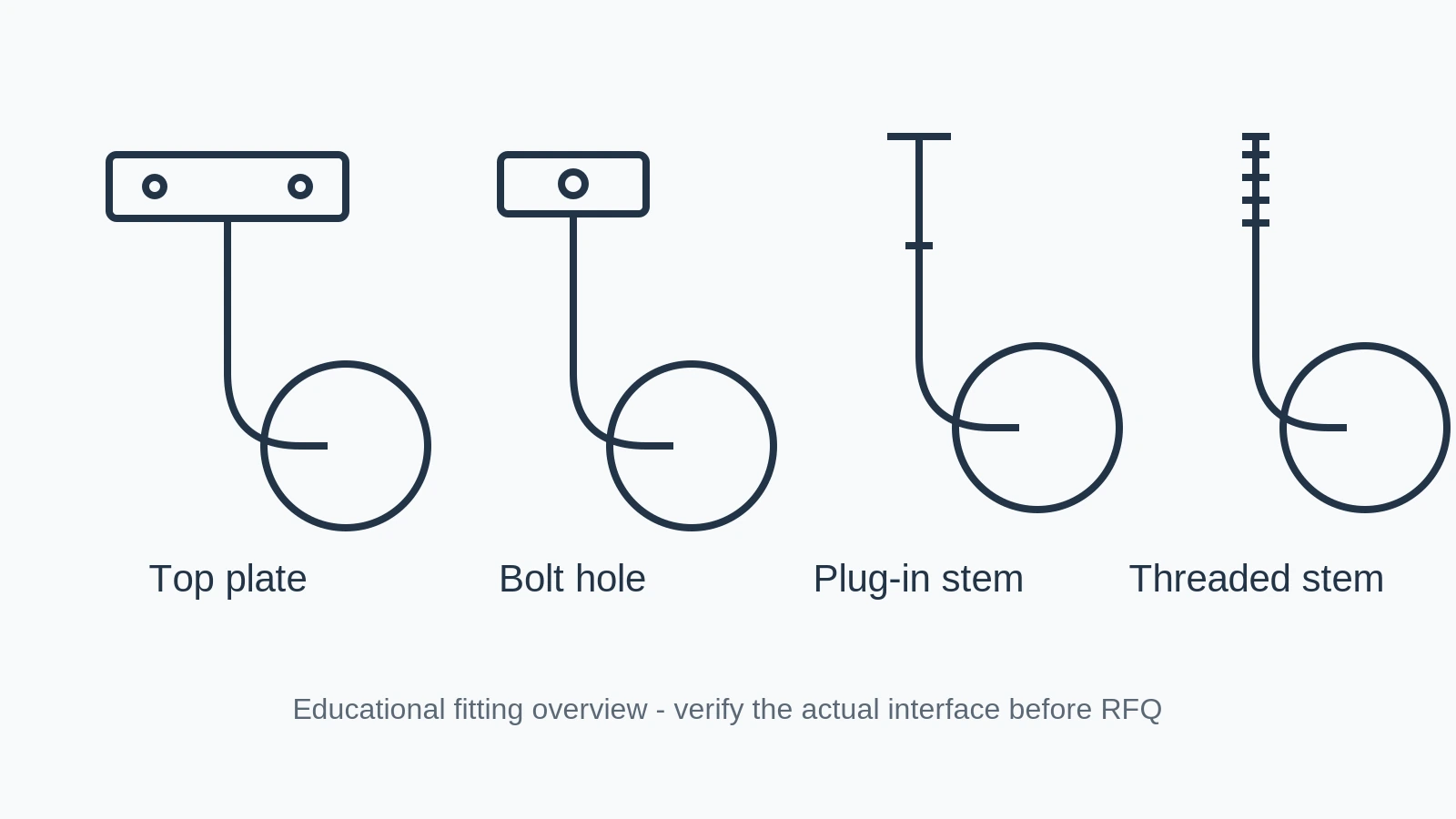
Материал и диаметр колеса решают лишь часть проблемы мобильности. Полный комплект роликов или опорных колес добавляет геометрию поворота, жесткость кронштейна, монтажные размеры, ход подъема, систему контроля парковки и зазор вокруг рамы. Разделение требований к колесам и требованиям к сборке упрощает определение того, какие размеры действительно должны совпадать, а какие характеристики можно выбрать в зависимости от конкретного применения.
Для прицепов и мобильной вспомогательной техники также следует различать условия вертикальной опоры и ручного маневрирования. Колесо, на котором установлен припаркованный дышло, должно по-прежнему катиться по реальной поверхности площадки и складываться или убираться, не касаясь сцепного устройства, шасси или земли. Эти проверки должны быть зафиксированы до утверждения образца или партии продукции.
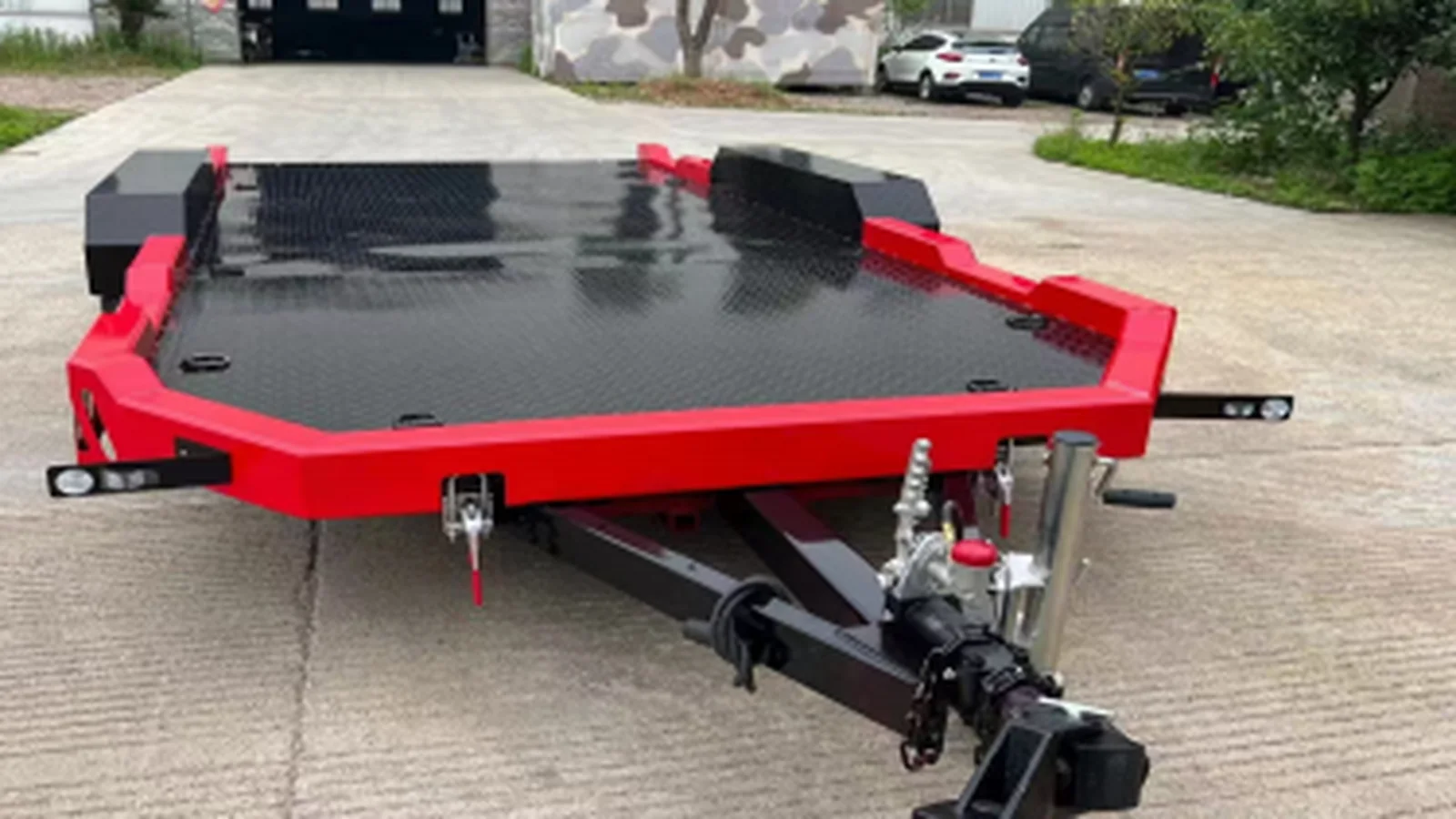
Четкий запрос коммерческого предложения обычно требует меньше писем, чем длинное описание товара. Укажите тип оборудования или прицепа, общий вес или несущую нагрузку, диаметр и ширину колес (если известны), размеры крепления или оси, тип пола (наземный или наземный), требования к тормозам или складыванию, количество и место назначения. Добавьте фотографии сбоку и с монтажной площадки, а также линейку или чертеж, если размеры сложно описать.
Если требуется несколько моделей, размещайте каждую конфигурацию на отдельной строке. Это сохранит взаимосвязь между размерами, материалом, отделкой и количеством, а также значительно упростит контроль за последующими изменениями.
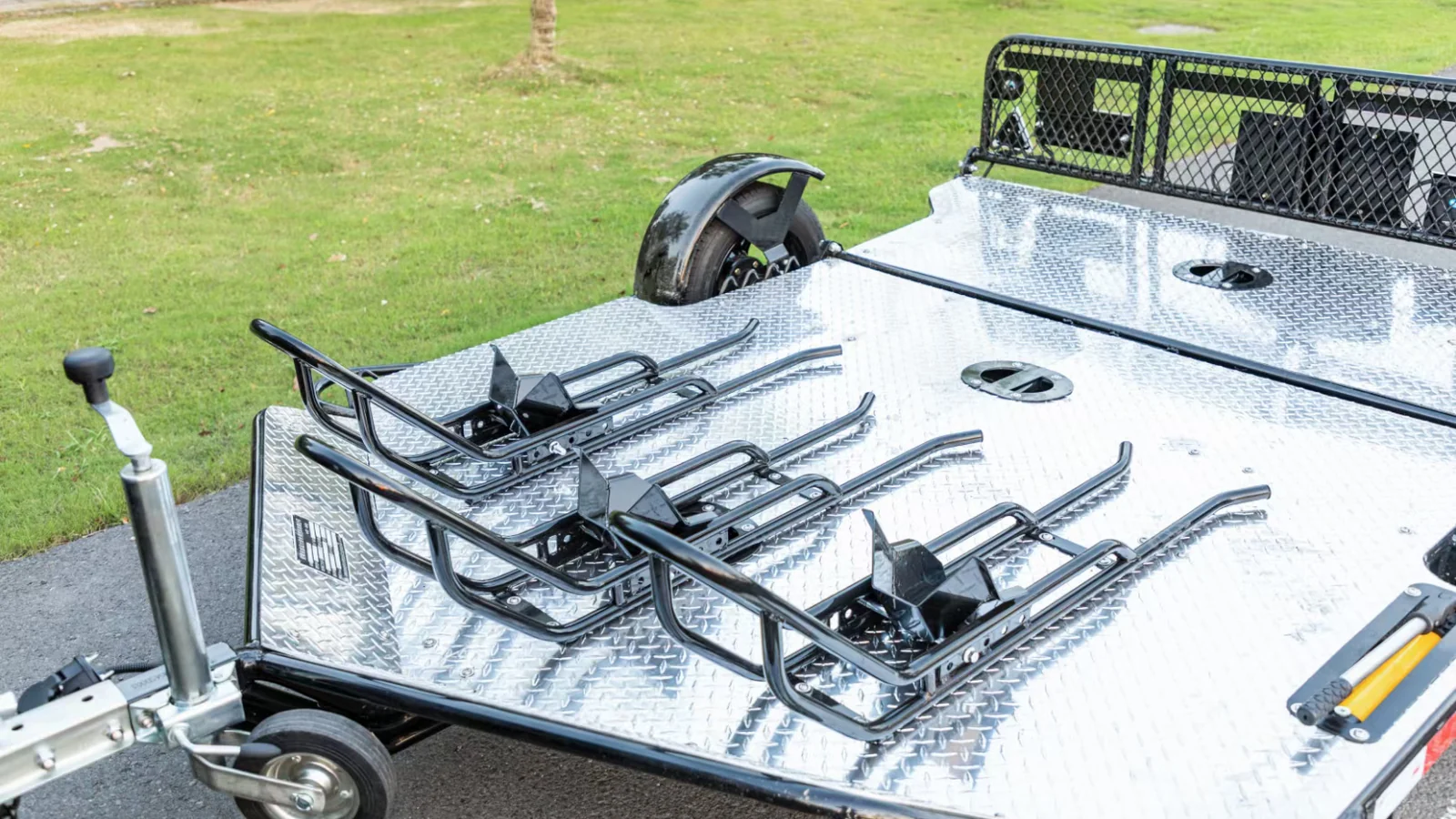
Отправьте информацию о применении, нагрузке, размерах, количестве и фотографию или чертеж. Отсутствие важных деталей позволит выявить недостатки до составления коммерческого предложения.