
Merchandise Description
Produt Description
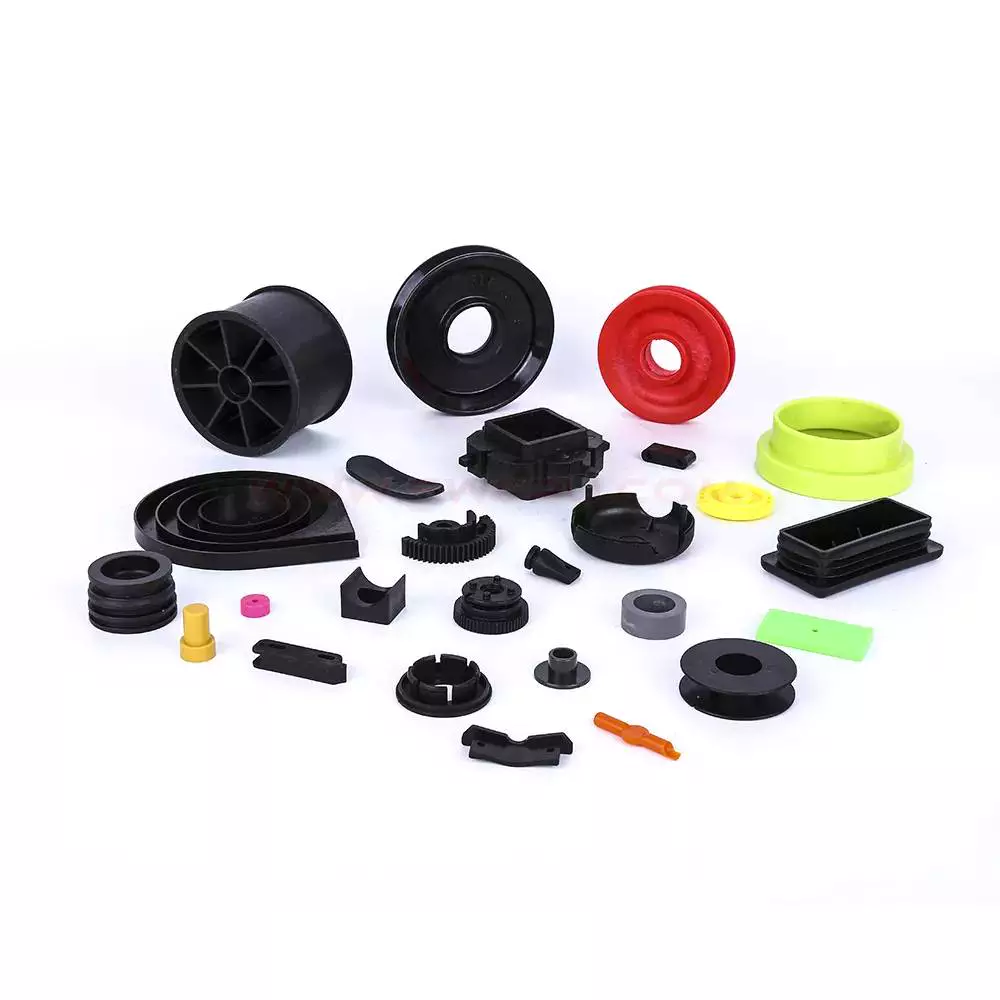
| Item name | 1 End Abdominal muscles Personalized Plastic Molding Solution Injection Molding Provider Molded Plastic Areas | |
| Product substance | Abs, Personal computer, PP, PS, POM,PBT,PVC,PA6,PA66,PA66+thirty%GF, PTFE,Computer+Stomach muscles,TPE,and many others |
|
| Màu sắc | any color offered,will according customer’s ask for | |
| Kích cỡ | as per your drawing or the sample | |
| Sức chịu đựng | +/-.1MM | |
| surface finish | Coloration painting,Texture,Silk-printing,Vacuum coating,rubber coating, etc. | |
| Emblem | take personalized | |
| Số lượng đặt hàng tối thiểu | Negotiable | |
| Software field | A variety of plastic injection molded elements for numerous industrial ,electronics and automotive purposes | |
| Mold Cavity | Solitary or Multi-cavity | |
| Đời sống nấm mốc | five photographs | |
| runner technique | hot runner and cold runner | |
| deal | common export carton packing ,or in accordance your request. | |
| Payment Terms | For mold: 50% advanceT/T payment, harmony will be right after you affirm our samples For creation: thirty%T/T, equilibrium will be right after gained our B/L copy | |
| guide time |
|
In depth products
Production Procedure
Vận chuyển
Business Profile
Our firm was started in 2003.covers an region of 3000sqm,positioned in Xihu (West Lake) Dis. county,ZHangZhoug,China
we are manufacturer specialized in customized injection molding service and plastic extrusion profiles as customer’s style or sample.
We offer 1 cease Support like prototyping of preprodcution parts,tool style and develop,components creation and assembly.We have skilled engineering team over ten many years experience of plastic injection mold design and plastic injection molding method.
The products made by us widely used in household electrical appliances,health club equipment ,led lamps,automotive sector,packing industry and other fields.We can customise all types of Engineering plastics items according to our customers’ drawings or samples.
with Professional technicians and rich experience we have set up CZPT business associations with customers spread worldwidely,Primarily in Europe,South The usa and North The united states.
We are seeking CZPT to forming effective company interactions with new customers in the close to future.
You should feel free to contact us,We imagine we will be your good organization spouse !
Our Certifications
Câu hỏi thường gặp
Q1. Are you a trading organization or a manufacturer?
Chúng tôi là nhà sản xuất.
Q2. What sort of trade conditions can you do?
EX-Works,FOB,CIF,DDP, DDU
Câu 3. Can I examination my notion/component ahead of committing to mould tool manufacture?
Vâng, chúng tôi có thể tạo mẫu 3D để thử nghiệm và đánh giá chức năng.
This autumn. Can you guarantee the high quality ?
Yes ,We have a professional quality inspection office,pre production sample before mass production,closing inspection before shipment.
Q5. Do you support OEM ?
Yes, we can make by technological drawings or samples.
Q6.What sort of plastic is best for my design/ingredient?
Materials selection is dependent on the application of your design and the atmosphere in which it will operate. We are quite happy to discuss the alternatives and give you greatest tips .
Q7. How about your supply time?
Generally, it just take 25 days for make mildew.mass generation relying on order qty.
Q8.How to slove the good quality difficulty after sale?
please take pictures&movie of the issue and ship us,we will make a solution for you in 24hours soon after we verify the problem.
we will be responsible for our merchandise high quality.
| Vật liệu: | ABS/PP/PA6/PC/POM |
|---|---|
| Ứng dụng: | Y tế, Gia dụng, Điện tử, Ô tô, Nông nghiệp |
| Định dạng bản vẽ: | Dwg .Step .Igs |
| Mold Material: | P20/S50c/H13/Nak80/718/738h/S136 |
| Kích cỡ: | as Customer′s Design File |
| Logo: | Accept Custom |
| Mẫu: |
US$ 2/Mảnh
1 chiếc (Số lượng đặt tối thiểu) | |
|---|
| Tùy chỉnh: |
Có sẵn
| Yêu cầu tùy chỉnh |
|---|
Ép phun là gì?
Ép phun là một quy trình sản xuất các chi tiết đúc chính xác bằng cách nung chảy nhựa nguyên liệu và dẫn chúng vào khuôn. Các bộ phận chính của khuôn ép phun bao gồm phễu chứa nguyên liệu, thùng chứa và trục vít chuyển động tịnh tiến. Trước khi ép phun, nhựa nguyên liệu được trộn với chất tạo màu và các chất phụ gia gia cường.
Đặc điểm của các bộ phận được đúc phun
 Ép phun là quy trình sản xuất các bộ phận bằng nhựa. Nó sử dụng nhựa nhiệt dẻo, nhựa nhiệt rắn hoặc chất đàn hồi để sản xuất các linh kiện. Phạm vi vật liệu rất rộng và bao gồm hàng chục nghìn loại polymer khác nhau. Chúng được pha trộn với các vật liệu và hợp kim khác để tạo ra nhiều đặc tính khác nhau. Các nhà thiết kế lựa chọn vật liệu phù hợp cho công việc dựa trên các đặc tính và chức năng mong muốn của bộ phận hoàn thiện. Trong quá trình thiết kế khuôn, vật liệu làm khuôn phải được lựa chọn cẩn thận, vì các vật liệu khác nhau yêu cầu các thông số ép phun khác nhau.
Ép phun đòi hỏi dung sai chính xác về nhiệt độ và độ biến dạng. Độ biến dạng tối đa khoảng 0,15%. Có thể điều chỉnh các thông số này để đáp ứng yêu cầu của dự án ép phun. Sản phẩm cuối cùng có thể dễ dàng được kiểm tra chất lượng bằng cách đo độ biến dạng và nhiệt độ của các chi tiết khuôn trong thời gian thực.
Ép phun nhựa nổi tiếng với dòng chảy tầng của polymer. Tuy nhiên, vẫn có khả năng xảy ra sự biến đổi nhiệt độ từ bên này sang bên kia trong khoang tạo hình chi tiết. Điều này được minh họa trong Hình 4. Chi tiết có các vùng chịu lực cắt cao và thấp; các vùng chịu lực cắt cao hơn có dòng chảy ở phía dưới của chi tiết, trong khi các vùng chịu lực cắt thấp hơn có dòng chảy ở phía trên.
Ép phun nhựa được sử dụng để sản xuất nhiều loại linh kiện nhựa khác nhau, từ các chi tiết nhỏ đến toàn bộ thân xe ô tô. Các linh kiện này có thể được làm từ nhiều loại vật liệu khác nhau, chẳng hạn như polypropylene cho đồ chơi và ABS cho thiết bị điện tử tiêu dùng. Chúng cũng có thể được làm từ kim loại, chẳng hạn như nhôm hoặc thép.
Nhiệt độ nóng chảy của các chi tiết nhựa phải phù hợp với thông số kỹ thuật của dự án. Khuôn phải đủ lớn để sản xuất các chi tiết mong muốn. Điều này sẽ giảm thiểu ảnh hưởng của sự co ngót không đều đến độ chính xác kích thước của sản phẩm. Ngoài nhiệt độ, khuôn cũng phải được thiết kế có tính đến các đặc tính của vật liệu.
Chế tạo dụng cụ
Các chi tiết được sản xuất bằng phương pháp ép phun sử dụng khuôn. Quá trình này khá phức tạp, đòi hỏi sự tùy chỉnh để đảm bảo độ vừa vặn và chức năng chính xác. Thành phần chính của khuôn là đế, bao gồm các khoang, bộ phận đẩy và đường dẫn làm mát. Kích thước và vị trí của các thành phần này rất quan trọng đối với việc sản xuất các chi tiết chất lượng. Các lỗ thông hơi có kích thước không chính xác có thể khiến không khí bị kẹt bên trong chi tiết trong quá trình ép phun. Điều này có thể dẫn đến bọt khí, vết cháy và chất lượng chi tiết kém.
Vật liệu dùng để chế tạo khuôn thường là thép công cụ H-13. Loại thép này phù hợp cho các chi tiết đúc phun vì nó có giá trị độ giãn dài thấp. Vật liệu dùng để chế tạo khuôn cho các chi tiết đúc phun thường có độ bền kéo cao. Vật liệu dùng cho khuôn đúc phun thường là thép không gỉ 420 hoặc thép công cụ H-13. Những vật liệu này phù hợp với hầu hết các quy trình đúc phun và có độ bền kéo tương đương so với các chi tiết rèn hoặc MIM.
Một phần quan trọng khác trong việc chế tạo khuôn là thiết kế khuôn. Việc thiết kế khuôn với góc thoát phôi rất quan trọng, vì điều này sẽ giúp việc lấy sản phẩm ra dễ dàng hơn và giảm chi phí. Góc thoát phôi 5° được khuyến nghị khi thiết kế chi tiết có chiều cao lớn. Việc lựa chọn góc thoát phôi rất cần thiết để đảm bảo sản phẩm nhựa không bị bọt khí sau khi ép phun.
Chi phí khuôn ép phun có thể chiếm tới 151.300 bảng Anh trong tổng chi phí của một sản phẩm ép phun. Với sự đổi mới trong vật liệu và thiết kế khuôn, việc chế tạo khuôn có thể hiệu quả và tiết kiệm chi phí hơn.
Các lớp hoàn thiện bề mặt trên các bộ phận được đúc phun
Các lớp phủ bề mặt trên các chi tiết được đúc phun có thể ảnh hưởng đến hình thức và hiệu suất của chi tiết đó theo nhiều cách. Các vật liệu khác nhau phù hợp với các loại lớp phủ bề mặt khác nhau, với một số loại nhựa thích hợp hơn cho bề mặt nhẵn bóng so với các loại khác. Loại lớp phủ bề mặt cũng bị ảnh hưởng bởi một số yếu tố, bao gồm tốc độ phun và nhiệt độ nóng chảy. Tốc độ phun nhanh hơn giúp cải thiện chất lượng bề mặt nhựa bằng cách giảm độ rõ nét của các đường hàn và cải thiện hình thức tổng thể của các chi tiết.
Để có bề mặt nhựa nhẵn mịn, một số công ty yêu cầu độ nhám cao trên sản phẩm. Những công ty khác có thể thích bề mặt thô ráp hơn, nhưng cả hai lựa chọn đều có những ưu điểm riêng. Loại bề mặt hoàn thiện được chọn sẽ phụ thuộc vào mục đích và ứng dụng dự định của sản phẩm. Ví dụ, bề mặt nhựa bóng có thể được ưa chuộng cho một sản phẩm mang tính thẩm mỹ, trong khi bề mặt thô ráp hơn có thể phù hợp hơn cho một sản phẩm cơ khí cần độ bền cao và tiết kiệm chi phí.
Bề mặt của các chi tiết đúc phun thường được tùy chỉnh để phù hợp với ứng dụng. Ví dụ, một số chi tiết yêu cầu bề mặt thô ráp vì chúng cần độ ma sát cao hơn. Những chi tiết này có thể cần quy trình phun cát để đạt được kết cấu mong muốn. Các quy trình khác cũng có thể được sử dụng để kiểm soát kết cấu nhựa.
Loại hoàn thiện bề mặt phụ thuộc vào vật liệu sử dụng, cũng như thiết kế và hình dạng của chi tiết. Loại vật liệu, chất phụ gia và nhiệt độ cũng ảnh hưởng đến độ hoàn thiện bề mặt. Điều quan trọng là phải xem xét độ hoàn thiện bề mặt ngay từ giai đoạn thiết kế ban đầu.
Tầm quan trọng của thao tác phụ để cải thiện độ chính xác
Mặc dù hầu hết các bộ phận được đúc phun không cần các công đoạn gia công thứ cấp, nhưng một số bộ phận lại cần loại xử lý này. Độ hoàn thiện bề mặt của một bộ phận sẽ quyết định hiệu quả hoạt động của nó và các công đoạn gia công thứ cấp khác cần thiết. Tùy thuộc vào chức năng của bộ phận, bề mặt nhẵn hoặc có vân có thể phù hợp. Ngoài ra, một số bộ phận có thể cần chuẩn bị bề mặt trước khi dán keo, vì vậy độ hoàn thiện bề mặt chính xác có thể tạo nên sự khác biệt. Để đạt được độ hoàn thiện mong muốn, người vận hành máy đúc phun cần có kinh nghiệm đúc các vật liệu khác nhau. Họ cũng cần có kiến thức về cách mô phỏng dòng chảy của khuôn. Hơn nữa, những người thợ đúc có kinh nghiệm biết cách pha trộn vật liệu để đạt được màu sắc mong muốn, tránh cần đến các quy trình sơn thứ cấp.
Ép phun là một quy trình phức tạp đòi hỏi độ chính xác cao. Cần phải lựa chọn nhiệt độ tối ưu của nhựa nóng chảy, cũng như nhiệt độ của khuôn. Khuôn cũng phải được thiết kế sao cho nhựa chảy đúng hướng. Ngoài ra, nó phải được làm từ vật liệu nhựa nhiệt dẻo tốt nhất cho thiết kế của chi tiết. Cuối cùng, cần phải có đủ thời gian để chi tiết đông cứng trước khi được đẩy ra khỏi khuôn. Nhiều vấn đề trong số này có thể được khắc phục bằng cách sử dụng các dụng cụ chuyên dụng được thiết kế riêng cho từng chi tiết.
Ép phun nhựa mang lại cơ hội sản xuất các bộ phận phức tạp với chi phí thấp. Nó cũng cho phép các nhà sản xuất tạo ra các bộ phận có hình dạng phức tạp và nhiều chức năng.

editor by CX 2023-04-10