
产品描述
公司简介
Production Flow
产品参数
| ltem | OEM/0DM Aluminum/ Fabrication/ Anodizing/Powder Coating etc. |
| 材料 | Aluminum Alloy 6000/7000 series, such as 6005, 6061,6063,6082 6463.7075,etc. |
| Profile Shape | Round, Holow profle, Oval,Tube, flat, Triangle, square, Rectangle, Rectangular, Pentagon Pentagonal,hexagon hexagonal, heptagon heptagonaoctagon octagonal, trapezoid rapezoida, Diamond, Wave-shape, Curve-shape, U-prole, L-profle, Tprofile, H-profile, and any customized design, |
| ProductionProcess | Aluminum Extrusion, Fabrication, Anodizing, etc. We can provide Aluminum with All-in-One seryice, |
| Fabrication | Machining,CNc, Sawing, Miling, Punching, Lathing, Tapping, chamfering, Laser, welding, Bending Assembling, etc. |
| 应用 | Industrial, Aluminum Enclosure, Advertising Eauipments, Office furniture and Partitions, Windows & Door.curtain walls, celina. Heat sink LEDstrip, Standard Profile, Medical equipment, DlY Equipment/ Furniture, electric products. |
| Certificate and Standard | IS09001-2008/IS0 9001:2008 SGS. |
| Guarantee | Surface color can be stable for 10~20 years indoor using. |
| Free Sample | Yes, packing is are also for free Shipping fee will charge by buver, |
| 包装 | 1.EP Paper inside for each profile separate then Craft Paper/Shrink Film outside Packing 2.EP Paper inside for each profile separate then carton paper then pallet 3.wooden carton |
| MOQ | 1000 kgs *More or less is acceptable, but it depends on drawings, material and fabrication requirements |
Quality Control Flow
包装和运输
Certifications
常问问题
Q: How long is the aluminum profile you could make?
A: In general, the typical length is less than 6000mm with aging. But the longest aluminum profile we could make, is up to 12000mm.
Q: How big is the aluminum profile section size you could make?
A: We could manufacture the aluminum profile that the section ranging from 0-500mm.
Q: How long is your lead time?
A: It depends on your product difficulty and quantity. For example, 25tons of 35*35mm solar panel frame, we could finish then within 30 days including mold fabrication time.
Q: Are you free on the extrusion tool?
A: In general, if we do not have the existing tool to meet ur requirement, the client should pay for the extrusion tool cost. But we will refund the tool cost to you, according to the quantity you purchase.
Q: What is your payment term?
A: We accept the T/T and L/C payment. In general, T/T will be 30% advance payment, and 70% balance payment before the shipment. For L/C, in general, we only accept the irrevocable at longest 60 days L/C payment.
Q: What are the departure port?
A: In general, if the customers do not have requirement for this, the container will leave from HangZhou port or HangZhou port.
/* May 10, 2571 16:49:51 */!function(){function d(e,r){var a,o={};try{e&&e.split(“,”).forEach(function(e,t){e&&(a=e.match(/(.*?):(.*)$/))&&1
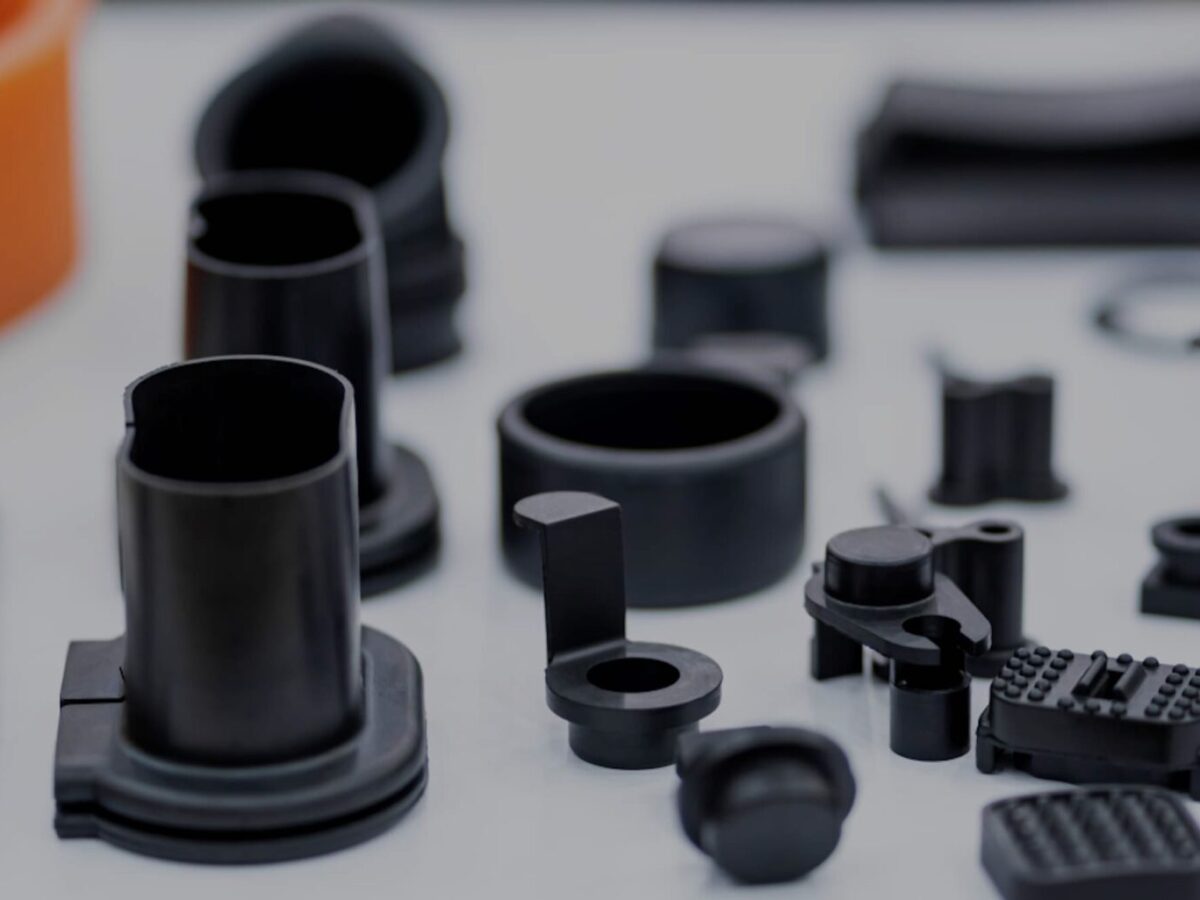
注塑成型工艺如何促进高精度零件的生产?
注塑成型工艺因其能够生产高精度、高质量零件而广受认可。注塑成型工艺能够达到如此高的精度,主要归功于以下几个因素:
1. 模具设计:
注塑模具的设计和制造在实现高精度方面起着至关重要的作用。模具通常采用精密加工技术制造,以确保尺寸精确和公差严格。模具设计需要考虑诸多因素,例如零件收缩、冷却通道、浇口位置和顶出机构等,所有这些因素都会影响成型过程中的尺寸精度和零件稳定性。
2. 物料控制:
注塑成型工艺能够精确控制生产过程中使用的材料。熔融塑料材料的用量经过精确计量和控制,确保材料性能的一致性,并减少成型零件的偏差。这种对熔体温度、粘度和填充率等材料参数的控制,有助于生产出尺寸和机械性能一致的高精度零件。
3. 注射过程控制:
注塑成型工艺是将熔融塑料在高压下注入模腔。先进的注塑机配备了精确的控制系统,可以调节注射速度、压力和时间。这些控制系统确保模具填充的精确性和可重复性,最大限度地减少零件尺寸和表面光洁度的偏差。对这些参数的精细调节和控制有助于生产高精度零件。
4. 冷却和凝固:
注塑塑料材料的适当冷却和固化对于实现高精度至关重要。冷却过程需要严格控制,以确保零件整体冷却均匀,并最大限度地减少翘曲或变形。模具中高效的冷却系统,例如冷却通道或随形冷却,有助于保持稳定的温度和固化速率,从而获得精确的零件尺寸并降低内部应力。
5. 自动化和机器人技术:
在注塑成型中应用自动化和机器人技术可以提高精度和重复性。自动化系统确保模具、嵌件和成品零件的处理始终如一且精准,从而减少人为误差和偏差。机器人能够高精度地执行零件取出、检测和组装等任务,进一步提升生产过程的整体精度。
6. 过程监控和质量控制:
注塑成型工艺通常采用先进的监控和质量控制系统。这些系统持续监控和分析关键工艺参数,例如温度、压力和周期时间,以检测任何变化或偏差。这些系统提供的实时反馈有助于进行调整和纠正措施,从而确保生产始终符合所需的公差和质量标准。
7. 后期处理和精加工:
注塑成型后,诸如修边、去毛刺和表面处理等后加工和精整工艺可以进一步提高零件的精度和美观度。这些工艺有助于去除任何缺陷或多余材料,确保最终零件符合规定的尺寸和外观要求。
精密模具设计、材料控制、注塑工艺控制、冷却和凝固技术、自动化和机器人技术、过程监控以及后处理等诸多因素的综合作用,共同促成了注塑成型工艺生产高精度零件。注塑成型能够持续实现严格的公差、精确的尺寸和优异的表面光洁度,使其成为对精度要求极高的应用领域的首选工艺。
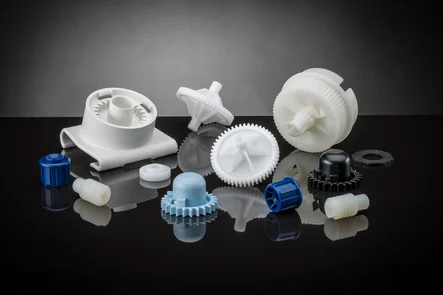
您能否根据应用需求,为注塑成型材料的选择提供指导?
是的,我可以根据应用需求提供注塑材料选择方面的指导。注塑材料的选择对成型件的性能、耐久性和功能性起着至关重要的作用。以下详细解释了需要考虑的因素以及选择合适材料的指导原则:
1. 机械性能:
考虑应用所需的机械性能,例如强度、刚度、抗冲击性和耐磨性。不同的材料具有不同的机械特性,选择合适的材料至关重要。例如,ABS、PC 或尼龙等工程热塑性塑料具有高强度和抗冲击性,而 PEEK 或 ULTEM 等材料在高温下则具有优异的机械性能。
2. 耐化学性:
如果部件会接触化学品,请考虑材料的耐化学性。有些材料,例如PVC或PTFE,对多种化学品具有优异的耐腐蚀性,而另一些材料则可能容易降解或膨胀。务必确保所选材料能够承受其在应用环境中将遇到的特定化学品。
3. 热性能:
评估应用的工作温度范围,并选择具有合适热性能的材料。PPS、PEEK 或 LCP 等材料具有优异的耐热性,而其他材料的耐温能力可能有限。考虑的因素包括部件的最高温度、热稳定性、热膨胀系数和传热要求。
4. 电气特性:
对于电气或电子应用,应考虑材料的电性能。例如,PBT 或 PPS 等材料具有良好的电绝缘性能,而其他材料则可能具有导电或耗散特性。确定应用所需的介电强度、电导率、表面电阻率和其他相关电性能。
5. 环境条件:
评估部件将要暴露的环境条件,例如湿度、紫外线照射、户外风化或极端温度。某些材料,例如 ASA 或 HDPE,具有优异的耐候性和抗紫外线性能,而其他材料在恶劣条件下可能会降解或变脆。选择能够承受特定环境因素的材料,以确保长期性能和耐久性。
6. 法规遵从性:
考虑材料必须符合的任何监管要求或行业标准。某些应用领域,例如医疗或食品行业,可能需要获得 FDA 批准或符合特定认证的材料。确保所选材料符合预期应用所需的监管和安全标准。
7. 成本考量:
评估材料选择相关的成本影响。不同材料的成本各不相同,材料选择应符合项目预算。不仅要考虑单位材料成本,还要考虑模具费用、生产效率以及零件的整个生命周期成本等因素。
8. 材料供应和加工:
检查材料的可用性,并考虑其在注塑成型中的加工性能。确保供应商能够随时提供该材料,并且该材料适用于特定的注塑成型工艺参数,例如熔体流动速率、成型性和与所选成型设备的兼容性。
9. 材料测试与验证:
进行材料测试和验证,以确保所选材料符合所需的规格和性能标准。开展机械、热学、化学和电学测试,以验证材料在特定应用条件下的性能和行为。
您可以考虑咨询材料供应商、工程师或注塑成型专家,以便根据具体的应用需求获得进一步的指导和建议。他们凭借自身的专业知识和对行业标准及最佳实践的了解,可以为材料选择提供宝贵的见解。
通过仔细考虑这些因素和指导原则,您可以选择最适合注塑成型的材料,以满足具体的应用要求,从而确保成型零件的最佳性能、耐用性和功能性。
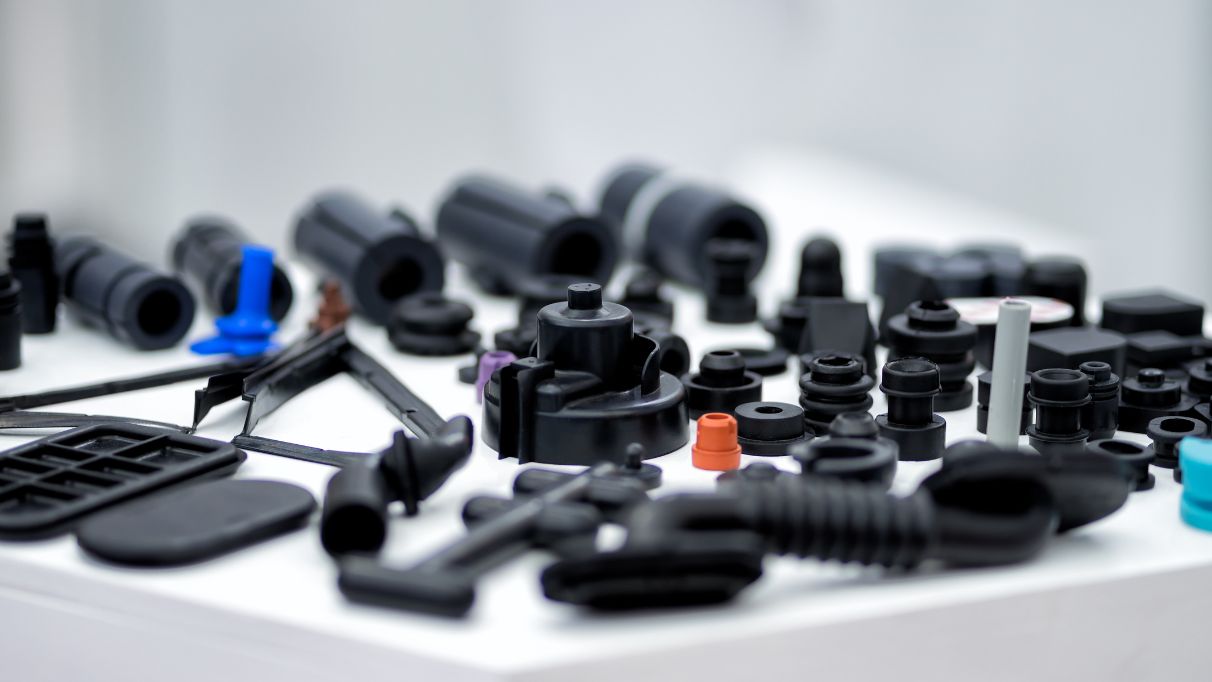
Can you describe the range of materials that can be used for injection molding?
Injection molding offers a wide range of materials that can be used to produce parts with diverse properties and characteristics. The choice of material depends on the specific requirements of the application, including mechanical properties, chemical resistance, thermal stability, transparency, and cost. Here’s a description of the range of materials commonly used for injection molding:
1. Thermoplastics:
Thermoplastics are the most commonly used materials in injection molding due to their versatility, ease of processing, and recyclability. Some commonly used thermoplastics include:
- Polypropylene (PP): PP is a lightweight and flexible thermoplastic with excellent chemical resistance and low cost. It is widely used in automotive parts, packaging, consumer products, and medical devices.
- Polyethylene (PE): PE is a versatile thermoplastic with excellent impact strength and chemical resistance. It is used in various applications, including packaging, pipes, automotive components, and toys.
- Polystyrene (PS): PS is a rigid and transparent thermoplastic with good dimensional stability. It is commonly used in packaging, consumer goods, and disposable products.
- Polycarbonate (PC): PC is a transparent and impact-resistant thermoplastic with high heat resistance. It finds applications in automotive parts, electronic components, and optical lenses.
- Acrylonitrile Butadiene Styrene (ABS): ABS is a versatile thermoplastic with a good balance of strength, impact resistance, and heat resistance. It is commonly used in automotive parts, electronic enclosures, and consumer products.
- Polyvinyl Chloride (PVC): PVC is a durable and flame-resistant thermoplastic with good chemical resistance. It is used in a wide range of applications, including construction, electrical insulation, and medical tubing.
- Polyethylene Terephthalate (PET): PET is a strong and lightweight thermoplastic with excellent clarity and barrier properties. It is commonly used in packaging, beverage bottles, and textile fibers.
2. Engineering Plastics:
Engineering plastics offer enhanced mechanical properties, heat resistance, and dimensional stability compared to commodity thermoplastics. Some commonly used engineering plastics in injection molding include:
- Polyamide (PA/Nylon): Nylon is a strong and durable engineering plastic with excellent wear resistance and low friction properties. It is used in automotive components, electrical connectors, and industrial applications.
- Polycarbonate (PC): PC, mentioned earlier, is also considered an engineering plastic due to its exceptional impact resistance and high-temperature performance.
- Polyoxymethylene (POM/Acetal): POM is a high-strength engineering plastic with low friction and excellent dimensional stability. It finds applications in gears, bearings, and precision mechanical components.
- Polyphenylene Sulfide (PPS): PPS is a high-performance engineering plastic with excellent chemical resistance and thermal stability. It is used in electrical and electronic components, automotive parts, and industrial applications.
- Polyetheretherketone (PEEK): PEEK is a high-performance engineering plastic with exceptional heat resistance, chemical resistance, and mechanical properties. It is commonly used in aerospace, medical, and industrial applications.
3. Thermosetting Plastics:
Thermosetting plastics undergo a chemical crosslinking process during molding, resulting in a rigid and heat-resistant material. Some commonly used thermosetting plastics in injection molding include:
- Epoxy: Epoxy resins offer excellent chemical resistance and mechanical properties. They are commonly used in electrical components, adhesives, and coatings.
- Phenolic: Phenolic resins are known for their excellent heat resistance and electrical insulation properties. They find applications in electrical switches, automotive parts, and consumer goods.
- Urea-formaldehyde (UF) and Melamine-formaldehyde (MF): UF and MF resins are used for molding electrical components, kitchenware, and decorative laminates.
4. Elastomers:
Elastomers, also known as rubber-like materials, are used to produce flexible and elastic parts. They provide excellent resilience, durability, and sealing properties. Some commonly used elastomers in injection molding include:
- Thermoplastic Elastomers (TPE): TPEs are a class of materials that combine the characteristics of rubber and plastic. They offer flexibility, good compression set, and ease of processing. TPEs find applications in automotive components, consumer products, and medical devices.
- Silicone: Silicone elastomers provide excellent heat resistance, electrical insulation, and biocompatibility. They are commonly used in medical devices, automotive seals, and household products.
- Styrene Butadiene Rubber (SBR): SBR is a synthetic elastomer with good abrasion resistance and low-temperature flexibility. It is used in tires, gaskets, and conveyor belts.
- Ethylene Propylene Diene Monomer (EPDM): EPDM is a durable elastomer with excellent weather resistance and chemical resistance. It finds applications in automotive seals, weatherstripping, and roofing membranes.
5. Composites:
Injection molding can also be used to produce parts made of composite materials, which combine two or more different types of materials to achieve specific properties. Commonly used composite materials in injection molding include:
- Glass-Fiber Reinforced Plastics (GFRP): GFRP combines glass fibers with thermoplastics or thermosetting resins to enhance mechanical strength, stiffness, and dimensional stability. It is used in automotive components, electrical enclosures, and sporting goods.
- Carbon-Fiber Reinforced Plastics (CFRP): CFRP combines carbon fibers with thermosetting resins to produce parts with exceptional strength, stiffness, and lightweight properties. It is commonly used in aerospace, automotive, and high-performance sports equipment.
- Metal-Filled Plastics: Metal-filled plastics incorporate metal particles or fibers into thermoplastics to achieve properties such as conductivity, electromagnetic shielding, or enhanced weight and feel. They are used in electrical connectors, automotive components, and consumer electronics.
These are just a few examples of the materials used in injection molding. There are numerous other specialized materials available, each with its own unique properties, such as flame retardancy, low friction, chemical resistance, or specific certifications for medical or food-contact applications. The selection of the material depends on the desired performance, cost considerations, and regulatory requirements of the specific application.


editor by Dream 2024-11-18