
产品描述
With a capable machining team and comprehensive knowledge of materials, advanced machineries and facilities, Energetic Industry served clients in broad field.
We can produce precision machining parts according to your idea, not only for material choosing, but also property requirements and shapes.
1. Customized material
| Materials Available | General Plastic: HDPE, PP, PVC, ABS, PMMA(Acrylic) ect. |
| Engineering Plastic: POM, PA6, MC nylon, Nylon 66, PTFE, UHMWPE,PVDF ect. | |
| High Performance Plastic: PPS, PEEK, PI, PEI ect. | |
| Thermosetting Plastic: Durostone, Ricocel sheet, G10, FR4, Bakelite ect. | |
| Spcial Plastic Material: Plastic +GF/CA/Oil/Brone/Graphit/MSO2/ceramic ect. | |
| Spcial Plastic Plastic Alloy: PE+PA, PP+PA, POM + PTFE ect. | |
| Metals: Carbon Steel, SS Steel, Brass, Iron, Bronze, Aluminum, Titanium | |
| Special parts: Metal + Plastic Combined Part |
2. Customized property
ESD, conductive, hardness, wear resistance, fire-resistant, corrosion resistance, impact strength, work temperature, UV resistant ect.
3. Customized shape with drawing
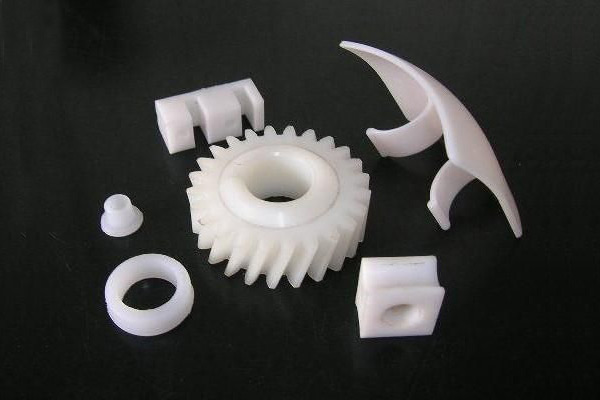
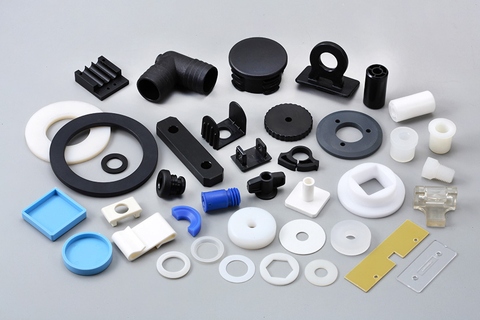
Gear, rollers, wheels, base part, spacers, blade, liner, rack, bearings, pulley, bearing sleeves, linear guide rail, sliding block, guide channel, spiral, washer, positioning strip, joint, sheath, CHINAMFG plate, retaining ring, slot, skating board, frame, cavity parts, CHINAMFG jig and fixture, PCB solder pallet, profiles.
Molds, cavity, Radiator fin, prototype, outermost shell, fittings and connectors, screws , bolt …
Further services of CNC machining:
Processing: Cutting, CNC machining, CNC milling and turning, drilling, grinding, bending, stamping, tapping, injection
Surface finish: Zinc-plated, nickel-plated, chrome-plated, silver-plated, gold-plated, imitation gold-plated
Application Field:
- Electronic and electrician
- Physical and Electronic Science Research
- Mineral and coal
- Aerospace
- Food processing
- Textile printing & dyeing industry
- Analytical instrument industry
- Medical device industry
- Semi conductor, solar, FPD industry
- Automotive industry
- Oil & Gas
- Automobile
- Machinery and other industrial ect.
/* 2571年3月10日 17:59:20 */!function(){function s(e,r){var a,o={};try{e&&e.split(“,”).forEach(function(e,t){e&&(a=e.match(/(.*?):(.*)$/))&&1
| 材料: | Nylon |
|---|---|
| 颜色: | Natural, Black, Red, Green, Customized |
| Processing: | CNC, Injection, Molded Press |
| 尺寸: | 定制 |
| Transport Package: | 定制 |
| Specification: | RoHS |
| 定制化: |
可用的
|
|
|---|
What is the impact of material selection on the performance and durability of injection molded parts?
The material selection for injection molded parts has a significant impact on their performance and durability. The choice of material influences various key factors, including mechanical properties, chemical resistance, thermal stability, dimensional stability, and overall part functionality. Here’s a detailed explanation of the impact of material selection on the performance and durability of injection molded parts:
Mechanical Properties:
The mechanical properties of the material directly affect the part’s strength, stiffness, impact resistance, and fatigue life. Different materials exhibit varying levels of tensile strength, flexural strength, modulus of elasticity, and elongation at break. The selection of a material with appropriate mechanical properties ensures that the injection molded part can withstand the applied forces, vibrations, and operational stresses without failure or deformation.
Chemical Resistance:
The material’s resistance to chemicals and solvents is crucial in applications where the part comes into contact with aggressive substances. Certain materials, such as engineering thermoplastics like ABS (Acrylonitrile Butadiene Styrene) or PEEK (Polyether Ether Ketone), exhibit excellent chemical resistance. Choosing a material with the appropriate chemical resistance ensures that the injection molded part maintains its integrity and functionality when exposed to specific chemicals or environments.
Thermal Stability:
The thermal stability of the material is essential in applications that involve exposure to high temperatures or thermal cycling. Different materials have varying melting points, glass transition temperatures, and heat deflection temperatures. Selecting a material with suitable thermal stability ensures that the injection molded part can withstand the anticipated temperature variations without dimensional changes, warping, or degradation of mechanical properties.
Dimensional Stability:
The dimensional stability of the material is critical in applications where precise tolerances and dimensional accuracy are required. Some materials, such as engineering thermoplastics or filled polymers, exhibit lower coefficients of thermal expansion, minimizing the part’s dimensional changes with temperature variations. Choosing a material with good dimensional stability helps ensure that the injection molded part maintains its shape, size, and critical dimensions over a wide range of operating temperatures.
Part Functionality:
The material selection directly impacts the functionality and performance of the injection molded part. Different materials offer unique properties that can be tailored to meet specific application requirements. For example, materials like polycarbonate (PC) or polypropylene (PP) offer excellent transparency, making them suitable for applications requiring optical clarity, while materials like polyamide (PA) or polyoxymethylene (POM) provide low friction and wear resistance, making them suitable for moving or sliding parts.
Cycle Time and Processability:
The material selection can also affect the cycle time and processability of injection molding. Different materials have different melt viscosities and flow characteristics, which influence the filling and cooling times during the molding process. Materials with good flow properties can fill complex mold geometries more easily, reducing the cycle time and improving productivity. It’s important to select a material that can be effectively processed using the available injection molding equipment and techniques.
Cost Considerations:
The material selection also impacts the overall cost of the injection molded part. Different materials have varying costs, and selecting the most suitable material involves considering factors such as material availability, tooling requirements, processing conditions, and the desired performance characteristics. Balancing the performance requirements with cost considerations is crucial in achieving an optimal material selection that meets the performance and durability requirements within the budget constraints.
Overall, material selection plays a critical role in determining the performance, durability, and functionality of injection molded parts. Careful consideration of mechanical properties, chemical resistance, thermal stability, dimensional stability, part functionality, cycle time, processability, and cost factors helps ensure that the chosen material meets the specific application requirements and delivers the desired performance and durability over the part’s intended service life.
Can you describe the various post-molding processes, such as assembly or secondary operations, for injection molded parts?
Post-molding processes play a crucial role in the production of injection molded parts. These processes include assembly and secondary operations that are performed after the initial molding stage. Here’s a detailed explanation of the various post-molding processes for injection molded parts:
1. Assembly:
Assembly involves joining multiple injection molded parts together to create a finished product or sub-assembly. The assembly process can include various techniques such as mechanical fastening (screws, clips, or snaps), adhesive bonding, ultrasonic welding, heat staking, or solvent welding. Assembly ensures that the individual molded parts are securely combined to achieve the desired functionality and structural integrity of the final product.
2. Surface Finishing:
Surface finishing processes are performed to enhance the appearance, texture, and functionality of injection molded parts. Common surface finishing techniques include painting, printing (such as pad printing or screen printing), hot stamping, laser etching, or applying specialized coatings. These processes can add decorative features, branding elements, or improve the surface properties of the parts, such as scratch resistance or UV protection.
3. Machining or Trimming:
In some cases, injection molded parts may require additional machining or trimming to achieve the desired final dimensions or remove excess material. This can involve processes such as CNC milling, drilling, reaming, or turning. Machining or trimming is often necessary when tight tolerances, specific geometries, or critical functional features cannot be achieved solely through the injection molding process.
4. Welding or Joining:
Welding or joining processes are used to fuse or bond injection molded parts together. Common welding techniques for plastic parts include ultrasonic welding, hot plate welding, vibration welding, or laser welding. These processes create strong and reliable joints between the molded parts, ensuring structural integrity and functionality in the final product.
5. Insertion of Inserts:
Insertion involves placing metal or plastic inserts into the mold cavity before the injection molding process. These inserts can provide additional strength, reinforce threaded connections, or serve as mounting points for other components. Inserts can be placed manually or using automated equipment, and they become permanently embedded in the molded parts during the molding process.
6. Overmolding or Two-Shot Molding:
Overmolding or two-shot molding processes allow for the creation of injection molded parts with multiple layers or materials. In overmolding, a second material is molded over a pre-existing substrate, providing enhanced functionality, aesthetics, or grip. Two-shot molding involves injecting two different materials into different sections of the mold to create a single part with multiple colors or materials. These processes enable the integration of multiple materials or components into a single injection molded part.
7. Deflashing or Deburring:
Deflashing or deburring processes involve removing excess flash or burrs that may be present on the molded parts after the injection molding process. Flash refers to the excess material that extends beyond the parting line of the mold, while burrs are small protrusions or rough edges caused by the mold features. Deflashing or deburring ensures that the molded parts have smooth edges and surfaces, improving their appearance, functionality, and safety.
8. Inspection and Quality Control:
Inspection and quality control processes are performed to ensure that the injection molded parts meet the required specifications and quality standards. This can involve visual inspection, dimensional measurement, functional testing, or other specialized testing methods. Inspection and quality control processes help identify any defects, inconsistencies, or deviations that may require rework or rejection of the parts, ensuring that only high-quality parts are used in the final product or assembly.
9. Packaging and Labeling:
Once the post-molding processes are complete, the injection molded parts are typically packaged and labeled for storage, transportation, or distribution. Packaging can include individual part packaging, bulk packaging, or custom packaging based on specific requirements. Labeling may involve adding product identification, barcodes, or instructions for proper handling or usage.
These post-molding processes are vital in achieving the desired functionality, appearance, and quality of injection molded parts. They enable the integration of multiple components, surface finishing, dimensional accuracy, and assembly of the final products or sub-assemblies.
与其他制造方法相比,注塑成型零件在成本和效率方面有何不同?
与其他制造方法相比,注塑成型零件在成本和效率方面具有显著优势。注塑成型工艺效率高、成本效益好,尤其适用于大规模生产。以下详细比较了注塑成型零件与其他制造方法:
成本比较:
与其他制造方法相比,注塑成型具有成本效益,原因有以下几点:
1. 模具成本:
注塑成型需要前期投入资金用于模具制造,这笔费用可能较高。然而,模具一旦制作完成,即可重复使用,用于生产大量零件,从而降低单位成本。模具成本的摊销使得注塑成型在大批量生产中更具成本效益。
2. 材料利用率:
注塑成型在材料利用方面效率极高。该工艺能够精确控制注入模具的材料量,最大限度地减少浪费。此外,成型过程中产生的多余材料可以回收再利用,与那些会产生大量废料的成型方法相比,进一步降低了材料成本。
3. 人工成本:
注塑成型是一种高度自动化的工艺,与其他制造方法相比,所需人工极少。模具安装完毕、工艺参数设定完成后,注塑机即可连续运行,在极少人工干预的情况下生产零件。这种自动化降低了人工成本,提高了整体效率。
效率比较:
注塑成型零件在效率方面具有以下几个优势:
1. 快速生产周期:
注塑成型是一种快速制造工艺,能够在相对较短的周期内生产零件。周期时间取决于零件的复杂程度、材料特性和冷却时间等因素。然而,与其他方法(例如机械加工或铸造)相比,注塑成型可以在每个周期内同时生产多个零件,从而实现更高的生产率和更优的效率。
2. 高精度和一致性:
注塑成型能够生产高精度、高一致性的零件。注塑模具的设计旨在提供精确且可重复的尺寸控制。这种精度确保每个零件都符合所需规格,从而减少了后续加工或后处理的需求。持续生产高精度零件的能力提高了效率,并减少了返工或废品相关的时间和成本。
3. 可扩展性:
注塑成型具有高度可扩展性,因此既适用于小批量生产,也适用于大批量生产。模具一旦制作完成,注塑成型工艺即可轻松复制,从而高效生产出相同的零件。这种快速高效的生产规模化能力,使注塑成型成为满足不断变化的市场需求的理想选择。
4. 设计复杂度:
注塑成型技术能够生产具有复杂几何形状和精细细节的零件。模具设计可适应倒扣、薄壁和复杂形状,而这些对于其他制造方法来说可能具有挑战性或成本高昂。这种设计灵活性允许将多个组件集成到单个零件中,从而减少装配要求和潜在的故障点。高效生产复杂设计的能力提高了整体效率和功能性。
5. 材料多样性:
注塑成型工艺支持多种热塑性材料,可根据最终零件所需的性能灵活选择材料。选择不同的材料可以获得特定的特性,例如强度、柔韧性、耐热性、耐化学腐蚀性或透明度。这种材料的多样性使得零件性能的定制和优化成为可能。
总而言之,与其他许多制造方法相比,注塑成型零件具有成本效益高、效率高的优点。虽然初始模具成本较高,但由于能够以较低的单位成本生产大量零件,因此可以有效抵消这些成本。材料利用率高、自动化程度高、生产周期短、精度高、可扩展性强、能够应对复杂的设计以及材料适用性强,这些都提高了注塑成型的整体成本效益和效率。这些优势使得注塑成型成为众多行业高效经济地生产高质量零件的首选。


editor by CX 2024-02-15