
وصف المنتج
With a capable machining team and comprehensive knowledge of materials, advanced machineries and facilities, Energetic Industry served clients in broad field.
We can produce precision machining parts according to your idea, not only for material choosing, but also property requirements and shapes.
1. Customized material
| Materials Available | General Plastic: HDPE, PP, PVC, ABS, PMMA(Acrylic) ect. |
| Engineering Plastic: POM, PA6, MC nylon, Nylon 66, PTFE, UHMWPE,PVDF ect. | |
| High Performance Plastic: PPS, PEEK, PI, PEI ect. | |
| Thermosetting Plastic: Durostone, Ricocel sheet, G10, FR4, Bakelite ect. | |
| Spcial Plastic Material: Plastic +GF/CA/Oil/Brone/Graphit/MSO2/ceramic ect. | |
| Spcial Plastic Plastic Alloy: PE+PA, PP+PA, POM + PTFE ect. | |
| Metals: Carbon Steel, SS Steel, Brass, Iron, Bronze, Aluminum, Titanium | |
| Special parts: Metal + Plastic Combined Part |
2. Customized property
ESD, conductive, hardness, wear resistance, fire-resistant, corrosion resistance, impact strength, work temperature, UV resistant ect.
3. Customized shape with drawing
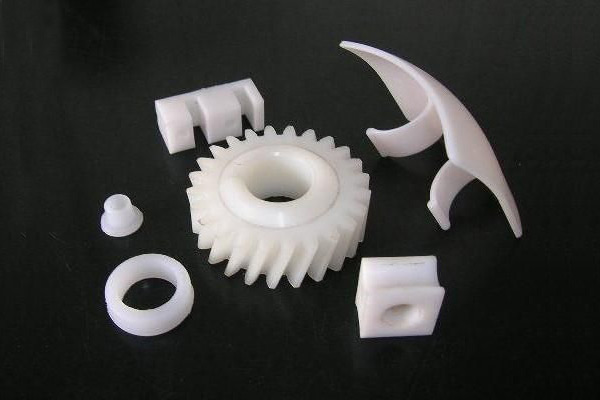
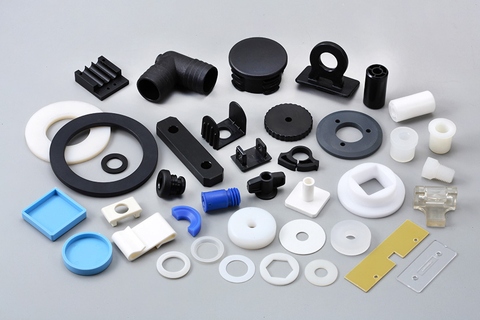
Gear, rollers, wheels, base part, spacers, blade, liner, rack, bearings, pulley, bearing sleeves, linear guide rail, sliding block, guide channel, spiral, washer, positioning strip, joint, sheath, CHINAMFG plate, retaining ring, slot, skating board, frame, cavity parts, CHINAMFG jig and fixture, PCB solder pallet, profiles.
Molds, cavity, Radiator fin, prototype, outermost shell, fittings and connectors, screws , bolt …
Further services of CNC machining:
Processing: Cutting, CNC machining, CNC milling and turning, drilling, grinding, bending, stamping, tapping, injection
Surface finish: Zinc-plated, nickel-plated, chrome-plated, silver-plated, gold-plated, imitation gold-plated
Application Field:
- Electronic and electrician
- Physical and Electronic Science Research
- Mineral and coal
- Aerospace
- Food processing
- Textile printing & dyeing industry
- Analytical instrument industry
- Medical device industry
- Semi conductor, solar, FPD industry
- Automotive industry
- Oil & Gas
- Automobile
- Machinery and other industrial ect.
/* May 10, 2571 16:49:51 */!function(){function d(e,r){var a,o={};try{e&&e.split(“,”).forEach(function(e,t){e&&(a=e.match(/(.*?):(.*)$/))&&1
ما هو تأثير اختيار المواد على أداء ومتانة الأجزاء المصبوبة بالحقن؟
يؤثر اختيار المواد المستخدمة في تصنيع الأجزاء المقولبة بالحقن تأثيرًا كبيرًا على أدائها ومتانتها. ويؤثر هذا الاختيار على عدة عوامل رئيسية، منها الخصائص الميكانيكية، والمقاومة الكيميائية، والثبات الحراري، وثبات الأبعاد، ووظائف الجزء بشكل عام. إليكم شرحًا مفصلًا لتأثير اختيار المواد على أداء ومتانة الأجزاء المقولبة بالحقن:
الخواص الميكانيكية:
تؤثر الخصائص الميكانيكية للمادة بشكل مباشر على قوة الجزء وصلابته ومقاومته للصدمات وعمره الافتراضي. وتختلف المواد في مستويات قوة الشد وقوة الانحناء ومعامل المرونة والاستطالة عند الكسر. ويضمن اختيار مادة ذات خصائص ميكانيكية مناسبة قدرة الجزء المصبوب بالحقن على تحمل القوى والاهتزازات والإجهادات التشغيلية دون حدوث أي عطل أو تشوه.
المقاومة الكيميائية:
تُعدّ مقاومة المادة للمواد الكيميائية والمذيبات أمرًا بالغ الأهمية في التطبيقات التي تتلامس فيها القطعة مع مواد كيميائية قاسية. تتميز بعض المواد، مثل اللدائن الحرارية الهندسية كـ ABS (أكريلونيتريل بوتادين ستايرين) أو PEEK (بولي إيثر إيثر كيتون)، بمقاومة كيميائية ممتازة. يضمن اختيار مادة ذات مقاومة كيميائية مناسبة الحفاظ على سلامة القطعة المصبوبة بالحقن ووظائفها عند تعرضها لمواد كيميائية أو بيئات محددة.
الاستقرار الحراري:
تُعدّ الثبات الحراري للمادة أمرًا بالغ الأهمية في التطبيقات التي تتعرض لدرجات حرارة عالية أو دورات حرارية. تختلف المواد في نقاط انصهارها، ودرجات حرارة انتقالها الزجاجي، ودرجات حرارة انحرافها الحراري. يضمن اختيار مادة ذات ثبات حراري مناسب قدرة الجزء المصبوب بالحقن على تحمّل التغيرات المتوقعة في درجات الحرارة دون حدوث تغييرات في الأبعاد، أو تشوّه، أو تدهور في الخواص الميكانيكية.
الاستقرار البُعدي:
يُعدّ ثبات أبعاد المادة أمرًا بالغ الأهمية في التطبيقات التي تتطلب دقة عالية في الأبعاد. تتميز بعض المواد، مثل اللدائن الحرارية الهندسية أو البوليمرات المملوءة، بمعاملات تمدد حراري منخفضة، مما يقلل من تغير أبعاد القطعة مع تغيرات درجة الحرارة. ويساعد اختيار مادة ذات ثبات أبعاد جيد على ضمان احتفاظ القطعة المصبوبة بالحقن بشكلها وحجمها وأبعادها الأساسية ضمن نطاق واسع من درجات حرارة التشغيل.
وظائف الجزء:
يؤثر اختيار المادة بشكل مباشر على وظائف وأداء القطعة المصبوبة بالحقن. تتميز المواد المختلفة بخصائص فريدة يمكن تعديلها لتلبية متطلبات تطبيقات محددة. على سبيل المثال، توفر مواد مثل البولي كربونات (PC) أو البولي بروبيلين (PP) شفافية ممتازة، مما يجعلها مناسبة للتطبيقات التي تتطلب وضوحًا بصريًا، بينما توفر مواد مثل البولي أميد (PA) أو البولي أوكسي ميثيلين (POM) احتكاكًا منخفضًا ومقاومة للتآكل، مما يجعلها مناسبة للأجزاء المتحركة أو المنزلقة.
زمن الدورة وقابلية المعالجة:
يؤثر اختيار المادة أيضًا على زمن دورة الإنتاج وسهولة معالجة قولبة الحقن. تختلف المواد في لزوجة انصهارها وخصائص تدفقها، مما يؤثر على أوقات التعبئة والتبريد أثناء عملية القولبة. تتميز المواد ذات خصائص التدفق الجيدة بسهولة ملء القوالب ذات الأشكال الهندسية المعقدة، مما يقلل زمن دورة الإنتاج ويحسن الإنتاجية. من المهم اختيار مادة يمكن معالجتها بكفاءة باستخدام معدات وتقنيات قولبة الحقن المتاحة.
اعتبارات التكلفة:
يؤثر اختيار المادة أيضًا على التكلفة الإجمالية للجزء المصبوب بالحقن. تختلف تكلفة المواد المختلفة، ويتطلب اختيار المادة الأنسب مراعاة عوامل مثل توافر المادة، ومتطلبات الأدوات، وظروف التصنيع، وخصائص الأداء المطلوبة. يُعدّ تحقيق التوازن بين متطلبات الأداء واعتبارات التكلفة أمرًا بالغ الأهمية للوصول إلى اختيار أمثل للمادة يلبي متطلبات الأداء والمتانة ضمن حدود الميزانية.
بشكل عام، يلعب اختيار المواد دورًا حاسمًا في تحديد أداء ومتانة ووظائف الأجزاء المصبوبة بالحقن. ويساعد التفكير المتأني في الخصائص الميكانيكية، والمقاومة الكيميائية، والثبات الحراري، والثبات الأبعاد، ووظائف الجزء، ووقت دورة الإنتاج، وسهولة المعالجة، وعوامل التكلفة، على ضمان أن المادة المختارة تلبي متطلبات التطبيق المحددة، وأن توفر الأداء والمتانة المطلوبين طوال عمر خدمة الجزء المقصود.
Can you describe the various post-molding processes, such as assembly or secondary operations, for injection molded parts?
Post-molding processes play a crucial role in the production of injection molded parts. These processes include assembly and secondary operations that are performed after the initial molding stage. Here’s a detailed explanation of the various post-molding processes for injection molded parts:
1. Assembly:
Assembly involves joining multiple injection molded parts together to create a finished product or sub-assembly. The assembly process can include various techniques such as mechanical fastening (screws, clips, or snaps), adhesive bonding, ultrasonic welding, heat staking, or solvent welding. Assembly ensures that the individual molded parts are securely combined to achieve the desired functionality and structural integrity of the final product.
2. Surface Finishing:
Surface finishing processes are performed to enhance the appearance, texture, and functionality of injection molded parts. Common surface finishing techniques include painting, printing (such as pad printing or screen printing), hot stamping, laser etching, or applying specialized coatings. These processes can add decorative features, branding elements, or improve the surface properties of the parts, such as scratch resistance or UV protection.
3. Machining or Trimming:
In some cases, injection molded parts may require additional machining or trimming to achieve the desired final dimensions or remove excess material. This can involve processes such as CNC milling, drilling, reaming, or turning. Machining or trimming is often necessary when tight tolerances, specific geometries, or critical functional features cannot be achieved solely through the injection molding process.
4. Welding or Joining:
Welding or joining processes are used to fuse or bond injection molded parts together. Common welding techniques for plastic parts include ultrasonic welding, hot plate welding, vibration welding, or laser welding. These processes create strong and reliable joints between the molded parts, ensuring structural integrity and functionality in the final product.
5. Insertion of Inserts:
Insertion involves placing metal or plastic inserts into the mold cavity before the injection molding process. These inserts can provide additional strength, reinforce threaded connections, or serve as mounting points for other components. Inserts can be placed manually or using automated equipment, and they become permanently embedded in the molded parts during the molding process.
6. Overmolding or Two-Shot Molding:
Overmolding or two-shot molding processes allow for the creation of injection molded parts with multiple layers or materials. In overmolding, a second material is molded over a pre-existing substrate, providing enhanced functionality, aesthetics, or grip. Two-shot molding involves injecting two different materials into different sections of the mold to create a single part with multiple colors or materials. These processes enable the integration of multiple materials or components into a single injection molded part.
7. Deflashing or Deburring:
Deflashing or deburring processes involve removing excess flash or burrs that may be present on the molded parts after the injection molding process. Flash refers to the excess material that extends beyond the parting line of the mold, while burrs are small protrusions or rough edges caused by the mold features. Deflashing or deburring ensures that the molded parts have smooth edges and surfaces, improving their appearance, functionality, and safety.
8. Inspection and Quality Control:
Inspection and quality control processes are performed to ensure that the injection molded parts meet the required specifications and quality standards. This can involve visual inspection, dimensional measurement, functional testing, or other specialized testing methods. Inspection and quality control processes help identify any defects, inconsistencies, or deviations that may require rework or rejection of the parts, ensuring that only high-quality parts are used in the final product or assembly.
9. Packaging and Labeling:
Once the post-molding processes are complete, the injection molded parts are typically packaged and labeled for storage, transportation, or distribution. Packaging can include individual part packaging, bulk packaging, or custom packaging based on specific requirements. Labeling may involve adding product identification, barcodes, or instructions for proper handling or usage.
These post-molding processes are vital in achieving the desired functionality, appearance, and quality of injection molded parts. They enable the integration of multiple components, surface finishing, dimensional accuracy, and assembly of the final products or sub-assemblies.
هل يمكنك شرح مزايا استخدام قولبة الحقن لإنتاج الأجزاء؟
تُوفر عملية التشكيل بالحقن العديد من المزايا كعملية تصنيع لإنتاج الأجزاء. وهي تقنية شائعة الاستخدام لإنتاج مكونات بلاستيكية بدقة وكفاءة وقابلية للتوسع. إليكم شرحًا مفصلًا لمزايا استخدام التشكيل بالحقن:
1. دقة عالية وتعقيد:
تتيح عملية التشكيل بالحقن إنتاج أجزاء بدقة عالية وتفاصيل دقيقة. فالقوالب المستخدمة في هذه العملية قادرة على تشكيل أشكال معقدة، وخصائص دقيقة، وأبعاد محددة بدقة. هذا المستوى من الدقة يمكّن من تصنيع أجزاء ذات هوامش خطأ ضيقة، مما يضمن جودة وملاءمة متسقة.
2. الإنتاج الضخم الفعال من حيث التكلفة:
يُعدّ قولبة الحقن عملية عالية الكفاءة ومناسبة للإنتاج على نطاق واسع. بمجرد اكتمال الإعداد الأولي، بما في ذلك تصميم القالب وتصنيعه، يُمكن أتمتة عملية التصنيع. تُنتج آلات قولبة الحقن الأجزاء بسرعة وبشكل متواصل، مما يُتيح إنتاجًا سريعًا وفعالًا من حيث التكلفة لأجزاء متطابقة. تُساعد القدرة على إنتاج الأجزاء بكميات كبيرة على خفض تكلفة الوحدة، مما يجعل قولبة الحقن مُجدية اقتصاديًا للإنتاج الضخم.
3. تنوع المواد:
تدعم عملية التشكيل بالحقن مجموعة واسعة من المواد البلاستيكية الحرارية، مما يوفر مرونة في اختيار المواد بناءً على الخصائص المطلوبة للجزء النهائي. يمكن استخدام أنواع مختلفة من البلاستيك في هذه العملية، بما في ذلك البلاستيك التجاري، والبلاستيك الهندسي، والبلاستيك عالي الأداء. ويمكن اختيار مواد مختلفة لتحقيق خصائص محددة مثل المتانة، والمرونة، ومقاومة الحرارة، ومقاومة المواد الكيميائية، أو الشفافية.
4. القوة والمتانة:
تتميز الأجزاء المصنعة بالحقن بقوة ومتانة فائقتين. خلال عملية الحقن، يتوزع المعدن المنصهر بشكل متجانس داخل القالب، مما ينتج عنه خصائص ميكانيكية متناسقة في جميع أنحاء الجزء. يعزز هذا التجانس السلامة الهيكلية للجزء، مما يجعله مناسبًا للتطبيقات التي تتطلب قوة وعمرًا طويلًا.
5. الحد الأدنى من المعالجة اللاحقة:
لا تتطلب الأجزاء المصبوبة بالحقن عادةً سوى الحد الأدنى من المعالجة اللاحقة. فالدقة والجودة العالية التي يتم تحقيقها أثناء عملية التشكيل تقلل الحاجة إلى عمليات تشغيل أو تشطيب إضافية مكثفة. وعادةً ما تخرج الأجزاء من القالب بالشكل المطلوب، والتشطيب السطحي، والدقة الأبعاد المطلوبة، مما يقلل الوقت والتكاليف المرتبطة بأنشطة المعالجة اللاحقة.
6. مرونة التصميم:
توفر عملية التشكيل بالحقن مرونة تصميمية كبيرة. فهي قادرة على استيعاب الأشكال الهندسية المعقدة، والتفاصيل الدقيقة، والتجاويف، والجدران الرقيقة، وغيرها من ميزات التصميم التي قد تكون صعبة أو مكلفة باستخدام طرق التصنيع الأخرى. يتمتع المصممون بحرية ابتكار أجزاء ذات أشكال فريدة ومتطلبات وظيفية خاصة. كما تتيح عملية التشكيل بالحقن دمج مكونات أو ميزات متعددة في جزء واحد، مما يقلل من متطلبات التجميع ونقاط الضعف المحتملة.
7. النماذج الأولية السريعة:
تُستخدم تقنية قولبة الحقن أيضًا في النماذج الأولية السريعة. فمن خلال إنتاج نماذج أولية وظيفية بسرعة باستخدام نفس العملية والمواد المستخدمة في إنتاج الأجزاء النهائية، يستطيع المصممون والمهندسون تقييم شكل الجزء وملاءمته ووظيفته في وقت مبكر من دورة التطوير. كما تُتيح النماذج الأولية السريعة باستخدام قولبة الحقن إجراء تعديلات أسرع، وتقليل وقت التطوير، والمساعدة في تحديد مشكلات التصميم ومعالجتها قبل البدء بالإنتاج على نطاق واسع.
8. الاعتبارات البيئية:
تتميز عملية التشكيل بالحقن بمزايا بيئية مقارنةً بعمليات التصنيع الأخرى. فهي تُنتج الحد الأدنى من النفايات، إذ يُمكن إعادة تدوير المواد الزائدة واستخدامها. كما تتميز الأجزاء المُشكّلة بالحقن بخفة وزنها، مما يُساهم في توفير الطاقة أثناء النقل ويُقلل من الأثر البيئي الإجمالي.
باختصار، يوفر قولبة الحقن العديد من المزايا لإنتاج الأجزاء. فهي تتيح دقة عالية وتعقيدًا كبيرًا، وإنتاجًا ضخمًا فعالًا من حيث التكلفة، وتنوعًا في المواد، وقوة ومتانة، ومتطلبات معالجة لاحقة قليلة، ومرونة في التصميم، وإمكانية إنشاء نماذج أولية سريعة، ومراعاة للاعتبارات البيئية. هذه المزايا تجعل قولبة الحقن عملية تصنيع مرغوبة للغاية لمجموعة واسعة من الصناعات، مما يُمكّن من إنتاج أجزاء بلاستيكية عالية الجودة بكفاءة واقتصادية.
<img src="https://img.hzpt.com/img/Injectionmoldedparts/Injectionmoldedparts-L1.webp" alt="China high quality Customized Plating Color, Robots Parts, 3D Machines Parts, Precision Anodized Aluminum/SUS/Copper/Plastic CNC Machining Parts, CNC Machined Parts “><img src="https://img.hzpt.com/img/Injectionmoldedparts/Injectionmoldedparts-L2.webp" alt="China high quality Customized Plating Color, Robots Parts, 3D Machines Parts, Precision Anodized Aluminum/SUS/Copper/Plastic CNC Machining Parts, CNC Machined Parts “>
editor by Dream 2024-10-23