

عجلات عربات صناعية
يتطلب اختيار عجلات عربات النقل الصناعية مراعاة تفاصيل الحمولة والأرضية والتركيب والمناورة معًا.
ابدأ من المعدات، وليس من اسم المنتج في الكتالوج — عجلات عربات صناعية
غالباً ما تصادف فرق المشتريات مصطلح "عجلات العربات الصناعية" كمصطلح في الكتالوج، ولكن يصبح قرار الشراء أكثر وضوحاً عندما يتم تحويل المصطلح إلى متطلبات تشغيل قابلة للقياس.
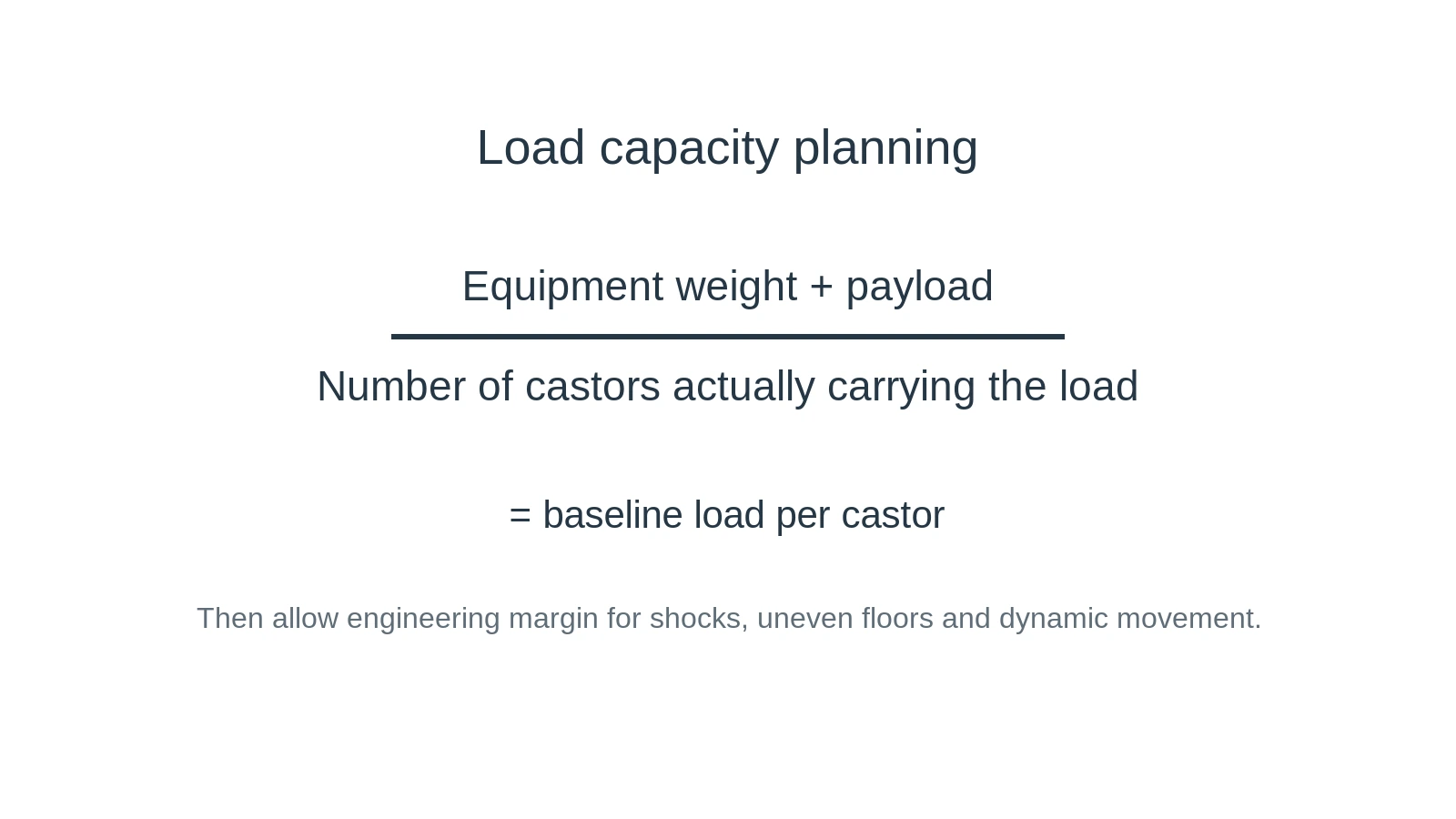
في عجلات العربات الصناعية، ينبغي أن يبدأ الاختيار بالوزن الميت، وأقصى حمولة محمولة، وعدد نقاط الدعم. هذا يجعل اختيار الأبعاد أو المواد مرتبطًا بالوظيفة المطلوبة بدلاً من وصف عام للمنتج.
يكمن الخطأ الشائع في اعتبار أحد المعايير الجذابة بمثابة المواصفات الكاملة. فالتأثيرات الديناميكية، وعدم استواء ملامسة الأرضية، أو التواء الهيكل، قد تُركّز الحمل على عدد أقل من العجلات مما هو متوقع. لذا، يُنصح بتضمين معلومات دقيقة في مذكرة الشراء، تشمل وزن المعدات، والحمولة، وعدد العجلات، وسرعة الحركة، وانتقالات الأرضيات، ونمط الدوران، مما يُتيح للموردين مقارنة المنتجات المتشابهة وتحديد الأبعاد المفقودة بدلاً من التخمين. عند اختيار عجلات عربات النقل الصناعية، استخدم هذه النقطة لتضييق نطاق الخيارات المتاحة قبل اعتبار أي تصميم فردي مناسبًا للمعدات.
نمط الأرضية والحركة — عجلات عربات صناعية
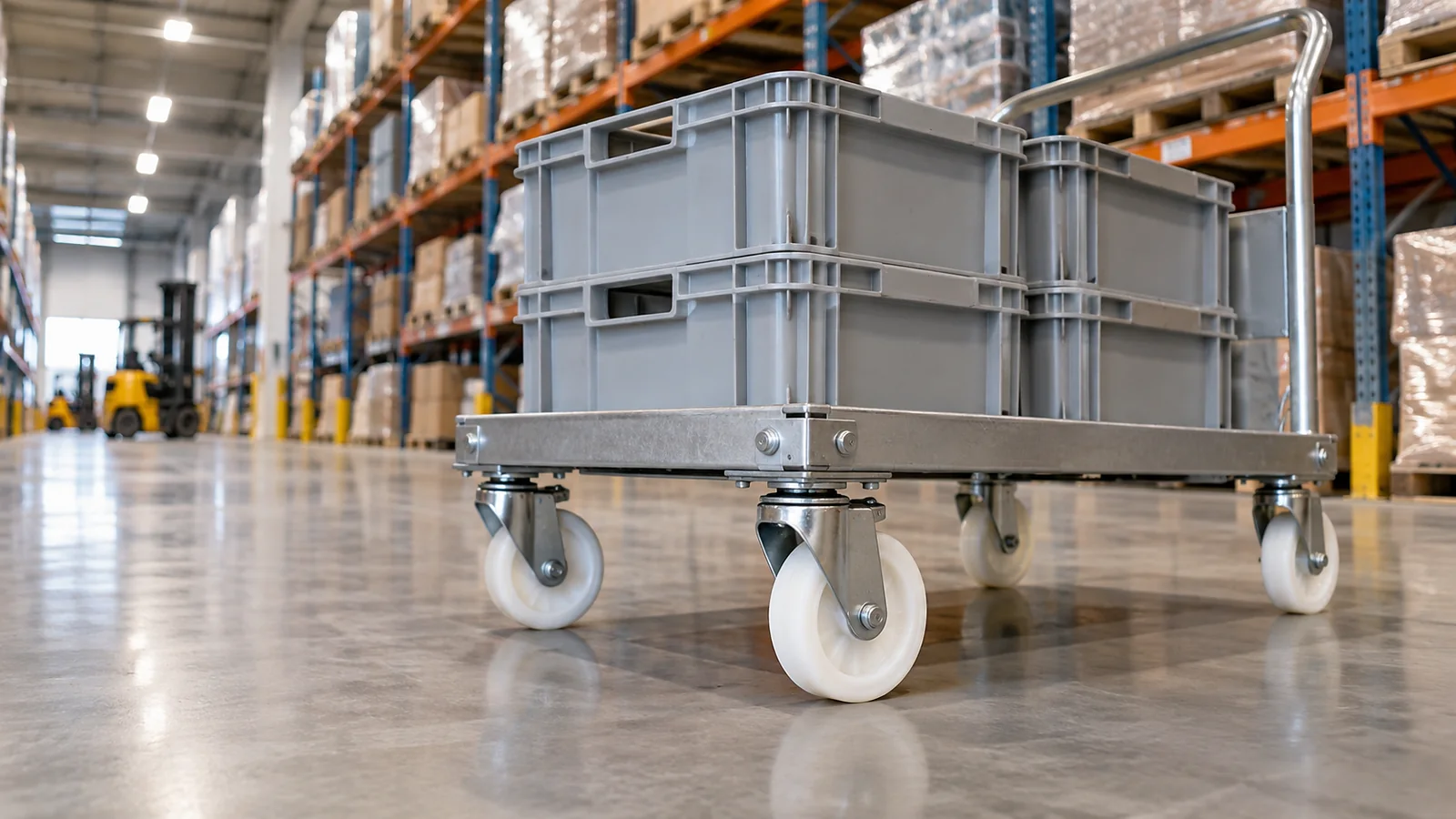
قد يختلف أداء العربة نفسها على الأسطح المختلفة كالخرسانة المصقولة، والأرضيات الراتنجية، والإسفلت، والأرصفة، والأرضيات المدكوكة. سجّل أطول مسافة سير، ونصف قطر الدوران المعتاد، والعتبات، والمنحدرات. تتميز العجلات الصلبة بقدرتها على الدوران بكفاءة على الأرضيات الملساء المناسبة، بينما يمكن النظر في خيارات أخرى من حيث المواد أو التصميم الهندسي عندما يكون مستوى الضوضاء أو الصدمات أو حماية السطح أكثر أهمية. بالنسبة لعجلات عربات النقل الصناعية، استخدم هذه النقطة لتضييق نطاق الخيارات المتاحة قبل اعتماد أي تصميم فردي كخيار مناسب للمعدات.
لا تُخفِ عدم استواء الأرضية خلف حسابات حمولة متفائلة. إذا كان الإطار يتأرجح عند الوصلات، فضع في اعتبارك عدم توزيع الحمل بشكل كامل، وتأكد من أن الدعامة والعجلة تعملان ضمن نطاق الاستخدام المُصمم لهما. في عجلات العربات الصناعية، استخدم هذه النقطة لتضييق نطاق الخيارات المتاحة قبل اعتبار أي تصميم فردي مناسبًا للمعدات.
التركيب والمسافة الآمنة — عجلات العربات الصناعية
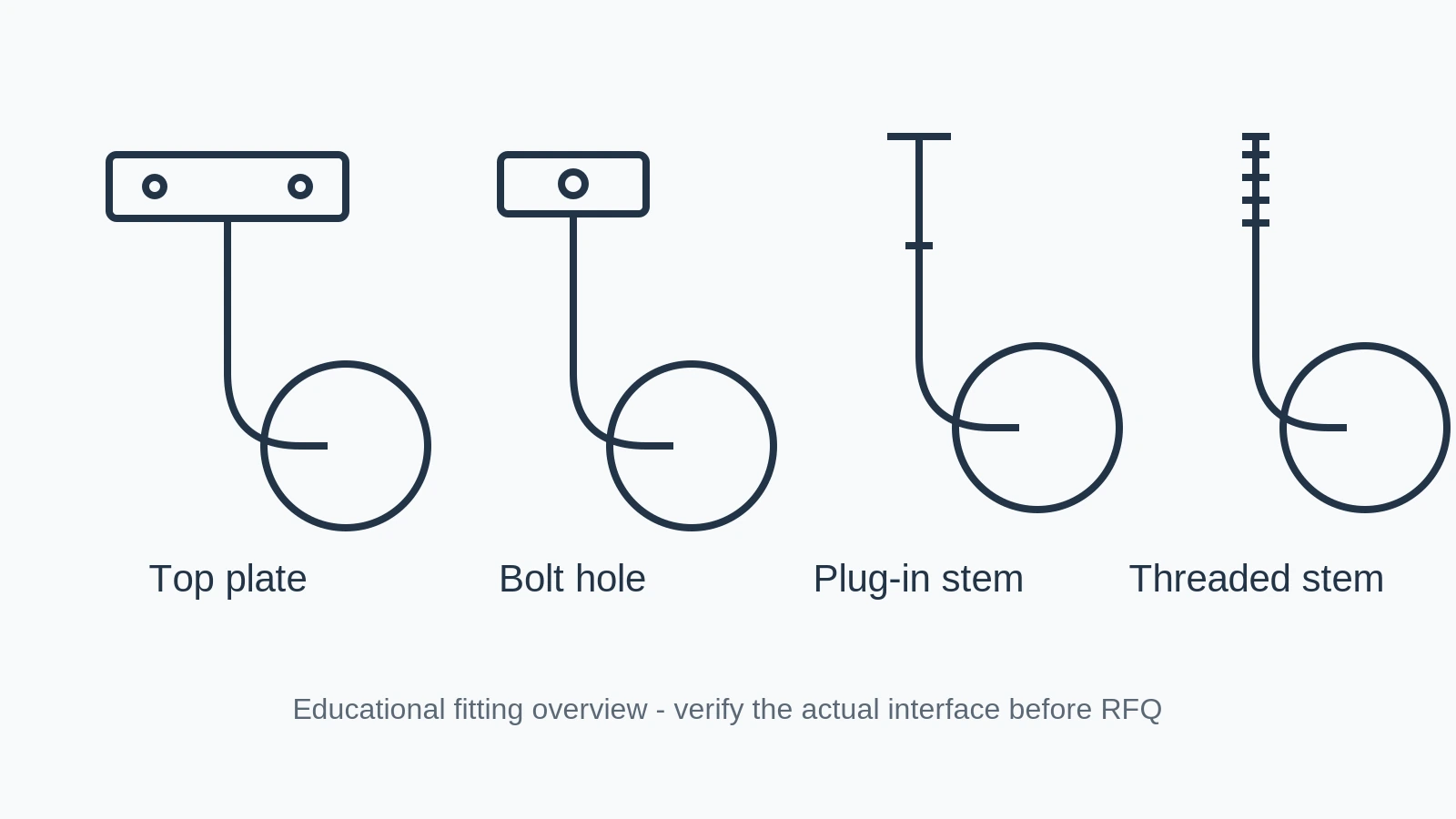
قم بقياس نقطة التوصيل بين العجلة أو مجموعة الدعم والجهاز. يمكن تحديد التوافق من خلال قياس تباعد ثقوب اللوحة، وقطر ثقوب البراغي، وأبعاد ساق التثبيت الملولبة، وحجم مشبك الأنبوب، وملاءمة المحور/الثقب، والارتفاع عند التركيب. تحقق أيضًا من نطاق الدوران عند دوران العجلة أو طي الرافعة. في عجلات العربات الصناعية، استخدم هذه النقطة لتضييق نطاق الخيارات المتاحة قبل اعتبار أي تصميم فردي مناسبًا للجهاز.
يجب توضيح الحواجز القريبة، وقنوات الكابلات، ووصلات المقطورة، والعناصر الإنشائية في الرسومات أو الصور. قد يصطدم أحد المكونات، حتى وإن كان مناسبًا للمنصة، عند دوران الجهاز أو انكماشه أو مروره فوق منحدر. بالنسبة لعجلات العربات الصناعية، استخدم هذه النقطة لتضييق نطاق الخيارات المتاحة قبل اعتبار أي تصميم فردي مناسبًا للجهاز.
مادة العجلات وقطرها - عجلات عربات النقل الصناعية
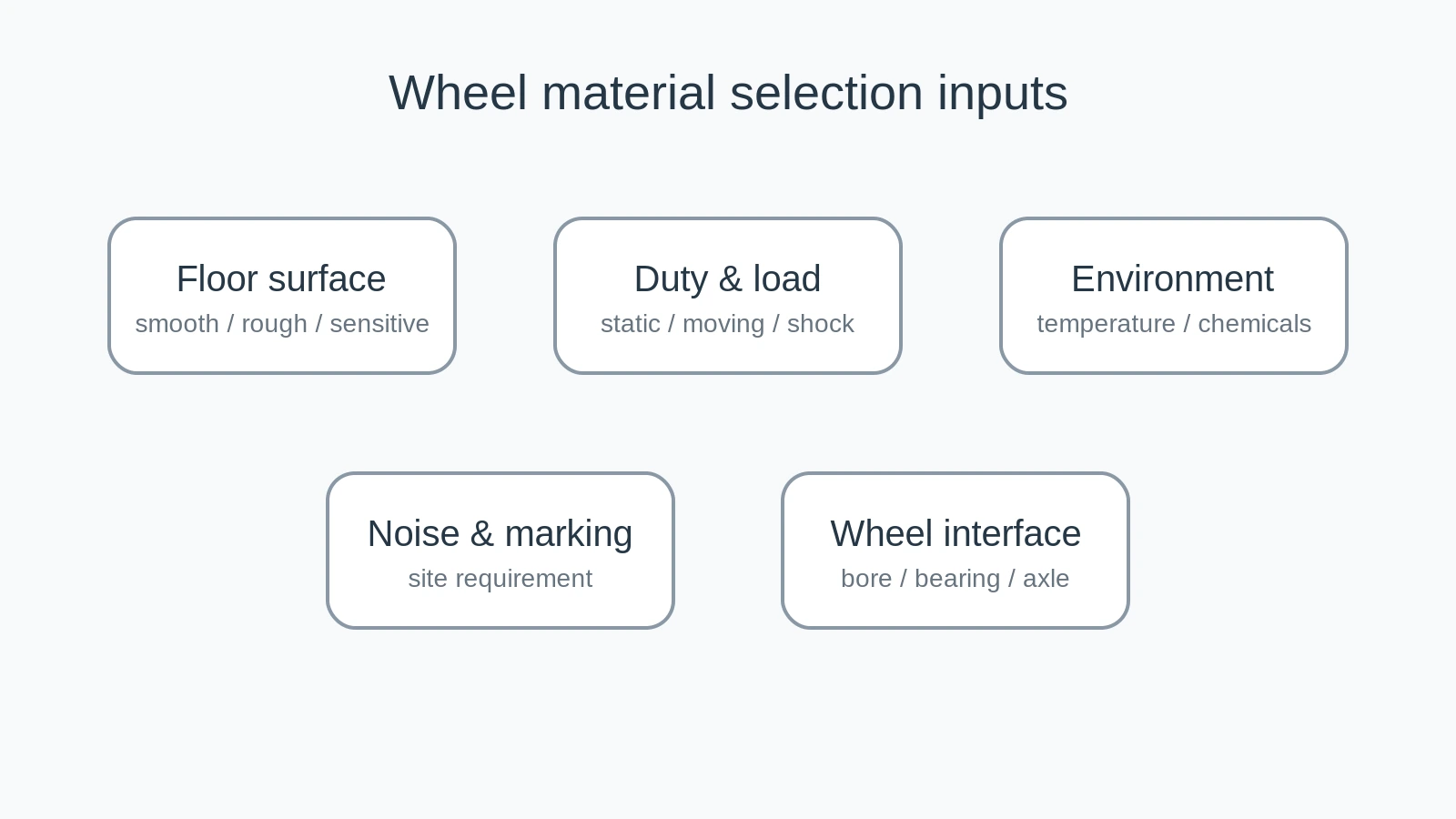
يجب أن يراعي اختيار المواد ملاءمة العجلة للأرضية والبيئة المحيطة. يُعدّ النايلون والبولي بروبيلين من أنواع اللدائن الحرارية الصلبة، ولكن قد يؤثر نوع المادة، وترتيب المحامل، والتلوث، ودرجة الحرارة على مدى ملاءمتها. يُحسّن القطر الأكبر عمومًا من هندسة عبور العوائق والارتفاع عن الأرض، ولكنه قد يزيد من ارتفاع التركيب أو يتطلب شوكة أكبر. في عجلات العربات الصناعية، استخدم هذه النقطة لتضييق نطاق الخيارات المتاحة على مستوى المجموعة قبل اعتبار أي تصميم فردي مناسبًا للمعدات.
عند مقارنة قطرين، تحقق من نطاق التجميع بالكامل بدلاً من حجم العجلة فقط.
مراجعة التكامل - عجلات العربات الصناعية
| يفحص | سؤال للإجابة عليه |
|---|---|
| حمولة | ما هي الكتلة التي يمكن لنقطة دعم واحدة أن تراها بشكل واقعي؟ |
| يسافر | هل المعدات ثابتة في الغالب، أم يتم دفعها يدوياً، أم يتم سحبها، أم يتم تغيير موضعها بشكل متكرر؟ |
| أرضية | ما هي المفاصل والحطام والمنحدرات والمياه أو المواد الكيميائية الموجودة؟ |
| واجهة المستخدم | ما هي الأبعاد التي تتحكم في التثبيت والارتفاع المُثبّت؟ |
| يتحكم | هل هناك حاجة إلى فرامل للعجلات، أو قفل دوار، أو قفل اتجاهي، أو حركة حرة؟ |
| خدمة | كيف يمكن فحص العجلة أو المحمل أو المجموعة واستبدالها؟ |
إعداد طلب عرض الأسعار - عجلات عربات صناعية
- الوزن الإجمالي للمعدات والحمولة
- عدد وتخطيط العجلات/التجميع
- قطر العجلة الحالية وعرضها وارتفاعها عند التركيب
- أبعاد التركيب أو الرسم
- وصف الأرضية/الأرضية وارتفاعات العوائق
- نمط الحركة واحتياجات الكبح
- الكمية والوجهة
راجع دليل الاختيارقارن المتاح عجلات بلاستيكيةأو إرسال التفاصيل عبر صفحة طلب عرض الأسعار.
أسئلة شائعة - عجلات عربات النقل الصناعية
لماذا قد لا يتحمل هيكل السيارة ذو الأربع عجلات في بعض الأحيان سوى ثلاث عجلات؟
يمكن أن يؤدي عدم استواء الأرضية وصلابة الإطار إلى تخفيف الحمل على إحدى الزوايا، مما يزيد الحمل على الزوايا الأخرى.
هل تقلل العجلة الأكبر حجماً دائماً من قوة الدفع؟
قد يساعد القطر الأكبر في التغلب على العوائق، ولكن المحمل والمادة والأرضية والحمل والمحاذاة تؤثر أيضًا على الجهد المبذول.
ما الذي يجب أن تُظهره الصورة البديلة؟
أظهر زاوية الجهاز أو العجلة أو التجميع من الجانب، ووجه التركيب، ومقياسًا للأبعاد الحرجة.
متى تكون الدراجة ذات العجلتين مفيدة؟
تُغير تصميمات العجلات المزدوجة من تلامس الأرض وهندسة الحزمة، ولكنها ليست بالضرورة أفضل؛ تحقق من متطلبات الحمولة والسطح والتوجيه.
منظور التشغيل والصيانة - عجلات العربات الصناعية
بعد التركيب، افحص المعدات بسرعة منخفضة وتحت حمل مُتحكم به قبل الصيانة الدورية. راقب استجابة التوجيه، ومحاذاة العجلات، وثبات المثبتات، وأي تلامس مع الهيكل المحيط. يجب أن تُحدد سجلات الصيانة موضع العجلة، وتكوينها، وسبب استبدالها، حتى يُمكن التمييز بين التآكل الطبيعي والحمل الزائد المتكرر أو مشاكل المحاذاة. بالنسبة لعجلات عربات النقل الصناعية، استخدم هذه النقطة لتضييق نطاق الخيارات المتاحة قبل اعتبار أي تكوين فردي مناسبًا للمعدات.
ترجم التطبيق إلى مدخلات قابلة للقياس — عجلات عربات صناعية
بالنسبة لعجلات عربات النقل الصناعية، ركّز على جهد التوجيه، ومساحة الدوران، وتصميم العجلات، وتحكّم المشغل. هذه هي المتغيرات التي تُغيّر الاختيار العملي حتى عندما تبدو قطعتان من المعدات متشابهتين. سجّل أسوأ ظروف التشغيل العادية، وليس فقط أسهل مسار للحركة، ولاحظ ما إذا كانت المعدات تُحرّك باستمرار، أو بشكل متقطع، أو فقط أثناء الصيانة.
عند استخدام عدة عجلات تشترك في نفس الإطار، تأكد من أن الإطار والأرضية يسمحان بتوزيع الحمل بالتساوي. لا يضمن العدد الاسمي للعجلات توزيعًا متساويًا للحمل. قد تؤدي أسطح التثبيت وصلابة الإطار ومستوى الأرضية إلى تركيز الحمل على نقاط دعم أقل. في عجلات العربات الصناعية، استخدم هذه النقطة لتضييق نطاق الخيارات المتاحة قبل اعتماد أي تصميم فردي كخيار مناسب للمعدات.
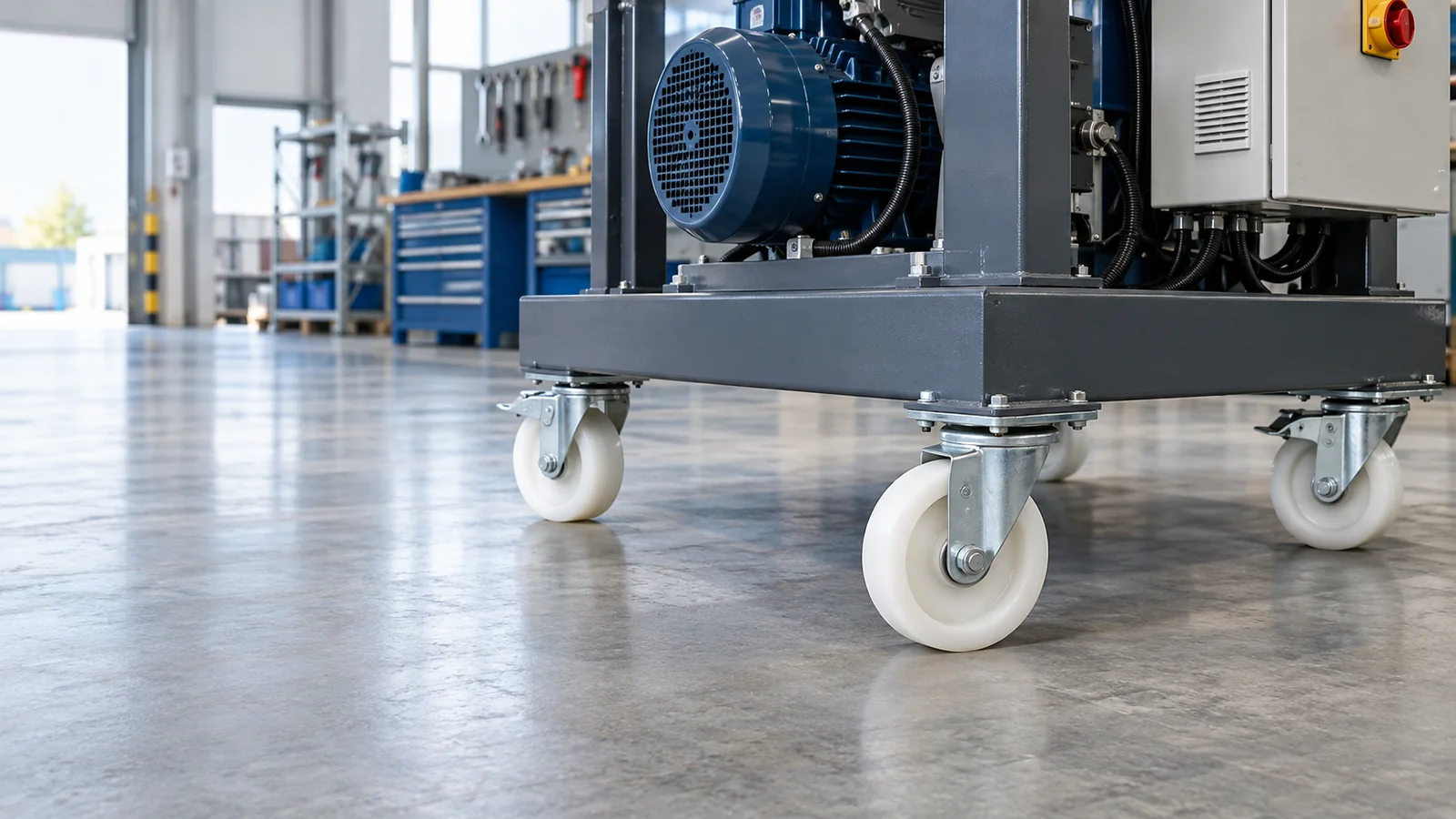
قم بتشغيل العجلة المختارة على المسار الفعلي — عجلات عربات صناعية
يجب إجراء التركيب الأولي عند سرعة منخفضة وتحت حمولة مُتحكَّم بها. تحقق من الحركة المستقيمة، والانعطاف، والمسافة بين العجلات والهيكل، وثبات المثبتات، وأي تلامس مع الهيكل المحيط. يجب تضمين أكثر نقاط التلامس صعوبةً عند العتبة أو المنحدر أو وصلة الأرضية. بالنسبة لدعم المقطورة، يجب تضمين السطح المستخدم أثناء ركنها والمناورة اليدوية. في حالة عجلات العربات الصناعية، استخدم هذه النقطة لتضييق نطاق الخيارات المتاحة قبل اعتماد أي تصميم فردي على أنه مناسب للمعدات.
سجّل أي شيء يتطلب تعديلاً قبل بدء التشغيل العادي. يُنشئ هذا سجل قبول عملي ويساعد على التمييز بين عدم ملاءمة التطبيق والتآكل الطبيعي لاحقًا خلال فترة الخدمة. بالنسبة لعجلات العربات الصناعية، استخدم هذه النقطة لتضييق نطاق الخيارات المتاحة على مستوى المجموعة قبل اعتبار أي تكوين فردي مناسبًا للمعدات.
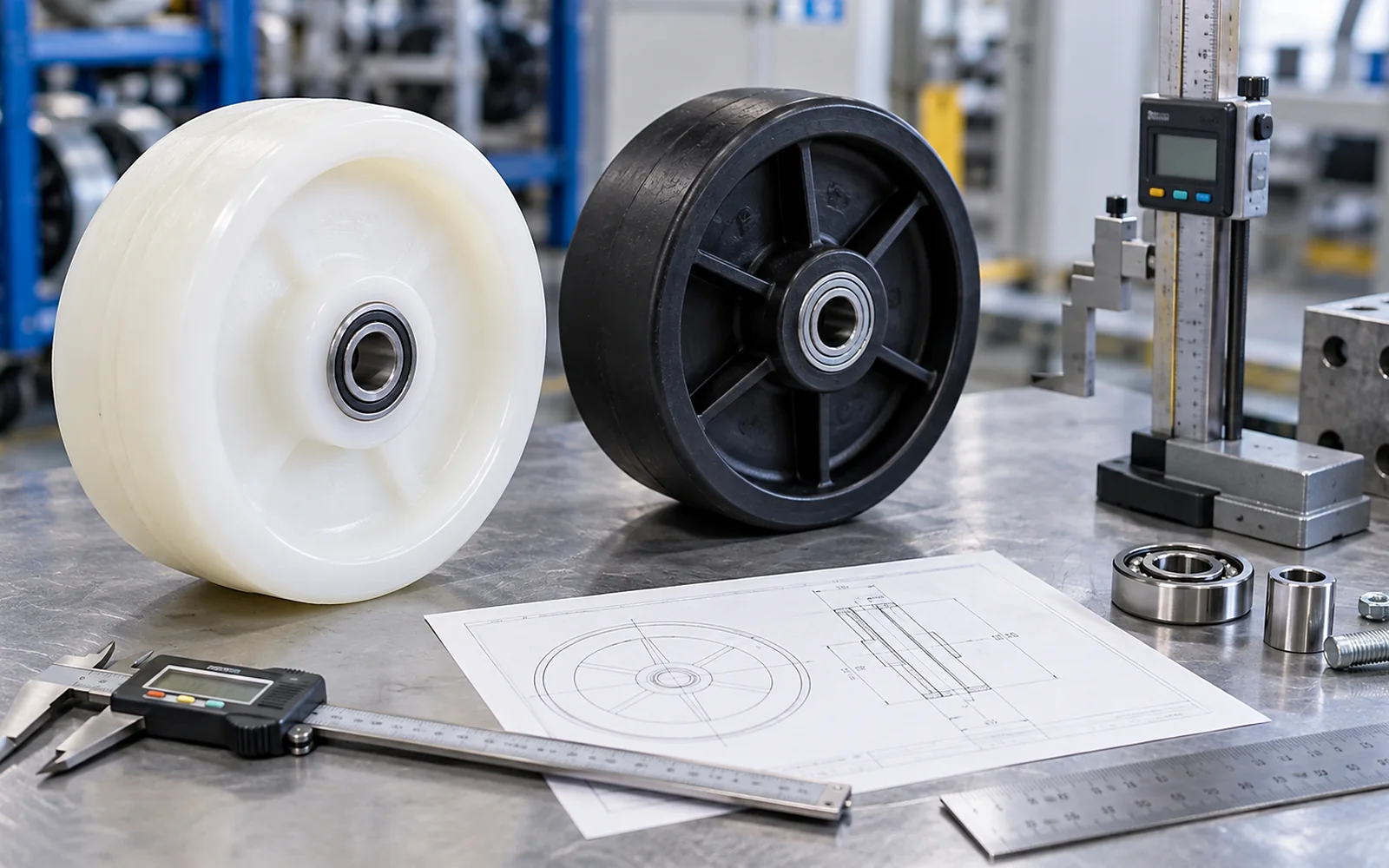
حافظ على مزامنة سجلات التطبيقات والمشتريات — عجلات عربات صناعية
عند تغيير حجم العجلة أو مادتها أو تفاصيل تركيبها أو خصائص التحكم فيها، يُرجى تحديث بند طلب عرض الأسعار وسجل المعدات معًا. لا تعتمد على صورة مُعدّلة فقط لوصف التكوين الجديد. إن إضافة ملاحظة موجزة ومُحدّدة تتضمن الأبعاد والتشغيل والكمية تُسهّل مراجعة الطلبات اللاحقة وتمنع تطبيق الافتراضات القديمة على المعدات بعد تغيير ظروف تشغيلها. بالنسبة لعجلات العربات الصناعية، استخدم هذه النقطة لتضييق نطاق الخيارات المتاحة على مستوى المجموعة قبل اعتبار أي تكوين مُحدّد مناسبًا للمعدات.
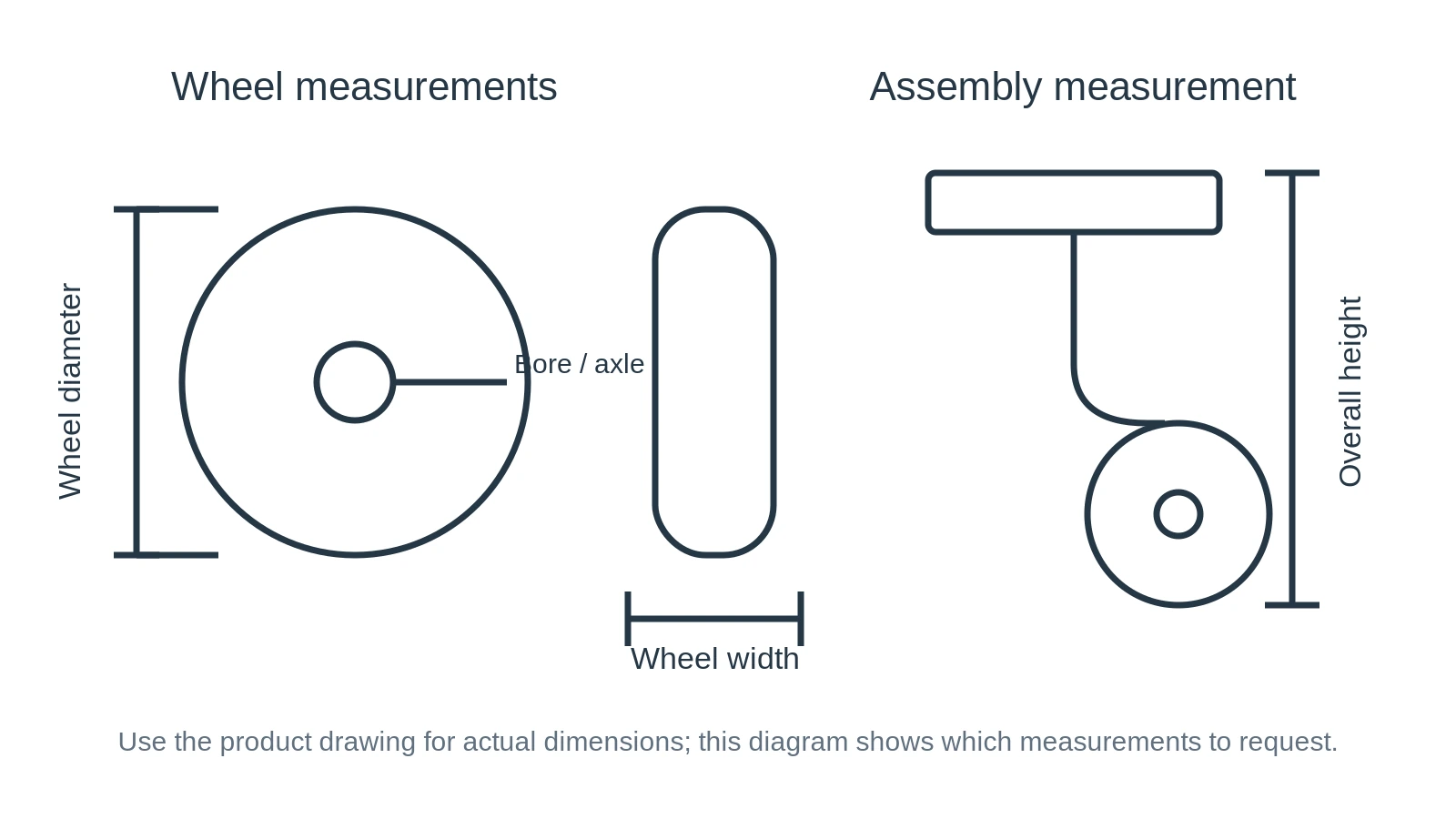
إنشاء عملية تسليم قابلة للتكرار لعجلات العربات الصناعية
قبل تسليم العجلة أو مجموعة الدعم المختارة لعجلات عربات النقل الصناعية، يُرجى حفظ أبعاد الواجهة المعتمدة، وحالة التحميل، وسطح التشغيل، والكمية، وصور التطبيق مع سجل المعدات. في حال استبدال القطعة، يُرجى الاحتفاظ بالقطعة الأصلية حتى يتم فحص العينة الأولى على الآلة. يُسهّل ذلك اتخاذ قرارات الشراء اللاحقة، ويساعد على التمييز بين التآكل الطبيعي والتغيير في المعدات أو مسار التشغيل.
بعد التشغيل، سجّل أي قيود على الخلوص، أو سلوك التوجيه، أو نقطة اصطدام غير عادية، أو ملاحظات صيانة قد تؤثر على الطلبات اللاحقة. الهدف ليس إنشاء وثيقة فحص مطولة، بل توثيق الحقائق التطبيقية القليلة التي توضح سبب ملاءمة التكوين المقبول لهذه المعدات، والحالات التي تتطلب فيها عملية استبدال مستقبلية مراجعة جديدة. بالنسبة لعجلات العربات الصناعية، استخدم هذه النقطة لتضييق نطاق الخيارات على مستوى المجموعة قبل اعتبار أي تكوين فردي مناسبًا للمعدات.
قم بإعداد طلب عرض أسعار لعجلات عربات صناعية
أرسل الطلب والكمية والأبعاد التي تعرفها مسبقاً. يمكن مراجعة التفاصيل المهمة المتعلقة بالملاءمة قبل تقديم عرض السعر.