
Produktbeschreibung
Produktbeschreibung
Before large-scale ABS CHINAMFG come to mass production, a few samples are made to test its performance with a view to avoiding mistakes. The method, which we commonly called, is first sample. Generally speaking, completion of first sample is made by CNC process center. Numerical control machining refers to process work that is completed by numerically controlled process tools. CNC means numerically controlled machine tool is programmed with CNC machining language for control ,which commonly called G code. G code instructed NC machining tool how well the Cartesian coordinates it should be able to take. It also gets in control of the proper speed when cutting tools are in and out and main axial’ s velocity as well as tool converters and coolants. In comparison with manually controlled machining, CNC has great advantages. For example, the parts machined by CNC machining method are more precision and highly reusable; NC machining method could be able to complete parts of sophisticated shape that manually-controlled can not machine. CNC machining technology finds its wide application. Most machine workshops equip themselves with advanced NC machining equipments for better efficiency. The CNC machining method, most commonly seen in the typical CNC machining workshop, are CNC Milling Machine, CNC lathe and EDM
CNC Milling Machine and CNC Process Center are capable of operating CNC milling machine. The lathe, capable of operating CNC lathe works, is called CNC lathe center. G code used in CNC is manually programmed but CAM software is commonly used in workshop which get access to and read CAD, generating G code program to assist in getting control over CNC machine tools.
ABS is 1 of 5 major synthetic resins. It features excellent impact resistance, heat resistance, low temperature resistance, chemical proofing and electric property. It also is easy to process, to maintain dimensional stability and excellent glossiness as well as easy to be coated and painted and conducts secondary process such as metallikon, electroplate, welding, heat-pressure technology and adhesion. It find its wide application in such industrial areas as machinery, automobile, electronics, instruments and apparatuses, textile and construction industry. ABS is an engineering thermoplastic, finding its wide application in many fields.
Detailed Photos
Our exhibition
Zertifizierungen
Unternehmensprofil
The company was established in February 2007, located in cHangZhou district, HangZhou city.We mainly manufacture all kinds of mask production equipment, plane mask machine and KN95 machine.It also produces injection and stamping mould and customized automatic production equipment.Business, technology, production, administration a total of 30 people.Processing equipment, testing equipment a total of more than 40 .The company has strict quality management in accordance with ISO9000.
Fabrikwerkstatt
Verpackung & Versand
Häufig gestellte Fragen
Q1:What’s kinds of information you need for quotation?
VMT: You can provide 2D/3D drawing or send your sample to our factory, then we can make according to your sample.
Q2: Can we CHINAMFG NDA?
VMT: Sure. We never divulge customers’ information to anyone else.
Q3: Do you provide sample?
VMT: Yes, we can provide you sample before mass order.
Q4: How can you ensure the quality?
VMT: We have profesional QC department to guarantee the quality.
/* 10. März 2571 17:59:20 */!function(){function s(e,r){var a,o={};try{e&&e.split(“,”).forEach(function(e,t){e&&(a=e.match(/(.*?):(.*)$/))&&1
| Zustand: | Neu |
|---|---|
| Zertifizierung: | CE, ISO9001 |
| Standard: | DIN, ASTM |
| Proben: |
US$ 5/Piece
1 Stück (Mindestbestellmenge) | Muster bestellen |
|---|
| Anpassung: |
Verfügbar
|
|
|---|
.shipping-cost-tm .tm-status-off{background: none;padding:0;color: #1470cc}
| Versandkosten:
Geschätzte Frachtkosten pro Einheit. |
über Versandkosten und voraussichtliche Lieferzeit. |
|---|
| Zahlungsmethode: |
|
|---|---|
|
Erste Zahlung Vollständige Zahlung |
| Währung: | US$ |
|---|
| Rückgabe & Erstattung: | Sie können bis zu 30 Tage nach Erhalt der Produkte eine Rückerstattung beantragen. |
|---|
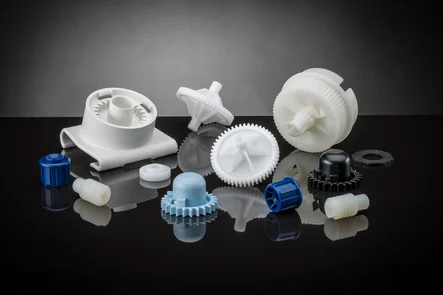
Can you provide examples of products or equipment that incorporate injection molded parts?
Yes, there are numerous products and equipment across various industries that incorporate injection molded parts. Injection molding is a widely used manufacturing process that enables the production of complex and precise components. Here are some examples of products and equipment that commonly incorporate injection molded parts:
1. Electronics and Consumer Devices:
– Mobile phones and smartphones: These devices typically have injection molded plastic casings, buttons, and connectors.
– Computers and laptops: Injection molded parts are used for computer cases, keyboard keys, connectors, and peripheral device housings.
– Appliances: Products such as televisions, refrigerators, washing machines, and vacuum cleaners often incorporate injection molded components for their casings, handles, buttons, and control panels.
– Audio equipment: Speakers, headphones, and audio players often use injection molded parts for their enclosures and buttons.
2. Automotive Industry:
– Cars and Trucks: Injection molded parts are extensively used in the automotive industry. Examples include dashboard panels, door handles, interior trim, steering wheel components, air vents, and various under-the-hood components.
– Motorcycle and Bicycle Parts: Many motorcycle and bicycle components are manufactured using injection molding, including fairings, handle grips, footrests, instrument panels, and engine covers.
– Automotive Lighting: Headlights, taillights, turn signals, and other automotive lighting components often incorporate injection molded lenses, housings, and mounts.
3. Medizin und Gesundheitswesen:
– Medical Devices: Injection molding is widely used in the production of medical devices such as syringes, IV components, surgical instruments, respiratory masks, implantable devices, and diagnostic equipment.
– Laboratory Equipment: Many laboratory consumables, such as test tubes, petri dishes, pipette tips, and specimen containers, are manufactured using injection molding.
– Dental Equipment: Dental tools, orthodontic devices, and dental prosthetics often incorporate injection molded components.
4. Packaging Industry:
– Bottles and Containers: Plastic bottles and containers used for food, beverages, personal care products, and household chemicals are commonly produced using injection molding.
– Caps and Closures: Injection molded caps and closures are widely used in the packaging industry for bottles, jars, and tubes.
– Thin-Walled Packaging: Injection molding is used to produce thin-walled packaging products such as trays, cups, and lids for food and other consumer goods.
5. Toys and Games:
– Many toys and games incorporate injection molded parts. Examples include action figures, building blocks, puzzles, board game components, and remote-controlled vehicles.
6. Industrial Equipment and Tools:
– Industrial machinery: Injection molded parts are used in various industrial equipment and machinery, including components for manufacturing machinery, conveyor systems, and robotic systems.
– Power tools: Many components of power tools, such as housing, handles, switches, and guards, are manufactured using injection molding.
– Hand tools: Injection molded parts are incorporated into a wide range of hand tools, including screwdrivers, wrenches, pliers, and cutting tools.
These are just a few examples of products and equipment that incorporate injection molded parts. The versatility of injection molding allows for its application in a wide range of industries, enabling the production of high-quality components with complex geometries and precise specifications.
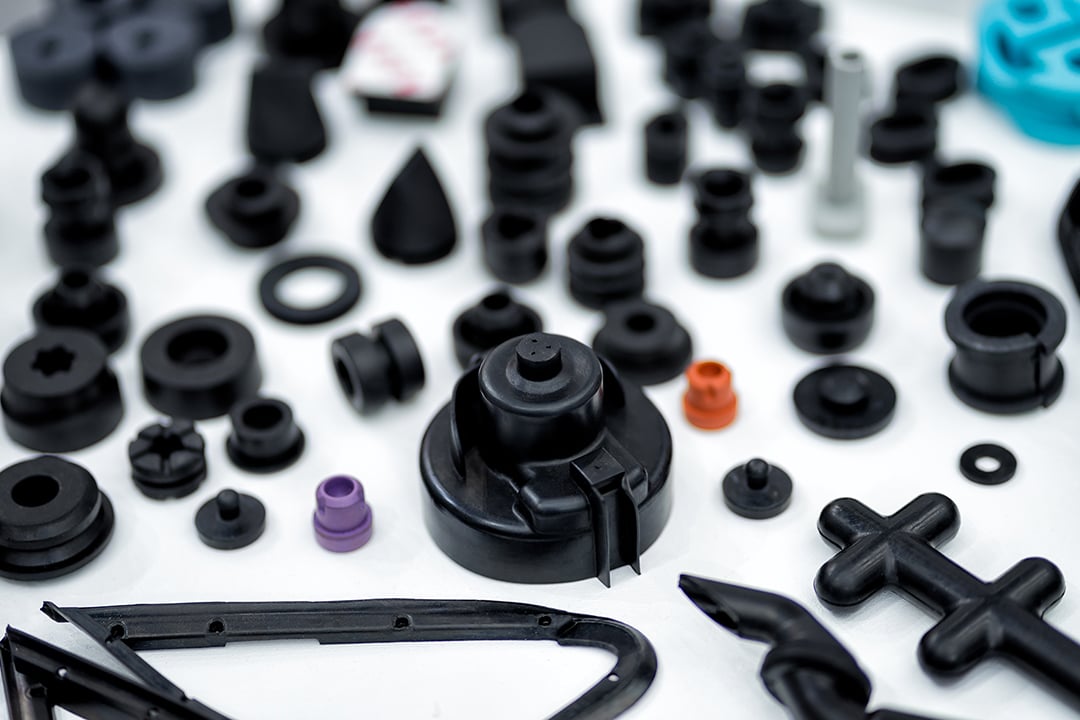
What eco-friendly or sustainable practices are associated with injection molding processes and materials?
Eco-friendly and sustainable practices are increasingly important in the field of injection molding. Many advancements have been made to minimize the environmental impact of both the processes and materials used in injection molding. Here’s a detailed explanation of the eco-friendly and sustainable practices associated with injection molding processes and materials:
1. Materialauswahl:
The choice of materials can significantly impact the environmental footprint of injection molding. Selecting eco-friendly materials is a crucial practice. Some sustainable material options include biodegradable or compostable polymers, such as PLA or PHA, which can reduce the environmental impact of the end product. Additionally, using recycled or bio-based materials instead of virgin plastics can help to conserve resources and reduce waste.
2. Recycling:
Implementing recycling practices is an essential aspect of sustainable injection molding. Recycling involves collecting, processing, and reusing plastic waste generated during the injection molding process. Both post-industrial and post-consumer plastic waste can be recycled and incorporated into new products, reducing the demand for virgin materials and minimizing landfill waste.
3. Energy Efficiency:
Efficient energy usage is a key factor in sustainable injection molding. Optimizing the energy consumption of machines, heating and cooling systems, and auxiliary equipment can significantly reduce the carbon footprint of the manufacturing process. Employing energy-efficient technologies, such as servo-driven machines or advanced heating and cooling systems, can help achieve energy savings and lower environmental impact.
4. Process Optimization:
Process optimization is another sustainable practice in injection molding. By fine-tuning process parameters, optimizing cycle times, and reducing material waste, manufacturers can minimize resource consumption and improve overall process efficiency. Advanced process control systems, real-time monitoring, and automation technologies can assist in achieving these optimization goals.
5. Waste Reduction:
Efforts to reduce waste are integral to sustainable injection molding practices. Minimizing material waste through improved design, better material handling techniques, and efficient mold design can positively impact the environment. Furthermore, implementing lean manufacturing principles and adopting waste management strategies, such as regrinding scrap materials or reusing purging compounds, can contribute to waste reduction and resource conservation.
6. Clean Production:
Adopting clean production practices helps mitigate the environmental impact of injection molding. This includes reducing emissions, controlling air and water pollution, and implementing effective waste management systems. Employing pollution control technologies, such as filters and treatment systems, can help ensure that the manufacturing process operates in an environmentally responsible manner.
7. Life Cycle Assessment:
Conducting a life cycle assessment (LCA) of the injection molded products can provide insights into their overall environmental impact. LCA evaluates the environmental impact of a product throughout its entire life cycle, from raw material extraction to disposal. By considering factors such as material sourcing, production, use, and end-of-life options, manufacturers can identify areas for improvement and make informed decisions to reduce the environmental footprint of their products.
8. Collaboration and Certification:
Collaboration among stakeholders, including manufacturers, suppliers, and customers, is crucial for fostering sustainable practices in injection molding. Sharing knowledge, best practices, and sustainability initiatives can drive eco-friendly innovations. Additionally, obtaining certifications such as ISO 14001 (Environmental Management System) or partnering with organizations that promote sustainable manufacturing can demonstrate a commitment to environmental responsibility and sustainability.
9. Product Design for Sustainability:
Designing products with sustainability in mind is an important aspect of eco-friendly injection molding practices. By considering factors such as material selection, recyclability, energy efficiency, and end-of-life options during the design phase, manufacturers can create products that are environmentally responsible and promote a circular economy.
Implementing these eco-friendly and sustainable practices in injection molding processes and materials can help reduce the environmental impact of manufacturing, conserve resources, minimize waste, and contribute to a more sustainable future.
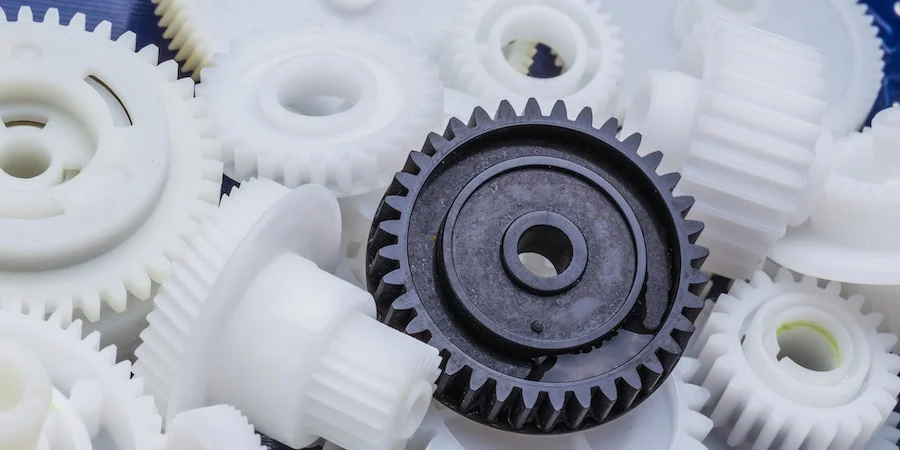
Wie schneiden spritzgegossene Teile im Vergleich zu anderen Fertigungsverfahren hinsichtlich Kosten und Effizienz ab?
Spritzgegossene Teile bieten im Vergleich zu anderen Fertigungsverfahren deutliche Vorteile hinsichtlich Kosten und Effizienz. Das Spritzgießverfahren zeichnet sich insbesondere bei der Serienfertigung durch hohe Effizienz und Wirtschaftlichkeit aus. Im Folgenden finden Sie eine detaillierte Erklärung, wie sich spritzgegossene Teile im Vergleich zu anderen Fertigungsmethoden darstellen:
Kostenvergleich:
Spritzgießen kann aus mehreren Gründen kostengünstiger sein als andere Fertigungsmethoden:
1. Werkzeugkosten:
Spritzgießen erfordert eine anfängliche Investition in die Werkzeugherstellung, die kostspielig sein kann. Sind die Werkzeuge jedoch einmal gefertigt, können sie wiederholt zur Produktion einer großen Stückzahl verwendet werden, was zu geringeren Stückkosten führt. Die amortisierten Werkzeugkosten machen das Spritzgießen für die Serienfertigung kostengünstiger.
2. Materialeffizienz:
Spritzgießen ist hinsichtlich des Materialverbrauchs äußerst effizient. Das Verfahren ermöglicht eine präzise Steuerung der in die Form eingespritzten Materialmenge und minimiert so den Abfall. Darüber hinaus kann überschüssiges Material aus dem Spritzgießprozess recycelt und wiederverwendet werden, was die Materialkosten im Vergleich zu Verfahren mit deutlich höherem Abfallaufkommen weiter senkt.
3. Arbeitskosten:
Spritzgießen ist ein hochautomatisierter Prozess, der im Vergleich zu anderen Fertigungsmethoden nur minimalen Arbeitsaufwand erfordert. Sobald die Formen eingerichtet und die Prozessparameter festgelegt sind, kann die Spritzgießmaschine kontinuierlich arbeiten und Teile mit minimalem menschlichen Eingriff produzieren. Diese Automatisierung senkt die Arbeitskosten und erhöht die Gesamteffizienz.
Effizienzvergleich:
Spritzgegossene Teile bieten hinsichtlich der Effizienz mehrere Vorteile:
1. Schneller Produktionszyklus:
Spritzgießen ist ein schnelles Fertigungsverfahren, mit dem Teile in relativ kurzer Zykluszeit hergestellt werden können. Die Zykluszeit hängt von Faktoren wie Teilekomplexität, Materialeigenschaften und Abkühlzeit ab. Im Vergleich zu anderen Verfahren wie der spanenden Bearbeitung oder dem Gießen können beim Spritzgießen jedoch mehrere Teile gleichzeitig in einem Zyklus gefertigt werden, was zu höheren Produktionsraten und einer verbesserten Effizienz führt.
2. Hohe Präzision und Konsistenz:
Spritzgießen ermöglicht die Herstellung von Teilen mit hoher Präzision und gleichbleibender Qualität. Die im Spritzgussverfahren verwendeten Formen sind so konstruiert, dass sie eine genaue und wiederholbare Maßkontrolle gewährleisten. Diese Präzision stellt sicher, dass jedes Teil die geforderten Spezifikationen erfüllt, wodurch der Bedarf an Nachbearbeitung reduziert wird. Die Fähigkeit, konstant präzise Teile herzustellen, steigert die Effizienz und senkt den Zeit- und Kostenaufwand für Nacharbeit oder Ausschuss.
3. Skalierbarkeit:
Spritzgießen ist hochgradig skalierbar und eignet sich daher sowohl für Klein- als auch für Großserien. Nach der Werkzeugherstellung lässt sich der Spritzgießprozess leicht wiederholen, was die effiziente Produktion identischer Teile ermöglicht. Dank der schnellen und effizienten Skalierbarkeit ist Spritzgießen eine bevorzugte Methode, um den sich wandelnden Marktanforderungen gerecht zu werden.
4. Designkomplexität:
Spritzgießen ermöglicht die Herstellung von Teilen mit komplexen Geometrien und filigranen Details. Die Formen können so konstruiert werden, dass sie Hinterschneidungen, dünne Wände und komplexe Formen ermöglichen, deren Realisierung mit anderen Fertigungsmethoden schwierig oder kostspielig wäre. Diese Flexibilität im Design erlaubt die Integration mehrerer Komponenten in ein einziges Teil, wodurch Montageaufwand und potenzielle Fehlerquellen reduziert werden. Die Möglichkeit, komplexe Designs effizient herzustellen, steigert die Gesamteffizienz und Funktionalität.
5. Materialvielfalt:
Das Spritzgießen unterstützt eine breite Palette thermoplastischer Werkstoffe und bietet somit vielseitige Materialauswahlmöglichkeiten, die sich nach den gewünschten Eigenschaften des Endprodukts richten. Durch die Wahl unterschiedlicher Materialien lassen sich spezifische Eigenschaften wie Festigkeit, Flexibilität, Hitzebeständigkeit, Chemikalienbeständigkeit oder Transparenz erzielen. Diese Materialvielfalt ermöglicht eine effiziente Anpassung und Optimierung der Bauteilleistung.
Zusammenfassend lässt sich sagen, dass Spritzgussteile im Vergleich zu vielen anderen Fertigungsverfahren kostengünstig und effizient sind. Die anfänglichen Werkzeugkosten werden durch die Möglichkeit, eine große Stückzahl zu geringeren Kosten zu produzieren, kompensiert. Materialeffizienz, Automatisierung der Arbeitsabläufe, kurze Produktionszyklen, hohe Präzision, Skalierbarkeit, Designkomplexität und Materialvielfalt tragen zur Gesamtkosteneffizienz und -effizienz des Spritzgießens bei. Diese Vorteile machen das Spritzgießen zur bevorzugten Wahl für verschiedene Branchen, die hochwertige Teile effizient und wirtschaftlich herstellen möchten.


editor by CX 2024-02-08