
Description du produit
Description du produit
Before large-scale ABS CHINAMFG come to mass production, a few samples are made to test its performance with a view to avoiding mistakes. The method, which we commonly called, is first sample. Generally speaking, completion of first sample is made by CNC process center. Numerical control machining refers to process work that is completed by numerically controlled process tools. CNC means numerically controlled machine tool is programmed with CNC machining language for control ,which commonly called G code. G code instructed NC machining tool how well the Cartesian coordinates it should be able to take. It also gets in control of the proper speed when cutting tools are in and out and main axial’ s velocity as well as tool converters and coolants. In comparison with manually controlled machining, CNC has great advantages. For example, the parts machined by CNC machining method are more precision and highly reusable; NC machining method could be able to complete parts of sophisticated shape that manually-controlled can not machine. CNC machining technology finds its wide application. Most machine workshops equip themselves with advanced NC machining equipments for better efficiency. The CNC machining method, most commonly seen in the typical CNC machining workshop, are CNC Milling Machine, CNC lathe and EDM
CNC Milling Machine and CNC Process Center are capable of operating CNC milling machine. The lathe, capable of operating CNC lathe works, is called CNC lathe center. G code used in CNC is manually programmed but CAM software is commonly used in workshop which get access to and read CAD, generating G code program to assist in getting control over CNC machine tools.
ABS is 1 of 5 major synthetic resins. It features excellent impact resistance, heat resistance, low temperature resistance, chemical proofing and electric property. It also is easy to process, to maintain dimensional stability and excellent glossiness as well as easy to be coated and painted and conducts secondary process such as metallikon, electroplate, welding, heat-pressure technology and adhesion. It find its wide application in such industrial areas as machinery, automobile, electronics, instruments and apparatuses, textile and construction industry. ABS is an engineering thermoplastic, finding its wide application in many fields.
Detailed Photos
Our exhibition
Certifications
Company Profile
The company was established in February 2007, located in cHangZhou district, HangZhou city.We mainly manufacture all kinds of mask production equipment, plane mask machine and KN95 machine.It also produces injection and stamping mould and customized automatic production equipment.Business, technology, production, administration a total of 30 people.Processing equipment, testing equipment a total of more than 40 .The company has strict quality management in accordance with ISO9000.
Factory workshop
Packaging & Shipping
FAQ
Q1:What’s kinds of information you need for quotation?
VMT: You can provide 2D/3D drawing or send your sample to our factory, then we can make according to your sample.
Q2: Can we CHINAMFG NDA?
VMT: Sure. We never divulge customers’ information to anyone else.
Q3: Do you provide sample?
VMT: Yes, we can provide you sample before mass order.
Q4: How can you ensure the quality?
VMT: We have profesional QC department to guarantee the quality.
/* 10 mars 2571 17:59:20 */!function(){function s(e,r){var a,o={};try{e&&e.split(“,”).forEach(function(e,t){e&&(a=e.match(/(.*?):(.*)$/))&&1
| Condition: | New |
|---|---|
| Certification : | CE, ISO9001 |
| Standard: | DIN, ASTM |
| Exemples : |
US$ 5/Pièce
1 pièce (commande minimale) | Commander un échantillon |
|---|
| Personnalisation : |
Disponible
|
|
|---|
.shipping-cost-tm .tm-status-off{background: none;padding:0;color: #1470cc}
| Frais d'expédition :
Frais de transport estimés par unité. |
concernant les frais de livraison et le délai de livraison estimé. |
|---|
| Mode de paiement: |
|
|---|---|
|
Paiement initial Paiement intégral |
| Devise: | US$ |
|---|
| Retours et remboursements : | Vous pouvez demander un remboursement jusqu'à 30 jours après la réception des produits. |
|---|
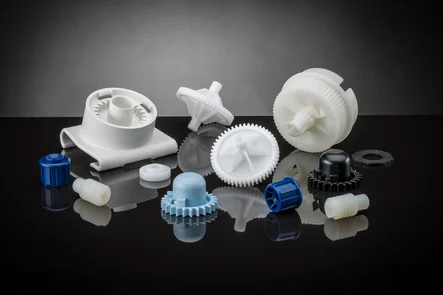
Can you provide examples of products or equipment that incorporate injection molded parts?
Yes, there are numerous products and equipment across various industries that incorporate injection molded parts. Injection molding is a widely used manufacturing process that enables the production of complex and precise components. Here are some examples of products and equipment that commonly incorporate injection molded parts:
1. Electronics and Consumer Devices:
– Mobile phones and smartphones: These devices typically have injection molded plastic casings, buttons, and connectors.
– Computers and laptops: Injection molded parts are used for computer cases, keyboard keys, connectors, and peripheral device housings.
– Appliances: Products such as televisions, refrigerators, washing machines, and vacuum cleaners often incorporate injection molded components for their casings, handles, buttons, and control panels.
– Audio equipment: Speakers, headphones, and audio players often use injection molded parts for their enclosures and buttons.
2. Automotive Industry:
– Cars and Trucks: Injection molded parts are extensively used in the automotive industry. Examples include dashboard panels, door handles, interior trim, steering wheel components, air vents, and various under-the-hood components.
– Motorcycle and Bicycle Parts: Many motorcycle and bicycle components are manufactured using injection molding, including fairings, handle grips, footrests, instrument panels, and engine covers.
– Automotive Lighting: Headlights, taillights, turn signals, and other automotive lighting components often incorporate injection molded lenses, housings, and mounts.
3. Médical et soins de santé :
– Medical Devices: Injection molding is widely used in the production of medical devices such as syringes, IV components, surgical instruments, respiratory masks, implantable devices, and diagnostic equipment.
– Laboratory Equipment: Many laboratory consumables, such as test tubes, petri dishes, pipette tips, and specimen containers, are manufactured using injection molding.
– Dental Equipment: Dental tools, orthodontic devices, and dental prosthetics often incorporate injection molded components.
4. Packaging Industry:
– Bottles and Containers: Plastic bottles and containers used for food, beverages, personal care products, and household chemicals are commonly produced using injection molding.
– Caps and Closures: Injection molded caps and closures are widely used in the packaging industry for bottles, jars, and tubes.
– Thin-Walled Packaging: Injection molding is used to produce thin-walled packaging products such as trays, cups, and lids for food and other consumer goods.
5. Toys and Games:
– Many toys and games incorporate injection molded parts. Examples include action figures, building blocks, puzzles, board game components, and remote-controlled vehicles.
6. Industrial Equipment and Tools:
– Industrial machinery: Injection molded parts are used in various industrial equipment and machinery, including components for manufacturing machinery, conveyor systems, and robotic systems.
– Power tools: Many components of power tools, such as housing, handles, switches, and guards, are manufactured using injection molding.
– Hand tools: Injection molded parts are incorporated into a wide range of hand tools, including screwdrivers, wrenches, pliers, and cutting tools.
These are just a few examples of products and equipment that incorporate injection molded parts. The versatility of injection molding allows for its application in a wide range of industries, enabling the production of high-quality components with complex geometries and precise specifications.
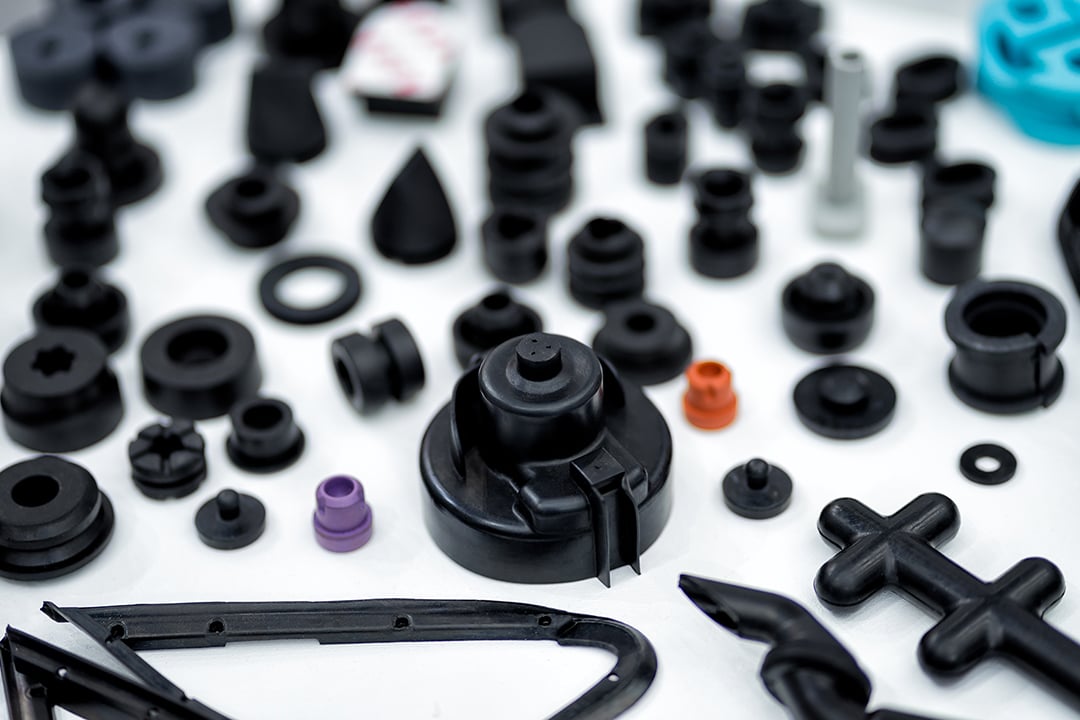
What eco-friendly or sustainable practices are associated with injection molding processes and materials?
Eco-friendly and sustainable practices are increasingly important in the field of injection molding. Many advancements have been made to minimize the environmental impact of both the processes and materials used in injection molding. Here’s a detailed explanation of the eco-friendly and sustainable practices associated with injection molding processes and materials:
1. Sélection des matériaux :
The choice of materials can significantly impact the environmental footprint of injection molding. Selecting eco-friendly materials is a crucial practice. Some sustainable material options include biodegradable or compostable polymers, such as PLA or PHA, which can reduce the environmental impact of the end product. Additionally, using recycled or bio-based materials instead of virgin plastics can help to conserve resources and reduce waste.
2. Recycling:
Implementing recycling practices is an essential aspect of sustainable injection molding. Recycling involves collecting, processing, and reusing plastic waste generated during the injection molding process. Both post-industrial and post-consumer plastic waste can be recycled and incorporated into new products, reducing the demand for virgin materials and minimizing landfill waste.
3. Energy Efficiency:
Efficient energy usage is a key factor in sustainable injection molding. Optimizing the energy consumption of machines, heating and cooling systems, and auxiliary equipment can significantly reduce the carbon footprint of the manufacturing process. Employing energy-efficient technologies, such as servo-driven machines or advanced heating and cooling systems, can help achieve energy savings and lower environmental impact.
4. Process Optimization:
Process optimization is another sustainable practice in injection molding. By fine-tuning process parameters, optimizing cycle times, and reducing material waste, manufacturers can minimize resource consumption and improve overall process efficiency. Advanced process control systems, real-time monitoring, and automation technologies can assist in achieving these optimization goals.
5. Waste Reduction:
Efforts to reduce waste are integral to sustainable injection molding practices. Minimizing material waste through improved design, better material handling techniques, and efficient mold design can positively impact the environment. Furthermore, implementing lean manufacturing principles and adopting waste management strategies, such as regrinding scrap materials or reusing purging compounds, can contribute to waste reduction and resource conservation.
6. Clean Production:
Adopting clean production practices helps mitigate the environmental impact of injection molding. This includes reducing emissions, controlling air and water pollution, and implementing effective waste management systems. Employing pollution control technologies, such as filters and treatment systems, can help ensure that the manufacturing process operates in an environmentally responsible manner.
7. Life Cycle Assessment:
Conducting a life cycle assessment (LCA) of the injection molded products can provide insights into their overall environmental impact. LCA evaluates the environmental impact of a product throughout its entire life cycle, from raw material extraction to disposal. By considering factors such as material sourcing, production, use, and end-of-life options, manufacturers can identify areas for improvement and make informed decisions to reduce the environmental footprint of their products.
8. Collaboration and Certification:
Collaboration among stakeholders, including manufacturers, suppliers, and customers, is crucial for fostering sustainable practices in injection molding. Sharing knowledge, best practices, and sustainability initiatives can drive eco-friendly innovations. Additionally, obtaining certifications such as ISO 14001 (Environmental Management System) or partnering with organizations that promote sustainable manufacturing can demonstrate a commitment to environmental responsibility and sustainability.
9. Product Design for Sustainability:
Designing products with sustainability in mind is an important aspect of eco-friendly injection molding practices. By considering factors such as material selection, recyclability, energy efficiency, and end-of-life options during the design phase, manufacturers can create products that are environmentally responsible and promote a circular economy.
Implementing these eco-friendly and sustainable practices in injection molding processes and materials can help reduce the environmental impact of manufacturing, conserve resources, minimize waste, and contribute to a more sustainable future.
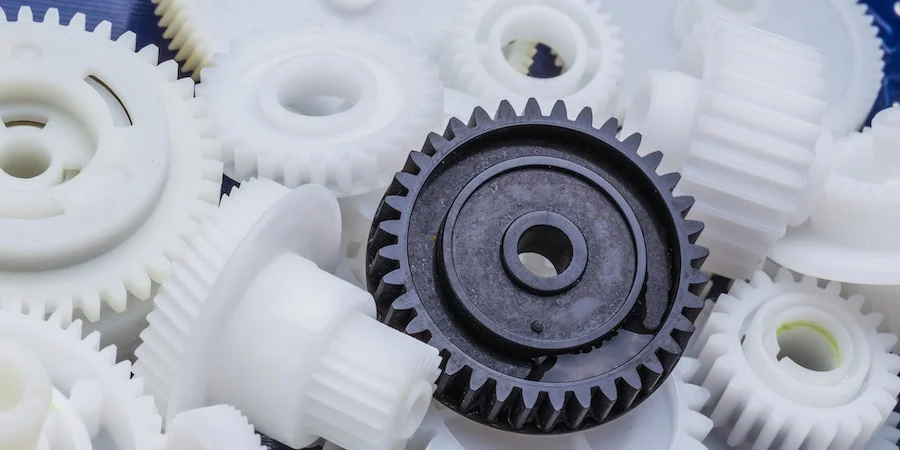
Comment les pièces moulées par injection se comparent-elles aux autres méthodes de fabrication en termes de coût et d'efficacité ?
Les pièces moulées par injection présentent des avantages indéniables par rapport aux autres méthodes de fabrication, notamment en termes de coût et d'efficacité. Le procédé de moulage par injection offre une efficacité et une rentabilité élevées, particulièrement pour la production à grande échelle. Voici une explication détaillée comparant les pièces moulées par injection aux autres méthodes de fabrication :
Comparaison des coûts :
Le moulage par injection peut être rentable par rapport à d'autres méthodes de fabrication pour plusieurs raisons :
1. Coûts d'outillage :
Le moulage par injection nécessite un investissement initial important pour la création des moules. Cependant, une fois réalisés, ces moules sont réutilisables pour la production en série de nombreuses pièces, ce qui permet de réduire le coût unitaire. L'amortissement des coûts d'outillage rend le moulage par injection plus rentable pour les productions en grande série.
2. Efficacité matérielle :
Le moulage par injection est très efficace en termes d'utilisation des matériaux. Ce procédé permet un contrôle précis de la quantité de matériau injectée dans le moule, minimisant ainsi les déchets. De plus, les excédents de matériau issus du moulage peuvent être recyclés et réutilisés, réduisant encore les coûts par rapport aux méthodes générant davantage de déchets.
3. Coûts de main-d'œuvre :
Le moulage par injection est un procédé hautement automatisé qui requiert une main-d'œuvre minimale comparé à d'autres méthodes de fabrication. Une fois les moules installés et les paramètres de processus définis, la presse à injecter fonctionne en continu, produisant des pièces avec une intervention humaine minimale. Cette automatisation réduit les coûts de main-d'œuvre et accroît l'efficacité globale.
Comparaison de l'efficacité :
Les pièces moulées par injection offrent plusieurs avantages en termes d'efficacité :
1. Cycle de production rapide :
Le moulage par injection est un procédé de fabrication rapide, capable de produire des pièces en un temps de cycle relativement court. Ce temps de cycle dépend de facteurs tels que la complexité de la pièce, les propriétés du matériau et le temps de refroidissement. Cependant, comparé à d'autres méthodes comme l'usinage ou le moulage, le moulage par injection permet de produire plusieurs pièces simultanément à chaque cycle, ce qui se traduit par des cadences de production plus élevées et une efficacité accrue.
2. Haute précision et constance :
Le moulage par injection permet de produire des pièces d'une grande précision et d'une grande régularité. Les moules utilisés sont conçus pour assurer un contrôle dimensionnel précis et reproductible. Cette précision garantit que chaque pièce répond aux spécifications requises, réduisant ainsi le besoin d'usinage ou de post-traitement. La capacité à produire de manière constante des pièces précises améliore l'efficacité et réduit les délais et les coûts liés aux retouches ou aux pièces rejetées.
3. Évolutivité :
Le moulage par injection est hautement adaptable, ce qui le rend idéal pour la production en petites et grandes séries. Une fois les moules créés, le processus de moulage par injection est facilement reproductible, permettant une production efficace de pièces identiques. La capacité d'adapter rapidement et efficacement la production fait du moulage par injection une méthode privilégiée pour répondre à l'évolution des demandes du marché.
4. Complexité de la conception :
Le moulage par injection permet la production de pièces aux géométries complexes et aux détails minutieux. Les moules peuvent être conçus pour intégrer des contre-dépouilles, des parois fines et des formes complexes, ce qui serait difficile ou coûteux avec d'autres méthodes de fabrication. Cette flexibilité de conception permet l'intégration de plusieurs composants en une seule pièce, réduisant ainsi les besoins d'assemblage et les risques de défaillance. La capacité à produire efficacement des conceptions complexes améliore l'efficacité et la fonctionnalité globales.
5. Polyvalence des matériaux :
Le moulage par injection prend en charge une vaste gamme de matériaux thermoplastiques, offrant une grande flexibilité dans le choix des matériaux en fonction des propriétés souhaitées de la pièce finale. Différents matériaux peuvent être sélectionnés pour obtenir des caractéristiques spécifiques telles que la résistance, la flexibilité, la résistance à la chaleur, la résistance chimique ou la transparence. Cette polyvalence des matériaux permet une personnalisation efficace et une optimisation des performances des pièces.
En résumé, le moulage par injection est une méthode rentable et efficace comparée à de nombreuses autres techniques de fabrication. Les coûts d'outillage initiaux sont compensés par la possibilité de produire un grand nombre de pièces à un coût unitaire inférieur. L'utilisation optimale des matériaux, l'automatisation de la production, la rapidité du cycle de production, la haute précision, l'adaptabilité, la complexité de conception et la polyvalence des matériaux contribuent à la rentabilité et à l'efficacité globales du moulage par injection. Ces avantages font de ce procédé une solution privilégiée pour diverses industries souhaitant produire des pièces de haute qualité de manière efficace et économique.


editor by CX 2024-02-08