
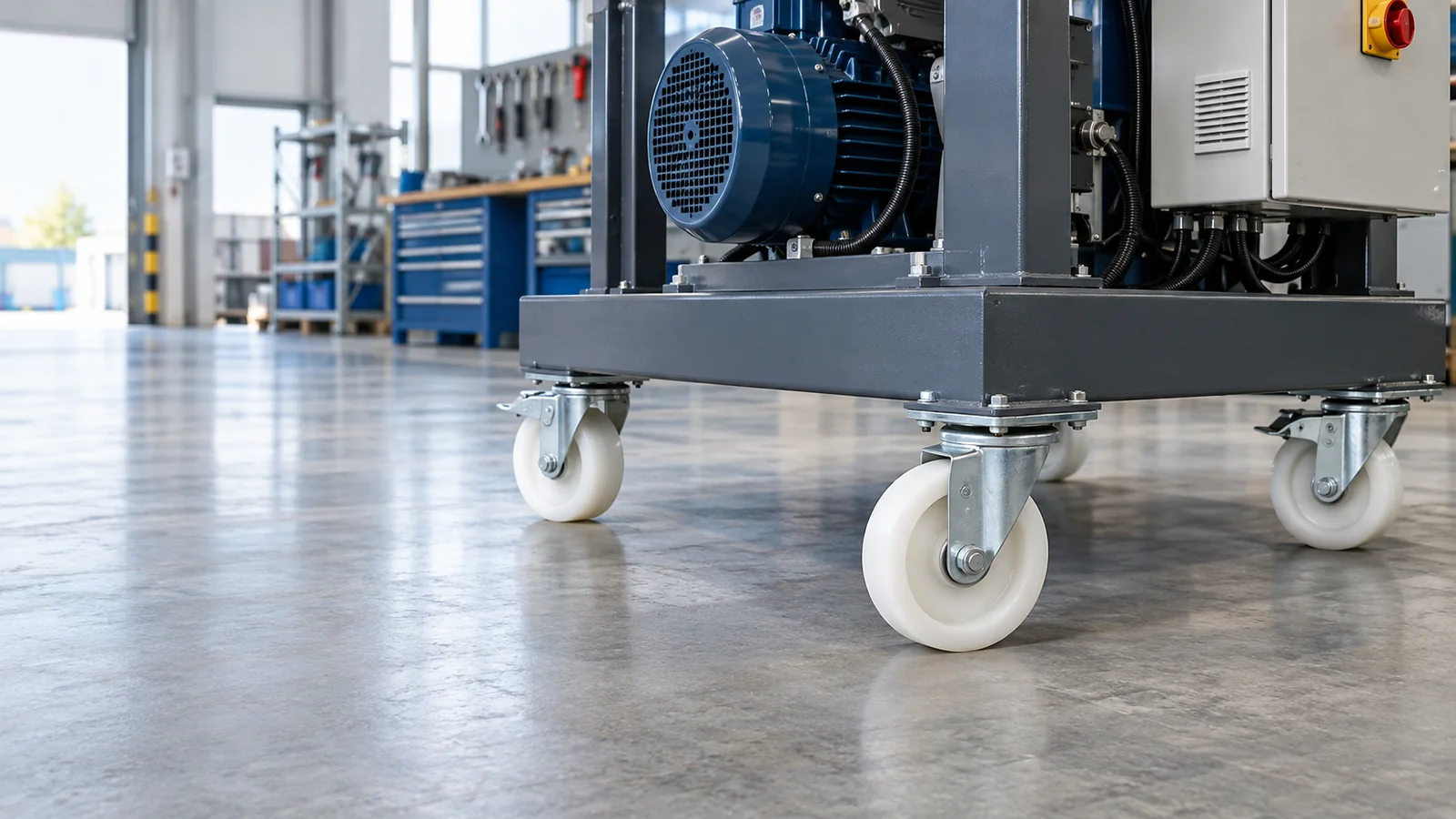
Pourquoi les roulettes pivotantes peuvent-elles trembler ou dévier sous la charge ?
A practical buyer guide to swivel caster shimmy causes, focused on measurable operating conditions and RFQ-ready decisions.
Why this question matters — Why Swivel Castors Can Shimmy
For an industrial buyer, swivel caster shimmy causes is not a label to choose in isolation. The useful question is how it behaves inside the complete wheel, mounting and duty-cycle decision.
Pour les chariots industriels, les bâtis de machines et les châssis mobiles nécessitant une direction précise ou un contrôle de stationnement optimal, commencez par vérifier la géométrie de montage, la configuration pivotante/fixe, la fonction de commande, la hauteur d'installation et le dégagement. Cette vérification est généralement plus pertinente que la simple comparaison des appellations commerciales, car deux roues d'apparence similaire peuvent se comporter différemment une fois prises en compte le montage, la nature du sol et la répartition réelle de la charge.
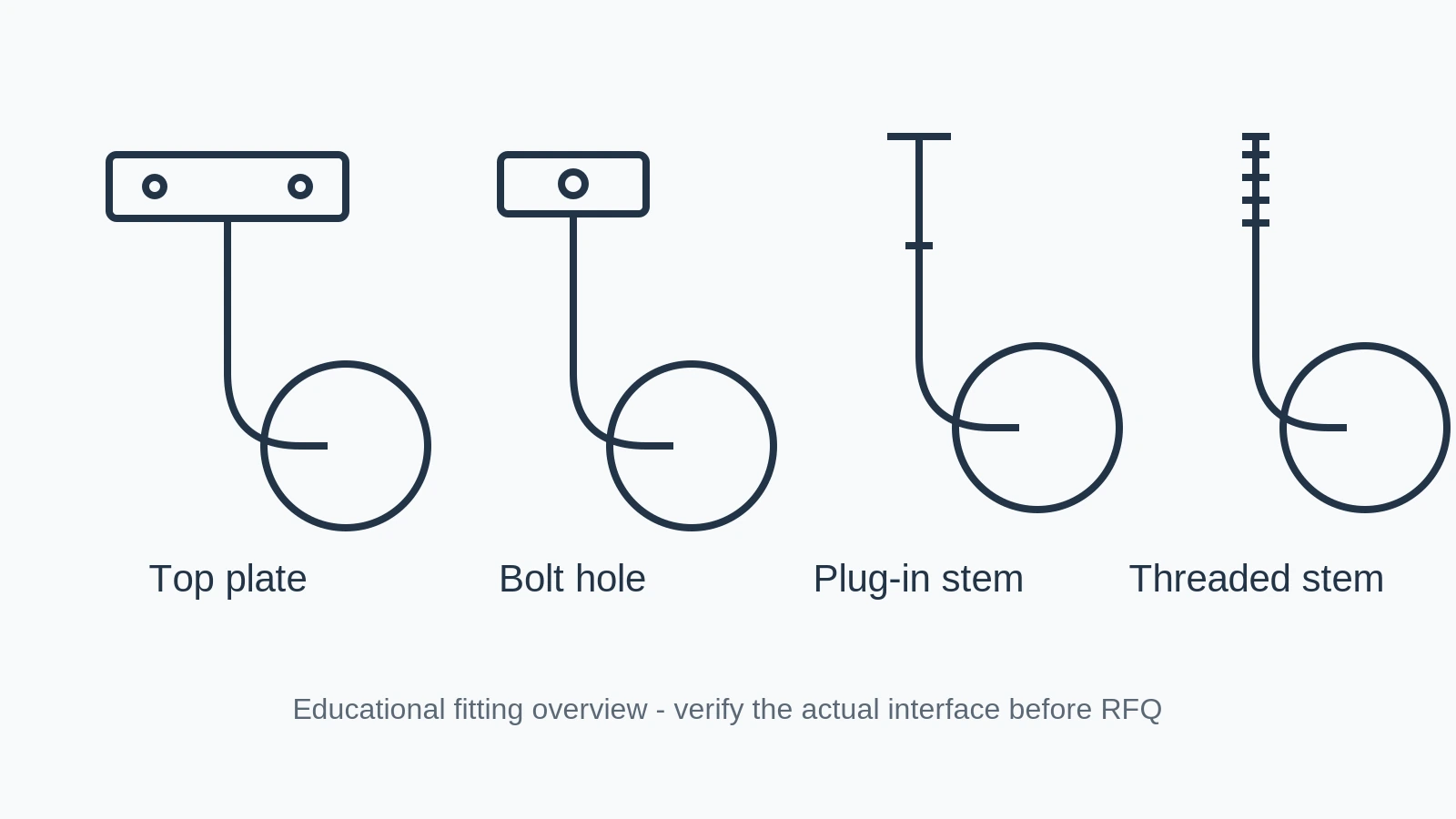
Cela permet également d'éviter une erreur fréquente lors de l'approvisionnement : choisir uniquement sur l'apparence. Deux supports peuvent se ressembler tout en présentant des configurations de perçage, des décalages, des systèmes de verrouillage ou des ouvertures de pivotement différents. Indiquez les dimensions de la platine ou de la tige, les fixations, la hauteur d'installation, la disposition des roues, le système de verrouillage, la charge et la quantité dans votre demande afin que la discussion commerciale repose sur une base technique pertinente.
Define the operating condition first — Why Swivel Castors Can Shimmy
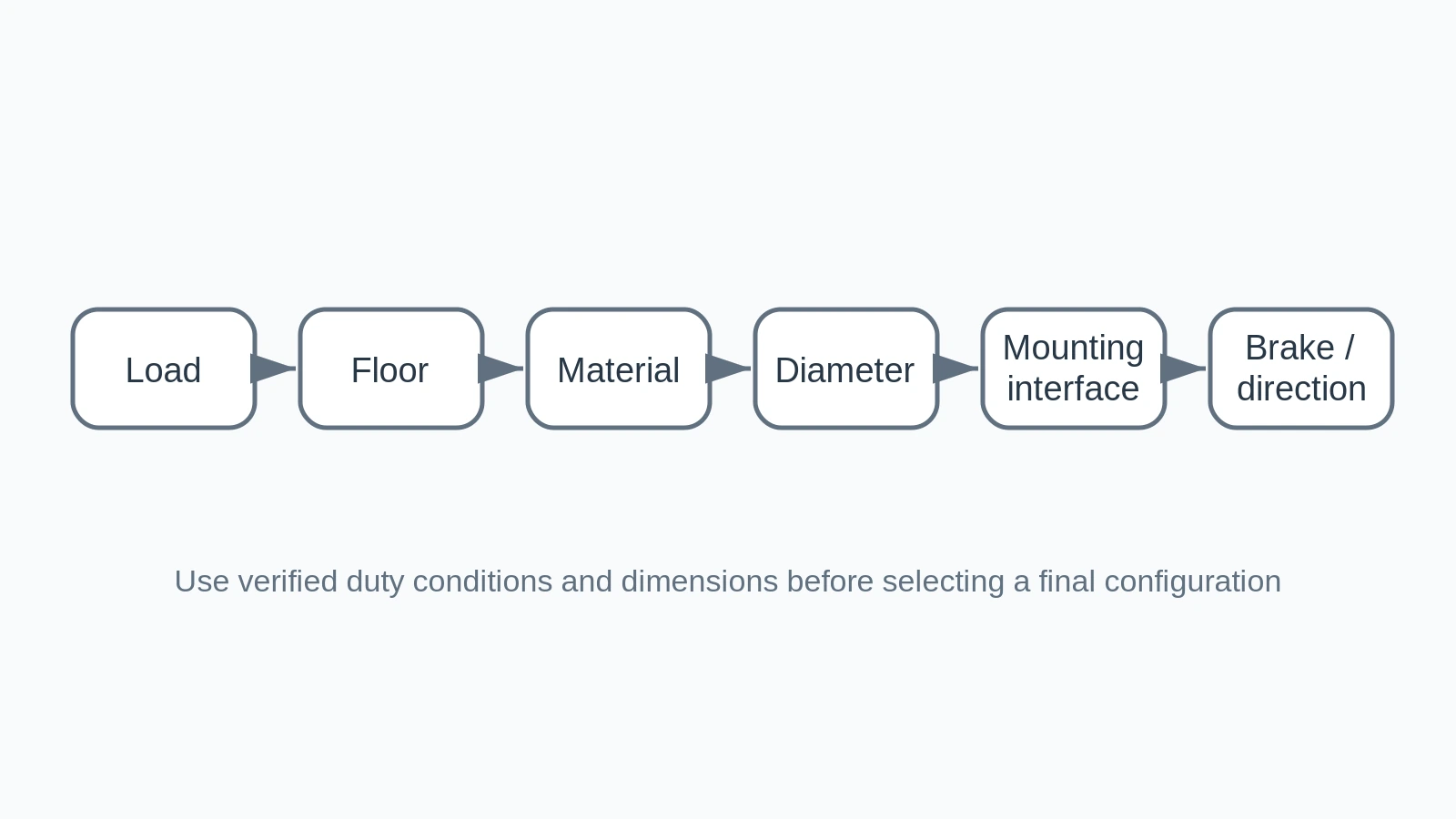
Before comparing products, write the equipment task in one sentence: what must move, what load it carries, where it travels and how often it is repositioned. That description provides context for swivel caster shimmy causes without turning one parameter into a universal rule.
For industrial trolleys, machine bases and mobile frames requiring predictable steering or parking control, the first review should cover mounting geometry, swivel/fixed layout, control function, installed height and clearance. If a value is not known, mark it for measurement rather than substituting a typical number. The purpose of the RFQ is to close gaps, not hide them. When applying this to Why Swivel Castors Can Shimmy or Wander, compare candidates against the same equipment record so material, size and interface changes are reviewed consistently.
Measurements that prevent false matches — Why Swivel Castors Can Shimmy
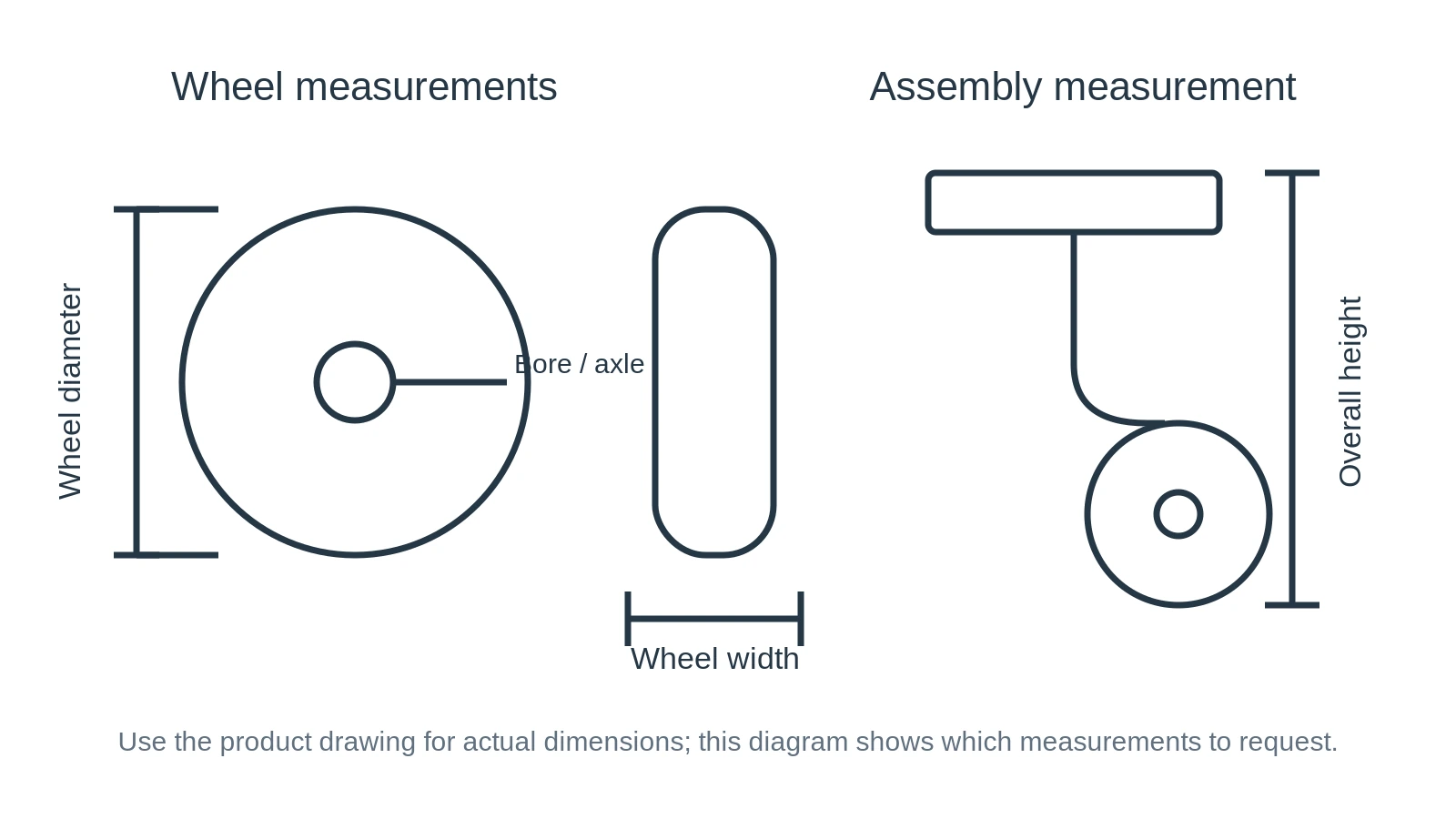
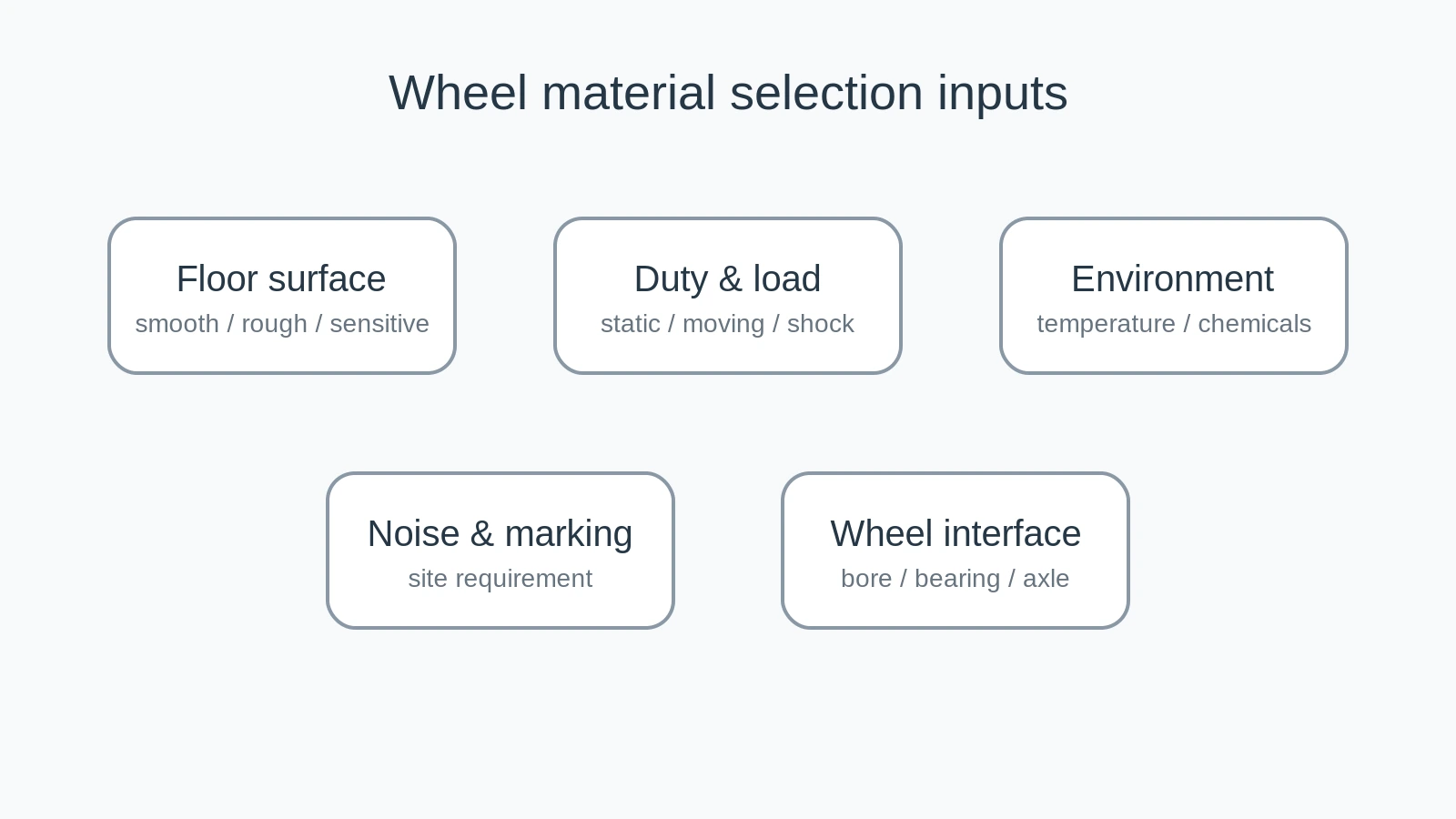
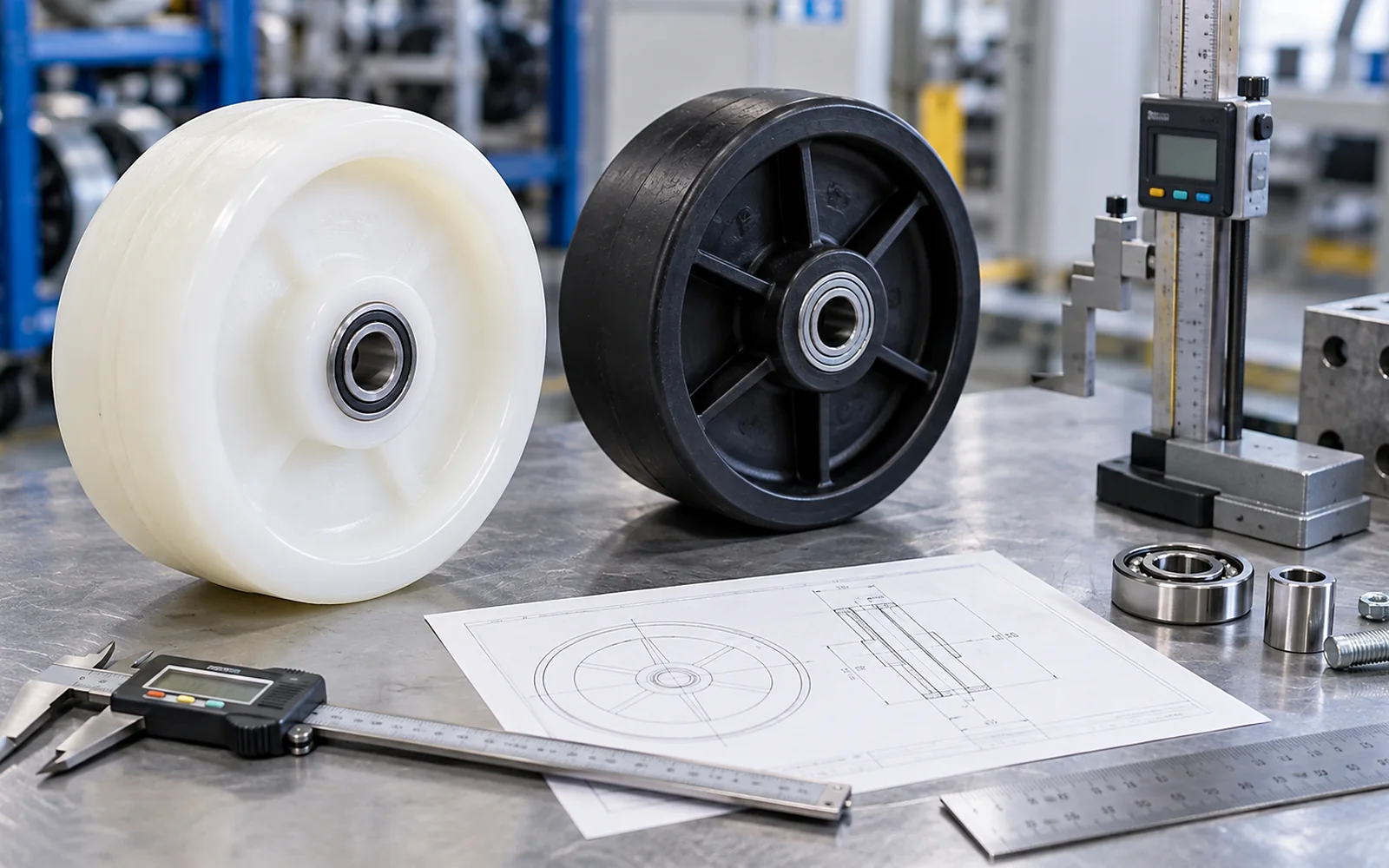
Replacement work benefits from a consistent measurement routine. Record wheel diameter and width, then move inward to the hub: bore or bearing type, axle diameter, hub length and spacers. For complete assemblies, add installed height and mounting geometry. Photograph the measurement tool in place when a dimension is difficult to describe. When applying this to Why Swivel Castors Can Shimmy or Wander, compare candidates against the same equipment record so material, size and interface changes are reviewed consistently.
Do not use worn tread as the only reference if original diameter matters. A heavily worn wheel can make the replacement appear too large when the real issue is material loss. Likewise, a bent fork or improvised spacer can change apparent offset. When applying this to Why Swivel Castors Can Shimmy or Wander, compare candidates against the same equipment record so material, size and interface changes are reviewed consistently.
Load, floor and movement interact — Why Swivel Castors Can Shimmy
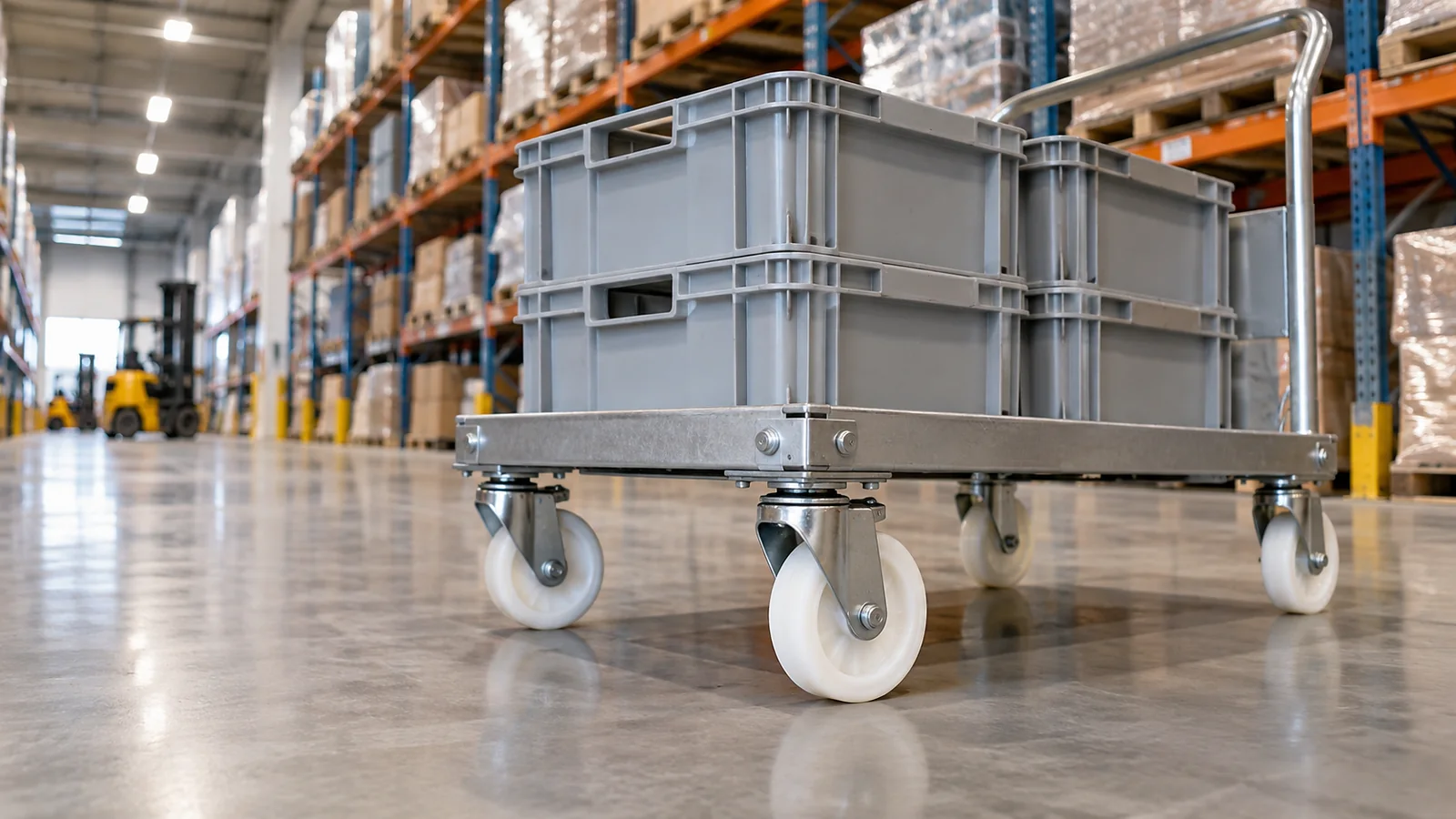
Load rating is not independent of how equipment moves. A cart crossing a threshold can create impact forces absent in a static parking condition. An uneven floor can shift load from four nominal support points to three. A trailer jockey wheel may carry a modest vertical drawbar load yet require substantial manoeuvring effort on loose ground. When applying this to Why Swivel Castors Can Shimmy or Wander, compare candidates against the same equipment record so material, size and interface changes are reviewed consistently.
Enregistrez la charge normale maximale, la charge exceptionnelle, le type de sol (au sol ou ailleurs), la distance parcourue et la fréquence des obstacles. Cette combinaison offre une base de sélection plus pertinente qu'un poids brut unique.
Control function must match the movement pattern — Why Swivel Castors Can Shimmy
A wheel brake acts on wheel rotation; a swivel lock controls bracket direction; a total lock may control both. A fixed castor does not swivel. Those functions produce different steering behaviour, so layout depends on aisle length, turning space, operator access and how equipment is parked. When applying this to Why Swivel Castors Can Shimmy or Wander, compare candidates against the same equipment record so material, size and interface changes are reviewed consistently.
Évaluez la configuration des roues comme celle d'un véhicule complet plutôt que coin par coin.
Failure patterns to watch in swivel castors can shimmy or wander under
Two brackets can look alike while using different hole patterns, offsets, lock functions or swivel envelopes. Similar symptoms can also come from loose fasteners, worn bearings, misalignment, contaminated floors or a frame that is no longer square. Before blaming wheel material, inspect the mounting and compare wear patterns across positions. When applying this to Why Swivel Castors Can Shimmy or Wander, compare candidates against the same equipment record so material, size and interface changes are reviewed consistently.
If only one corner wears rapidly, investigate that corner’s load and alignment. If all wheels show the same damage, review duty, floor and material specification. If wear accelerates after a process change, record the new contaminant, cleaning agent, temperature or travel pattern. When applying this to Why Swivel Castors Can Shimmy or Wander, compare candidates against the same equipment record so material, size and interface changes are reviewed consistently.
How to write the RFQ line — Why Swivel Castors Can Shimmy
Use one line per configuration and write the requirement so another engineer can understand it without the original conversation. Include plate or stem dimensions, fasteners, installed height, wheel layout, lock function, load and quantity. Attach the correct drawing or photo set. If an interface dimension is unknown, say “measurement pending” instead of using a guessed value. When applying this to Why Swivel Castors Can Shimmy or Wander, compare candidates against the same equipment record so material, size and interface changes are reviewed consistently.
Pour les commandes multimodèles, veuillez séparer les quantités et identifier les dimensions communes.
Swivel Castors Can Shimmy or Wander Under decision checklist
- La charge normale maximale est-elle connue ?
- Les roues de support peuvent-elles répartir la charge de manière égale ?
- Le sol/l'étage réel est-il décrit ?
- Les dimensions des roues et de l'interface sont-elles mesurées ?
- La fonction de contrôle est-elle claire ?
- Des exigences particulières en matière de matériaux, de finitions ou d'environnement sont-elles précisées ?
- La quantité est-elle associée au bon modèle ?
Continuez avec le page de sélection primaire, comparer familles de produits actuelles, ou utilisez le Formulaire de demande de prix.
Translate the technical question into a practical field check — Why Swivel Castors Can Shimmy
Les points ci-dessous appliquent le sujet de l'article à la mesure, à l'installation et à l'observation sur le terrain sans considérer une étiquette de produit générique comme une spécification complète.
Close the loop with the installation — Why Swivel Castors Can Shimmy
After a sample or first lot is installed, compare real behaviour with the RFQ assumptions. Record interference, unusual wear or movement and feed it into the next purchase specification. That turns one replacement into a controlled maintenance standard. When applying this to Why Swivel Castors Can Shimmy or Wander, compare candidates against the same equipment record so material, size and interface changes are reviewed consistently.
What to observe when applying swivel castors can shimmy or wander under
Commission a new or replacement configuration for swivel caster shimmy causes under controlled load and low speed before normal operation. Watch for rubbing, bracket contact, wheel wobble, steering instability, fastener movement and any change in deck or drawbar height. The goal is to test the assumptions made during selection rather than merely confirm that the wheel turns.
For industrial trolleys, machine bases and mobile frames requiring predictable steering or parking control, include the most demanding normal floor or ground transition in the initial trial. If the system must cross a threshold, ramp or rough joint, observe it there. Document the result with the same model reference used in the RFQ so future subsequent orders have a useful baseline instead of relying on memory. When applying this to Why Swivel Castors Can Shimmy or Wander, compare candidates against the same equipment record so material, size and interface changes are reviewed consistently.
Maintenance records that matter for swivel castors can shimmy or wander under
Record wheel position, installation date, duty, reason for replacement and unusual floor events. In a swivel caster shimmy causes program, this simple history helps identify whether wear is random, position-specific or linked to a changed environment. A wheel that fails repeatedly at one corner may point to load concentration, alignment or local contamination rather than a general material problem.
Inspect axle, spacers, bearings, bracket and fasteners when the old wheel is removed. Keep measurements that relate directly to plate or stem dimensions, fasteners, installed height, wheel layout, lock function, load and quantity. If a component has been modified in service, photograph the change before installing the new item and decide whether the modified condition should become part of the official equipment specification. When applying this to Why Swivel Castors Can Shimmy or Wander, compare candidates against the same equipment record so material, size and interface changes are reviewed consistently.
Start with the operating envelope — Why Swivel Castors Can Shimmy
The practical value of “Why Swivel Castors Can Shimmy or Wander Under Load” is not a universal yes-or-no answer. The useful boundary is the equipment and duty in which the question occurs. Write down swivel and fixed-wheel layout, swivel offset, mounting stiffness, wheelbase, speed, aisle length, floor condition, lock function and load distribution. Keeping these fields together makes it possible to distinguish a product-identification question from an engineering selection question and prevents a visually similar part from being treated as automatically interchangeable.
Use the most demanding normal condition rather than a best-case description. If the equipment sometimes crosses a threshold, works outdoors, carries an uneven payload or is manoeuvred only after long periods of static load, include that condition. The objective is a repeatable requirement that another engineer or buyer can understand without seeing the original component. When applying this to Why Swivel Castors Can Shimmy or Wander, compare candidates against the same equipment record so material, size and interface changes are reviewed consistently.
Measure from stable datums — Why Swivel Castors Can Shimmy
For this topic, record swivel and fixed-wheel layout, swivel offset, mounting stiffness, wheelbase, speed, aisle length, floor condition, lock function and load distribution. Use dimensioned photographs where a drawing is unavailable and show the reference points used for each measurement. If the old part is worn, bent or repaired, flag the affected dimension instead of treating the damaged geometry as the design target. When applying this to Why Swivel Castors Can Shimmy or Wander, compare candidates against the same equipment record so material, size and interface changes are reviewed consistently.
A comparison sheet works best with one configuration per column or row. Keep measured values, required values and optional preferences separate. That simple separation reduces the chance that a supplier proposal or an old catalogue value is copied into the required specification without review. It also makes later quotation revisions easier to audit. When applying this to Why Swivel Castors Can Shimmy or Wander, compare candidates against the same equipment record so material, size and interface changes are reviewed consistently.

Trial the assumption instead of the photograph — Why Swivel Castors Can Shimmy
After a candidate is installed, push the equipment slowly in straight travel and turning, engage each lock separately, cross the normal floor joints and observe shimmy, pull, wheel scrub, bracket movement and the effort required from the operator. The first trial should be slow enough to observe the wheel and mounting rather than merely prove that the equipment can move. Look for rubbing, unexpected side movement, fastener movement, wheel wobble, interference and a change in operator effort. When applying this to Why Swivel Castors Can Shimmy or Wander, compare candidates against the same equipment record so material, size and interface changes are reviewed consistently.
If the result is unsatisfactory, record the symptom before changing several variables at once. One controlled change—such as wheel diameter, material, mounting alignment or steering layout—gives more useful information than changing the whole assembly and losing the cause of the original problem. When applying this to Why Swivel Castors Can Shimmy or Wander, compare candidates against the same equipment record so material, size and interface changes are reviewed consistently.
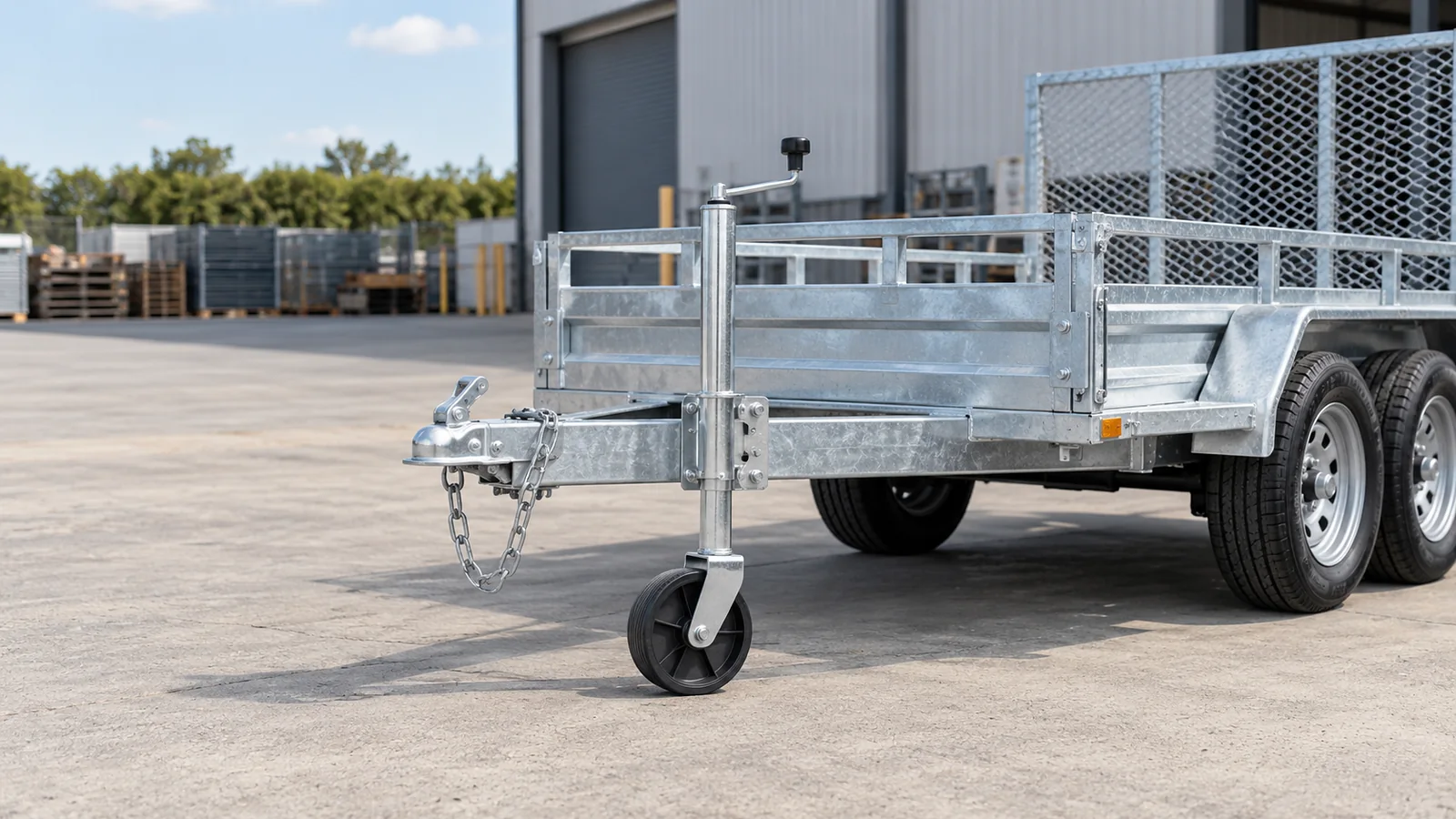
Separate component symptoms from system causes in “Why Swivel Castors Can Shimmy or Wander Under Load”
If a cart wanders, shimmies, scrubs or becomes difficult to steer, inspect load distribution, mounting alignment, frame condition, wheel wear and floor joints before replacing one castor by assumption. A loose or distorted mounting surface can reproduce the same symptom after a new component is installed. When applying this to Why Swivel Castors Can Shimmy or Wander, compare candidates against the same equipment record so material, size and interface changes are reviewed consistently.
Document the symptom with the cart loaded in its normal way and note whether it occurs during straight travel, turning, braking or crossing a threshold. That operating context helps purchasing and engineering teams ask for the right interface or function instead of treating every steering complaint as a wheel-material problem. When applying this to Why Swivel Castors Can Shimmy or Wander, compare candidates against the same equipment record so material, size and interface changes are reviewed consistently.
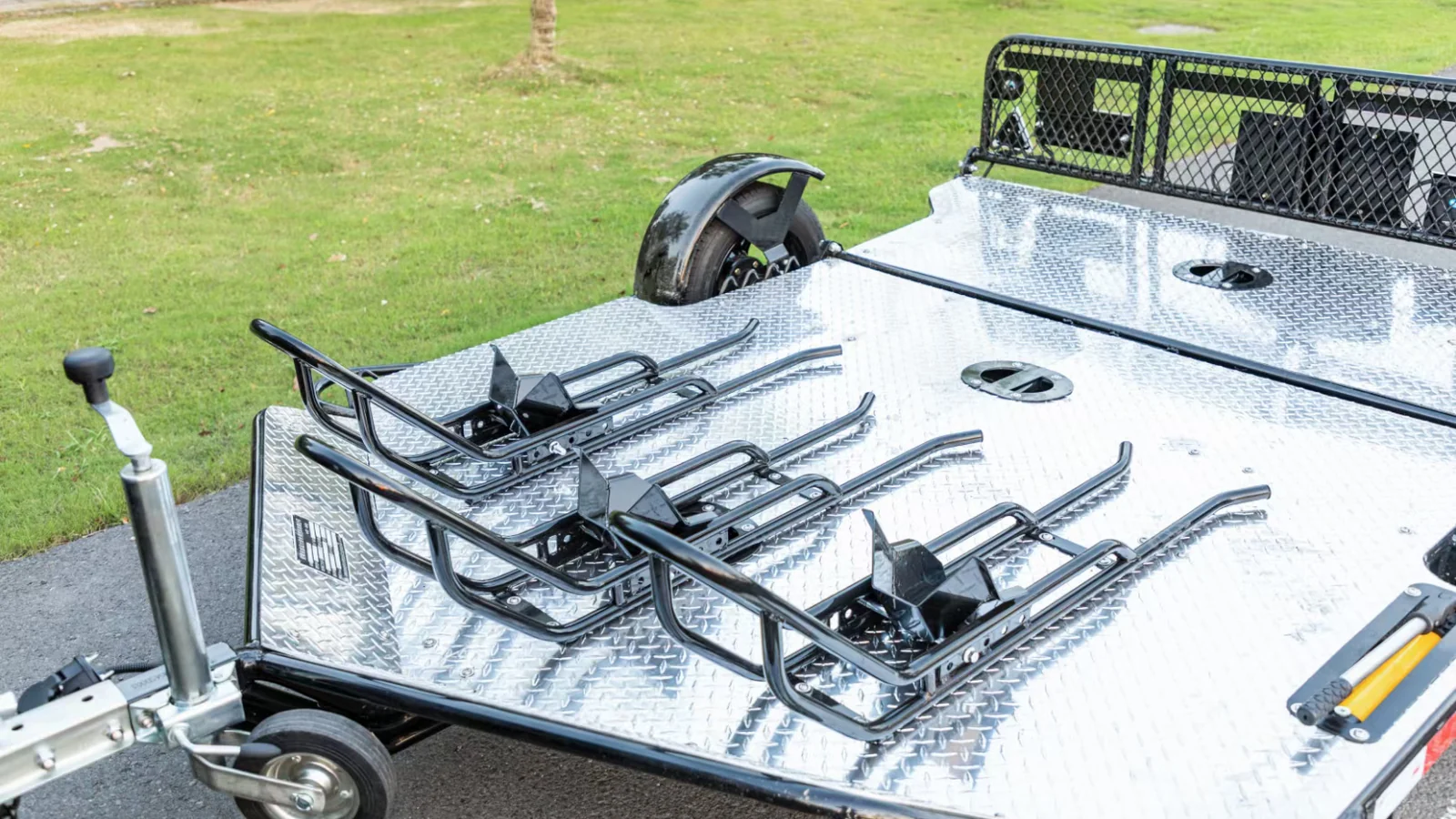
Check the whole cart geometry when applying “Why Swivel Castors Can Shimmy or Wander Under Load”
Steering behaviour is created by the arrangement of wheels, castors and frame, not by one component in isolation. Record wheelbase, track width, location of fixed and swivel positions, handle or tow point, expected direction changes and the surface where the cart is used. Uneven loading or frame flexibility can make a layout behave differently from a simple diagram. When applying this to Why Swivel Castors Can Shimmy or Wander, compare candidates against the same equipment record so material, size and interface changes are reviewed consistently.
For a lock or brake, define exactly what must be restrained: wheel rotation, swivel rotation, direction, or a combination. Use those functional requirements in the RFQ and verify lever access and release clearance on the real equipment instead of relying on a generic product-family name. When applying this to Why Swivel Castors Can Shimmy or Wander, compare candidates against the same equipment record so material, size and interface changes are reviewed consistently.

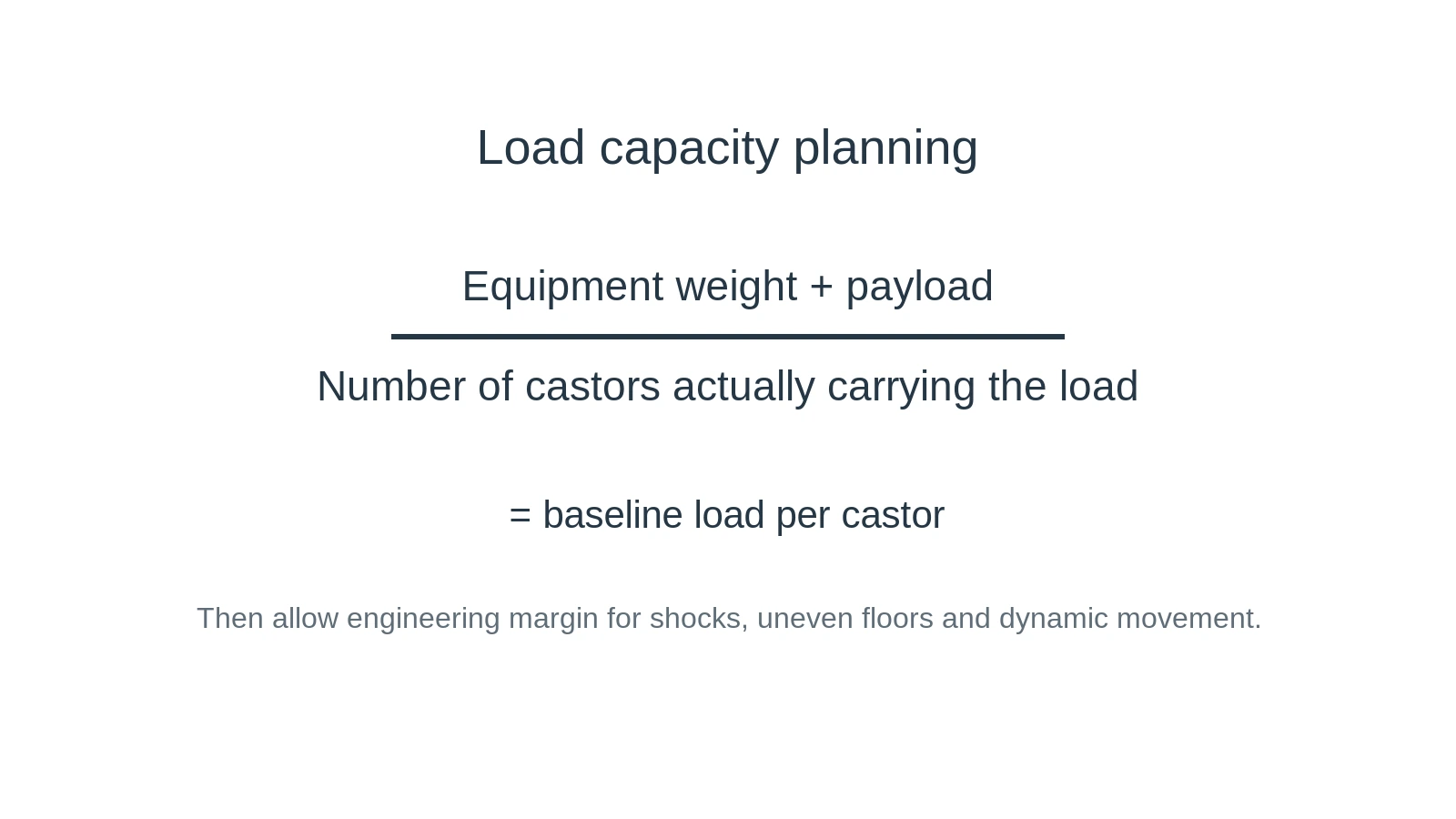
Separate static arithmetic from the load the wheel sees in service — Why Swivel Castors Can Shimmy
Load questions need more than total equipment mass divided by the number of wheels. Floors are not perfectly flat, frames deflect, payloads shift and thresholds can momentarily transfer more load to fewer supporting points. The purpose of the calculation is therefore to establish a transparent baseline and then identify the conditions that can move the real duty away from that baseline. When applying this to Why Swivel Castors Can Shimmy or Wander, compare candidates against the same equipment record so material, size and interface changes are reviewed consistently.
| Saisir | Que faut-il enregistrer ? |
|---|---|
| Masse de l'équipement | Inclure l'équipement lui-même et la charge utile maximale qui sera déplacée. |
| Points d'appui | Déterminez combien de roues supportent la charge de manière fiable dans les conditions normales les moins favorables. |
| événements dynamiques | Énumérer les seuils, rampes, impacts, virages et opérations de remorquage ou de poussée manuelle qui surviennent en service. |
| Environnement | Inclure l'état du sol, les débris, l'humidité et la température lorsqu'ils influencent la tâche ou le choix du matériau. |
Use one consistent set of assumptions when comparing candidate wheels. If one option is evaluated on a smooth unloaded floor and another on a rough loaded route, the comparison is not meaningful. Wheel diameter and material influence how the assembly interacts with obstacles and the floor, but they do not replace a verified product rating. Where a rating is not available for the exact configuration, keep it open for supplier confirmation rather than extrapolating from a neighbouring size. When applying this to Why Swivel Castors Can Shimmy or Wander, compare candidates against the same equipment record so material, size and interface changes are reviewed consistently.
Commissioning should test the conditions used in the selection discussion. Move the equipment slowly through the most demanding normal floor transition and watch load sharing, wheel tracking, bracket movement and operator effort. If the result is unsatisfactory, document the symptom and change one variable at a time. That makes the next engineering decision more informative than replacing several components at once and losing the original cause. When applying this to Why Swivel Castors Can Shimmy or Wander, compare candidates against the same equipment record so material, size and interface changes are reviewed consistently.
How swivel castors can shimmy or wander under changes the RFQ
For “Why Swivel Castors Can Shimmy or Wander Under Load”, the RFQ should state the operating fact that drives the question rather than only repeating the product term. Name the equipment, describe the normal and maximum duty, record the fit-controlling dimensions and identify the symptom or objective that prompted the review. If the decision concerns load, include equipment mass and supporting points; if it concerns material, describe floor and environment; if it concerns mounting, provide the interface geometry; and if it concerns a trailer support wheel, include the support condition, ground and available travel.
Keep required values separate from open questions. A supplier can respond much more usefully to “confirm bore and hub length against attached sketch” than to a guessed dimension presented as final. The same principle applies to load ratings, material grades, brake functions and mounting details. Where a value is verified, label it clearly; where it is not, ask for confirmation. That keeps the quotation aligned with the real equipment and makes later technical review easier without adding another repetitive approval or subsequent orders section to the page. When applying this to Why Swivel Castors Can Shimmy or Wander, compare candidates against the same equipment record so material, size and interface changes are reviewed consistently.
Swivel Castors Can Shimmy or Wander Under FAQ
What is the first thing to confirm for swivel caster shimmy causes?
Commencez par analyser la géométrie de montage, la configuration pivotante/fixe, la fonction de commande, la hauteur d'installation et le dégagement. Cela permettra de contextualiser le reste de la sélection.
Une photo peut-elle remplacer des mesures ?
Une photo facilite l'identification, mais les dimensions critiques pour l'ajustement doivent tout de même être mesurées ou relevées sur un dessin approuvé.
L'acheteur doit-il ajouter un coefficient de sécurité à la charge ?
A safety allowance is commonly used to address unequal load sharing and operating effects, but the appropriate value depends on the application and does not replace the product rating. When applying this to Why Swivel Castors Can Shimmy or Wander, compare candidates against the same equipment record so material, size and interface changes are reviewed consistently.
Que se passe-t-il si le matériau est inconnu ?
Indiquez l'étage et l'environnement d'exploitation, fournissez un échantillon ou une photo et considérez le matériau comme un élément de confirmation plutôt que de deviner d'après la couleur.
Discuss your swivel caster shimmy causes requirement
Veuillez nous envoyer la demande, les données de charge, les dimensions de compatibilité, la quantité et toute photo ou illustration pertinente. Ces informations nous permettront de cibler la gamme de produits sans procéder par suppositions.