
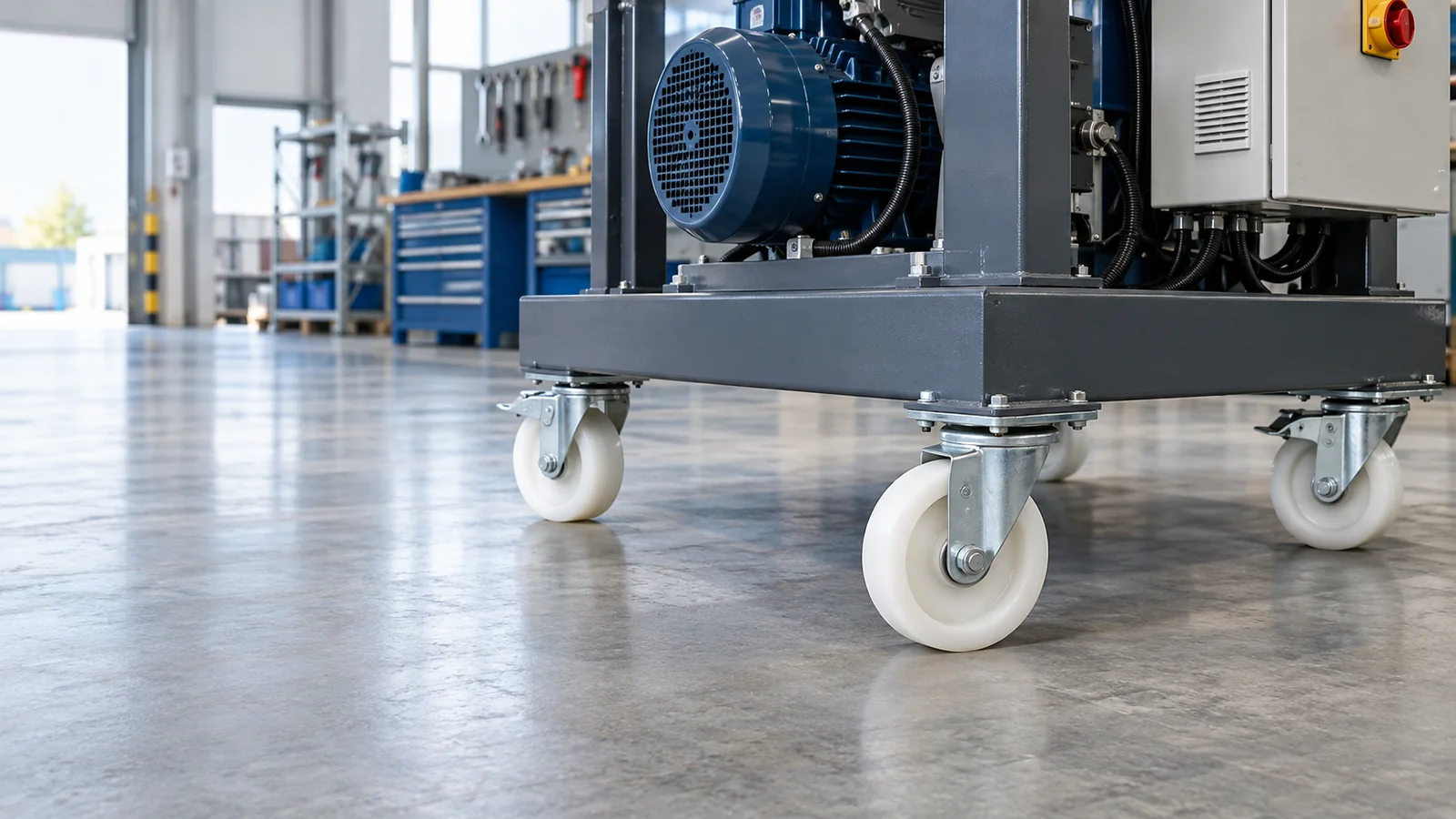
Döner tekerlekler yük altında neden titrer veya yerinden oynar?
Döner tekerleklerin titreme nedenlerine yönelik pratik bir alıcı kılavuzu; ölçülebilir çalışma koşullarına ve teklif talebine hazır kararlara odaklanmıştır.
Bu sorunun önemi — Döner tekerlekler neden titreyebilir?
Endüstriyel bir alıcı için, döner tekerlekteki titreme nedenleri tek başına değerlendirilmemesi gereken bir faktördür. Asıl önemli olan, tekerleğin tamamı, montajı ve kullanım döngüsü kararı bağlamında nasıl davrandığıdır.
Endüstriyel arabalar, makine tabanları ve öngörülebilir direksiyon veya park kontrolü gerektiren mobil çerçeveler için, öncelikle montaj geometrisini, döner/sabit düzeni, kontrol fonksiyonunu, monte edilmiş yüksekliği ve boşluğu doğrulayarak işe başlayın. Bu, genellikle nominal ürün adlarını karşılaştırmaktan daha faydalıdır çünkü görsel olarak benzer iki tekerlek, montaj, zemin koşulları ve gerçek yük dağılımı dikkate alındığında farklı davranabilir.
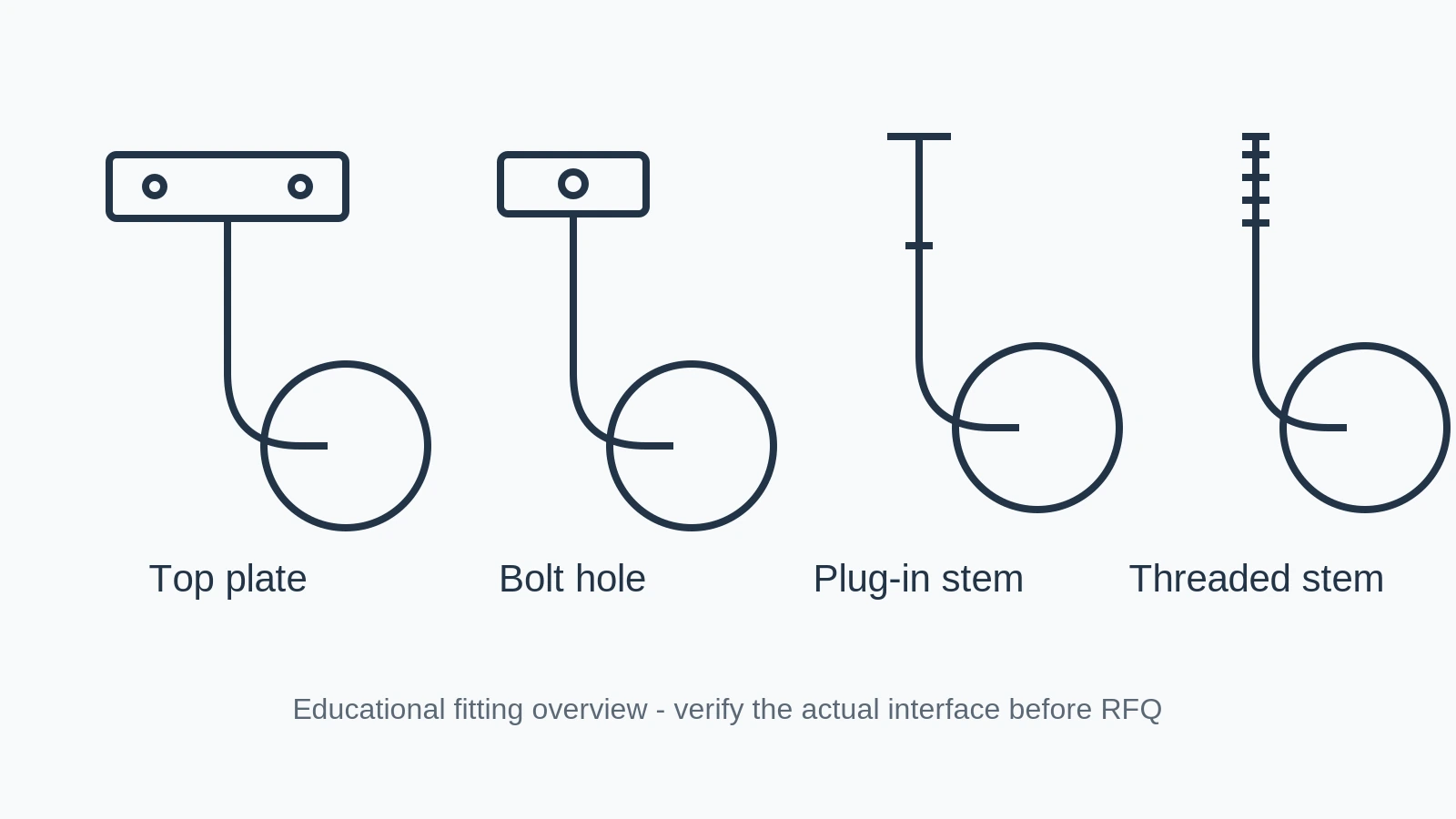
Bu aynı zamanda sık yapılan bir tedarik hatasını da önler: yalnızca görünüşe göre seçim yapmak. İki braket, farklı delik desenleri, ofsetler, kilit fonksiyonları veya döner zarflar kullanırken birbirine benzeyebilir. Ticari görüşmenin teknik olarak anlamlı bir temelden başlaması için, sorgulama sırasında plaka veya gövde boyutlarını, bağlantı elemanlarını, monte edilmiş yüksekliği, tekerlek düzenini, kilit fonksiyonunu, yükü ve miktarı kaydedin.
Öncelikle çalışma koşulunu tanımlayın — Döner tekerlekler neden titreyebilir?
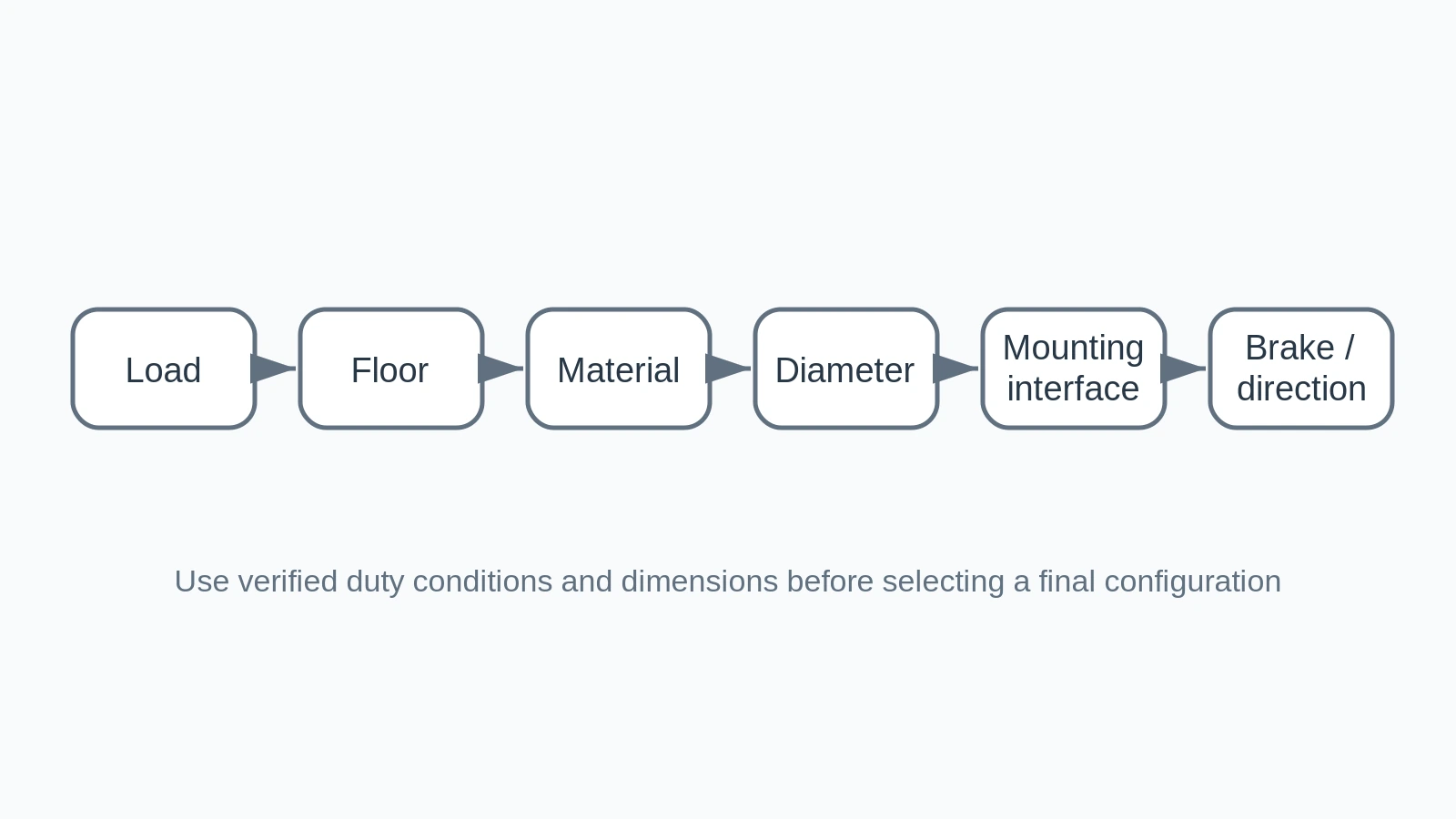
Ürünleri karşılaştırmadan önce, ekipmanın görevini tek bir cümleyle yazın: neyin hareket etmesi gerekiyor, ne tür yük taşıyor, nereye gidiyor ve ne sıklıkla yeniden konumlandırılıyor. Bu açıklama, bir parametreyi evrensel bir kural haline getirmeden, döner tekerleklerin titreme nedenlerine ilişkin bağlam sağlar.
Endüstriyel arabalar, makine tabanları ve öngörülebilir direksiyon veya park kontrolü gerektiren mobil çerçeveler için ilk inceleme, montaj geometrisi, döner/sabit yerleşim, kontrol fonksiyonu, monte edilmiş yükseklik ve boşluk konularını kapsamalıdır. Bir değer bilinmiyorsa, tipik bir sayı yerine ölçüm için işaretleyin. Teklif talebinin amacı boşlukları kapatmaktır, gizlemek değil. Bunu "Döner Tekerleklerin Neden Titremesi veya Sapması" örneğine uygularken, malzeme, boyut ve arayüz değişikliklerinin tutarlı bir şekilde incelenmesi için adayları aynı ekipman kaydıyla karşılaştırın.
Yanlış eşleşmeleri önleyen ölçümler — Döner tekerlekler neden sallanabilir?
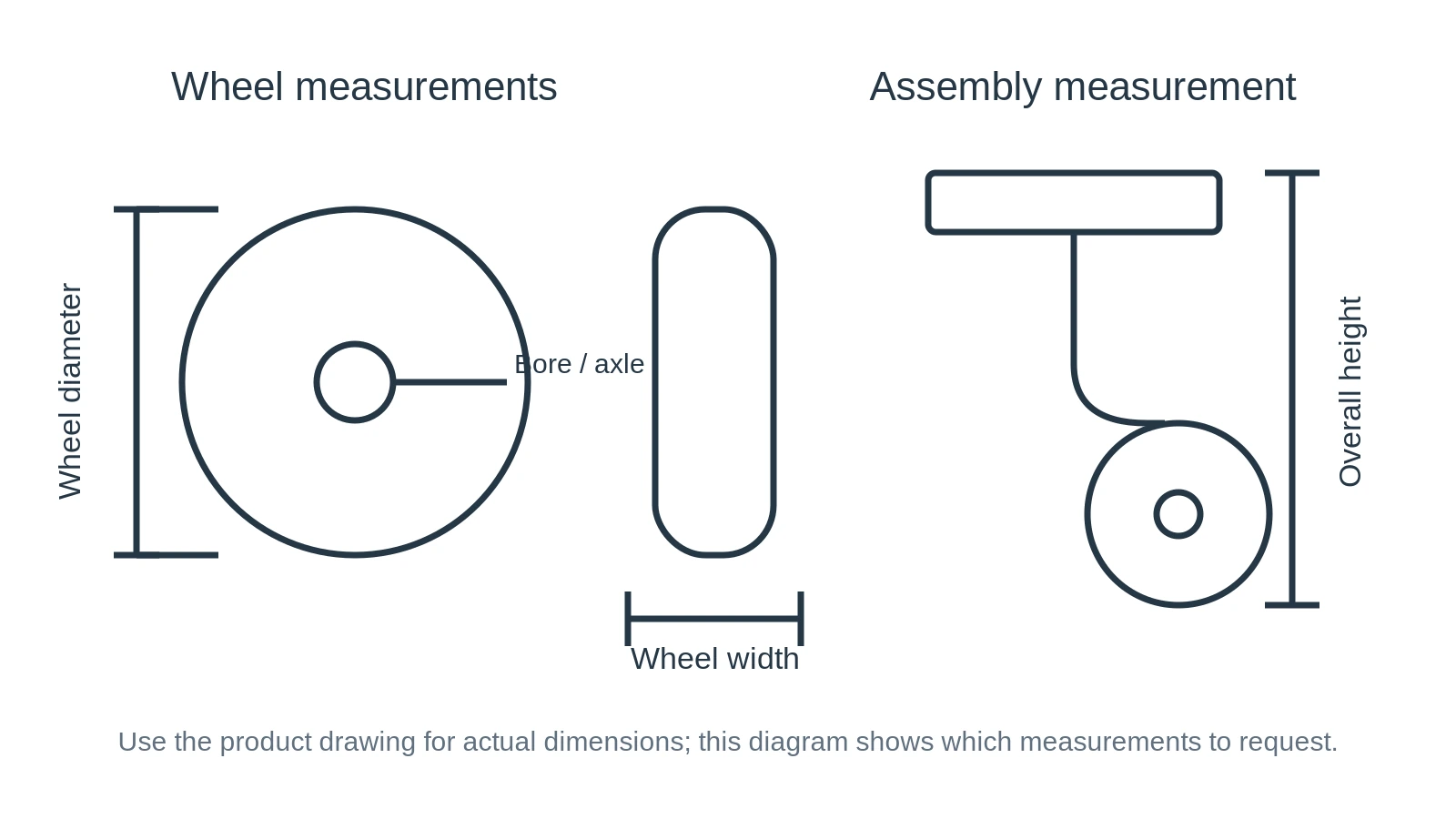
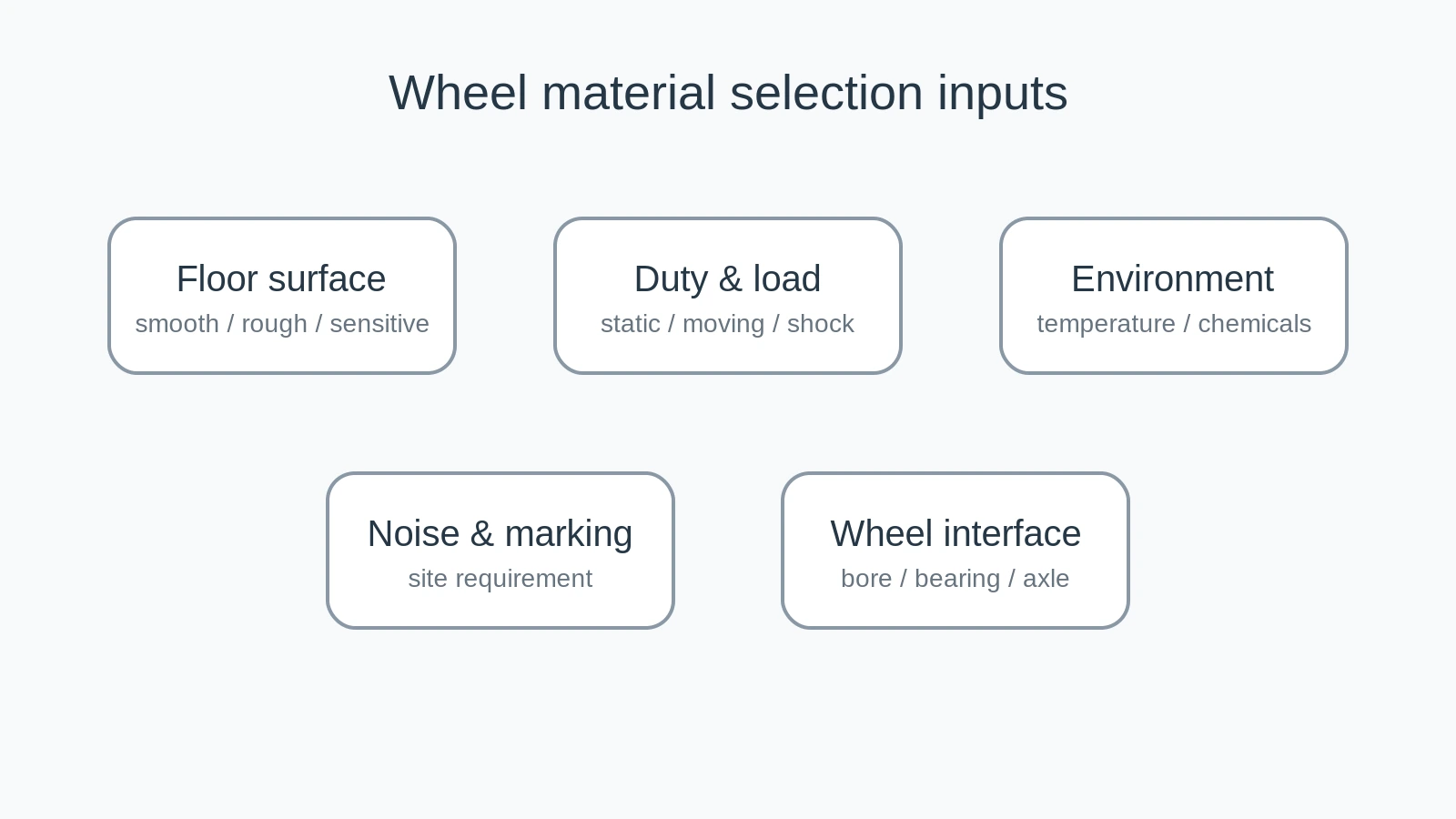
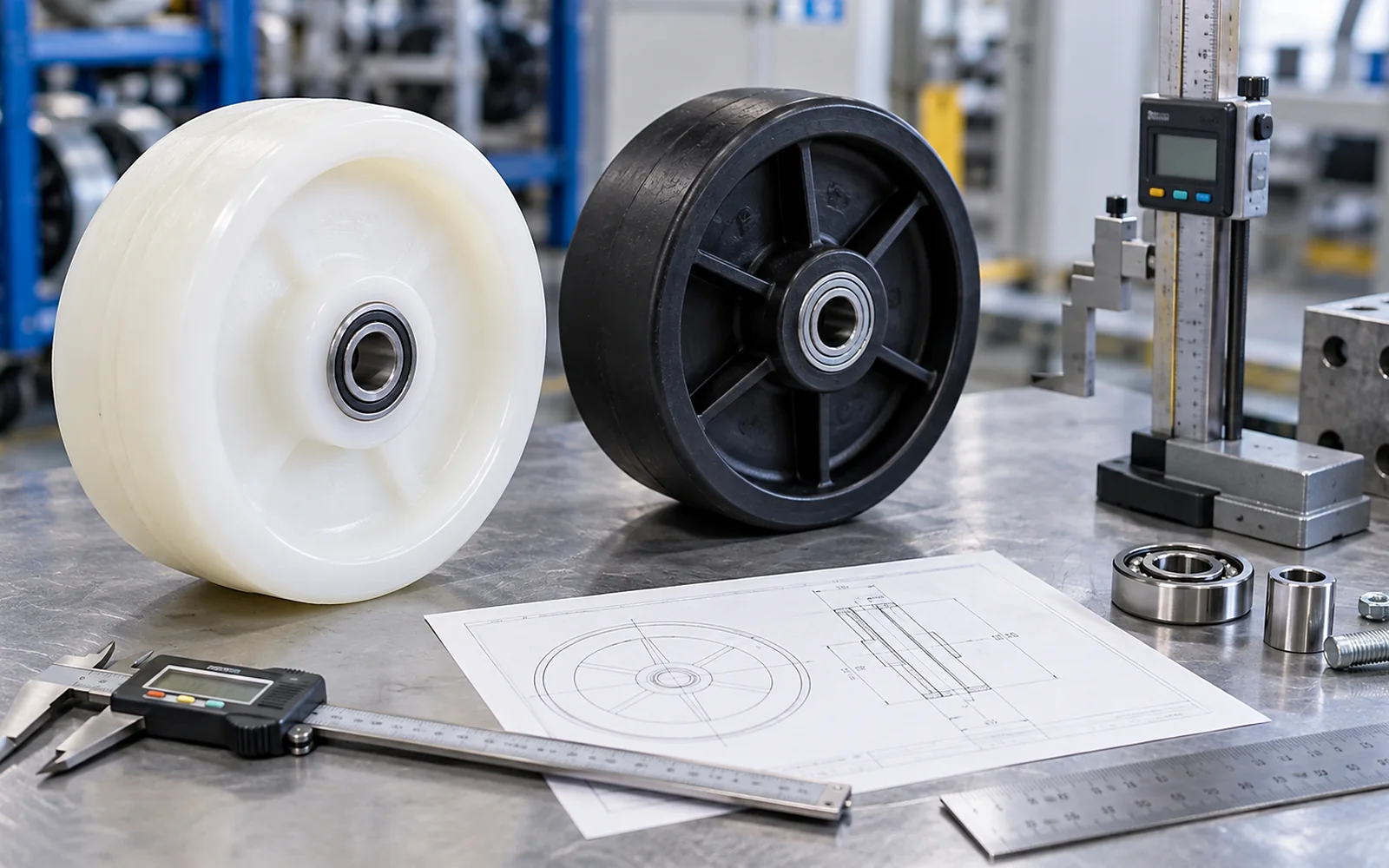
Değiştirme işlerinde tutarlı bir ölçüm rutini faydalıdır. Tekerlek çapını ve genişliğini kaydedin, ardından göbeğe doğru ilerleyin: delik veya rulman tipi, aks çapı, göbek uzunluğu ve ara parçalar. Komple montajlar için, takılı yüksekliği ve montaj geometrisini ekleyin. Bir boyutun tanımlanması zor olduğunda, ölçüm aletinin yerinde fotoğrafını çekin. Bunu "Döner Tekerleklerin Neden Titremesi veya Sapması" sorusuna uygularken, malzeme, boyut ve arayüz değişikliklerinin tutarlı bir şekilde incelenmesi için adayları aynı ekipman kaydıyla karşılaştırın.
Orijinal çap önemliyse, aşınmış tekerlek yüzeyini tek referans olarak kullanmayın. Aşırı aşınmış bir tekerlek, asıl sorun malzeme kaybı olduğunda, değiştirilen tekerleğin çok büyük görünmesine neden olabilir. Benzer şekilde, bükülmüş bir çatal veya doğaçlama bir ara parça, görünür ofseti değiştirebilir. Bunu "Döner Tekerleklerin Neden Titremesi veya Sapması" sorusuna uygularken, malzeme, boyut ve arayüz değişikliklerinin tutarlı bir şekilde incelenmesi için adayları aynı ekipman kaydıyla karşılaştırın.
Yük, zemin ve hareket etkileşim halindedir — Döner tekerlekler neden sallanabilir?
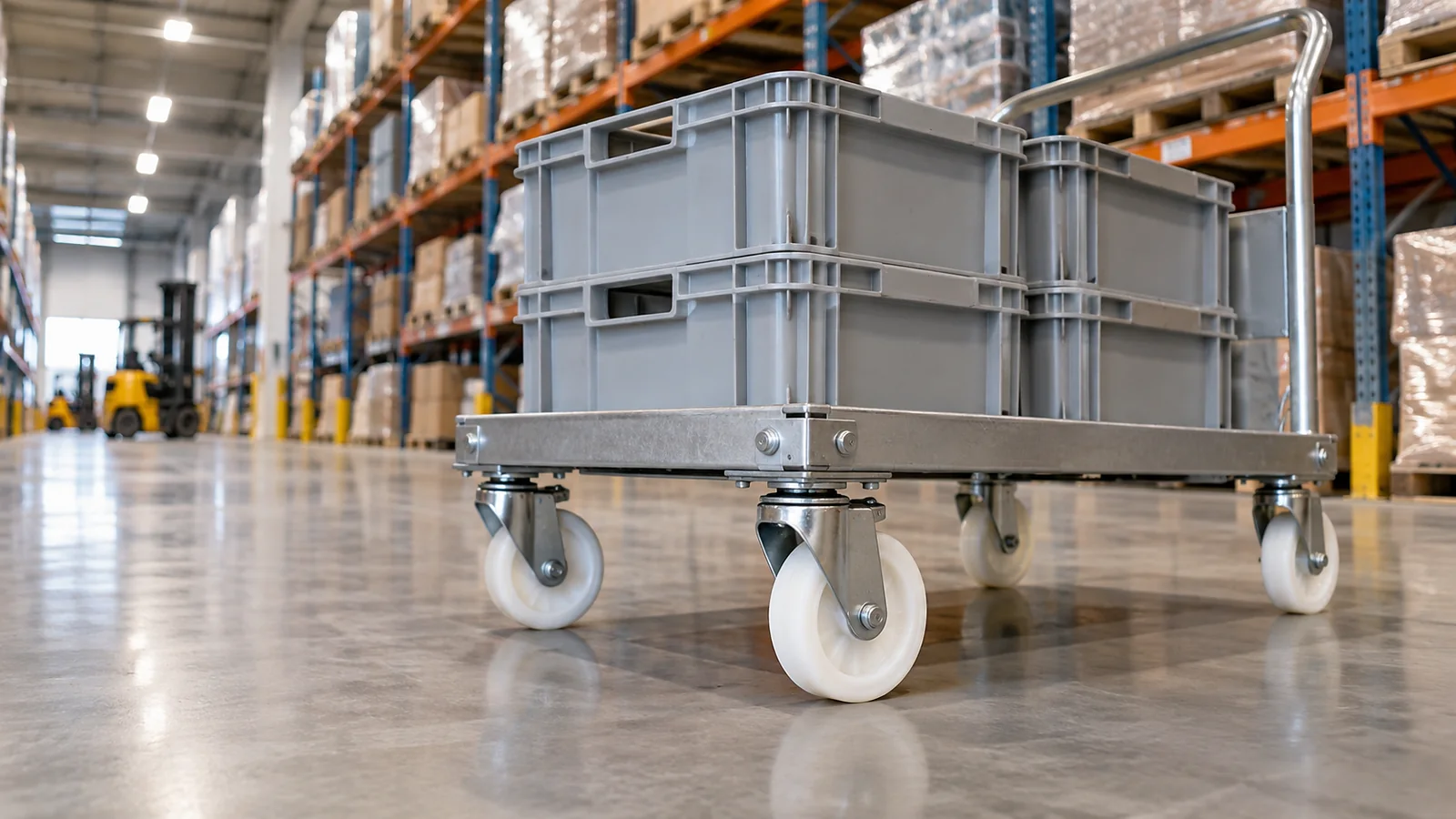
Yük kapasitesi, ekipmanın hareket şeklinden bağımsız değildir. Bir araba eşikten geçerken, statik park durumunda olmayan darbe kuvvetleri oluşturabilir. Düz olmayan bir zemin, yükü dört nominal destek noktasından üçüne kaydırabilir. Bir römork destek tekerleği, mütevazı bir dikey çekme çubuğu yükü taşıyabilir, ancak gevşek zeminde önemli manevra çabası gerektirebilir. Bunu "Döner Tekerleklerin Neden Titremesi veya Sapması" sorusuna uygularken, malzeme, boyut ve arayüz değişikliklerinin tutarlı bir şekilde incelenmesi için adayları aynı ekipman kaydıyla karşılaştırın.
Azami normal yükü, olağanüstü yükü, zemin veya döşemeyi, kat edilen mesafeyi ve engel sıklığını kaydedin. Bu kombinasyon, tek bir brüt ağırlığa göre daha iyi bir seçim temeli sağlar.
Kontrol fonksiyonu hareket düzeniyle uyumlu olmalıdır — Döner tekerlekler neden titreyebilir?
Tekerlek freni tekerlek dönüşüne etki eder; döner kilit braket yönünü kontrol eder; tam kilit ise her ikisini de kontrol edebilir. Sabit tekerlek dönmez. Bu işlevler farklı direksiyon davranışları üretir, bu nedenle yerleşim, koridor uzunluğuna, dönüş alanına, operatör erişimine ve ekipmanın nasıl park edildiğine bağlıdır. Bunu "Döner Tekerleklerin Neden Titreyebileceği veya Sapabileceği" sorusuna uygularken, malzeme, boyut ve arayüz değişikliklerinin tutarlı bir şekilde incelenmesi için adayları aynı ekipman kaydıyla karşılaştırın.
Tekerlek düzenini, tek tek köşeleri değil, aracın tamamını bir bütün olarak değerlendirin.
Döner tekerleklerde dikkat edilmesi gereken arıza belirtileri arasında, tekerleklerin sallanması veya yerinden oynaması yer alır.
İki braket, farklı delik desenleri, ofsetler, kilit fonksiyonları veya döner çerçeveler kullanırken birbirine benzeyebilir. Benzer belirtiler ayrıca gevşek bağlantı elemanlarından, aşınmış rulmanlardan, yanlış hizalamadan, kirlenmiş zeminlerden veya artık kare olmayan bir çerçeveden de kaynaklanabilir. Tekerlek malzemesini suçlamadan önce, montajı inceleyin ve farklı pozisyonlardaki aşınma desenlerini karşılaştırın. Bunu "Döner Tekerleklerin Neden Titremesi veya Sapması" sorusuna uygularken, malzeme, boyut ve arayüz değişikliklerinin tutarlı bir şekilde incelenmesi için adayları aynı ekipman kaydıyla karşılaştırın.
Eğer sadece bir köşe hızla aşınıyorsa, o köşenin yükünü ve hizalamasını inceleyin. Tüm tekerleklerde aynı hasar varsa, kullanım amacını, zemin ve malzeme özelliklerini gözden geçirin. Bir işlem değişikliğinden sonra aşınma hızlanıyorsa, yeni kirletici maddeyi, temizlik maddesini, sıcaklığı veya hareket modelini kaydedin. Bunu "Döner Tekerleklerin Neden Titremesi veya Sapması" sorusuna uygularken, malzeme, boyut ve arayüz değişikliklerinin tutarlı bir şekilde incelenmesi için adayları aynı ekipman kaydıyla karşılaştırın.
Teklif talebi (RFQ) satırı nasıl yazılır — Döner tekerlekler neden sallanabilir?
Her konfigürasyon için bir satır kullanın ve gereksinimi, başka bir mühendisin orijinal konuşmaya gerek kalmadan anlayabileceği şekilde yazın. Plaka veya gövde boyutlarını, bağlantı elemanlarını, monte edilmiş yüksekliği, tekerlek düzenini, kilit fonksiyonunu, yükü ve miktarı ekleyin. Doğru çizimi veya fotoğraf setini ekleyin. Bir arayüz boyutu bilinmiyorsa, tahmini bir değer kullanmak yerine "ölçüm bekleniyor" deyin. Bunu "Döner Tekerleklerin Neden Titremesi veya Sapması"na uygularken, malzeme, boyut ve arayüz değişikliklerinin tutarlı bir şekilde incelenmesi için adayları aynı ekipman kaydıyla karşılaştırın.
Birden fazla model içeren siparişlerde, miktarları ayrı tutun ve hangi boyutların ortak olduğunu belirtin.
Döner tekerlekler, karar kontrol listesi kapsamında sallanabilir veya yerinden oynayabilir.
- Maksimum normal yük biliniyor mu?
- Destek tekerlekleri yükü eşit olarak paylaşabilir mi?
- Gerçek zemin/kat tarif edilmiş mi?
- Tekerlek ve arayüz boyutları ölçülüyor mu?
- Kontrol fonksiyonu anlaşılır mı?
- Özel malzeme/yüzey/çevre gereksinimleri belirtilmiş mi?
- Miktar doğru modele mi bağlı?
Devam edin birincil seçim sayfası, karşılaştırmak mevcut ürün aileleriveya şunu kullanın Teklif talebi formu.
Teknik soruyu pratik bir saha kontrolüne dönüştürün — Döner tekerlekler neden titreyebilir?
Aşağıdaki maddeler, genel bir ürün etiketini eksiksiz bir spesifikasyon olarak ele almadan, makale konusunu ölçüm, kurulum ve saha gözlemi alanlarına uygulamaktadır.
Kurulumla döngüyü tamamlayın — Döner tekerlekler neden sallanabilir?
Bir numune veya ilk parti takıldıktan sonra, gerçek davranışı RFQ varsayımlarıyla karşılaştırın. Girişimi, olağandışı aşınmayı veya hareketi kaydedin ve bir sonraki satın alma şartnamesine ekleyin. Bu, tek bir değişimi kontrollü bir bakım standardına dönüştürür. Bunu "Döner Tekerleklerin Neden Titremesi veya Sapması"na uygularken, malzeme, boyut ve arayüz değişikliklerinin tutarlı bir şekilde incelenmesi için adayları aynı ekipman kaydıyla karşılaştırın.
Döner tekerleklerin takılması sırasında nelere dikkat edilmeli? Tekerlekler sallanabilir veya yerinden oynayabilir.
Normal çalışma öncesinde, kontrollü yük ve düşük hız altında döner tekerlek titremesinin nedenlerini belirlemek için yeni veya yedek bir konfigürasyon devreye alın. Sürtünme, braket teması, tekerlek sallanması, direksiyon dengesizliği, bağlantı elemanı hareketi ve güverte veya çeki demiri yüksekliğindeki herhangi bir değişikliğe dikkat edin. Amaç, tekerleğin döndüğünü doğrulamaktan ziyade, seçim sırasında yapılan varsayımları test etmektir.
Endüstriyel arabalar, makine tabanları ve öngörülebilir direksiyon veya park kontrolü gerektiren mobil çerçeveler için, ilk denemede en zorlu normal zemin veya yer geçişini dahil edin. Sistem bir eşik, rampa veya pürüzlü birleşim yerinden geçmek zorundaysa, orada gözlemleyin. Sonucu, RFQ'da kullanılan aynı model referansıyla belgeleyin, böylece gelecekteki siparişler hafızaya güvenmek yerine kullanışlı bir temel oluşturur. Bunu "Döner Tekerleklerin Neden Titremesi veya Sapması"na uygularken, malzeme, boyut ve arayüz değişikliklerinin tutarlı bir şekilde incelenmesi için adayları aynı ekipman kaydıyla karşılaştırın.
Döner tekerlekler için önemli olan bakım kayıtları, tekerleklerin kayması veya yerinden oynaması durumunda ortaya çıkabilir.
Tekerlek konumunu, montaj tarihini, kullanım amacını, değiştirme nedenini ve olağandışı zemin olaylarını kaydedin. Döner tekerleklerdeki titreme nedenlerini araştıran bir programda, bu basit geçmiş, aşınmanın rastgele mi, konuma özgü mü yoksa değişen bir ortamla mı bağlantılı olduğunu belirlemeye yardımcı olur. Bir köşesinden tekrar tekrar arızalanan bir tekerlek, genel bir malzeme sorunundan ziyade yük yoğunlaşmasına, hizalamaya veya yerel kirlenmeye işaret edebilir.
Eski tekerlek çıkarıldığında aksı, ara parçaları, rulmanları, braketi ve bağlantı elemanlarını inceleyin. Plaka veya gövde boyutları, bağlantı elemanları, takılı yükseklik, tekerlek düzeni, kilit fonksiyonu, yük ve miktar ile doğrudan ilgili ölçümleri kaydedin. Bir bileşen kullanım sırasında değiştirilmişse, yeni parçayı takmadan önce değişikliğin fotoğrafını çekin ve değiştirilmiş durumun resmi ekipman spesifikasyonunun bir parçası olup olmayacağına karar verin. Bunu "Döner Tekerleklerin Neden Titremesi veya Sapması"na uygularken, malzeme, boyut ve arayüz değişikliklerinin tutarlı bir şekilde incelenmesi için adayları aynı ekipman kaydıyla karşılaştırın.
Çalışma aralığıyla başlayın — Döner tekerlekler neden titreyebilir?
“Döner tekerleklerin yük altında neden titreyebileceği veya yerinden oynayabileceği” sorusunun pratik değeri, evrensel bir evet-hayır cevabı değildir. Faydalı sınır, sorunun ortaya çıktığı ekipman ve görevdir. Döner ve sabit tekerlek düzeni, döner ofset, montaj sertliği, dingil mesafesi, hız, koridor uzunluğu, zemin durumu, kilit fonksiyonu ve yük dağılımını not edin. Bu alanları bir arada tutmak, bir ürün tanımlama sorusunu bir mühendislik seçim sorusundan ayırmayı mümkün kılar ve görsel olarak benzer bir parçanın otomatik olarak birbirinin yerine kullanılabilir olarak değerlendirilmesini önler.
En iyi durum tanımından ziyade en zorlu normal koşulu kullanın. Ekipman bazen bir eşiği geçiyorsa, dış mekanda çalışıyorsa, dengesiz bir yük taşıyorsa veya uzun süre statik yük altında kaldıktan sonra manevra yapıyorsa, bu koşulu da ekleyin. Amaç, başka bir mühendisin veya alıcının orijinal bileşeni görmeden anlayabileceği tekrarlanabilir bir gereksinimdir. Bunu "Döner Tekerleklerin Neden Titremesi veya Sapması" örneğine uygularken, malzeme, boyut ve arayüz değişikliklerinin tutarlı bir şekilde incelenmesi için adayları aynı ekipman kaydıyla karşılaştırın.
Sabit referans noktalarından ölçüm yapın — Döner tekerlekler neden titreyebilir?
Bu konu için, döner ve sabit tekerlek düzenini, döner ofsetini, montaj sertliğini, dingil mesafesini, hızı, koridor uzunluğunu, zemin durumunu, kilit fonksiyonunu ve yük dağılımını kaydedin. Çizim mevcut değilse, boyutlandırılmış fotoğraflar kullanın ve her ölçüm için kullanılan referans noktalarını gösterin. Eski parça aşınmış, bükülmüş veya onarılmışsa, hasarlı geometriyi tasarım hedefi olarak ele almak yerine etkilenen boyutu işaretleyin. Bunu "Döner Tekerleklerin Neden Titremesi veya Sapması" konusuna uygularken, malzeme, boyut ve arayüz değişikliklerinin tutarlı bir şekilde incelenmesi için adayları aynı ekipman kaydıyla karşılaştırın.
Karşılaştırma tablosu, sütun veya satır başına bir konfigürasyonla en iyi sonucu verir. Ölçülen değerleri, gerekli değerleri ve isteğe bağlı tercihleri ayrı tutun. Bu basit ayrım, bir tedarikçi teklifinin veya eski bir katalog değerinin incelenmeden gerekli spesifikasyona kopyalanma olasılığını azaltır. Ayrıca, daha sonraki fiyat teklifi revizyonlarının denetlenmesini kolaylaştırır. Bunu "Döner Tekerleklerin Neden Titreyebileceği veya Yerinden Oynayabileceği" örneğine uygularken, malzeme, boyut ve arayüz değişikliklerinin tutarlı bir şekilde incelenmesi için adayları aynı ekipman kaydıyla karşılaştırın.
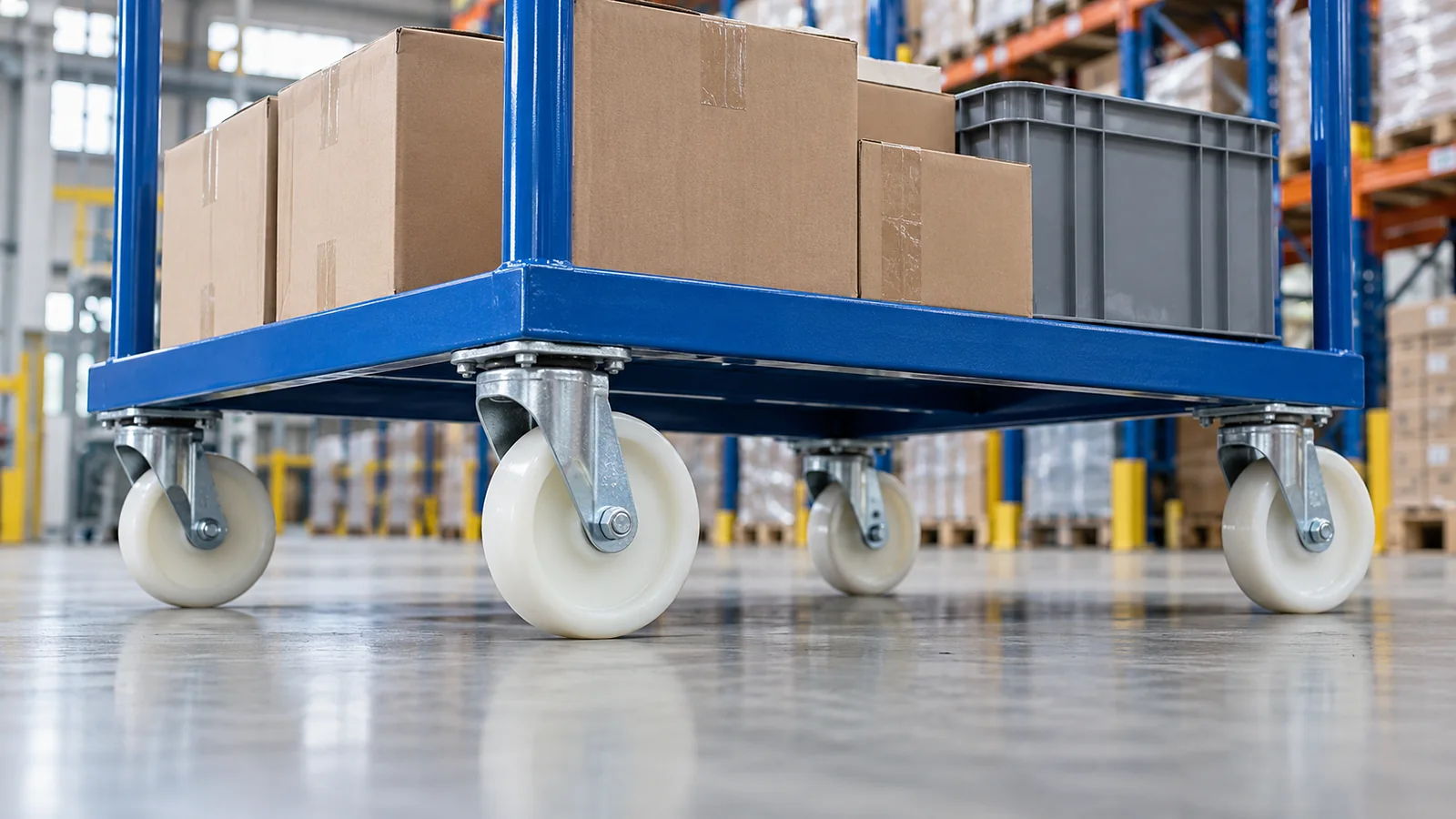
Fotoğraf yerine varsayımı deneyin — Döner tekerlekler neden sallanabilir?
Bir aday monte edildikten sonra, ekipmanı yavaşça düz hareket ve dönüşlerde itin, her kilidi ayrı ayrı devreye alın, normal zemin bağlantılarını geçin ve titreme, çekme, tekerlek sürtünmesi, braket hareketi ve operatörden gereken çabayı gözlemleyin. İlk deneme, ekipmanın hareket edebildiğini kanıtlamaktan ziyade tekerleği ve montajı gözlemlemek için yeterince yavaş olmalıdır. Sürtünme, beklenmedik yan hareket, bağlantı elemanı hareketi, tekerlek sallanması, girişim ve operatör çabasındaki değişikliğe bakın. Bunu "Döner Tekerleklerin Neden Titremesi veya Sapması"na uygularken, malzeme, boyut ve arayüz değişikliklerinin tutarlı bir şekilde incelenmesi için adayları aynı ekipman kaydıyla karşılaştırın.
Sonuç tatmin edici değilse, birden fazla değişkeni aynı anda değiştirmeden önce belirtiyi kaydedin. Tekerlek çapı, malzeme, montaj hizalaması veya direksiyon düzeni gibi kontrollü bir değişiklik, tüm düzeneği değiştirmek ve orijinal sorunun nedenini kaybetmekten daha yararlı bilgi sağlar. Bunu "Döner Tekerleklerin Neden Titremesi veya Sapması"na uygularken, malzeme, boyut ve arayüz değişikliklerinin tutarlı bir şekilde incelenmesi için adayları aynı ekipman kaydıyla karşılaştırın.
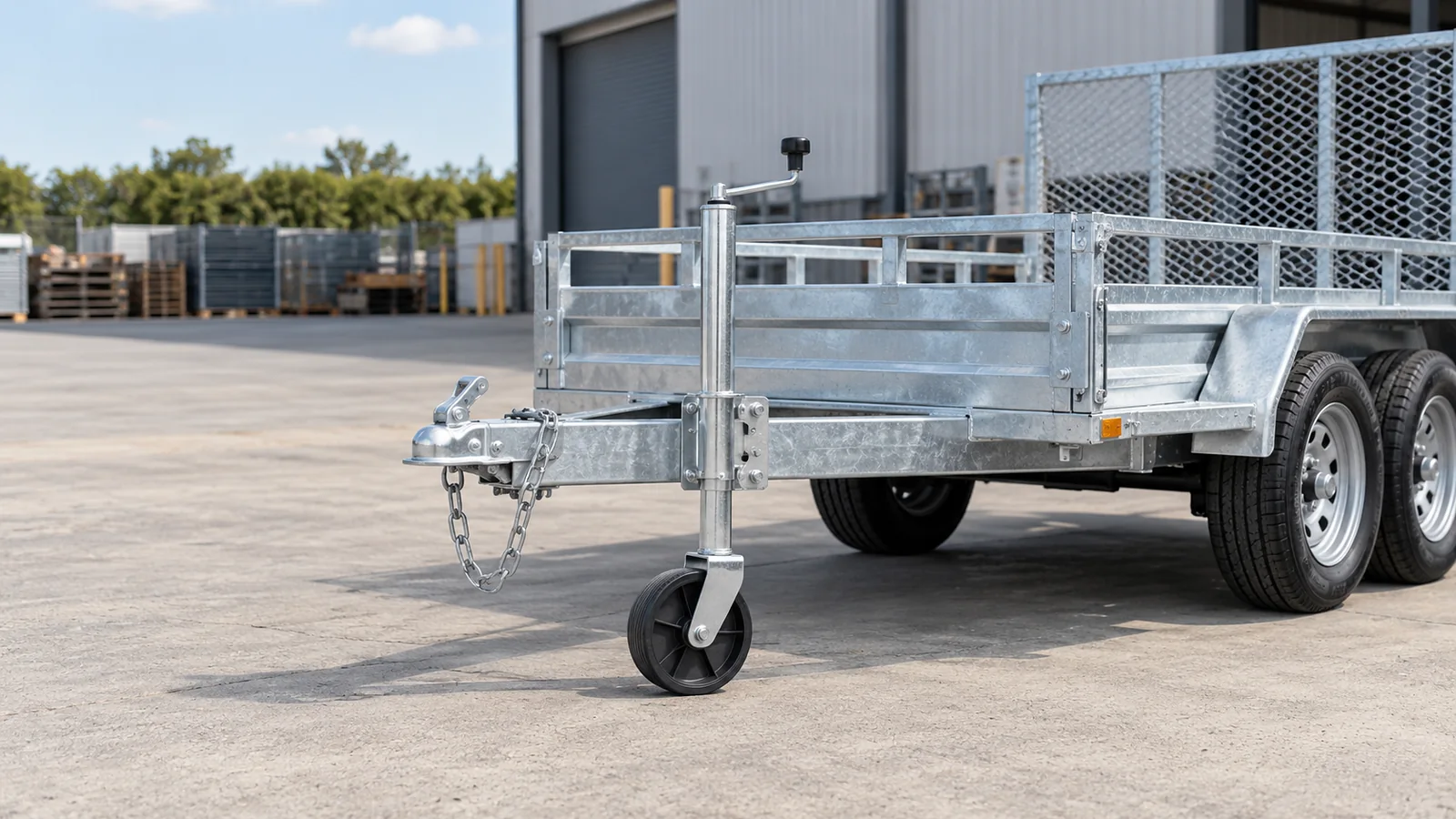
"Döner Tekerleklerin Yük Altında Titremesi veya Yerinden Oynaması Nedenleri" başlıklı makalede, bileşen belirtilerini sistem nedenlerinden ayırın.
Eğer bir tekerlekli araba sağa sola savruluyor, titriyor, sürtünüyor veya yönlendirilmesi zorlaşıyorsa, tekerleklerden birini varsayıma dayalı olarak değiştirmeden önce yük dağılımını, montaj hizalamasını, çerçeve durumunu, tekerlek aşınmasını ve zemin bağlantılarını inceleyin. Gevşek veya deforme olmuş bir montaj yüzeyi, yeni bir parça takıldıktan sonra aynı belirtiyi tekrarlayabilir. Bunu "Döner Tekerleklerin Neden Titremesi veya Sağa Sola Savrulması" sorusuna uygularken, malzeme, boyut ve arayüz değişikliklerinin tutarlı bir şekilde incelenmesi için adayları aynı ekipman kaydıyla karşılaştırın.
Belirtiyi, araba normal şekilde yüklüyken belgeleyin ve düz hareket sırasında, dönüşlerde, frenlemede veya eşik geçişlerinde olup olmadığını not edin. Bu çalışma bağlamı, satın alma ve mühendislik ekiplerinin her direksiyon şikayetini tekerlek malzemesi sorunu olarak ele almak yerine doğru arayüzü veya işlevi talep etmelerine yardımcı olur. Bunu "Döner Tekerleklerin Neden Titremesi veya Sapması"na uygularken, malzeme, boyut ve arayüz değişikliklerinin tutarlı bir şekilde incelenmesi için adayları aynı ekipman kaydıyla karşılaştırın.
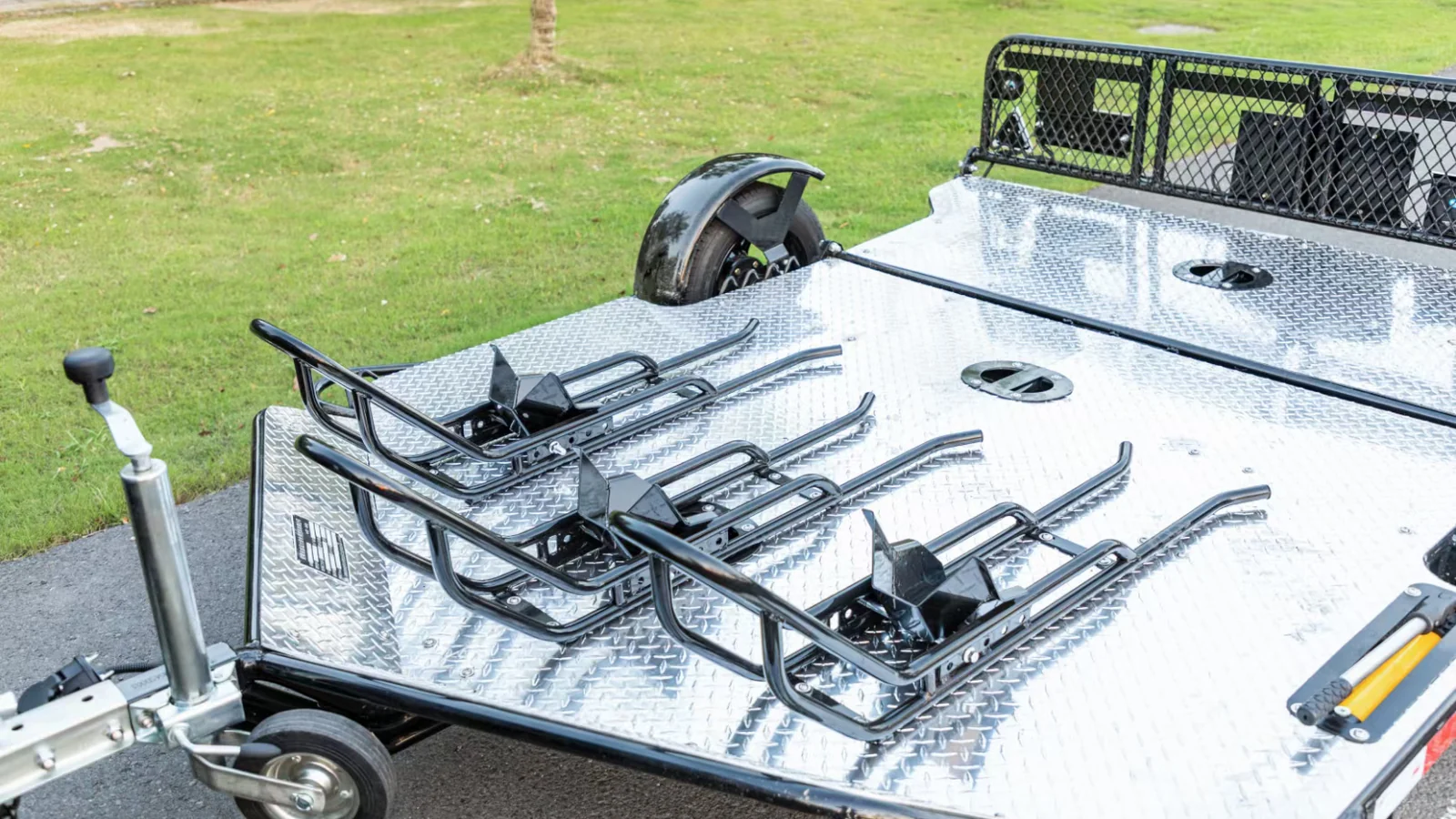
"Döner tekerleklerin yük altında neden titreyebileceği veya yerinden oynayabileceği" başlıklı makaleyi uygularken, arabanın tüm geometrisini kontrol edin.
Direksiyon davranışı, tek bir bileşenin izole bir şekilde çalışmasından ziyade, tekerleklerin, döner tekerleklerin ve çerçevenin düzenlenmesiyle oluşturulur. Tekerlek mesafesini, iz genişliğini, sabit ve döner konumların yerini, tutamağı veya çekme noktasını, beklenen yön değişikliklerini ve arabanın kullanıldığı yüzeyi kaydedin. Dengesiz yükleme veya çerçeve esnekliği, bir düzenin basit bir diyagramdan farklı davranmasına neden olabilir. Bunu "Döner Tekerleklerin Neden Titremesi veya Sapması"na uygularken, malzeme, boyut ve arayüz değişikliklerinin tutarlı bir şekilde incelenmesi için adayları aynı ekipman kaydıyla karşılaştırın.
Bir kilit veya fren için, tam olarak neyin kısıtlanması gerektiğini tanımlayın: tekerlek dönüşü, döner mekanizma dönüşü, yön veya bunların bir kombinasyonu. Bu işlevsel gereksinimleri teklif talebinde kullanın ve genel bir ürün ailesi adına güvenmek yerine, gerçek ekipman üzerinde kol erişimini ve serbest bırakma açıklığını doğrulayın. Bunu "Döner Tekerleklerin Neden Titremesi veya Sapması" sorusuna uygularken, malzeme, boyut ve arayüz değişikliklerinin tutarlı bir şekilde incelenmesi için adayları aynı ekipman kaydıyla karşılaştırın.
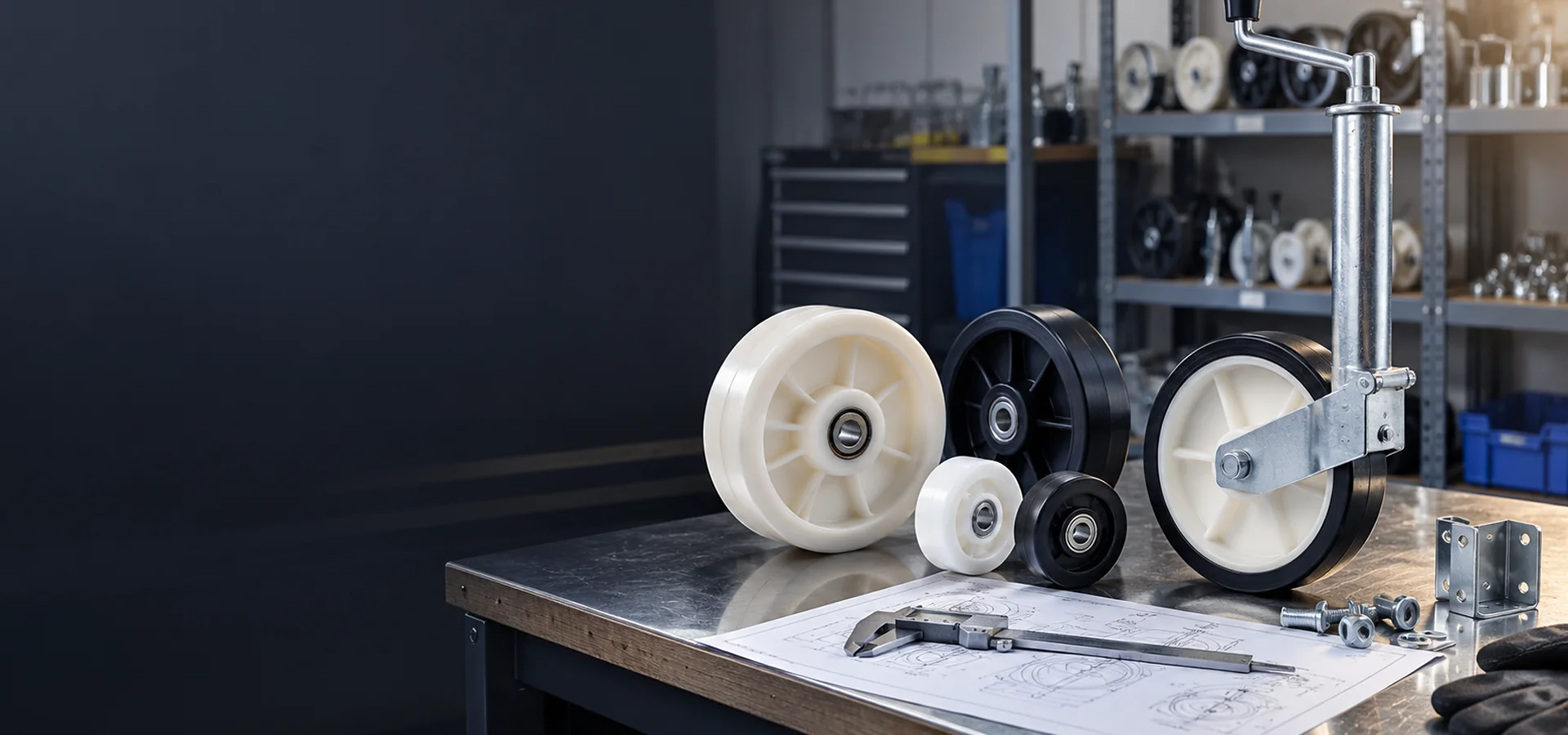
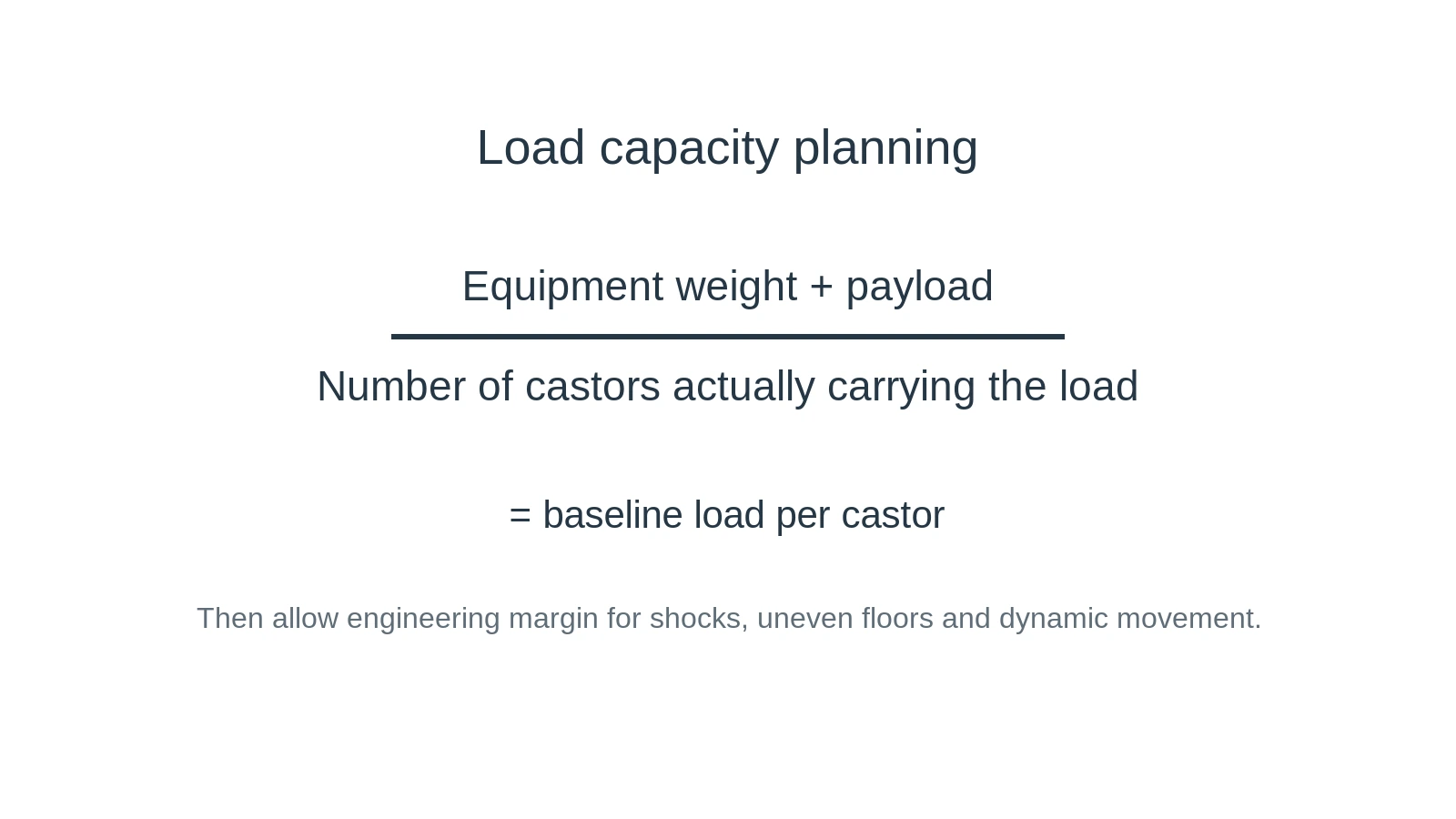
Döner tekerleklerin neden titreyebileceğini anlamak için, statik aritmetiği tekerleğin kullanım sırasında maruz kaldığı yükten ayırın.
Yük hesaplamaları, toplam ekipman kütlesinin tekerlek sayısına bölünmesinden daha fazlasını gerektirir. Zeminler mükemmel düz değildir, çerçeveler esner, yükler kayar ve eşikler anlık olarak daha az destek noktasına daha fazla yük aktarabilir. Bu nedenle hesaplamanın amacı, şeffaf bir temel oluşturmak ve ardından gerçek yükün bu temelden uzaklaşmasına neden olabilecek koşulları belirlemektir. Bunu "Döner Tekerleklerin Neden Titremesi veya Sapması" sorusuna uygularken, malzeme, boyut ve arayüz değişikliklerinin tutarlı bir şekilde incelenmesi için adayları aynı ekipman kaydıyla karşılaştırın.
| Giriş | Ne kaydedilecek? |
|---|---|
| Ekipman kütlesi | Ekipmanın kendisini ve taşınacak maksimum yük kapasitesini belirtin. |
| Destekleyici noktalar | En elverişsiz normal koşullarda kaç tekerleğin yükü güvenilir bir şekilde taşıyabileceğini belirleyin. |
| Dinamik olaylar | Hizmet sırasında meydana gelen eşikleri, rampaları, darbeleri, dönüşleri ve çekme veya elle itme işlemlerini listeleyin. |
| Çevre | Zemin durumu, döküntü, nem ve sıcaklık gibi, kullanım amacını veya malzeme seçimini etkileyen faktörleri de dikkate alın. |
Aday tekerlekleri karşılaştırırken tutarlı bir varsayım kümesi kullanın. Bir seçenek düz ve yüksüz bir zeminde, diğeri ise pürüzlü ve yüklü bir güzergahta değerlendirilirse, karşılaştırma anlamlı olmaz. Tekerlek çapı ve malzeme, montajın engeller ve zeminle nasıl etkileşim kurduğunu etkiler, ancak doğrulanmış bir ürün derecelendirmesinin yerini almazlar. Tam konfigürasyon için bir derecelendirme mevcut değilse, komşu bir boyuttan tahmin etmek yerine tedarikçi onayı için açık bırakın. Bunu "Döner Tekerleklerin Neden Titreşebileceği veya Sapabileceği"ne uygularken, malzeme, boyut ve arayüz değişikliklerinin tutarlı bir şekilde incelenmesi için adayları aynı ekipman kaydıyla karşılaştırın.
Devreye alma işlemi, seçim görüşmesinde kullanılan koşulları test etmelidir. Ekipmanı en zorlu normal zemin geçişinden yavaşça geçirin ve yük paylaşımını, tekerlek izini, braket hareketini ve operatör çabasını gözlemleyin. Sonuç tatmin edici değilse, belirtiyi belgeleyin ve her seferinde bir değişkeni değiştirin. Bu, bir sonraki mühendislik kararını, birkaç bileşeni birden değiştirmek ve orijinal nedeni kaybetmekten daha bilgilendirici hale getirir. Bunu "Döner Tekerleklerin Neden Titremesi veya Sapması"na uygularken, malzeme, boyut ve arayüz değişikliklerinin tutarlı bir şekilde incelenmesi için adayları aynı ekipman kaydıyla karşılaştırın.
Döner tekerleklerin nasıl sallanabileceği veya yerinden oynayabileceği, teklif talebini (RFQ) değiştirir.
“Yük Altında Döner Tekerleklerin Neden Titremesi veya Sapması” sorusu için, teklif talebinde yalnızca ürün terimini tekrarlamak yerine, soruyu tetikleyen çalışma gerçeği belirtilmelidir. Ekipmanın adını belirtin, normal ve maksimum çalışma koşullarını açıklayın, uyumu kontrol eden boyutları kaydedin ve incelemeye neden olan belirtiyi veya amacı tanımlayın. Karar yükle ilgiliyse, ekipman kütlesini ve destek noktalarını ekleyin; malzeme ile ilgiliyse, zemini ve ortamı açıklayın; montajla ilgiliyse, arayüz geometrisini belirtin; ve bir römork destek tekerleği ile ilgiliyse, destek koşulunu, zemini ve mevcut hareket mesafesini ekleyin.
Gerekli değerleri açık uçlu sorulardan ayrı tutun. Bir tedarikçi, "ekli çizime göre delik ve göbek uzunluğunu onaylayın" şeklinde bir soruya, tahmini bir boyutun nihai olarak sunulmasından çok daha faydalı bir şekilde yanıt verebilir. Aynı prensip yük kapasiteleri, malzeme kaliteleri, fren fonksiyonları ve montaj detayları için de geçerlidir. Bir değer doğrulandığında, bunu açıkça belirtin; doğrulanmadığında ise onay isteyin. Bu, teklifi gerçek ekipmanla uyumlu tutar ve sayfaya tekrarlayan bir onay veya sonraki siparişler bölümü eklemeden daha sonraki teknik incelemeyi kolaylaştırır. Bunu "Döner Tekerleklerin Neden Titreyebileceği veya Sapabileceği" örneğine uygularken, malzeme, boyut ve arayüz değişikliklerinin tutarlı bir şekilde incelenmesi için adayları aynı ekipman kaydıyla karşılaştırın.
Döner tekerlekler sallanabilir veya yerinden oynayabilir (Sıkça Sorulan Sorular)
Döner tekerleklerin titremesinin nedenlerini belirlemek için ilk olarak neyi doğrulamak gerekir?
Montaj geometrisi, döner/sabit yerleşim, kontrol fonksiyonu, montaj yüksekliği ve boşluk ile başlayın. Bu, seçimin geri kalanına ölçülebilir bir bağlam sağlar.
Fotoğraf, ölçümlerin yerini alabilir mi?
Fotoğraf tanımlamaya yardımcı olur, ancak uyum açısından kritik boyutlar yine de ölçülmeli veya onaylı bir çizimden alınmalıdır.
Alıcı, yüke bir güvenlik faktörü eklemeli mi?
Eşitsiz yük paylaşımı ve çalışma etkilerini ele almak için genellikle bir güvenlik payı kullanılır, ancak uygun değer uygulamaya bağlıdır ve ürün derecelendirmesinin yerini almaz. Bunu "Döner Tekerleklerin Neden Titremesi veya Sapması" sorusuna uygularken, malzeme, boyut ve arayüz değişikliklerinin tutarlı bir şekilde incelenmesi için adayları aynı ekipman kaydıyla karşılaştırın.
Malzeme bilinmiyorsa ne olacak?
Çalışma alanını ve ortamını belirtin, bir örnek veya fotoğraf sağlayın ve malzemeyi renkten tahmin etmek yerine doğrulama öğesi olarak değerlendirin.
Döner tekerleklerin titremesinin nedenlerini ve gereksinimlerini görüşün.
Başvuru formunu, yükü, uyum kontrol boyutlarını, miktarı ve varsa ilgili fotoğraf veya çizimi gönderin. Bu girdileri kullanarak, tahmin yürütmeden ürün ailesini daraltacağız.