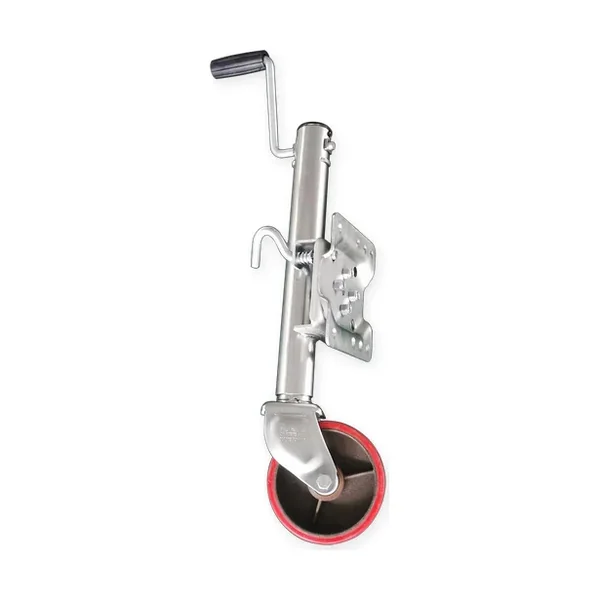
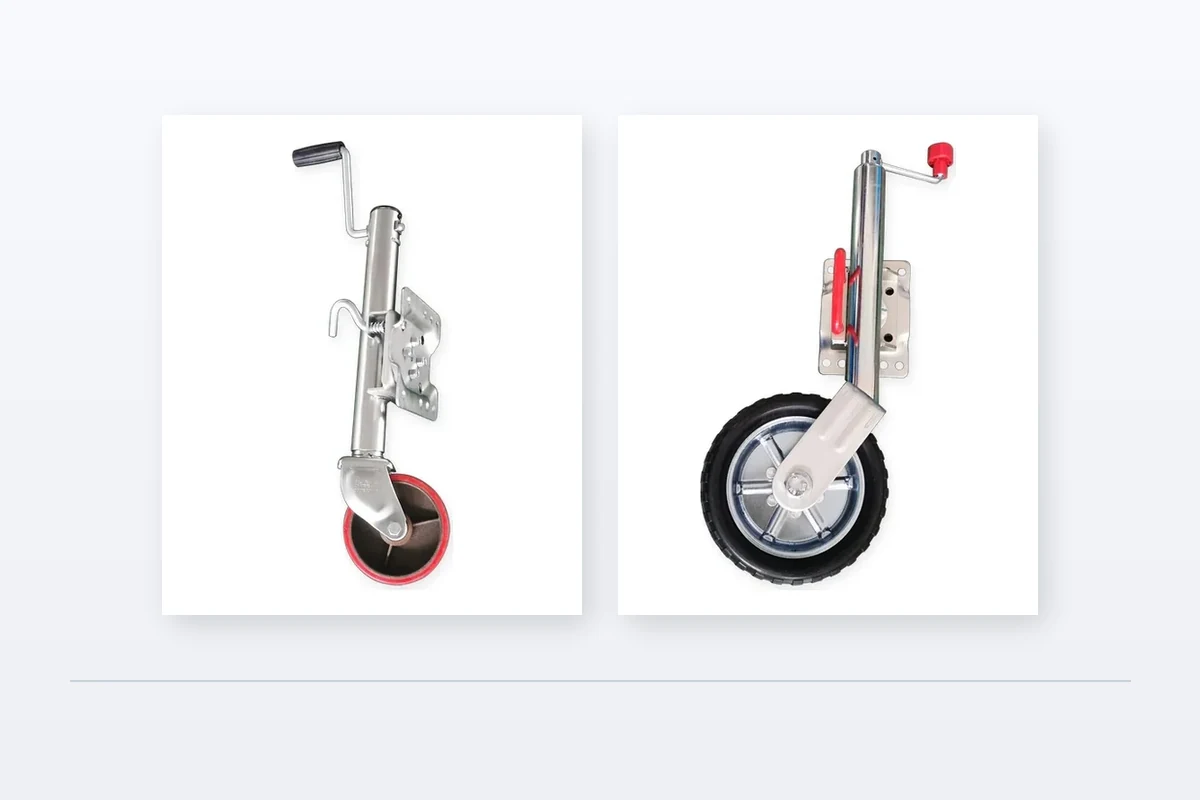
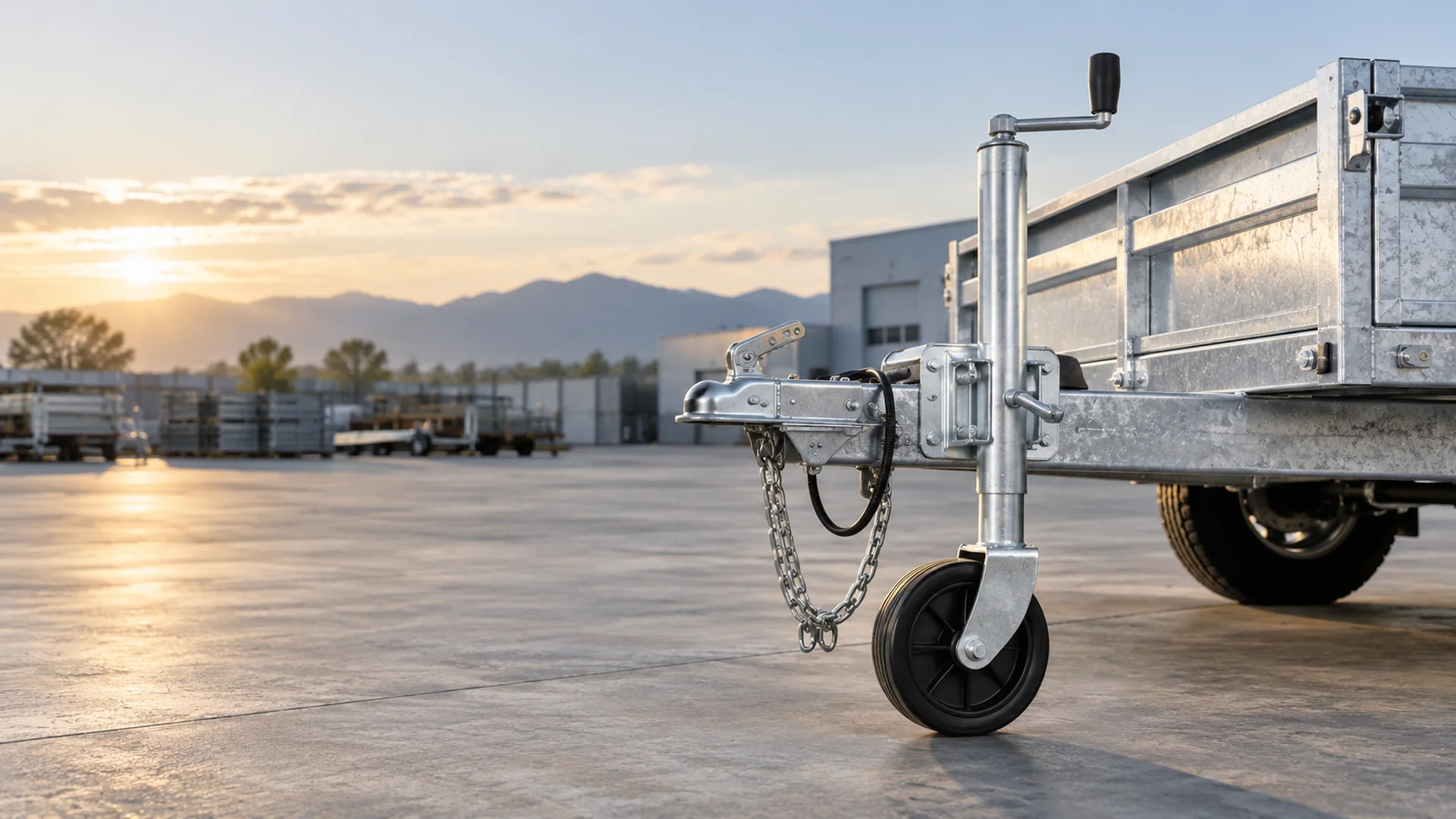
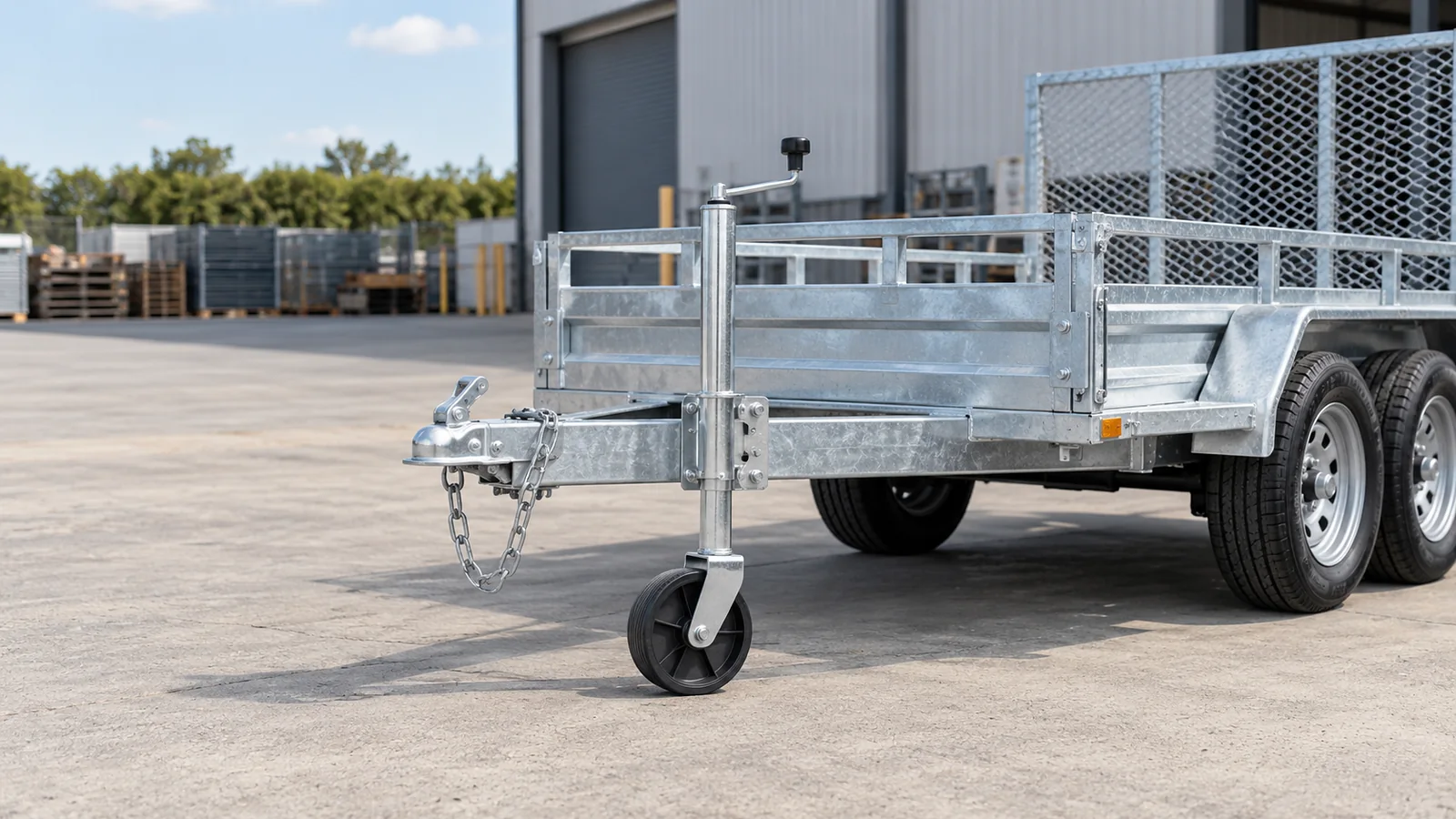
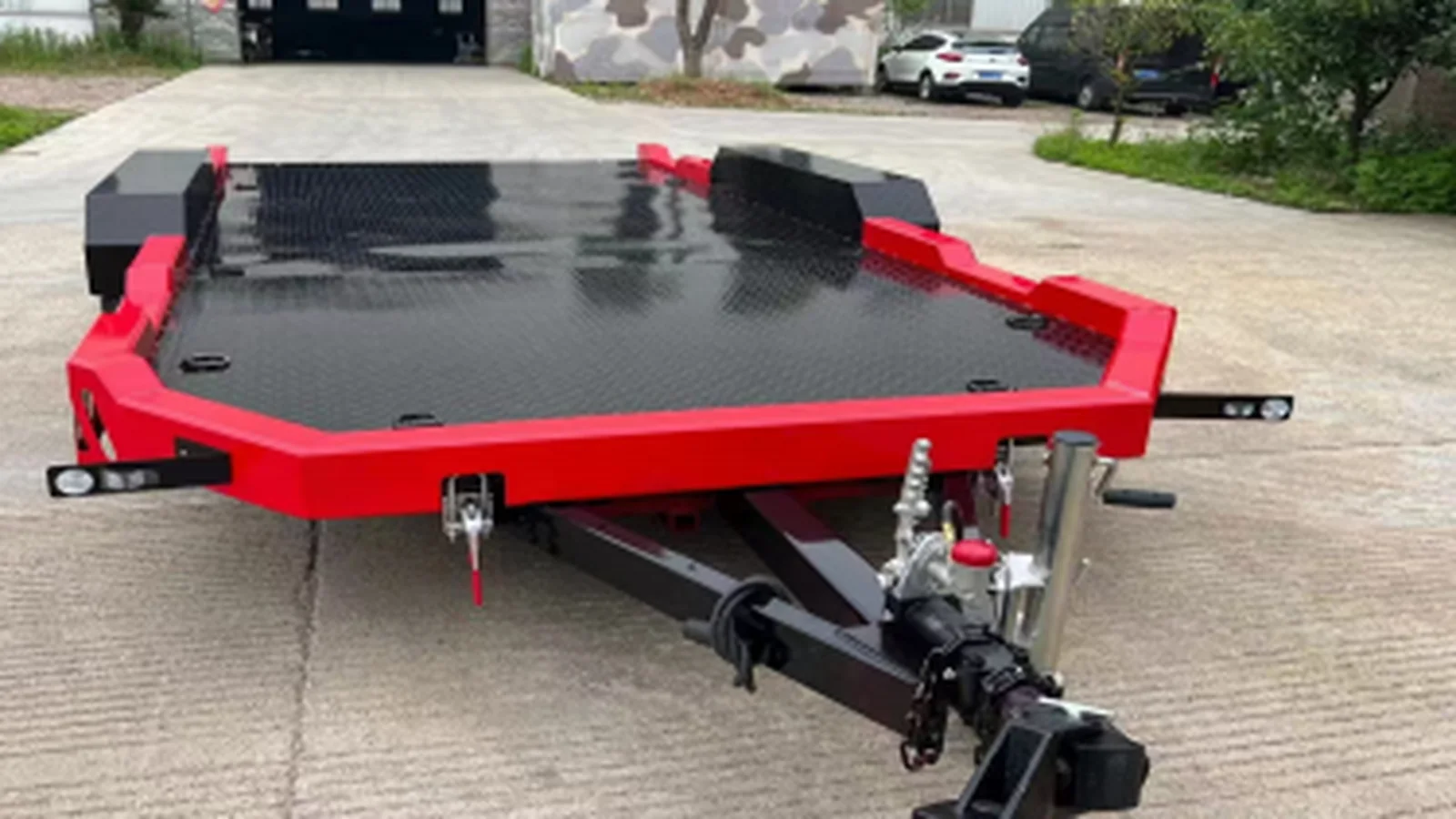
Gruppo ruota guida per rimorchio da 6 pollici per attrezzature B2B o progetti di supporto per rimorchi. Specificare l'interfaccia di controllo del montaggio, il carico di lavoro e la quantità per ottenere un preventivo.
Dimensioni nominali della ruota 6 pollici
Tipo di prodotto Gruppo ruota di guida/supporto per rimorchio
Valutazione dettagliata del carico Conferma la configurazione selezionata
Dimensioni di montaggio Confermare con il disegno o l'interfaccia misurata
Where 6 Inch Trailer Guide Wheel Assembly fits in a selection
Procurement teams often encounter 6 Inch Trailer Guide Wheel Assembly as a catalogue term, but the purchasing decision becomes clearer when the term is converted into measurable operating requirements.
In trailer and mobile-equipment support where the assembly must match the drawbar bracket and expected manoeuvring surface, the selection should therefore start with the actual carried load, wheel/ground contact and attachment geometry. That keeps a dimensional or material choice connected to the job it must perform rather than to a generic product description.
The common failure is to treat one attractive parameter as the whole specification. A wheel can fit visually and still fail to match the axle, bracket, stowed envelope or duty cycle. A better purchasing note captures total equipment weight, supporting points, floor condition, axle or bracket measurements, expected manoeuvring and quantity, so suppliers can compare like with like and flag missing dimensions instead of guessing. For 6 Inch Trailer Guide Wheel Assembly, keep Nominal wheel size 6 inch and Product type Trailer guide/support wheel assembly attached to this review so a value from another size or assembly is not substituted during quotation.
Known configuration details for 6 Inch Trailer Guide Wheel Assembly
6 Inch Trailer Guide Wheel Assembly is presented as a procurement-ready configuration rather than a one-number commodity. Verified details for this item include nominal wheel size: 6 inch, product type: Trailer guide/support wheel assembly, detailed load rating: Confirm for selected configuration. Any interface or performance value that is not listed should be confirmed against the equipment before quotation.
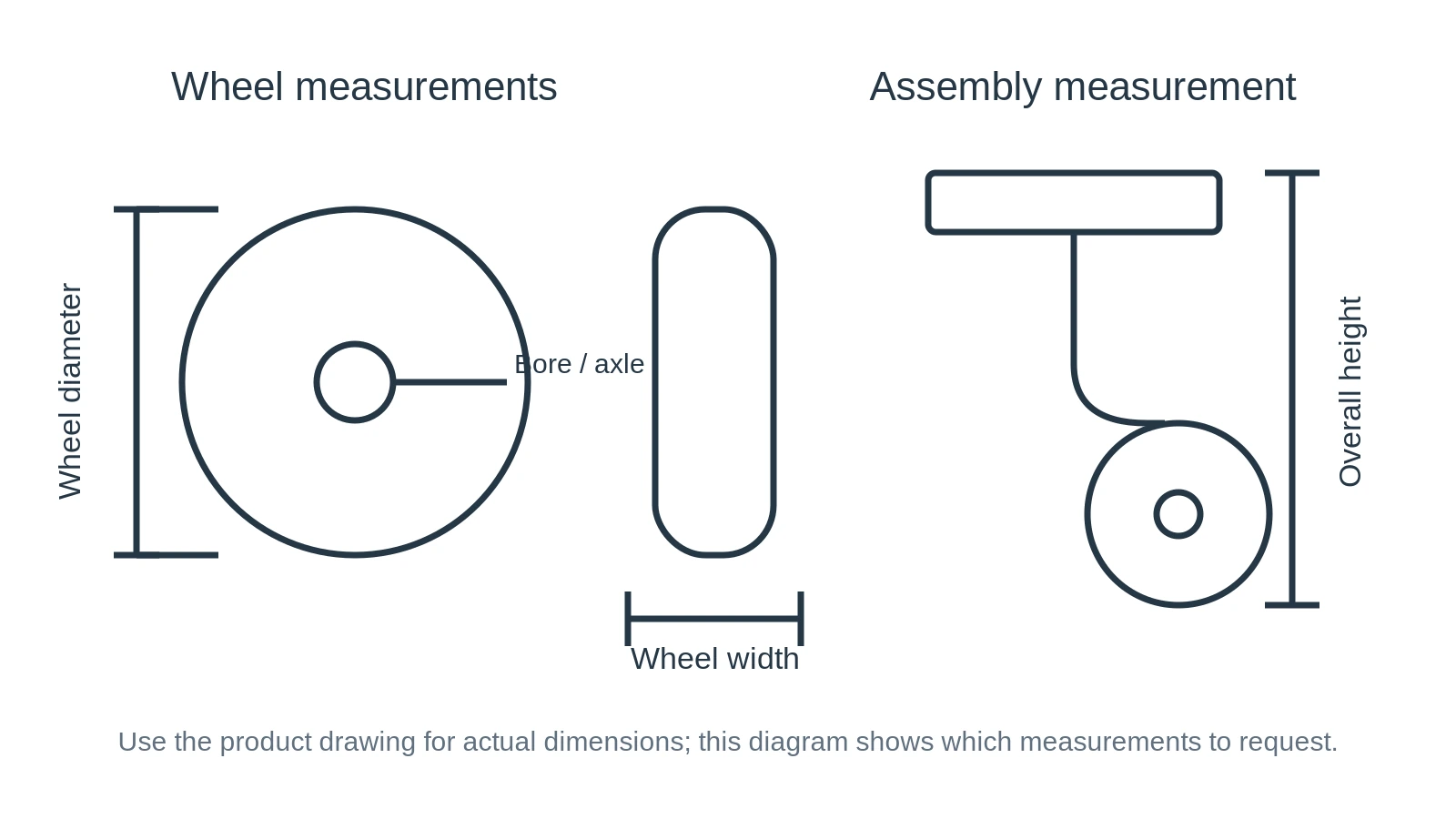
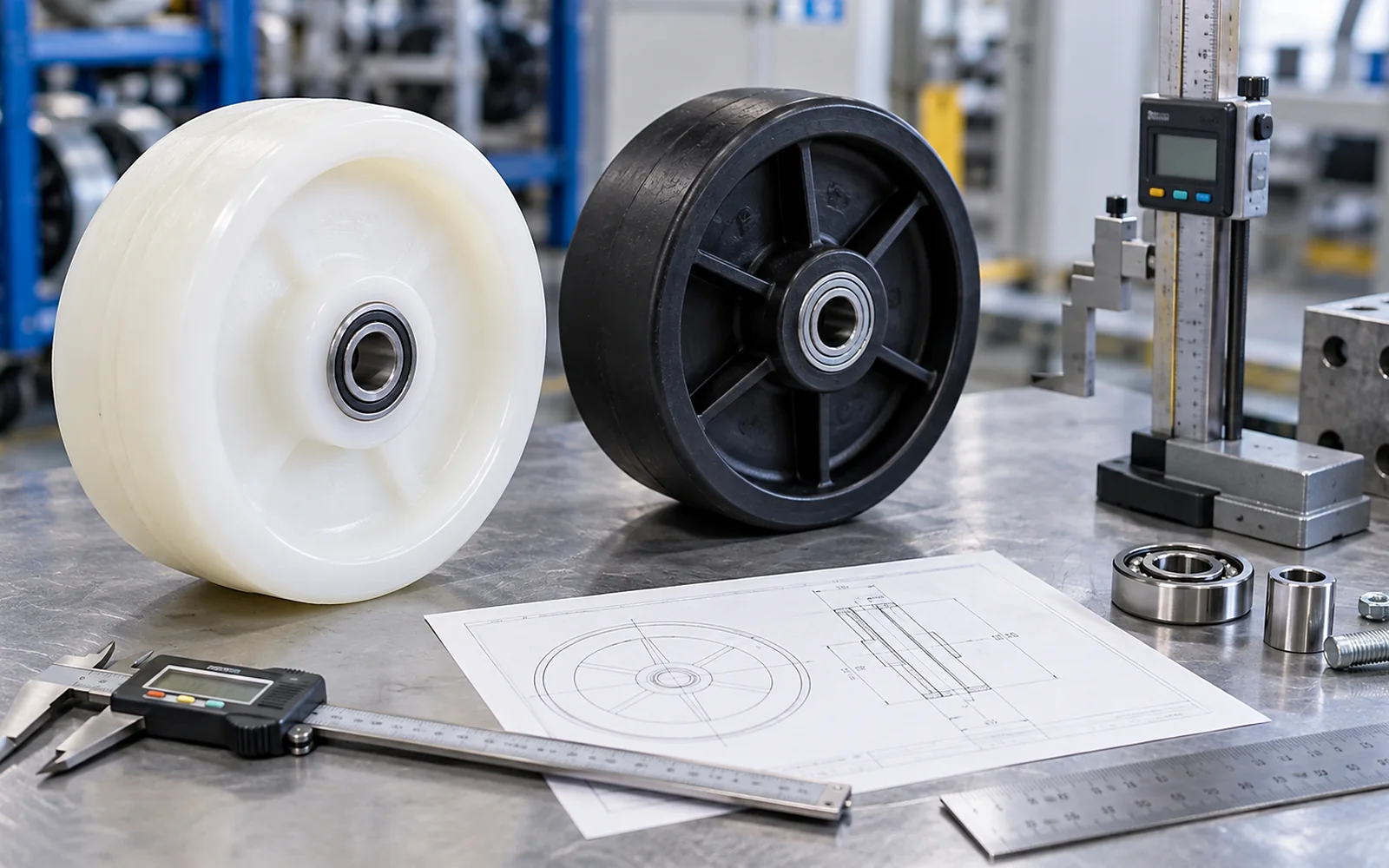
For replacement work, photograph the existing assembly from the side and mounting face, then record wheel diameter, wheel width, hub or axle dimensions, overall installed height and nearby clearance. For a new design, include the drawing or mounting envelope. For 6 Inch Trailer Guide Wheel Assembly, keep Nominal wheel size 6 inch and Product type Trailer guide/support wheel assembly attached to this review so a value from another size or assembly is not substituted during quotation.
Verified specification data for 6 Inch Trailer Guide Wheel Assembly
La tabella separa le informazioni sulla configurazione attuale dagli elementi che necessitano di conferma da parte del progetto. Un numero non elencato comporta un rischio maggiore rispetto a un punto di conferma chiaramente indicato.
Parametro
Configurazione attuale
Dimensioni nominali della ruota
6 pollici
Tipo di prodotto
Gruppo ruota di guida/supporto per rimorchio
Valutazione dettagliata del carico
Conferma la configurazione selezionata
Dimensioni di montaggio
Confermare con il disegno o l'interfaccia misurata
Duty conditions to review for 6 Inch Trailer Guide Wheel Assembly
Trailer and mobile-equipment support where the assembly must match the drawbar bracket and expected manoeuvring surface. Selection should still account for floor joints, ramps, side loads, impacts and periods of stationary load. Where the wheel is part of a trailer support assembly, separate the vertical support task from manoeuvring effort and check that the jack can retract or fold without striking the drawbar, coupling or ground.
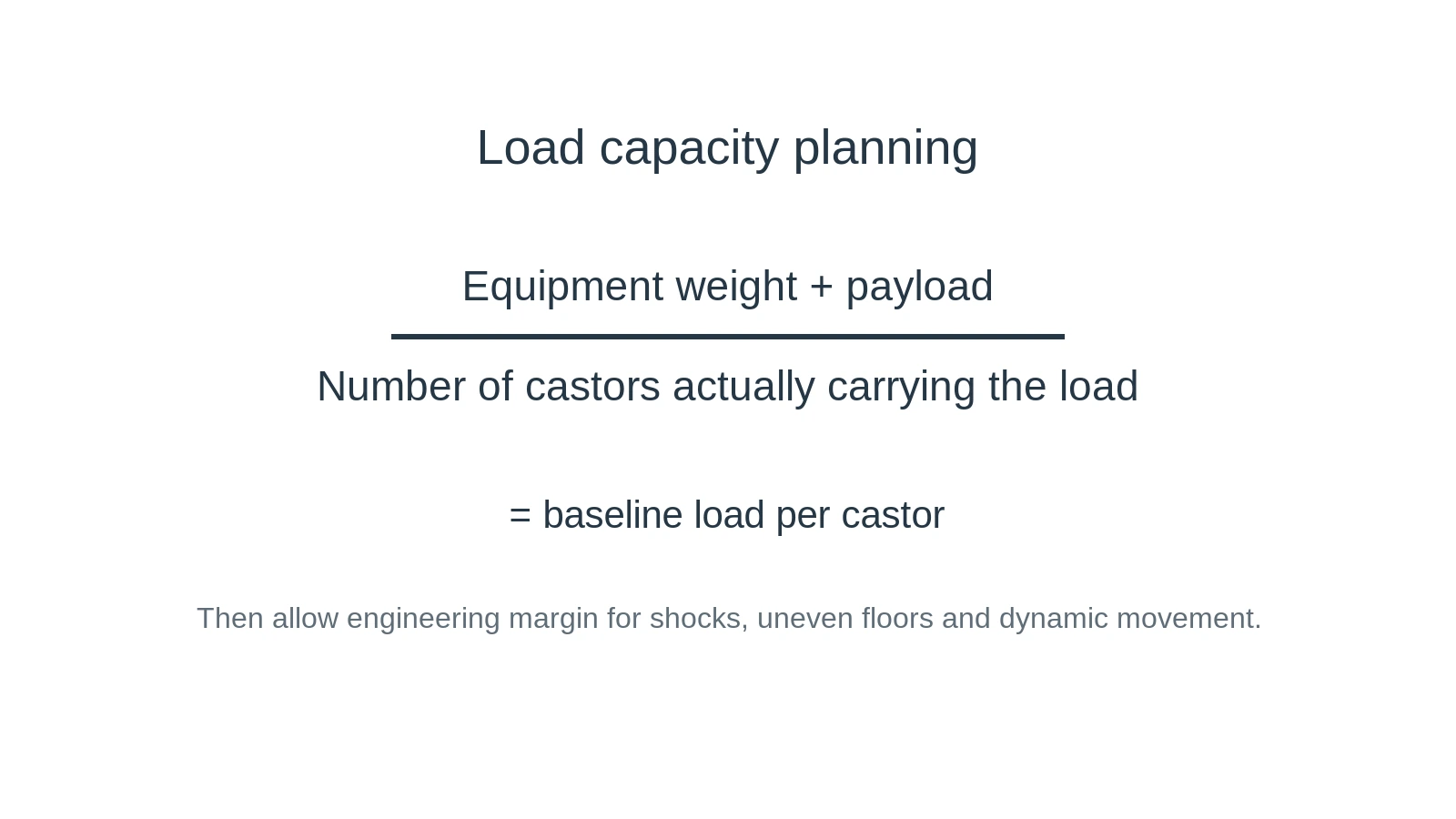
For equipment carts, usable load per wheel may not equal total load divided by wheel count if the floor is uneven or the frame is not perfectly rigid. For 6 Inch Trailer Guide Wheel Assembly, keep Nominal wheel size 6 inch and Product type Trailer guide/support wheel assembly attached to this review so a value from another size or assembly is not substituted during quotation.
Load and movement checks for this jockey/support assembly — 6 Inch Trailer Guide Wheel Assembly
Start with equipment dead weight, maximum payload and the number of wheels that reliably support the frame. Add an application-appropriate allowance for uneven load sharing, floor transitions and impact. For trailer jacks, distinguish the static nose or drawbar load from the effort required to manoeuvre the trailer. For 6 Inch Trailer Guide Wheel Assembly, keep Nominal wheel size 6 inch and Product type Trailer guide/support wheel assembly attached to this review so a value from another size or assembly is not substituted during quotation.
Wheel diameter influences obstacle crossing and clearance, while material and bearing choice influence rolling behaviour. None of those variables substitutes for the actual rating of the selected assembly. For 6 Inch Trailer Guide Wheel Assembly, keep Nominal wheel size 6 inch and Product type Trailer guide/support wheel assembly attached to this review so a value from another size or assembly is not substituted during quotation.
Installation interface checks for 6 Inch Trailer Guide Wheel Assembly
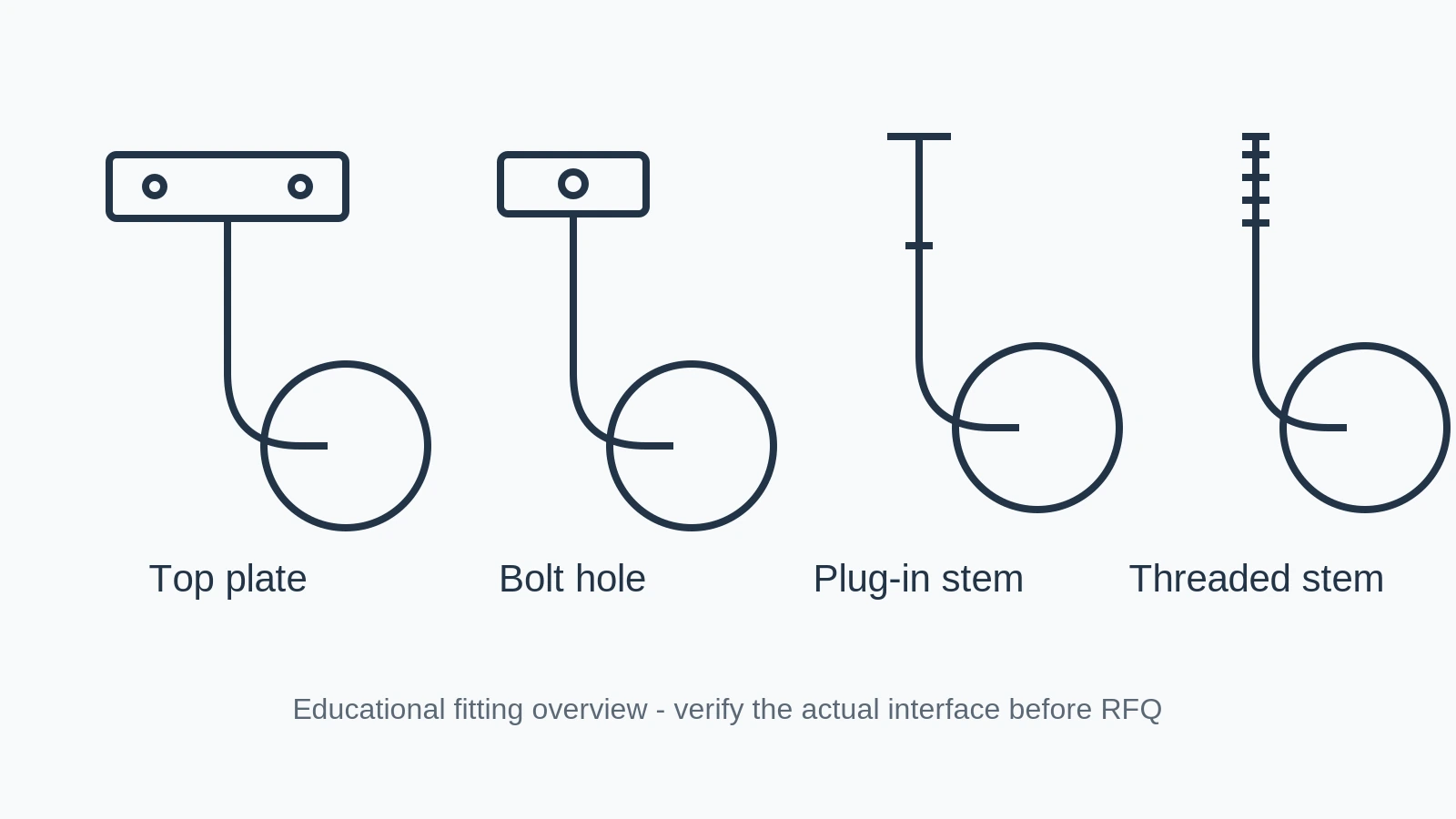
Before release, compare the mounting interface against the equipment. For a loose wheel this means bore or bearing type, axle diameter, hub length, spacers and side clearance. For a jockey or guide-wheel assembly it also includes tube diameter, clamp or plate geometry, fastener access, crank clearance, retracted height and the path used when the assembly swivels or folds. For 6 Inch Trailer Guide Wheel Assembly, keep Nominal wheel size 6 inch and Product type Trailer guide/support wheel assembly attached to this review so a value from another size or assembly is not substituted during quotation.
Non forzare un accoppiamento approssimativo con spessori improvvisati a meno che il giunto non sia stato progettato per questo. Un disallineamento può creare carichi laterali sui cuscinetti, sfregamenti e usura precoce.
Material and surface conditions for this jockey/support assembly — 6 Inch Trailer Guide Wheel Assembly
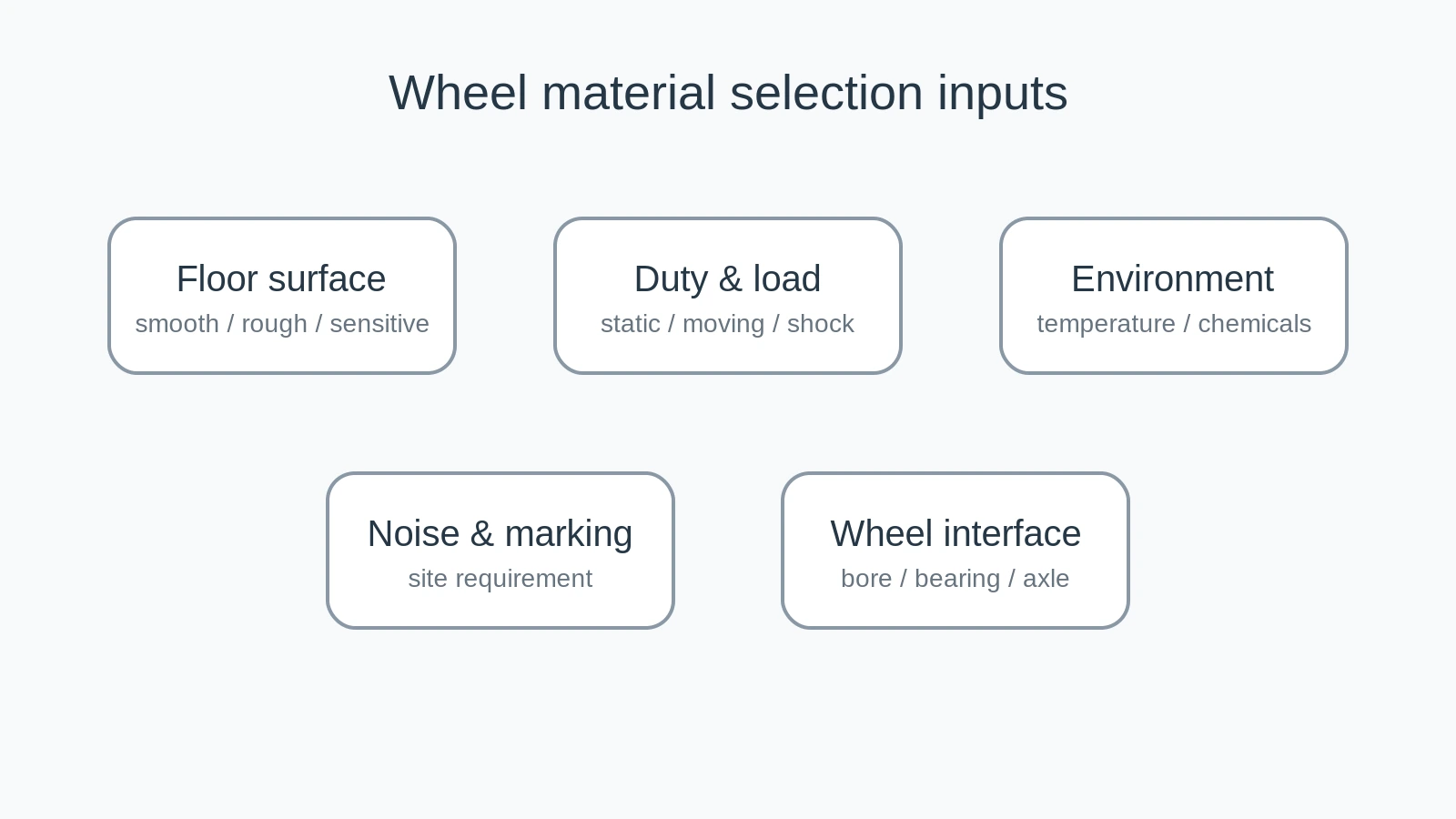
Polymer wheel material should be considered together with floor, contamination, cleaning chemicals, noise expectations and temperature. Nylon and polypropylene are hard thermoplastic families, but exact grade and operating environment still matter. Where the listed configuration specifies a galvanized bracket or tube, that finish applies to the stated configuration only. For 6 Inch Trailer Guide Wheel Assembly, keep Nominal wheel size 6 inch and Product type Trailer guide/support wheel assembly attached to this review so a value from another size or assembly is not substituted during quotation.
Se la segnaletica orizzontale, i prodotti chimici per il lavaggio, le proprietà elettriche o le temperature insolite sono rilevanti, specificarli esplicitamente. Tali requisiti non devono essere dedotti dal colore dei cerchi.
Incoming and installation checks for 6 Inch Trailer Guide Wheel Assembly
On receipt, compare the product against approved dimensions and configuration. Check that the wheel rotates without binding, the bore or bearing seats correctly, fasteners are present where specified and the fork or bracket is free from visible deformation. For a jack assembly, operate the crank through usable travel without load first and confirm folding or swivel movement clears the equipment. For 6 Inch Trailer Guide Wheel Assembly, keep Nominal wheel size 6 inch and Product type Trailer guide/support wheel assembly attached to this review so a value from another size or assembly is not substituted during quotation.
During commissioning, observe the assembly on the real floor at low speed. Look for rubbing, unusual side movement, loose hardware, wheel wobble and interference with guards or frames. For 6 Inch Trailer Guide Wheel Assembly, keep Nominal wheel size 6 inch and Product type Trailer guide/support wheel assembly attached to this review so a value from another size or assembly is not substituted during quotation.
Information to include when quoting 6 Inch Trailer Guide Wheel Assembly
Nome del prodotto o riferimento al modello esistente, se disponibile
Diametro della ruota, larghezza, foro/cuscinetto e lunghezza del mozzo per ruote libere
Dimensioni di tubi, morsetti, piastre, fori per bulloni o assi per assemblaggi completi
Peso massimo dell'attrezzatura, carico utile e numero di ruote di supporto
Pavimento o terreno, ostacoli, sostanze chimiche e requisiti dei freni
Quantità richiesta, destinazione ed eventuali disegni o foto
Installation and operating review for 6 Inch Trailer Guide Wheel Assembly
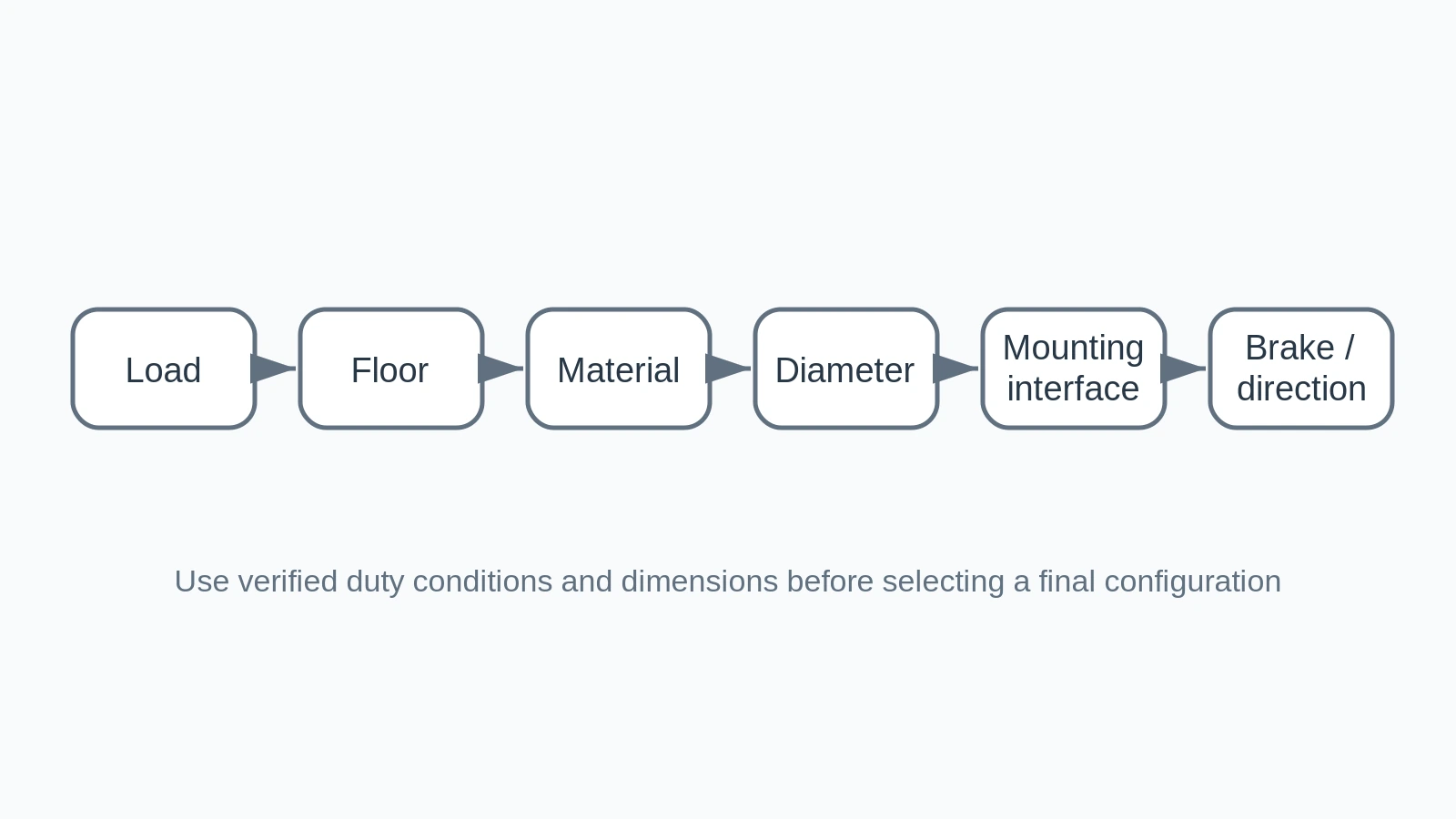
Utilizzate le specifiche indicate come punto di partenza, quindi risolvete i quesiti relativi all'idoneità e al funzionamento del prodotto, a cui il solo nome non può rispondere.
Confirm the fit-controlling interface for 6 Inch Trailer Guide Wheel Assembly
Treat 6 Inch Trailer Guide Wheel Assembly as a complete support assembly rather than selecting from wheel diameter alone. The currently listed configuration is Nominal wheel size: 6 inch; Product type: Trailer guide/support wheel assembly; Detailed load rating: Confirm for selected configuration; Mounting dimensions: Confirm with drawing or measured interface. These values identify the represented item; they do not replace measurements of the trailer or equipment interface.
Before quotation, record the tube, clamp, bracket or plate geometry that locates the assembly. Check crank access, retracted or stowed clearance, and the path the unit follows if it swivels, folds or lifts. For replacement work, photograph the existing mounting before removal so the relationship between fasteners, support tube and surrounding structure remains visible. For 6 Inch Trailer Guide Wheel Assembly, keep Nominal wheel size 6 inch and Product type Trailer guide/support wheel assembly attached to this review so a value from another size or assembly is not substituted during quotation.
Match 6 Inch Trailer Guide Wheel Assembly to the real operating condition
Separate the vertical support task from manoeuvring. A listed jack or assembly load belongs to that represented configuration, while real suitability still depends on the actual nose or support load, ground condition, movement pattern and installation. Concrete, paving, gravel and soft ground can change steering effort and the way a small support wheel crosses surface irregularities. For 6 Inch Trailer Guide Wheel Assembly, keep Nominal wheel size 6 inch and Product type Trailer guide/support wheel assembly attached to this review so a value from another size or assembly is not substituted during quotation.
Check the normal manoeuvring route rather than only a clean workshop floor. Include the most difficult normal surface transition, slope or tight turn in the first controlled test. If the assembly includes a brake or folding feature, verify that the control can be reached and fully engaged without interference from the frame, coupling or stored equipment. For 6 Inch Trailer Guide Wheel Assembly, keep Nominal wheel size 6 inch and Product type Trailer guide/support wheel assembly attached to this review so a value from another size or assembly is not substituted during quotation.
Check the first installation of 6 Inch Trailer Guide Wheel Assembly
Before installation, compare the received unit with the approved dimensions and configuration. Operate moving parts without load first, confirm that the wheel turns freely, and look for visible deformation, damaged threads, missing fasteners or transport damage. Install with the hardware and retention method intended for the equipment rather than compensating for a near-fit with improvised spacers or forced alignment. For 6 Inch Trailer Guide Wheel Assembly, keep Nominal wheel size 6 inch and Product type Trailer guide/support wheel assembly attached to this review so a value from another size or assembly is not substituted during quotation.
After installation, lower the equipment gradually and observe the assembly under a controlled load. Check that the wheel tracks without rubbing, the support tube remains aligned, fasteners stay seated and the handle or control retains adequate clearance. A short low-speed trial on the actual surface provides more useful acceptance information than spinning the wheel by hand. For 6 Inch Trailer Guide Wheel Assembly, keep Nominal wheel size 6 inch and Product type Trailer guide/support wheel assembly attached to this review so a value from another size or assembly is not substituted during quotation.
Build the 6 Inch Trailer Guide Wheel Assembly RFQ around measured data
For quotation, keep the represented configuration separate from the equipment-side values that still need confirmation. The current configuration records Nominal wheel size: 6 inch; Product type: Trailer guide/support wheel assembly; Detailed load rating: Confirm for selected configuration; Mounting dimensions: Confirm with drawing or measured interface. These values identify 6 Inch Trailer Guide Wheel Assembly; they do not establish every mounting dimension, travel limit, duty condition or compatibility point unless those values are also listed.
Complete support assemblies are often rejected for practical fit reasons rather than because a product family is wrong. A tube can be close but not clamp correctly, a handle can lose access when the equipment is loaded, or a wheel can have adequate diameter yet interfere during folding or steering. Show the mounting area, state the actual support condition and identify the ground surface and any envelope that must remain clear. For 6 Inch Trailer Guide Wheel Assembly, keep Nominal wheel size 6 inch and Product type Trailer guide/support wheel assembly attached to this review so a value from another size or assembly is not substituted during quotation.
For replacement work, include one photograph before removal and one dimensioned sketch. For a new design, include the interface drawing or available installation space. This lets the configuration be reviewed as part of the surrounding structure instead of from wheel appearance alone. Unknown values should remain explicit confirmation points so the quotation does not silently inherit dimensions from another size or series. For 6 Inch Trailer Guide Wheel Assembly, keep Nominal wheel size 6 inch and Product type Trailer guide/support wheel assembly attached to this review so a value from another size or assembly is not substituted during quotation.
Questions about 6 Inch Trailer Guide Wheel Assembly
Puoi citare una foto soltanto?
Una foto aiuta nell'identificazione, ma per un preventivo affidabile di solito sono necessarie le dimensioni che determinano l'ingombro, il carico e la quantità.
È possibile cambiare il materiale della ruota?
Per alcune famiglie potrebbero essere possibili modifiche ai materiali, ma è necessario verificare i requisiti minimi relativi a grado, carico, pavimentazione e processo.
Come si deve verificare la compatibilità del ricambio?
Se possibile, prima di rimuovere l'unità esistente, misurate l'altezza e lo spazio libero dopo la rimozione, confrontandoli con l'altezza e le dimensioni delle ruote.
È sufficiente un solo carico nominale per selezionare il prodotto?
No. Il carico è essenziale, ma contano anche il montaggio, il pavimento, il materiale della ruota, il diametro, la disposizione dei cuscinetti e il ciclo di lavoro.