
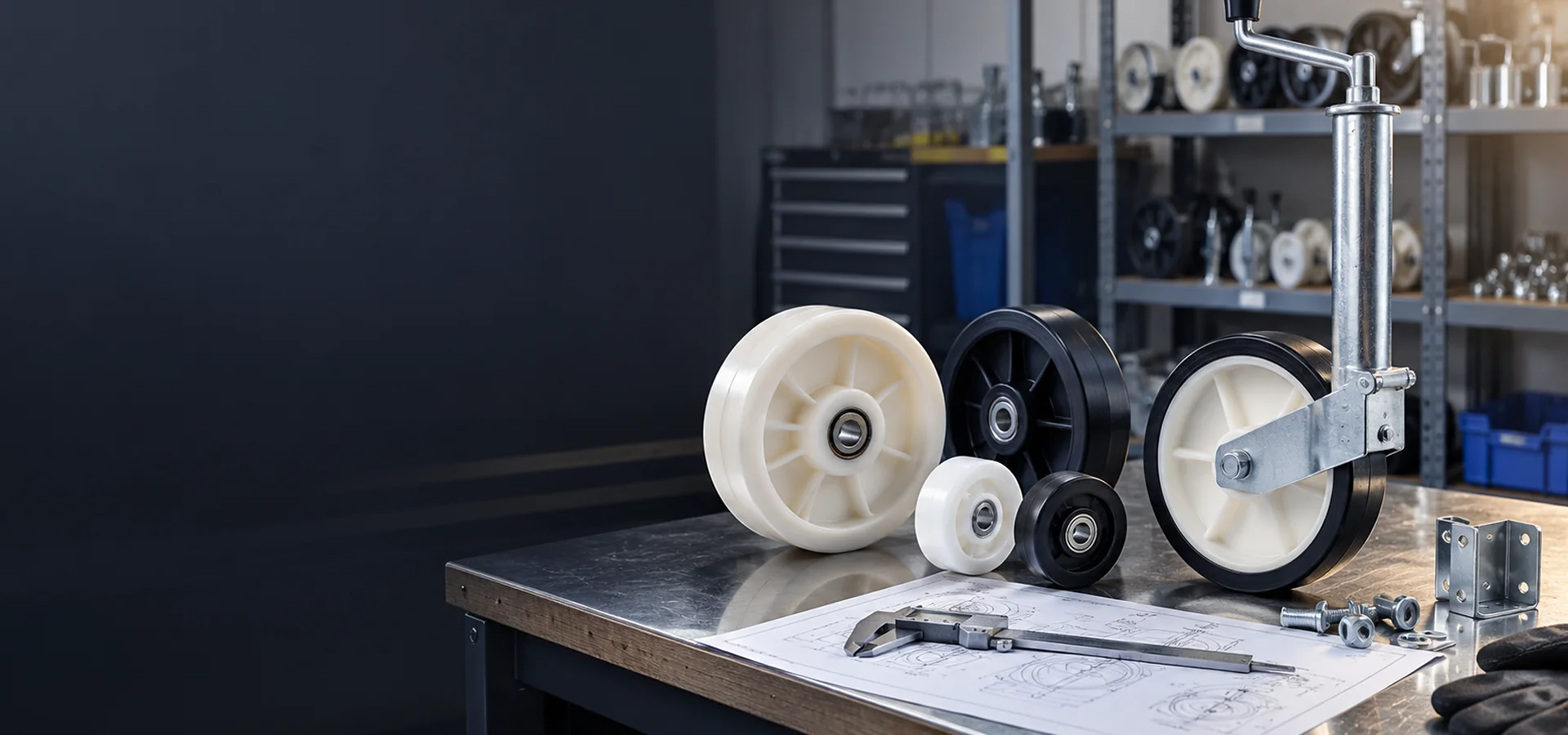
Guide alla selezione di ruote e rotelle
Guide pratiche di ingegneria per la selezione di carico, materiale, diametro, montaggio, misurazione e ruotino di supporto.
Partiamo dalla domanda ingegneristica
Scegli la guida più adatta alla decisione che devi prendere: selezione generale, misurazione, carico, materiale, montaggio o supporto per rimorchio. Ogni guida è pensata per condurti a una richiesta di offerta (RFQ) misurabile, anziché a una generica etichetta di prodotto.
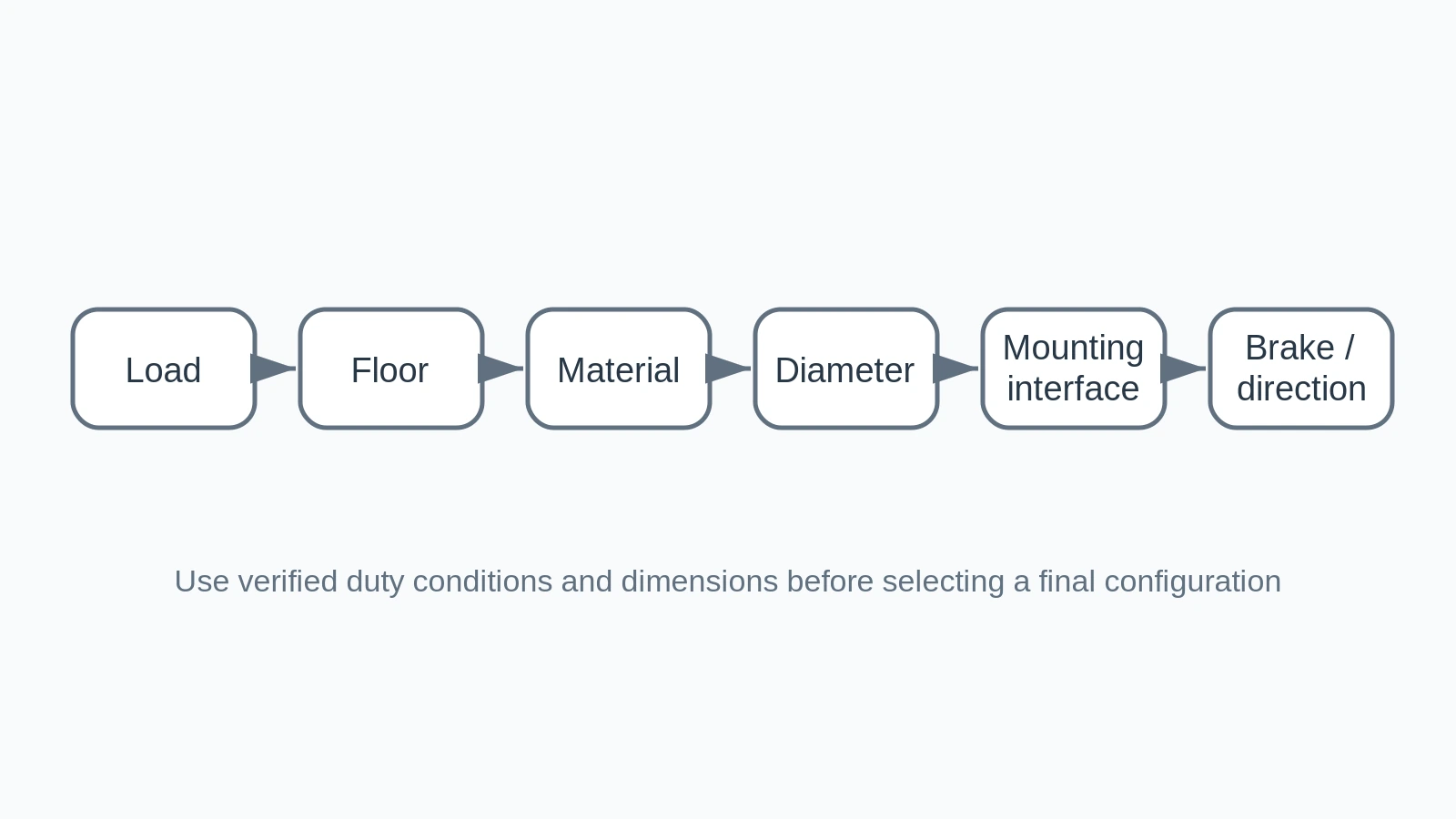
Come scegliere rotelle e ruote in plastica
Scegliere le ruote piroettanti in modo sistematico in base al carico, al tipo di pavimento, al materiale, al diametro, al montaggio, al movimento, alla frenatura e ai requisiti dei cuscinetti.
Apri la guida →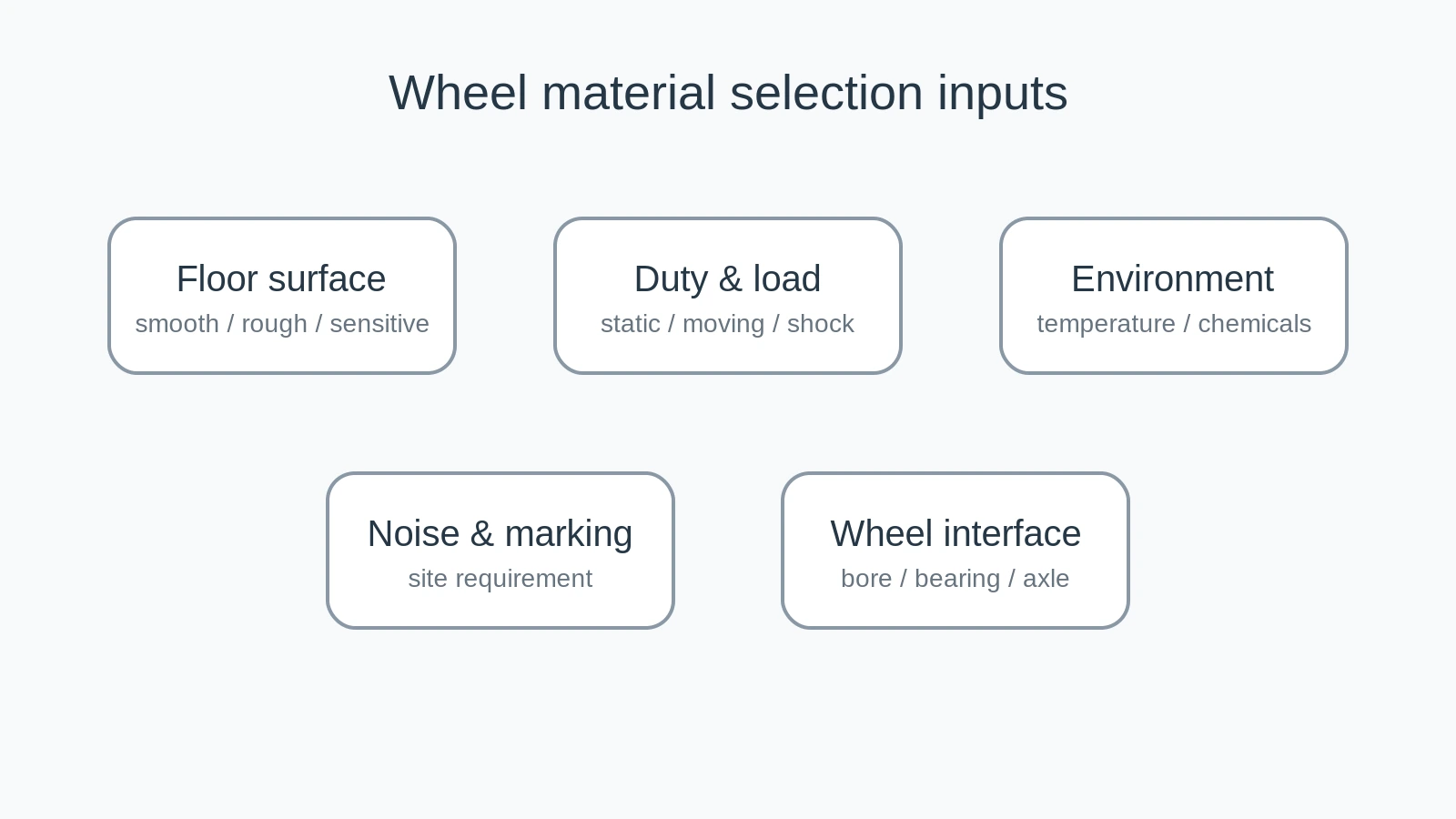
Ruote in nylon contro ruote in polipropilene
Confronta le ruote in nylon e in polipropilene in base al comportamento di rotolamento, alle condizioni del pavimento, all'ambiente di utilizzo, ai costi e alle configurazioni disponibili.
Apri la guida →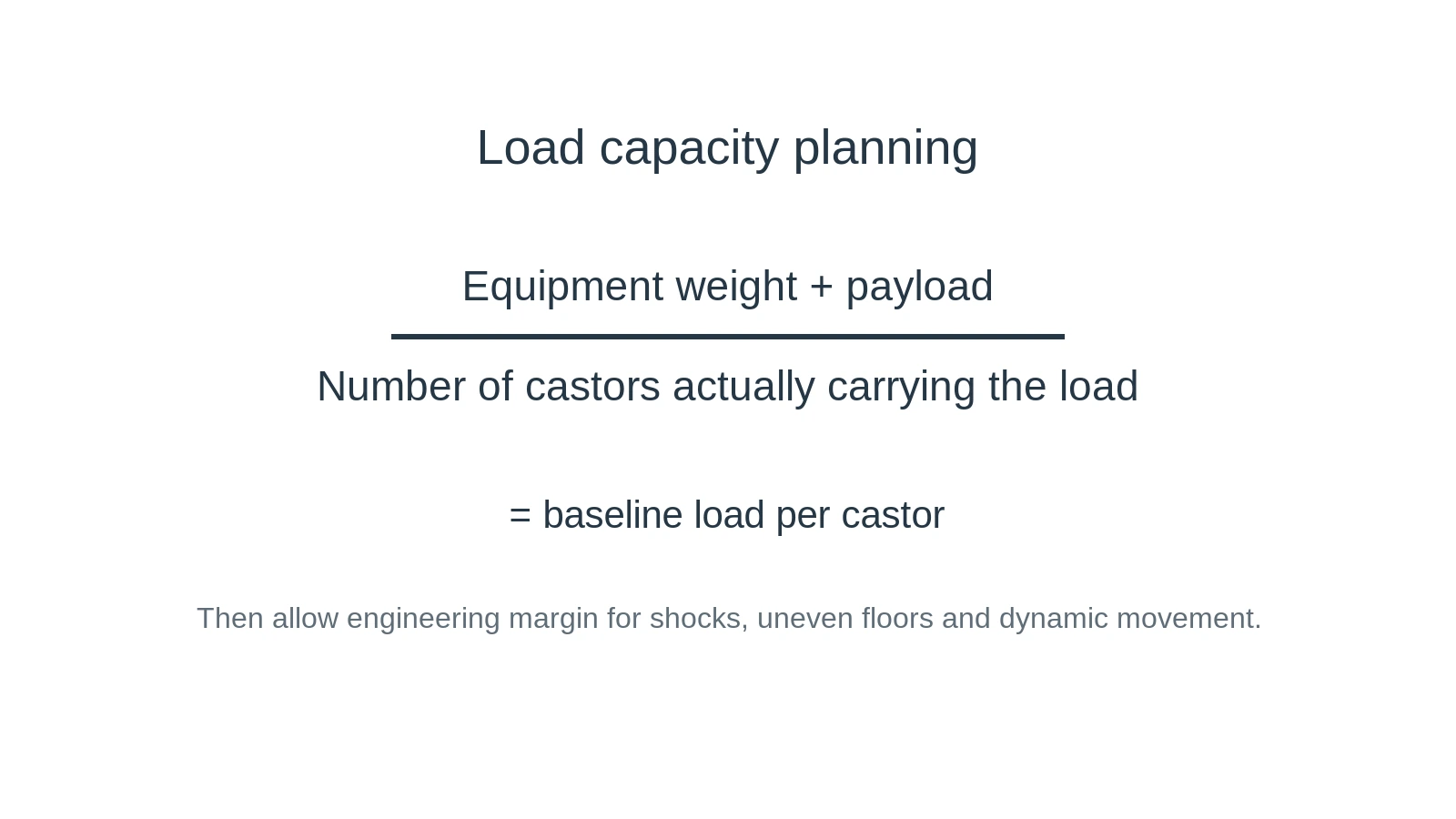
Come calcolare la capacità di carico delle ruote
Scopri il calcolo di base del carico per ruota e gli effetti pratici di pavimenti irregolari, carichi dinamici, urti e numero effettivo di ruote di supporto.
Apri la guida →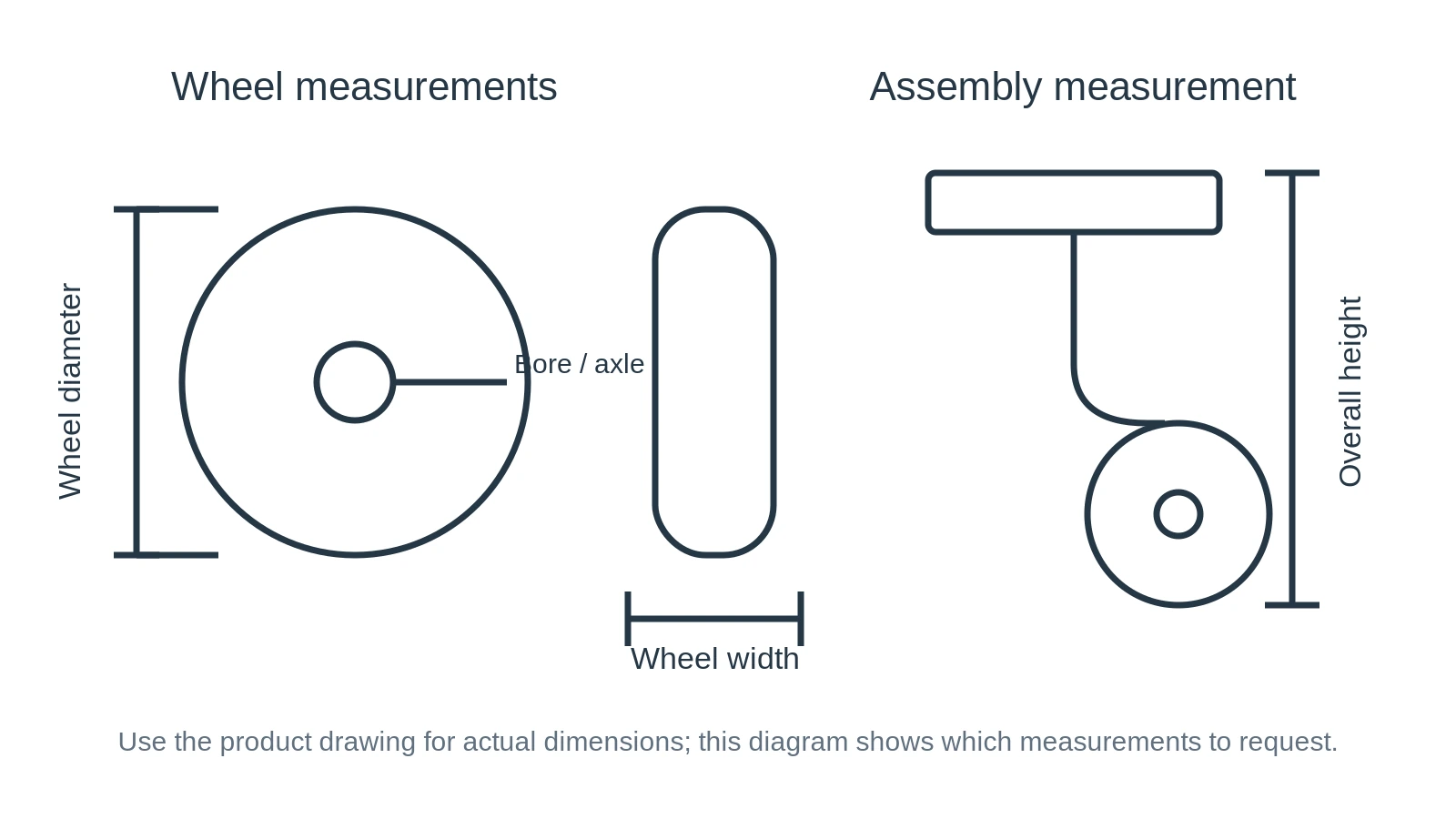
Come misurare una ruota pivottante
Prima di sostituire la ruota o di inviare una richiesta di preventivo, misurare correttamente il diametro della ruota, la larghezza del battistrada, il foro o l'asse, la lunghezza del mozzo, l'altezza complessiva e i dettagli di montaggio.
Apri la guida →Un linguaggio di misurazione coerente
Spesso i team addetti agli acquisti si imbattono nelle guide alla selezione delle ruote piroettanti come termine di catalogo, ma la decisione di acquisto diventa più chiara quando il termine viene convertito in requisiti operativi misurabili.
Nell'ambito degli acquisti industriali, la selezione dovrebbe quindi partire dal carico, dalle dimensioni e dall'ambiente operativo. In questo modo, la scelta dimensionale o del materiale rimane connessa alla funzione che il componente deve svolgere, anziché a una descrizione generica del prodotto.
L'errore più comune è quello di considerare un singolo parametro, per quanto interessante, come l'intera specifica. Team diversi possono utilizzare la stessa parola chiave per indicare assemblaggi diversi. Una nota d'acquisto più efficace dovrebbe includere un disegno o una serie di foto, con dimensioni e quantità specifiche per ogni modello, in modo che i fornitori possano confrontare prodotti simili e segnalare le dimensioni mancanti anziché procedere per tentativi.
Utilizzare le guide insieme al catalogo
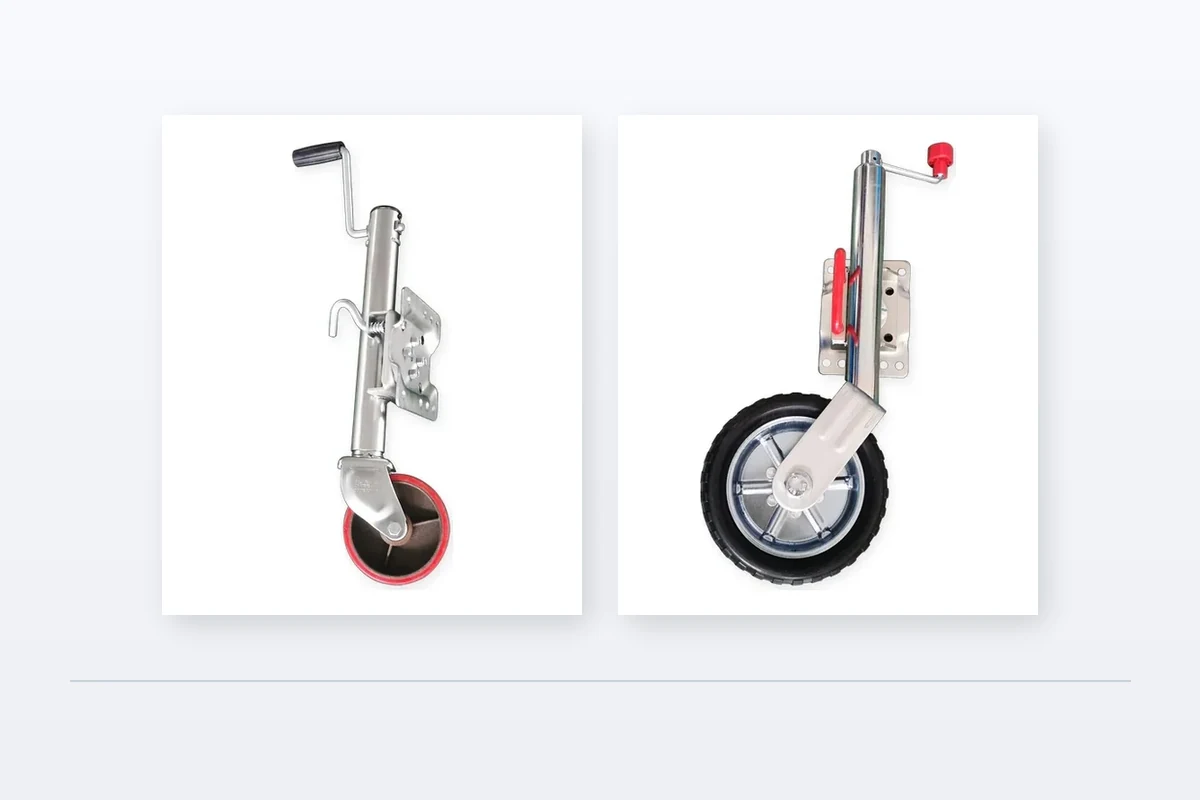
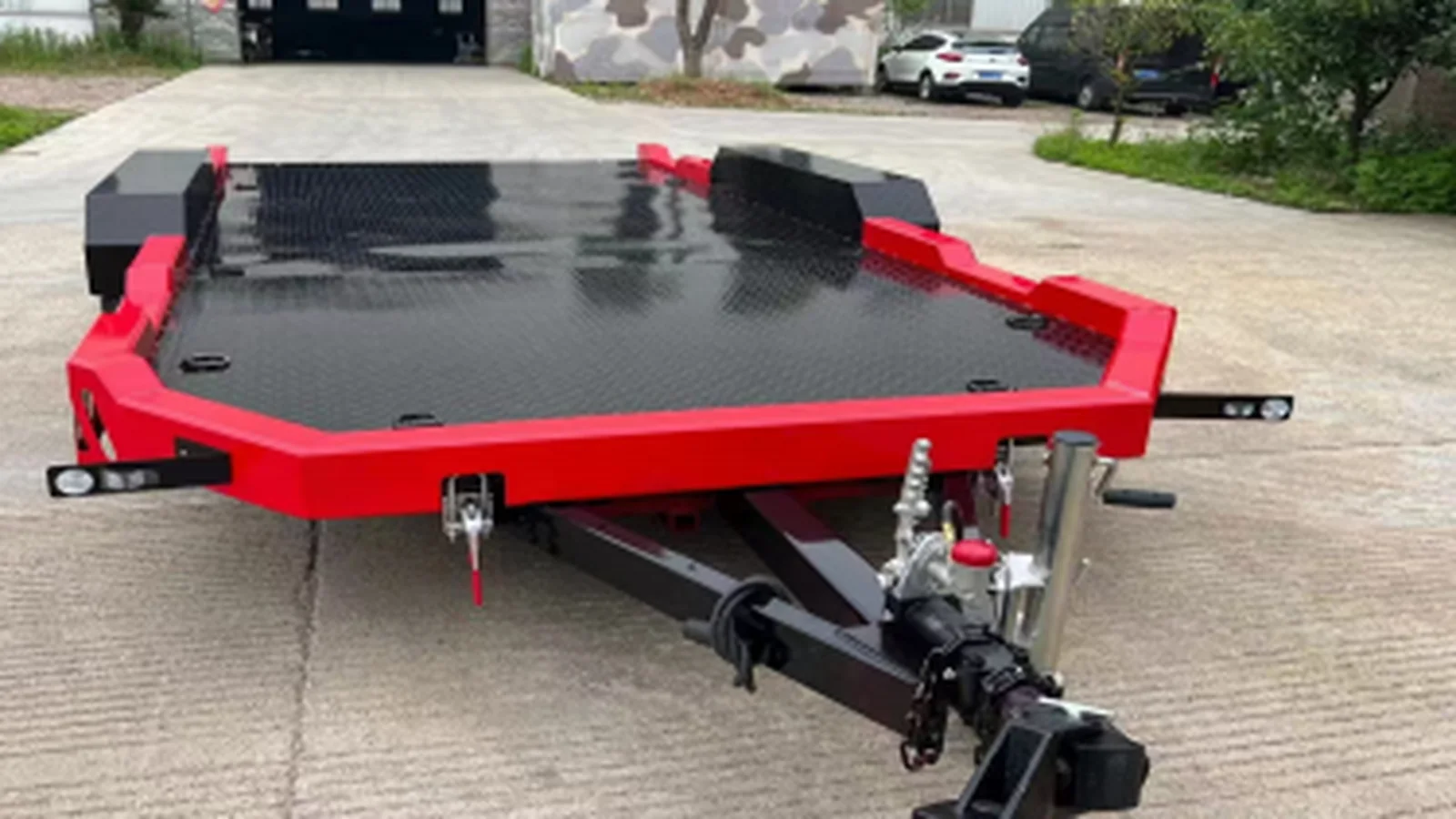
Una volta definita l'applicazione, confronta famiglie di prodotti. Se il problema è la sostituzione, utilizzare il guida alle misurazioni. Per i rimorchi, combinare il guida all'applicazione con la lista di controllo della ruota di supporto.
Iniziate con le misurazioni, poi utilizzate la guida che vi aiuterà a prendere la decisione successiva.
Una guida alla selezione è più utile quando riduce un'incertezza alla volta. Se il componente esistente deve essere sostituito, si inizia con le misurazioni. Se l'apparecchiatura è nuova, si inizia con il carico e i punti di appoggio. Una volta noti gli ingombri fisici, è possibile confrontare materiale, diametro della ruota, tipo di montaggio e funzioni di controllo senza mescolare decisioni non correlate.
Conservate il foglio delle misure accanto alle note della guida. In questo modo eviterete che una raccomandazione generale venga confusa con una dimensione o una valutazione di un prodotto specifico.
Utilizzare la stessa terminologia in ambito ingegneristico e in quello degli acquisti.
Termini quali diametro della ruota, larghezza della ruota, lunghezza del mozzo, foro, altezza di montaggio, dimensione della piastra, interasse dei fori, diametro del tubo e corsa devono avere lo stesso significato nel disegno, nella richiesta di offerta e nell'ordine di acquisto. Laddove le misure commerciali in pollici siano comuni, è opportuno mantenere la misura metrica accanto alla descrizione nominale in pollici anziché effettuare conversioni avanti e indietro senza un valore di riferimento.
Una terminologia chiara è particolarmente importante nei lavori di sostituzione, poiché le parti usurate e le riparazioni improvvisate possono distorcere la dimensione che un operatore definisce informalmente "dimensione".
Linee guida separate dalle valutazioni specifiche del prodotto
Le guide spiegano come porre le domande giuste; non trasformano una famiglia di ruote generica in un gruppo certificato. Capacità di carico, tipo di materiale, dimensioni di montaggio e compatibilità devono essere verificati per la configurazione specifica che si sta considerando. Questa distinzione permette alle pagine tecniche di rimanere utili senza dover inserire valori non specificati nelle pagine prodotto.
Quando un valore richiesto non è indicato nella pagina del prodotto, è preferibile includerlo nella richiesta di offerta piuttosto che fare supposizioni. In questo modo, la discussione tecnica rimane ancorata all'apparecchiatura reale.
Creare un record di selezione riutilizzabile
Per flotte o acquisti ripetuti, conservate la ruota o il gruppo ruota accettato insieme alle relative note applicative: famiglia di equipaggiamento, ipotesi di carico, pavimento o terreno, interfaccia di montaggio, disegno dimensionale, materiale, finitura ed eventuali requisiti di frenatura o ripiegamento. Questa piccola documentazione spesso consente di risparmiare più tempo rispetto a partire da una fotografia del prodotto per ogni riordino.
Ricontrollare la registrazione in caso di modifiche al carico utile, al percorso, al piano, al telaio dell'attrezzatura o all'ambiente di pulizia. Un codice articolo ripetuto deve essere considerato un punto di riferimento controllato, non un sostituto per la revisione di un'applicazione modificata.
Utilizzare le guide nell'ordine in cui viene presa una decisione reale in materia di approvvigionamento.
Iniziate definendo il problema che l'attrezzatura deve risolvere, per poi passare a considerare il carico, il tipo di pavimento o terreno, il diametro delle ruote, il materiale, l'interfaccia di montaggio e la funzione di sterzo o frenatura. Quest'ordine previene un errore comune nella fase di approvvigionamento: selezionare prima una famiglia di prodotti già nota e poi cercare di adattarla all'applicazione specifica. Le guide sono concepite come strumenti di supporto alle decisioni, pertanto ciascuna identifica le misure o i parametri operativi che devono essere verificati prima che un preventivo possa essere considerato tecnicamente completo.
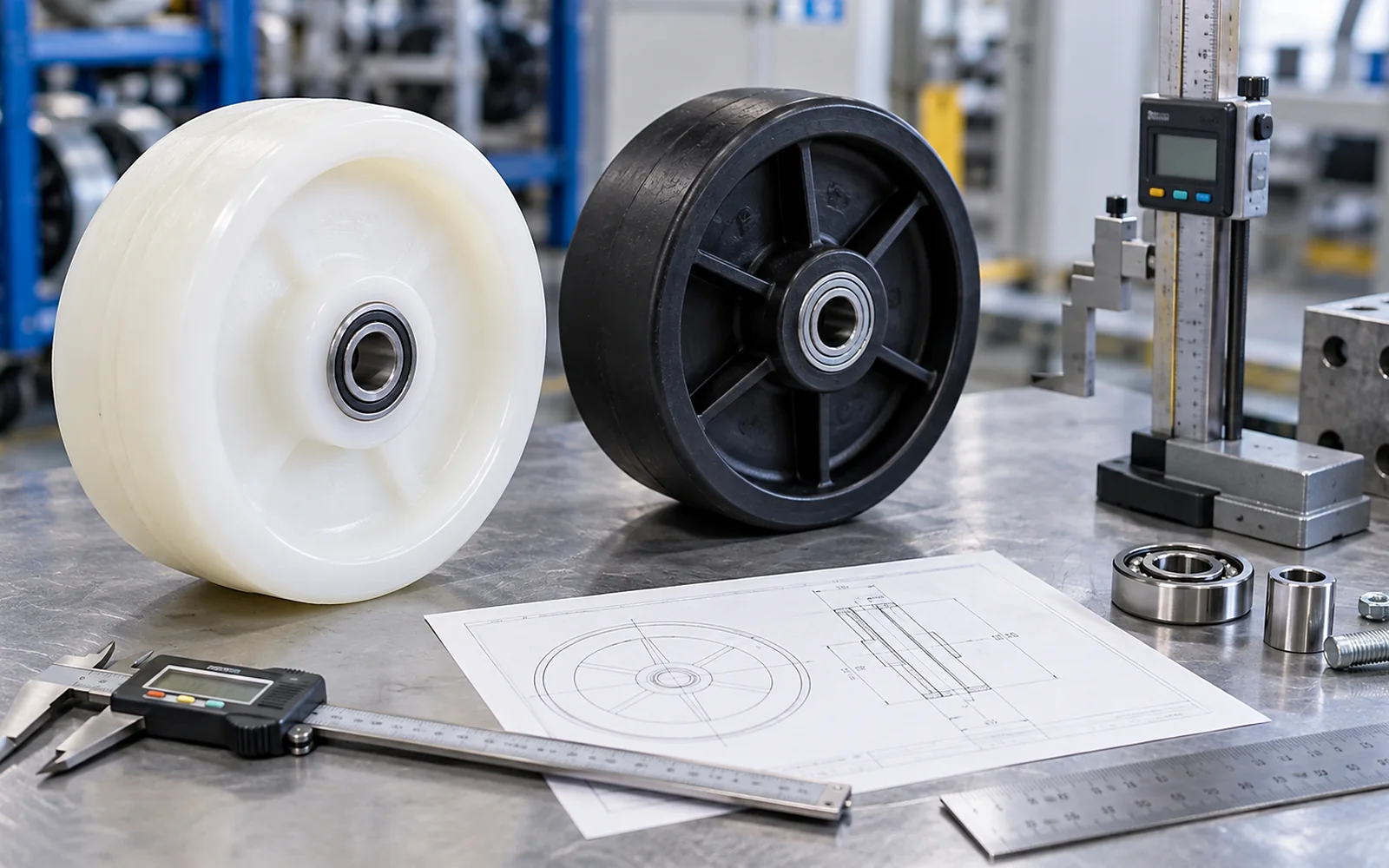
Per un'installazione esistente, la misurazione precede il confronto. Rilevare il diametro e la larghezza della ruota, la disposizione del foro o del cuscinetto, la lunghezza del mozzo, l'altezza complessiva o installata, le dimensioni della piastra o del tubo di montaggio e lo spazio libero circostante, se applicabile. Fotografare entrambi i lati e l'area di montaggio. Se il componente originale è usurato o deformato, distinguere le condizioni misurate da quelle previste, in modo che l'usura non venga riprodotta nelle nuove specifiche.
Per le nuove apparecchiature, è importante rendere visibile l'incertezza. Utilizzare calcoli preliminari di carico e ingombro per definire un requisito minimo, ma lasciare le specifiche di catalogo, i tipi di materiale, la compatibilità e le dichiarazioni relative a processi speciali ai dati di prodotto che li supportano. Una buona richiesta di offerta (RFQ) può contenere punti di conferma espliciti. Ciò è preferibile a una scheda tecnica ordinata che mescola tacitamente dimensioni confermate con ipotesi.
Concludi la guida con input RFQ misurabili
Prima di inviare una richiesta, convertire le conclusioni della guida in un breve elenco di dati misurabili: tipo di prodotto o attrezzatura, diametro e larghezza della ruota, foro o cuscinetto, interfaccia di montaggio, altezza o corsa complessiva (ove pertinente), carico di lavoro, condizioni della superficie e quantità. Allegare un disegno o delle fotografie per i lavori di sostituzione. Se un valore è sconosciuto, indicarlo per conferma anziché utilizzare un numero copiato da un modello o un'applicazione diversa.
Questo approccio mantiene la discussione tecnica focalizzata. I fornitori possono rispondere ai vincoli di installazione effettivi, mentre i team acquisti possono confrontare i preventivi in base agli stessi requisiti, invece di confrontare descrizioni che utilizzano nomi di prodotti simili ma presupposti diversi.
Conservare disegni, fotografie e note di selezione con lo stesso nome di configurazione o riferimento interno del componente. Quando un preventivo viene modificato, aggiornare sia il documento decisionale che il documento commerciale, in modo che l'ufficio tecnico e l'ufficio acquisti possano consultare le stesse dimensioni e ipotesi di funzionamento. Questo risulta particolarmente utile quando si devono reperire contemporaneamente diverse misure di ruote o gruppi di supporto per rimorchi.
Trasforma le note della guida in una richiesta di preventivo.
Inviate la richiesta, la quantità e le dimensioni che già conoscete. Eventuali dettagli mancanti, fondamentali per la vestibilità, potranno essere verificati prima del preventivo.