Korea Ever-Power Plastic Castor Co., Ltd. · Sandan-ro | Danwon-gu | Ansan-si | Gyeonggi-do | Corea[email protected]
Richiedi un preventivo

Product Catalogue

Industrial Plastic Wheels & Support Assemblies

Browse plastic wheel, jockey-wheel, guide-wheel, brakeable and twin-wheel families through buyer-focused selection routes.

Browse by product family

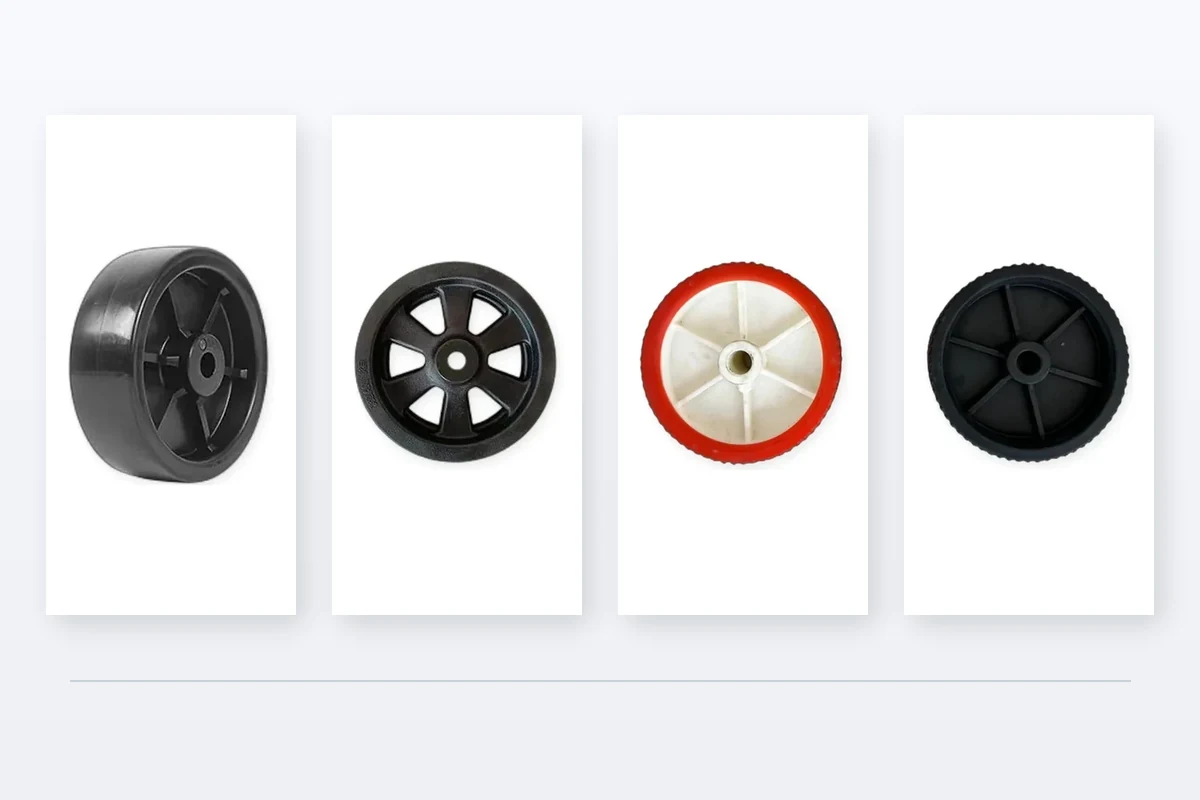
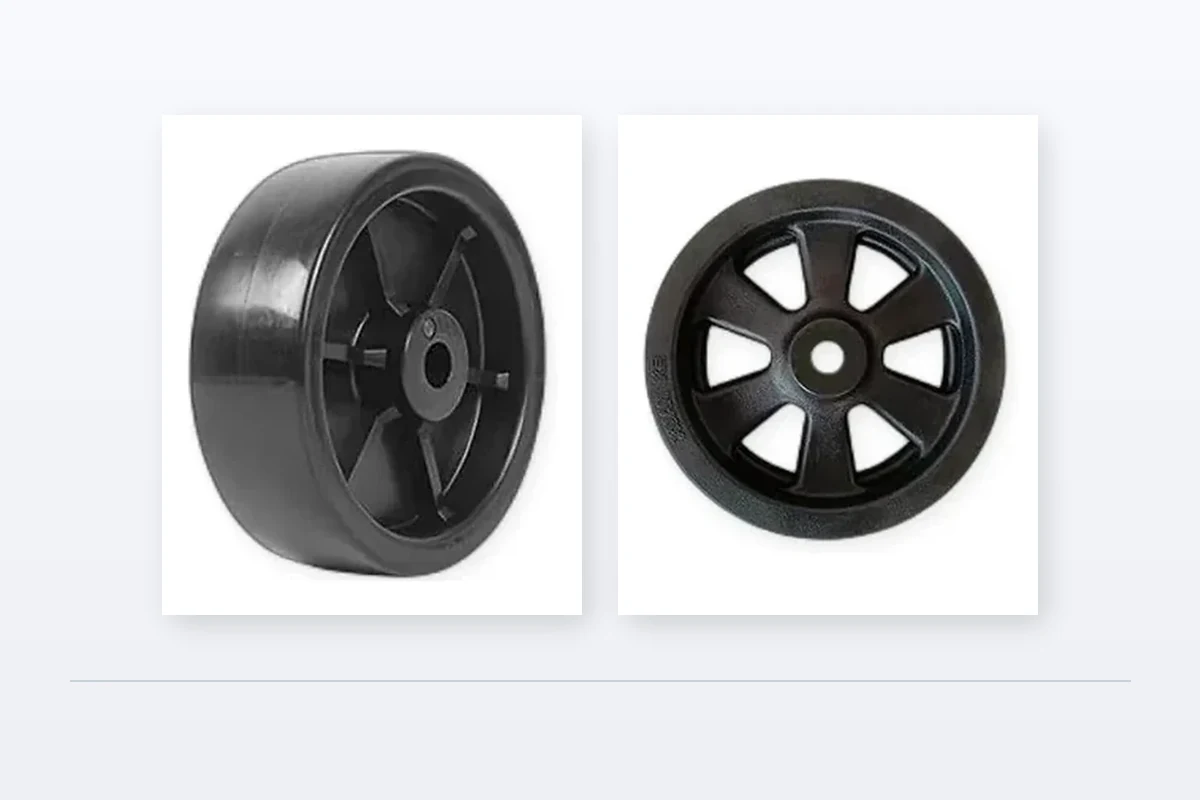
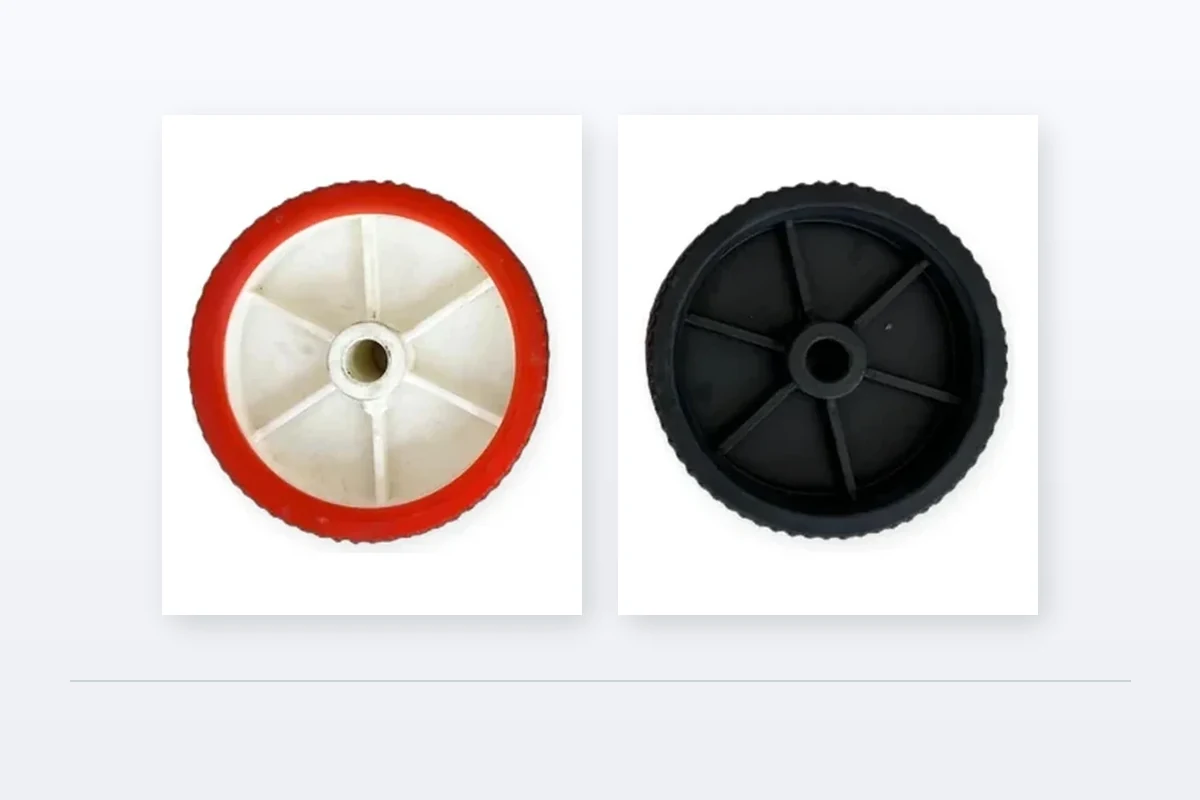
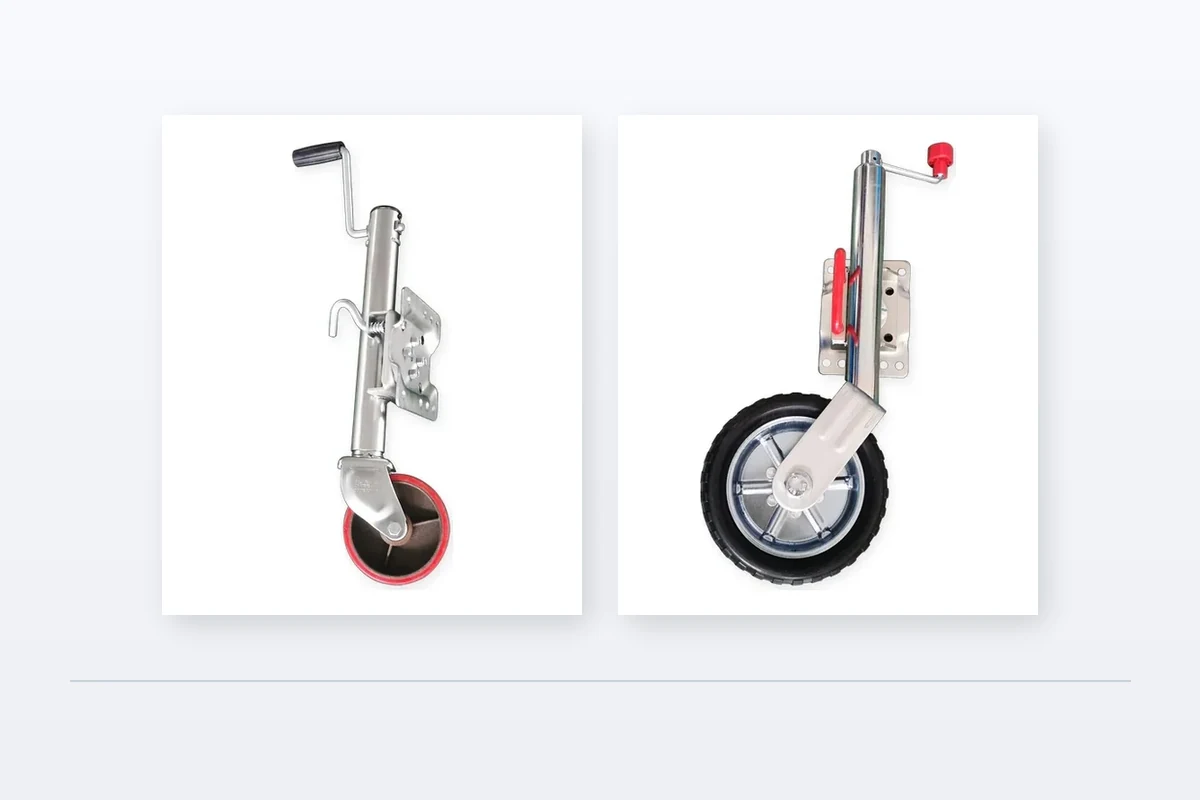
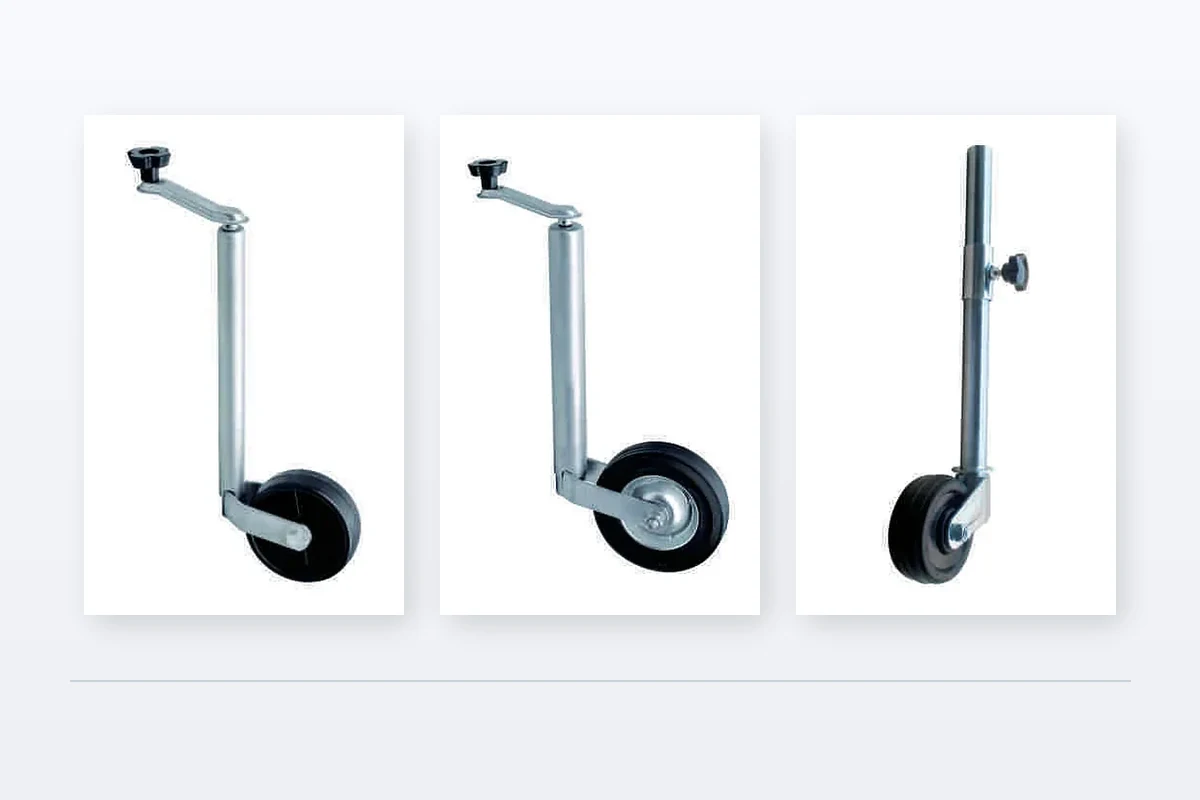
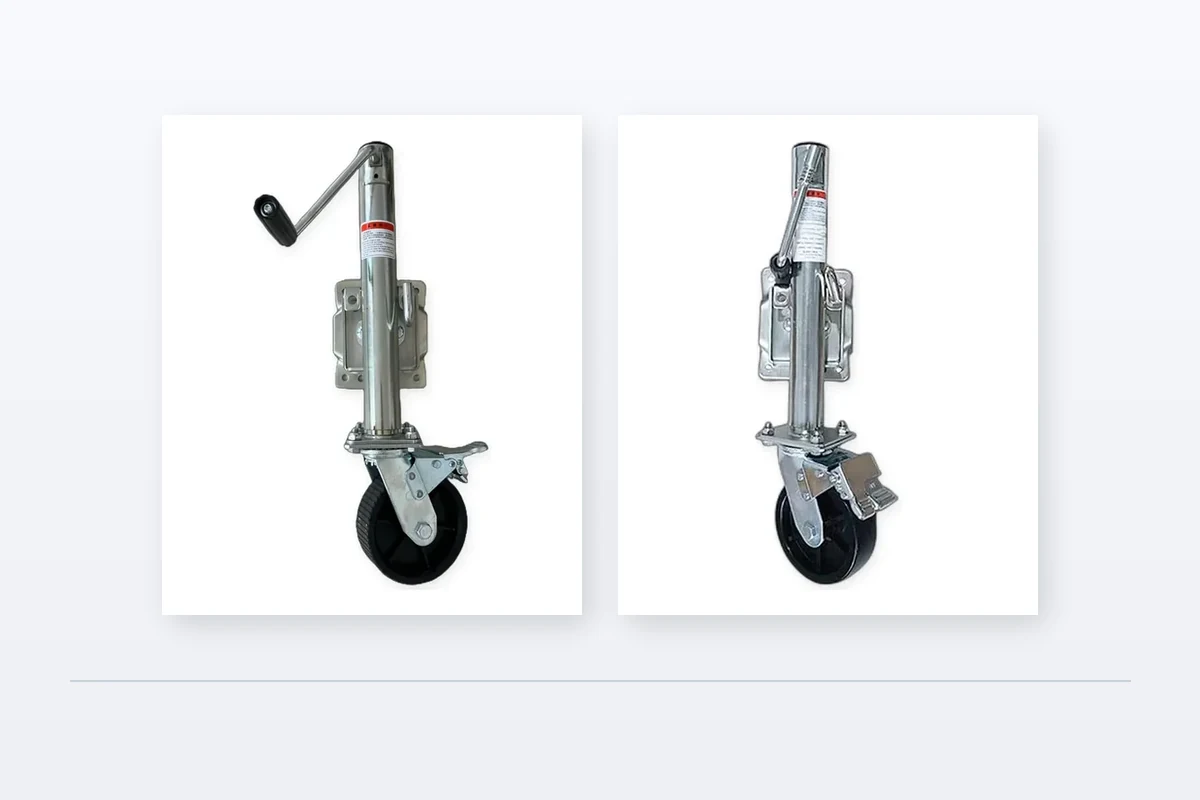
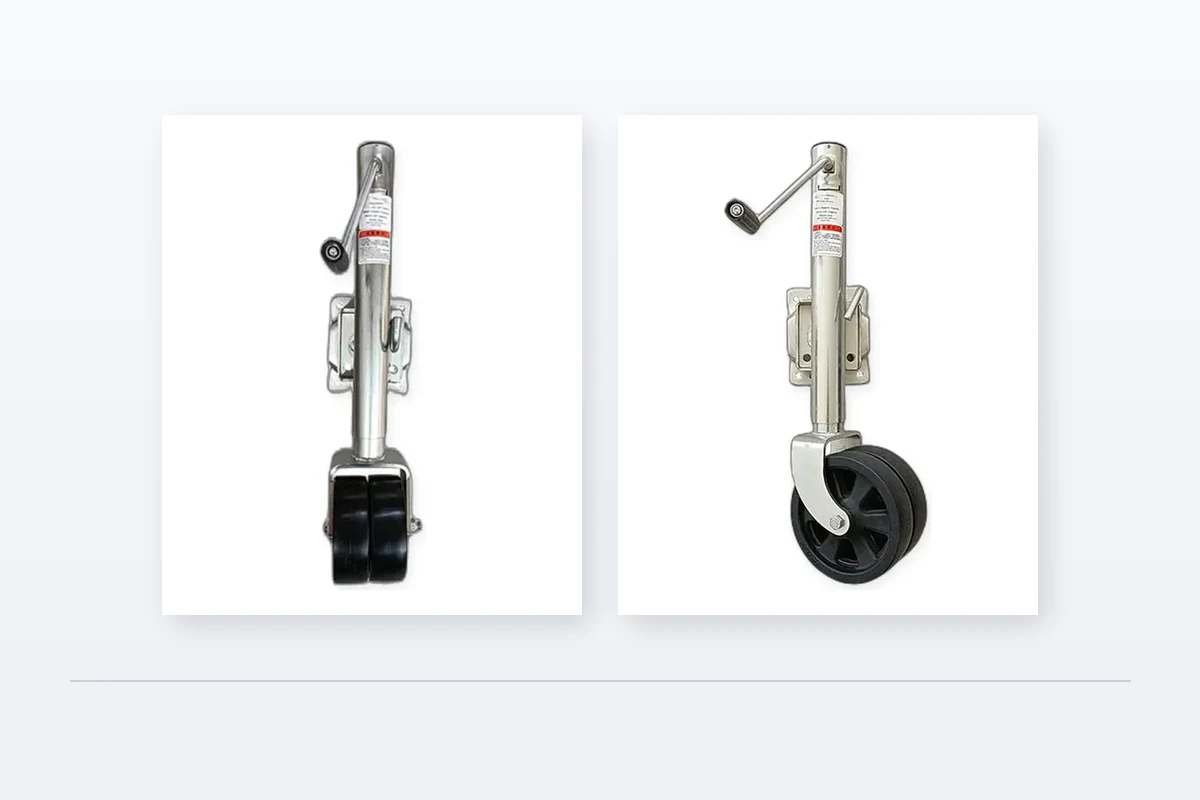
The catalogue is organized by function and material so buyers can reach the relevant technical questions before comparing individual products. Current entries include nylon and polypropylene wheels, trailer guide/jockey wheels, brakeable support assemblies and twin-wheel arrangements.

For replacements, begin with measurements; for new designs, begin with load, floor/ground and mounting envelope.

Selection sequence

For an industrial buyer, industrial plastic wheels is not a label to choose in isolation. The useful question is how it behaves inside the complete wheel, mounting and duty-cycle decision.

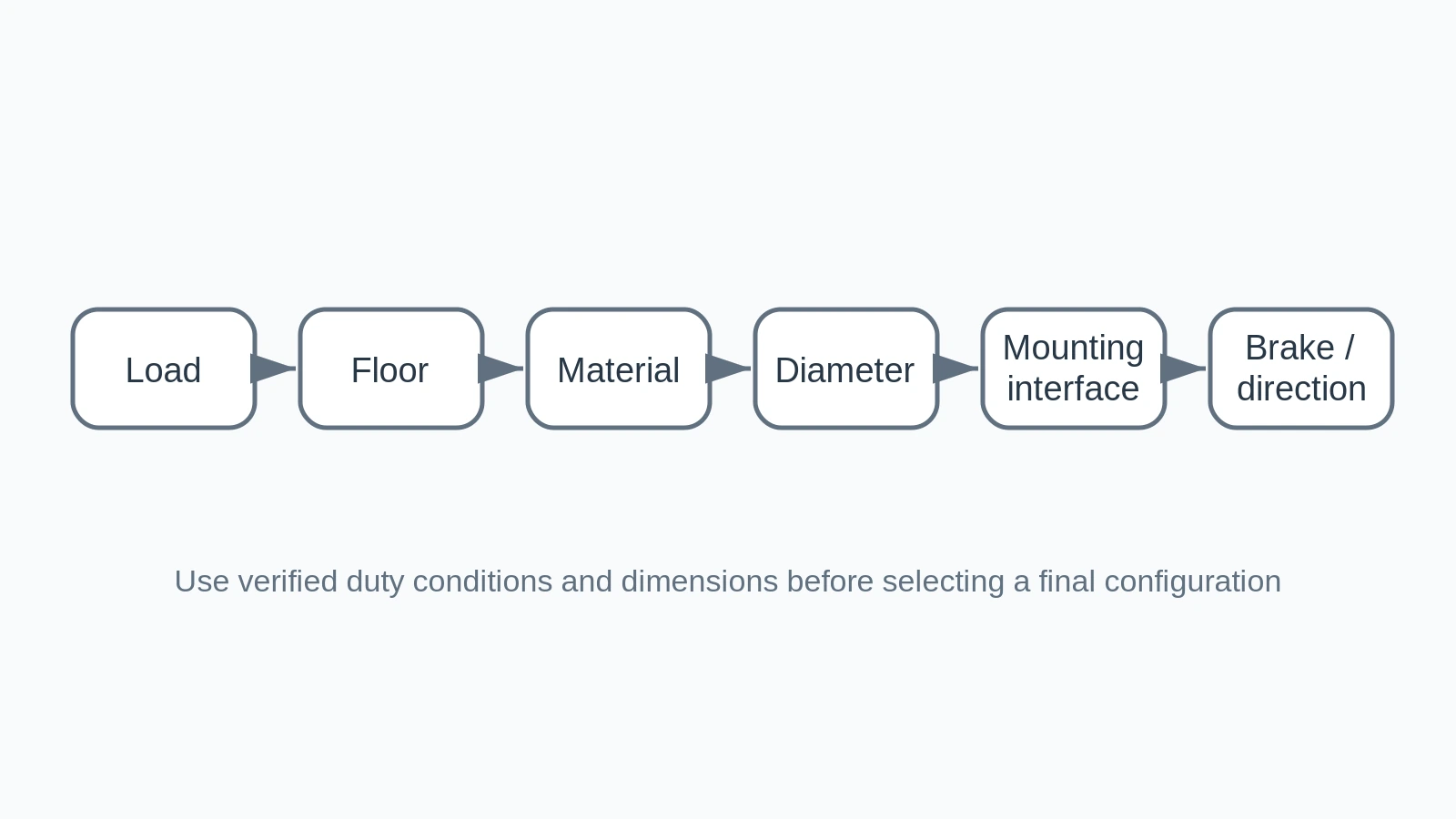
For material handling, equipment bases and trailer support, begin by confirming load, floor and fit-controlling dimensions. This is usually more useful than comparing nominal product names because two visually similar wheels can behave differently once mounting, floor condition and real load distribution are considered.

This also prevents a frequent sourcing error: choosing from appearance alone. A family name alone does not establish axle, bracket or load compatibility. Record load, wheel size, interface, environment, quantity and drawing/photo in the enquiry so the commercial discussion starts from a technically meaningful baseline.

Product selection sequence

Compare current products

Before you select a model

  • Define maximum equipment and payload mass.
  • Identify how many wheels actually support the frame.
  • Describe floor/ground, joints and obstacles.
  • Measure wheel and mounting interface.
  • State brake, folding or steering requirement.
  • Keep model-specific quantities separate.

Utilizzare il selection guide, application pages, or the Lista di controllo della richiesta di offerta (RFQ).

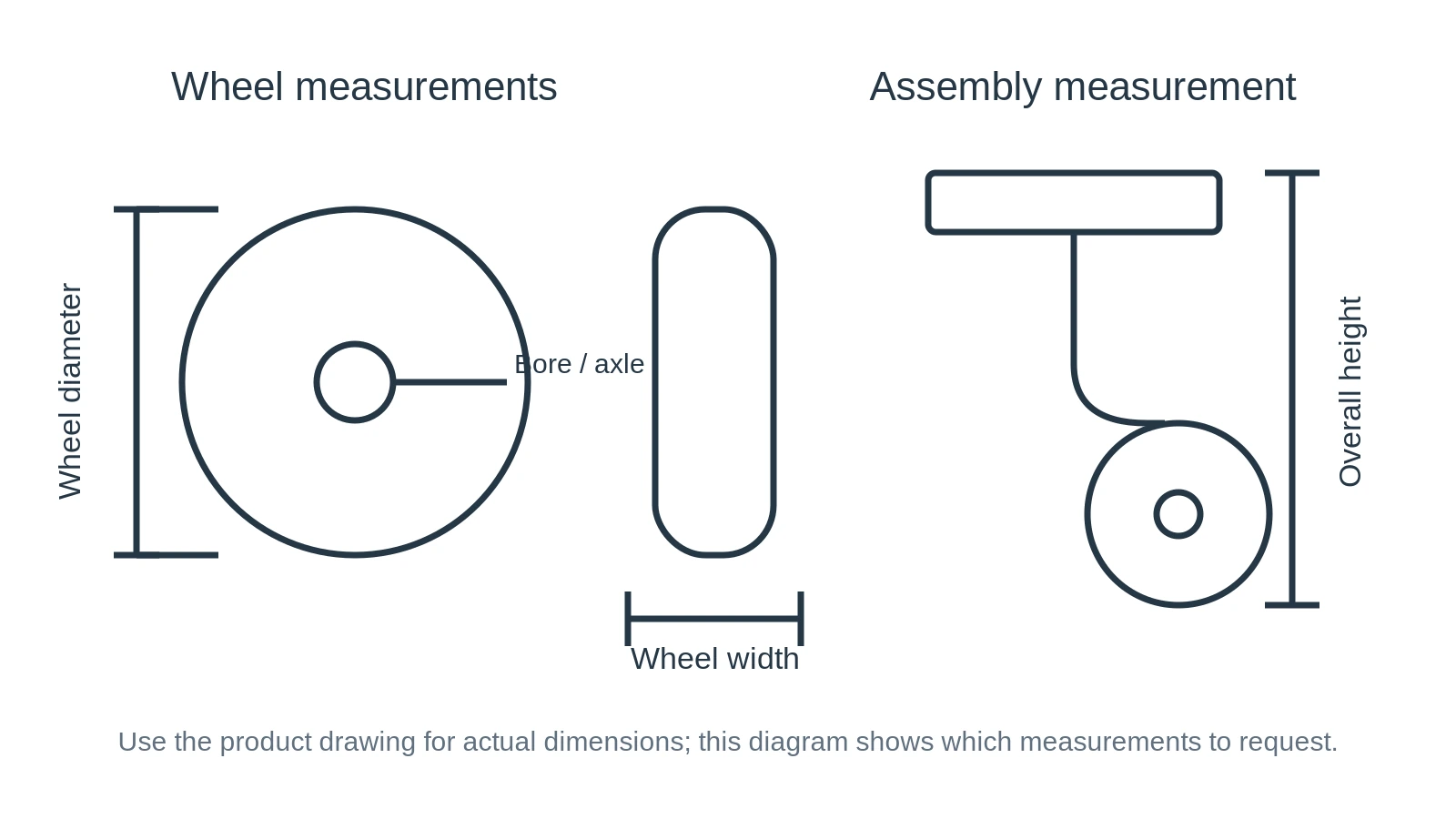
Wheel measurement guide

Product questions

Do you sell only complete castors?

No. The current site includes loose plastic wheels and trailer support/jockey assemblies as well as castor interface guidance.

Can I order by wheel colour?

No. Colour is not a reliable material specification.

Are all dimensions shown on each product?

Only current configuration dimensions are shown. Missing fit-critical values must be confirmed.

Can mixed models be combined?

Mixed-model B2B orders can be reviewed; keep each model and quantity separate.

Product comparison discipline

When comparing products, keep wheel diameter, width, material and interface separate from complete-assembly load and finish. A controlled comparison sheet is especially useful when several sizes are sourced for the same fleet.

Prima la forma fisica

Costruisci la lista ristretta in base alle dimensioni che controllano l'adattamento

For industrial plastic wheels & support assemblies, the fastest way to narrow the range is to record product family, wheel diameter, wheel material, mounting interface, duty and quantity. These fields describe the physical and operating boundary of the part rather than only its appearance. They also help separate a wheel-only replacement from a complete support or castor assembly.

Se il componente esistente è usurato, misurare, ove possibile, a partire da punti di riferimento metallici stabili e annotare quali dimensioni potrebbero essere cambiate durante l'utilizzo. Un diametro esterno usurato o un foro allungato non devono essere automaticamente considerati come la dimensione di riferimento per la sostituzione. Conservare il vecchio componente o un disegno quotato fino a quando il primo campione o la configurazione approvata non saranno stati verificati sull'apparecchiatura.

Costruisci la lista ristretta in base alle dimensioni che controllano l'adattamento
Confronto

Confrontare le configurazioni sulla base delle stesse ipotesi operative

Un confronto equo tra i prodotti si basa sull'utilizzo di un'unica descrizione d'uso per ciascun candidato: stesso peso dell'attrezzatura, carico utile, punti di appoggio, tipo di pavimento o terreno, schema di marcia e condizioni ambientali. Modificare questi presupposti tra le diverse opzioni rende difficile il confronto tra valori nominali e dimensioni delle ruote. Laddove siano rilevanti urti, soglie di carico o distribuzione non uniforme del carico, è opportuno includerli esplicitamente anziché trattare l'applicazione come una condizione statica di laboratorio.

In fase di approvvigionamento, è opportuno separare i requisiti relativi a materiali, finiture e interfacce dai dettagli relativi al carico o alle dimensioni. In questo modo, è chiaro quali caratteristiche sono obbligatorie e quali possono essere proposte come alternative. Si evita inoltre che una finitura o un materiale vengano copiati su un modello simile semplicemente perché le fotografie si assomigliano.

Confrontare le configurazioni sulla base delle stesse ipotesi operative
Messa in servizio

Pianifica la prima installazione contestualmente alla decisione di acquisto.

Before a production order for industrial plastic wheels & support assemblies is released, plan how the first unit will be checked. Confirm physical fit, wheel rotation, clearance through the expected motion, fastener seating and behaviour on the real floor or ground. For braked, folding or lifting assemblies, operate the mechanism through its usable range before placing it into routine service.

Annotare le dimensioni e la configurazione accettate insieme al riferimento d'acquisto. Ciò fornisce una base di riferimento stabile per gli ordini successivi, consentendo al contempo di verificare nuovamente l'applicazione qualora il carico, il pavimento, la struttura dell'apparecchiatura o l'ambiente operativo subiscano delle modifiche.


Pianifica la prima installazione contestualmente alla decisione di acquisto.
Application Match

Use the application to eliminate unsuitable configurations

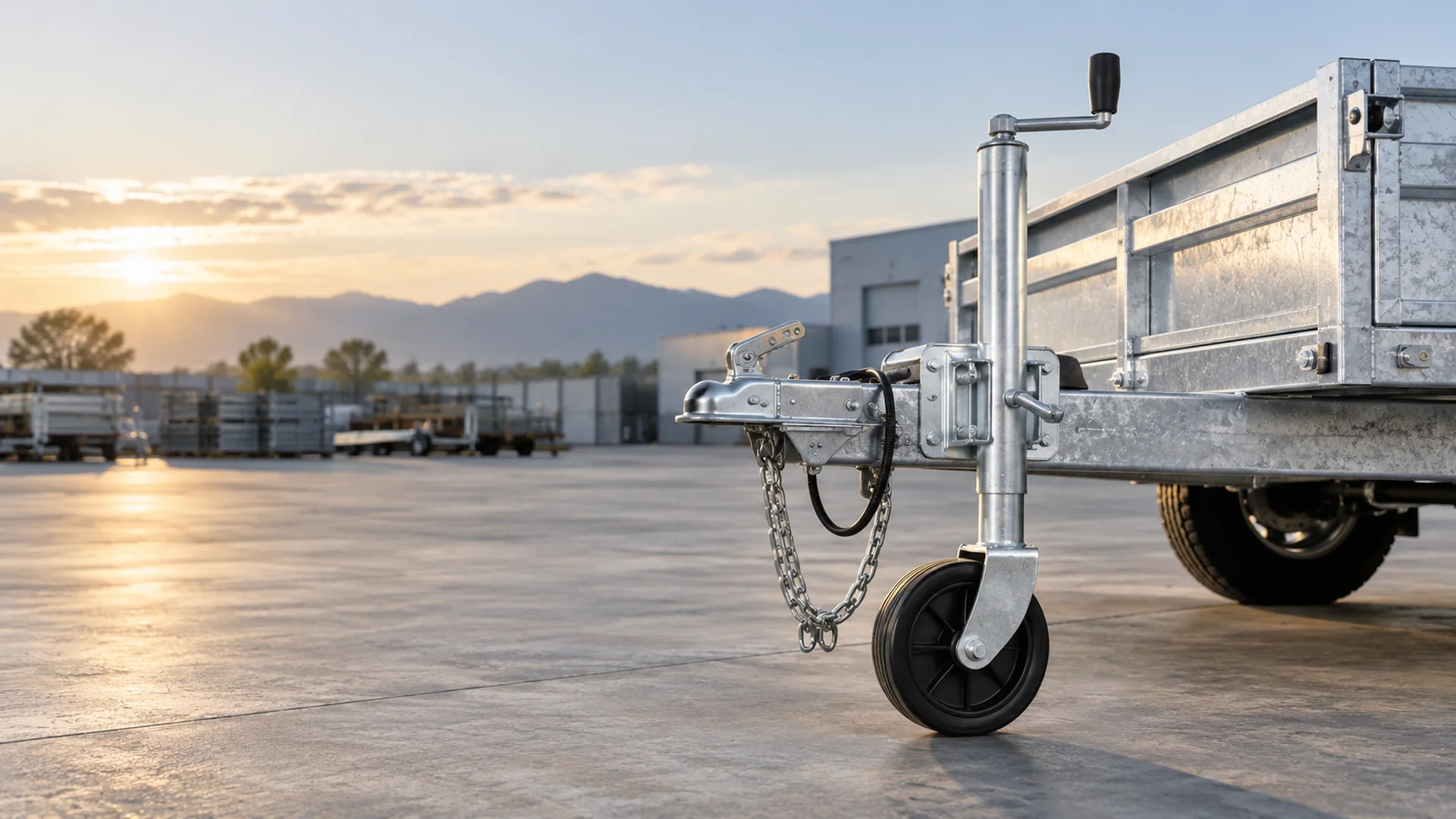
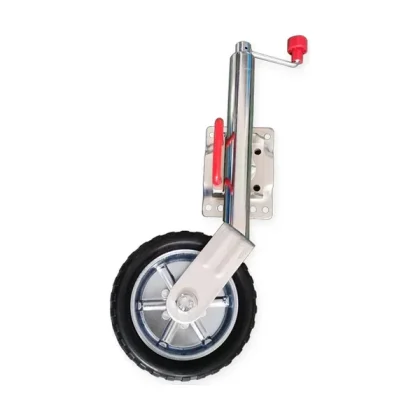
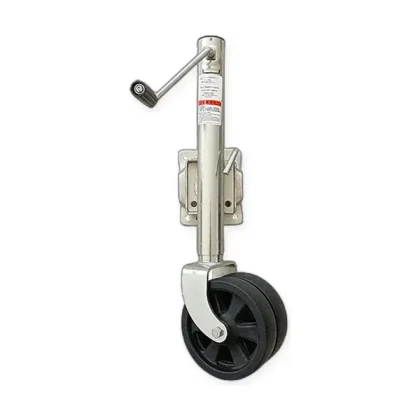
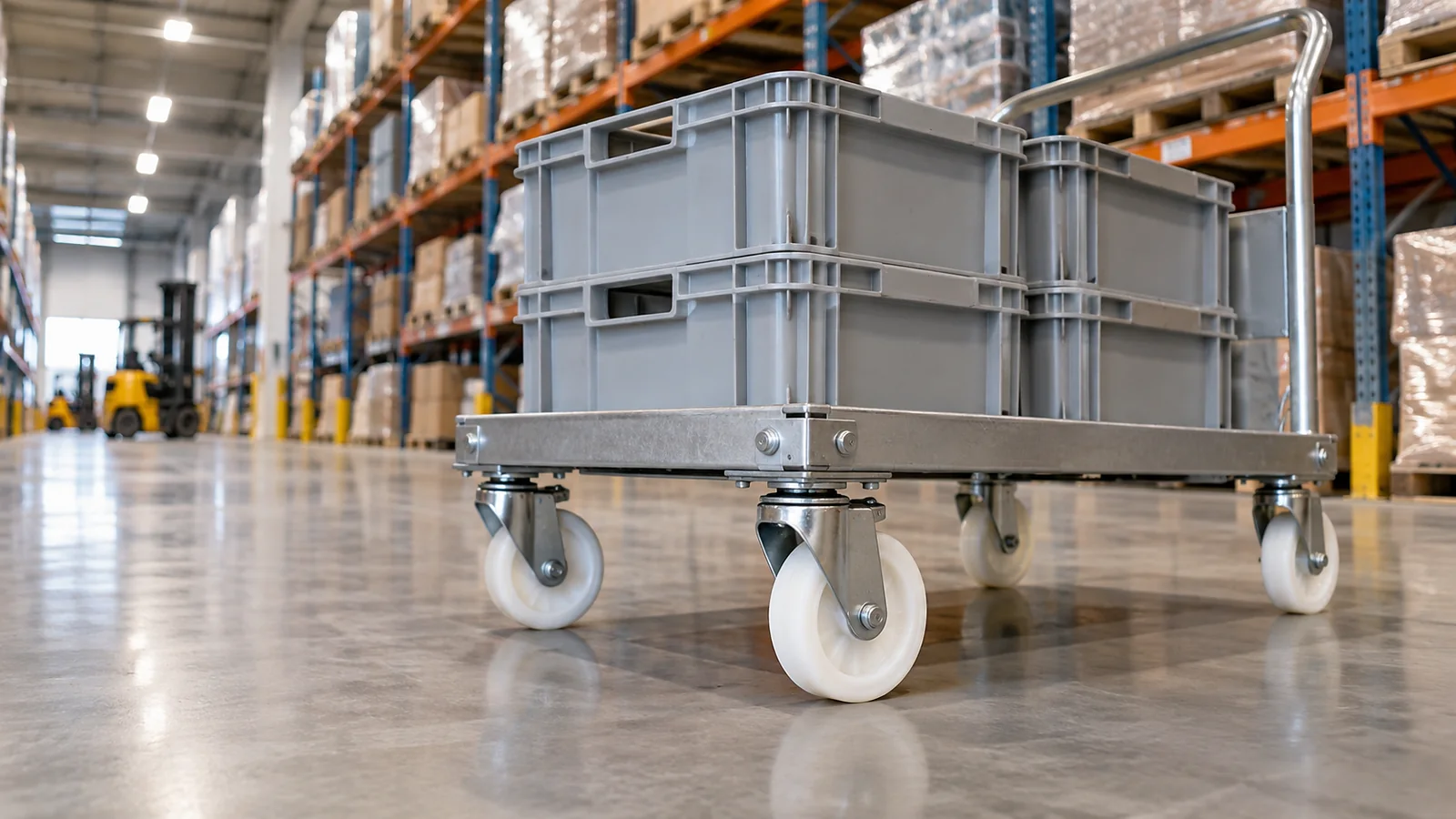
A material-handling cart, machine base and trailer jockey wheel create different requirements even when their wheel diameters overlap. Indoor carts may place emphasis on repeated travel, steering and thresholds; equipment bases may be constrained by installed height and service access; trailer support assemblies must also fit the drawbar or clamp and operate on the expected outdoor surface.

Use the application pages as a second filter after product family. The goal is not to multiply catalogue pages, but to connect each configuration with the operating variables that a buyer should confirm before requesting a quotation.

Use the application to eliminate unsuitable configurations
Shortlisting

Build a shortlist from fit-controlling variables

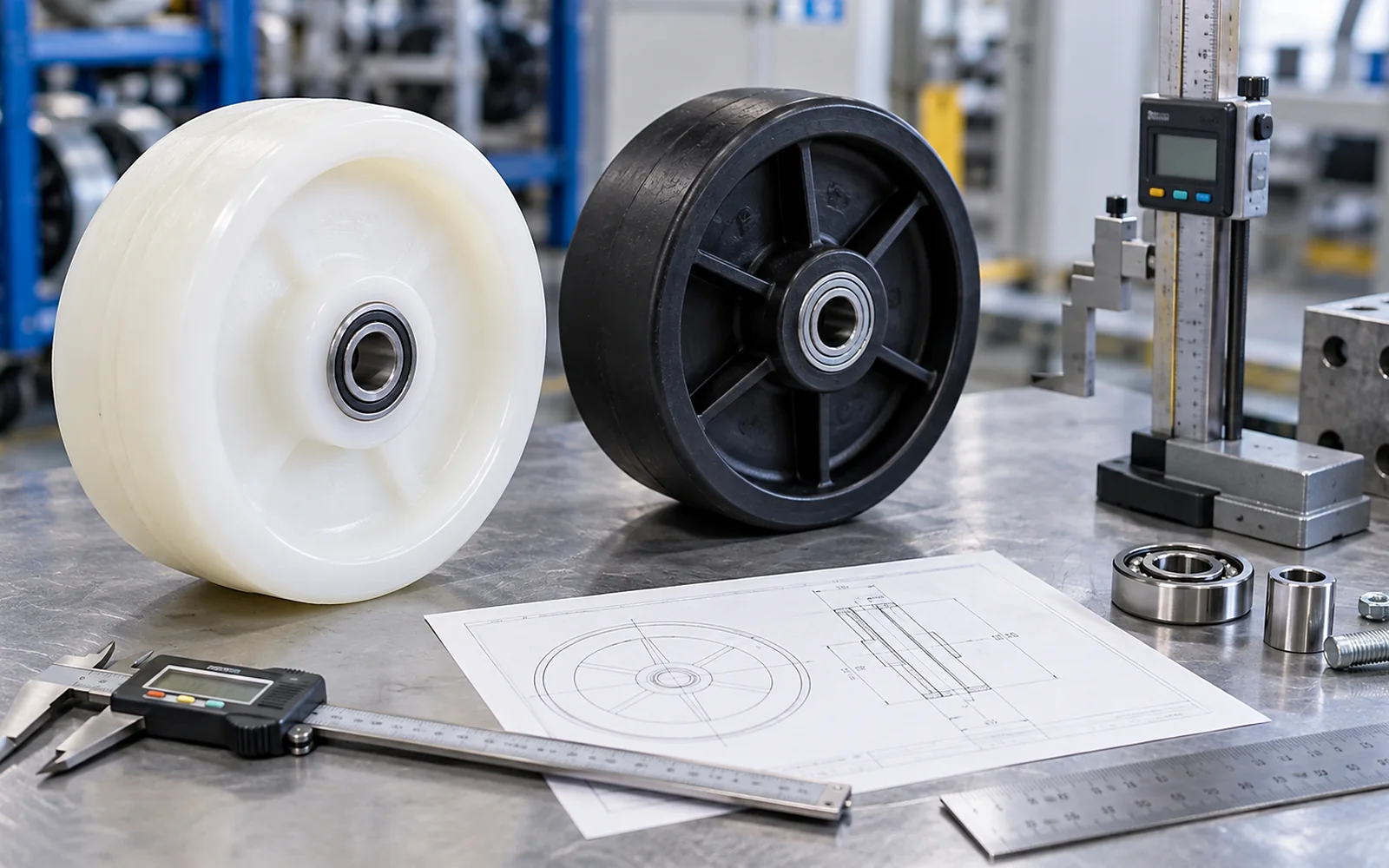
A useful product shortlist begins with dimensions and duty rather than appearance. For loose wheels, record diameter, width, bore or bearing arrangement and hub length. For complete support assemblies, add tube, clamp or bracket geometry, closed height, travel, brake requirement and clearance. Then place those dimensions beside the actual load, floor or ground condition and movement pattern.

This method makes similar-looking products easier to compare and exposes missing information early. If a parameter is not listed for a product, include it as an RFQ question instead of assuming that a value from another size or family carries across.

Build a shortlist from fit-controlling variables

Start with the product family, finish with the dimensions

Inviate la richiesta, la quantità e le dimensioni che già conoscete. Eventuali dettagli mancanti, fondamentali per la vestibilità, potranno essere verificati prima del preventivo.

Richiedi un preventivo