Өнім сипаттамасы
Custom Plastic PC ABS PP Professional Injection Moulding Production Service
These are customized accessories. The material is aluminum alloy ADC-12. We will produce products according to the requirements of our customers and our rich experience in the die casting industry. Before the product is officially produced, we will make DFM and mold flow analysis for customer confirmation and explanation. We hope that our die casting experience and knowledge can help you complete your project.
Available Casting Information:
| Материал | alloy steel, brass, aluminum,zinc alloy,ductile Iron,grey iron, etc,according to customer drawings and specifications. |
| Casting process | Silica Sol casting ,composite casting, soluble glass casting, sand casting, gravity casting, permanent mold casting, high pressure die casting, low pressure die casting, ect. |
| Additional machining | turning , milling, drilling, grinding, threading, CNC machining, etc. |
| Беттік өңдеу | sand blasting, shot/ bead blasting, polishing, plating, acid treatment, anodizing, painting, powder coating,passivating,electropolishing ect. |
| Төзімділік | profile dimension +/-0.02mm, hole diameter +/-0.005mm. |
| Қолданба | Industrial machinery parts, Marine hardwares, Pipe Fitting Parts, Textile machinery parts, Sport facility parts, Pneumatic tools parts, Fluid equipment parts, Copper alloy parts, Food machinery parts, Auto parts, Elevator Parts, Air compressor Parts, Electric machine & hardware fittings, Mining & earthmoving machinery accessories, pump body and valve |
Production Process
Компания профилі
Қолданба
Characteristics
1) 17years’ production experience
2) could help customer design the mold and offer valued suggestions to reduce costs for customer
3) can handle with aluminum alloy, A380, ADC12, Zinc 3# and Zinc 5#
4) ISO9001, IATF16949 and ISO14001 certified
5) OEM is welcome
6) Mold flow analysis: Anycasting Flow 3D
Сертификаттар
Product packaging
Жиі қойылатын сұрақтар
Q:Could you provide sample?
A:Yes,we can.
Q:What is the MOQ?
A:MOQis 1000PCS.
Q:What is your production lead time?
A:Usually 15 days to 30 days depending the PO quantity.
Q:How to get a quotation?
A:Pls send us your design drawing forquotation.
Q:What is your payment term?
A:L/C, D/A, D/P, T/T, Western Union, MoneyGram, Paypal.
Custom Plastic PC ABS PP Professional Injection Moulding Production Service
| Сатудан кейінгі қызмет көрсету: | Yes |
|---|---|
| Кепілдік: | One Year |
| Шарты: | Жаңа |
| Үлгілер: |
US$ 5 дана
1 дана (ең аз тапсырыс) | Тапсырыс үлгісі |
|---|
| Теңшеу: |
Қолжетімді
|
|
|---|
.shipping-cost-tm .tm-status-off{background: none;padding:0;color: #1470cc}
|
Жеткізу құны:
Бір бірлікке шаққанда жүк тасымалының болжамды көлемі. |
жеткізу құны және жеткізудің болжамды уақыты туралы. |
|---|
| Төлем әдісі: |
|
|---|---|
|
Бастапқы төлем Толық төлем |
| Валюта: | US$ |
|---|
| Қайтару және қайтару: | Өнімдерді алғаннан кейін 30 күн ішінде ақшаны қайтарып алуға өтініш бере аласыз. |
|---|
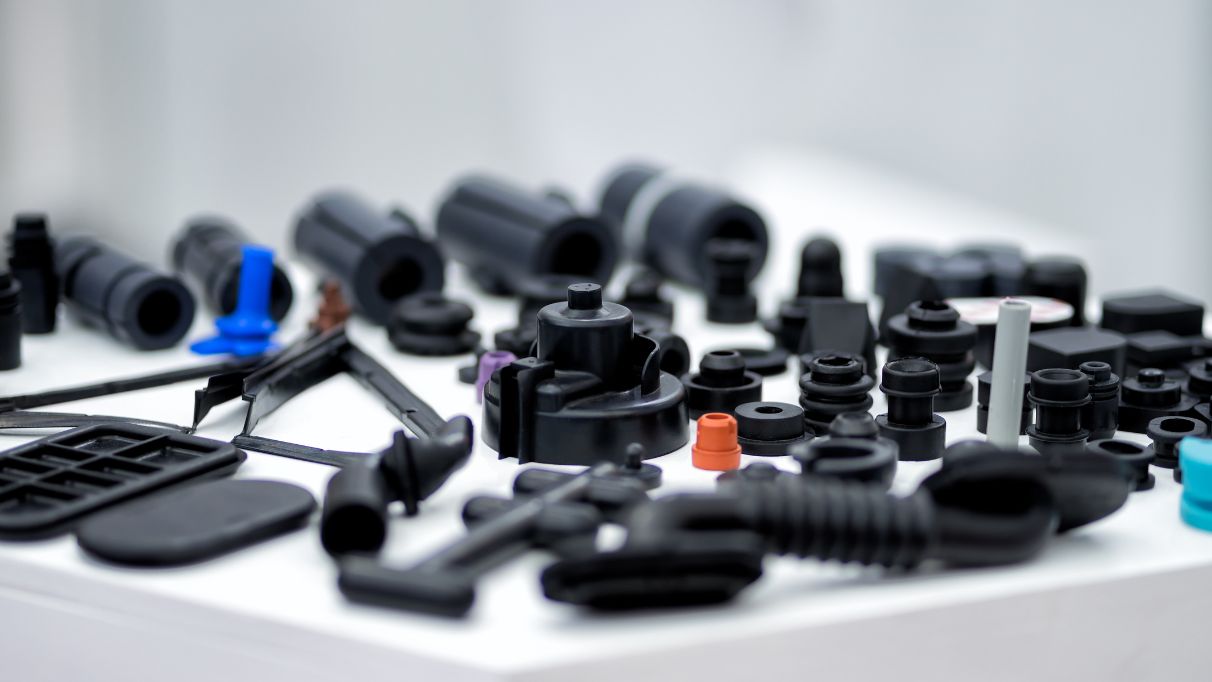
Can injection molded parts be customized or modified to meet unique industrial needs?
Yes, injection molded parts can be customized or modified to meet unique industrial needs. The injection molding process offers flexibility and versatility, allowing for the production of highly customized parts with specific design requirements. Here’s a detailed explanation of how injection molded parts can be customized or modified:
Design Customization:
The design of an injection molded part can be tailored to meet unique industrial needs. Design customization involves modifying the part’s geometry, features, and dimensions to achieve specific functional requirements. This can include adding or removing features, changing wall thicknesses, incorporating undercuts or threads, and optimizing the part for assembly or integration with other components. Computer-aided design (CAD) tools and engineering expertise are used to create custom designs that address the specific industrial needs.
Material Selection:
The choice of material for injection molded parts can be customized based on the unique industrial requirements. Different materials possess distinct properties, such as strength, stiffness, chemical resistance, and thermal stability. By selecting the most suitable material, the performance and functionality of the part can be optimized for the specific application. Material customization ensures that the injection molded part can withstand the environmental conditions, operational stresses, and chemical exposures associated with the industrial application.
Surface Finishes:
The surface finish of injection molded parts can be customized to meet specific industrial needs. Surface finishes can range from smooth and polished to textured or patterned, depending on the desired aesthetic appeal, functional requirements, or ease of grip. Custom surface finishes can enhance the part’s appearance, provide additional protection against wear or corrosion, or enable specific interactions with other components or equipment.
Color and Appearance:
Injection molded parts can be customized in terms of color and appearance. Colorants can be added to the material during the molding process to achieve specific shades or color combinations. This customization option is particularly useful when branding, product differentiation, or visual identification is required. Additionally, surface textures, patterns, or special effects can be incorporated into the mold design to create unique appearances or visual effects.
Secondary Operations:
Injection molded parts can undergo secondary operations to further customize or modify them according to unique industrial needs. These secondary operations can include post-molding processes such as machining, drilling, tapping, welding, heat treating, or applying coatings. These operations enable the addition of specific features or functionalities that may not be achievable through the injection molding process alone. Secondary operations provide flexibility for customization and allow for the integration of injection molded parts into complex assemblies or systems.
Tooling Modifications:
If modifications or adjustments are required for an existing injection molded part, the tooling can be modified or reconfigured to accommodate the changes. Tooling modifications can involve altering the mold design, cavity inserts, gating systems, or cooling channels. This allows for the production of modified parts without the need for creating an entirely new mold. Tooling modifications provide cost-effective options for customizing or adapting injection molded parts to meet evolving industrial needs.
Prototyping and Iterative Development:
Injection molding enables the rapid prototyping and iterative development of parts. By using 3D printing or soft tooling, prototype molds can be created to produce small quantities of custom parts for testing, validation, and refinement. This iterative development process allows for modifications and improvements to be made based on real-world feedback, ensuring that the final injection molded parts meet the unique industrial needs effectively.
Overall, injection molded parts can be customized or modified to meet unique industrial needs through design customization, material selection, surface finishes, color and appearance options, secondary operations, tooling modifications, and iterative development. The flexibility and versatility of the injection molding process make it a valuable manufacturing method for creating highly customized parts that address specific industrial requirements.
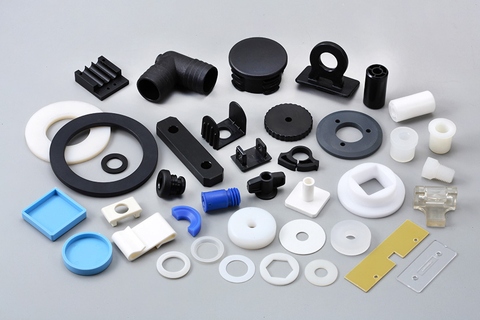
Can you describe the various post-molding processes, such as assembly or secondary operations, for injection molded parts?
Post-molding processes play a crucial role in the production of injection molded parts. These processes include assembly and secondary operations that are performed after the initial molding stage. Here’s a detailed explanation of the various post-molding processes for injection molded parts:
1. Assembly:
Assembly involves joining multiple injection molded parts together to create a finished product or sub-assembly. The assembly process can include various techniques such as mechanical fastening (screws, clips, or snaps), adhesive bonding, ultrasonic welding, heat staking, or solvent welding. Assembly ensures that the individual molded parts are securely combined to achieve the desired functionality and structural integrity of the final product.
2. Surface Finishing:
Surface finishing processes are performed to enhance the appearance, texture, and functionality of injection molded parts. Common surface finishing techniques include painting, printing (such as pad printing or screen printing), hot stamping, laser etching, or applying specialized coatings. These processes can add decorative features, branding elements, or improve the surface properties of the parts, such as scratch resistance or UV protection.
3. Machining or Trimming:
In some cases, injection molded parts may require additional machining or trimming to achieve the desired final dimensions or remove excess material. This can involve processes such as CNC milling, drilling, reaming, or turning. Machining or trimming is often necessary when tight tolerances, specific geometries, or critical functional features cannot be achieved solely through the injection molding process.
4. Welding or Joining:
Welding or joining processes are used to fuse or bond injection molded parts together. Common welding techniques for plastic parts include ultrasonic welding, hot plate welding, vibration welding, or laser welding. These processes create strong and reliable joints between the molded parts, ensuring structural integrity and functionality in the final product.
5. Insertion of Inserts:
Insertion involves placing metal or plastic inserts into the mold cavity before the injection molding process. These inserts can provide additional strength, reinforce threaded connections, or serve as mounting points for other components. Inserts can be placed manually or using automated equipment, and they become permanently embedded in the molded parts during the molding process.
6. Overmolding or Two-Shot Molding:
Overmolding or two-shot molding processes allow for the creation of injection molded parts with multiple layers or materials. In overmolding, a second material is molded over a pre-existing substrate, providing enhanced functionality, aesthetics, or grip. Two-shot molding involves injecting two different materials into different sections of the mold to create a single part with multiple colors or materials. These processes enable the integration of multiple materials or components into a single injection molded part.
7. Deflashing or Deburring:
Deflashing or deburring processes involve removing excess flash or burrs that may be present on the molded parts after the injection molding process. Flash refers to the excess material that extends beyond the parting line of the mold, while burrs are small protrusions or rough edges caused by the mold features. Deflashing or deburring ensures that the molded parts have smooth edges and surfaces, improving their appearance, functionality, and safety.
8. Inspection and Quality Control:
Inspection and quality control processes are performed to ensure that the injection molded parts meet the required specifications and quality standards. This can involve visual inspection, dimensional measurement, functional testing, or other specialized testing methods. Inspection and quality control processes help identify any defects, inconsistencies, or deviations that may require rework or rejection of the parts, ensuring that only high-quality parts are used in the final product or assembly.
9. Packaging and Labeling:
Once the post-molding processes are complete, the injection molded parts are typically packaged and labeled for storage, transportation, or distribution. Packaging can include individual part packaging, bulk packaging, or custom packaging based on specific requirements. Labeling may involve adding product identification, barcodes, or instructions for proper handling or usage.
These post-molding processes are vital in achieving the desired functionality, appearance, and quality of injection molded parts. They enable the integration of multiple components, surface finishing, dimensional accuracy, and assembly of the final products or sub-assemblies.
Бөлшектерді өндіру үшін инъекциялық қалыптауды қолданудың артықшылықтарын түсіндіре аласыз ба?
Инъекциялық қалыптау бөлшектерді өндіру процесі ретінде бірнеше артықшылықтарды ұсынады. Бұл жоғары дәлдіктегі, тиімділіктегі және масштабталудағы пластикалық компоненттерді жасау үшін кеңінен қолданылатын әдіс. Инъекциялық қалыптауды қолданудың артықшылықтарының егжей-тегжейлі түсіндірмесі:
1. Жоғары дәлдік және күрделілік:
Инъекциялық қалыптау бөлшектерді жоғары дәлдікпен және күрделі бөлшектермен өндіруге мүмкіндік береді. Инъекциялық қалыптауда қолданылатын қалыптар күрделі пішіндерді, ұсақ ерекшеліктерді және дәл өлшемдерді жасауға қабілетті. Дәлдіктің бұл деңгейі бөлшектерді қатаң төзімділікпен өндіруге мүмкіндік береді, бұл біркелкі сапа мен сәйкестікті қамтамасыз етеді.
2. Үнемді жаппай өндіріс:
Инъекциялық қалыптау - ірі көлемді өндіріске жарамды жоғары тиімді процесс. Қалыпты жобалау мен дайындауды қоса алғанда, бастапқы орнату аяқталғаннан кейін, өндіріс процесін автоматтандыруға болады. Инъекциялық қалыптау машиналары бөлшектерді жылдам және үздіксіз шығара алады, бұл бірдей бөлшектерді жылдам және үнемді өндіруге әкеледі. Бөлшектерді көп көлемде өндіру мүмкіндігі бірлік шығындарын азайтуға көмектеседі, бұл инъекциялық қалыптауды жаппай өндіріс үшін экономикалық тұрғыдан тиімді етеді.
3. Материалдың әмбебаптығы:
Инъекциялық қалыптау термопластикалық материалдардың кең ауқымын қолдайды, бұл соңғы бөліктің қажетті қасиеттеріне негізделген материалды таңдауда жан-жақтылықты қамтамасыз етеді. Инъекциялық қалыптауда әртүрлі пластмасса түрлерін, соның ішінде тауарлық пластмассаларды, инженерлік пластмассаларды және жоғары өнімді пластмассаларды пайдалануға болады. Беріктік, икемділік, ыстыққа төзімділік, химиялық төзімділік немесе мөлдірлік сияқты нақты сипаттамаларға қол жеткізу үшін әртүрлі материалдарды таңдауға болады.
4. Беріктігі мен төзімділігі:
Инъекциялық қалыптау арқылы жасалған бөлшектер керемет беріктік пен төзімділік көрсете алады. Инъекциялық қалыптау процесінде балқытылған материал қалып ішінде біркелкі таралады, бұл бөлшек бойынша біркелкі механикалық қасиеттерге әкеледі. Бұл біркелкілік бөлшектің құрылымдық тұтастығын арттырады, бұл оны беріктік пен ұзақ мерзімділікті қажет ететін қолданбаларға жарамды етеді.
5. Минималды өңдеуден кейінгі өңдеу:
Инъекциялық қалыпталған бөлшектер көбінесе минималды кейінгі өңдеуді қажет етеді. Қалыптау процесінде қол жеткізілген жоғары дәлдік пен сапа қосымша өңдеу немесе әрлеу операцияларының қажеттілігін азайтады. Бөлшектер әдетте қалыптан қажетті пішінмен, беткі әрлеумен және өлшемдік дәлдікпен шығады, бұл кейінгі өңдеу жұмыстарымен байланысты уақыт пен шығындарды азайтады.
6. Дизайн икемділігі:
Инъекциялық қалыптау айтарлықтай дизайн икемділігін ұсынады. Бұл процесс күрделі геометрияларды, күрделі бөлшектерді, астыңғы ойықтарды, жұқа қабырғаларды және басқа өндіріс әдістерімен қиын немесе қымбат болуы мүмкін басқа да дизайн ерекшеліктерін ескере алады. Дизайнерлер бірегей пішіндері мен функционалдық талаптары бар бөлшектерді жасау еркіндігіне ие. Инъекциялық қалыптау сонымен қатар бірнеше компоненттерді немесе мүмкіндіктерді бір бөлікке біріктіруге мүмкіндік береді, бұл құрастыру талаптарын және ықтимал ақаулық нүктелерін азайтады.
7. Жылдам прототиптеу:
Инъекциялық қалыптау жылдам прототиптеу үшін де қолданылады. Соңғы өндірістік бөлшектермен бірдей процесс пен материалдарды пайдаланып функционалдық прототиптерді тез жасау арқылы дизайнерлер мен инженерлер бөлшектің пішінін, сәйкестігін және жұмысын әзірлеу циклінің басында бағалай алады. Инъекциялық қалыптау арқылы жылдам прототиптеу жылдам итерацияларды қамтамасыз етеді, әзірлеу уақытын қысқартады және толық көлемді өндіріске кіріспес бұрын жобалау мәселелерін анықтауға және шешуге көмектеседі.
8. Қоршаған ортаны ескеру:
Инъекциялық қалыптау басқа өндірістік процестермен салыстырғанда экологиялық артықшылықтарға ие болуы мүмкін. Артық материалды қайта өңдеуге және қайта пайдалануға болатындықтан, бұл процесс минималды қалдықтар тудырады. Инъекциялық қалыптаудан жасалған бөлшектер жеңіл болып келеді, бұл тасымалдау кезінде энергияны үнемдеуге және жалпы қоршаған ортаға әсерді азайтуға ықпал етеді.
Қорытындылай келе, инъекциялық қалыптау бөлшектерді өндіру үшін бірнеше артықшылықтар ұсынады. Ол жоғары дәлдік пен күрделілікті, үнемді жаппай өндірісті, материалдың әмбебаптығын, беріктігі мен төзімділігін, өңдеуден кейінгі минималды талаптарды, дизайн икемділігін, жылдам прототиптеу мүмкіндіктерін және қоршаған ортаны қорғауды қамтамасыз етеді. Бұл артықшылықтар инъекциялық қалыптауды әртүрлі салалар үшін өте қажет өндіріс процесіне айналдырады, бұл жоғары сапалы пластикалық бөлшектерді тиімді және үнемді түрде өндіруге мүмкіндік береді.


CX редакторы 2023-11-29