
คำอธิบายผลิตภัณฑ์
Custom Plastic PC ABS PP Professional Injection Moulding Production Service
These are customized accessories. The material is aluminum alloy ADC-12. We will produce products according to the requirements of our customers and our rich experience in the die casting industry. Before the product is officially produced, we will make DFM and mold flow analysis for customer confirmation and explanation. We hope that our die casting experience and knowledge can help you complete your project.
Available Casting Information:
| วัสดุ | alloy steel, brass, aluminum,zinc alloy,ductile Iron,grey iron, etc,according to customer drawings and specifications. |
| Casting process | Silica Sol casting ,composite casting, soluble glass casting, sand casting, gravity casting, permanent mold casting, high pressure die casting, low pressure die casting, ect. |
| Additional machining | turning , milling, drilling, grinding, threading, CNC machining, etc. |
| การบำบัดพื้นผิว | sand blasting, shot/ bead blasting, polishing, plating, acid treatment, anodizing, painting, powder coating,passivating,electropolishing ect. |
| ความอดทน | profile dimension +/-0.02mm, hole diameter +/-0.005mm. |
| แอปพลิเคชัน | Industrial machinery parts, Marine hardwares, Pipe Fitting Parts, Textile machinery parts, Sport facility parts, Pneumatic tools parts, Fluid equipment parts, Copper alloy parts, Food machinery parts, Auto parts, Elevator Parts, Air compressor Parts, Electric machine & hardware fittings, Mining & earthmoving machinery accessories, pump body and valve |
กระบวนการผลิต
ข้อมูลบริษัท
แอปพลิเคชัน
Characteristics
1) 17years’ production experience
2) could help customer design the mold and offer valued suggestions to reduce costs for customer
3) can handle with aluminum alloy, A380, ADC12, Zinc 3# and Zinc 5#
4) ISO9001, IATF16949 and ISO14001 certified
5) OEM is welcome
6) Mold flow analysis: Anycasting Flow 3D
ใบรับรอง
Product packaging
คำถามที่พบบ่อย
Q:Could you provide sample?
A:Yes,we can.
Q:What is the MOQ?
A:MOQis 1000PCS.
Q:What is your production lead time?
A:Usually 15 days to 30 days depending the PO quantity.
ถาม: จะขอใบเสนอราคาได้อย่างไร?
A:Pls send us your design drawing forquotation.
Q:What is your payment term?
A:L/C, D/A, D/P, T/T, Western Union, MoneyGram, Paypal.
Custom Plastic PC ABS PP Professional Injection Moulding Production Service
| บริการหลังการขาย: | Yes |
|---|---|
| การรับประกัน: | One Year |
| Condition: | New |
| ตัวอย่าง: |
US$ 5/Piece
1 ชิ้น (สั่งขั้นต่ำ) | สั่งซื้อตัวอย่าง |
|---|
| การปรับแต่ง: |
มีอยู่
|
|
|---|
.shipping-cost-tm .tm-status-off{background: none;padding:0;color: #1470cc}
|
ค่าจัดส่ง:
ค่าขนส่งโดยประมาณต่อหน่วย |
เกี่ยวกับค่าขนส่งและเวลาจัดส่งโดยประมาณ |
|---|
| วิธีการชำระเงิน: |
|
|---|---|
|
การชำระเงินครั้งแรก ชำระเงินเต็มจำนวน |
| สกุลเงิน: | ยูเอส1ทีพี4ที |
|---|
| การคืนสินค้าและการขอคืนเงิน: | คุณสามารถขอรับเงินคืนได้ภายใน 30 วันหลังจากได้รับสินค้า |
|---|
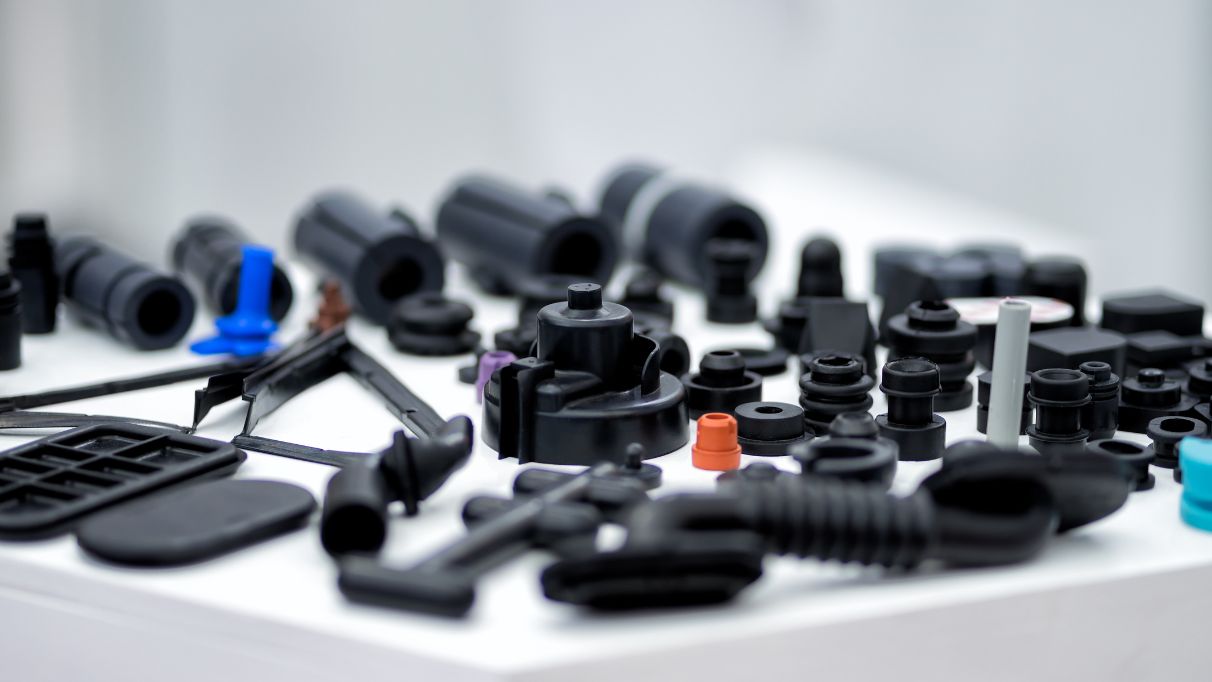
Can injection molded parts be customized or modified to meet unique industrial needs?
Yes, injection molded parts can be customized or modified to meet unique industrial needs. The injection molding process offers flexibility and versatility, allowing for the production of highly customized parts with specific design requirements. Here’s a detailed explanation of how injection molded parts can be customized or modified:
Design Customization:
The design of an injection molded part can be tailored to meet unique industrial needs. Design customization involves modifying the part’s geometry, features, and dimensions to achieve specific functional requirements. This can include adding or removing features, changing wall thicknesses, incorporating undercuts or threads, and optimizing the part for assembly or integration with other components. Computer-aided design (CAD) tools and engineering expertise are used to create custom designs that address the specific industrial needs.
Material Selection:
The choice of material for injection molded parts can be customized based on the unique industrial requirements. Different materials possess distinct properties, such as strength, stiffness, chemical resistance, and thermal stability. By selecting the most suitable material, the performance and functionality of the part can be optimized for the specific application. Material customization ensures that the injection molded part can withstand the environmental conditions, operational stresses, and chemical exposures associated with the industrial application.
Surface Finishes:
The surface finish of injection molded parts can be customized to meet specific industrial needs. Surface finishes can range from smooth and polished to textured or patterned, depending on the desired aesthetic appeal, functional requirements, or ease of grip. Custom surface finishes can enhance the part’s appearance, provide additional protection against wear or corrosion, or enable specific interactions with other components or equipment.
Color and Appearance:
Injection molded parts can be customized in terms of color and appearance. Colorants can be added to the material during the molding process to achieve specific shades or color combinations. This customization option is particularly useful when branding, product differentiation, or visual identification is required. Additionally, surface textures, patterns, or special effects can be incorporated into the mold design to create unique appearances or visual effects.
Secondary Operations:
Injection molded parts can undergo secondary operations to further customize or modify them according to unique industrial needs. These secondary operations can include post-molding processes such as machining, drilling, tapping, welding, heat treating, or applying coatings. These operations enable the addition of specific features or functionalities that may not be achievable through the injection molding process alone. Secondary operations provide flexibility for customization and allow for the integration of injection molded parts into complex assemblies or systems.
Tooling Modifications:
If modifications or adjustments are required for an existing injection molded part, the tooling can be modified or reconfigured to accommodate the changes. Tooling modifications can involve altering the mold design, cavity inserts, gating systems, or cooling channels. This allows for the production of modified parts without the need for creating an entirely new mold. Tooling modifications provide cost-effective options for customizing or adapting injection molded parts to meet evolving industrial needs.
Prototyping and Iterative Development:
Injection molding enables the rapid prototyping and iterative development of parts. By using 3D printing or soft tooling, prototype molds can be created to produce small quantities of custom parts for testing, validation, and refinement. This iterative development process allows for modifications and improvements to be made based on real-world feedback, ensuring that the final injection molded parts meet the unique industrial needs effectively.
Overall, injection molded parts can be customized or modified to meet unique industrial needs through design customization, material selection, surface finishes, color and appearance options, secondary operations, tooling modifications, and iterative development. The flexibility and versatility of the injection molding process make it a valuable manufacturing method for creating highly customized parts that address specific industrial requirements.
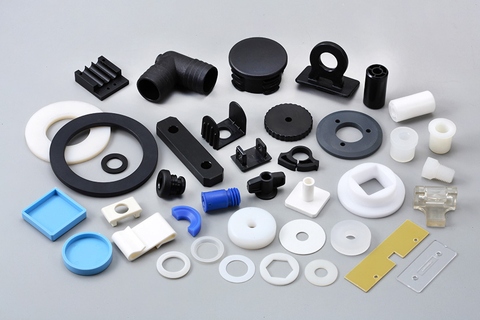
คุณสามารถอธิบายกระบวนการหลังการขึ้นรูปต่างๆ เช่น การประกอบ หรือการดำเนินการขั้นที่สอง สำหรับชิ้นส่วนที่ขึ้นรูปด้วยการฉีดพลาสติกได้หรือไม่?
กระบวนการหลังการขึ้นรูปมีบทบาทสำคัญอย่างยิ่งในการผลิตชิ้นส่วนฉีดขึ้นรูป กระบวนการเหล่านี้รวมถึงการประกอบและการดำเนินการเพิ่มเติมที่ดำเนินการหลังจากขั้นตอนการขึ้นรูปเริ่มต้น ต่อไปนี้คือคำอธิบายโดยละเอียดเกี่ยวกับกระบวนการหลังการขึ้นรูปต่างๆ สำหรับชิ้นส่วนฉีดขึ้นรูป:
1. การประกอบ:
การประกอบชิ้นส่วนเกี่ยวข้องกับการนำชิ้นส่วนที่ขึ้นรูปด้วยการฉีดพลาสติกหลายชิ้นมาเชื่อมต่อกันเพื่อสร้างผลิตภัณฑ์สำเร็จรูปหรือชิ้นส่วนย่อย กระบวนการประกอบอาจใช้เทคนิคต่างๆ เช่น การยึดด้วยกลไก (สกรู คลิป หรือตัวล็อก) การติดด้วยกาว การเชื่อมด้วยคลื่นอัลตราโซนิค การยึดด้วยความร้อน หรือการเชื่อมด้วยตัวทำละลาย การประกอบชิ้นส่วนช่วยให้มั่นใจได้ว่าชิ้นส่วนที่ขึ้นรูปแต่ละชิ้นนั้นเชื่อมต่อกันอย่างแน่นหนาเพื่อให้ได้ฟังก์ชันการทำงานและความแข็งแรงของโครงสร้างตามที่ต้องการของผลิตภัณฑ์ขั้นสุดท้าย
2. การตกแต่งพื้นผิว:
กระบวนการตกแต่งพื้นผิวเป็นกระบวนการที่ทำขึ้นเพื่อเพิ่มความสวยงาม เนื้อสัมผัส และฟังก์ชันการใช้งานของชิ้นส่วนที่ขึ้นรูปด้วยการฉีดพลาสติก เทคนิคการตกแต่งพื้นผิวที่ใช้กันทั่วไป ได้แก่ การทาสี การพิมพ์ (เช่น การพิมพ์แบบแพดหรือการพิมพ์สกรีน) การปั๊มร้อน การแกะสลักด้วยเลเซอร์ หรือการเคลือบด้วยสารเคลือบพิเศษ กระบวนการเหล่านี้สามารถเพิ่มคุณสมบัติในการตกแต่ง องค์ประกอบของแบรนด์ หรือปรับปรุงคุณสมบัติของพื้นผิวชิ้นส่วน เช่น ความต้านทานต่อรอยขีดข่วนหรือการป้องกันรังสียูวี
3. การกลึงหรือตัดแต่ง:
ในบางกรณี ชิ้นส่วนที่ขึ้นรูปด้วยการฉีดพลาสติกอาจต้องผ่านกระบวนการกลึงหรือตัดแต่งเพิ่มเติมเพื่อให้ได้ขนาดสุดท้ายที่ต้องการหรือกำจัดวัสดุส่วนเกิน ซึ่งอาจเกี่ยวข้องกับกระบวนการต่างๆ เช่น การกัดด้วยเครื่อง CNC การเจาะ การคว้าน หรือการกลึง การกลึงหรือตัดแต่งมักจำเป็นเมื่อไม่สามารถควบคุมความคลาดเคลื่อนอย่างเข้มงวด รูปทรงเรขาคณิตเฉพาะ หรือคุณสมบัติการใช้งานที่สำคัญได้ด้วยกระบวนการฉีดพลาสติกเพียงอย่างเดียว
4. การเชื่อมหรือการต่อ:
กระบวนการเชื่อมหรือการต่อชิ้นส่วนใช้เพื่อหลอมหรือเชื่อมชิ้นส่วนที่ขึ้นรูปด้วยการฉีดพลาสติกเข้าด้วยกัน เทคนิคการเชื่อมที่ใช้กันทั่วไปสำหรับชิ้นส่วนพลาสติก ได้แก่ การเชื่อมด้วยคลื่นอัลตราโซนิค การเชื่อมด้วยแผ่นความร้อน การเชื่อมด้วยการสั่นสะเทือน หรือการเชื่อมด้วยเลเซอร์ กระบวนการเหล่านี้สร้างรอยต่อที่แข็งแรงและเชื่อถือได้ระหว่างชิ้นส่วนที่ขึ้นรูป ทำให้มั่นใจได้ถึงความสมบูรณ์ของโครงสร้างและการใช้งานในผลิตภัณฑ์ขั้นสุดท้าย
5. การใส่แผ่นแทรก:
การใส่ชิ้นส่วนเสริมเกี่ยวข้องกับการวางชิ้นส่วนโลหะหรือพลาสติกเข้าไปในโพรงแม่พิมพ์ก่อนกระบวนการฉีดขึ้นรูป ชิ้นส่วนเสริมเหล่านี้สามารถเพิ่มความแข็งแรง เสริมความแข็งแรงให้กับข้อต่อเกลียว หรือใช้เป็นจุดยึดสำหรับชิ้นส่วนอื่นๆ สามารถใส่ชิ้นส่วนเสริมได้ด้วยมือหรือโดยใช้เครื่องมืออัตโนมัติ และชิ้นส่วนเสริมเหล่านี้จะฝังตัวอยู่ภายในชิ้นส่วนที่ขึ้นรูปอย่างถาวรในระหว่างกระบวนการขึ้นรูป
6. การขึ้นรูปด้วยการฉีดพลาสติกสองชั้น (Overmolding หรือ Two-Shot Molding):
กระบวนการขึ้นรูปด้วยการฉีดพลาสติกสองชั้น หรือการขึ้นรูปด้วยการฉีดแบบโอเวอร์โมลด์ ช่วยให้สามารถสร้างชิ้นส่วนฉีดขึ้นรูปที่มีหลายชั้นหรือหลายวัสดุได้ ในการขึ้นรูปโอเวอร์โมลด์ วัสดุที่สองจะถูกขึ้นรูปทับบนวัสดุพื้นฐานที่มีอยู่แล้ว เพื่อเพิ่มฟังก์ชันการใช้งาน ความสวยงาม หรือการยึดเกาะ การขึ้นรูปสองชั้นเกี่ยวข้องกับการฉีดวัสดุที่แตกต่างกันสองชนิดเข้าไปในส่วนต่างๆ ของแม่พิมพ์ เพื่อสร้างชิ้นส่วนเดียวที่มีหลายสีหรือหลายวัสดุ กระบวนการเหล่านี้ช่วยให้สามารถรวมวัสดุหรือส่วนประกอบหลายอย่างเข้าไว้ในชิ้นส่วนฉีดขึ้นรูปชิ้นเดียวได้
7. การลบคมหรือการกำจัดเศษโลหะส่วนเกิน:
กระบวนการลบคมหรือขจัดเศษวัสดุส่วนเกิน คือการกำจัดเศษวัสดุหรือขอบคมที่อาจหลงเหลืออยู่บนชิ้นส่วนที่ขึ้นรูปหลังจากการฉีดขึ้นรูป เศษวัสดุส่วนเกินหมายถึงวัสดุที่ยื่นออกมาเกินแนวแบ่งของแม่พิมพ์ ในขณะที่ขอบคมคือส่วนที่ยื่นออกมาเล็กๆ หรือขอบที่ไม่เรียบซึ่งเกิดจากลักษณะของแม่พิมพ์ การลบคมหรือขจัดเศษวัสดุส่วนเกินช่วยให้ชิ้นส่วนที่ขึ้นรูปมีขอบและพื้นผิวที่เรียบเนียน ปรับปรุงรูปลักษณ์ การใช้งาน และความปลอดภัยของชิ้นส่วน
8. การตรวจสอบและควบคุมคุณภาพ:
กระบวนการตรวจสอบและควบคุมคุณภาพดำเนินการเพื่อให้แน่ใจว่าชิ้นส่วนที่ขึ้นรูปด้วยการฉีดพลาสติกนั้นตรงตามข้อกำหนดและมาตรฐานคุณภาพที่ต้องการ ซึ่งอาจรวมถึงการตรวจสอบด้วยสายตา การวัดขนาด การทดสอบการทำงาน หรือวิธีการทดสอบเฉพาะทางอื่นๆ กระบวนการตรวจสอบและควบคุมคุณภาพช่วยระบุข้อบกพร่อง ความไม่สอดคล้องกัน หรือความเบี่ยงเบนใดๆ ที่อาจต้องมีการแก้ไขหรือปฏิเสธชิ้นส่วน เพื่อให้มั่นใจว่ามีเพียงชิ้นส่วนคุณภาพสูงเท่านั้นที่ใช้ในผลิตภัณฑ์หรือการประกอบขั้นสุดท้าย
9. บรรจุภัณฑ์และการติดฉลาก:
เมื่อกระบวนการหลังการขึ้นรูปเสร็จสมบูรณ์แล้ว ชิ้นส่วนที่ขึ้นรูปด้วยการฉีดพลาสติกมักจะถูกบรรจุและติดฉลากเพื่อการจัดเก็บ การขนส่ง หรือการจัดจำหน่าย บรรจุภัณฑ์อาจรวมถึงการบรรจุชิ้นส่วนแต่ละชิ้น การบรรจุแบบจำนวนมาก หรือบรรจุภัณฑ์แบบกำหนดเองตามความต้องการเฉพาะ การติดฉลากอาจเกี่ยวข้องกับการเพิ่มข้อมูลระบุผลิตภัณฑ์ บาร์โค้ด หรือคำแนะนำสำหรับการจัดการหรือการใช้งานที่ถูกต้อง
กระบวนการหลังการขึ้นรูปเหล่านี้มีความสำคัญอย่างยิ่งต่อการบรรลุฟังก์ชันการทำงาน รูปลักษณ์ และคุณภาพที่ต้องการของชิ้นส่วนที่ขึ้นรูปด้วยการฉีดพลาสติก กระบวนการเหล่านี้ช่วยให้สามารถรวมส่วนประกอบหลายชิ้นเข้าด้วยกัน การตกแต่งพื้นผิว ความแม่นยำของขนาด และการประกอบผลิตภัณฑ์ขั้นสุดท้ายหรือชิ้นส่วนย่อยได้
Can you explain the advantages of using injection molding for producing parts?
Injection molding offers several advantages as a manufacturing process for producing parts. It is a widely used technique for creating plastic components with high precision, efficiency, and scalability. Here’s a detailed explanation of the advantages of using injection molding:
1. ความแม่นยำและความซับซ้อนสูง:
Injection molding allows for the production of parts with high precision and intricate details. The molds used in injection molding are capable of creating complex shapes, fine features, and precise dimensions. This level of precision enables the manufacturing of parts with tight tolerances, ensuring consistent quality and fit.
2. การผลิตจำนวนมากที่คุ้มค่า:
Injection molding is a highly efficient process suitable for large-scale production. Once the initial setup, including mold design and fabrication, is completed, the manufacturing process can be automated. Injection molding machines can produce parts rapidly and continuously, resulting in fast and cost-effective production of identical parts. The ability to produce parts in high volumes helps reduce per-unit costs, making injection molding economically advantageous for mass production.
3. ความหลากหลายของวัสดุ:
Injection molding supports a wide range of thermoplastic materials, providing versatility in material selection based on the desired properties of the final part. Various types of plastics can be used in injection molding, including commodity plastics, engineering plastics, and high-performance plastics. Different materials can be chosen to achieve specific characteristics such as strength, flexibility, heat resistance, chemical resistance, or transparency.
4. ความแข็งแรงและความทนทาน:
Injection molded parts can exhibit excellent strength and durability. During the injection molding process, the molten material is uniformly distributed within the mold, resulting in consistent mechanical properties throughout the part. This uniformity enhances the structural integrity of the part, making it suitable for applications that require strength and longevity.
5. การปรับแต่งภาพหลังการถ่ายให้น้อยที่สุด:
Injection molded parts often require minimal post-processing. The high precision and quality achieved during the molding process reduce the need for extensive additional machining or finishing operations. The parts typically come out of the mold with the desired shape, surface finish, and dimensional accuracy, reducing time and costs associated with post-processing activities.
6. ความยืดหยุ่นในการออกแบบ:
Injection molding offers significant design flexibility. The process can accommodate complex geometries, intricate details, undercuts, thin walls, and other design features that may be challenging or costly with other manufacturing methods. Designers have the freedom to create parts with unique shapes and functional requirements. Injection molding also allows for the integration of multiple components or features into a single part, reducing assembly requirements and potential points of failure.
7. Rapid Prototyping:
Injection molding is also used for rapid prototyping. By quickly producing functional prototypes using the same process and materials as the final production parts, designers and engineers can evaluate the part’s form, fit, and function early in the development cycle. Rapid prototyping with injection molding enables faster iterations, reduces development time, and helps identify and address design issues before committing to full-scale production.
8. Environmental Considerations:
Injection molding can have environmental advantages compared to other manufacturing processes. The process generates minimal waste as the excess material can be recycled and reused. Injection molded parts also tend to be lightweight, which can contribute to energy savings during transportation and reduce the overall environmental impact.
In summary, injection molding offers several advantages for producing parts. It provides high precision and complexity, cost-effective mass production, material versatility, strength and durability, minimal post-processing requirements, design flexibility, rapid prototyping capabilities, and environmental considerations. These advantages make injection molding a highly desirable manufacturing process for a wide range of industries, enabling the production of high-quality plastic parts efficiently and economically.


editor by CX 2023-11-29