Opis produktu
Produkcja tworzyw sztucznych PC ABS PP na zamówienie, profesjonalna usługa formowania wtryskowego
Są to akcesoria niestandardowe. Materiałem jest stop aluminium ADC-12. Wyprodukujemy produkty zgodnie z wymaganiami naszych klientów i naszym bogatym doświadczeniem w branży odlewnictwa ciśnieniowego. Przed oficjalnym rozpoczęciem produkcji, przeprowadzimy analizę DFM i przepływu w formie w celu potwierdzenia i wyjaśnienia przez klienta. Mamy nadzieję, że nasze doświadczenie i wiedza w zakresie odlewnictwa ciśnieniowego pomogą Państwu w realizacji projektu.
Dostępne informacje o obsadzie:
| Tworzywo | stal stopowa, mosiądz, aluminium, stopy cynku, żeliwo sferoidalne, żeliwo szare itp., zgodnie z rysunkami i specyfikacjami klienta. |
| Proces odlewania | Odlewy z soli krzemionkowej, odlewy kompozytowe, odlewy ze szkła rozpuszczalnego, odlewy piaskowe, odlewy grawitacyjne, odlewy w formach trwałych, odlewy ciśnieniowe wysokociśnieniowe, odlewy ciśnieniowe niskociśnieniowe itp. |
| Dodatkowa obróbka | toczenie, frezowanie, wiercenie, szlifowanie, gwintowanie, obróbka CNC, itp. |
| Obróbka powierzchni | piaskowanie, śrutowanie, polerowanie, galwanizacja, obróbka kwasem, anodowanie, malowanie, nakładanie powłok proszkowych, pasywacja, elektropolerowanie itp. |
| Tolerancja | wymiary profilu +/-0,02mm, średnica otworu +/-0,005mm. |
| Aplikacja | Części maszyn przemysłowych, osprzęt morski, części armatury rurowej, części maszyn tekstylnych, części obiektów sportowych, części narzędzi pneumatycznych, części urządzeń do transportu płynów, części ze stopów miedzi, części maszyn spożywczych, części samochodowe, części wind, części sprężarek powietrza, osprzęt i osprzęt do maszyn elektrycznych, akcesoria do maszyn górniczych i do robót ziemnych, korpusy pomp i zawory |
Proces produkcyjny
Profil firmy
Aplikacja
Charakterystyka
1) 17 lat doświadczenia w produkcji
2) może pomóc klientowi zaprojektować formę i zaoferować cenne sugestie, które pozwolą obniżyć koszty dla klienta
3) może obsługiwać stop aluminium, A380, ADC12, cynk 3# i cynk 5#
4) Certyfikaty ISO9001, IATF16949 i ISO14001
5) OEM jest mile widziany
6) Analiza przepływu w formie: Anycasting Flow 3D
Certyfikaty
Opakowanie produktu
Często zadawane pytania
P: Czy możesz dostarczyć próbkę?
A: Tak, możemy.
P:Jakie jest minimalne zamówienie?
A: Minimalne zamówienie wynosi 1000 szt.
P:Jaki jest czas realizacji produkcji?
A: Zwykle od 15 do 30 dni, w zależności od ilości zamówionych sztuk.
P:Jak uzyskać wycenę?
A: Prosimy o przesłanie rysunków projektowych w celu sporządzenia wyceny.
P:Jaki jest termin płatności?
A:L/C, D/A, D/P, T/T, Western Union, MoneyGram, Paypal.
Produkcja tworzyw sztucznych PC ABS PP na zamówienie, profesjonalna usługa formowania wtryskowego
| Serwis posprzedażowy: | Tak |
|---|---|
| Gwarancja: | Jeden rok |
| Stan : schorzenie: | Nowy |
| Próbki: |
US$ 5/sztuka
1 sztuka (minimalne zamówienie) | Zamów próbkę |
|---|
| Personalizacja: |
Dostępny
|
|
|---|
.shipping-cost-tm .tm-status-off{tło: brak;wypełnienie: 0;kolor: #1470cc}
|
Koszt wysyłki:
Szacowany koszt frachtu na jednostkę. |
o kosztach wysyłki i szacowanym czasie dostawy. |
|---|
| Metoda płatności: |
|
|---|---|
|
Płatność początkowa Pełna płatność |
| Waluta: | US$ |
|---|
| Zwroty i zwroty pieniędzy: | O zwrot pieniędzy możesz ubiegać się w ciągu 30 dni od otrzymania produktów. |
|---|
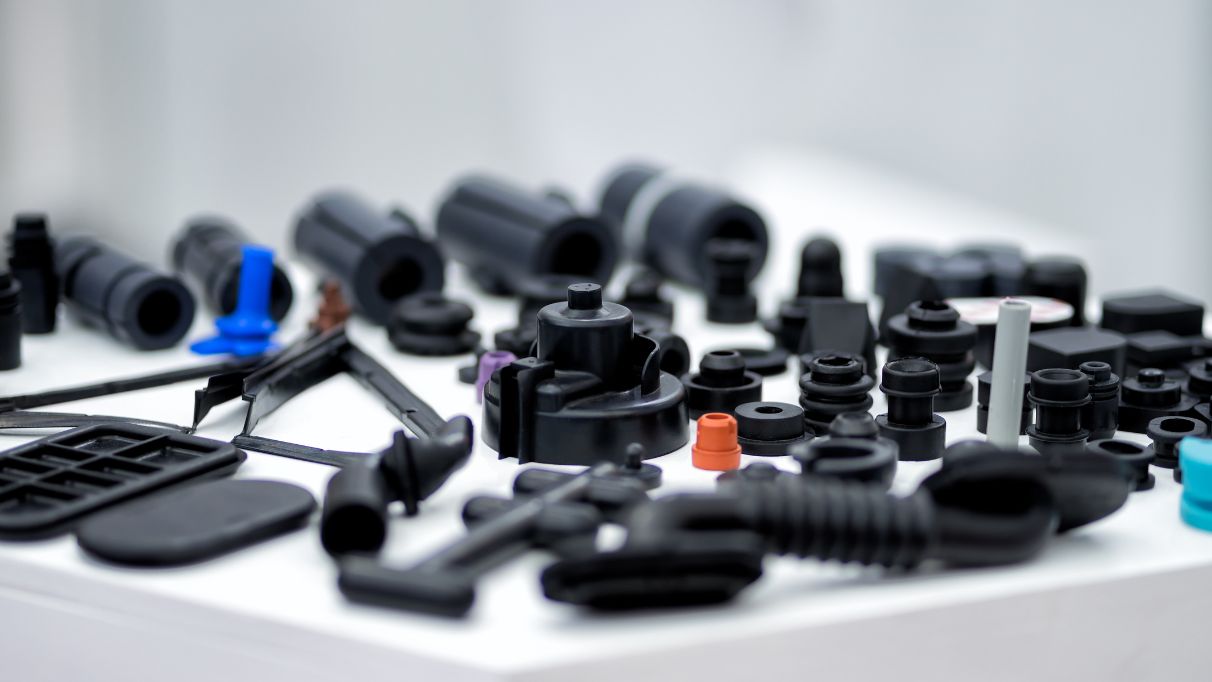
Czy części formowane wtryskowo można dostosować lub zmodyfikować, aby spełniały wyjątkowe potrzeby przemysłu?
Tak, części formowane wtryskowo można dostosowywać lub modyfikować, aby spełnić specyficzne potrzeby przemysłu. Proces formowania wtryskowego oferuje elastyczność i wszechstronność, umożliwiając produkcję wysoce spersonalizowanych części o specyficznych wymaganiach projektowych. Oto szczegółowe wyjaśnienie, jak można dostosowywać lub modyfikować części formowane wtryskowo:
Personalizacja projektu:
Projekt elementu formowanego wtryskowo można dostosować do specyficznych potrzeb przemysłowych. Personalizacja projektu polega na modyfikacji geometrii, cech i wymiarów elementu w celu spełnienia określonych wymagań funkcjonalnych. Może to obejmować dodawanie lub usuwanie cech, zmianę grubości ścianek, dodawanie podcięć lub gwintów oraz optymalizację elementu pod kątem montażu lub integracji z innymi komponentami. Narzędzia projektowania wspomaganego komputerowo (CAD) oraz specjalistyczna wiedza inżynierska służą do tworzenia niestandardowych projektów, które spełniają specyficzne potrzeby przemysłowe.
Wybór materiałów:
Wybór materiału na elementy formowane wtryskowo można dostosować do indywidualnych wymagań przemysłowych. Różne materiały charakteryzują się odmiennymi właściwościami, takimi jak wytrzymałość, sztywność, odporność chemiczna i stabilność termiczna. Wybierając najodpowiedniejszy materiał, można zoptymalizować wydajność i funkcjonalność elementu pod kątem konkretnego zastosowania. Dostosowanie materiału gwarantuje, że element formowany wtryskowo będzie odporny na warunki środowiskowe, obciążenia eksploatacyjne i działanie substancji chemicznych występujące w zastosowaniach przemysłowych.
Wykończenia powierzchni:
Wykończenie powierzchni elementów formowanych wtryskowo można dostosować do specyficznych potrzeb przemysłowych. Wykończenie powierzchni może być gładkie i polerowane, teksturowane lub wzorzyste, w zależności od pożądanego efektu estetycznego, wymagań funkcjonalnych lub łatwości chwytu. Niestandardowe wykończenie powierzchni może poprawić wygląd elementu, zapewnić dodatkową ochronę przed zużyciem i korozją lub umożliwić określone interakcje z innymi komponentami lub urządzeniami.
Kolor i wygląd:
Elementy formowane wtryskowo można personalizować pod względem koloru i wyglądu. W procesie formowania do materiału można dodawać barwniki, aby uzyskać określone odcienie lub kombinacje kolorów. Ta opcja personalizacji jest szczególnie przydatna, gdy wymagane jest budowanie marki, różnicowanie produktów lub identyfikacja wizualna. Dodatkowo, w projekt formy można włączyć faktury powierzchni, wzory lub efekty specjalne, aby uzyskać niepowtarzalny wygląd lub efekty wizualne.
Operacje drugorzędne:
Elementy formowane wtryskowo mogą być poddawane dodatkowym operacjom w celu ich dalszej personalizacji lub modyfikacji zgodnie z unikalnymi potrzebami przemysłowymi. Te dodatkowe operacje mogą obejmować procesy po formowaniu, takie jak obróbka skrawaniem, wiercenie, gwintowanie, spawanie, obróbka cieplna czy nakładanie powłok. Operacje te umożliwiają dodanie specyficznych cech lub funkcjonalności, które mogą być nieosiągalne w samym procesie formowania wtryskowego. Dodatkowe operacje zapewniają elastyczność personalizacji i umożliwiają integrację elementów formowanych wtryskowo w złożone zespoły lub systemy.
Modyfikacje narzędzi:
Jeśli istniejąca część formowana wtryskowo wymaga modyfikacji lub regulacji, oprzyrządowanie można zmodyfikować lub przekonfigurować, aby dostosować je do tych zmian. Modyfikacje oprzyrządowania mogą obejmować modyfikację konstrukcji formy, wkładek gniazd, układów wlewowych lub kanałów chłodzących. Pozwala to na produkcję zmodyfikowanych części bez konieczności tworzenia zupełnie nowej formy. Modyfikacje oprzyrządowania zapewniają ekonomiczne rozwiązania w zakresie personalizacji lub adaptacji części formowanych wtryskowo, aby sprostać zmieniającym się potrzebom przemysłu.
Prototypowanie i rozwój iteracyjny:
Formowanie wtryskowe umożliwia szybkie prototypowanie i iteracyjne opracowywanie części. Dzięki wykorzystaniu druku 3D lub miękkiego oprzyrządowania, można tworzyć formy prototypowe, które pozwalają na produkcję niewielkich ilości niestandardowych części do testowania, walidacji i udoskonalania. Ten iteracyjny proces rozwoju pozwala na wprowadzanie modyfikacji i udoskonaleń w oparciu o rzeczywiste dane, gwarantując, że finalne elementy formowane wtryskowo skutecznie spełniają unikalne potrzeby przemysłu.
Ogólnie rzecz biorąc, części formowane wtryskowo można dostosować lub zmodyfikować, aby spełnić unikalne potrzeby przemysłu poprzez dostosowanie projektu, dobór materiałów, wykończenie powierzchni, opcje koloru i wyglądu, operacje dodatkowe, modyfikacje narzędzi oraz iteracyjne projektowanie. Elastyczność i wszechstronność procesu formowania wtryskowego sprawiają, że jest to cenna metoda produkcji, umożliwiająca tworzenie wysoce spersonalizowanych części, spełniających specyficzne wymagania przemysłowe.
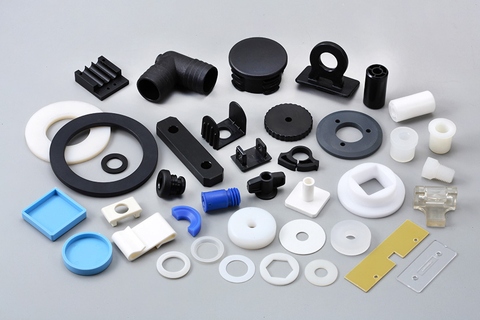
Czy może Pan opisać różne procesy występujące po formowaniu wtryskowym, takie jak montaż czy operacje wtórne?
Procesy post-moldingu odgrywają kluczową rolę w produkcji elementów formowanych wtryskowo. Obejmują one montaż i operacje wtórne wykonywane po wstępnym etapie formowania. Poniżej znajduje się szczegółowe wyjaśnienie różnych procesów post-moldingu dla elementów formowanych wtryskowo:
1. Montaż:
Montaż polega na łączeniu wielu formowanych wtryskowo części w celu stworzenia gotowego produktu lub podzespołu. Proces montażu może obejmować różne techniki, takie jak mocowanie mechaniczne (śrubami, klipsami lub zatrzaskami), klejenie, spawanie ultradźwiękowe, zgrzewanie na gorąco lub spawanie rozpuszczalnikowe. Montaż zapewnia bezpieczne połączenie poszczególnych formowanych części, aby uzyskać pożądaną funkcjonalność i integralność strukturalną produktu końcowego.
2. Wykończenie powierzchni:
Procesy wykańczania powierzchni mają na celu poprawę wyglądu, tekstury i funkcjonalności elementów formowanych wtryskowo. Typowe techniki wykańczania powierzchni obejmują malowanie, drukowanie (takie jak tampodruk lub sitodruk), tłoczenie na gorąco, trawienie laserowe lub nakładanie specjalistycznych powłok. Procesy te mogą dodawać elementy dekoracyjne, elementy brandingowe lub poprawiać właściwości powierzchni elementów, takie jak odporność na zarysowania czy ochrona przed promieniowaniem UV.
3. Obróbka mechaniczna lub przycinanie:
W niektórych przypadkach elementy formowane wtryskowo mogą wymagać dodatkowej obróbki skrawaniem lub przycinania w celu uzyskania pożądanych wymiarów końcowych lub usunięcia nadmiaru materiału. Może to obejmować takie procesy, jak frezowanie CNC, wiercenie, rozwiercanie lub toczenie. Obróbka skrawaniem lub przycinanie jest często konieczne, gdy uzyskanie ścisłych tolerancji, specyficznych geometrii lub krytycznych cech funkcjonalnych nie jest możliwe wyłącznie za pomocą procesu formowania wtryskowego.
4. Spawanie lub łączenie:
Procesy spawania lub łączenia służą do łączenia lub łączenia ze sobą elementów formowanych wtryskowo. Typowe techniki spawania elementów z tworzyw sztucznych obejmują spawanie ultradźwiękowe, spawanie gorącą płytą, spawanie wibracyjne i spawanie laserowe. Procesy te tworzą mocne i niezawodne połączenia między formowanymi elementami, zapewniając integralność strukturalną i funkcjonalność produktu końcowego.
5. Wkładanie wkładek:
Wkładanie polega na umieszczeniu metalowych lub plastikowych wkładek w gnieździe formy przed rozpoczęciem procesu formowania wtryskowego. Wkładki te mogą zapewnić dodatkową wytrzymałość, wzmocnić połączenia gwintowane lub służyć jako punkty mocowania dla innych elementów. Wkładki można umieszczać ręcznie lub za pomocą urządzeń automatycznych, a podczas procesu formowania zostają one trwale osadzone w formowanych elementach.
6. Formowanie wtryskowe lub dwuetapowe:
Procesy formowania wtryskowego (overmolding) lub formowania dwuetapowego (two-shot molding) umożliwiają tworzenie formowanych wtryskowo elementów z wieloma warstwami lub materiałami. W procesie formowania dwuetapowego, drugi materiał jest formowany na istniejącym już podłożu, co zapewnia lepszą funkcjonalność, estetykę lub przyczepność. Formowanie dwuetapowe polega na wtryskiwaniu dwóch różnych materiałów do różnych sekcji formy w celu utworzenia jednego elementu o wielu kolorach lub materiałach. Procesy te umożliwiają integrację wielu materiałów lub komponentów w jednym formowanym wtryskowo elemencie.
7. Usuwanie zadziorów i gradowanie:
Procesy usuwania wypływek lub gratowania polegają na usuwaniu nadmiaru wypływek lub zadziorów, które mogą pojawić się na formowanych elementach po procesie formowania wtryskowego. Wypływki to nadmiar materiału wystający poza linię podziału formy, natomiast zadziory to niewielkie wypukłości lub nierówne krawędzie spowodowane przez elementy formy. Usuwanie wypływek lub gratowanie zapewnia gładkie krawędzie i powierzchnie formowanych elementów, poprawiając ich wygląd, funkcjonalność i bezpieczeństwo.
8. Kontrola i inspekcja:
Procesy inspekcji i kontroli jakości przeprowadzane są w celu zapewnienia, że elementy formowane wtryskowo spełniają wymagane specyfikacje i standardy jakości. Mogą one obejmować inspekcję wizualną, pomiary wymiarów, testy funkcjonalne lub inne specjalistyczne metody testowania. Procesy inspekcji i kontroli jakości pomagają zidentyfikować wszelkie wady, niespójności lub odchylenia, które mogą wymagać przeróbek lub odrzucenia części, zapewniając, że w produkcie finalnym lub zespole zostaną użyte wyłącznie części wysokiej jakości.
9. Opakowanie i etykietowanie:
Po zakończeniu procesów formowania wtryskowego, elementy formowane wtryskowo są zazwyczaj pakowane i etykietowane do przechowywania, transportu lub dystrybucji. Opakowanie może obejmować opakowania pojedynczych elementów, opakowania zbiorcze lub opakowania niestandardowe, dostosowane do konkretnych wymagań. Etykietowanie może obejmować dodanie identyfikatora produktu, kodów kreskowych lub instrukcji dotyczących prawidłowego obchodzenia się z produktem lub użytkowania.
Procesy postformingowe są kluczowe dla osiągnięcia pożądanej funkcjonalności, wyglądu i jakości elementów formowanych wtryskowo. Umożliwiają integrację wielu komponentów, wykończenie powierzchni, dokładność wymiarową oraz montaż gotowych produktów lub podzespołów.
Czy możesz wyjaśnić zalety stosowania formowania wtryskowego w produkcji części?
Formowanie wtryskowe oferuje szereg zalet jako proces produkcyjny części. Jest to powszechnie stosowana technika wytwarzania elementów z tworzyw sztucznych o wysokiej precyzji, wydajności i skalowalności. Oto szczegółowe wyjaśnienie zalet formowania wtryskowego:
1. Wysoka precyzja i złożoność:
Formowanie wtryskowe umożliwia produkcję części o wysokiej precyzji i skomplikowanych detalach. Formy stosowane w formowaniu wtryskowym umożliwiają tworzenie złożonych kształtów, precyzyjnych detali i precyzyjnych wymiarów. Ten poziom precyzji umożliwia produkcję części o wąskich tolerancjach, gwarantując stałą jakość i dopasowanie.
2. Ekonomiczna produkcja masowa:
Formowanie wtryskowe to wysoce wydajny proces, odpowiedni do produkcji na dużą skalę. Po zakończeniu wstępnej konfiguracji, obejmującej projektowanie i wytwarzanie formy, proces produkcyjny można zautomatyzować. Wtryskarki umożliwiają szybką i ciągłą produkcję elementów, co przekłada się na szybką i ekonomiczną produkcję identycznych części. Możliwość produkcji dużych ilości elementów pozwala obniżyć koszty jednostkowe, co sprawia, że formowanie wtryskowe jest ekonomicznie korzystne w produkcji masowej.
3. Wszechstronność materiałów:
Formowanie wtryskowe obsługuje szeroką gamę materiałów termoplastycznych, zapewniając wszechstronność w doborze materiałów w zależności od pożądanych właściwości gotowego elementu. W formowaniu wtryskowym można stosować różne rodzaje tworzyw sztucznych, w tym tworzywa sztuczne powszechnego użytku, tworzywa konstrukcyjne oraz tworzywa o wysokiej wytrzymałości. Różne materiały można dobierać w celu uzyskania określonych właściwości, takich jak wytrzymałość, elastyczność, odporność na ciepło, odporność chemiczna czy przezroczystość.
4. Wytrzymałość i trwałość:
Części formowane wtryskowo charakteryzują się doskonałą wytrzymałością i trwałością. Podczas procesu formowania wtryskowego stopiony materiał jest równomiernie rozprowadzany w formie, co zapewnia spójne właściwości mechaniczne w całym elemencie. Ta jednorodność poprawia integralność strukturalną elementu, dzięki czemu nadaje się on do zastosowań wymagających wytrzymałości i trwałości.
5. Minimalne przetwarzanie końcowe:
Części formowane wtryskowo często wymagają minimalnej obróbki końcowej. Wysoka precyzja i jakość uzyskiwana w procesie formowania redukują potrzebę dodatkowych, rozległych operacji obróbki mechanicznej i wykańczania. Elementy zazwyczaj wychodzą z formy z pożądanym kształtem, wykończeniem powierzchni i dokładnością wymiarową, co skraca czas i obniża koszty związane z obróbką końcową.
6. Elastyczność projektowania:
Formowanie wtryskowe oferuje znaczną elastyczność projektowania. Proces ten pozwala na realizację skomplikowanych geometrii, skomplikowanych detali, podcięć, cienkich ścianek i innych cech konstrukcyjnych, które w przypadku innych metod produkcji mogą być trudne lub kosztowne. Projektanci mają swobodę tworzenia elementów o unikalnych kształtach i wymaganiach funkcjonalnych. Formowanie wtryskowe pozwala również na integrację wielu komponentów lub cech w jedną część, redukując wymagania montażowe i potencjalne punkty awarii.
7. Szybkie prototypowanie:
Formowanie wtryskowe jest również wykorzystywane do szybkiego prototypowania. Dzięki szybkiemu wytwarzaniu funkcjonalnych prototypów z wykorzystaniem tego samego procesu i materiałów, co finalne części produkcyjne, projektanci i inżynierowie mogą ocenić kształt, dopasowanie i funkcjonalność części na wczesnym etapie cyklu rozwoju. Szybkie prototypowanie z wykorzystaniem formowania wtryskowego umożliwia szybsze iteracje, skraca czas rozwoju oraz pomaga identyfikować i rozwiązywać problemy projektowe przed rozpoczęciem produkcji na pełną skalę.
8. Zagadnienia środowiskowe:
Formowanie wtryskowe może być korzystne dla środowiska w porównaniu z innymi procesami produkcyjnymi. Proces generuje minimalną ilość odpadów, ponieważ nadmiar materiału można poddać recyklingowi i ponownie wykorzystać. Elementy formowane wtryskowo są również zazwyczaj lekkie, co może przyczynić się do oszczędności energii podczas transportu i zmniejszenia ogólnego wpływu na środowisko.
Podsumowując, formowanie wtryskowe oferuje szereg zalet w produkcji części. Zapewnia wysoką precyzję i złożoność, ekonomiczną produkcję masową, wszechstronność materiałów, wytrzymałość i trwałość, minimalne wymagania dotyczące obróbki końcowej, elastyczność projektowania, możliwość szybkiego prototypowania oraz względy środowiskowe. Te zalety sprawiają, że formowanie wtryskowe jest wysoce pożądanym procesem produkcyjnym w wielu branżach, umożliwiając wydajną i ekonomiczną produkcję wysokiej jakości elementów z tworzyw sztucznych.


redaktor przez CX 2023-11-29