
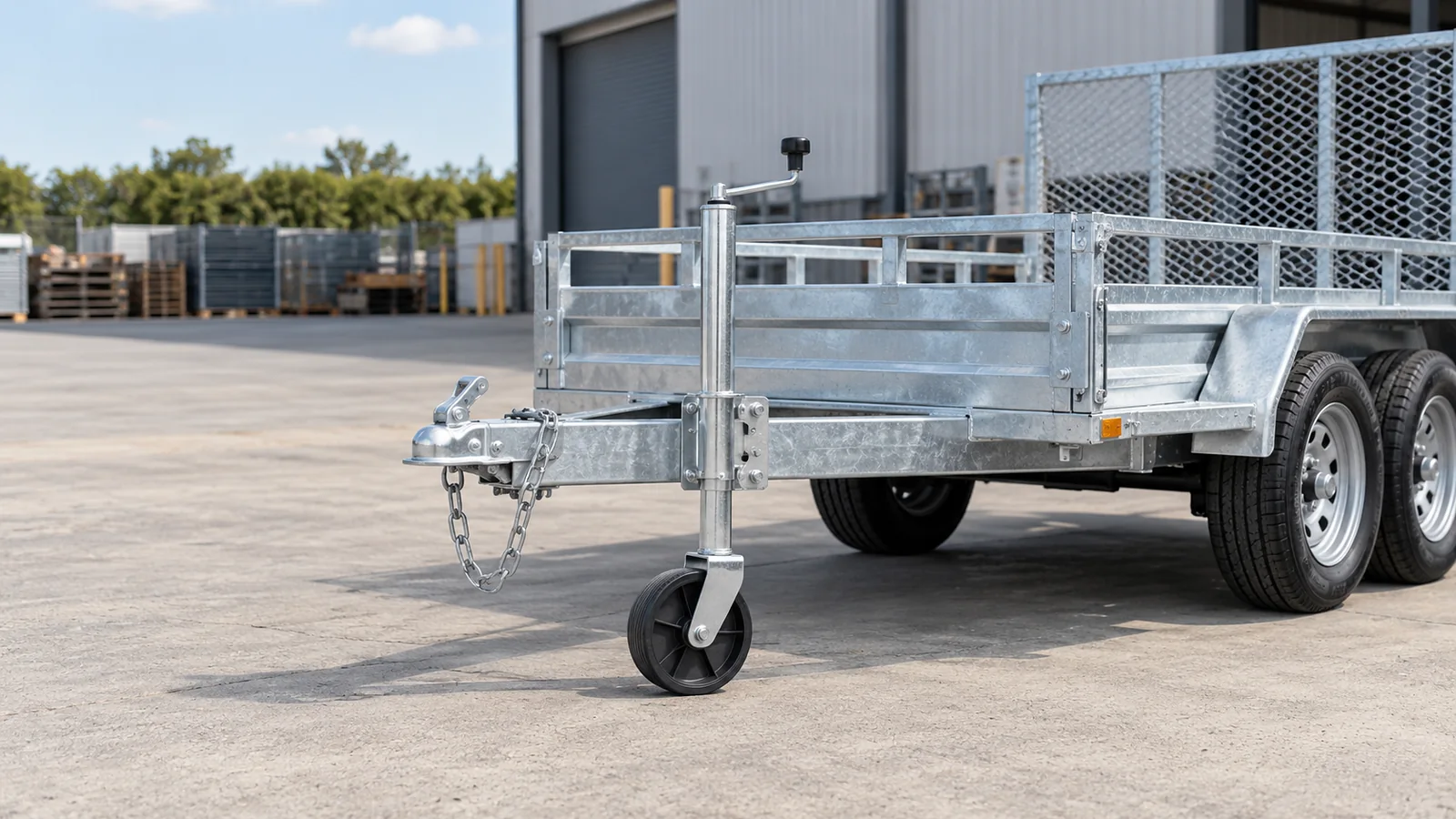
Тек джоки дөңгелегін ғана емес, толық құрастырманы қашан ауыстыру керек
Жокей дөңгелегін немесе құрастырмасын ауыстыру бойынша сатып алушыға арналған практикалық нұсқаулық, өлшенетін жұмыс жағдайларына және RFQ-ға дайын шешімдерге бағытталған.
Сатып алу тәуекелі нақты қай жерде жатыр - тек қашан ауыстыру керек
Сатып алу топтары каталог термині ретінде жиі ауыстырылатын джокей дөңгелегін немесе құрастыруды кездестіреді, бірақ сатып алу туралы шешім өлшенетін пайдалану талаптарына айналдырылған кезде айқынырақ болады.
Тіркеме тартпаларында, тұраққа қойылған тіркемелерде және қысқа қашықтыққа қолмен маневр жасауда таңдау тартпа/тірек жүктемесінен, жер бетінен, дөңгелектің диаметрінен/енінен, түтіктің немесе қысқыштың орналасуынан, жүрістен және қоймадағы саңылаудан басталуы керек. Бұл өлшемді немесе материалды таңдауды өнімнің жалпы сипаттамасына емес, оның орындауы тиіс жұмысына байланысты етеді.
Жалпы кемшілік - бір тартымды параметрді тұтас сипаттама ретінде қарастыру. Доңғалақ жақсы домалауы мүмкін, бірақ домкрат қысқыш диаметрі, жиналған биіктігі немесе бүктелетін конверт бойынша қате болуы мүмкін. Жақсы сатып алу туралы жазба тірек нүктесіндегі тік жүктемені, жерге орналастыру жағдайын, дөңгелек өлшемін, түтік/қысқыш өлшемдерін, жүріс пен санын көрсетеді, сондықтан жеткізушілер ұқсасты ұқсаспен салыстырып, жоқ өлшемдерді болжаудың орнына белгілей алады.
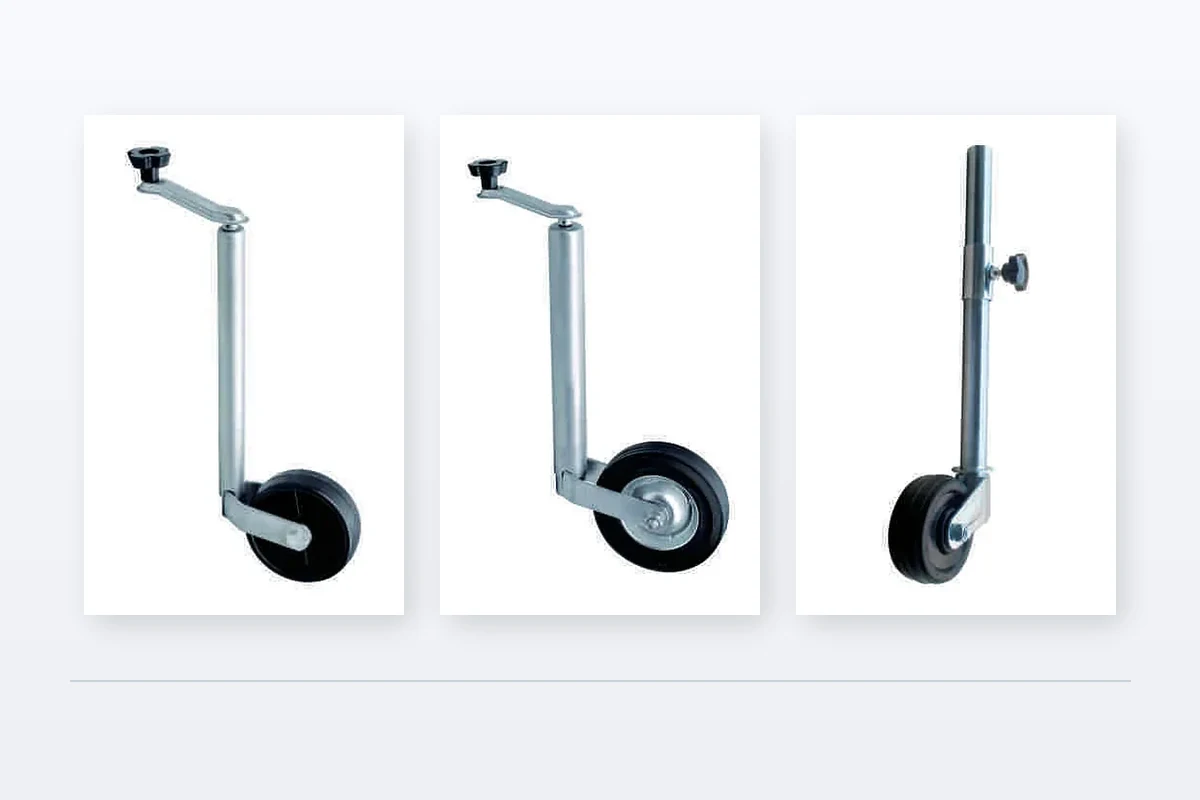
Жұмыс циклінен және нақты қозғалыстан бастаңыз — Тек қашан ауыстыру керек
Өнімдерді салыстырмас бұрын, жабдық тапсырмасын бір сөйлеммен жазыңыз: не қозғалуы керек, қандай жүк көтереді, қайда жүреді және қаншалықты жиі қайта орналасады. Бұл сипаттама бір параметрді әмбебап ережеге айналдырмай, джокей дөңгелегін немесе құрастырманы ауыстыруға арналған контекст береді.
Тіркеменің тартпалары, тұраққа қойылған тіркемелер және қысқа қашықтыққа қолмен маневр жасау үшін алғашқы шолу тартпа/тіреу жүктемесін, жер бетін, дөңгелектің диаметрін/енін, түтіктің немесе қысқыштың орналасуын, жүрісті және қойылған саңылауды қамтуы керек. Егер мән белгісіз болса, оны әдеттегі санмен алмастырудың орнына өлшеу үшін белгілеңіз. RFQ мақсаты - саңылауларды жасыру емес, жабу. Тек джокей дөңгелегін қашан ауыстыру керектігі туралы RFQ-да бұл мәселе жұмыс жағдайымен және орналасуды басқаратын өлшемдермен бірге көрсетілген кезде өте пайдалы.
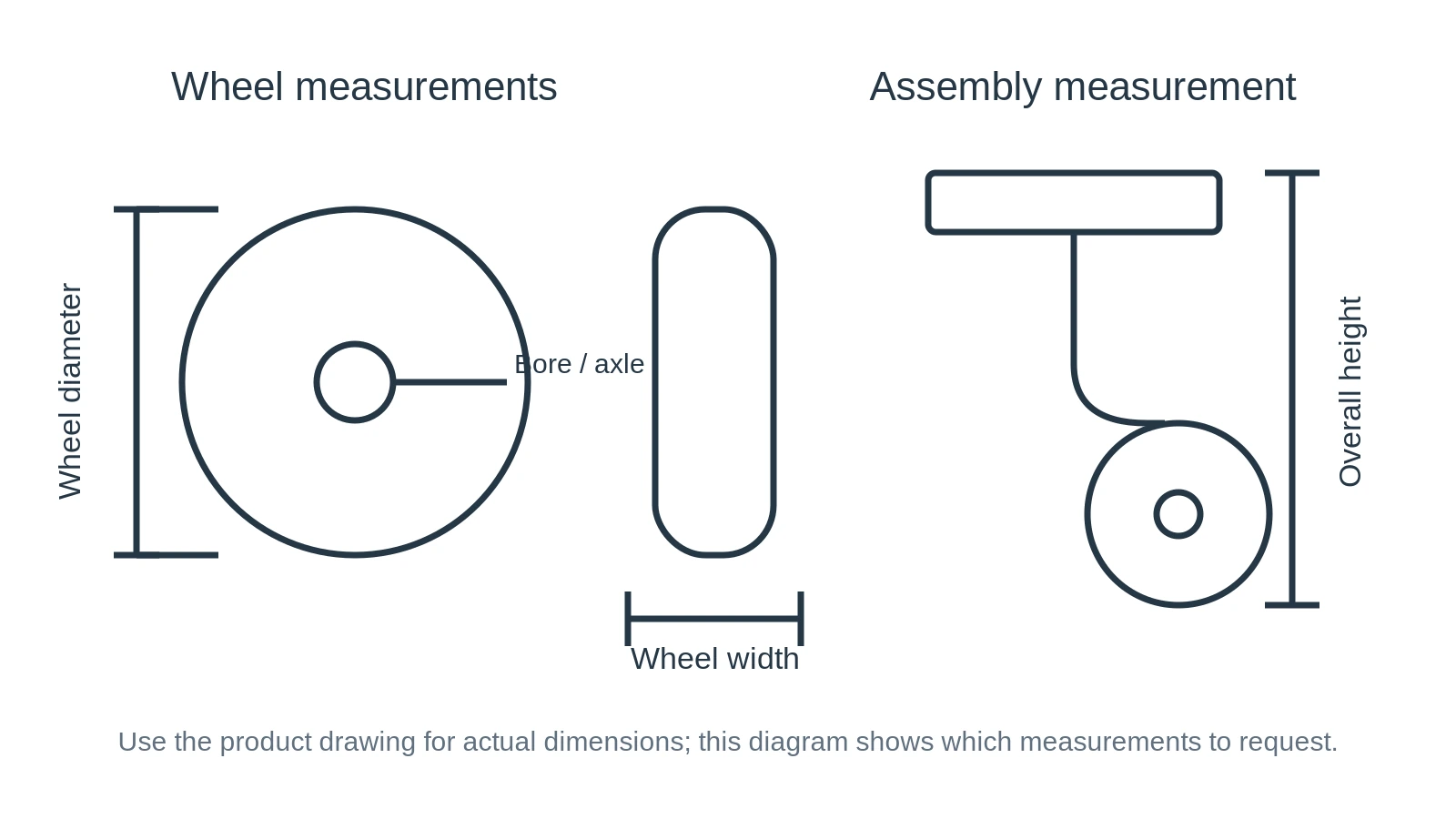
Ескі бөлшекті алып тастамас бұрын өлшемдерді түсіріңіз — тек қашан ауыстыру керек
Ауыстыру жұмыстары өлшеудің тұрақты тәртібінен пайда көреді. Доңғалақтың диаметрі мен енін жазып алыңыз, содан кейін ортаңғы бөлікке қарай ішке қарай жылжытыңыз: тесік немесе мойынтірек түрі, ось диаметрі, ортаңғы бөлік ұзындығы және аралықтары. Толық құрастырулар үшін орнатылған биіктікті және бекіту геометриясын қосыңыз. Өлшемді сипаттау қиын болған кезде өлшеу құралын суретке түсіріңіз. Тек джокей дөңгелегін қашан ауыстыру керектігі туралы сұрауда бұл мәселе жұмыс жағдайымен және сәйкестендіруді басқаратын өлшемдермен бірге көрсетілген кезде өте пайдалы болады.
Егер бастапқы диаметр маңызды болса, тозған протекторды жалғыз анықтама ретінде пайдаланбаңыз. Қатты тозған дөңгелек, шын мәніндегі мәселе материалдың жоғалуы болған кезде, ауыстыру тым үлкен болып көрінуі мүмкін. Сол сияқты, майысқан шанышқы немесе қолдан жасалған аралық көрінетін ығысуды өзгерте алады. Тек Жокей дөңгелегін қашан ауыстыру керектігі туралы сұрау кезінде бұл мәселе жұмыс жағдайымен және өлшемдерді бақылаумен бірге көрсетілген кезде өте пайдалы.
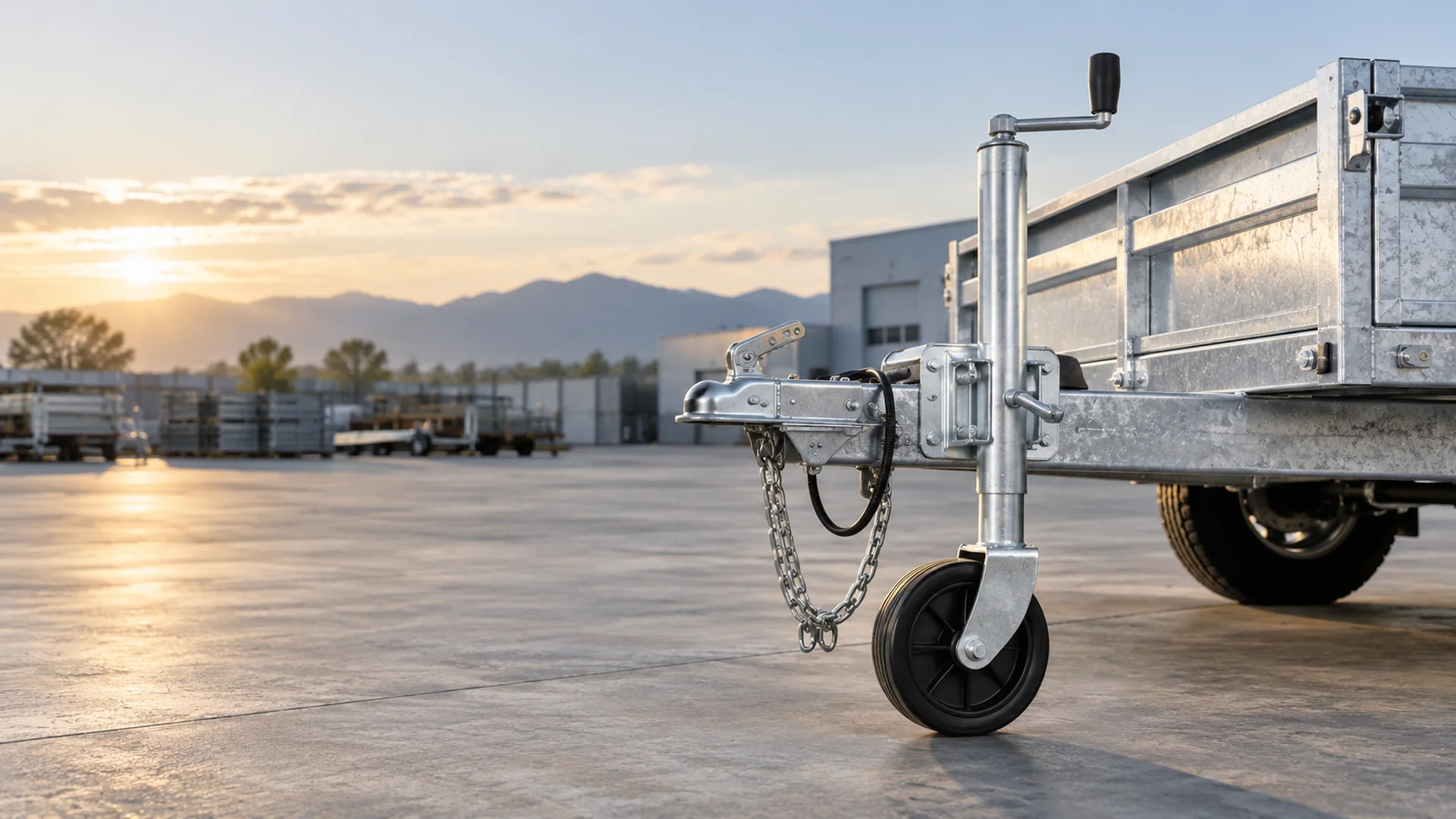
Жүктемені статикалық деп санаудың орнына қозғалыспен байланыстырыңыз — тек қашан ауыстыру керек
Жүктеме деңгейі жабдықтың қалай қозғалатынына тәуелсіз емес. Арба табалдырықтан өткенде статикалық тұрақ жағдайында болмайтын соққы күштері пайда болуы мүмкін. Тегіс емес еден жүктемені төрт номиналды тірек нүктесінен үшке дейін жылжытуы мүмкін. Тіркемедегі жоқей дөңгелегі орташа тік тарту жүктемесін көтере алады, бірақ бос жерде айтарлықтай маневрлік күш жұмсауды қажет етеді. Тек жоқей дөңгелегін қашан ауыстыру керектігі туралы сұрауда бұл мәселе жұмыс жағдайымен және сәйкестікті басқаратын өлшемдермен бірге көрсетілген кезде өте пайдалы.
Максималды қалыпты жүктемені, ерекше жүктемені, еденді немесе жерді, жүру қашықтығын және кедергі жиілігін жазыңыз. Бұл комбинация бір жалпы салмаққа қарағанда жақсы таңдау негізін береді.
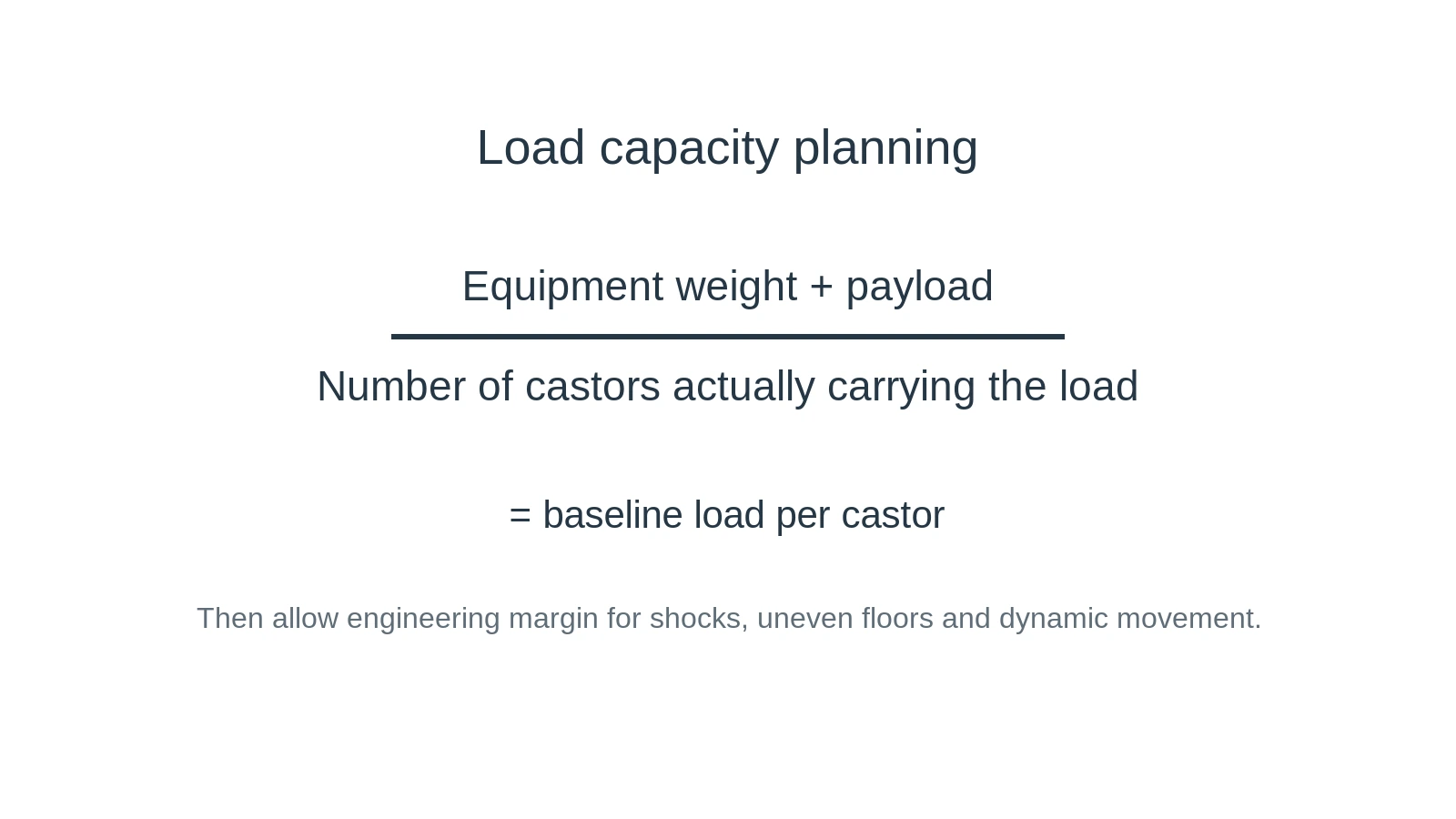
Жокей дөңгелегін таңдау үшін екі жүктеме туралы әңгіме қажет — Тек қашан ауыстыру керек
Домкрат көтеретін тік жүктеме бір мәселе; тіркемені басқару үшін қажетті күш-жігер басқа мәселе. Екінші мәселеде топырақ, диаметр және ен басым болуы мүмкін. Тік жүктеме өзгермеген кезде де, төселген жерде қанағаттанарлық конфигурация қиыршық тасты жерде қиын болуы мүмкін. Тек джокей дөңгелегін қашан ауыстыру керектігі туралы сұрау салуда бұл мәселе жұмыс жағдайымен және өлшемдерді реттеумен бірге көрсетілген кезде өте пайдалы болады.
Сондай-ақ, түтіктің/қысқыштың диаметрін, көтеру қозғалысын, жабық биіктікті және құрастырманы бүктеу немесе айналдыру үшін қажетті кеңістікті растаңыз.
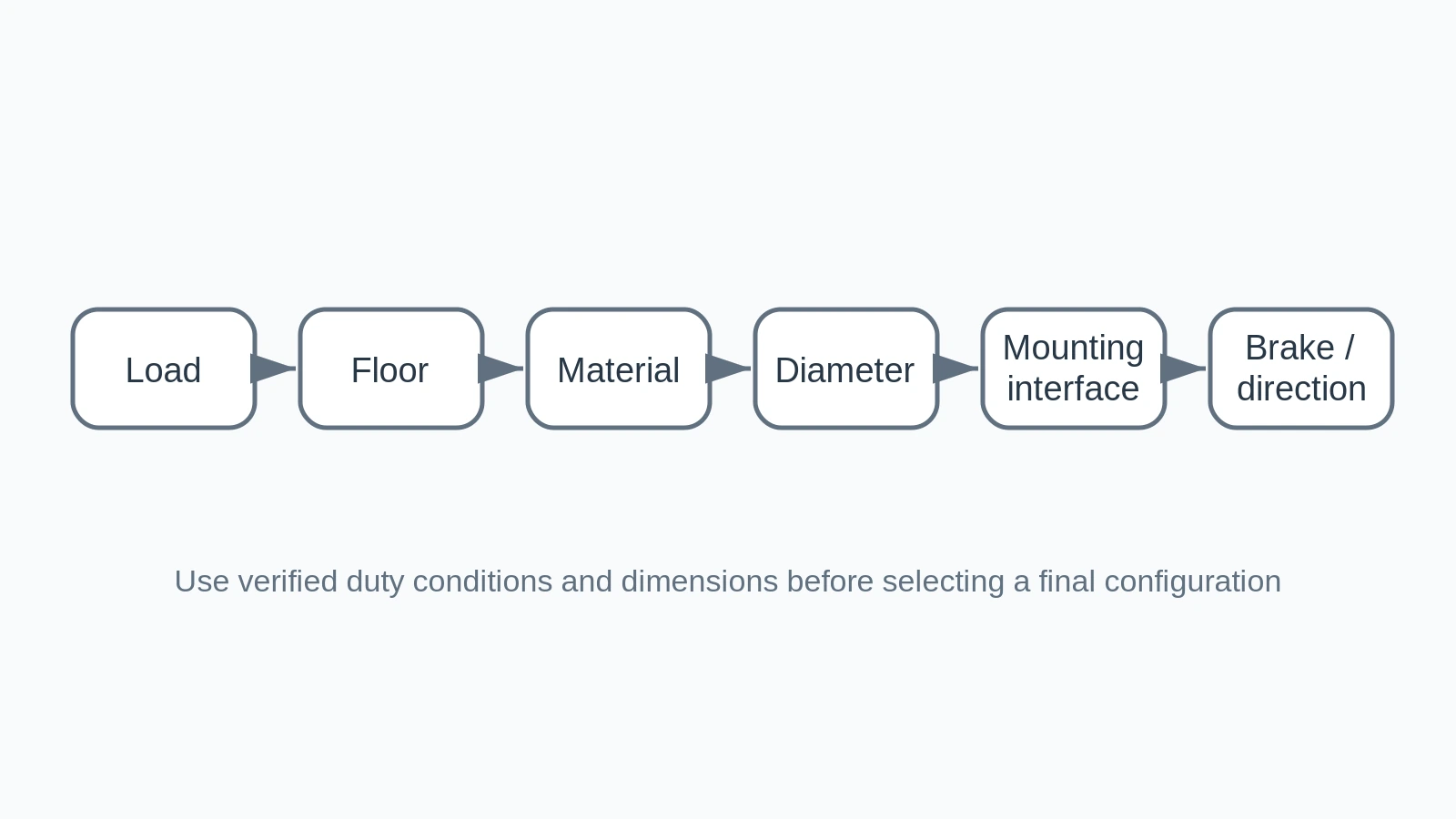
Тек джокей дөңгелегін ауыстыру кезінде байқауға болатын сәтсіздік үлгілері
Доңғалақ жақсы домалауы мүмкін, бірақ домкрат қысқыш диаметрі, жиналған биіктігі немесе бүктелетін қаптама бойынша қате болуы мүмкін. Ұқсас белгілер босаған бекіткіштерден, тозған мойынтіректерден, тураланбаудан, ластанған едендерден немесе енді төртбұрышты емес рамадан да туындауы мүмкін. Доңғалақ материалын кінәламас бұрын, бекітуді тексеріп, тозу үлгілерін әртүрлі позициялар бойынша салыстырыңыз. Тек джокей дөңгелегін қашан ауыстыру керектігі туралы сұрауда бұл мәселе жұмыс жағдайымен және сәйкестікті басқаратын өлшемдермен бірге көрсетілген кезде өте пайдалы.
Егер тек бір бұрыш тез тозса, сол бұрыштың жүктемесі мен туралануын тексеріңіз. Егер барлық дөңгелектер бірдей зақымдалған болса, жұмыс уақытын, еденді және материалдың сипаттамаларын қарап шығыңыз. Егер процесс өзгергеннен кейін тозу жеделдесе, жаңа ластаушы затты, тазартқыш затты, температураны немесе жүру үлгісін жазып алыңыз. Тек джокей дөңгелегін қашан ауыстыру керектігі туралы сұрау салуда бұл мәселе жұмыс жағдайымен және өлшемдерді реттеумен бірге көрсетілген кезде өте пайдалы болады.
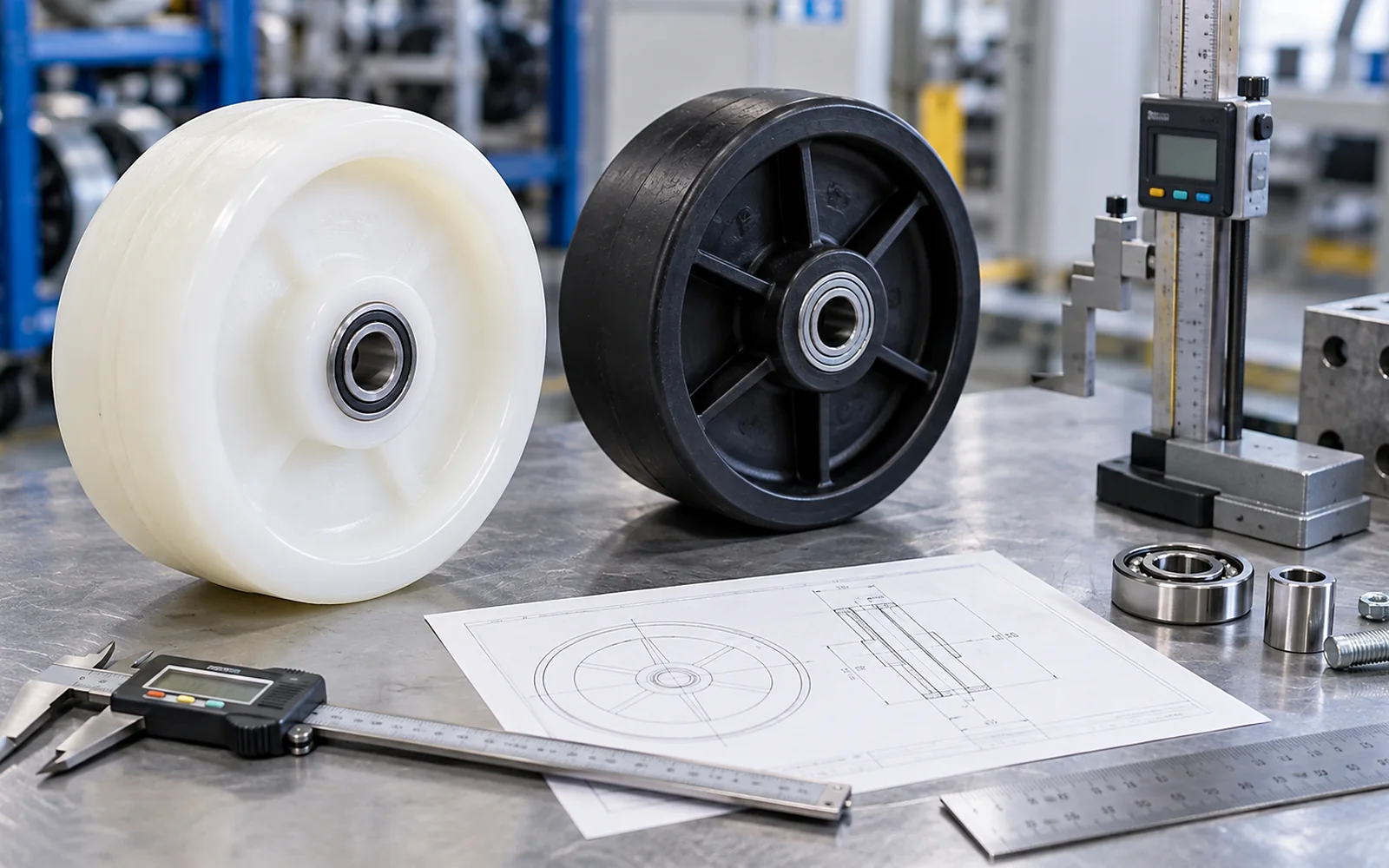
Инженерлік жазбаларды бір басқарылатын RFQ жолына аударыңыз — Тек қашан ауыстыру керек
Әр конфигурацияға бір жолдан пайдаланыңыз және талапты басқа инженер бастапқы әңгімесіз түсіне алатындай етіп жазыңыз. Тірек нүктесіндегі тік жүктемені, жерге қосу жағдайын, доңғалақ өлшемін, түтік/қысқыш өлшемдерін, жүріс пен мөлшерді қосыңыз. Дұрыс сызбаны немесе фотосурет жинағын тіркеңіз. Егер интерфейс өлшемі белгісіз болса, болжамды мәнді пайдаланудың орнына «өлшеу күтілуде» деп айтыңыз. Тек джокей дөңгелегін қашан ауыстыру керектігі туралы сұрауда бұл мәселе жұмыс жағдайымен және сәйкестікті басқаратын өлшемдермен бірге көрсетілген кезде өте пайдалы болады.
Бірнеше үлгідегі тапсырыстар үшін мөлшерлерді бөлек сақтаңыз және қай өлшемдердің ортақ екенін анықтаңыз.
Тек Жокей дөңгелегін ауыстыру және шешім қабылдау тізімі
- Максималды қалыпты жүктеме белгілі ме?
- Тірек дөңгелектері жүктемені тең бөле ала ма?
- Нақты қабат/жер сипатталған ба?
- Дөңгелек пен интерфейс өлшемдері өлшенген бе?
- Басқару функциясы түсінікті ме?
- Арнайы материал/әрлеу/қоршаған орта талаптары көрсетілген бе?
- Саны дұрыс модельге байланысты ма?
Келесімен жалғастырыңыз негізгі таңдау бетісалыстыру ағымдағы өнім топтарынемесе пайдаланыңыз RFQ нысаны.
Қосылымдарды таңдау, орнату және байқалған әрекет — Тек қашан ауыстыру керек
Төмендегі тармақтар мақала тақырыбын өлшеуге, орнатуға және далалық бақылауға жалпы өнім жапсырмасын толық сипаттама ретінде қарастырмай-ақ қолданады.
Техникалық бекітуді сандық өзгерістерден бөлек — Тек қашан ауыстыру керек
Егер кейінірек сатып алу санының өзгеруіне немесе модельдерді біріктіруге әкелсе, сол коммерциялық өзгерістің техникалық сипаттаманы қайта жазуына жол бермеңіз. Тек өзгерген коммерциялық өрістерді жаңарта отырып, бекітілген өлшемдер мен конфигурацияны сақтаңыз. Тек джокей дөңгелегін қашан ауыстыру керектігі туралы сұрау салуда бұл мәселе жұмыс жағдайымен және сәйкестікті басқаратын өлшемдермен бірге көрсетілген кезде өте пайдалы.
Тек джокей дөңгелегін ауыстыру кезінде нені ескеру керек
Қалыпты жұмыс істемес бұрын, бақыланатын жүктеме мен төмен жылдамдық кезінде ауыстырылатын джокей дөңгелегіне немесе құрастырмасына жаңа немесе ауыстырылатын конфигурацияны тапсырыңыз. Үйкеліске, кронштейннің жанасуына, доңғалақтың тербелісіне, рульдің тұрақсыздығына, бекіткіштің қозғалысына және палуба немесе тартпа биіктігіндегі кез келген өзгеріске назар аударыңыз. Мақсат - доңғалақтың айналатынын растау емес, таңдау кезінде жасалған болжамдарды тексеру.
Тіркеме тартпалары, тұраққа қойылған тіркемелер және қысқа қашықтыққа қолмен маневр жасау үшін бастапқы сынақта ең талапшыл қалыпты еден немесе жер ауысуын қосыңыз. Егер жүйе табалдырықтан, пандустан немесе кедір-бұдыр қосылыстан өтуі керек болса, оны сол жерде бақылаңыз. Нәтижені RFQ-да қолданылған модель сілтемесімен құжаттаңыз, сонда болашақтағы тапсырыстар жадқа сүйенудің орнына пайдалы базалық сызыққа ие болады. Тек Жокей дөңгелегін қашан ауыстыру керектігі туралы RFQ-да бұл мәселе жұмыс жағдайымен және сәйкестікті басқаратын өлшемдермен бірге көрсетілген кезде өте пайдалы болады.
Тек джокей дөңгелегін ауыстыру үшін маңызды техникалық қызмет көрсету жазбалары
Доңғалақтың орналасуын, орнату күнін, міндетін, ауыстыру себебін және едендегі ерекше оқиғаларды жазып алыңыз. Жокей дөңгелегін ауыстыру немесе жинау бағдарламасында бұл қарапайым тарих тозудың кездейсоқ, позицияға тән немесе өзгерген ортамен байланысты екенін анықтауға көмектеседі. Бір бұрышта бірнеше рет істен шығатын доңғалақ жалпы материалдық мәселе емес, жүктің шоғырлануын, туралануын немесе жергілікті ластануды көрсетуі мүмкін.
Ескі дөңгелекті алып тастаған кезде осьті, аралықтарды, мойынтіректерді, кронштейнді және бекіткіштерді тексеріңіз. Тірек нүктесіндегі тік жүктемеге, жерге қосу жағдайына, дөңгелек өлшеміне, түтік/қысқыш өлшемдеріне, жүріске және мөлшерге тікелей қатысты өлшемдерді сақтаңыз. Егер компонент пайдалану кезінде өзгертілген болса, жаңа элементті орнатпас бұрын өзгерісті суретке түсіріп, өзгертілген жағдай ресми жабдық сипаттамасының бөлігі болуы керек пе, жоқ па, соны шешіңіз. Тек джокей дөңгелегін қашан ауыстыру керектігі туралы сұрау салуда бұл мәселе жұмыс жағдайымен және сәйкестікті басқаратын өлшемдермен бірге көрсетілген кезде өте пайдалы болады.
Жабдықты тек қашан ауыстыру керектігі туралы шешім қабылдаңыз
«Тек джокей дөңгелегін қашан ауыстыру керек және толық құрастыру керек» деген сұрақтың практикалық құндылығы әмбебап «иә» немесе «жоқ» жауабы емес. Пайдалы шекара - сұрақ туындайтын жабдық пен жұмыс орны. Тартпа тірек жүктемесін, дөңгелек өлшемін, түтіктің немесе қысқыштың орналасуын, көтеру қозғалысын, жабық биіктікті, бүктеу немесе бұрылу саңылауын, жер жағдайын және маневр жасау жиілігін жазыңыз. Бұл өрістерді бірге ұстау өнімді сәйкестендіру сұрағын инженерлік таңдау сұрағынан ажыратуға мүмкіндік береді және көзбен ұқсас бөлшектің автоматты түрде ауыстырылатын ретінде қарастырылуына жол бермейді.
Ең жақсы жағдай сипаттамасының орнына ең талапшыл қалыпты жағдайды пайдаланыңыз. Егер жабдық кейде шекті мәннен асып кетсе, ашық ауада жұмыс істесе, біркелкі емес пайдалы жүктеме көтерсе немесе ұзақ уақыт бойы статикалық жүктемеден кейін ғана маневр жасалса, сол жағдайды қосыңыз. Мақсат - басқа инженер немесе сатып алушы бастапқы компонентті көрмей-ақ түсіне алатын қайталанатын талап. Тек джокей дөңгелегін қашан ауыстыру керектігі туралы сұрау салуда бұл мәселе жұмыс жағдайымен және сәйкестікті басқаратын өлшемдермен бірге көрсетілген кезде өте пайдалы.
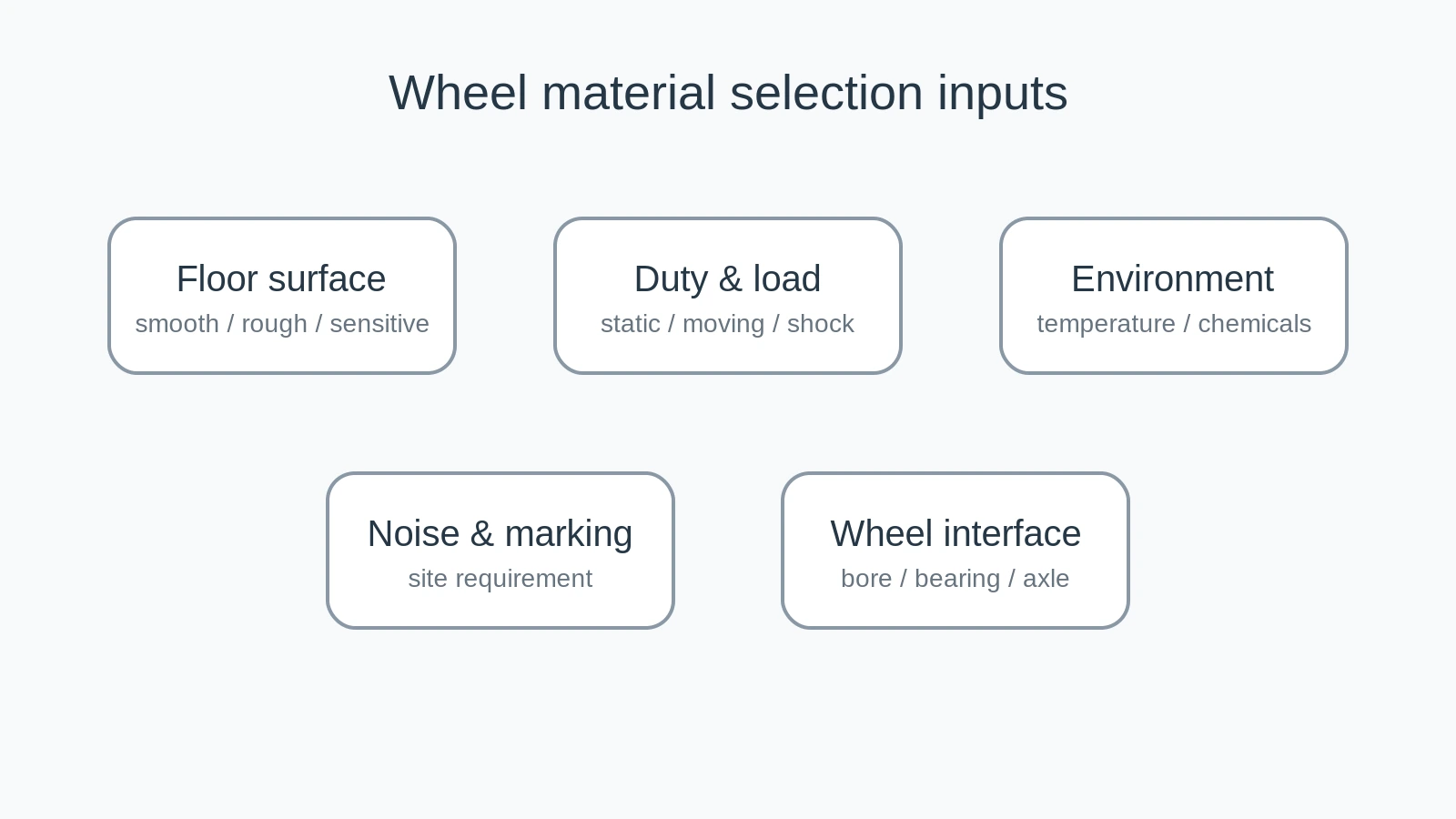
Анық еместікті жоятын өлшемдерді жинаңыз — Тек қашан ауыстыру керек
Бұл тақырып үшін тартпа тірегінің жүктемесін, дөңгелек өлшемін, түтіктің немесе қысқыштың сәйкестігін, көтеру қозғалысын, жабық биіктікті, бүктеу немесе бұрылу саңылауын, жерге орналастыру жағдайын және маневр жасау жиілігін жазып алыңыз. Сурет жоқ жерде өлшемді фотосуреттерді пайдаланыңыз және әрбір өлшеу үшін пайдаланылған сілтеме нүктелерін көрсетіңіз. Егер ескі бөлшек тозған, майысқан немесе жөнделген болса, зақымдалған геометрияны жобалау нысанасы ретінде қарастырудың орнына, зақымдалған өлшемді белгілеңіз. Тек джокей дөңгелегін қашан ауыстыру керектігі туралы сұрау салуда бұл мәселе жұмыс жағдайымен және сәйкестікті басқаратын өлшемдермен бірге көрсетілген кезде өте пайдалы болады.
Салыстыру парағы әр бағанға немесе жолға бір конфигурациямен жақсы жұмыс істейді. Өлшенген мәндерді, қажетті мәндерді және қосымша параметрлерді бөлек сақтаңыз. Бұл қарапайым бөлу жеткізушінің ұсынысының немесе ескі каталог мәнін қараусыз қажетті сипаттамаға көшіру мүмкіндігін азайтады. Сондай-ақ, бұл кейінгі баға ұсыныстарын тексеруді жеңілдетеді. Тек джокей дөңгелегін қашан ауыстыру керектігі туралы сұрау салуда бұл мәселе жұмыс жағдайымен және сәйкестікті басқаратын өлшемдермен бірге көрсетілген кезде өте пайдалы болады.
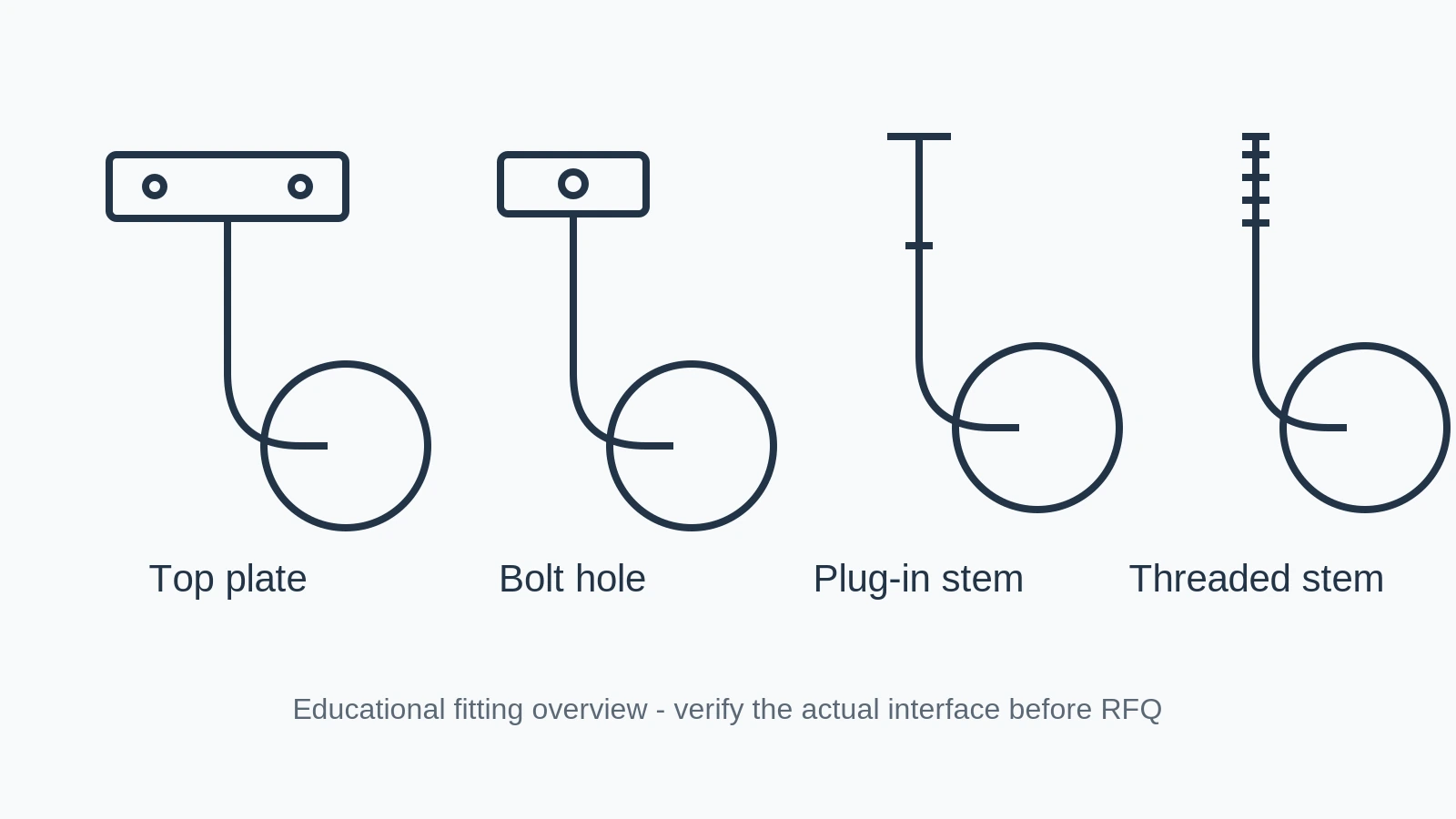
Кәдімгі қызмет көрсету алдында бақыланатын сынақты пайдаланыңыз — Тек қашан ауыстыру керек
Домкраттың қолданыстағы қозғалысы арқылы көтеріп, түсіріңіз, дөңгелектің тірек нүктесін кедергісіз көтеретініне көз жеткізіңіз, содан кейін қалыпты аула бетінде маневр жасаңыз және бекітілген позицияның тартпа мен муфтаны босататынына көз жеткізіңіз. Бірінші сынақ жабдықтың қозғала алатынын дәлелдеудің орнына, дөңгелекті және бекітуді бақылау үшін жеткілікті баяу болуы керек. Үйкелісті, күтпеген бүйірлік қозғалысты, бекіткіштің қозғалысын, дөңгелектің тербелісін, кедергіні және оператор күшінің өзгеруін іздеңіз. Тек джокей дөңгелегін қашан ауыстыру керектігі туралы сұрауда бұл мәселе жұмыс жағдайымен және өлшемдерді орнатумен бірге көрсетілген кезде өте пайдалы болады.
Егер нәтиже қанағаттанарлықсыз болса, бірнеше айнымалыны бірден өзгертпес бұрын симптомды жазып алыңыз. Бір бақыланатын өзгеріс — мысалы, доңғалақ диаметрі, материалы, бекіту туралануы немесе руль орналасуы — бүкіл құрастырманы өзгертуден және бастапқы мәселенің себебін жоғалтудан гөрі пайдалы ақпарат береді. Тек Жокей дөңгелегін қашан ауыстыру керектігі туралы сұрауда бұл мәселе жұмыс жағдайымен және сәйкестікті басқаратын өлшемдермен бірге көрсетілген кезде ең пайдалы болады.
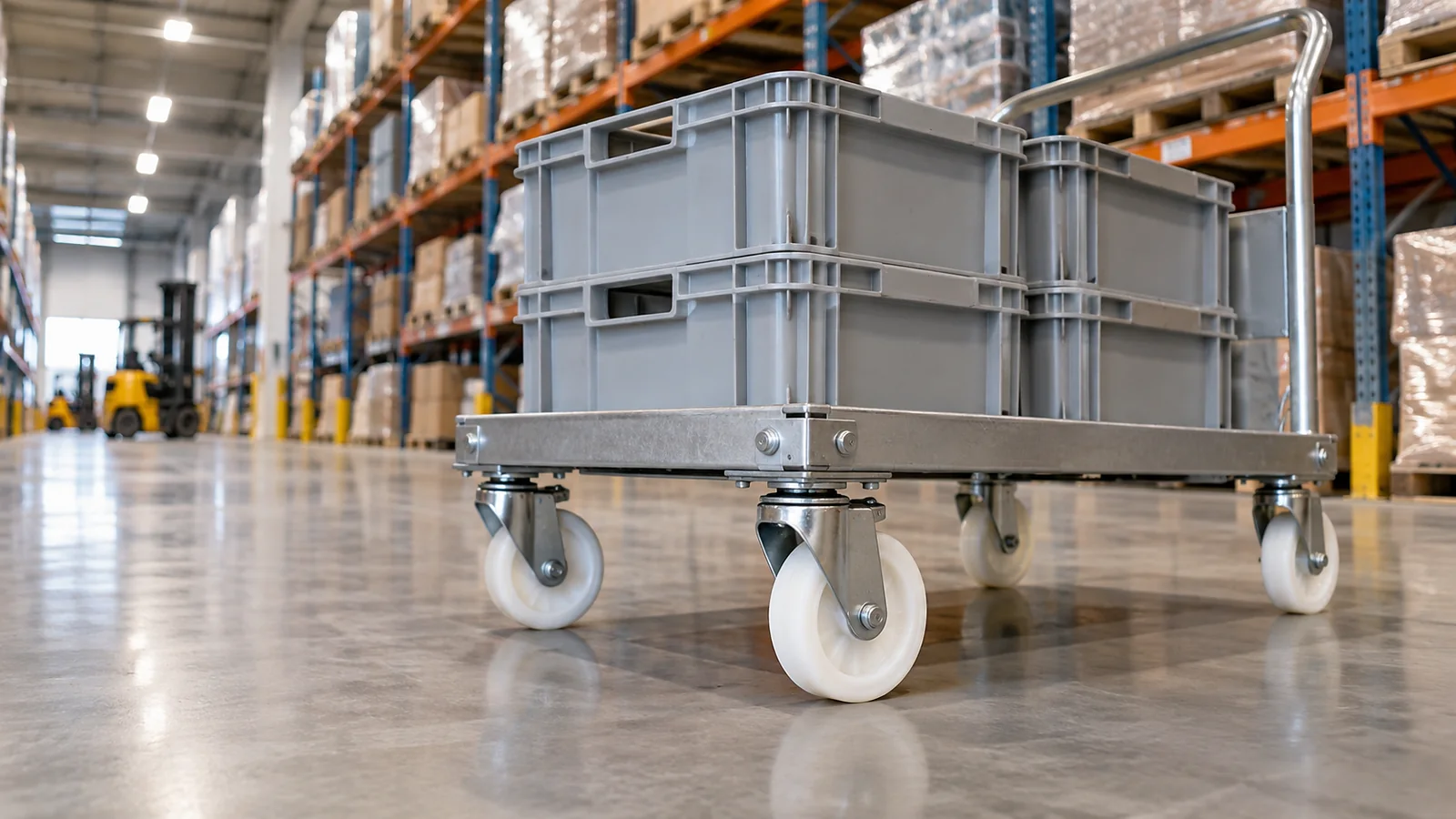
«Тек джокей дөңгелегін толық жинақтың орнына қашан ауыстыру керек» деген шешімді нақты тұрақ алаңында сынап көріңіз.
Орнатқаннан кейін, әдетте ең көп күш жұмсайтын бетте бақыланатын төмен жылдамдықты маневрлік тексеру жүргізіңіз. Рульдік басқаруды, дөңгелектің тегістігін, айырдың саңылауын және бекітудің бұралу немесе сырғанау тенденциясын бақылаңыз. Егер тіркеме үнемі қиыршық тас, төсемдер немесе дренаждық арналар арқылы жылжытылса, тек шеберхана бетонында сынақтан өткізудің орнына, осы жағдайларды ескеріңіз. Тек джокей дөңгелегін қашан ауыстыру керектігі туралы сұрау салуда бұл мәселе жұмыс жағдайымен және өлшемдерді реттеумен бірге көрсетілген кезде өте пайдалы болады.
Қысқа құжатталған сынақ бір доңғалақтың «жақсырақ» екендігі туралы жалпы мәлімдемеге қарағанда әлдеқайда пайдалы сатып алу туралы ақпарат береді. Қабылданған конфигурацияны, тіркеме тобын, жүктеме жағдайын және кез келген саңылаудың шектеуін жазып алыңыз, сонда кейінгі тапсырыстарды бірдей жұмыс істеу негізімен салыстыруға болады. Тек Жокей дөңгелегін қашан ауыстыру керек деген сұрауда бұл мәселе жұмыс істеу жағдайымен және сәйкестікті басқаратын өлшемдермен бірге көрсетілген кезде өте пайдалы болады.
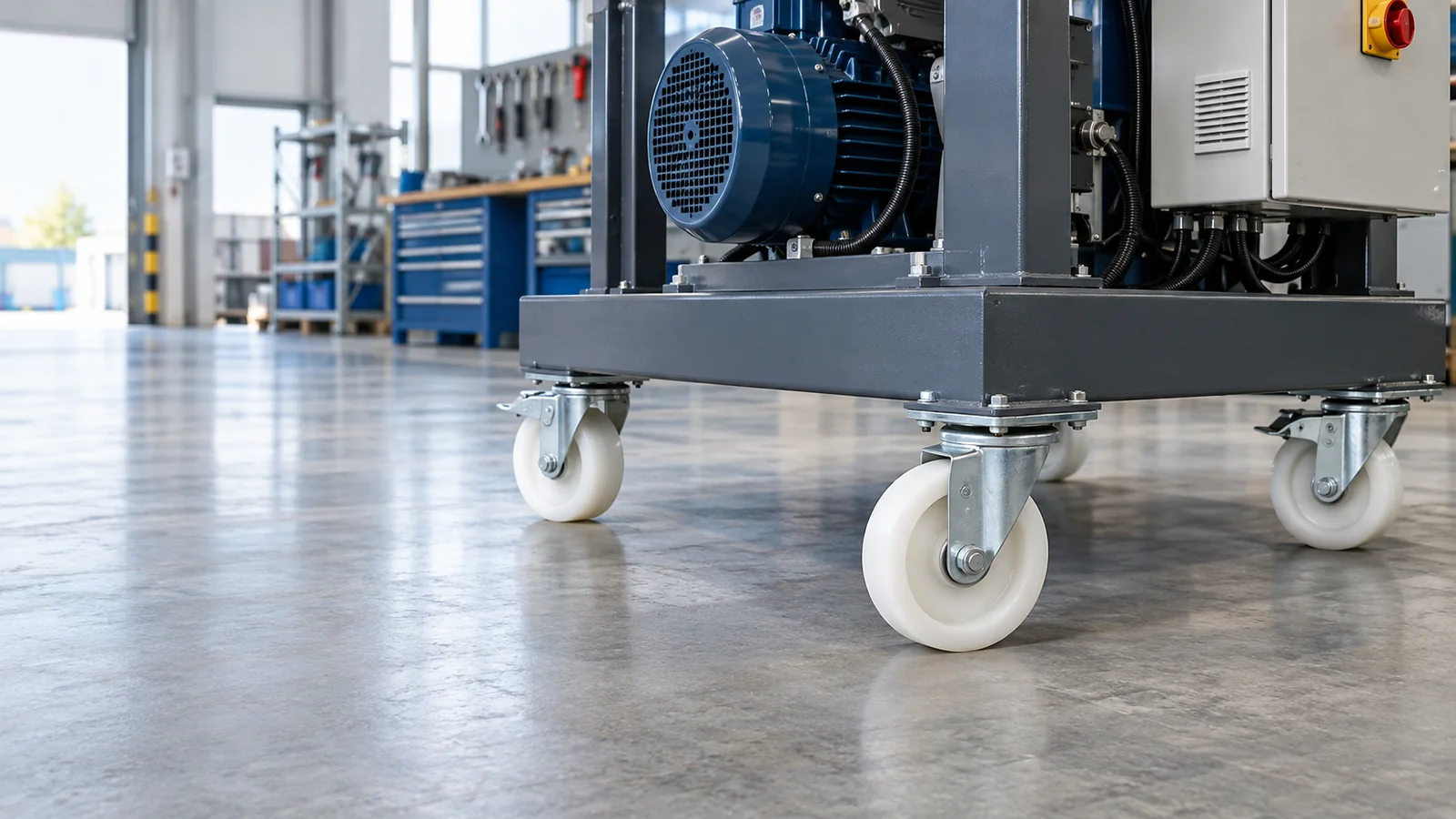
«Тек джокей дөңгелегін толық жинақтың орнына қашан ауыстыру керек» дегенді қолданған кезде орнатылған конвертті жазып алыңыз
Жокей дөңгелегі номиналды шинаның диаметрінен артық болуы керек. Түтік немесе қысқыш өлшемін, жабық биіктікті, қажетті көтеру күшін, дөңгелек/шанышқы конвертін, иінді саңылауын және құрастыру жүру кезінде бүктелген немесе бұрылған кезде жүретін жолын жазып алыңыз. Тіркеменің нақты тарту жүктемесінің жағдайын және ажыратылған маневр орын алатын жерді қосыңыз. Тек Жокей дөңгелегін қашан ауыстыру керектігі туралы сұрауда бұл мәселе жұмыс жағдайымен және сәйкестікті басқаратын өлшемдермен бірге көрсетілген кезде өте пайдалы болады.
Ауыстыру жұмыстары үшін ескі конфигурацияны дәл көшіру керек деп есептемес бұрын, қысқыштың, түтіктің және бекіту аймағының деформациясын немесе бұрынғы модификациясын тексеріңіз. Егер жеткізушінің көрсеткен жүктемесі домкрат тұқымдасына қатысты болса, оны нақты қолдану талабын өлшеудің орнына пайдаланбаңыз. Тек джокей дөңгелегін қашан ауыстыру керектігі туралы сұрауда бұл мәселе жұмыс жағдайымен және сәйкестікті басқаратын өлшемдермен бірге көрсетілген кезде өте пайдалы болады.
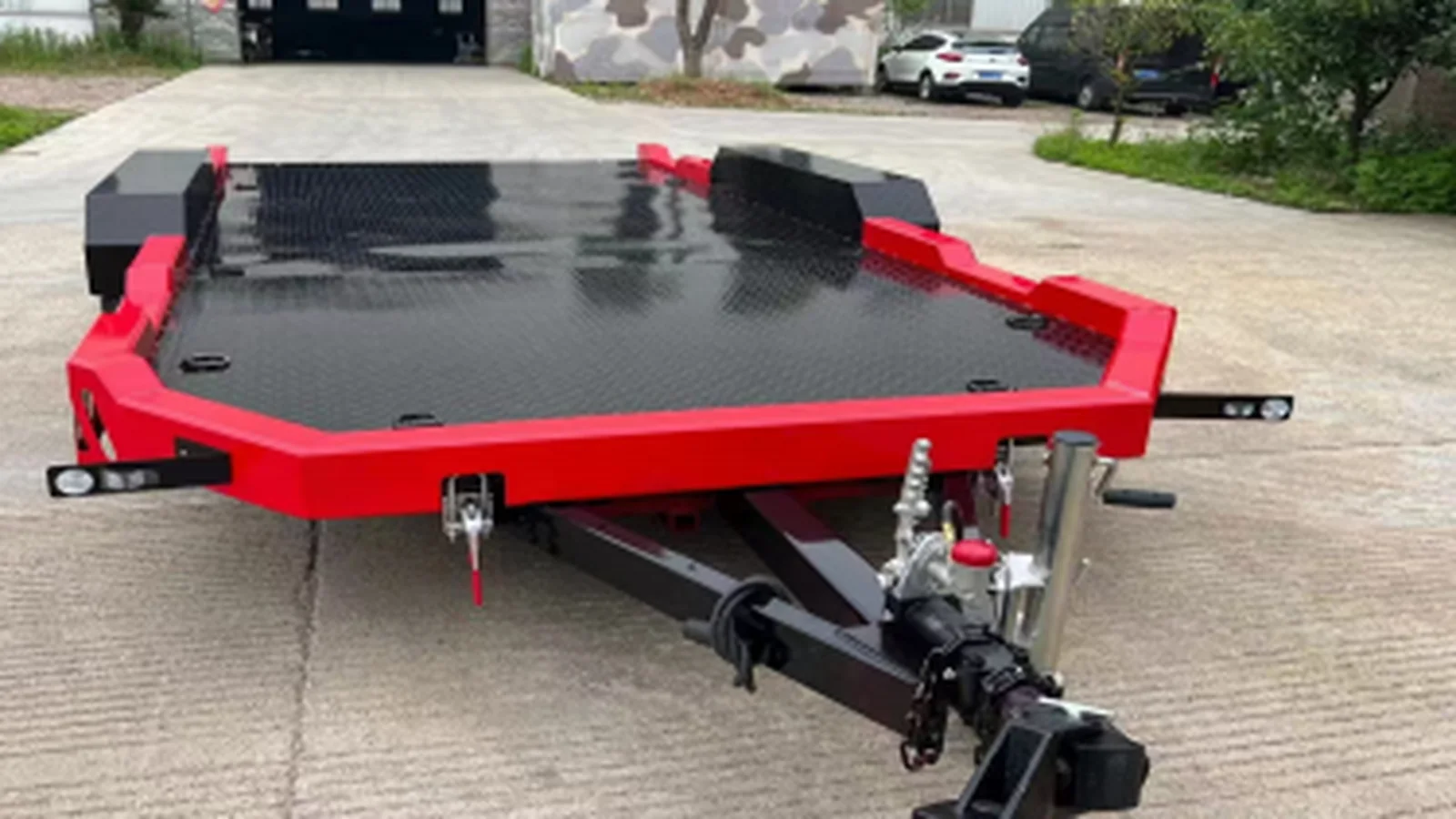
Трейлерді қолдау сұрағын төрт салыстырмалы кіріске айналдырыңыз — Тек қашан ауыстыру керек
Жүктеме, жерге қосу, интерфейс және жұмыс жүрісі бөлек жазылған кезде тіркемені қолдау мәселелерін шешу оңайырақ болады. Каталог атауында тірек дөңгелегінің қалай жүктелгені, тіркеменің қалай маневр жасалатыны немесе механизмнің тартпаның айналасында қанша орын бар екені сипатталмайды. Тек джокей дөңгелегін қашан ауыстыру керектігі туралы сұрау кезінде бұл мәселе жұмыс жағдайымен және сәйкестікті басқаратын өлшемдермен бірге көрсетілген кезде өте пайдалы болады.
| Кіріс | Нені жазу керек |
|---|---|
| Қолдау шарты | Нақты мұрын немесе тірек жүктемесін және доңғалақтың тек тұраққа, қолмен маневр жасауға немесе екеуіне де қолданылатынын көрсетіңіз. |
| Жер | Қалыпты пайдалану кезінде кездесетін бетон, төсем, қиыршық тас, жұмсақ топырақ, қосылыстар және беткейлерді сипаттаңыз. |
| Интерфейс | Түтіктің, қысқыштың, кронштейннің немесе пластинаның өлшемдерін, сондай-ақ жақын маңдағы муфта мен раманың элементтерінің орналасуын жазып алыңыз. |
| Операциялық конверт | Жабық биіктікті, пайдалы жүрісті, иінді білікшеге кіруді және тиісті жерде бүктеу немесе бұру үшін қажетті жолды өлшеңіз. |
Осы кірістерді бірдей жағдайларда баламаларды салыстыру үшін пайдаланыңыз. Үлкенірек дөңгелек кедергілердің геометриясын жақсартуы мүмкін, бірақ сақталған саңылауды да өзгерте алады. Қысқыш немесе түтік сәйкес келмесе, берік көрінетін кронштейн әлі де жарамсыз болуы мүмкін. Тежегіш, айналмалы немесе қос дөңгелекті орналасу қолданылған кезде, тек сыртқы келбетіне байланысты функцияны сұраудың орнына, операторға нақты қажет функцияны сипаттаңыз. Тек Жокей дөңгелегін қашан ауыстыру керектігі туралы сұрауда бұл мәселе жұмыс жағдайымен және сәйкестікті басқаратын өлшемдермен бірге көрсетілген кезде өте пайдалы болады.
Ауыстыру жұмыстары үшін, алып тастамас бұрын құрастырманы суретке түсіріңіз және бекіту қатынасын көрсететін бүйірлік көріністі қосыңыз. Егер бар бөлшек зақымдалған болса, қай өлшемдер әлі де сенімді екенін анықтаңыз. Алғашқы бақыланатын орнату кезінде механизмді сынақты асықпай пайдалануға болатын жүріспен іске қосыңыз, содан кейін тіркемені біртіндеп жүктеңіз және доңғалақтың, тұтқаның және құрылымның қалыпты маневр кезінде бос екеніне көз жеткізіңіз. Тек Жокей дөңгелегін қашан ауыстыру керектігі туралы сұрау салуда бұл мәселе жұмыс жағдайымен және сәйкестікті басқаратын өлшемдермен бірге көрсетілген кезде өте пайдалы.
Тек джокей дөңгелегін қалай ауыстыруға болады, ал RFQ өзгерістері қандай?
«Тек джоки дөңгелегін толық жинақпен салыстырғанда қашан ауыстыру керек» сұрағы бойынша сұрау салуда өнім терминін қайталаудың орнына мәселені қозғайтын жұмыс фактісі көрсетілуі керек. Жабдықты атаңыз, қалыпты және максималды жұмыс көлемін сипаттаңыз, сәйкестікті бақылайтын өлшемдерді жазып алыңыз және қайта қарауға себеп болған белгіні немесе мақсатты анықтаңыз. Егер шешім жүктемеге қатысты болса, жабдықтың массасын және тірек нүктелерін қосыңыз; егер ол материалға қатысты болса, еден мен қоршаған ортаны сипаттаңыз; егер ол монтажға қатысты болса, интерфейс геометриясын көрсетіңіз; ал егер ол тіркеменің тірек дөңгелегіне қатысты болса, тірек жағдайын, жерге қосуды және қолжетімді жүрісті көрсетіңіз.
Қажетті мәндерді ашық сұрақтардан бөлек ұстаңыз. Жеткізуші түпкілікті ретінде ұсынылған болжамды өлшемге қарағанда, «ұңғыма мен ортаңғы ұзындығын бекітілген эскизге сәйкес растауға» әлдеқайда пайдалы жауап бере алады. Дәл осы қағида жүктеме рейтингтеріне, материалдың сыныптарына, тежегіш функцияларына және бекіту бөлшектеріне де қолданылады. Мән тексерілген жағдайда, оны анық белгілеңіз; ол расталмаған жағдайда, растауды сұраңыз. Бұл баға ұсынысын нақты жабдықпен сәйкестендіреді және бетке тағы бір қайталанатын бекіту немесе кейінгі тапсырыстар бөлімін қоспай, кейінгі техникалық шолуды жеңілдетеді. Тек джокей дөңгелегін қашан ауыстыру керектігі туралы сұрау салуда бұл мәселе жұмыс жағдайымен және сәйкестікті басқаратын өлшемдермен бірге көрсетілген кезде өте пайдалы болады.
Тек джоки дөңгелегін ауыстыру және жиі қойылатын сұрақтар
Жокей дөңгелегін немесе құрастырмасын ауыстыру үшін ең алдымен нені растау керек?
Тартпа/тіреу жүктемесінен, жер бетінен, дөңгелектің диаметрінен/енінен, түтіктің немесе қысқыштың орналасуынан, жүрістен және қоймадағы саңылаудан бастаңыз. Бұл таңдаудың қалған бөлігіне өлшенетін контекст береді.
Фотосурет өлшемдерді алмастыра ала ма?
Фотосурет анықтауға көмектеседі, бірақ маңызды өлшемдерді өлшеу немесе бекітілген сызбадан алу керек.
Сатып алушы жүк тиеуге қауіпсіздік факторын қосуы керек пе?
Қауіпсіздік шегі жүктемені теңсіз бөлу және пайдалану әсерлерін шешу үшін жиі қолданылады, бірақ тиісті мән қолданысқа байланысты және өнімнің рейтингісін алмастырмайды. Тек джокей дөңгелегін қашан ауыстыру керектігі туралы сұрау салуда бұл мәселе жұмыс жағдайымен және сәйкестікті басқаратын өлшемдермен бірге көрсетілген кезде өте пайдалы болады.
Егер материал белгісіз болса ше?
Жұмыс алаңы мен ортасын көрсетіңіз, үлгі немесе фотосурет ұсыныңыз және материалды түсіне қарап болжаудың орнына растау элементі ретінде қарастырыңыз.
Жокей дөңгелегін ауыстыру немесе құрастыру талабын талқылаңыз
Өтінімді, жүктемені, өлшемдерді, санын және кез келген тиісті фотосуретті немесе сызбаны жіберіңіз. Біз бұл деректерді өнім тобын болжам жасамай тарылтуға пайдаланамыз.