
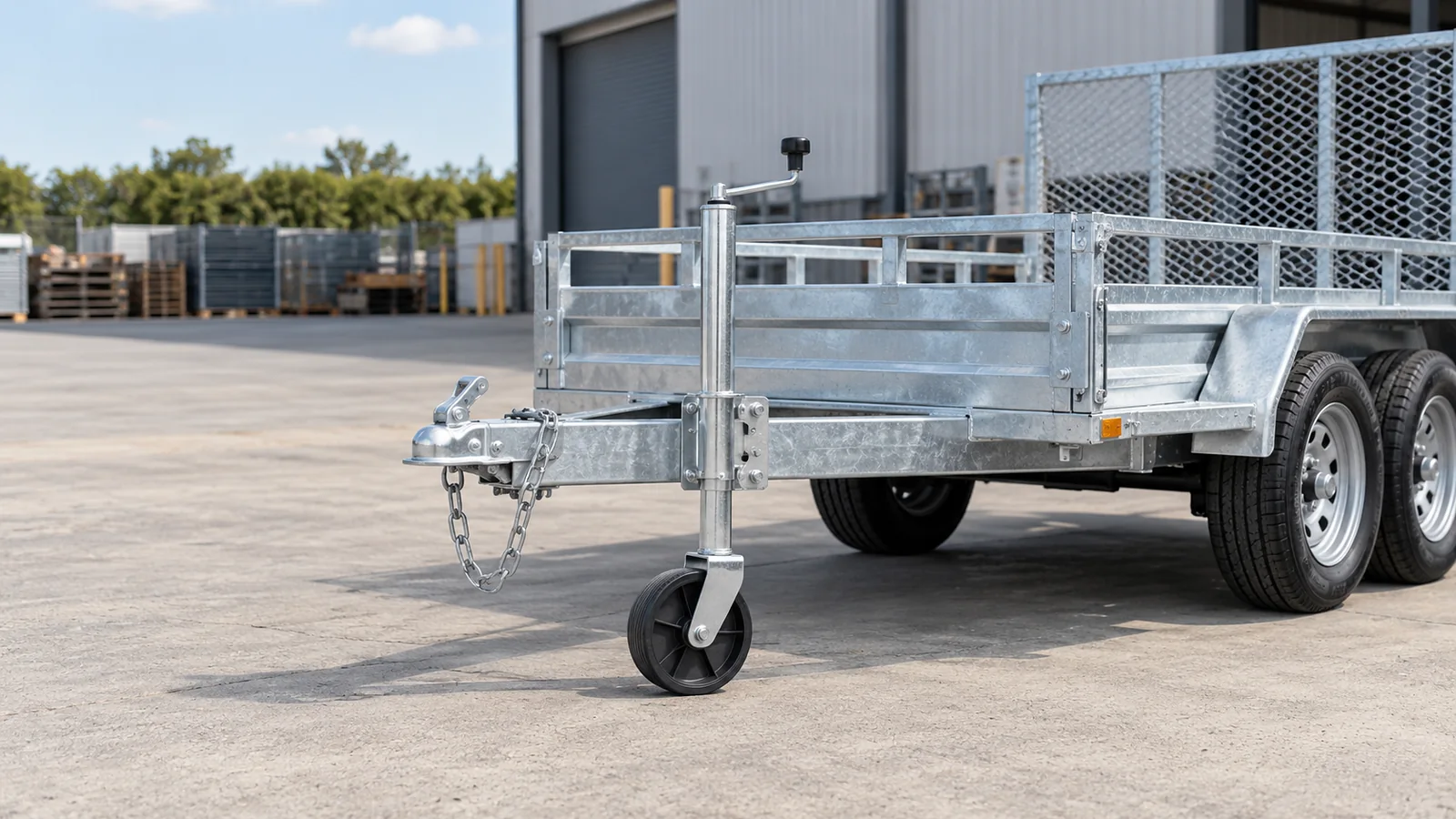
Kapan Hanya Mengganti Roda Penopang (Jockey Wheel) atau Seluruh Rakitannya?
Panduan praktis bagi pembeli untuk mengganti roda penopang atau rakitannya, yang berfokus pada kondisi operasi yang terukur dan keputusan yang siap untuk permintaan penawaran (RFQ).
Di mana sebenarnya risiko pembelian berada — Kapan Hanya Mengganti yang Tertentu
Tim pengadaan sering kali menemukan istilah "mengganti roda penopang" atau "perakitan" dalam katalog, tetapi keputusan pembelian menjadi lebih jelas ketika istilah tersebut diubah menjadi persyaratan operasional yang terukur.
Dalam hal batang penarik trailer, trailer yang diparkir, dan manuver manual jarak pendek, pemilihan harus dimulai dengan beban batang penarik/penopang, permukaan tanah, diameter/lebar roda, kecocokan tabung atau klem, jarak tempuh, dan jarak bebas saat disimpan. Hal ini membuat pilihan dimensi atau material tetap terhubung dengan pekerjaan yang harus dilakukan, bukan dengan deskripsi produk umum.
Kesalahan umum adalah memperlakukan satu parameter yang menarik sebagai keseluruhan spesifikasi. Roda mungkin berputar dengan baik, tetapi dongkrak masih bisa salah dalam hal diameter penjepit, tinggi saat ditarik, atau ukuran lipatan. Catatan pembelian yang lebih baik mencantumkan beban vertikal pada titik tumpuan, kondisi tanah, ukuran roda, dimensi tabung/penjepit, jarak tempuh, dan kuantitas, sehingga pemasok dapat membandingkan hal yang sama dan menandai dimensi yang hilang daripada menebak-nebak.
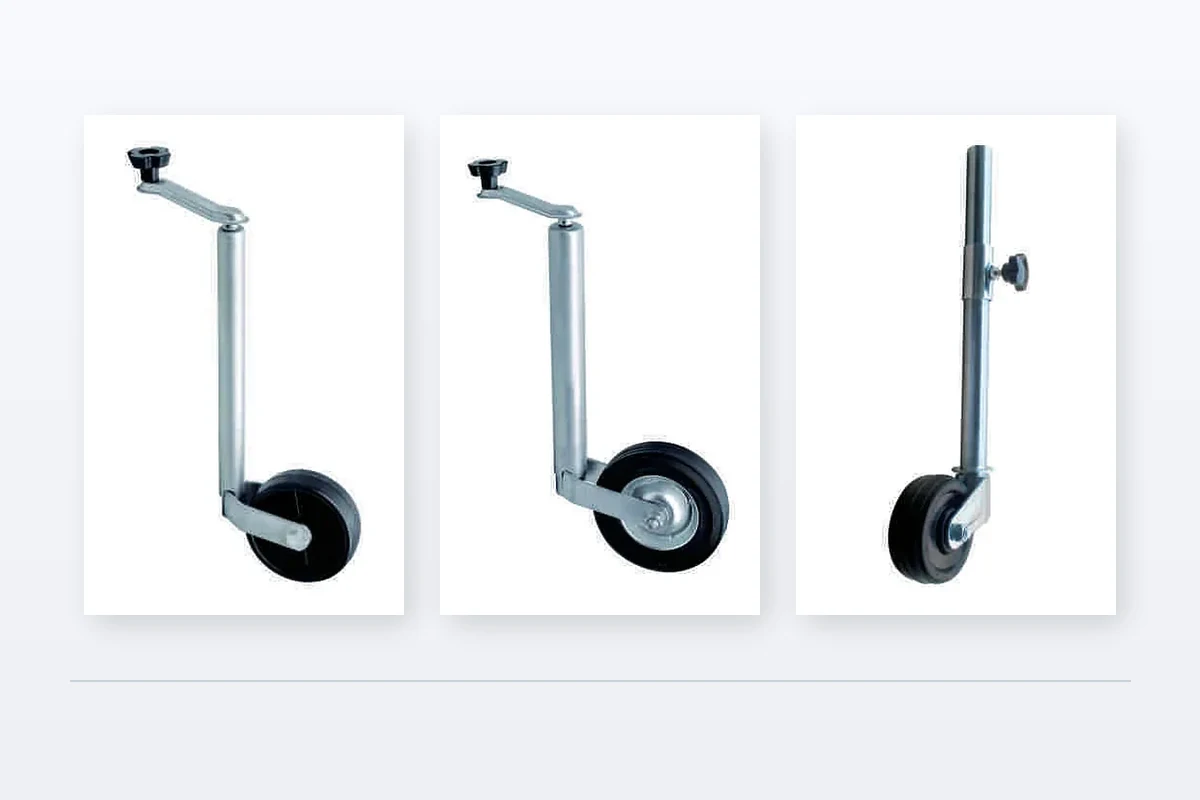
Mulailah dari siklus kerja dan pergerakan sebenarnya — Kapan Hanya Mengganti Bagian-bagian Tertentu?
Sebelum membandingkan produk, tuliskan tugas peralatan dalam satu kalimat: apa yang harus dipindahkan, beban apa yang dibawanya, ke mana ia bergerak, dan seberapa sering posisinya diubah. Deskripsi tersebut memberikan konteks untuk mengganti roda penopang atau rakitan tanpa mengubah satu parameter menjadi aturan universal.
Untuk batang penarik trailer, trailer yang diparkir, dan manuver manual jarak pendek, tinjauan pertama harus mencakup beban batang penarik/penopang, permukaan tanah, diameter/lebar roda, kecocokan tabung atau klem, jarak tempuh, dan jarak bebas saat disimpan. Jika suatu nilai tidak diketahui, tandai untuk pengukuran daripada mengganti dengan angka tipikal. Tujuan RFQ adalah untuk menutup celah, bukan menyembunyikannya. Dalam RFQ "Kapan Hanya Mengganti Roda Penyangga?", poin ini paling berguna jika dinyatakan bersama dengan kondisi pengoperasian dan dimensi pengontrol kecocokan.
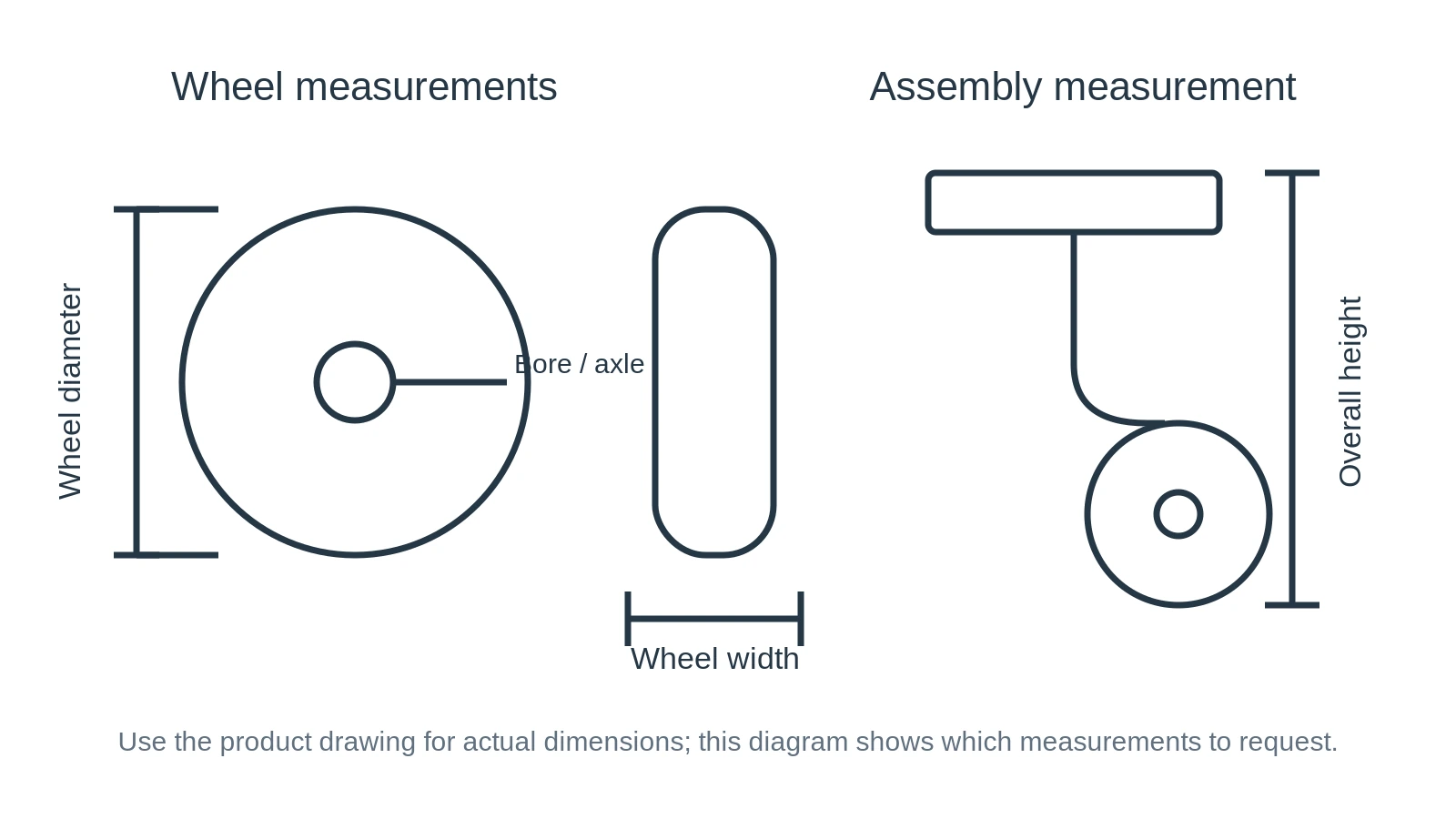
Catat dimensinya sebelum bagian lama dilepas — Kapan Hanya Mengganti Bagian Tertentu
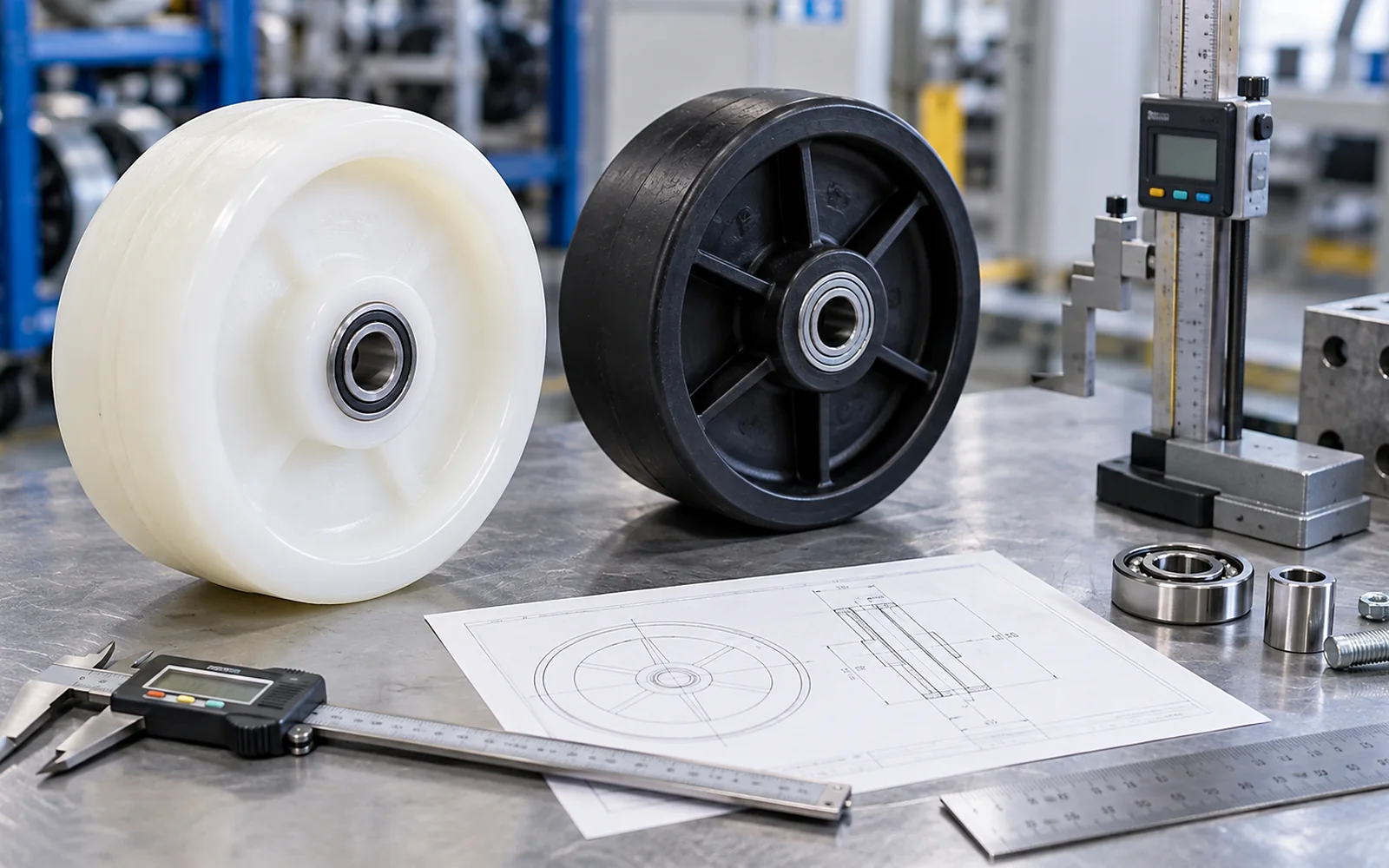
Pekerjaan penggantian akan lebih mudah jika menggunakan rutinitas pengukuran yang konsisten. Catat diameter dan lebar roda, lalu pindah ke bagian dalam hub: jenis lubang atau bantalan, diameter poros, panjang hub, dan spacer. Untuk rakitan lengkap, tambahkan tinggi terpasang dan geometri pemasangan. Foto alat ukur di tempatnya jika dimensi sulit dijelaskan. Dalam RFQ "Kapan Hanya Mengganti Roda Penyangga?", poin ini paling berguna jika dinyatakan bersamaan dengan kondisi pengoperasian dan dimensi yang mengontrol kecocokan.
Jangan menggunakan keausan tapak sebagai satu-satunya acuan jika diameter asli penting. Roda yang sangat aus dapat membuat penggantian tampak terlalu besar padahal masalah sebenarnya adalah kehilangan material. Demikian pula, garpu yang bengkok atau spacer improvisasi dapat mengubah offset yang tampak. Dalam RFQ "Kapan Hanya Mengganti Roda Penyangga?", poin ini paling berguna jika dinyatakan bersamaan dengan kondisi pengoperasian dan dimensi pengontrol kecocokan.
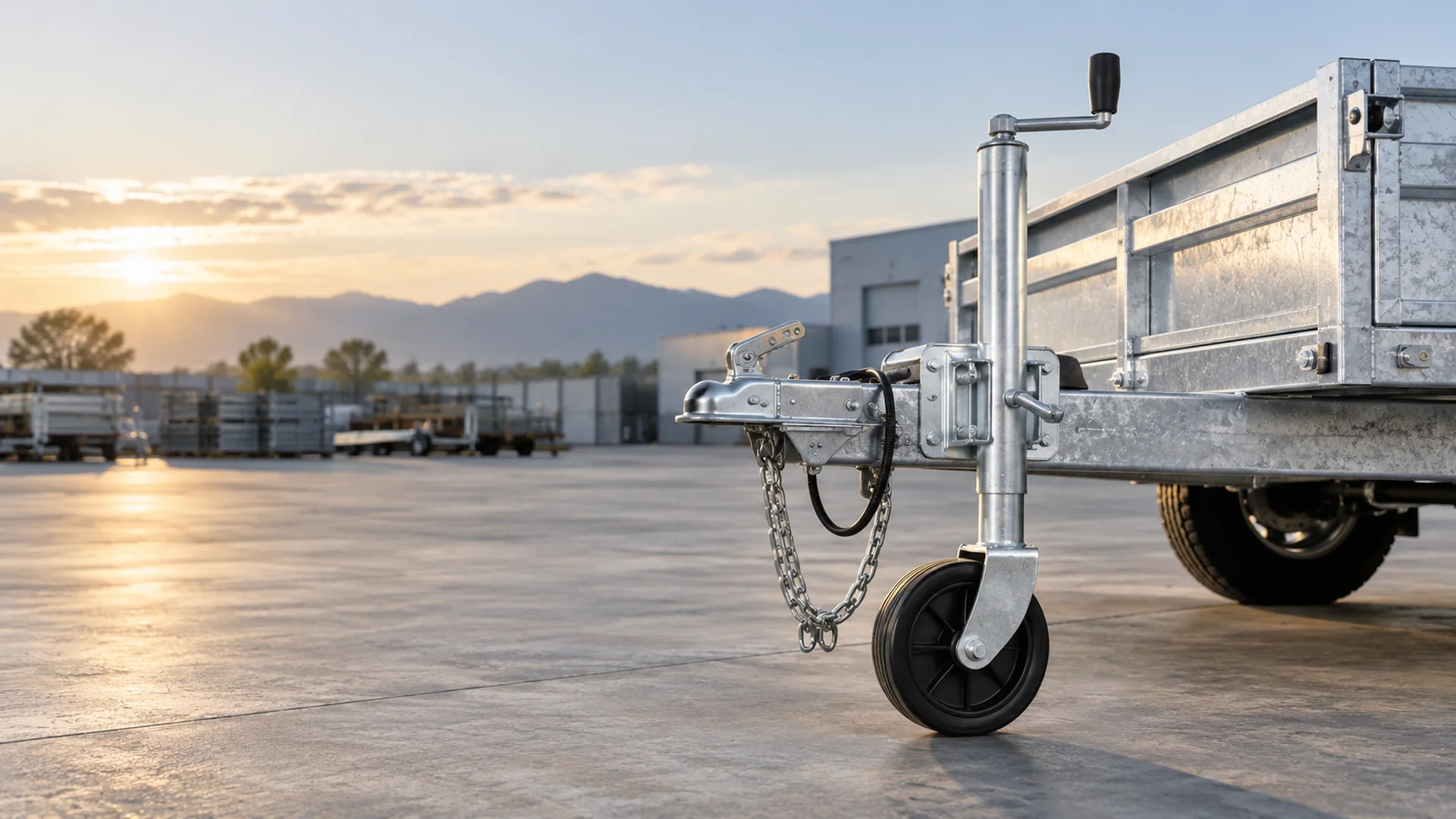
Hubungkan beban dengan pergerakan alih-alih memperlakukannya sebagai statis — Kapan Hanya Mengganti Bagian Tertentu
Kapasitas beban tidak terlepas dari bagaimana peralatan bergerak. Sebuah gerobak yang melewati ambang pintu dapat menciptakan gaya benturan yang tidak ada dalam kondisi parkir statis. Lantai yang tidak rata dapat menggeser beban dari empat titik tumpuan nominal menjadi tiga. Roda penopang trailer mungkin membawa beban batang penarik vertikal yang sederhana namun membutuhkan upaya manuver yang substansial di tanah yang gembur. Dalam RFQ (Permintaan Penawaran) tentang Kapan Hanya Roda Penopang yang Harus Diganti, poin ini paling berguna jika dinyatakan bersama dengan kondisi pengoperasian dan dimensi pengontrol pemasangan.
Catat beban normal maksimum, beban luar biasa, lantai atau tanah, jarak tempuh, dan frekuensi rintangan. Kombinasi ini memberikan dasar pemilihan yang lebih baik daripada hanya satu berat kotor.
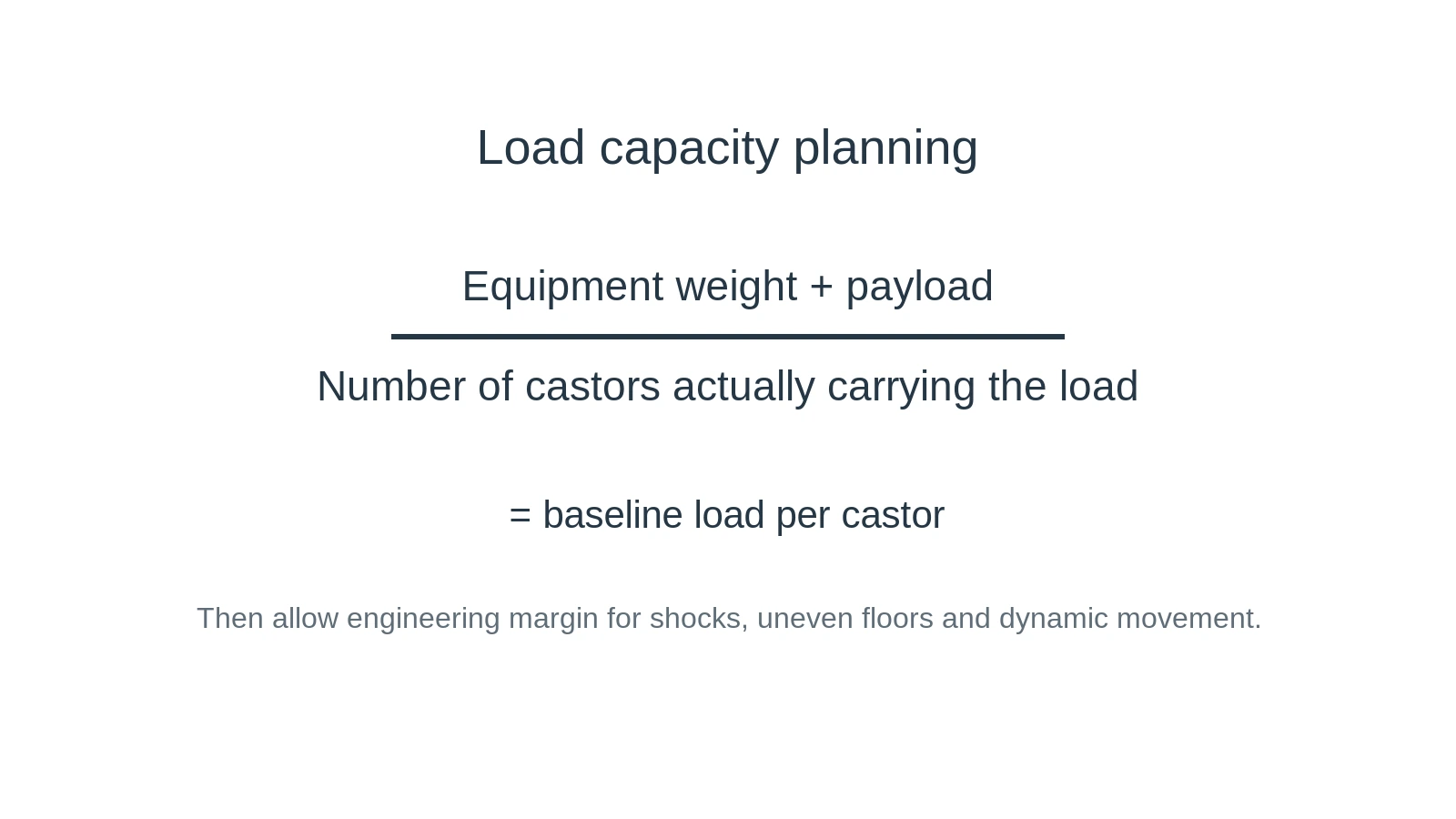
Pemilihan roda penopang (jockey wheel) memerlukan dua pertimbangan beban — Kapan Hanya Mengganti Bagian Tertentu
Beban vertikal yang ditanggung oleh dongkrak adalah satu masalah; upaya yang dibutuhkan untuk memanipulasi trailer adalah masalah lain. Kondisi tanah, diameter, dan lebar dapat mendominasi masalah kedua. Konfigurasi yang memuaskan di jalan beraspal mungkin sulit di jalan berkerikil bahkan ketika beban vertikal tidak berubah. Dalam RFQ (Permintaan Penawaran) tentang Kapan Hanya Roda Penyangga yang Harus Diganti, poin ini paling berguna jika dinyatakan bersamaan dengan kondisi pengoperasian dan dimensi yang mengontrol pemasangan.
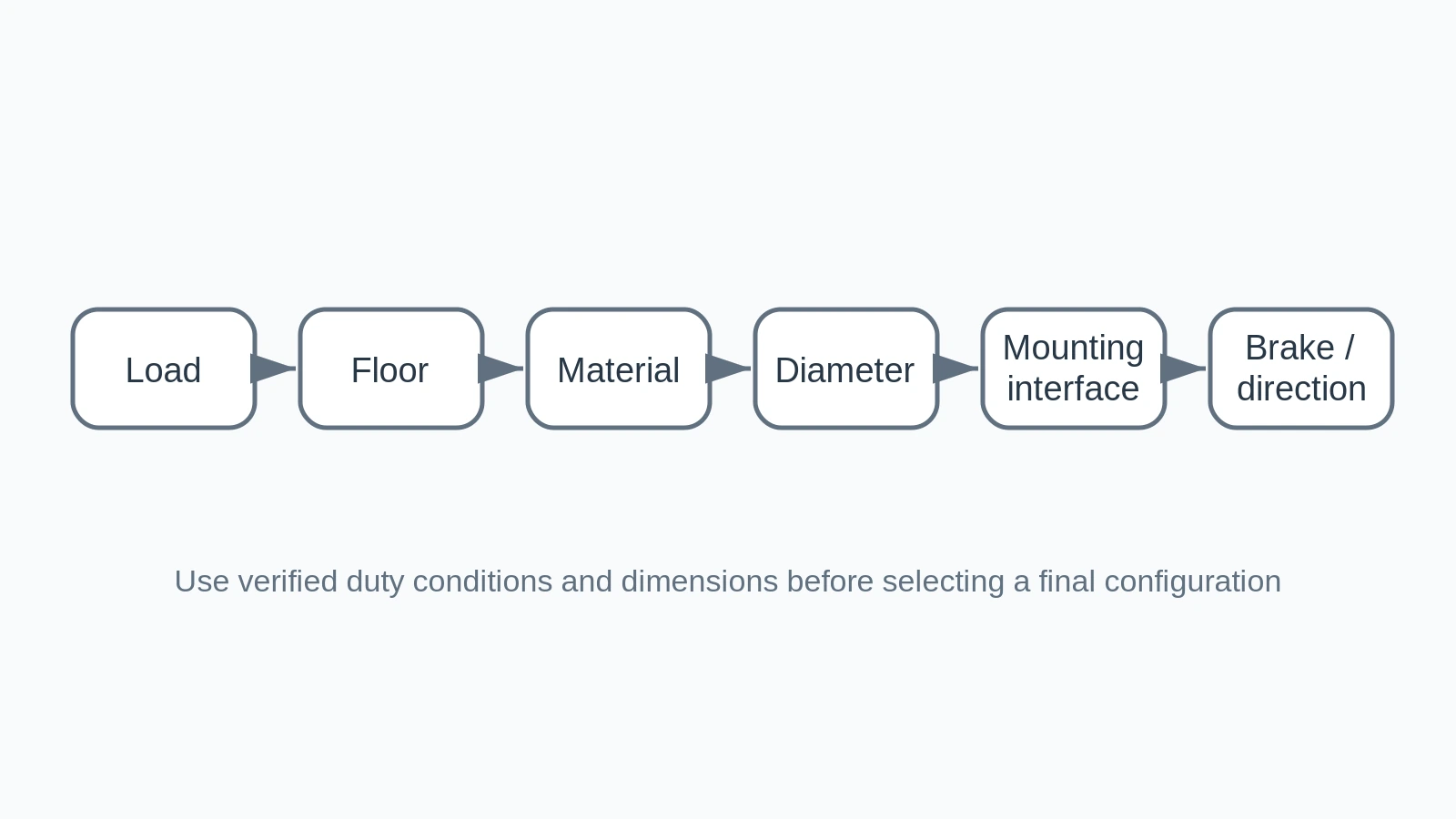
Selain itu, pastikan juga diameter tabung/penjepit, jarak angkat, tinggi saat tertutup, dan ruang yang dibutuhkan untuk melipat atau memutar rakitan.
Pola kegagalan yang perlu diperhatikan dalam penggantian hanya roda penopang vs.
Roda mungkin berputar dengan baik tetapi dongkrak masih bisa tidak sesuai dengan diameter penjepit, tinggi saat ditarik, atau ukuran lipatan. Gejala serupa juga dapat berasal dari pengencang yang longgar, bantalan yang aus, ketidaksejajaran, lantai yang terkontaminasi, atau rangka yang tidak lagi persegi. Sebelum menyalahkan material roda, periksa pemasangannya dan bandingkan pola keausan di berbagai posisi. Dalam RFQ (Permintaan Penawaran) tentang Kapan Hanya Roda Penopang yang Harus Diganti, poin ini paling berguna jika dinyatakan bersamaan dengan kondisi pengoperasian dan dimensi pengontrol pemasangan.
Jika hanya satu sudut yang aus dengan cepat, selidiki beban dan keselarasan sudut tersebut. Jika semua roda menunjukkan kerusakan yang sama, tinjau spesifikasi tugas, lantai, dan material. Jika keausan meningkat setelah perubahan proses, catat kontaminan baru, bahan pembersih, suhu, atau pola perjalanan. Dalam RFQ "Kapan Hanya Roda Penyangga yang Harus Diganti?", poin ini paling berguna jika dinyatakan bersamaan dengan kondisi pengoperasian dan dimensi pengontrol pemasangan.
Terjemahkan catatan teknik ke dalam satu baris RFQ terkontrol — Kapan Hanya Mengganti yang
Gunakan satu baris per konfigurasi dan tulis persyaratannya agar insinyur lain dapat memahaminya tanpa percakapan awal. Sertakan beban vertikal pada titik tumpu, kondisi tanah, ukuran roda, dimensi tabung/penjepit, jarak tempuh, dan kuantitas. Lampirkan gambar atau set foto yang sesuai. Jika dimensi antarmuka tidak diketahui, katakan "pengukuran sedang diproses" alih-alih menggunakan nilai perkiraan. Dalam RFQ "Kapan Hanya Mengganti Roda Penyangga?", poin ini paling berguna jika dinyatakan bersamaan dengan kondisi pengoperasian dan dimensi pengontrol pemasangan.
Untuk pesanan multi-model, pisahkan jumlahnya dan identifikasi dimensi mana yang digunakan bersama.
Hanya Mengganti Roda Penggerak vs daftar periksa keputusan
- Apakah beban normal maksimum diketahui?
- Apakah roda penopang dapat mendistribusikan beban secara merata?
- Apakah lantai/tanah sebenarnya sudah dijelaskan?
- Apakah dimensi roda dan antarmuka diukur?
- Apakah fungsi kontrolnya jelas?
- Apakah persyaratan khusus terkait material/finishing/lingkungan telah disebutkan?
- Apakah kuantitas tersebut terlampir pada model yang tepat?
Lanjutkan dengan halaman seleksi utama, membandingkan keluarga produk saat ini, atau gunakan Formulir Permintaan Penawaran (RFQ).
Pemilihan koneksi, instalasi, dan perilaku yang diamati — Kapan Hanya Mengganti Bagian Tertentu
Poin-poin di bawah ini menerapkan topik artikel pada pengukuran, pemasangan, dan pengamatan lapangan tanpa memperlakukan label produk generik sebagai spesifikasi lengkap.
Pisahkan persetujuan teknis dari perubahan kuantitas — Kapan Hanya Mengganti yang
Jika pembelian selanjutnya mengubah kuantitas atau menggabungkan model, jangan biarkan perubahan komersial tersebut menimpa spesifikasi teknis. Pertahankan dimensi dan konfigurasi yang telah disetujui sambil hanya memperbarui bidang komersial yang berubah. Dalam RFQ "Kapan Hanya Roda Penyangga yang Harus Diganti?", poin ini paling berguna jika dinyatakan bersamaan dengan kondisi pengoperasian dan dimensi pengontrol kecocokan.
Hal yang perlu diperhatikan saat mengganti hanya roda penopang (jockey wheel) dibandingkan dengan...
Lakukan pengujian konfigurasi baru atau pengganti untuk roda penopang atau rakitannya di bawah beban terkontrol dan kecepatan rendah sebelum pengoperasian normal. Perhatikan gesekan, kontak braket, goyangan roda, ketidakstabilan kemudi, pergerakan pengencang, dan perubahan ketinggian dek atau batang penarik. Tujuannya adalah untuk menguji asumsi yang dibuat selama pemilihan, bukan hanya untuk memastikan bahwa roda berputar.
Untuk batang penarik trailer, trailer yang diparkir, dan manuver manual jarak pendek, sertakan transisi lantai atau tanah normal yang paling menantang dalam uji coba awal. Jika sistem harus melewati ambang batas, tanjakan, atau sambungan kasar, amati di sana. Dokumentasikan hasilnya dengan referensi model yang sama yang digunakan dalam RFQ sehingga pesanan selanjutnya memiliki dasar yang berguna daripada mengandalkan ingatan. Dalam RFQ "Kapan Hanya Mengganti Roda Penopang?", poin ini paling berguna jika dinyatakan bersama dengan kondisi pengoperasian dan dimensi pengontrol pemasangan.
Catatan perawatan yang penting untuk penggantian hanya roda penopang (jockey wheel) dibandingkan dengan
Catat posisi roda, tanggal pemasangan, beban kerja, alasan penggantian, dan kejadian tidak biasa di lantai. Dalam program penggantian roda penopang atau rakitan, riwayat sederhana ini membantu mengidentifikasi apakah keausan bersifat acak, spesifik posisi, atau terkait dengan perubahan lingkungan. Roda yang berulang kali rusak di satu sudut mungkin menunjukkan konsentrasi beban, keselarasan, atau kontaminasi lokal, bukan masalah material secara umum.
Periksa poros, spacer, bantalan, braket, dan pengencang saat roda lama dilepas. Catat pengukuran yang berhubungan langsung dengan beban vertikal pada titik tumpu, kondisi tanah, ukuran roda, dimensi tabung/penjepit, jarak tempuh, dan jumlahnya. Jika suatu komponen telah dimodifikasi selama penggunaan, foto perubahan tersebut sebelum memasang komponen baru dan tentukan apakah kondisi yang dimodifikasi tersebut harus menjadi bagian dari spesifikasi peralatan resmi. Dalam RFQ (Permintaan Penawaran) tentang Kapan Hanya Roda Penyangga yang Harus Diganti, poin ini sangat berguna jika dinyatakan bersamaan dengan kondisi pengoperasian dan dimensi pengontrol pemasangan.
Fokuskan keputusan pada peralatan — Kapan Hanya Mengganti Bagian Tertentu
Nilai praktis dari pertanyaan “Kapan Hanya Mengganti Roda Penopang atau Seluruh Rakitan?” bukanlah jawaban ya atau tidak yang universal. Batasan yang berguna adalah peralatan dan tugas di mana pertanyaan tersebut muncul. Catat beban penopang batang penarik, ukuran roda, kecocokan tabung atau klem, jarak angkat, tinggi tertutup, jarak bebas lipat atau putar, kondisi tanah, dan frekuensi manuver. Dengan menggabungkan data-data ini, kita dapat membedakan pertanyaan identifikasi produk dari pertanyaan pemilihan teknik dan mencegah bagian yang tampak serupa diperlakukan sebagai bagian yang secara otomatis dapat saling menggantikan.
Gunakan kondisi normal yang paling menuntut daripada deskripsi kasus terbaik. Jika peralatan terkadang melewati ambang batas, bekerja di luar ruangan, membawa beban yang tidak merata, atau hanya dimanipulasi setelah periode beban statis yang lama, sertakan kondisi tersebut. Tujuannya adalah persyaratan yang dapat diulang yang dapat dipahami oleh insinyur atau pembeli lain tanpa melihat komponen aslinya. Dalam RFQ "Kapan Hanya Roda Penopang yang Harus Diganti?", poin ini paling berguna jika dinyatakan bersama dengan kondisi pengoperasian dan dimensi pengontrol kecocokan.
Kumpulkan dimensi yang menghilangkan ambiguitas — Kapan Hanya Mengganti yang
Untuk topik ini, catat beban penopang batang penarik, ukuran roda, kecocokan tabung atau klem, jarak angkat, tinggi tertutup, jarak bebas lipat atau putar, kondisi tanah, dan frekuensi manuver. Gunakan foto berdimensi jika gambar tidak tersedia dan tunjukkan titik referensi yang digunakan untuk setiap pengukuran. Jika bagian lama aus, bengkok, atau diperbaiki, tandai dimensi yang terpengaruh alih-alih memperlakukan geometri yang rusak sebagai target desain. Dalam RFQ "Kapan Hanya Roda Penyangga yang Harus Diganti?", poin ini paling berguna jika dinyatakan bersama dengan kondisi pengoperasian dan dimensi pengontrol kecocokan.
Lembar perbandingan paling efektif jika menggunakan satu konfigurasi per kolom atau baris. Pisahkan nilai terukur, nilai yang dibutuhkan, dan preferensi opsional. Pemisahan sederhana ini mengurangi kemungkinan proposal pemasok atau nilai katalog lama disalin ke dalam spesifikasi yang dibutuhkan tanpa ditinjau. Hal ini juga mempermudah audit revisi penawaran di kemudian hari. Dalam RFQ "Kapan Hanya Mengganti Roda Penyangga?", poin ini paling berguna jika dinyatakan bersamaan dengan kondisi pengoperasian dan dimensi pengontrol pemasangan.
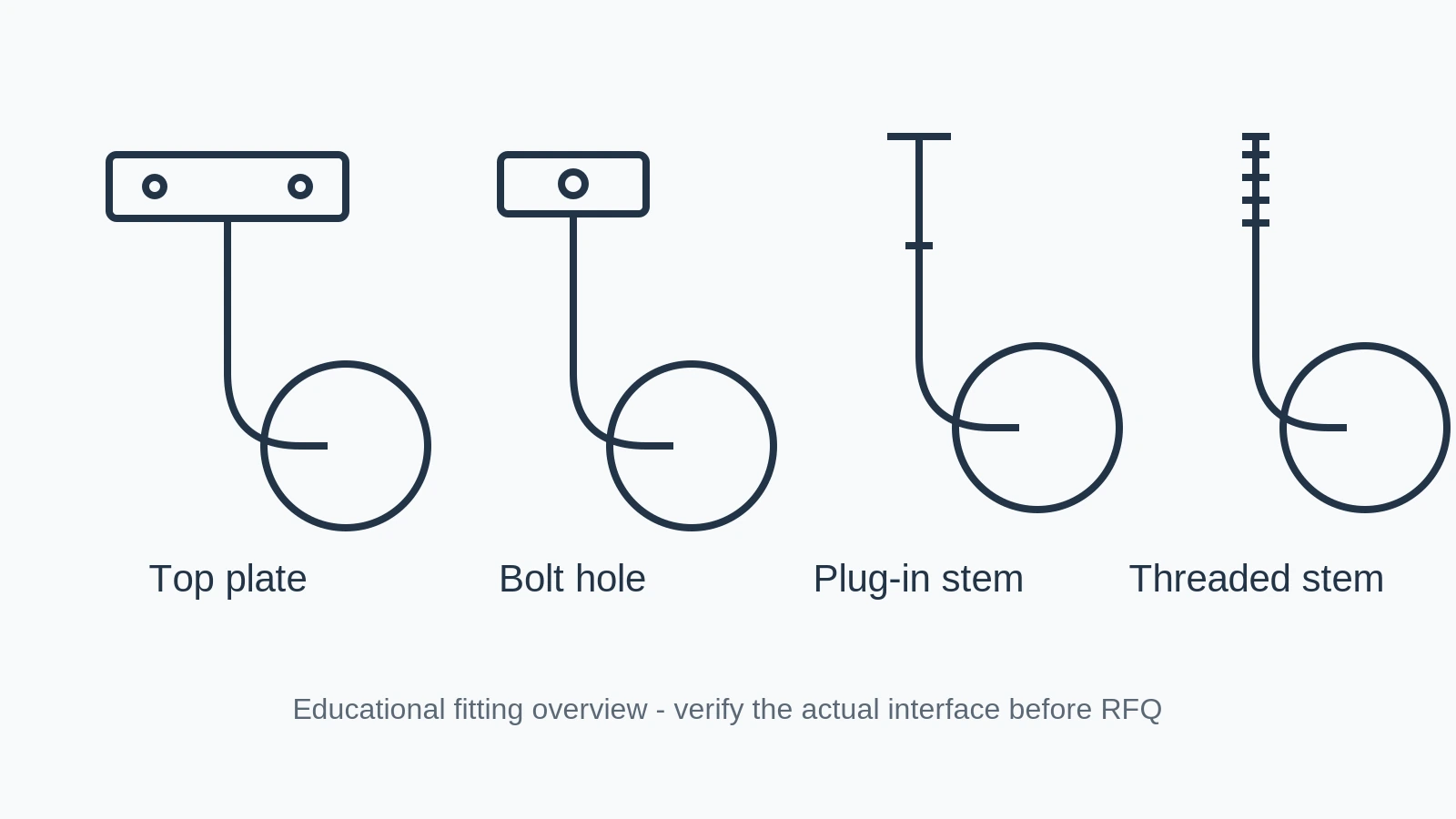
Gunakan uji coba terkontrol sebelum servis rutin — Kapan Hanya Mengganti Bagian Tertentu
Setelah kandidat dipasang, naikkan dan turunkan dongkrak melalui rentang gerak yang dapat digunakan, pastikan roda menopang titik tumpuan tanpa gangguan, kemudian manuverkan di permukaan halaman normal dan verifikasi posisi penyimpanan tidak menghalangi batang penarik dan sambungan. Percobaan pertama harus cukup lambat untuk mengamati roda dan pemasangannya, bukan hanya untuk membuktikan bahwa peralatan dapat bergerak. Perhatikan gesekan, gerakan samping yang tidak terduga, pergerakan pengencang, goyangan roda, gangguan, dan perubahan upaya operator. Dalam RFQ "Kapan Hanya Mengganti Roda Penyangga?", poin ini paling berguna jika dinyatakan bersamaan dengan kondisi pengoperasian dan dimensi pengontrol kecocokan.
Jika hasilnya tidak memuaskan, catat gejalanya sebelum mengubah beberapa variabel sekaligus. Satu perubahan terkontrol—seperti diameter roda, material, penyelarasan pemasangan, atau tata letak kemudi—memberikan informasi yang lebih bermanfaat daripada mengganti seluruh rakitan dan kehilangan penyebab masalah aslinya. Dalam RFQ "Kapan Hanya Mengganti Roda Penyangga?", poin ini paling bermanfaat jika dinyatakan bersamaan dengan kondisi pengoperasian dan dimensi pengontrol pemasangan.
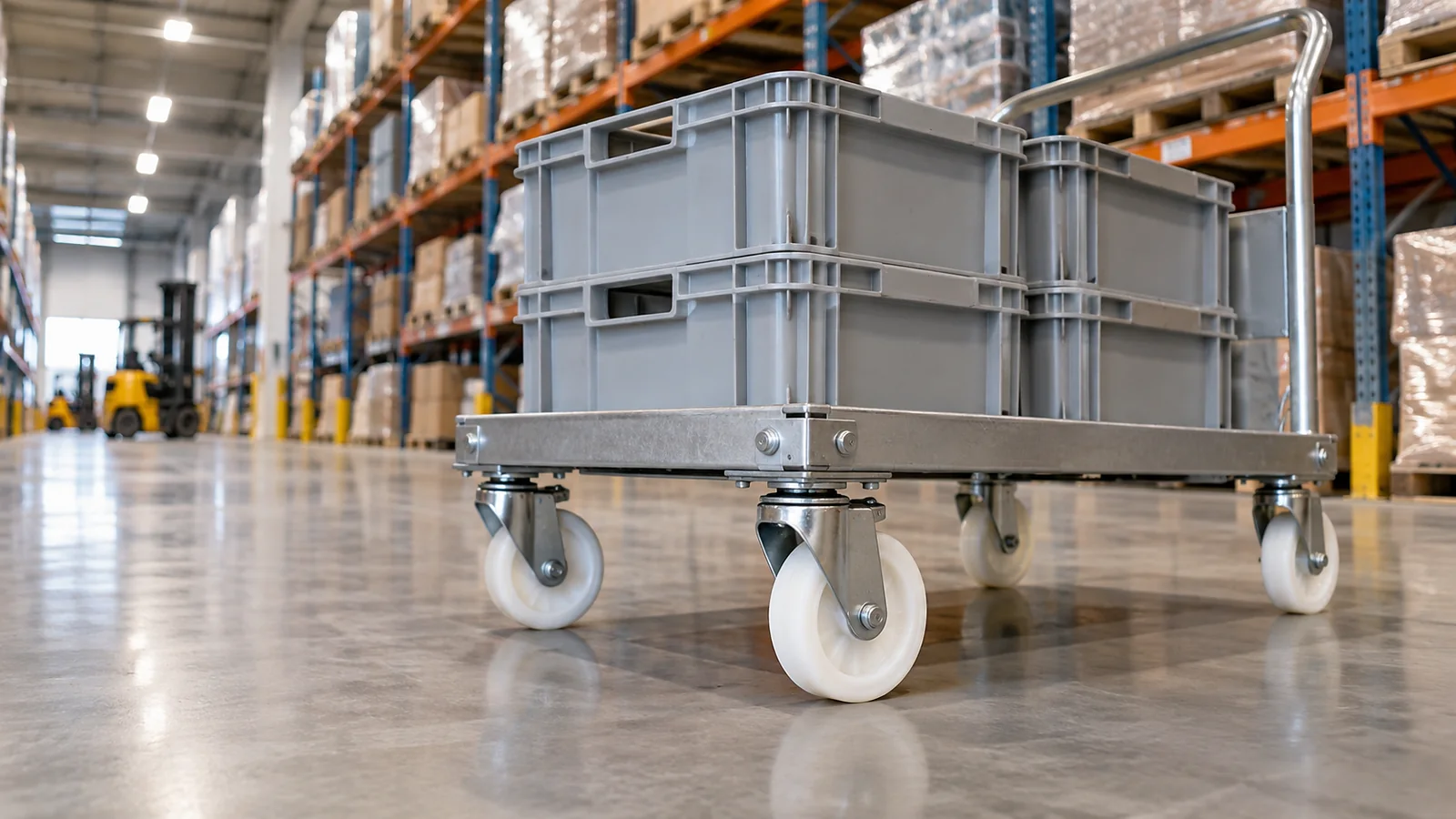
Uji keputusan di balik “Kapan Hanya Mengganti Roda Penopang atau Mengganti Seluruh Rakitan” pada permukaan parkir yang sebenarnya.
Setelah pemasangan, lakukan pemeriksaan manuver kecepatan rendah terkontrol pada permukaan yang biasanya menimbulkan gaya terbesar. Amati kemudi, gesekan roda, jarak bebas garpu, dan kecenderungan dudukan untuk berputar atau tergelincir. Jika trailer secara rutin dipindahkan melintasi kerikil, paving block, atau saluran drainase, sertakan kondisi tersebut daripada hanya menguji di beton bengkel. Dalam RFQ "Kapan Hanya Roda Penyangga yang Harus Diganti?", poin ini paling berguna jika dinyatakan bersamaan dengan kondisi pengoperasian dan dimensi pengontrol pemasangan.
Uji coba singkat yang terdokumentasi memberikan informasi pembelian yang jauh lebih bermanfaat daripada pernyataan umum bahwa satu roda "lebih baik". Catat konfigurasi yang diterima, kelompok trailer, kondisi beban, dan batasan jarak bebas apa pun sehingga pesanan selanjutnya dapat diperiksa berdasarkan dasar pengoperasian yang sama. Dalam RFQ "Kapan Hanya Mengganti Roda Penyangga?", poin ini paling berguna jika dinyatakan bersama dengan kondisi pengoperasian dan dimensi pengontrol pemasangan.
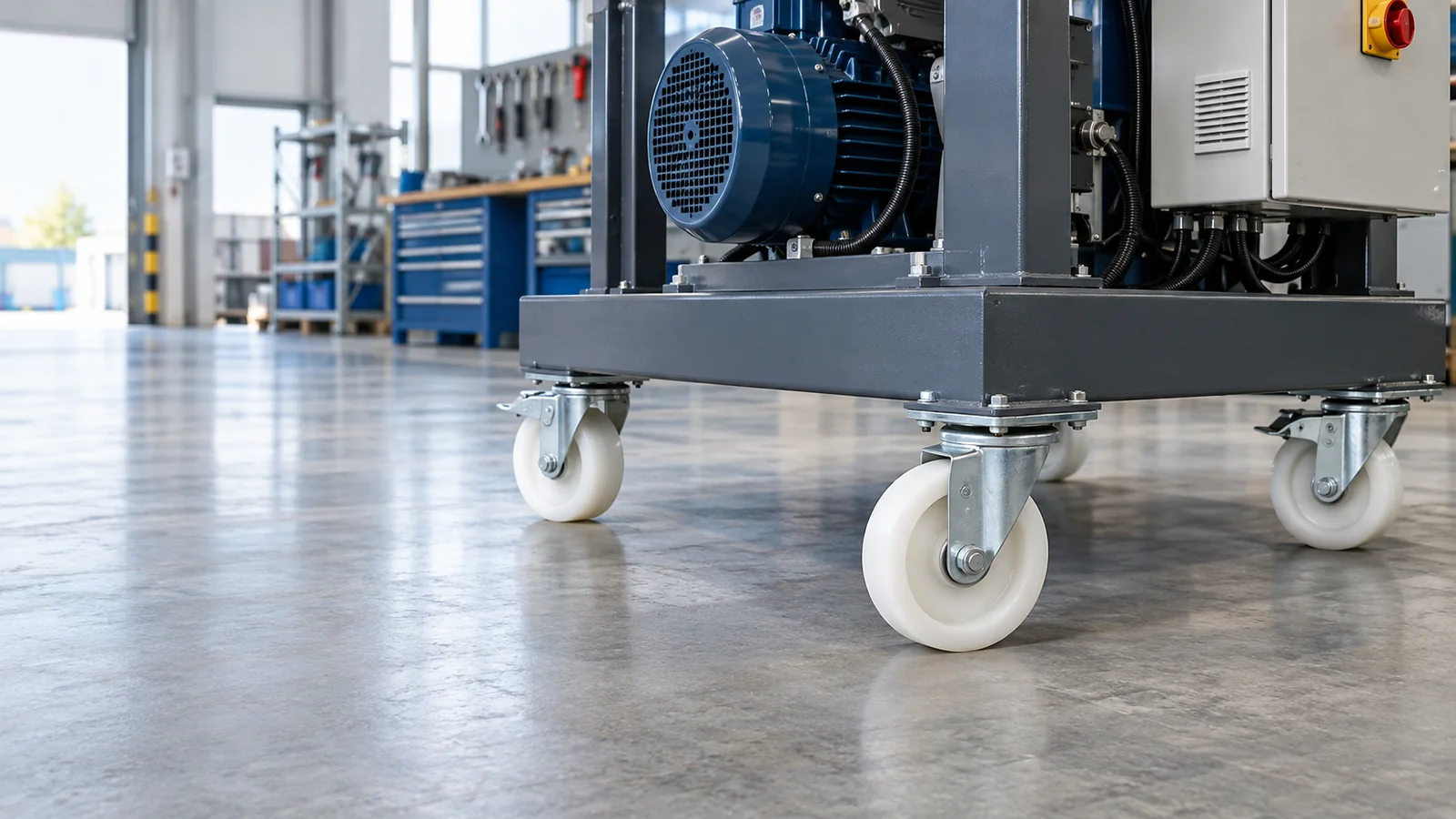
Catat ukuran amplop yang terpasang saat menerapkan aturan “Kapan Hanya Mengganti Roda Penopang (Jockey Wheel) vs. Mengganti Seluruh Rakitan”
Roda penopang (jockey wheel) harus memiliki ukuran yang lebih besar dari diameter ban nominal. Catat ukuran tabung atau klem, tinggi tertutup, pengangkatan yang dibutuhkan, ukuran roda/garpu, jarak bebas engkol, dan jalur yang dilalui rakitan jika dilipat atau diputar untuk perjalanan. Sertakan kondisi beban batang penarik trailer yang sebenarnya dan kondisi tanah tempat manuver tanpa sambungan terjadi. Dalam RFQ (Permintaan Penawaran) tentang Kapan Hanya Roda Penopang yang Harus Diganti, poin ini paling berguna jika dinyatakan bersamaan dengan kondisi pengoperasian dan dimensi yang mengontrol pemasangan.
Untuk pekerjaan penggantian, periksa klem, tabung, dan area pemasangan untuk deformasi atau modifikasi sebelumnya sebelum berasumsi bahwa konfigurasi lama harus disalin persis. Jika beban yang dinyatakan pemasok mengacu pada jenis dongkrak, jangan menggunakannya sebagai pengganti pengukuran kebutuhan aplikasi yang sebenarnya. Dalam RFQ "Kapan Hanya Mengganti Roda Penopang?", poin ini paling berguna jika dinyatakan bersama dengan kondisi pengoperasian dan dimensi pengontrol pemasangan.
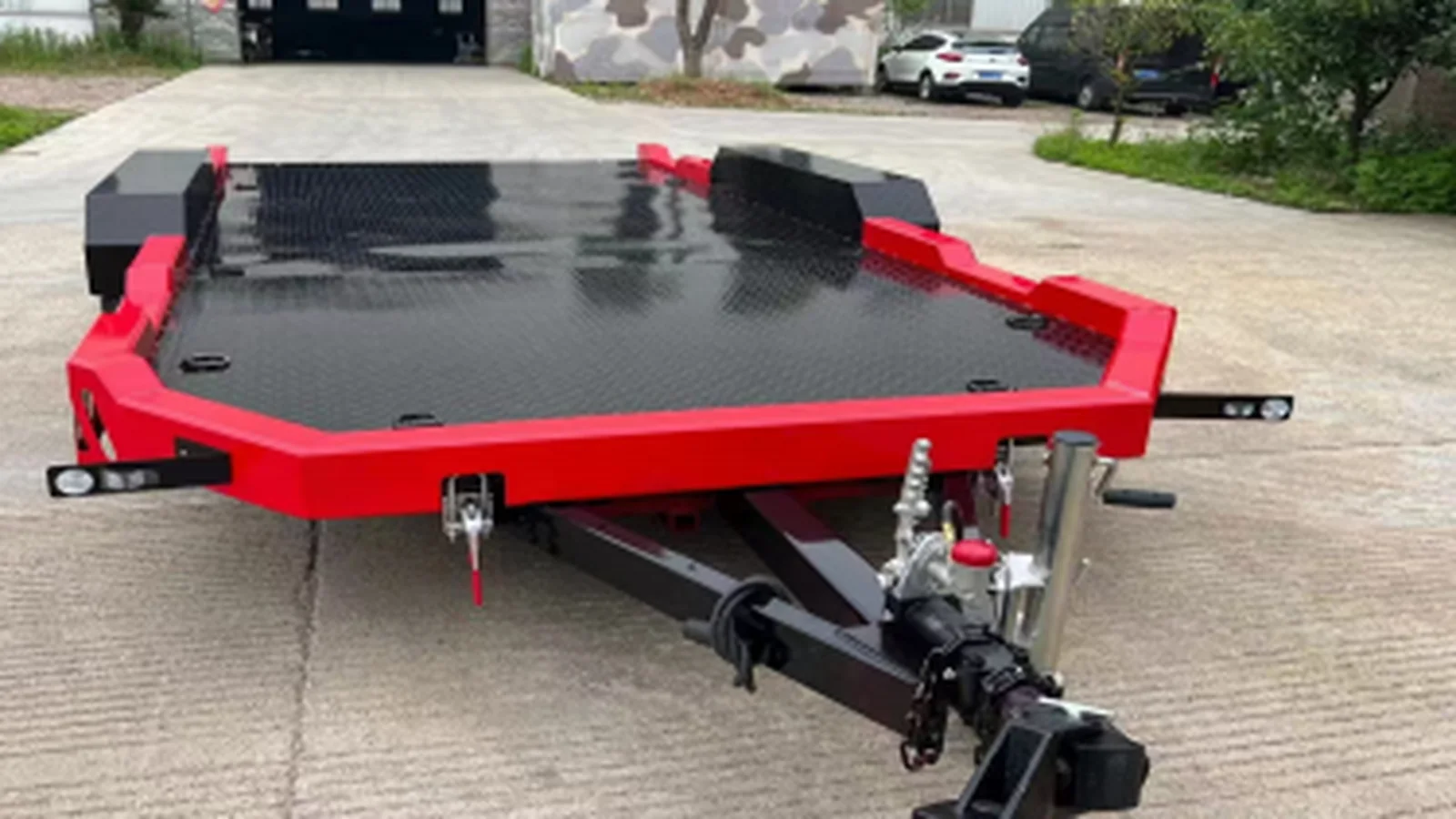
Ubah pertanyaan tentang dukungan trailer menjadi empat masukan yang sebanding — Kapan Hanya Mengganti
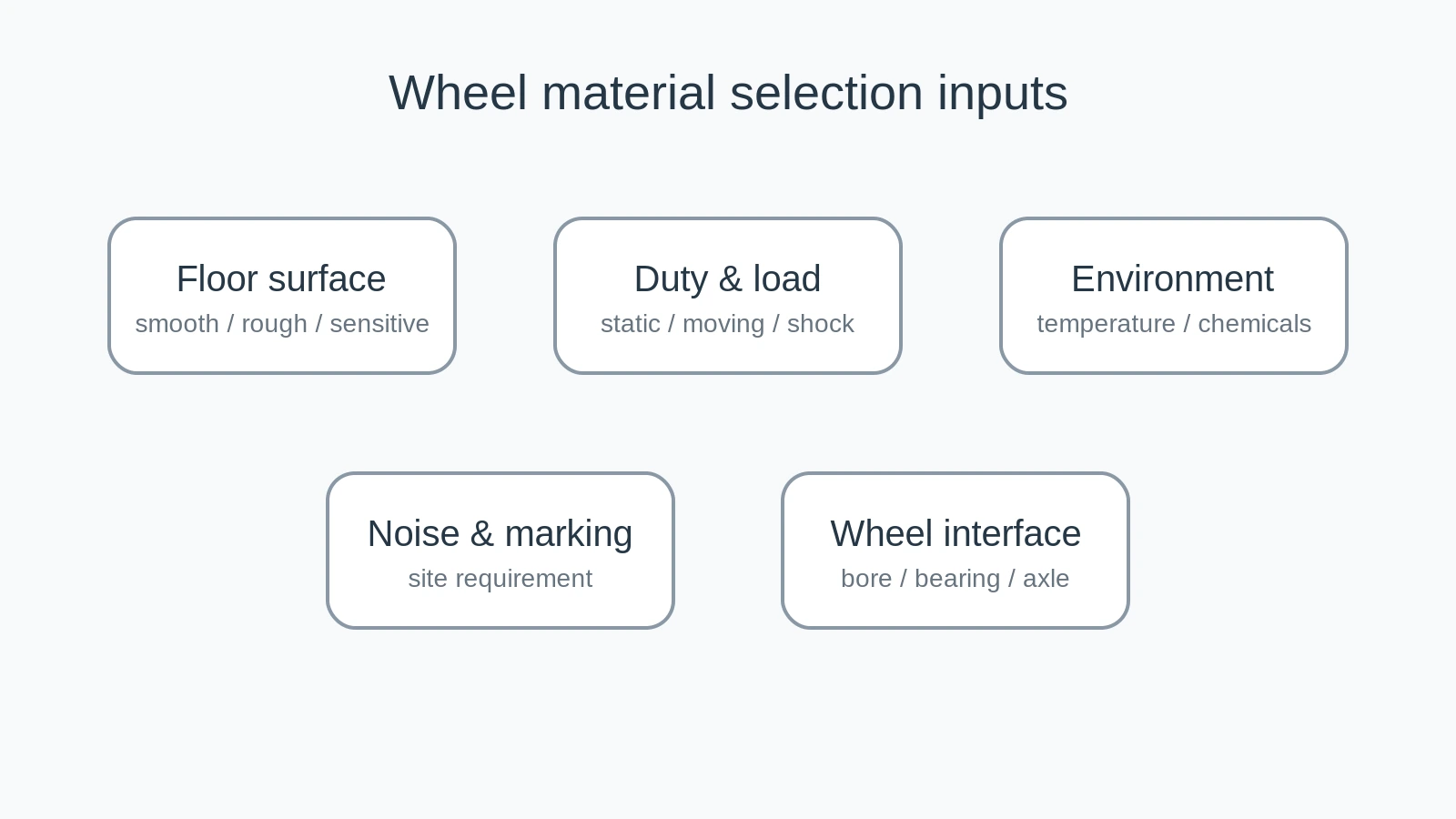
Pertanyaan mengenai penyangga trailer menjadi lebih mudah dipecahkan ketika beban, kondisi tanah, antarmuka, dan jarak tempuh operasional dicantumkan secara terpisah. Judul katalog dapat mengidentifikasi suatu jenis produk, tetapi tidak dapat menjelaskan bagaimana roda penyangga dibebani, bagaimana trailer dikendalikan, atau berapa banyak ruang yang dimiliki mekanisme tersebut di sekitar batang penarik. Dalam permintaan penawaran (RFQ) mengenai "Kapan Hanya Roda Penyangga yang Perlu Diganti?", poin ini sangat berguna jika dinyatakan bersamaan dengan kondisi operasional dan dimensi yang mengontrol pemasangan.
| Masukan | Apa yang perlu direkam |
|---|---|
| Kondisi dukungan | Sebutkan beban hidung atau beban penopang yang sebenarnya dan apakah roda tersebut hanya digunakan untuk parkir, untuk manuver manual, atau untuk keduanya. |
| Tanah | Jelaskan beton, perkerasan jalan, kerikil, tanah lunak, sambungan, dan kemiringan yang terjadi dalam penggunaan normal. |
| Antarmuka | Catat dimensi tabung, klem, braket, atau pelat, serta posisi sambungan dan anggota rangka di dekatnya. |
| Batas operasional | Ukur tinggi saat tertutup, jarak tempuh yang berguna, akses engkol, dan jalur yang dibutuhkan untuk melipat atau memutar jika relevan. |
Gunakan masukan ini untuk membandingkan alternatif dalam kondisi yang sama. Roda yang lebih besar dapat meningkatkan geometri penghalang tetapi juga dapat mengubah jarak bebas penyimpanan. Braket yang tampak lebih kuat mungkin tetap tidak cocok jika klem atau tabungnya tidak sesuai. Ketika melibatkan rem, putaran, atau susunan roda ganda, jelaskan fungsi yang sebenarnya dibutuhkan operator daripada hanya meminta fitur berdasarkan penampilan saja. Dalam RFQ "Kapan Hanya Mengganti Roda Penyangga?", poin ini paling berguna jika dinyatakan bersamaan dengan kondisi pengoperasian dan dimensi pengontrol kecocokan.
Untuk pekerjaan penggantian, foto rakitan sebelum dilepas dan sertakan tampilan samping yang menunjukkan hubungan pemasangan. Jika bagian yang ada rusak, identifikasi dimensi mana yang masih dapat diandalkan. Selama pemasangan terkontrol pertama, operasikan mekanisme melalui pergerakan yang dapat digunakan tanpa terburu-buru dalam pengujian, kemudian muat trailer secara bertahap dan pastikan bahwa roda, pegangan, dan struktur tetap bebas hambatan selama manuver normal. Dalam RFQ "Kapan Hanya Mengganti Roda Penyangga?", poin ini paling berguna jika dinyatakan bersama dengan kondisi pengoperasian dan dimensi pengontrol pemasangan.
Bagaimana cara mengganti hanya roda penopang (jockey wheel) dibandingkan dengan perubahan yang tercantum dalam RFQ?
Untuk pertanyaan “Kapan Hanya Mengganti Roda Penyangga vs. Seluruh Rakitan?”, RFQ (Permintaan Penawaran) harus menyatakan fakta operasional yang mendorong pertanyaan tersebut, bukan hanya mengulang istilah produk. Sebutkan nama peralatan, jelaskan beban kerja normal dan maksimum, catat dimensi yang mengontrol pemasangan, dan identifikasi gejala atau tujuan yang mendorong peninjauan. Jika keputusan tersebut menyangkut beban, sertakan massa peralatan dan titik penopang; jika menyangkut material, jelaskan lantai dan lingkungan; jika menyangkut pemasangan, berikan geometri antarmuka; dan jika menyangkut roda penyangga trailer, sertakan kondisi penopang, permukaan tanah, dan jarak tempuh yang tersedia.
Pisahkan nilai yang dibutuhkan dari pertanyaan terbuka. Pemasok dapat merespons jauh lebih bermanfaat jika diminta untuk "konfirmasi diameter dan panjang hub sesuai dengan sketsa terlampir" daripada dimensi yang ditebak dan disajikan sebagai nilai akhir. Prinsip yang sama berlaku untuk peringkat beban, jenis material, fungsi rem, dan detail pemasangan. Jika suatu nilai telah diverifikasi, beri label dengan jelas; jika belum, mintalah konfirmasi. Hal ini menjaga agar penawaran tetap selaras dengan peralatan sebenarnya dan mempermudah tinjauan teknis selanjutnya tanpa menambahkan bagian persetujuan berulang atau pesanan selanjutnya ke halaman. Dalam RFQ "Kapan Hanya Mengganti Roda Penyangga?", poin ini paling bermanfaat jika dinyatakan bersamaan dengan kondisi pengoperasian dan dimensi yang mengontrol pemasangan.
Hanya Ganti Roda Penggerak (Jockey Wheel) vs FAQ
Apa hal pertama yang perlu dikonfirmasi untuk mengganti roda penopang atau rakitannya?
Mulailah dengan beban penarik/penyangga, permukaan tanah, diameter/lebar roda, kecocokan tabung atau klem, jarak tempuh, dan jarak bebas saat terlipat. Hal itu memberikan konteks terukur untuk pemilihan selanjutnya.
Bisakah foto menggantikan pengukuran?
Foto membantu dalam identifikasi, tetapi dimensi yang sangat penting untuk kesesuaian tetap harus diukur atau diambil dari gambar yang telah disetujui.
Apakah pembeli perlu menambahkan faktor keamanan pada beban?
Toleransi keselamatan umumnya digunakan untuk mengatasi pembagian beban yang tidak merata dan efek pengoperasian, tetapi nilai yang sesuai bergantung pada aplikasinya dan tidak menggantikan peringkat produk. Dalam RFQ (Permintaan Penawaran) "Kapan Hanya Roda Penyangga yang Harus Diganti?", poin ini paling berguna jika dinyatakan bersamaan dengan kondisi pengoperasian dan dimensi pengontrol pemasangan.
Bagaimana jika bahannya tidak diketahui?
Sebutkan kondisi lantai dan lingkungan operasional, berikan sampel atau foto, dan perlakukan material sebagai item konfirmasi daripada menebak berdasarkan warna.
Diskusikan kebutuhan penggantian roda penopang atau rakitan Anda.
Kirimkan aplikasi, beban, dimensi pengontrol ukuran, kuantitas, dan foto atau gambar yang relevan. Kami akan menggunakan masukan tersebut untuk mempersempit pilihan produk tanpa perlu menebak-nebak.