
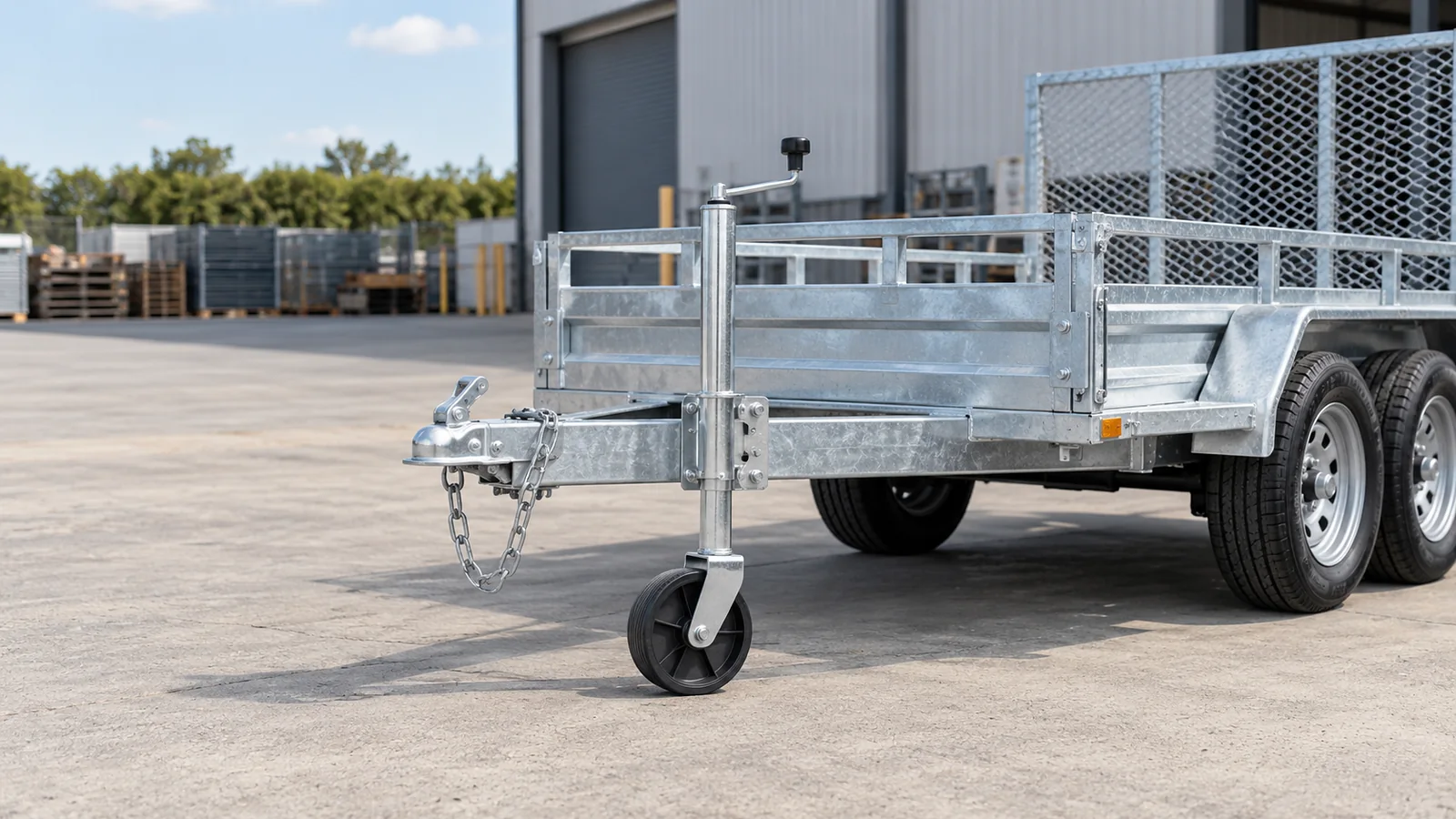
Khi nào nên thay chỉ bánh xe dẫn hướng hay thay toàn bộ cụm bánh xe?
Hướng dẫn mua hàng thực tế để thay thế bánh xe dẫn hướng hoặc cụm bánh xe dẫn hướng, tập trung vào các điều kiện vận hành có thể đo lường được và các quyết định sẵn sàng cho yêu cầu báo giá.
Rủi ro mua hàng thực sự nằm ở đâu — Khi nào chỉ nên thay thế...
Các nhóm mua sắm thường gặp phải các thuật ngữ như "bánh xe phụ thay thế" hoặc "bộ phận lắp ráp" trong danh mục sản phẩm, nhưng quyết định mua hàng sẽ rõ ràng hơn khi thuật ngữ đó được chuyển đổi thành các yêu cầu vận hành có thể đo lường được.
Đối với thanh kéo rơ moóc, rơ moóc đỗ và thao tác thủ công quãng ngắn, việc lựa chọn nên bắt đầu bằng tải trọng thanh kéo/giá đỡ, diện tích tiếp xúc mặt đất, đường kính/chiều rộng bánh xe, độ khít của ống hoặc kẹp, hành trình và khoảng cách khi xếp gọn. Điều này giúp lựa chọn kích thước hoặc vật liệu phù hợp với công việc cần thực hiện hơn là chỉ dựa trên mô tả sản phẩm chung chung.
Lỗi thường gặp là coi một thông số hấp dẫn duy nhất như toàn bộ thông số kỹ thuật. Bánh xe có thể lăn tốt nhưng kích nâng vẫn có thể không phù hợp về đường kính kẹp, chiều cao khi thu gọn hoặc kích thước khi gấp lại. Một phiếu đặt hàng tốt hơn cần ghi lại tải trọng thẳng đứng tại điểm đỡ, điều kiện mặt đất, kích thước bánh xe, kích thước ống/kẹp, hành trình và số lượng, để nhà cung cấp có thể so sánh các sản phẩm tương tự và chỉ ra các kích thước bị thiếu thay vì phải đoán mò.
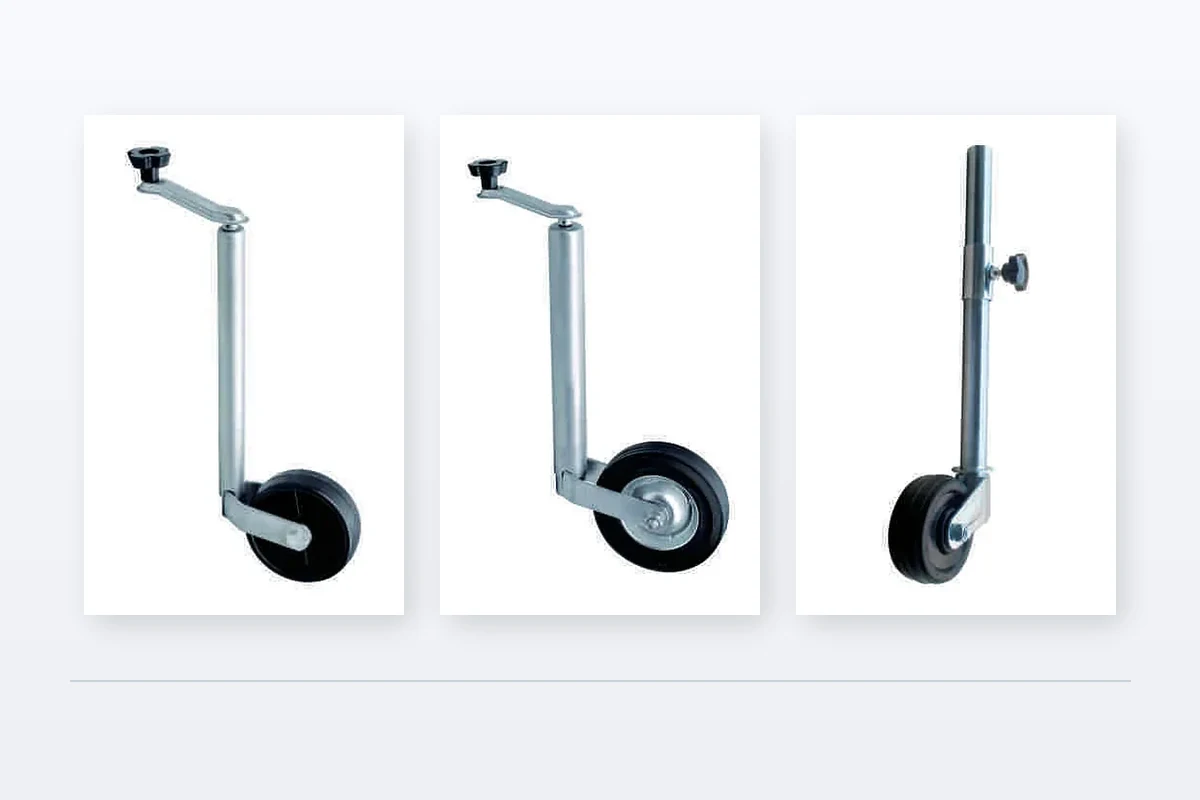
Bắt đầu từ chu kỳ hoạt động và chuyển động thực tế — Khi nào chỉ nên thay thế...
Trước khi so sánh các sản phẩm, hãy mô tả nhiệm vụ của thiết bị chỉ bằng một câu: vật gì cần di chuyển, tải trọng nó mang, quãng đường di chuyển và tần suất di chuyển. Mô tả đó cung cấp bối cảnh để thay thế bánh xe phụ hoặc cụm chi tiết mà không biến một thông số duy nhất thành quy tắc chung.
Đối với thanh kéo rơ moóc, rơ moóc đỗ và thao tác thủ công quãng ngắn, bước kiểm tra đầu tiên cần bao gồm tải trọng thanh kéo/giá đỡ, bề mặt tiếp xúc với mặt đất, đường kính/chiều rộng bánh xe, độ khít của ống hoặc kẹp, hành trình và khoảng cách khi xếp gọn. Nếu không biết giá trị nào, hãy đánh dấu để đo thay vì sử dụng một con số điển hình. Mục đích của yêu cầu báo giá (RFQ) là để khắc phục những thiếu sót, chứ không phải che giấu chúng. Trong yêu cầu báo giá "Khi nào chỉ thay thế bánh xe phụ" (Jockey Wheel), điểm này hữu ích nhất khi được nêu rõ cùng với điều kiện hoạt động và kích thước kiểm soát độ khít.
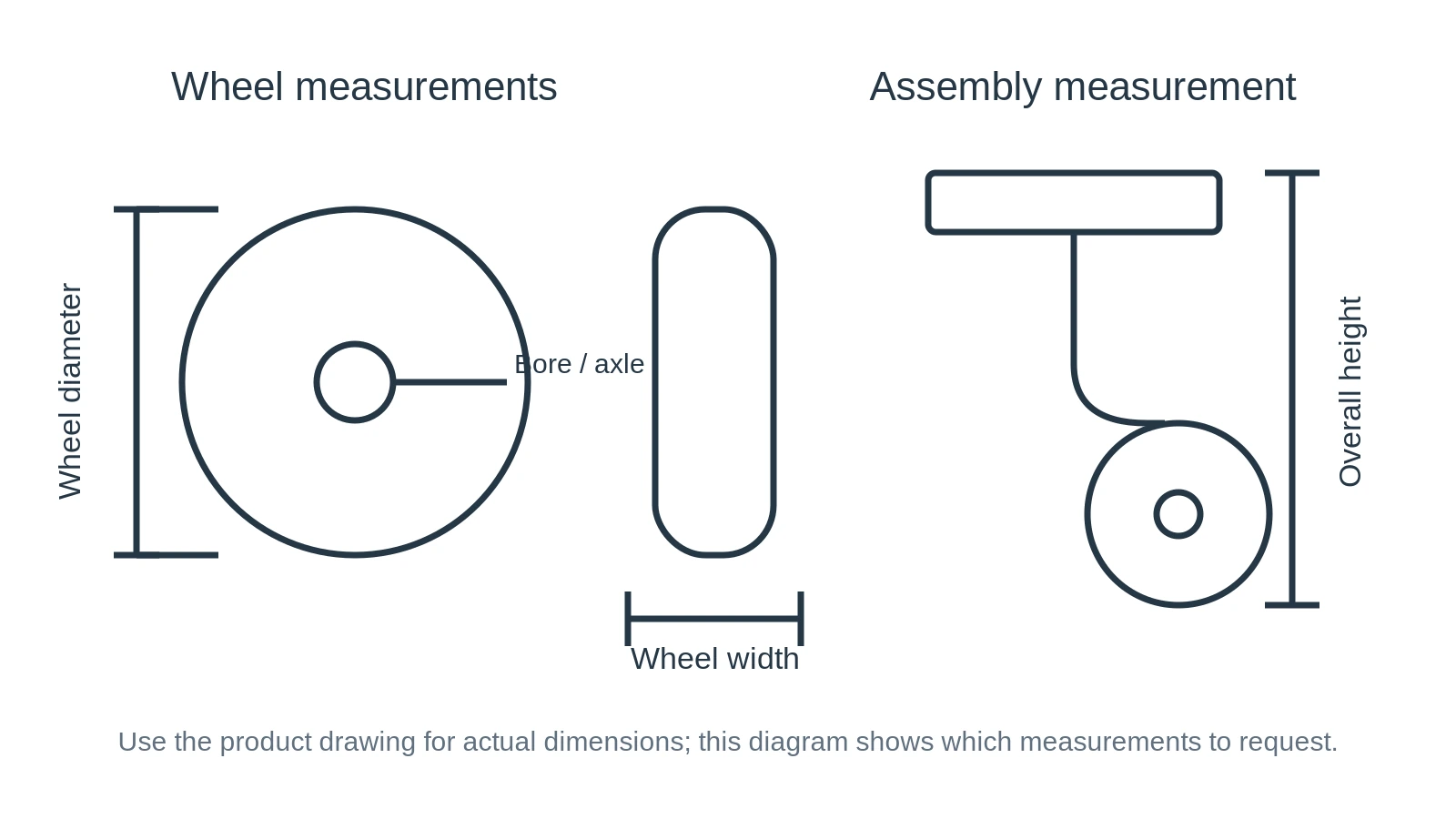
Ghi lại kích thước trước khi tháo bỏ bộ phận cũ — Khi nào chỉ nên thay thế bộ phận cũ?
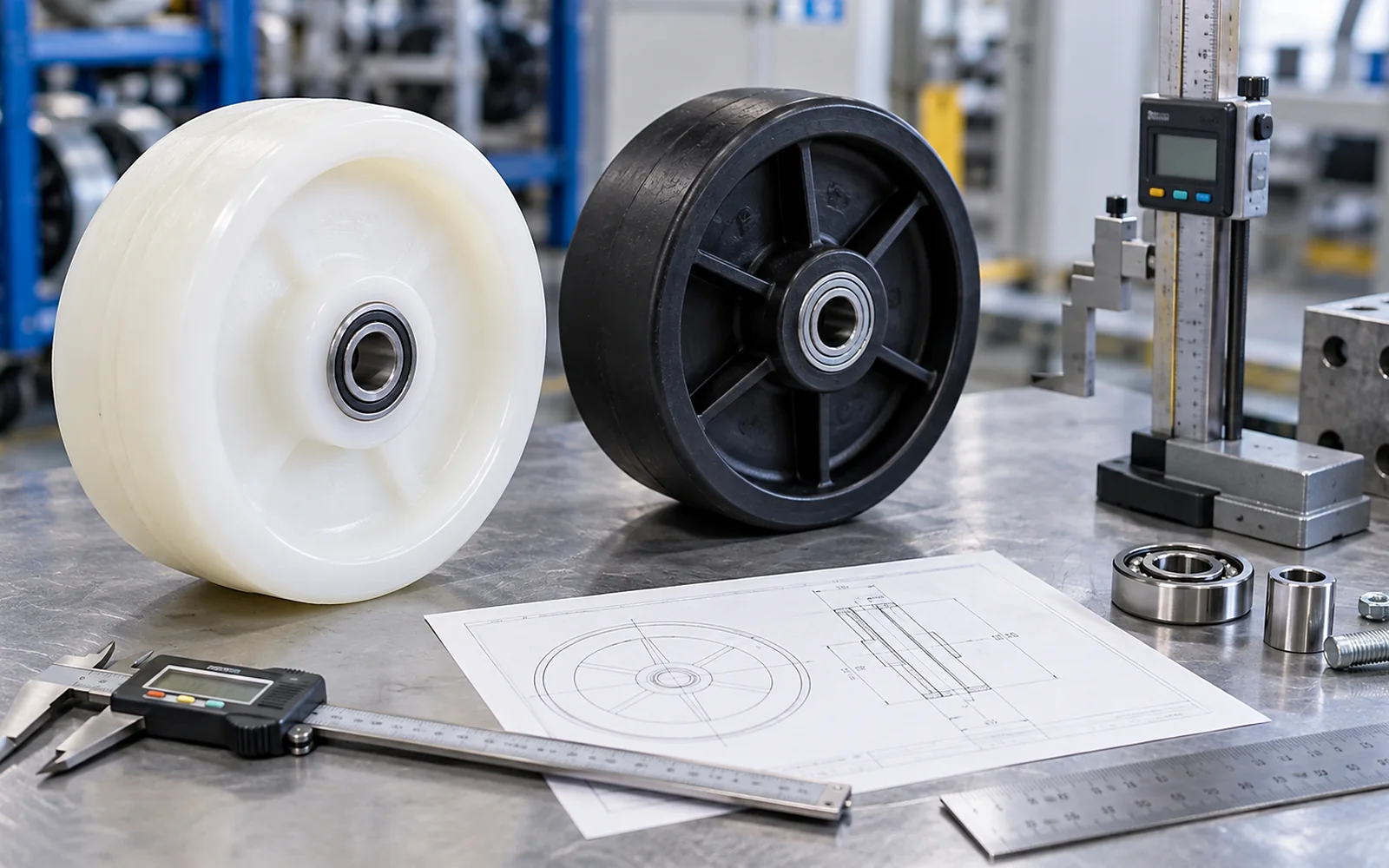
Công việc thay thế sẽ hiệu quả hơn nếu có quy trình đo lường nhất quán. Ghi lại đường kính và chiều rộng bánh xe, sau đó tiến vào phía trong đến trục bánh xe: loại lỗ khoan hoặc ổ bi, đường kính trục, chiều dài trục và các miếng đệm. Đối với các cụm lắp ráp hoàn chỉnh, hãy thêm chiều cao lắp đặt và hình dạng lắp đặt. Chụp ảnh dụng cụ đo tại chỗ khi cần mô tả kích thước khó. Trong yêu cầu báo giá "Khi nào chỉ thay thế bánh xe dẫn hướng", điểm này hữu ích nhất khi được nêu cùng với tình trạng hoạt động và các kích thước kiểm soát độ vừa vặn.
Không nên chỉ dựa vào độ mòn lốp để tham khảo nếu đường kính ban đầu là yếu tố quan trọng. Bánh xe bị mòn nặng có thể khiến bánh xe thay thế trông quá lớn trong khi vấn đề thực sự là do hao hụt vật liệu. Tương tự, càng phuộc bị cong hoặc miếng đệm tự chế cũng có thể làm thay đổi độ lệch biểu kiến. Trong yêu cầu báo giá "Khi nào chỉ nên thay thế bánh xe dẫn hướng", điểm này hữu ích nhất khi được nêu cùng với tình trạng hoạt động và kích thước kiểm soát độ vừa vặn.
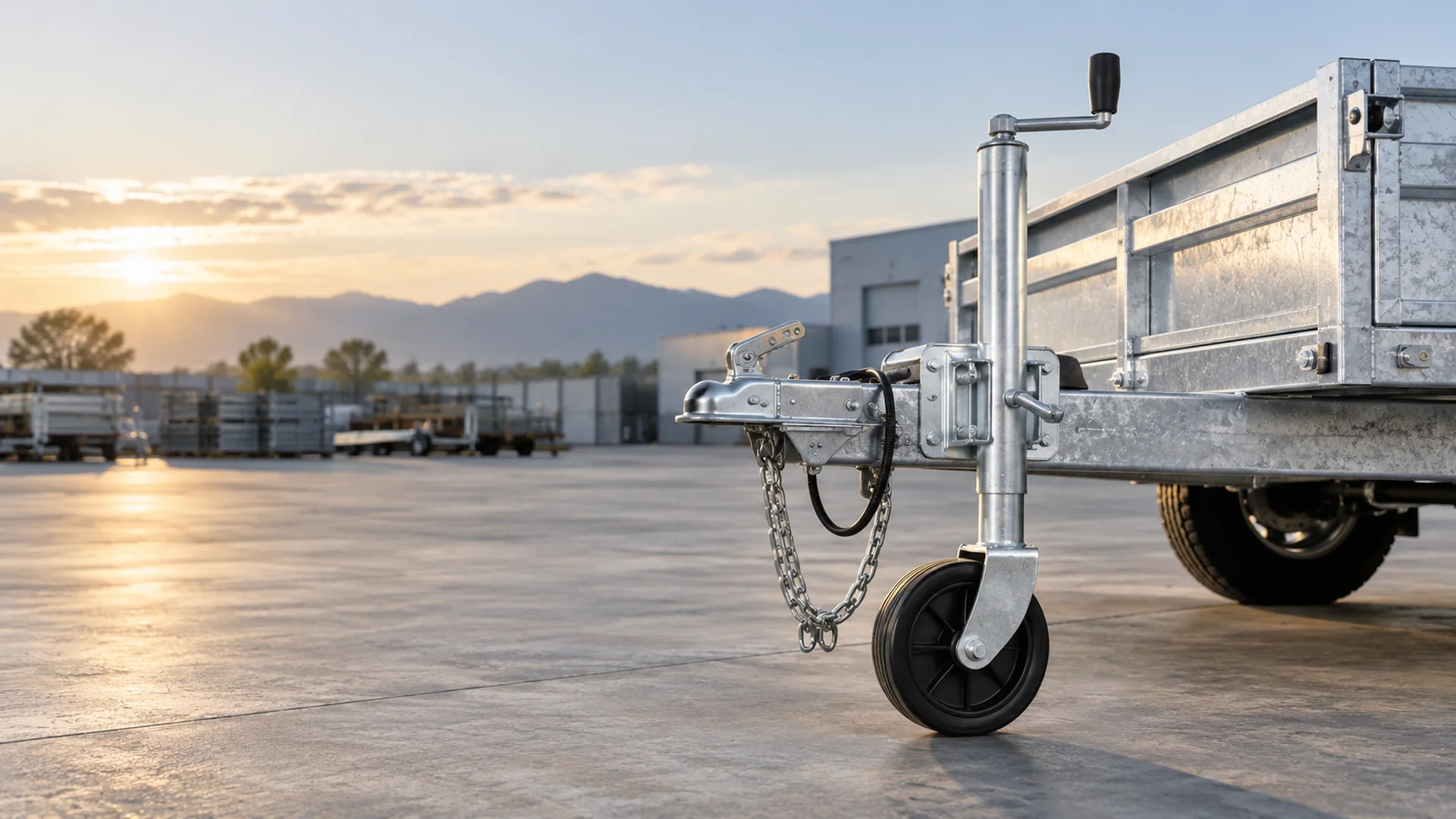
Kết nối tải trọng với chuyển động thay vì coi nó là tĩnh — Khi nào chỉ nên thay thế
Khả năng chịu tải không phụ thuộc vào cách thức di chuyển của thiết bị. Một chiếc xe đẩy khi vượt qua ngưỡng cửa có thể tạo ra lực tác động mà không có trong điều kiện đỗ xe tĩnh. Mặt sàn không bằng phẳng có thể làm dịch chuyển tải trọng từ bốn điểm đỡ danh nghĩa xuống còn ba điểm. Bánh xe phụ của rơ moóc có thể chịu tải trọng kéo thẳng đứng khiêm tốn nhưng lại đòi hỏi nỗ lực điều khiển đáng kể trên mặt đất lỏng lẻo. Trong yêu cầu báo giá (RFQ) về việc chỉ thay thế bánh xe phụ, điểm này hữu ích nhất khi được nêu cùng với điều kiện hoạt động và kích thước kiểm soát sự phù hợp.
Ghi lại tải trọng tối đa thông thường, tải trọng đặc biệt, loại sàn hoặc mặt đất, quãng đường di chuyển và tần suất chướng ngại vật. Sự kết hợp các thông số này mang lại cơ sở lựa chọn tốt hơn so với chỉ sử dụng một trọng lượng tổng.
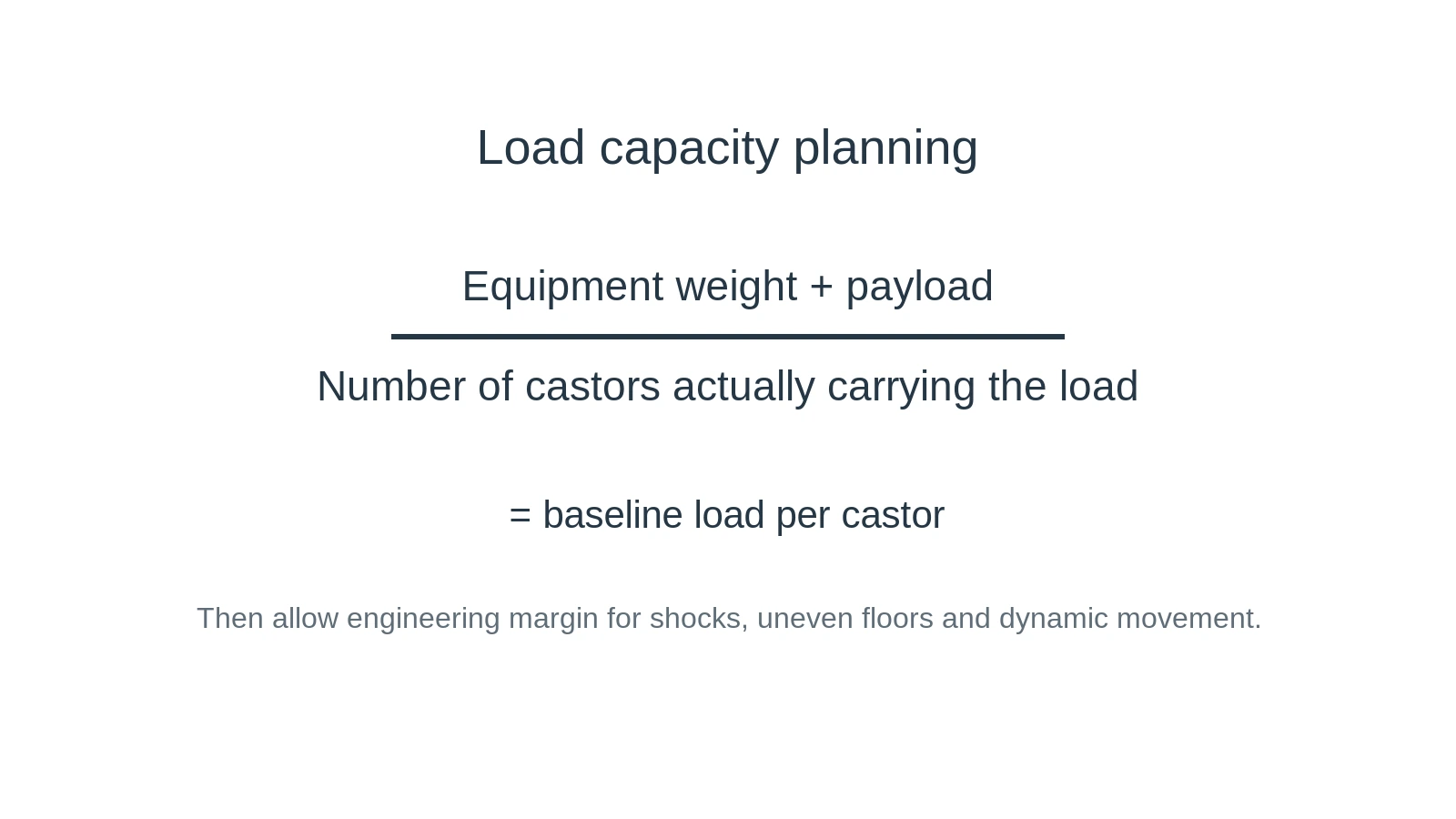
Việc lựa chọn bánh xe dẫn hướng cần hai cuộc thảo luận về tải trọng — Khi nào chỉ thay thế bánh xe dẫn hướng
Tải trọng thẳng đứng mà kích nâng chịu được là một vấn đề; lực cần thiết để điều khiển rơ moóc lại là một vấn đề khác. Mặt đất, đường kính và chiều rộng có thể chi phối yếu tố thứ hai. Một cấu hình hoạt động tốt trên đường trải nhựa có thể gặp khó khăn trên đường sỏi ngay cả khi tải trọng thẳng đứng không thay đổi. Trong yêu cầu báo giá "Khi nào chỉ nên thay thế bánh xe phụ", điểm này hữu ích nhất khi được nêu cùng với điều kiện hoạt động và kích thước kiểm soát sự phù hợp.
Ngoài ra, hãy xác nhận đường kính ống/kẹp, hành trình nâng, chiều cao khi đóng và không gian cần thiết để gập hoặc xoay cụm lắp ráp.
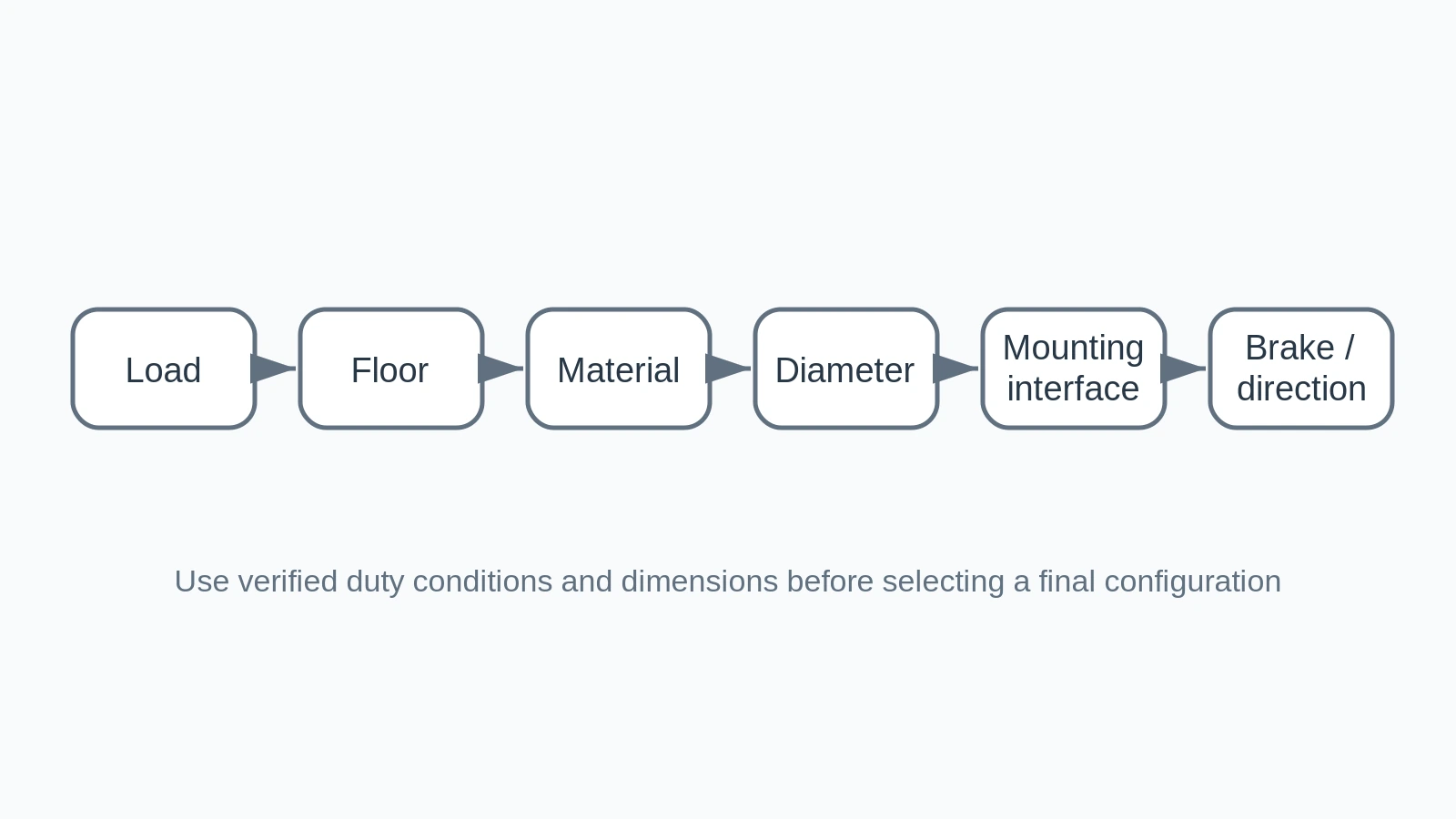
Các kiểu hỏng hóc cần lưu ý khi chỉ thay thế bánh xe dẫn hướng so với...
Bánh xe có thể lăn trơn tru nhưng kích nâng vẫn có thể không phù hợp về đường kính kẹp, chiều cao khi thu gọn hoặc kích thước gấp gọn. Các triệu chứng tương tự cũng có thể xuất phát từ các ốc vít lỏng lẻo, ổ bi mòn, sai lệch, sàn nhà bị nhiễm bẩn hoặc khung không còn vuông vức. Trước khi đổ lỗi cho vật liệu bánh xe, hãy kiểm tra việc lắp đặt và so sánh các kiểu mòn ở các vị trí khác nhau. Trong yêu cầu báo giá "Khi nào chỉ nên thay thế bánh xe phụ", điểm này hữu ích nhất khi được nêu cùng với điều kiện hoạt động và kích thước kiểm soát độ vừa vặn.
Nếu chỉ một góc bị mòn nhanh, hãy kiểm tra tải trọng và độ thẳng hàng của góc đó. Nếu tất cả các bánh xe đều có cùng mức độ hư hại, hãy xem xét lại nhiệm vụ, loại sàn và thông số kỹ thuật vật liệu. Nếu tốc độ mòn tăng nhanh sau khi thay đổi quy trình, hãy ghi lại chất gây ô nhiễm mới, chất tẩy rửa, nhiệt độ hoặc kiểu di chuyển. Trong yêu cầu báo giá (RFQ) về việc chỉ thay thế bánh xe dẫn hướng, điểm này hữu ích nhất khi được nêu cùng với điều kiện vận hành và kích thước kiểm soát độ phù hợp.
Chuyển đổi các ghi chú kỹ thuật thành một dòng yêu cầu báo giá được kiểm soát — Khi nào chỉ cần thay thế...
Sử dụng một dòng cho mỗi cấu hình và viết yêu cầu sao cho kỹ sư khác có thể hiểu được mà không cần nhắc lại cuộc trao đổi ban đầu. Bao gồm tải trọng thẳng đứng tại điểm đỡ, điều kiện mặt đất, kích thước bánh xe, kích thước ống/kẹp, hành trình và số lượng. Đính kèm bản vẽ hoặc bộ ảnh chính xác. Nếu kích thước giao diện không xác định, hãy ghi “đang chờ đo” thay vì sử dụng giá trị ước tính. Trong yêu cầu báo giá “Khi nào chỉ thay thế bánh xe phụ”, điểm này hữu ích nhất khi được nêu cùng với điều kiện vận hành và kích thước kiểm soát sự phù hợp.
Đối với các đơn đặt hàng nhiều mẫu, hãy tách riêng số lượng và xác định kích thước nào được dùng chung.
Chỉ thay thế bánh xe dẫn hướng so với danh sách kiểm tra quyết định
- Đã biết tải trọng tối đa bình thường chưa?
- Các bánh xe đỡ có thể phân bổ tải trọng đều nhau không?
- Mô tả có đúng về tầng/mặt bằng thực tế không?
- Kích thước bánh xe và giao diện có được đo đạc không?
- Chức năng điều khiển đã rõ ràng chưa?
- Có nêu rõ các yêu cầu đặc biệt về vật liệu/hoàn thiện/môi trường không?
- Số lượng có được gắn với đúng mẫu sản phẩm không?
Tiếp tục với trang lựa chọn chính, so sánh các dòng sản phẩm hiện tạihoặc sử dụng Mẫu yêu cầu báo giá (RFQ).
Kết nối quá trình lựa chọn, lắp đặt và hành vi quan sát được — Khi nào chỉ nên thay thế...
Các điểm dưới đây áp dụng chủ đề bài viết vào việc đo lường, lắp đặt và quan sát thực địa mà không coi nhãn sản phẩm chung chung là một bản đặc tả hoàn chỉnh.
Tách biệt phê duyệt kỹ thuật khỏi thay đổi số lượng — Khi nào chỉ thay thế
Nếu việc mua hàng sau này làm thay đổi số lượng hoặc hợp nhất các mẫu, đừng để sự thay đổi thương mại đó ghi đè lên thông số kỹ thuật. Giữ nguyên kích thước và cấu hình đã được phê duyệt trong khi chỉ cập nhật các trường thương mại đã thay đổi. Trong yêu cầu báo giá (RFQ) về việc chỉ thay thế bánh xe phụ (Jockey Wheel), điểm này hữu ích nhất khi được nêu cùng với điều kiện vận hành và kích thước kiểm soát sự phù hợp.
Những điều cần lưu ý khi chỉ thay thế bánh xe dẫn hướng so với việc thay thế toàn bộ bánh xe.
Trước khi vận hành bình thường, cần tiến hành lắp đặt cấu hình mới hoặc thay thế bánh xe dẫn hướng hoặc cụm bánh xe dẫn hướng mới dưới tải trọng được kiểm soát và tốc độ thấp. Quan sát hiện tượng cọ xát, tiếp xúc giá đỡ, bánh xe bị rung lắc, hệ thống lái không ổn định, sự dịch chuyển của ốc vít và bất kỳ thay đổi nào về chiều cao của sàn hoặc thanh kéo. Mục tiêu là để kiểm tra các giả định được đưa ra trong quá trình lựa chọn chứ không chỉ đơn thuần là xác nhận rằng bánh xe quay được.
Đối với thanh kéo rơ moóc, rơ moóc đỗ và thao tác thủ công quãng ngắn, hãy bao gồm cả những đoạn chuyển tiếp khó khăn nhất trên sàn hoặc mặt đất thông thường trong lần thử nghiệm ban đầu. Nếu hệ thống phải vượt qua ngưỡng cửa, dốc hoặc mối nối gồ ghề, hãy quan sát tại đó. Ghi lại kết quả với cùng mã số tham chiếu mô hình được sử dụng trong yêu cầu báo giá để các đơn đặt hàng tiếp theo có cơ sở tham khảo hữu ích thay vì chỉ dựa vào trí nhớ. Trong yêu cầu báo giá "Khi nào chỉ thay thế bánh xe phụ", điểm này hữu ích nhất khi được nêu rõ cùng với điều kiện hoạt động và kích thước kiểm soát độ phù hợp.
Các hồ sơ bảo trì quan trọng chỉ để thay thế bánh xe phụ so với các bộ phận khác.
Ghi lại vị trí bánh xe, ngày lắp đặt, chế độ hoạt động, lý do thay thế và các sự cố bất thường trên sàn. Trong chương trình thay thế bánh xe dẫn hướng hoặc cụm bánh xe, lịch sử đơn giản này giúp xác định xem sự mài mòn là ngẫu nhiên, theo vị trí cụ thể hay liên quan đến sự thay đổi môi trường. Một bánh xe bị hỏng liên tục ở một góc có thể là dấu hiệu của sự tập trung tải trọng, sự lệch trục hoặc ô nhiễm cục bộ hơn là vấn đề vật liệu chung.
Kiểm tra trục, vòng đệm, bạc đạn, giá đỡ và ốc vít khi tháo bánh xe cũ. Ghi lại các số đo liên quan trực tiếp đến tải trọng thẳng đứng tại điểm đỡ, điều kiện mặt đất, kích thước bánh xe, kích thước ống/kẹp, hành trình và số lượng. Nếu một bộ phận đã được sửa đổi trong quá trình sử dụng, hãy chụp ảnh sự thay đổi trước khi lắp đặt bộ phận mới và quyết định xem điều kiện đã sửa đổi có nên trở thành một phần của thông số kỹ thuật thiết bị chính thức hay không. Trong yêu cầu báo giá "Khi nào chỉ thay thế bánh xe phụ", điểm này hữu ích nhất khi được nêu cùng với điều kiện hoạt động và kích thước kiểm soát độ phù hợp.
Hãy đưa ra quyết định dựa trên thiết bị — Khi nào chỉ nên thay thế...
Giá trị thực tiễn của câu hỏi “Khi nào chỉ nên thay thế bánh xe phụ hay toàn bộ cụm bánh xe phụ?” không phải là một câu trả lời có hoặc không duy nhất. Ranh giới hữu ích là thiết bị và nhiệm vụ mà câu hỏi phát sinh. Hãy ghi lại tải trọng đỡ thanh kéo, kích thước bánh xe, kiểu lắp ống hoặc kẹp, hành trình nâng, chiều cao khi đóng, khoảng hở khi gập hoặc xoay, điều kiện mặt đất và tần suất thao tác. Việc giữ các thông tin này lại với nhau giúp phân biệt câu hỏi nhận dạng sản phẩm với câu hỏi lựa chọn kỹ thuật và ngăn chặn việc coi các bộ phận trông giống nhau một cách tự động là có thể thay thế cho nhau.
Hãy sử dụng điều kiện hoạt động bình thường khắc nghiệt nhất thay vì mô tả trường hợp lý tưởng nhất. Nếu thiết bị đôi khi vượt quá ngưỡng giới hạn, hoạt động ngoài trời, mang tải trọng không đều hoặc chỉ được điều khiển sau thời gian dài chịu tải tĩnh, hãy bao gồm điều kiện đó. Mục tiêu là một yêu cầu có thể lặp lại mà kỹ sư hoặc người mua khác có thể hiểu được mà không cần nhìn thấy bộ phận ban đầu. Trong yêu cầu báo giá "Khi nào chỉ thay thế bánh xe dẫn hướng?", điểm này hữu ích nhất khi được nêu cùng với điều kiện hoạt động và kích thước kiểm soát sự phù hợp.
Thu thập các chiều dữ liệu giúp loại bỏ sự mơ hồ — Khi nào chỉ nên thay thế...
Đối với chủ đề này, hãy ghi lại tải trọng đỡ thanh kéo, kích thước bánh xe, độ khít của ống hoặc kẹp, hành trình nâng, chiều cao khi đóng, khoảng hở khi gập hoặc xoay, điều kiện mặt đất và tần suất thao tác. Sử dụng ảnh có kích thước nếu không có bản vẽ và hiển thị các điểm tham chiếu được sử dụng cho mỗi phép đo. Nếu bộ phận cũ bị mòn, cong hoặc đã được sửa chữa, hãy đánh dấu kích thước bị ảnh hưởng thay vì coi hình dạng bị hư hỏng là mục tiêu thiết kế. Trong yêu cầu báo giá "Khi nào chỉ thay thế bánh xe phụ", điểm này hữu ích nhất khi được nêu cùng với điều kiện hoạt động và các kích thước kiểm soát độ khít.
Bảng so sánh hoạt động hiệu quả nhất khi mỗi cấu hình nằm trong một cột hoặc hàng. Hãy tách biệt các giá trị đo được, giá trị yêu cầu và các tùy chọn bổ sung. Sự tách biệt đơn giản này giúp giảm thiểu khả năng một đề xuất của nhà cung cấp hoặc giá trị từ danh mục cũ được sao chép vào bản đặc tả yêu cầu mà không được xem xét. Điều này cũng giúp việc kiểm tra các bản sửa đổi báo giá sau này dễ dàng hơn. Trong yêu cầu báo giá "Khi nào chỉ cần thay thế bánh xe phụ", điểm này hữu ích nhất khi được nêu cùng với điều kiện hoạt động và kích thước kiểm soát độ phù hợp.
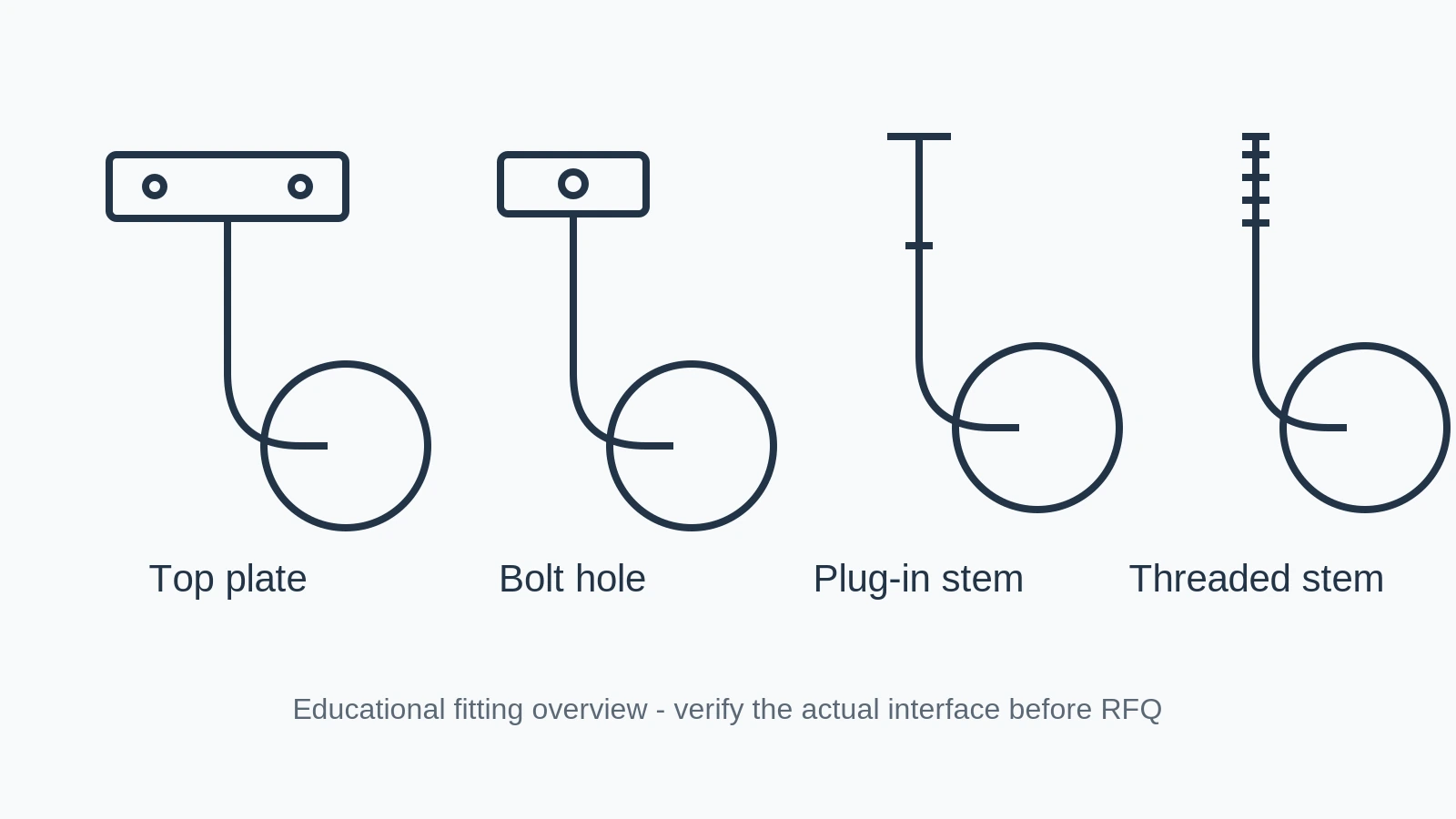
Sử dụng thử nghiệm có kiểm soát trước khi bảo dưỡng định kỳ — Khi nào chỉ nên thay thế...
Sau khi lắp đặt xong bộ phận cần nâng, hãy nâng và hạ kích nâng trong phạm vi hoạt động hữu ích của nó, xác nhận bánh xe đỡ điểm tựa mà không bị vướng, sau đó di chuyển trên bề mặt sân bãi thông thường và kiểm tra xem vị trí cất giữ có tránh chạm vào thanh kéo và khớp nối hay không. Lần thử đầu tiên nên thực hiện đủ chậm để quan sát bánh xe và vị trí lắp đặt chứ không chỉ đơn thuần là chứng minh thiết bị có thể di chuyển. Hãy chú ý đến hiện tượng cọ xát, chuyển động ngang bất ngờ, chuyển động của ốc vít, bánh xe bị lắc, vướng mắc và sự thay đổi lực tác động của người vận hành. Trong yêu cầu báo giá "Khi nào chỉ thay thế bánh xe phụ", điểm này hữu ích nhất khi được nêu cùng với điều kiện hoạt động và kích thước kiểm soát độ vừa vặn.
Nếu kết quả không đạt yêu cầu, hãy ghi lại triệu chứng trước khi thay đổi nhiều biến số cùng một lúc. Một thay đổi có kiểm soát—chẳng hạn như đường kính bánh xe, vật liệu, căn chỉnh lắp đặt hoặc bố trí hệ thống lái—sẽ cung cấp thông tin hữu ích hơn so với việc thay đổi toàn bộ cụm lắp ráp và làm mất đi nguyên nhân của vấn đề ban đầu. Trong yêu cầu báo giá "Khi nào chỉ nên thay thế bánh xe dẫn hướng?", điểm này hữu ích nhất khi được nêu cùng với điều kiện hoạt động và kích thước kiểm soát độ vừa vặn.
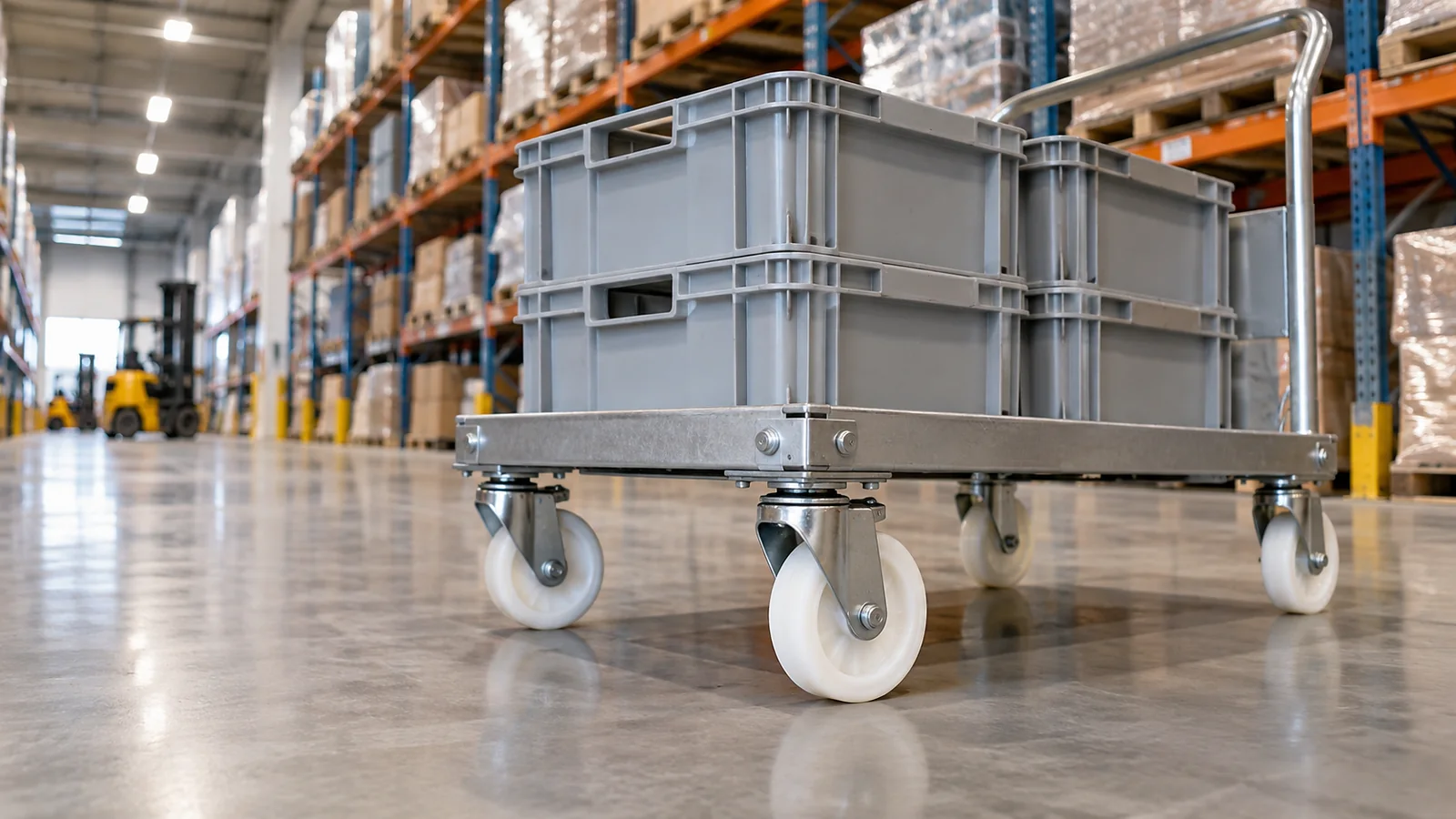
Hãy kiểm chứng quyết định "Khi nào nên chỉ thay thế bánh xe dẫn hướng hay toàn bộ cụm bánh xe dẫn hướng" trên thực tế bề mặt bãi đỗ xe.
Sau khi lắp đặt, hãy thực hiện kiểm tra vận hành ở tốc độ thấp có kiểm soát trên bề mặt thường tạo ra lực lớn nhất. Quan sát khả năng lái, độ ma sát của bánh xe, khoảng cách giữa càng nâng và bất kỳ xu hướng nào của việc lắp đặt bị xoắn hoặc trượt. Nếu rơ moóc thường xuyên được di chuyển trên sỏi, gạch lát hoặc rãnh thoát nước, hãy bao gồm cả những điều kiện đó thay vì chỉ thử nghiệm trên nền bê tông trong xưởng. Trong yêu cầu báo giá (RFQ) về việc Khi nào chỉ nên thay thế bánh xe phụ, điểm này sẽ hữu ích nhất khi được nêu cùng với điều kiện vận hành và kích thước kiểm soát độ vừa vặn.
Một thử nghiệm ngắn gọn có ghi chép đầy đủ sẽ cung cấp thông tin mua hàng hữu ích hơn nhiều so với một tuyên bố chung chung rằng một bánh xe “tốt hơn”. Hãy ghi lại cấu hình đã được chấp nhận, nhóm rơ moóc, điều kiện tải trọng và bất kỳ giới hạn khoảng cách nào để các đơn đặt hàng tiếp theo có thể được kiểm tra dựa trên cùng một cơ sở vận hành. Trong yêu cầu báo giá “Khi nào chỉ nên thay thế bánh xe phụ”, điểm này hữu ích nhất khi được nêu rõ cùng với điều kiện vận hành và kích thước kiểm soát độ phù hợp.
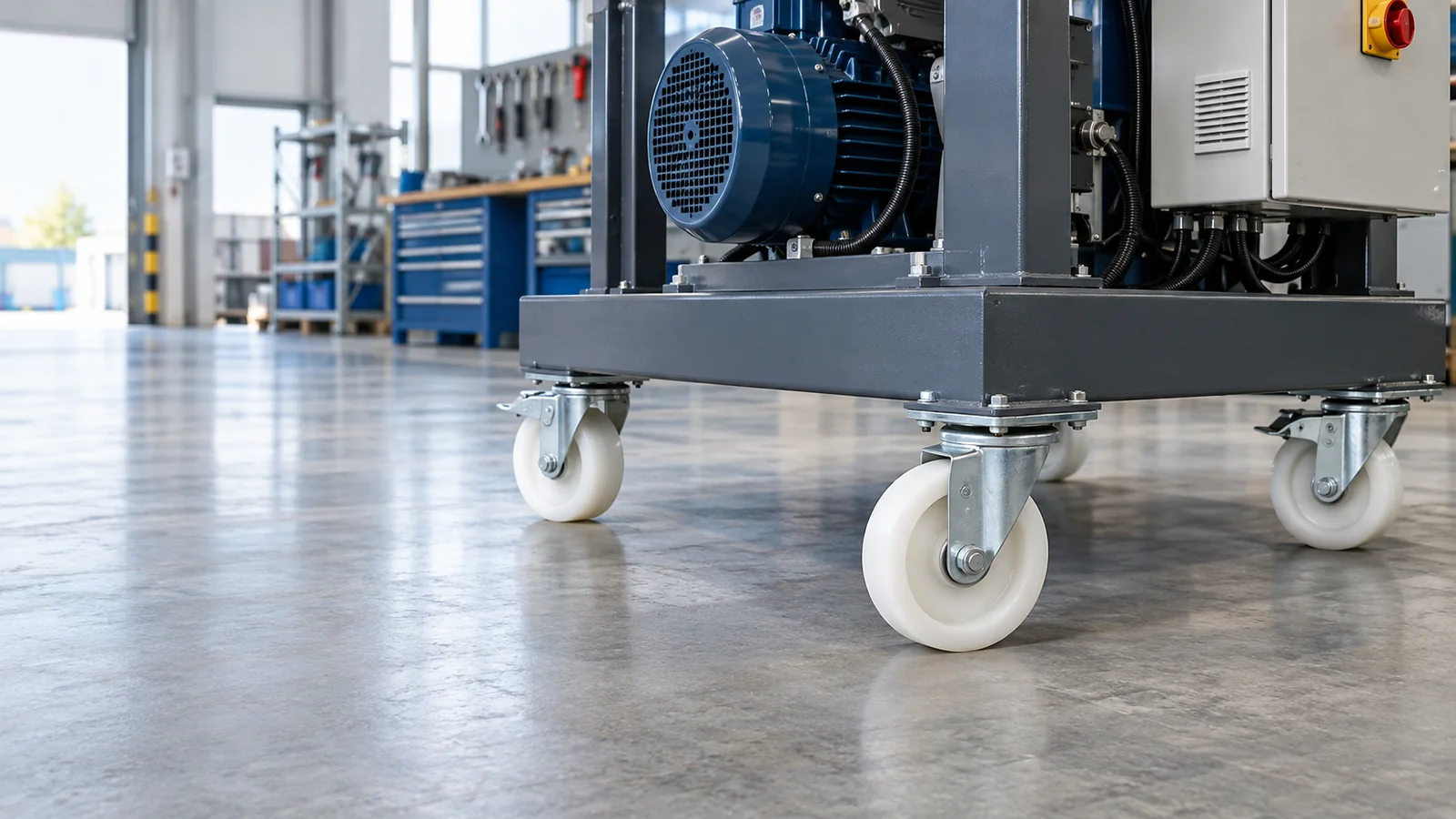
Ghi lại thông số lắp đặt khi áp dụng quy trình “Khi nào chỉ thay thế bánh xe dẫn hướng hay toàn bộ cụm bánh xe dẫn hướng”.
Bánh xe phụ phải có đường kính lớn hơn đường kính danh nghĩa của lốp. Ghi lại kích thước săm hoặc kẹp, chiều cao khi đóng, độ nâng cần thiết, phạm vi bao phủ của bánh xe/càng nâng, khoảng hở tay quay và đường đi của cụm lắp ráp nếu nó gập hoặc xoay để di chuyển. Bao gồm điều kiện tải trọng thực tế của thanh kéo rơ moóc và mặt đất nơi diễn ra thao tác tháo rời. Trong yêu cầu báo giá "Khi nào chỉ thay thế bánh xe phụ", điểm này hữu ích nhất khi được nêu cùng với điều kiện hoạt động và kích thước kiểm soát độ vừa vặn.
Đối với công việc thay thế, hãy kiểm tra kẹp, ống và khu vực lắp đặt xem có bị biến dạng hoặc sửa đổi trước đó hay không trước khi cho rằng cấu hình cũ cần được sao chép chính xác. Nếu tải trọng do nhà cung cấp đưa ra đề cập đến một dòng sản phẩm kích nâng, không nên sử dụng nó để thay thế cho việc đo lường yêu cầu ứng dụng thực tế. Trong yêu cầu báo giá "Khi nào chỉ cần thay thế bánh xe dẫn hướng", điểm này hữu ích nhất khi được nêu cùng với điều kiện vận hành và kích thước kiểm soát độ phù hợp.
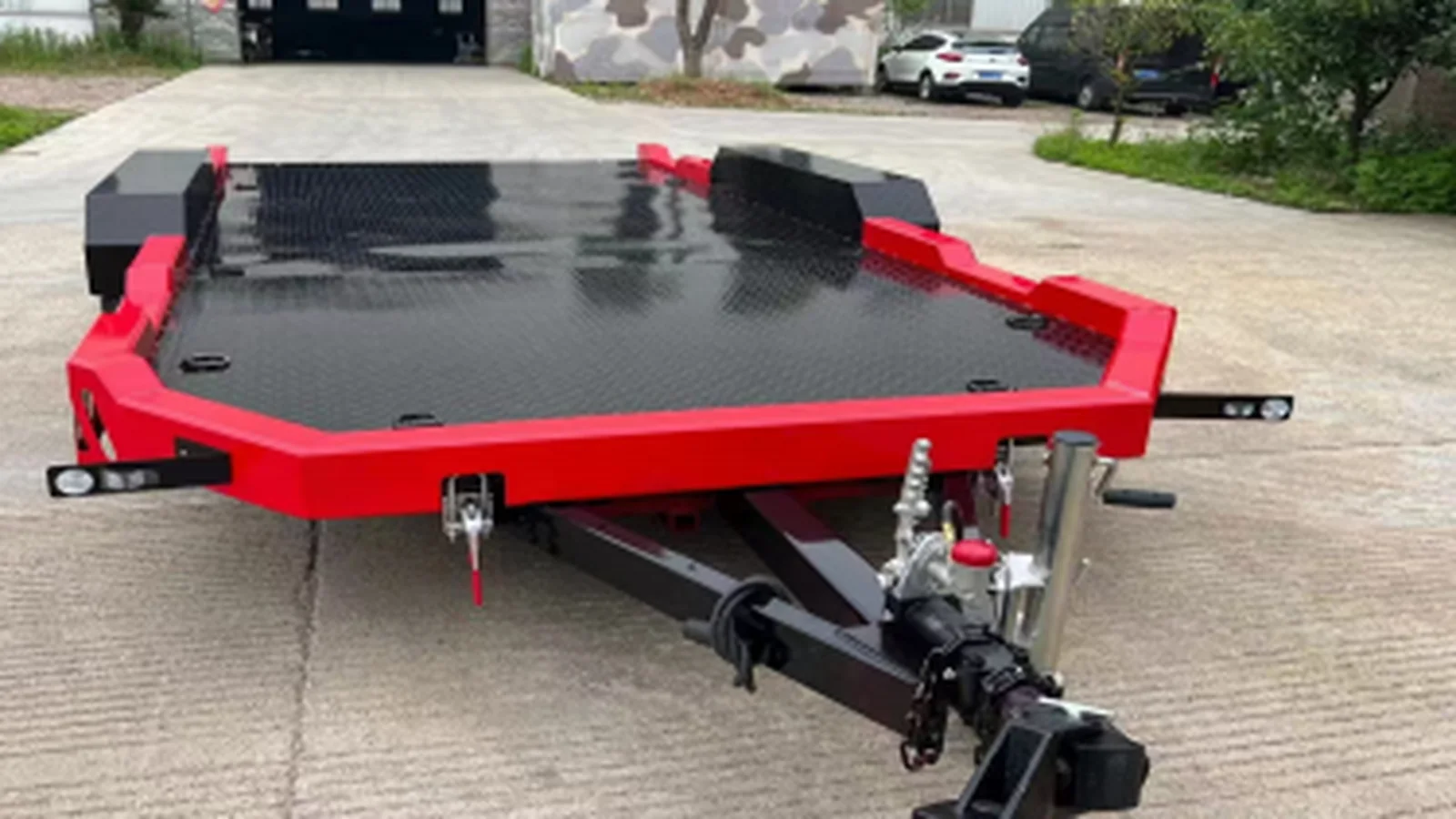
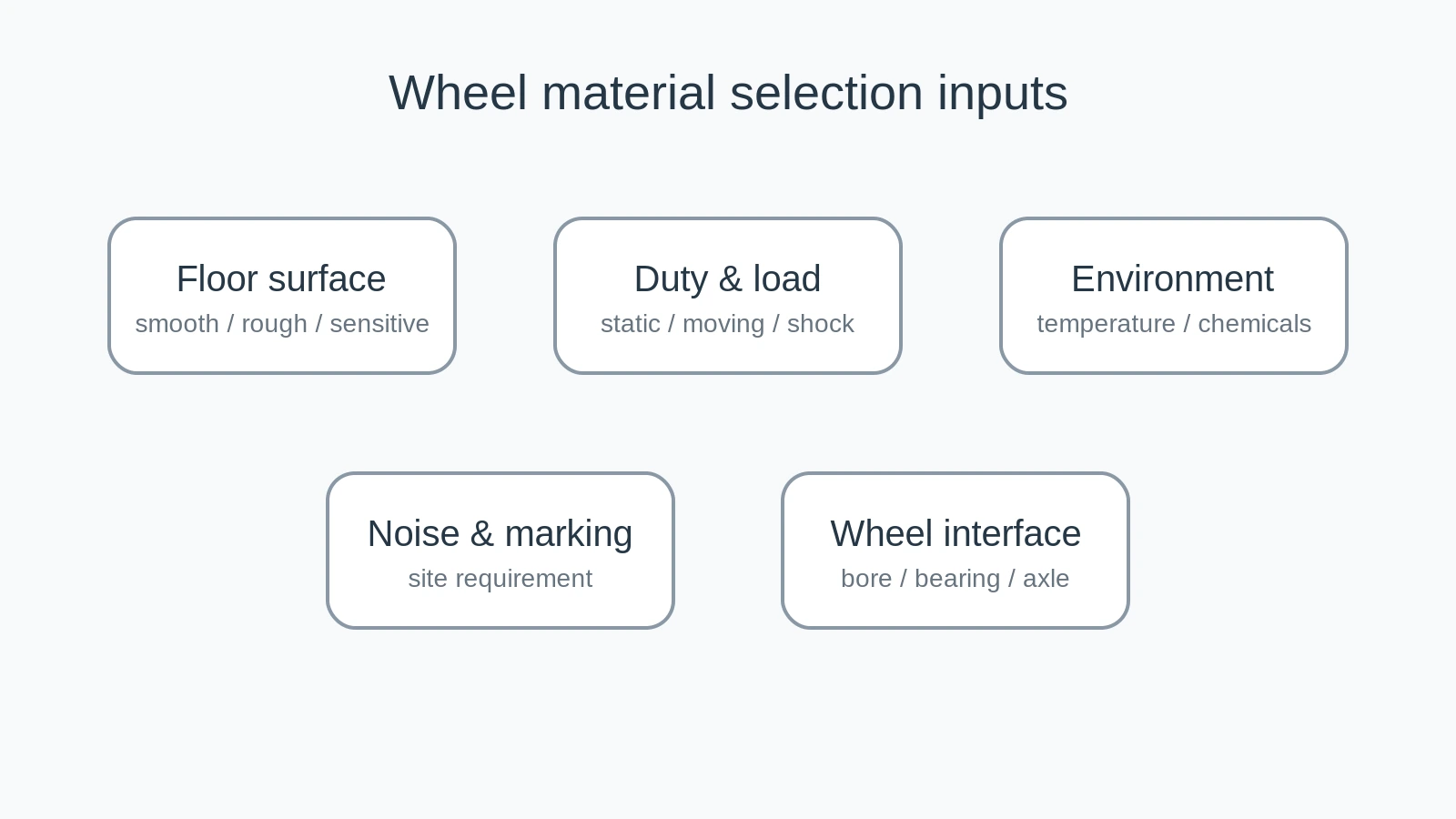
Hãy chia câu hỏi về giá đỡ rơ moóc thành bốn yếu tố đầu vào tương đương — Khi nào chỉ cần thay thế
Các câu hỏi về hệ thống đỡ rơ moóc trở nên dễ giải quyết hơn khi tải trọng, mặt đất, giao diện và hành trình vận hành được ghi rõ ràng. Tên sản phẩm trong catalogue có thể xác định một dòng sản phẩm, nhưng không thể mô tả cách bánh xe đỡ được chịu tải, cách rơ moóc được điều khiển hoặc khoảng không gian mà cơ cấu này có xung quanh thanh kéo. Trong yêu cầu báo giá (RFQ) về việc chỉ thay thế bánh xe đỡ, điểm này hữu ích nhất khi được nêu rõ cùng với điều kiện vận hành và kích thước kiểm soát sự phù hợp.
| Đầu vào | Cần ghi lại những gì |
|---|---|
| Điều kiện hỗ trợ | Hãy nêu rõ tải trọng thực tế của mũi xe hoặc tải trọng đỡ và liệu bánh xe chỉ được sử dụng để đỗ xe, để điều khiển bằng tay, hay cả hai. |
| Đất | Hãy mô tả các loại vật liệu như bê tông, vỉa hè, sỏi, đất mềm, khe co giãn và độ dốc thường gặp trong quá trình sử dụng. |
| Giao diện | Ghi lại kích thước của ống, kẹp, giá đỡ hoặc tấm, cùng với vị trí của các khớp nối và các bộ phận khung gần đó. |
| phạm vi hoạt động | Đo chiều cao khi đóng, hành trình hữu ích, khoảng cách tiếp cận tay quay và đường đi cần thiết để gập hoặc xoay (nếu có). |
Sử dụng các thông tin đầu vào này để so sánh các phương án thay thế trong cùng điều kiện. Bánh xe lớn hơn có thể cải thiện hình dạng chướng ngại vật nhưng cũng có thể làm thay đổi khoảng không gian chứa đồ. Giá đỡ trông chắc chắn hơn vẫn có thể không phù hợp nếu kẹp hoặc ống không khớp. Khi có liên quan đến hệ thống phanh, xoay hoặc bánh đôi, hãy mô tả chức năng mà người vận hành thực sự cần thay vì chỉ yêu cầu một tính năng dựa trên vẻ bề ngoài. Trong yêu cầu báo giá "Khi nào chỉ thay thế bánh xe phụ", điểm này hữu ích nhất khi được nêu cùng với điều kiện vận hành và kích thước kiểm soát sự phù hợp.
Đối với công việc thay thế, hãy chụp ảnh cụm chi tiết trước khi tháo rời và bao gồm cả ảnh chụp từ bên cạnh thể hiện mối quan hệ lắp đặt. Nếu bộ phận hiện có bị hư hỏng, hãy xác định các kích thước nào vẫn còn đáng tin cậy. Trong lần lắp đặt có kiểm soát đầu tiên, hãy vận hành cơ cấu trong phạm vi hoạt động bình thường mà không vội vàng, sau đó chất tải lên rơ moóc từ từ và xác nhận rằng bánh xe, tay cầm và cấu trúc vẫn không bị vướng trong quá trình vận hành bình thường. Trong yêu cầu báo giá "Khi nào chỉ thay thế bánh xe phụ", điểm này hữu ích nhất khi được nêu rõ cùng với điều kiện hoạt động và các kích thước kiểm soát độ vừa vặn.
Việc chỉ thay thế bánh xe dẫn hướng so với những thay đổi trong yêu cầu báo giá (RFQ) như thế nào?
Đối với câu hỏi “Khi nào chỉ nên thay thế bánh xe phụ so với toàn bộ cụm bánh xe phụ”, yêu cầu báo giá (RFQ) cần nêu rõ yếu tố vận hành thực tế dẫn đến câu hỏi chứ không chỉ lặp lại thuật ngữ sản phẩm. Hãy nêu tên thiết bị, mô tả tải trọng bình thường và tối đa, ghi lại các kích thước kiểm soát sự phù hợp và xác định triệu chứng hoặc mục tiêu đã thúc đẩy việc xem xét. Nếu quyết định liên quan đến tải trọng, hãy bao gồm khối lượng thiết bị và các điểm đỡ; nếu liên quan đến vật liệu, hãy mô tả sàn và môi trường; nếu liên quan đến việc lắp đặt, hãy cung cấp hình dạng giao diện; và nếu liên quan đến bánh xe phụ của rơ moóc, hãy bao gồm điều kiện đỡ, mặt đất và hành trình khả dụng.
Hãy tách biệt các giá trị yêu cầu khỏi các câu hỏi chưa xác định. Nhà cung cấp sẽ phản hồi hữu ích hơn nhiều nếu bạn yêu cầu "xác nhận chiều dài lỗ khoan và trục so với bản vẽ đính kèm" hơn là một kích thước ước tính được trình bày như kích thước cuối cùng. Nguyên tắc tương tự áp dụng cho tải trọng định mức, cấp vật liệu, chức năng phanh và chi tiết lắp đặt. Khi một giá trị được xác minh, hãy ghi rõ ràng; khi chưa được xác minh, hãy yêu cầu xác nhận. Điều này giúp báo giá phù hợp với thiết bị thực tế và giúp việc xem xét kỹ thuật sau này dễ dàng hơn mà không cần thêm một phần phê duyệt lặp lại hoặc phần đặt hàng tiếp theo vào trang. Trong yêu cầu báo giá "Khi nào chỉ thay thế bánh xe phụ", điểm này hữu ích nhất khi được nêu cùng với điều kiện hoạt động và kích thước kiểm soát độ phù hợp.
Chỉ thay thế bánh xe phụ (Jockey Wheel) so với Câu hỏi thường gặp (FAQ)
Điều đầu tiên cần xác nhận trước khi thay thế bánh xe dẫn hướng hoặc cụm bánh xe dẫn hướng là gì?
Hãy bắt đầu với tải trọng thanh kéo/thanh đỡ, bề mặt tiếp xúc với mặt đất, đường kính/chiều rộng bánh xe, độ khít của ống hoặc kẹp, khoảng cách hành trình và khoảng cách khi cất giữ. Điều đó sẽ cung cấp một bối cảnh có thể đo lường được cho các lựa chọn còn lại.
Ảnh chụp có thể thay thế số đo thực tế không?
Ảnh chụp giúp nhận dạng, nhưng các kích thước quan trọng để đảm bảo độ vừa vặn vẫn cần được đo hoặc lấy từ bản vẽ đã được phê duyệt.
Người mua có nên cộng thêm hệ số an toàn vào tải trọng không?
Mức dự phòng an toàn thường được sử dụng để giải quyết sự phân bổ tải trọng không đồng đều và các ảnh hưởng vận hành, nhưng giá trị thích hợp phụ thuộc vào ứng dụng và không thay thế định mức sản phẩm. Trong yêu cầu báo giá (RFQ) về việc chỉ thay thế bánh xe phụ, điểm này hữu ích nhất khi được nêu cùng với điều kiện vận hành và kích thước kiểm soát sự phù hợp.
Nếu vật liệu đó không xác định thì sao?
Nêu rõ vị trí và môi trường làm việc, cung cấp mẫu hoặc ảnh, và coi vật liệu như một yếu tố xác nhận thay vì chỉ đoán dựa vào màu sắc.
Hãy thảo luận về nhu cầu thay thế bánh xe dẫn hướng hoặc cụm bánh xe dẫn hướng của bạn.
Hãy gửi đơn đăng ký, tải trọng, kích thước kiểm soát phù hợp, số lượng và bất kỳ hình ảnh hoặc bản vẽ liên quan nào. Chúng tôi sẽ sử dụng những thông tin này để thu hẹp dòng sản phẩm mà không cần phỏng đoán.