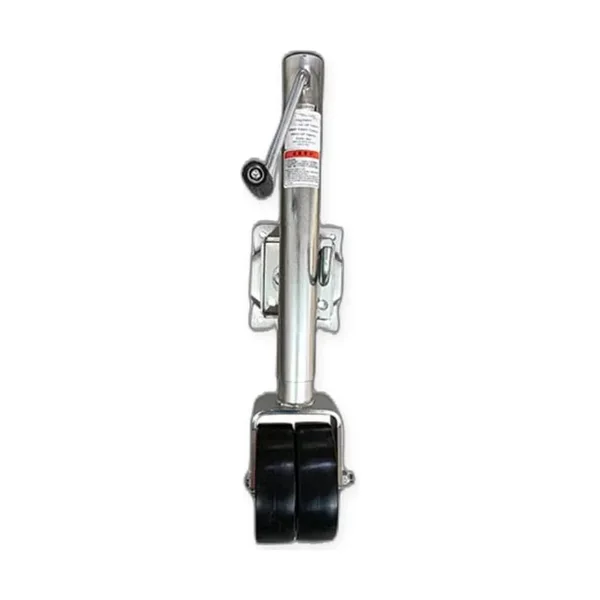
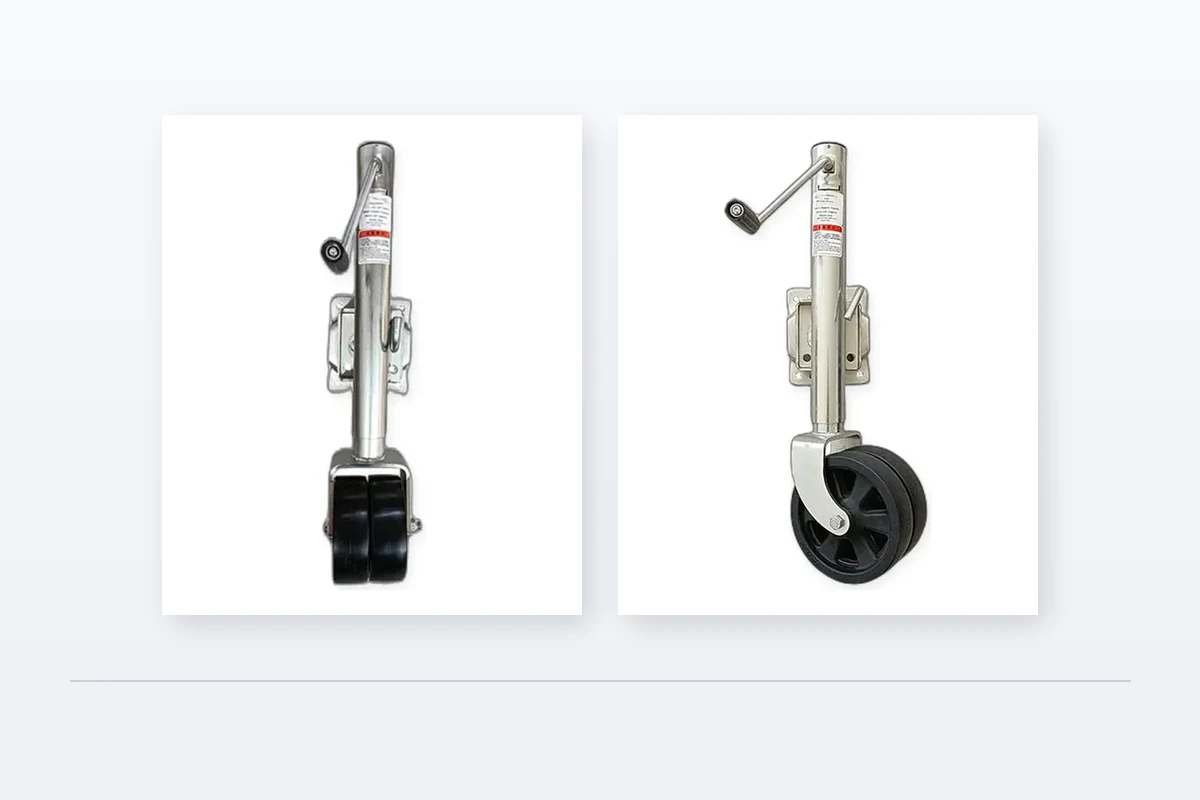
6 Inch Twin Wheel 1500 lb Jockey Jack for B2B equipment or trailer support projects. Specify the fit-controlling interface, duty and quantity for quotation.
Where 6 Inch Twin Wheel 1500 lb Jockey Jack fits in a selection
For an industrial buyer, 6 Inch Twin Wheel 1500 lb Jockey Jack is not a label to choose in isolation. The useful question is how it behaves inside the complete wheel, mounting and duty-cycle decision.
For trailer support where twin-wheel ground contact and a rotating/folding jack layout suit the drawbar and parking surface, begin by confirming the actual carried load, wheel/ground contact and attachment geometry. This is usually more useful than comparing nominal product names because two visually similar wheels can behave differently once mounting, floor condition and real load distribution are considered.
This also prevents a frequent sourcing error: choosing from appearance alone. A wheel can fit visually and still fail to match the axle, bracket, stowed envelope or duty cycle. Record total equipment weight, supporting points, floor condition, axle or bracket measurements, expected manoeuvring and quantity in the enquiry so the commercial discussion starts from a technically meaningful baseline. For 6 Inch Twin Wheel 1500 lb Jockey Jack, keep Wheel configuration 6 inch dual wheel and Series load class 1500 lb attached to this review so a value from another size or assembly is not substituted during quotation.
Known configuration details for 6 Inch Twin Wheel 1500 lb Jockey Jack
6 Inch Twin Wheel 1500 lb Jockey Jack is presented as a procurement-ready configuration rather than a one-number commodity. Verified details for this item include wheel configuration: 6 inch dual wheel, series load class: 1500 lb, operation: Side wind. Any interface or performance value that is not listed should be confirmed against the equipment before quotation.
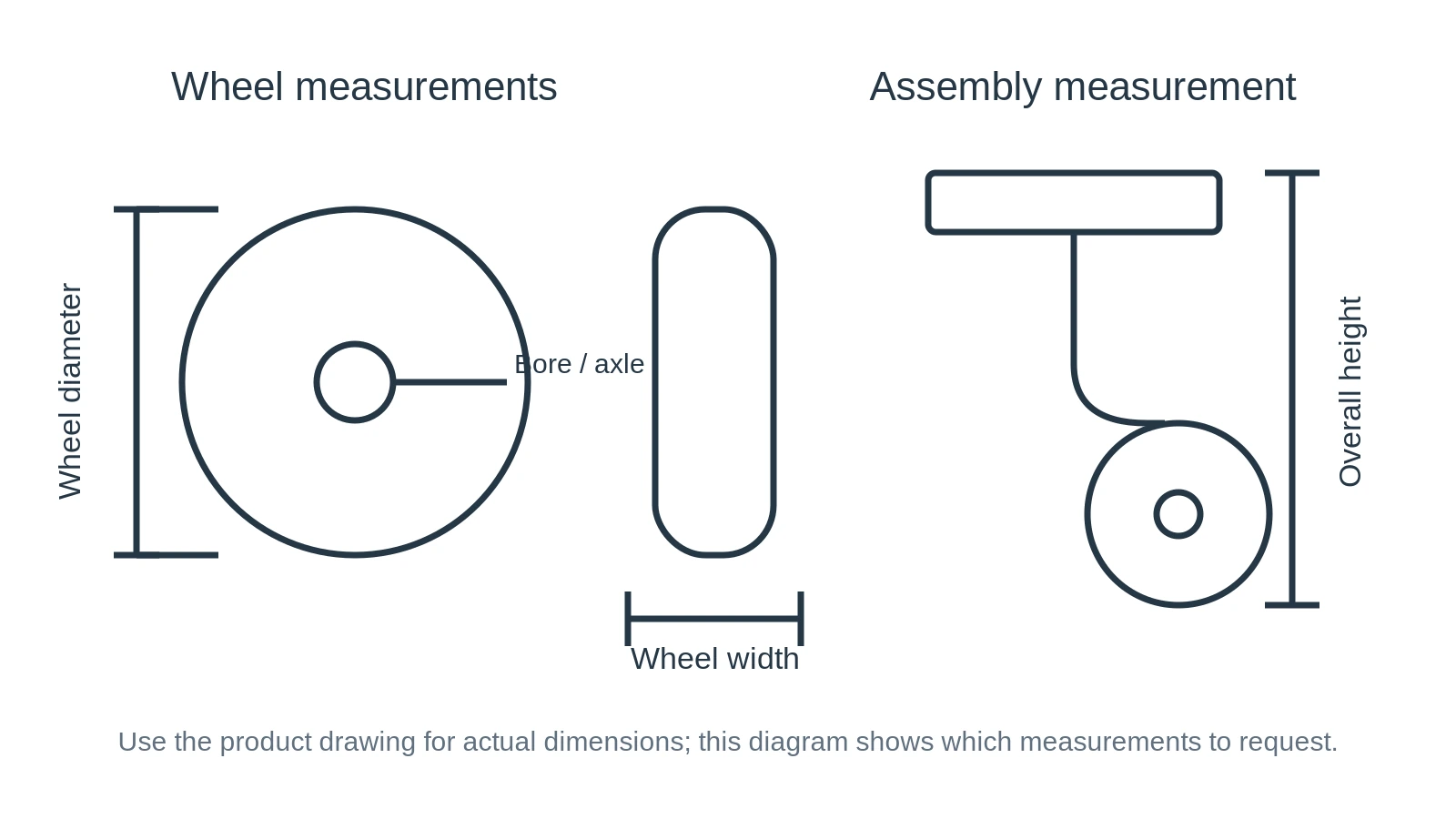
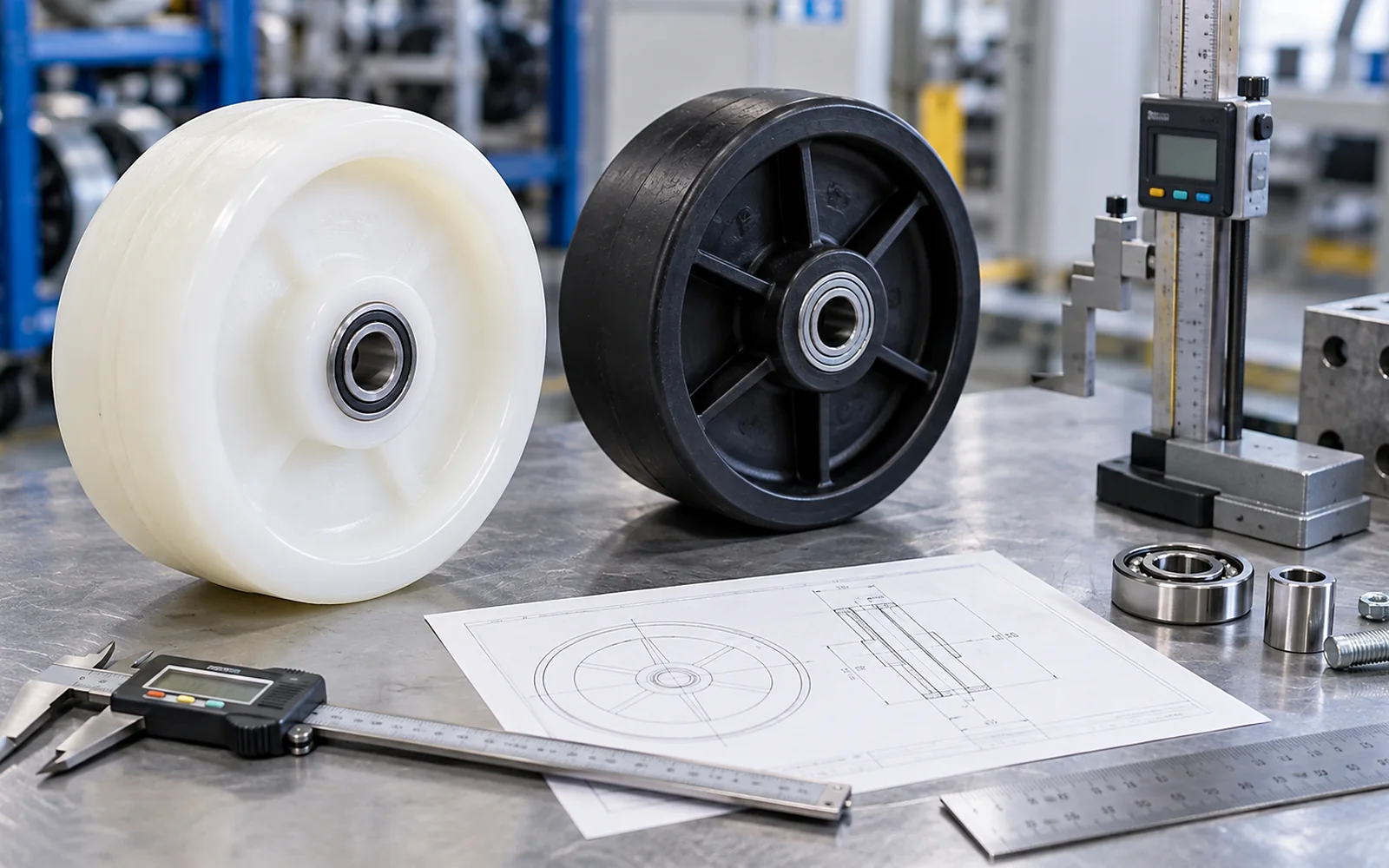
For replacement work, photograph the existing assembly from the side and mounting face, then record wheel diameter, wheel width, hub or axle dimensions, overall installed height and nearby clearance. For a new design, include the drawing or mounting envelope. For 6 Inch Twin Wheel 1500 lb Jockey Jack, keep Wheel configuration 6 inch dual wheel and Series load class 1500 lb attached to this review so a value from another size or assembly is not substituted during quotation.
Verified specification data for 6 Inch Twin Wheel 1500 lb Jockey Jack
Duty conditions to review for 6 Inch Twin Wheel 1500 lb Jockey Jack
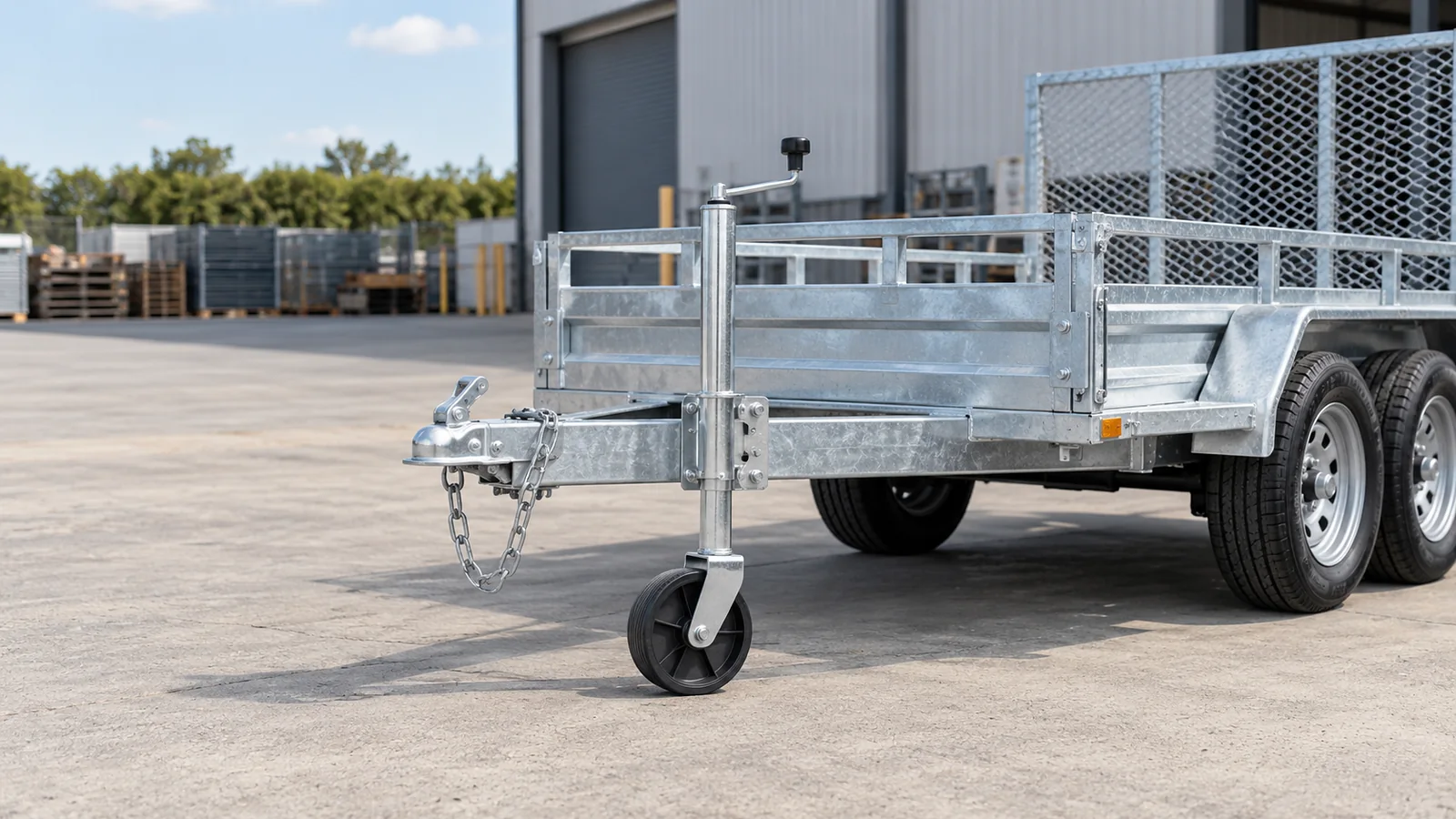
Trailer support where twin-wheel ground contact and a rotating/folding jack layout suit the drawbar and parking surface. Selection should still account for floor joints, ramps, side loads, impacts and periods of stationary load. Where the wheel is part of a trailer support assembly, separate the vertical support task from manoeuvring effort and check that the jack can retract or fold without striking the drawbar, coupling or ground.
For equipment carts, usable load per wheel may not equal total load divided by wheel count if the floor is uneven or the frame is not perfectly rigid. For 6 Inch Twin Wheel 1500 lb Jockey Jack, keep Wheel configuration 6 inch dual wheel and Series load class 1500 lb attached to this review so a value from another size or assembly is not substituted during quotation.
Load and movement checks for this jockey/support assembly — 6 Inch Twin Wheel 1500 lb Jockey Jack
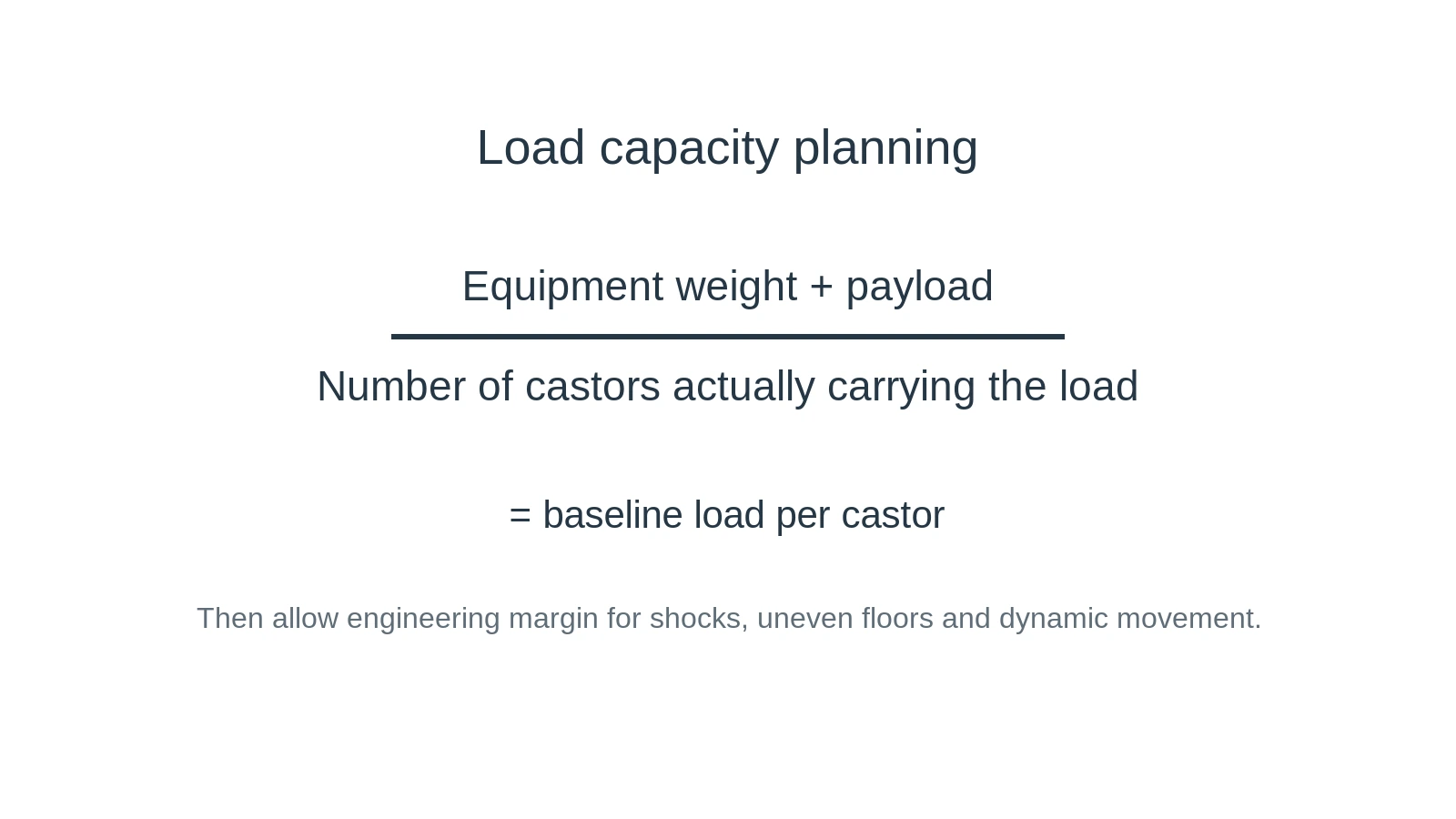
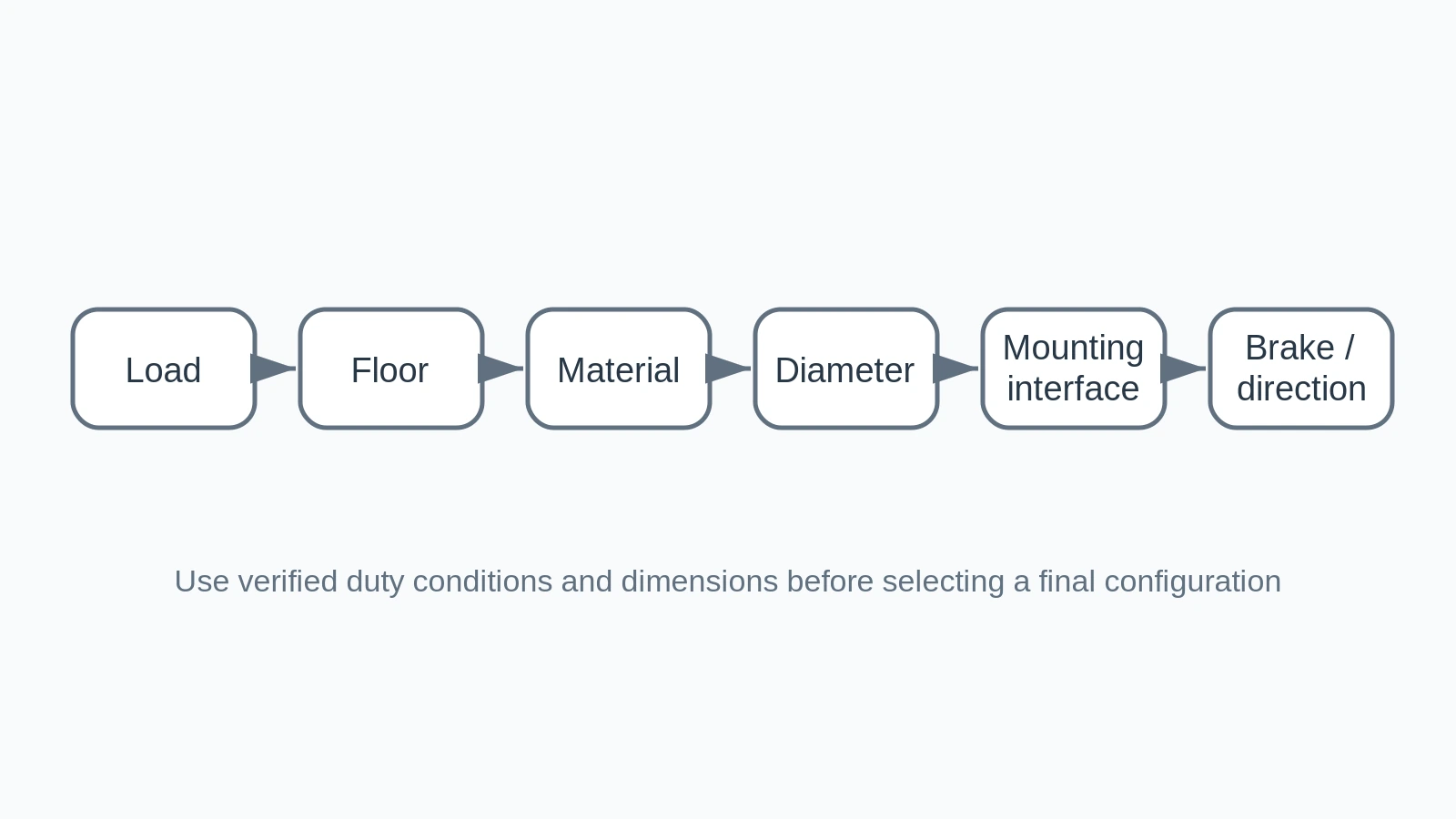
Start with equipment dead weight, maximum payload and the number of wheels that reliably support the frame. Add an application-appropriate allowance for uneven load sharing, floor transitions and impact. For trailer jacks, distinguish the static nose or drawbar load from the effort required to manoeuvre the trailer. For 6 Inch Twin Wheel 1500 lb Jockey Jack, keep Wheel configuration 6 inch dual wheel and Series load class 1500 lb attached to this review so a value from another size or assembly is not substituted during quotation.
Wheel diameter influences obstacle crossing and clearance, while material and bearing choice influence rolling behaviour. None of those variables substitutes for the actual rating of the selected assembly. For 6 Inch Twin Wheel 1500 lb Jockey Jack, keep Wheel configuration 6 inch dual wheel and Series load class 1500 lb attached to this review so a value from another size or assembly is not substituted during quotation.
Installation interface checks for 6 Inch Twin Wheel 1500 lb Jockey Jack
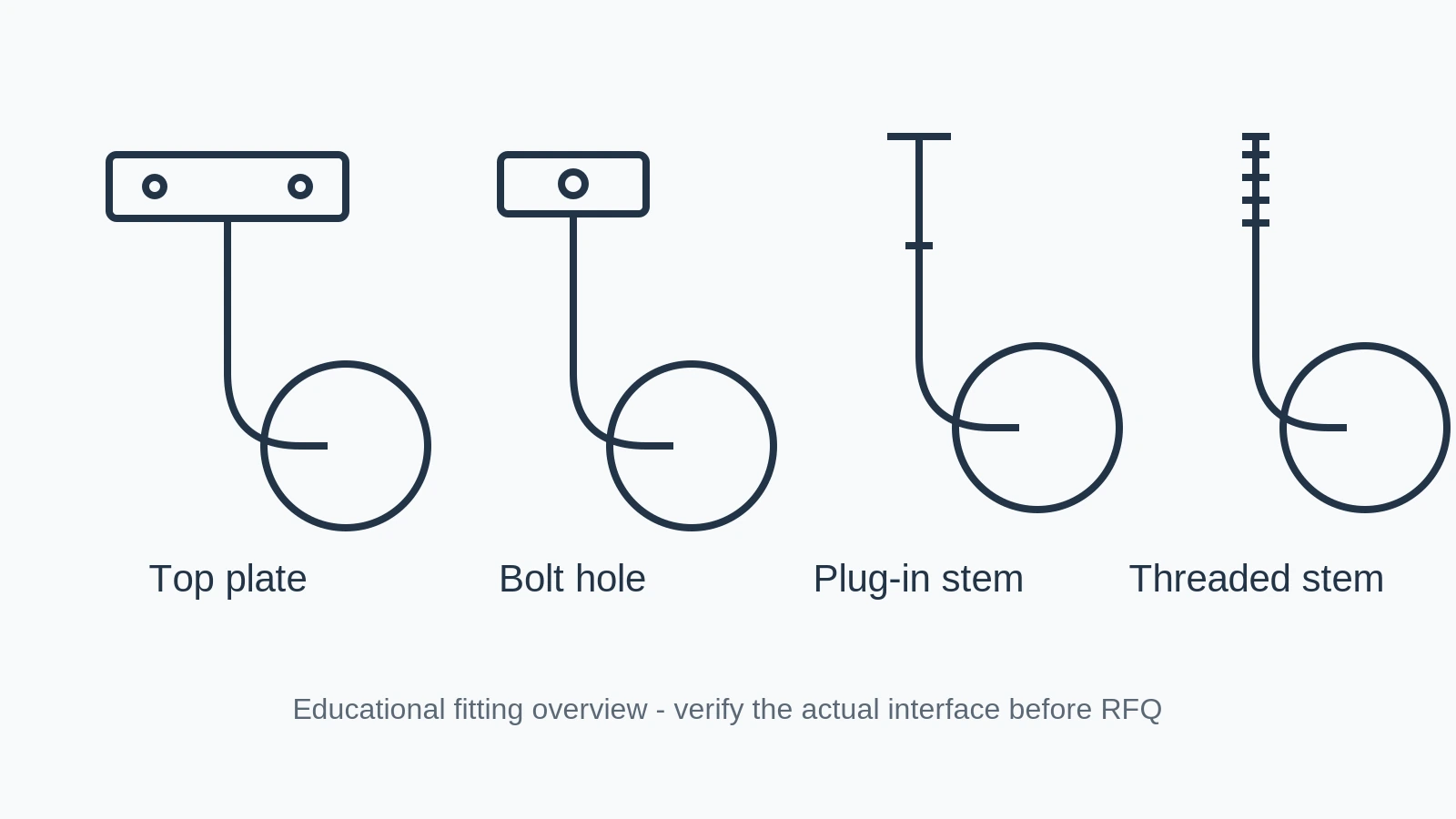
Before release, compare the mounting interface against the equipment. For a loose wheel this means bore or bearing type, axle diameter, hub length, spacers and side clearance. For a jockey or guide-wheel assembly it also includes tube diameter, clamp or plate geometry, fastener access, crank clearance, retracted height and the path used when the assembly swivels or folds. For 6 Inch Twin Wheel 1500 lb Jockey Jack, keep Wheel configuration 6 inch dual wheel and Series load class 1500 lb attached to this review so a value from another size or assembly is not substituted during quotation.
Material and surface conditions for this jockey/support assembly — 6 Inch Twin Wheel 1500 lb Jockey Jack
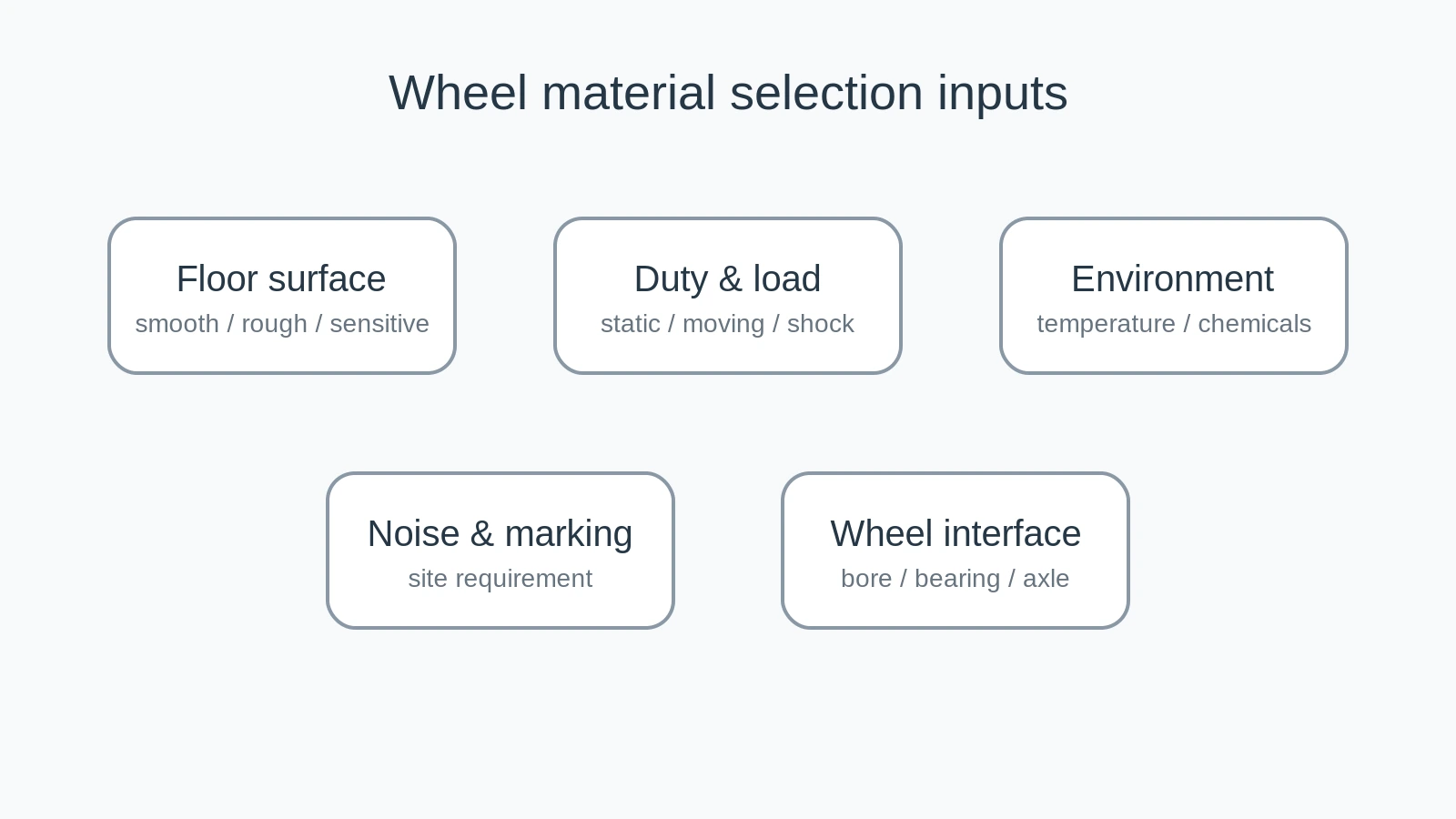
Polymer wheel material should be considered together with floor, contamination, cleaning chemicals, noise expectations and temperature. Nylon and polypropylene are hard thermoplastic families, but exact grade and operating environment still matter. Where the listed configuration specifies a galvanized bracket or tube, that finish applies to the stated configuration only. For 6 Inch Twin Wheel 1500 lb Jockey Jack, keep Wheel configuration 6 inch dual wheel and Series load class 1500 lb attached to this review so a value from another size or assembly is not substituted during quotation.
Incoming and installation checks for 6 Inch Twin Wheel 1500 lb Jockey Jack
On receipt, compare the product against approved dimensions and configuration. Check that the wheel rotates without binding, the bore or bearing seats correctly, fasteners are present where specified and the fork or bracket is free from visible deformation. For a jack assembly, operate the crank through usable travel without load first and confirm folding or swivel movement clears the equipment. For 6 Inch Twin Wheel 1500 lb Jockey Jack, keep Wheel configuration 6 inch dual wheel and Series load class 1500 lb attached to this review so a value from another size or assembly is not substituted during quotation.
During commissioning, observe the assembly on the real floor at low speed. Look for rubbing, unusual side movement, loose hardware, wheel wobble and interference with guards or frames. For 6 Inch Twin Wheel 1500 lb Jockey Jack, keep Wheel configuration 6 inch dual wheel and Series load class 1500 lb attached to this review so a value from another size or assembly is not substituted during quotation.
Information to include when quoting 6 Inch Twin Wheel 1500 lb Jockey Jack
Confirm the fit-controlling interface for 6 Inch Twin Wheel 1500 lb Jockey Jack
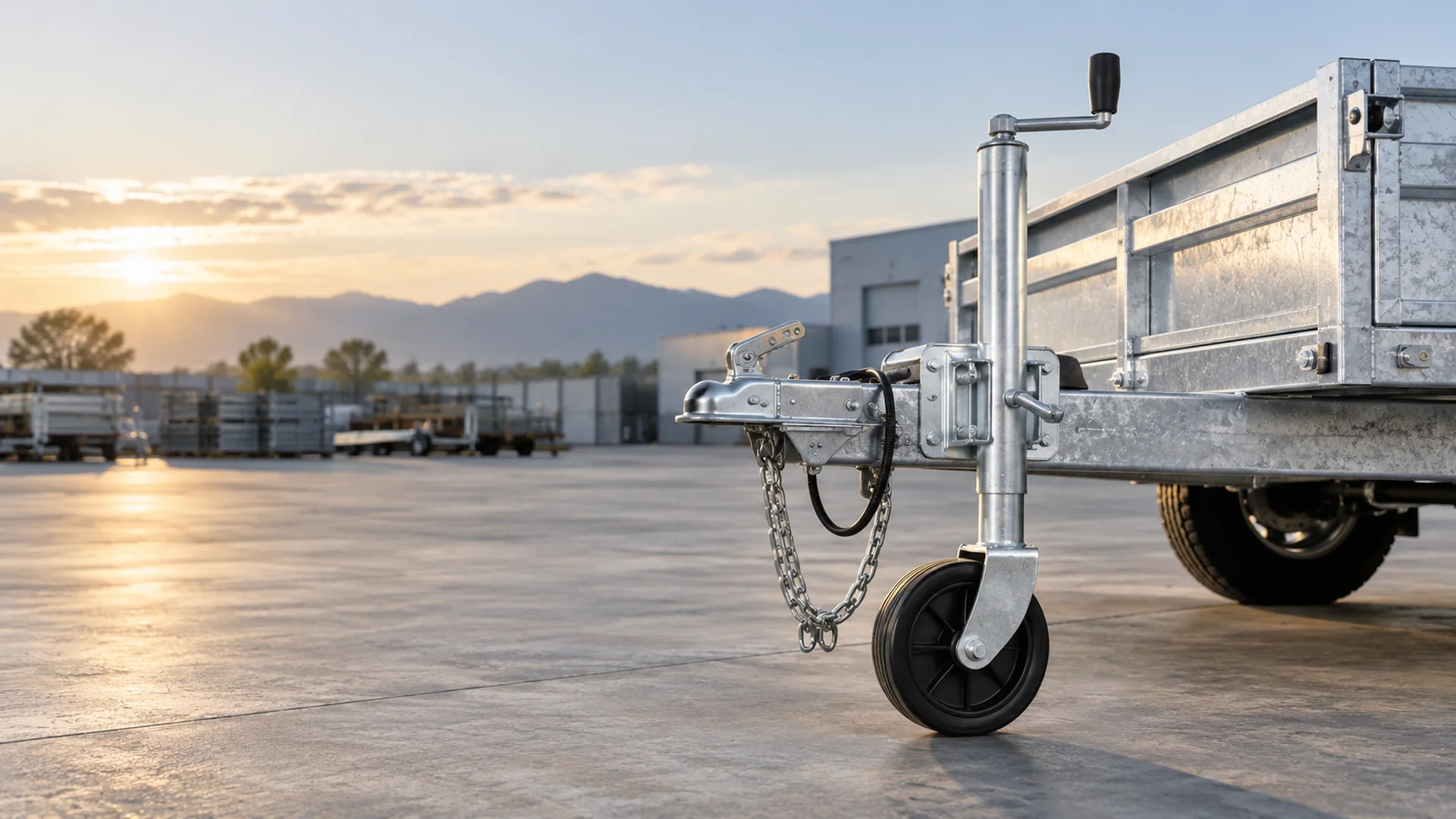
Treat 6 Inch Twin Wheel 1500 lb Jockey Jack as a complete support assembly rather than selecting from wheel diameter alone. The currently listed configuration is Wheel configuration: 6 inch dual wheel; Series load class: 1500 lb; Operation: Side wind; Finish options shown: Galvanized / spray-coated; Assembly weight: 8.6 kg; Feature: Rotating / folding jack configuration shown. These values identify the represented item; they do not replace measurements of the trailer or equipment interface.
Before quotation, record the tube, clamp, bracket or plate geometry that locates the assembly. Check crank access, retracted or stowed clearance, and the path the unit follows if it swivels, folds or lifts. For replacement work, photograph the existing mounting before removal so the relationship between fasteners, support tube and surrounding structure remains visible. For 6 Inch Twin Wheel 1500 lb Jockey Jack, keep Wheel configuration 6 inch dual wheel and Series load class 1500 lb attached to this review so a value from another size or assembly is not substituted during quotation.
Match 6 Inch Twin Wheel 1500 lb Jockey Jack to the real operating condition
Separate the vertical support task from manoeuvring. A listed jack or assembly load belongs to that represented configuration, while real suitability still depends on the actual nose or support load, ground condition, movement pattern and installation. Concrete, paving, gravel and soft ground can change steering effort and the way a small support wheel crosses surface irregularities. For 6 Inch Twin Wheel 1500 lb Jockey Jack, keep Wheel configuration 6 inch dual wheel and Series load class 1500 lb attached to this review so a value from another size or assembly is not substituted during quotation.
The paired-wheel arrangement also changes lateral clearance. Confirm total outside width, fork spacing and the closest point to the drawbar or frame through the expected steering or stowing movement. On uneven ground, observe whether both wheels remain free to rotate without one tread rubbing the bracket or carrying the whole load unexpectedly. For 6 Inch Twin Wheel 1500 lb Jockey Jack, keep Wheel configuration 6 inch dual wheel and Series load class 1500 lb attached to this review so a value from another size or assembly is not substituted during quotation.
Check the first installation of 6 Inch Twin Wheel 1500 lb Jockey Jack
Before installation, compare the received unit with the approved dimensions and configuration. Operate moving parts without load first, confirm that the wheel turns freely, and look for visible deformation, damaged threads, missing fasteners or transport damage. Install with the hardware and retention method intended for the equipment rather than compensating for a near-fit with improvised spacers or forced alignment. For 6 Inch Twin Wheel 1500 lb Jockey Jack, keep Wheel configuration 6 inch dual wheel and Series load class 1500 lb attached to this review so a value from another size or assembly is not substituted during quotation.
After installation, lower the equipment gradually and observe the assembly under a controlled load. Check that the wheel tracks without rubbing, the support tube remains aligned, fasteners stay seated and the handle or control retains adequate clearance. A short low-speed trial on the actual surface provides more useful acceptance information than spinning the wheel by hand. For 6 Inch Twin Wheel 1500 lb Jockey Jack, keep Wheel configuration 6 inch dual wheel and Series load class 1500 lb attached to this review so a value from another size or assembly is not substituted during quotation.
Build the 6 Inch Twin Wheel 1500 lb Jockey Jack RFQ around measured data
For quotation, keep the represented configuration separate from the equipment-side values that still need confirmation. The current configuration records Wheel configuration: 6 inch dual wheel; Series load class: 1500 lb; Operation: Side wind; Finish options shown: Galvanized / spray-coated; Assembly weight: 8.6 kg; Feature: Rotating / folding jack configuration shown. These values identify 6 Inch Twin Wheel 1500 lb Jockey Jack; they do not establish every mounting dimension, travel limit, duty condition or compatibility point unless those values are also listed.
Complete support assemblies are often rejected for practical fit reasons rather than because a product family is wrong. A tube can be close but not clamp correctly, a handle can lose access when the equipment is loaded, or a wheel can have adequate diameter yet interfere during folding or steering. Show the mounting area, state the actual support condition and identify the ground surface and any envelope that must remain clear. For 6 Inch Twin Wheel 1500 lb Jockey Jack, keep Wheel configuration 6 inch dual wheel and Series load class 1500 lb attached to this review so a value from another size or assembly is not substituted during quotation.
For replacement work, include one photograph before removal and one dimensioned sketch. For a new design, include the interface drawing or available installation space. This lets the configuration be reviewed as part of the surrounding structure instead of from wheel appearance alone. Unknown values should remain explicit confirmation points so the quotation does not silently inherit dimensions from another size or series. For 6 Inch Twin Wheel 1500 lb Jockey Jack, keep Wheel configuration 6 inch dual wheel and Series load class 1500 lb attached to this review so a value from another size or assembly is not substituted during quotation.
Questions about 6 Inch Twin Wheel 1500 lb Jockey Jack