คำอธิบายผลิตภัณฑ์
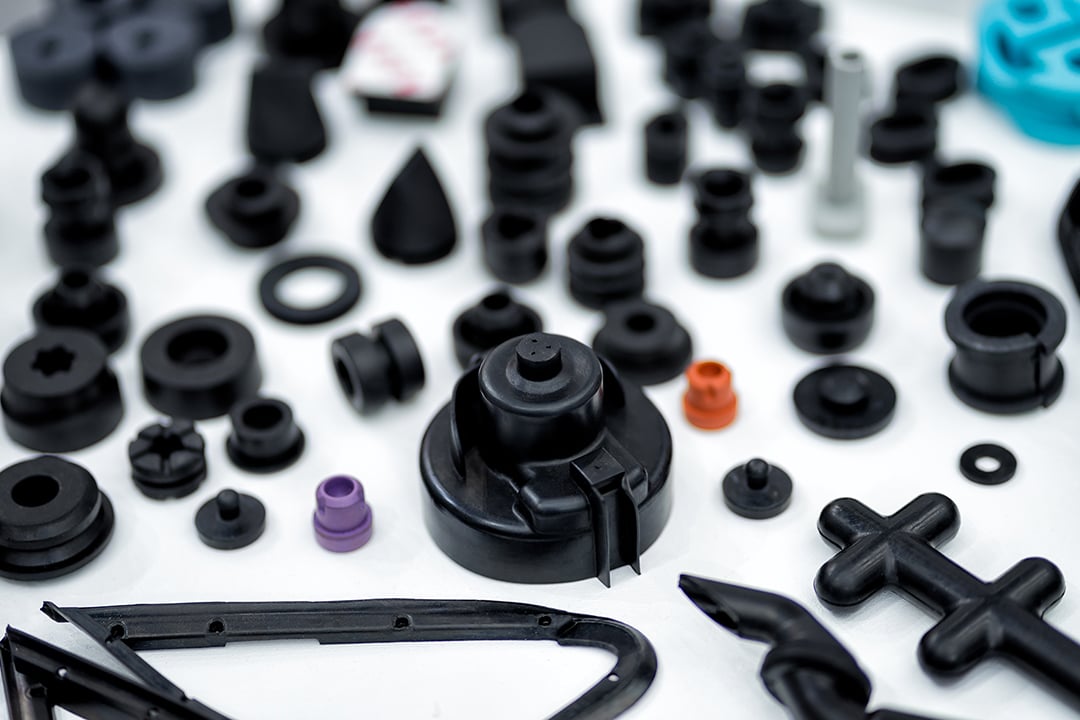
High strength silicone rubber gasket for device
| Item Name | Silicone Gaskets, Silicone O rings, Silicone Seal Rings |
| Porcess Of Production | Molded |
| Heat resistance | -40ºC~200ºC |
| วัสดุ | 100% Silicone rubber |
| Color And Size | We can custom any color and any size for clients |
| แอปพลิเคชัน | Mechanical, Automobile, Electrical appliance, Industrial, Construction, Or special purpose. We can produce according to your drawing |
| คุณสมบัติ | 1.With good sealing function, water resistance,oil resistance, anti-aging, non-toxic 2.No smell and good seals. 3.Specifica silicone material can reach -60~330ºC |
| Grade | Food grade |
| Certification | FDA, LFGB |
| ความแข็ง | 30~80 Shore A |
1. OEM and ODM orders are highly welcomed
2. High quality, reasonable price, reliable service and quick shipment.
3. We can produce according to your drawing or samples.
4. Delivery Time: 15 days after confirmation of the sample or according to customers’ order quantity
5. Shipping
1) Small quantity, DHL/FEDEX/UPS/TNT-express fee will be born by the buyer;
2) Large quantity, sea/air freight
6. Port: Shenzhen
Packaging
1. Standard carton size: 35*40*50cm.
2. Customed package is available, including customed paper card, plastic bag, label, printed carton etc.
การส่งสินค้า
1. Pre-order negotiation, including items, quantity, specific package requirement if you have.
2. PI confirmation, including specifications, prices, payment account, shipping cost & agent etc.
3. Payment confirmation.
4. Shipping arrangement, packages will be under strict inspection.
5. Goods loading and delivering.
Our Services
1. Factory price, lead time guaranteed, quality guaranteed.
2. Food -Grade, eco-friendly Product.
3. Logo Can Be Printed As Customers’ Drawings and Samples.
4. OEM orders are welcome.
5. We own our technical equipment and designer, can make all kinds
of silicone products according to customer’s request.
6. Fast speed in making new models for customize items.
Advantages of silicone material
1. Soft,flexible,pliable,tough,light.
2. No smell,no posion,eco-friendly.
3. Antiwear,water-proof,oil-proof.
4. High temp-tolerant,col-resistanr,UV-resistant,anti-acid.
คำถามที่พบบ่อย
Q1: Why choose CHINAMFG silicone?
We are committed to the silicone rubber sealing field. Our factory has 11 years of experience and has accumulated rich experience in silicone rubber processing and manufacturing to provide customers with the best silicone rubber sealing solutions and products.
Q2. How we ensure product quality?
100% inspection during production. Our products are certified with FDA, LFGB, RoHs certifications.
คำถามที่ 3: How long is the sample lead time?
For existing product, it takes 1-2 days; If you want your design, it may take 3-5 days depends on your design.
Q4: How to Custom-made?
If you have a new product drawing or sample, we can customize according to them. We have Quick feedback on your needs and rapid mold opening.
คำถามที่ 5: Can I get the sample?
Yes, we can provide stock samples for free, but a little sample charge for custom design, new customers are expected to pay for the delivery cost, the sample charge will be deducted from the payment for order.
| วัสดุ: | ยางซิลิโคน |
|---|---|
| แอปพลิเคชัน: | Machinery, Industrial Component, Electronic Product, Vehicle, Household Appliance |
| Effect: | Fixture&Sealing |
| Cross-Section Shape: | O-Rings |
| Certificate: | FDA, LFGB |
| Hardness: | 40-70 Shore a |
| ตัวอย่าง: |
US$ 0 ชิ้น/ชิ้น
1 ชิ้น (สั่งขั้นต่ำ) | |
|---|
| การปรับแต่ง: |
มีอยู่
|
|
|---|
ปัจจัยใดบ้างที่มีอิทธิพลต่อการออกแบบและการผลิตแม่พิมพ์ชิ้นส่วนฉีดขึ้นรูปสำหรับงานเฉพาะด้าน?
ปัจจัยหลายประการมีบทบาทสำคัญในการกำหนดการออกแบบและการผลิตแม่พิมพ์ชิ้นส่วนฉีดขึ้นรูปสำหรับงานเฉพาะด้าน ปัจจัยสำคัญที่ต้องพิจารณามีดังต่อไปนี้:
1. ข้อกำหนดด้านฟังก์ชันการทำงานและประสิทธิภาพ:
ฟังก์ชันการทำงานและข้อกำหนดด้านประสิทธิภาพของชิ้นส่วนนั้นมีอิทธิพลอย่างมากต่อการออกแบบและการผลิต ปัจจัยต่างๆ เช่น ความแข็งแรง ความทนทาน ความแม่นยำของขนาด ความต้านทานต่อสารเคมี และความต้านทานต่ออุณหภูมิ ล้วนเป็นสิ่งสำคัญที่ต้องพิจารณา การออกแบบชิ้นส่วนต้องได้รับการปรับให้เหมาะสมเพื่อตอบสนองความต้องการเหล่านี้ ในขณะเดียวกันก็ต้องมั่นใจได้ถึงฟังก์ชันการทำงานและประสิทธิภาพที่เหมาะสมในการใช้งานที่ตั้งใจไว้
2. การเลือกวัสดุ:
การเลือกวัสดุสำหรับการฉีดขึ้นรูปขึ้นอยู่กับลักษณะการใช้งานและข้อกำหนดเฉพาะ วัสดุแต่ละชนิดมีคุณสมบัติแตกต่างกัน เช่น ความแข็งแรง ความยืดหยุ่น ความทนทานต่อความร้อน ความทนทานต่อสารเคมี และการนำไฟฟ้า การเลือกวัสดุมีผลต่อการออกแบบและการพิจารณาเรื่องแม่พิมพ์ เนื่องจากรูปทรงและโครงสร้างของชิ้นส่วนต้องเข้ากันได้กับคุณสมบัติของวัสดุที่เลือก
3. ความซับซ้อนและรูปทรงเรขาคณิตของชิ้นส่วน:
ความซับซ้อนและรูปทรงเรขาคณิตของชิ้นส่วนส่งผลกระทบอย่างมากต่อการออกแบบและแม่พิมพ์ ชิ้นส่วนที่ซับซ้อน มีลักษณะเฉพาะที่ประณีต มีร่องลึก ผนังบาง หรือความหนาที่แตกต่างกัน อาจต้องใช้แม่พิมพ์และการออกแบบแม่พิมพ์เฉพาะทาง รูปทรงเรขาคณิตของชิ้นส่วนต้องได้รับการพิจารณาอย่างรอบคอบเพื่อให้แน่ใจว่าการเติมแม่พิมพ์ การระบายความร้อน การดีดออก และความเสถียรของขนาดเป็นไปอย่างเหมาะสมในระหว่างกระบวนการฉีดขึ้นรูป
4. ต้นทุนการผลิตและประสิทธิภาพ:
การออกแบบและการสร้างแม่พิมพ์สำหรับชิ้นส่วนขึ้นรูปด้วยการฉีดพลาสติกนั้นได้รับอิทธิพลจากต้นทุนการผลิตและประสิทธิภาพด้วยเช่นกัน คุณลักษณะการออกแบบที่ช่วยลดการใช้วัสดุ ลดเวลาในการผลิต และเพิ่มประสิทธิภาพการใช้งานเครื่องฉีดพลาสติก สามารถช่วยลดต้นทุนการผลิตได้ การออกแบบแม่พิมพ์ที่มีประสิทธิภาพ เช่น แม่พิมพ์หลายช่อง หรือแม่พิมพ์แบบเดียวกัน สามารถเพิ่มผลผลิตและลดต้นทุนต่อชิ้นได้
5. ความสามารถในการขึ้นรูปและการออกแบบแม่พิมพ์:
ความสามารถในการขึ้นรูปของชิ้นส่วน รวมถึงปัจจัยต่างๆ เช่น มุมเอียง ความหนาของผนัง และตำแหน่งของช่องทางเข้า มีผลต่อการออกแบบแม่พิมพ์ ชิ้นส่วนควรได้รับการออกแบบเพื่อให้พลาสติกหลอมเหลวไหลได้อย่างเหมาะสมในระหว่างการฉีดขึ้นรูป ช่วยให้การระบายความร้อนสม่ำเสมอ และสามารถถอดชิ้นส่วนออกจากแม่พิมพ์ได้ง่าย การออกแบบเครื่องมือ เช่น จำนวนโพรง การออกแบบช่องทางเข้า และระบบระบายความร้อน ได้รับอิทธิพลจากข้อกำหนดด้านความสามารถในการขึ้นรูปของชิ้นส่วน
6. กฎระเบียบและมาตรฐานอุตสาหกรรม:
การใช้งานเฉพาะด้าน โดยเฉพาะในอุตสาหกรรมต่างๆ เช่น ยานยนต์ การบินและอวกาศ และการแพทย์ อาจมีข้อกำหนดและมาตรฐานอุตสาหกรรมที่ส่งผลต่อการออกแบบและการพิจารณาเรื่องเครื่องมือ การปฏิบัติตามมาตรฐานเหล่านี้เกี่ยวกับวัสดุ ขนาด ความปลอดภัย และข้อกำหนดด้านประสิทธิภาพเป็นสิ่งสำคัญ และอาจส่งผลกระทบต่อการเลือกใช้การออกแบบและข้อกำหนดของเครื่องมือ
7. การประกอบและบูรณาการ:
หากชิ้นส่วนที่ขึ้นรูปด้วยการฉีดพลาสติกจำเป็นต้องประกอบหรือรวมเข้ากับส่วนประกอบหรือระบบอื่นๆ การออกแบบและการผลิตแม่พิมพ์ต้องคำนึงถึงกระบวนการประกอบและข้อกำหนดต่างๆ คุณสมบัติต่างๆ เช่น การประกอบแบบสแนปฟิต กลไกการล็อค หรือพื้นผิวที่เข้าคู่กันโดยเฉพาะ สามารถนำมาใช้ในการออกแบบชิ้นส่วนเพื่อช่วยให้การประกอบและการรวมเข้าด้วยกันมีประสิทธิภาพยิ่งขึ้น
8. ความสวยงามและการสร้างแบรนด์:
ในผลิตภัณฑ์สำหรับผู้บริโภคและอุตสาหกรรมบางประเภท รูปลักษณ์ที่สวยงามและการสร้างแบรนด์ของชิ้นส่วนอาจมีความสำคัญอย่างยิ่ง การพิจารณาด้านการออกแบบ เช่น การตกแต่งพื้นผิว เนื้อสัมผัส สี และการใส่โลโก้หรือองค์ประกอบของแบรนด์ อาจเป็นปัจจัยสำคัญที่มีอิทธิพลต่อการตัดสินใจด้านการออกแบบและการผลิตเครื่องมือ
โดยรวมแล้ว การออกแบบและการผลิตแม่พิมพ์สำหรับชิ้นส่วนฉีดขึ้นรูปในงานเฉพาะด้านนั้นได้รับอิทธิพลจากปัจจัยหลายประการ ได้แก่ ข้อกำหนดด้านการใช้งาน การพิจารณาวัสดุ ความซับซ้อนของชิ้นส่วน ต้นทุนและประสิทธิภาพการผลิต ความสามารถในการขึ้นรูป มาตรฐานข้อบังคับ ข้อกำหนดในการประกอบ และปัจจัยด้านสุนทรียศาสตร์ จึงจำเป็นอย่างยิ่งที่จะต้องพิจารณาปัจจัยเหล่านี้อย่างรอบคอบเพื่อให้ได้การออกแบบชิ้นส่วนที่ดีที่สุดและการผลิตฉีดขึ้นรูปที่ประสบความสำเร็จ
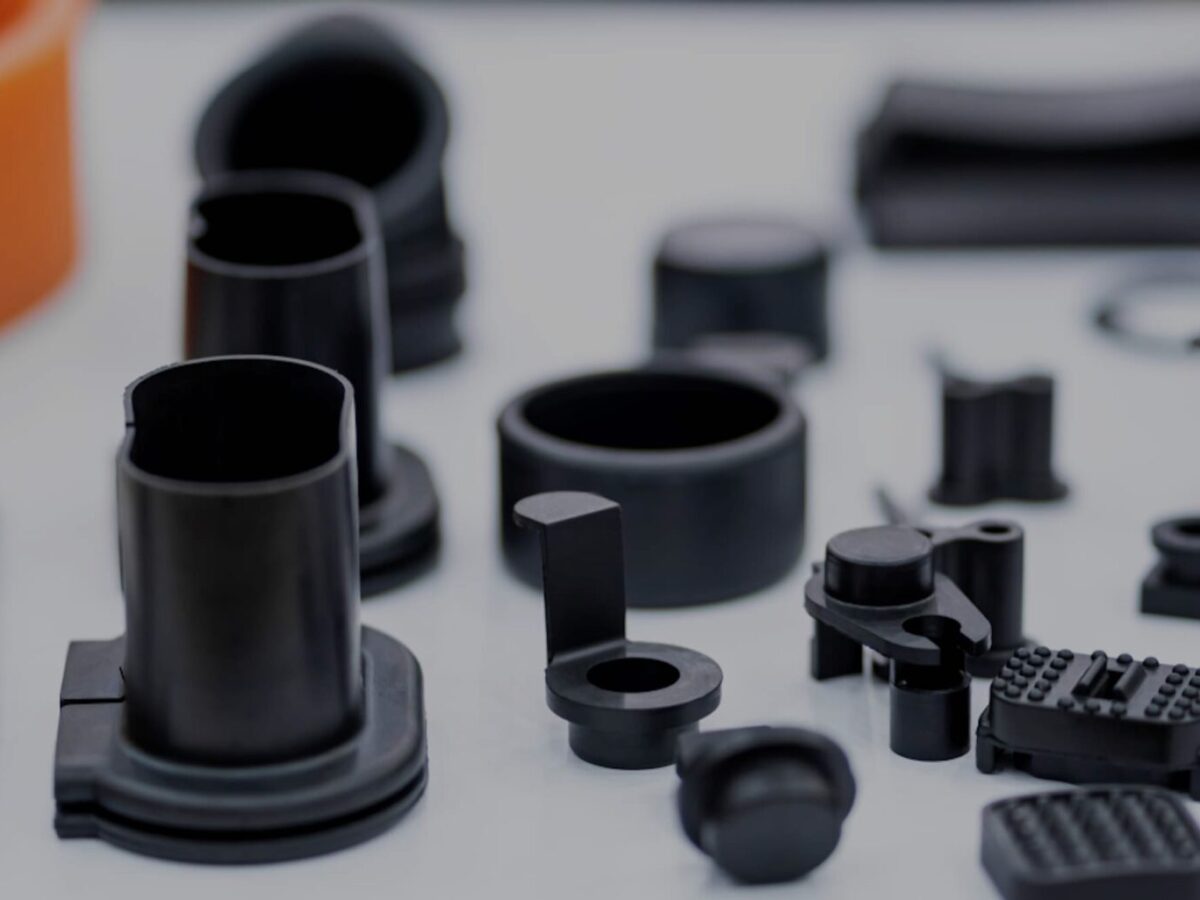
ชิ้นส่วนที่ผลิตด้วยวิธีการฉีดขึ้นรูป ช่วยเพิ่มประสิทธิภาพและฟังก์ชันการทำงานโดยรวมของผลิตภัณฑ์และอุปกรณ์ได้อย่างไร?
ชิ้นส่วนขึ้นรูปด้วยการฉีดพลาสติกมีบทบาทสำคัญในการเพิ่มประสิทธิภาพและฟังก์ชันการทำงานโดยรวมของผลิตภัณฑ์และอุปกรณ์ ชิ้นส่วนประเภทนี้มีข้อดีมากมายที่ทำให้เป็นตัวเลือกที่ได้รับความนิยมในอุตสาหกรรมต่างๆ ต่อไปนี้คือคำอธิบายโดยละเอียดเกี่ยวกับวิธีการที่ชิ้นส่วนขึ้นรูปด้วยการฉีดพลาสติกช่วยเพิ่มประสิทธิภาพและฟังก์ชันการทำงาน:
1. ความยืดหยุ่นในการออกแบบ:
การฉีดขึ้นรูปช่วยให้สามารถออกแบบชิ้นส่วนที่ซับซ้อนและละเอียดอ่อนได้ โดยสามารถปรับแต่งให้ตรงตามความต้องการเฉพาะได้ ความยืดหยุ่นในการออกแบบทำให้สามารถรวมคุณสมบัติหลายอย่าง เช่น ร่องเว้า เกลียว บานพับ และข้อต่อแบบสแนปฟิต เข้าไว้ในชิ้นส่วนขึ้นรูปชิ้นเดียวได้ ความอเนกประสงค์นี้ช่วยเพิ่มประสิทธิภาพการทำงานของผลิตภัณฑ์หรืออุปกรณ์ โดยทำให้สามารถสร้างชิ้นส่วนที่ออกแบบมาให้เหมาะสมกับวัตถุประสงค์การใช้งานได้อย่างแม่นยำ
2. ความแม่นยำสูงและสามารถทำซ้ำได้ดี:
การฉีดขึ้นรูปให้ความแม่นยำและความสามารถในการทำซ้ำที่ดีเยี่ยมในด้านขนาด ทำให้มั่นใจได้ว่าคุณภาพของชิ้นส่วนจะคงที่ตลอดกระบวนการผลิต การใช้แม่พิมพ์ที่มีความแม่นยำสูงและเทคนิคการขึ้นรูปขั้นสูงช่วยให้สามารถผลิตชิ้นส่วนที่มีความคลาดเคลื่อนต่ำและรูปทรงเรขาคณิตที่ซับซ้อนได้ ความแม่นยำและความสามารถในการทำซ้ำสูงนี้ช่วยเพิ่มประสิทธิภาพของผลิตภัณฑ์และอุปกรณ์โดยการรับประกันความพอดี การจัดแนว และการทำงานที่เหมาะสมของชิ้นส่วนที่ขึ้นรูป
3. การผลิตจำนวนมากที่คุ้มค่า:
การฉีดขึ้นรูปเป็นวิธีการผลิตจำนวนมากที่มีประสิทธิภาพสูงและคุ้มค่า เมื่อสร้างแม่พิมพ์แล้ว กระบวนการฉีดขึ้นรูปสามารถผลิตชิ้นส่วนที่เหมือนกันจำนวนมากได้อย่างรวดเร็วในเวลาอันสั้น ความสามารถในการผลิตชิ้นส่วนในปริมาณมากช่วยปรับปรุงกระบวนการผลิต ลดต้นทุนแรงงาน และรับประกันคุณภาพชิ้นส่วนที่สม่ำเสมอ ความคุ้มค่านี้ส่งผลให้ประสิทธิภาพโดยรวมดีขึ้นและทำให้สามารถผลิตสินค้าและอุปกรณ์ในราคาที่เหมาะสมได้
4. การเลือกวัสดุ:
การฉีดขึ้นรูปช่วยให้เลือกใช้วัสดุได้หลากหลาย รวมถึงเทอร์โมพลาสติกวิศวกรรม อีลาสโตเมอร์ และแม้แต่โลหะผสมบางชนิด ความสามารถในการเลือกใช้วัสดุต่างๆ ที่มีคุณสมบัติแตกต่างกัน ช่วยให้ผู้ผลิตสามารถเลือกวัสดุที่เหมาะสมที่สุดสำหรับแต่ละการใช้งาน วัสดุที่เลือกอย่างถูกต้องจะช่วยเพิ่มประสิทธิภาพการทำงานของผลิตภัณฑ์หรืออุปกรณ์ โดยให้คุณสมบัติทางกล ความร้อน และทางเคมีที่ต้องการเพื่อประสิทธิภาพสูงสุด
5. ความแข็งแรงและความทนทานของโครงสร้าง:
ชิ้นส่วนที่ผลิตด้วยการฉีดขึ้นรูปนั้นขึ้นชื่อเรื่องความแข็งแรงทนทานและโครงสร้างที่ยอดเยี่ยม กระบวนการฉีดขึ้นรูปช่วยให้วัสดุกระจายตัวอย่างสม่ำเสมอ ส่งผลให้ชิ้นส่วนมีความแข็งแรงและความน่าเชื่อถือที่คงที่ การกำจัดจุดอ่อน เช่น รอยตะเข็บหรือข้อต่อ ช่วยเพิ่มความแข็งแรงของโครงสร้างโดยรวมของผลิตภัณฑ์หรืออุปกรณ์ นอกจากนี้ ชิ้นส่วนที่ผลิตด้วยการฉีดขึ้นรูปยังทนต่อแรงกระแทก การสึกหรอ และปัจจัยด้านสิ่งแวดล้อม ทำให้ใช้งานได้ยาวนานในงานที่ต้องการความทนทานสูง
6. การบูรณาการคุณสมบัติ:
การฉีดขึ้นรูปช่วยให้สามารถรวมคุณสมบัติหลายอย่างเข้าไว้ในชิ้นส่วนเดียวได้ ซึ่งช่วยลดความจำเป็นในการประกอบหรือชิ้นส่วนเพิ่มเติม ทำให้กระบวนการผลิตง่ายขึ้น ลดเวลาและต้นทุนการผลิต การรวมคุณสมบัติต่างๆ เช่น บานพับ ตัวยึด หรือจุดยึด ช่วยเพิ่มประสิทธิภาพและฟังก์ชันการทำงานโดยรวมของผลิตภัณฑ์หรืออุปกรณ์ โดยนำเสนอโซลูชันที่สะดวกและคล่องตัว
7. ดีไซน์น้ำหนักเบา:
ชิ้นส่วนขึ้นรูปด้วยการฉีดขึ้นรูปสามารถผลิตได้จากวัสดุน้ำหนักเบาโดยไม่ลดทอนความแข็งแรงหรือความทนทาน ซึ่งเป็นประโยชน์อย่างยิ่งในอุตสาหกรรมที่การลดน้ำหนักมีความสำคัญ เช่น อุตสาหกรรมยานยนต์ การบินและอวกาศ และอุปกรณ์อิเล็กทรอนิกส์สำหรับผู้บริโภค การใช้ชิ้นส่วนขึ้นรูปด้วยการฉีดขึ้นรูปที่มีน้ำหนักเบาช่วยเพิ่มประสิทธิภาพการใช้พลังงาน ลดต้นทุนวัสดุ และเพิ่มประสิทธิภาพโดยรวมของผลิตภัณฑ์และอุปกรณ์
8. พื้นผิวเรียบเนียนสม่ำเสมอ:
การฉีดขึ้นรูปทำให้ได้ชิ้นส่วนที่มีพื้นผิวเรียบเนียนและมีคุณภาพสูง การใช้แม่พิมพ์ขัดเงาหรือแม่พิมพ์ที่มีพื้นผิวขรุขระช่วยให้ชิ้นส่วนที่ขึ้นรูปมีพื้นผิวเรียบสวยงามโดยไม่ต้องผ่านกระบวนการตกแต่งเพิ่มเติม พื้นผิวที่เรียบเนียนสม่ำเสมอนี้ช่วยเพิ่มประสิทธิภาพการทำงานและรูปลักษณ์โดยรวมของผลิตภัณฑ์หรืออุปกรณ์ ทำให้ผู้ใช้ได้รับประสบการณ์ที่ดี
9. การปรับแต่งและการสร้างแบรนด์:
การฉีดขึ้นรูปช่วยให้สามารถปรับแต่งและสร้างแบรนด์ได้ เช่น การใส่โลโก้ ฉลาก หรือพื้นผิวต่างๆ ลงในชิ้นส่วนที่ขึ้นรูปโดยตรง การปรับแต่งนี้ช่วยเพิ่มประสิทธิภาพการใช้งานและความน่าสนใจของผลิตภัณฑ์และอุปกรณ์ในตลาด โดยการสร้างเอกลักษณ์เฉพาะตัวและเสริมสร้างการจดจำแบรนด์
โดยรวมแล้ว ชิ้นส่วนขึ้นรูปด้วยการฉีดขึ้นรูปมีข้อดีมากมายที่ช่วยเพิ่มประสิทธิภาพและฟังก์ชันการทำงานของผลิตภัณฑ์และอุปกรณ์ ความยืดหยุ่นในการออกแบบ ความแม่นยำ ความคุ้มค่า การเลือกใช้วัสดุ ความแข็งแรงของโครงสร้าง การออกแบบที่น้ำหนักเบา และความสามารถในการปรับแต่ง ทำให้ชิ้นส่วนเหล่านี้เป็นตัวเลือกที่เหมาะสมสำหรับงานหลากหลายประเภทในอุตสาหกรรมต่างๆ
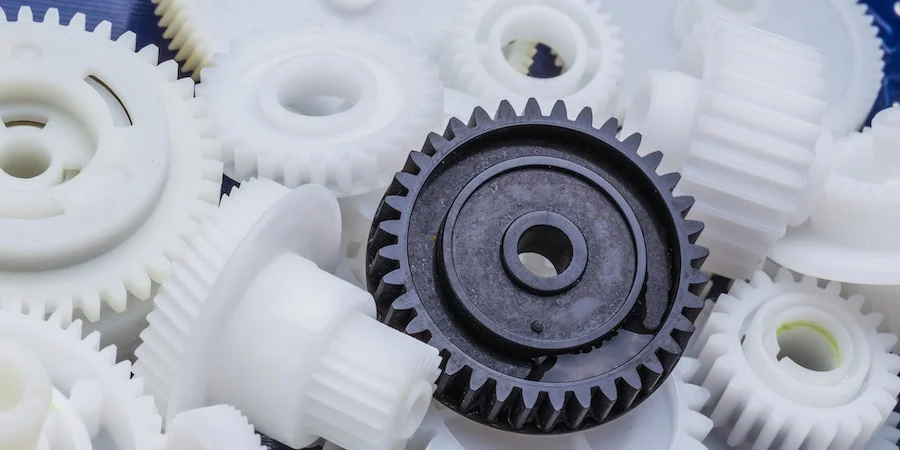
ชิ้นส่วนที่ผลิตด้วยวิธีการฉีดขึ้นรูปนั้น เมื่อเทียบกับวิธีการผลิตอื่นๆ แล้ว มีต้นทุนและประสิทธิภาพอย่างไรบ้าง?
ชิ้นส่วนที่ผลิตด้วยวิธีการฉีดขึ้นรูปมีข้อดีที่แตกต่างจากวิธีการผลิตอื่นๆ ในด้านต้นทุนและประสิทธิภาพ กระบวนการฉีดขึ้นรูปมีประสิทธิภาพสูงและคุ้มค่า โดยเฉพาะอย่างยิ่งสำหรับการผลิตในปริมาณมาก ต่อไปนี้เป็นคำอธิบายโดยละเอียดเกี่ยวกับความแตกต่างระหว่างชิ้นส่วนที่ผลิตด้วยวิธีการฉีดขึ้นรูปกับวิธีการผลิตอื่นๆ:
การเปรียบเทียบต้นทุน:
การฉีดขึ้นรูปพลาสติกสามารถประหยัดต้นทุนได้เมื่อเทียบกับวิธีการผลิตอื่นๆ ด้วยเหตุผลหลายประการ:
1. ค่าใช้จ่ายด้านเครื่องมือ:
การฉีดขึ้นรูปต้องใช้เงินลงทุนเริ่มต้นในการสร้างแม่พิมพ์ ซึ่งอาจมีราคาสูง อย่างไรก็ตาม เมื่อสร้างแม่พิมพ์แล้ว สามารถนำแม่พิมพ์เหล่านั้นมาใช้ซ้ำได้หลายครั้งเพื่อผลิตชิ้นส่วนจำนวนมาก ทำให้ต้นทุนต่อหน่วยลดลง ต้นทุนค่าเสื่อมราคาของอุปกรณ์และแม่พิมพ์ทำให้การฉีดขึ้นรูปมีประสิทธิภาพด้านต้นทุนมากกว่าสำหรับการผลิตในปริมาณมาก
2. ประสิทธิภาพการใช้วัสดุ:
การฉีดขึ้นรูปมีประสิทธิภาพสูงในแง่ของการใช้ประโยชน์จากวัสดุ กระบวนการนี้ช่วยให้สามารถควบคุมปริมาณวัสดุที่ฉีดเข้าไปในแม่พิมพ์ได้อย่างแม่นยำ ลดของเสียให้น้อยที่สุด นอกจากนี้ วัสดุส่วนเกินจากกระบวนการฉีดขึ้นรูปยังสามารถนำไปรีไซเคิลและนำกลับมาใช้ใหม่ได้ ซึ่งช่วยลดต้นทุนวัสดุลงอีกเมื่อเทียบกับวิธีการที่ก่อให้เกิดของเสียในปริมาณที่มากกว่า
3. ค่าใช้จ่ายด้านแรงงาน:
การฉีดขึ้นรูปเป็นกระบวนการอัตโนมัติสูง ใช้แรงงานน้อยมากเมื่อเทียบกับวิธีการผลิตอื่นๆ เมื่อตั้งแม่พิมพ์และตั้งค่าพารามิเตอร์กระบวนการแล้ว เครื่องฉีดขึ้นรูปสามารถทำงานได้อย่างต่อเนื่อง ผลิตชิ้นส่วนโดยมีการแทรกแซงจากมนุษย์น้อยที่สุด ระบบอัตโนมัตินี้ช่วยลดต้นทุนแรงงานและเพิ่มประสิทธิภาพโดยรวม
การเปรียบเทียบประสิทธิภาพ:
ชิ้นส่วนที่ผลิตด้วยวิธีการฉีดขึ้นรูปมีข้อดีหลายประการในแง่ของประสิทธิภาพ:
1. วงจรการผลิตที่รวดเร็ว:
การฉีดขึ้นรูปเป็นกระบวนการผลิตที่รวดเร็ว สามารถผลิตชิ้นส่วนได้ในระยะเวลาอันสั้น ระยะเวลาการผลิตขึ้นอยู่กับปัจจัยต่างๆ เช่น ความซับซ้อนของชิ้นส่วน คุณสมบัติของวัสดุ และเวลาในการระบายความร้อน อย่างไรก็ตาม เมื่อเปรียบเทียบกับวิธีการอื่นๆ เช่น การกลึงหรือการหล่อ การฉีดขึ้นรูปสามารถผลิตชิ้นส่วนได้หลายชิ้นพร้อมกันในแต่ละรอบการผลิต ส่งผลให้มีอัตราการผลิตที่สูงขึ้นและประสิทธิภาพที่ดีขึ้น
2. ความแม่นยำและความสม่ำเสมอสูง:
การฉีดขึ้นรูปช่วยให้สามารถผลิตชิ้นส่วนที่มีความแม่นยำและสม่ำเสมอสูง แม่พิมพ์ที่ใช้ในการฉีดขึ้นรูปได้รับการออกแบบมาเพื่อให้สามารถควบคุมขนาดได้อย่างแม่นยำและสม่ำเสมอ ความแม่นยำนี้ทำให้มั่นใจได้ว่าแต่ละชิ้นส่วนตรงตามข้อกำหนดที่ต้องการ ลดความจำเป็นในการกลึงหรือกระบวนการหลังการผลิตเพิ่มเติม ความสามารถในการผลิตชิ้นส่วนที่แม่นยำอย่างสม่ำเสมอช่วยเพิ่มประสิทธิภาพและลดเวลาและต้นทุนที่เกี่ยวข้องกับการแก้ไขงานหรือชิ้นส่วนที่ถูกปฏิเสธ
3. ความสามารถในการปรับขนาด:
การฉีดขึ้นรูปเป็นกระบวนการที่ปรับขนาดได้สูง ทำให้เหมาะสำหรับการผลิตทั้งปริมาณน้อยและปริมาณมาก เมื่อสร้างแม่พิมพ์แล้ว กระบวนการฉีดขึ้นรูปสามารถทำซ้ำได้ง่าย ทำให้สามารถผลิตชิ้นส่วนที่เหมือนกันได้อย่างมีประสิทธิภาพ ความสามารถในการปรับขนาดการผลิตได้อย่างรวดเร็วและมีประสิทธิภาพ ทำให้การฉีดขึ้นรูปเป็นวิธีการที่ได้รับความนิยมในการตอบสนองความต้องการของตลาดที่เปลี่ยนแปลงไป
4. ความซับซ้อนของการออกแบบ:
การฉีดขึ้นรูปช่วยสนับสนุนการผลิตชิ้นส่วนที่มีรูปทรงเรขาคณิตที่ซับซ้อนและรายละเอียดที่ประณีต แม่พิมพ์สามารถออกแบบให้รองรับส่วนที่เว้าแหว่ง ผนังบาง และรูปทรงที่ซับซ้อน ซึ่งอาจเป็นเรื่องยากหรือมีต้นทุนสูงหากใช้วิธีการผลิตอื่น ความยืดหยุ่นในการออกแบบนี้ช่วยให้สามารถรวมส่วนประกอบหลายชิ้นเข้าไว้ในชิ้นส่วนเดียว ลดความต้องการในการประกอบและจุดที่อาจเกิดความเสียหาย ความสามารถในการผลิตงานออกแบบที่ซับซ้อนได้อย่างมีประสิทธิภาพช่วยเพิ่มประสิทธิภาพและฟังก์ชันการทำงานโดยรวม
5. ความหลากหลายของวัสดุ:
การฉีดขึ้นรูปพลาสติกสามารถใช้กับวัสดุเทอร์โมพลาสติกได้หลากหลายชนิด ทำให้สามารถเลือกใช้วัสดุได้ตามความต้องการคุณสมบัติของชิ้นส่วนสำเร็จรูป สามารถเลือกใช้วัสดุที่แตกต่างกันเพื่อให้ได้คุณลักษณะเฉพาะ เช่น ความแข็งแรง ความยืดหยุ่น ความทนทานต่อความร้อน ความทนทานต่อสารเคมี หรือความโปร่งใส ความหลากหลายของวัสดุนี้ช่วยให้สามารถปรับแต่งและเพิ่มประสิทธิภาพของชิ้นส่วนได้อย่างมีประสิทธิภาพ
โดยสรุปแล้ว ชิ้นส่วนที่ผลิตด้วยการฉีดขึ้นรูปนั้นคุ้มค่าและมีประสิทธิภาพเมื่อเทียบกับวิธีการผลิตอื่นๆ หลายวิธี ต้นทุนการผลิตแม่พิมพ์เริ่มต้นจะถูกชดเชยด้วยความสามารถในการผลิตชิ้นส่วนจำนวนมากในต้นทุนต่อหน่วยที่ต่ำกว่า ประสิทธิภาพของวัสดุ การใช้ระบบอัตโนมัติในการทำงาน วงจรการผลิตที่รวดเร็ว ความแม่นยำสูง ความสามารถในการปรับขนาด ความซับซ้อนของการออกแบบ และความหลากหลายของวัสดุ ล้วนส่งผลให้การฉีดขึ้นรูปมีความคุ้มค่าและมีประสิทธิภาพโดยรวม ข้อดีเหล่านี้ทำให้การฉีดขึ้นรูปเป็นทางเลือกที่ได้รับความนิยมสำหรับอุตสาหกรรมต่างๆ ที่ต้องการผลิตชิ้นส่วนคุณภาพสูงอย่างมีประสิทธิภาพและประหยัด


editor by CX 2023-11-23