
Ürün Açıklaması
HangZhou Yida industry and Trade Co., Ltd. is a professional manufacturer of injection molding plastic products and moulds
processing. Founded in 1999,The products range covers Construction, Home Appliances, Foods, Machinery, Vehicles & Accessories, Daily Consumer Goods, Sports & Fitness, Electronic Components & Accessories, Tools, Fishery, Packaging & Printing etc.
Rapid tooling
Fast and cost-effective process to create aluminum or steel injection molds for quick turn injection molding. Ideal for rapid prototyping needs or validating product concept for production.
Overmolding
Overmolding is a unique injection molding process that combines 2 or more components together. It is the best practice for the plastic manufacturing of multi-color and multi-layers products.
Insert molding
Insert molding is a custom injection molding process that encapsulates components in a plastic part. It is most commonly used for
prototype injection molding designs with threads and holes.
Liquid Silicone Rubber injection molding
Liquid silicone rubber (LSR) is a flexible prototype injection molding process that produces elastic, durable parts. Get custom
prototypes and production parts from 15 days.
Mould Design Process
Step 1: Analyze the product drawings
Step 2:Create the Design for Manufacturability (DFM) report
Step 3: Make the mould flow analysis
Step 4: Design tooling drawings
Step 5: Mould making
Once the mould making is finished, we’ll make several pieces of pre-production samples for test, if the dimensions are correct,then we will send the samples to customers for final confirmation. If the test failed, we will modify the mould or adjust the molding parameter to make new samples, and test it again. Once the samples are approval by customers, we will purchase the raw material and making quality inspection. Then mixing material, molding and trimming, we will make many times of inspection during the production. Finally we will arrange the assembly and packing. After whole order is ready, we will send the packing list to customer to arrange the shipment.
| Kalıp Malzemesi | S45C, S50C, P20, 718H, 738H, NAK80, S136, S136H |
| Mold Life Time | 300K times |
| Product Material | ABS+PC, PP, PC, ABS, PA, HIPS, PVC, PE, PS, POM, Acrylic, |
| Yüzey | Smooth, glossy, textured, matte |
| Boyut |
1) According to customers’ drawings 2) According to customers’ samples |
| Çizim Formatı | step, dwg, igs, pdf |
| İşlem | Injection Plastic Modling |
| Payment Term | T/T, L/C, Trade Assurance |
| Place of Origin | China |
| Renk | Customized |
SSS
Q1. How soon can I get a precise quotation for custom plastic injection part?
A1: Please send us your inquiry by email or Alibaba TM message. Once we confirm the design (Feature details with parameters), material, color, qty, we can provide quotation within 24 HOURS.
Q2: Can I get a free sample, how long will it take?
A2: a. For standard products we have in stock, YES for free sample, but the express fee will be charged in advance. Mostly, it takes 3-10 days.
b. For custom products, sample fee is determined by the detailed sample requirements. Normally, it takes 7-15 days.
Q3: Can you make custom parts based on my sample?
A3: Yes, you can send the sample to us by express and we will evaluate the sample, scan the features and draft 3D drawing for production.
Q4: What does your OEM service include?
A4: We follow up your request from the design idea to the mass production.
a. You can provide 3D drawing to us, then our engineers and production teams evaluate the design and quote you the precise cost.
b. If you don’t have 3D drawing, you can provide 2D drawing or draft with features details with full dimensions, we can draft 3D drawing for you with fair charge.
c. You can also customize Logo on the product surface, package, color box or carton.
d. We also provide assembly service for the OEM parts.
Q5. What is your payment term?
A5: We accept T/T, Paypal, Western Union, L/C, Alibaba Trade Assurance.
/* 10 Mart 2571 17:59:20 */!function(){function s(e,r){var a,o={};try{e&&e.split(“,).forEach(function(e,t){e&&(a=e.match(/(.*?):(.*)$/))&&1
| Malzeme: | PVC |
|---|---|
| Başvuru: | Medical, Household, Electronics, Automotive, Agricultural, Plastic |
| Sertifikasyon: | ISO |
| Mold Material: | S45c, S50c, P20, 718h, 738h, Nak80, S136, S136h |
| Mold Life Time: | 300K Times |
| Product Material: | ABS+PC, PP, PC, ABS, PA, HIPS, PVC, PE, PS, POM |
| Örnekler: |
US$ 10 Adet
1 Adet (Minimum Sipariş) | |
|---|
| Özelleştirme: |
Mevcut
|
|
|---|
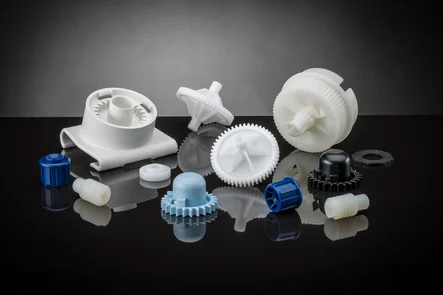
Enjeksiyon kalıplama yöntemiyle üretilen parçaları içeren ürün veya ekipman örnekleri verebilir misiniz?
Evet, çeşitli sektörlerde enjeksiyon kalıplama yöntemiyle üretilen parçaları içeren çok sayıda ürün ve ekipman bulunmaktadır. Enjeksiyon kalıplama, karmaşık ve hassas bileşenlerin üretimini sağlayan yaygın olarak kullanılan bir üretim sürecidir. İşte enjeksiyon kalıplama yöntemiyle üretilen parçaları yaygın olarak kullanan bazı ürün ve ekipman örnekleri:
1. Elektronik ve Tüketici Cihazları:
– Cep telefonları ve akıllı telefonlar: Bu cihazlar genellikle enjeksiyon kalıplama yöntemiyle üretilmiş plastik kasalara, düğmelere ve bağlantı noktalarına sahiptir.
– Bilgisayarlar ve dizüstü bilgisayarlar: Enjeksiyon kalıplama yöntemiyle üretilen parçalar, bilgisayar kasaları, klavye tuşları, konektörler ve çevre birimi gövdeleri için kullanılır.
– Ev Aletleri: Televizyon, buzdolabı, çamaşır makinesi ve elektrikli süpürge gibi ürünler genellikle gövdeleri, kolları, düğmeleri ve kontrol panelleri için enjeksiyon kalıplama yöntemiyle üretilmiş bileşenler içerir.
– Ses ekipmanları: Hoparlörler, kulaklıklar ve ses çalarlar genellikle gövdeleri ve düğmeleri için enjeksiyon kalıplama yöntemiyle üretilmiş parçalar kullanır.
2. Otomotiv Endüstrisi:
– Otomobiller ve Kamyonlar: Enjeksiyon kalıplama yöntemiyle üretilen parçalar otomotiv sektöründe yaygın olarak kullanılmaktadır. Örnek olarak gösterge paneli, kapı kolları, iç döşeme, direksiyon simidi bileşenleri, havalandırma delikleri ve motor kaputunun altındaki çeşitli parçalar verilebilir.
– Motosiklet ve Bisiklet Parçaları: Birçok motosiklet ve bisiklet parçası, enjeksiyon kalıplama yöntemi kullanılarak üretilir; bunlar arasında grenajlar, gidon tutacakları, ayak dayanakları, gösterge panelleri ve motor kapakları bulunur.
– Otomotiv Aydınlatması: Farlar, arka lambalar, sinyal lambaları ve diğer otomotiv aydınlatma bileşenleri genellikle enjeksiyon kalıplama yöntemiyle üretilmiş lensler, gövdeler ve bağlantı parçaları içerir.
3. Tıp ve Sağlık Hizmetleri:
– Tıbbi Cihazlar: Enjeksiyon kalıplama, şırıngalar, intravenöz (IV) bileşenleri, cerrahi aletler, solunum maskeleri, implante edilebilir cihazlar ve tanı ekipmanları gibi tıbbi cihazların üretiminde yaygın olarak kullanılmaktadır.
– Laboratuvar Ekipmanları: Test tüpleri, petri kapları, pipet uçları ve numune kapları gibi birçok laboratuvar sarf malzemesi enjeksiyon kalıplama yöntemiyle üretilmektedir.
– Dişçilik Ekipmanları: Diş aletleri, ortodontik cihazlar ve diş protezleri genellikle enjeksiyon kalıplama yöntemiyle üretilen bileşenler içerir.
4. Ambalaj Sanayi:
– Şişeler ve Kaplar: Gıda, içecek, kişisel bakım ürünleri ve ev kimyasalları için kullanılan plastik şişeler ve kaplar genellikle enjeksiyon kalıplama yöntemiyle üretilir.
– Kapaklar ve Kapatma Elemanları: Enjeksiyon kalıplama yöntemiyle üretilen kapaklar ve kapatma elemanları, şişeler, kavanozlar ve tüpler için ambalaj sektöründe yaygın olarak kullanılmaktadır.
– İnce Duvarlı Ambalaj: Enjeksiyon kalıplama yöntemi, gıda ve diğer tüketim malları için tepsi, bardak ve kapak gibi ince duvarlı ambalaj ürünlerinin üretiminde kullanılır.
5. Oyuncaklar ve Oyunlar:
– Birçok oyuncak ve oyunda enjeksiyon kalıplama yöntemiyle üretilmiş parçalar kullanılır. Örnek olarak aksiyon figürleri, yapı blokları, yapbozlar, masa oyunu bileşenleri ve uzaktan kumandalı araçlar verilebilir.
6. Endüstriyel Ekipman ve Aletler:
– Endüstriyel makineler: Enjeksiyon kalıplama yöntemiyle üretilen parçalar, imalat makineleri, konveyör sistemleri ve robotik sistemler de dahil olmak üzere çeşitli endüstriyel ekipman ve makinelerde kullanılmaktadır.
– Elektrikli el aletleri: Elektrikli el aletlerinin gövdesi, kolları, anahtarları ve koruyucuları gibi birçok bileşeni enjeksiyon kalıplama yöntemiyle üretilir.
– El aletleri: Enjeksiyon kalıplama yöntemiyle üretilen parçalar, tornavidalar, anahtarlar, pense ve kesici aletler de dahil olmak üzere çok çeşitli el aletlerinde kullanılmaktadır.
Bunlar, enjeksiyon kalıplama yöntemiyle üretilen parçaları içeren ürün ve ekipmanlara sadece birkaç örnektir. Enjeksiyon kalıplama yönteminin çok yönlülüğü, geniş bir endüstri yelpazesinde uygulanmasına olanak tanıyarak, karmaşık geometrilere ve hassas özelliklere sahip yüksek kaliteli bileşenlerin üretilmesini sağlar.
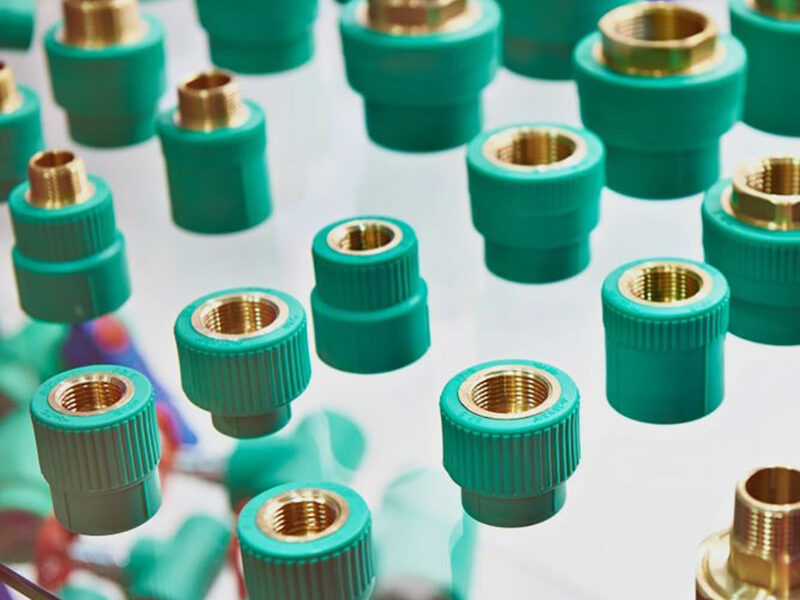
How do innovations and advancements in injection molding technology influence part design and production?
Innovations and advancements in injection molding technology have a significant influence on part design and production. These advancements introduce new capabilities, enhance process efficiency, improve part quality, and expand the range of applications for injection molded parts. Here’s a detailed explanation of how innovations and advancements in injection molding technology influence part design and production:
Design Freedom:
Advancements in injection molding technology have expanded the design freedom for part designers. With the introduction of advanced software tools, such as computer-aided design (CAD) and simulation software, designers can create complex geometries, intricate features, and highly optimized designs. The use of 3D modeling and simulation allows for the identification and resolution of potential design issues before manufacturing. This design freedom enables the production of innovative and highly functional parts that were previously challenging or impossible to manufacture using conventional techniques.
Improved Precision and Accuracy:
Innovations in injection molding technology have led to improved precision and accuracy in part production. High-precision molds, advanced control systems, and closed-loop feedback mechanisms ensure precise control over the molding process variables, such as temperature, pressure, and cooling. This level of control results in parts with tight tolerances, consistent dimensions, and improved surface finishes. Enhanced precision and accuracy enable the production of parts that meet strict quality requirements, fit seamlessly with other components, and perform reliably in their intended applications.
Material Advancements:
The development of new materials and material combinations specifically formulated for injection molding has expanded the range of properties available to part designers. Innovations in materials include high-performance engineering thermoplastics, bio-based polymers, reinforced composites, and specialty materials with unique properties. These advancements allow for the production of parts with enhanced mechanical strength, improved chemical resistance, superior heat resistance, and customized performance characteristics. Material advancements in injection molding technology enable the creation of parts that can withstand demanding operating conditions and meet the specific requirements of various industries.
Process Efficiency:
Innovations in injection molding technology have introduced process optimizations that improve efficiency and productivity. Advanced automation, robotics, and real-time monitoring systems enable faster cycle times, reduced scrap rates, and increased production throughput. Additionally, innovations like multi-cavity molds, hot-runner systems, and micro-injection molding techniques improve material utilization and reduce production costs. Increased process efficiency allows for the economical production of high-quality parts in larger quantities, meeting the demands of industries that require high-volume production.
Overmolding and Multi-Material Molding:
Advancements in injection molding technology have enabled the integration of multiple materials or components into a single part through overmolding or multi-material molding processes. Overmolding allows for the encapsulation of inserts, such as metal components or electronics, with a thermoplastic material in a single molding cycle. This enables the creation of parts with improved functionality, enhanced aesthetics, and simplified assembly. Multi-material molding techniques, such as co-injection molding or sequential injection molding, enable the production of parts with multiple colors, varying material properties, or complex material combinations. These capabilities expand the design possibilities and allow for the creation of innovative parts with unique features and performance characteristics.
Additive Manufacturing Integration:
The integration of additive manufacturing, commonly known as 3D printing, with injection molding technology has opened up new possibilities for part design and production. Additive manufacturing can be used to create complex mold geometries, conformal cooling channels, or custom inserts, which enhance part quality, reduce cycle times, and improve part performance. By combining additive manufacturing and injection molding, designers can explore new design concepts, produce rapid prototypes, and efficiently manufacture customized or low-volume production runs.
Sustainability and Eco-Friendly Solutions:
Advancements in injection molding technology have also focused on sustainability and eco-friendly solutions. This includes the development of biodegradable and compostable materials, recycling technologies for post-consumer and post-industrial waste, and energy-efficient molding processes. These advancements enable the production of environmentally friendly parts that contribute to reducing the carbon footprint and meeting sustainability goals.
Overall, innovations and advancements in injection molding technology have revolutionized part design and production. They have expanded design possibilities, improved precision and accuracy, introduced new materials, enhanced process efficiency, enabled overmolding and multi-material molding, integrated additive manufacturing, and promoted sustainability. These advancements empower part designers and manufacturers to create highly functional, complex, and customized parts that meet the demands of various industries and contribute to overall process efficiency and sustainability.
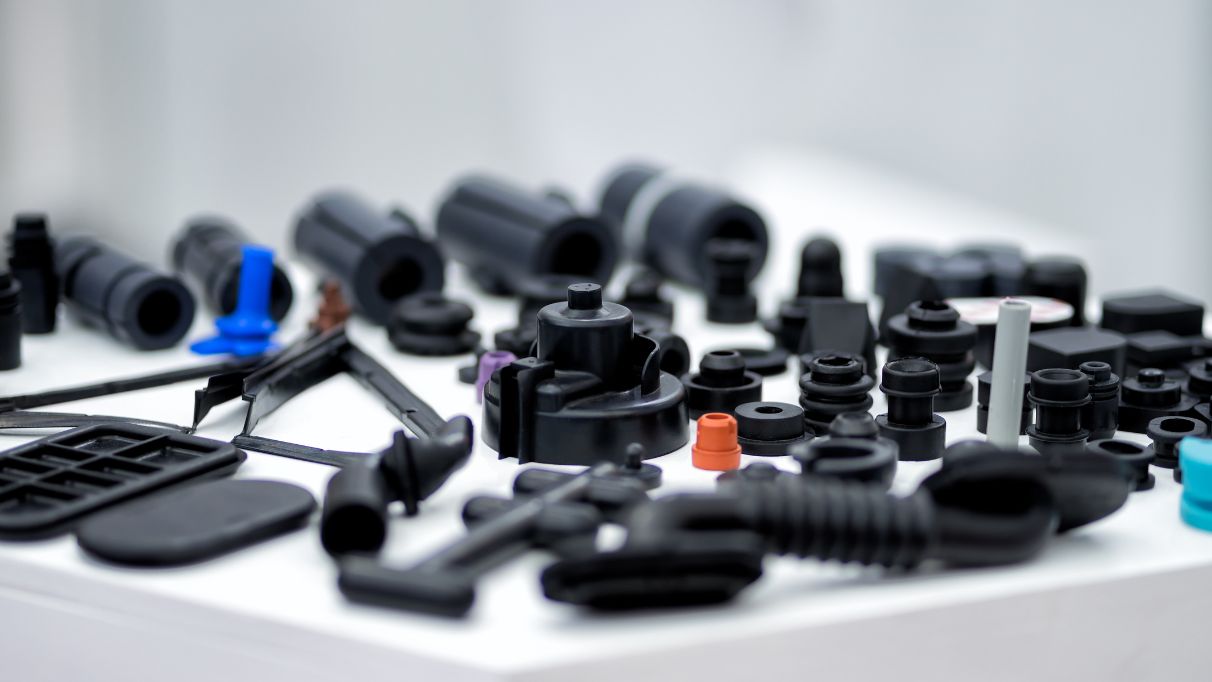
Can you describe the range of materials that can be used for injection molding?
Injection molding offers a wide range of materials that can be used to produce parts with diverse properties and characteristics. The choice of material depends on the specific requirements of the application, including mechanical properties, chemical resistance, thermal stability, transparency, and cost. Here’s a description of the range of materials commonly used for injection molding:
1. Thermoplastics:
Thermoplastics are the most commonly used materials in injection molding due to their versatility, ease of processing, and recyclability. Some commonly used thermoplastics include:
- Polypropylene (PP): PP is a lightweight and flexible thermoplastic with excellent chemical resistance and low cost. It is widely used in automotive parts, packaging, consumer products, and medical devices.
- Polyethylene (PE): PE is a versatile thermoplastic with excellent impact strength and chemical resistance. It is used in various applications, including packaging, pipes, automotive components, and toys.
- Polystyrene (PS): PS is a rigid and transparent thermoplastic with good dimensional stability. It is commonly used in packaging, consumer goods, and disposable products.
- Polycarbonate (PC): PC is a transparent and impact-resistant thermoplastic with high heat resistance. It finds applications in automotive parts, electronic components, and optical lenses.
- Acrylonitrile Butadiene Styrene (ABS): ABS is a versatile thermoplastic with a good balance of strength, impact resistance, and heat resistance. It is commonly used in automotive parts, electronic enclosures, and consumer products.
- Polyvinyl Chloride (PVC): PVC is a durable and flame-resistant thermoplastic with good chemical resistance. It is used in a wide range of applications, including construction, electrical insulation, and medical tubing.
- Polyethylene Terephthalate (PET): PET is a strong and lightweight thermoplastic with excellent clarity and barrier properties. It is commonly used in packaging, beverage bottles, and textile fibers.
2. Engineering Plastics:
Engineering plastics offer enhanced mechanical properties, heat resistance, and dimensional stability compared to commodity thermoplastics. Some commonly used engineering plastics in injection molding include:
- Polyamide (PA/Nylon): Nylon is a strong and durable engineering plastic with excellent wear resistance and low friction properties. It is used in automotive components, electrical connectors, and industrial applications.
- Polycarbonate (PC): PC, mentioned earlier, is also considered an engineering plastic due to its exceptional impact resistance and high-temperature performance.
- Polyoxymethylene (POM/Acetal): POM is a high-strength engineering plastic with low friction and excellent dimensional stability. It finds applications in gears, bearings, and precision mechanical components.
- Polyphenylene Sulfide (PPS): PPS is a high-performance engineering plastic with excellent chemical resistance and thermal stability. It is used in electrical and electronic components, automotive parts, and industrial applications.
- Polyetheretherketone (PEEK): PEEK is a high-performance engineering plastic with exceptional heat resistance, chemical resistance, and mechanical properties. It is commonly used in aerospace, medical, and industrial applications.
3. Thermosetting Plastics:
Thermosetting plastics undergo a chemical crosslinking process during molding, resulting in a rigid and heat-resistant material. Some commonly used thermosetting plastics in injection molding include:
- Epoxy: Epoxy resins offer excellent chemical resistance and mechanical properties. They are commonly used in electrical components, adhesives, and coatings.
- Phenolic: Phenolic resins are known for their excellent heat resistance and electrical insulation properties. They find applications in electrical switches, automotive parts, and consumer goods.
- Urea-formaldehyde (UF) and Melamine-formaldehyde (MF): UF and MF resins are used for molding electrical components, kitchenware, and decorative laminates.
4. Elastomers:
Elastomers, also known as rubber-like materials, are used to produce flexible and elastic parts. They provide excellent resilience, durability, and sealing properties. Some commonly used elastomers in injection molding include:
- Thermoplastic Elastomers (TPE): TPEs are a class of materials that combine the characteristics of rubber and plastic. They offer flexibility, good compression set, and ease of processing. TPEs find applications in automotive components, consumer products, and medical devices.
- Silicone: Silicone elastomers provide excellent heat resistance, electrical insulation, and biocompatibility. They are commonly used in medical devices, automotive seals, and household products.
- Styrene Butadiene Rubber (SBR): SBR is a synthetic elastomer with good abrasion resistance and low-temperature flexibility. It is used in tires, gaskets, and conveyor belts.
- Ethylene Propylene Diene Monomer (EPDM): EPDM is a durable elastomer with excellent weather resistance and chemical resistance. It finds applications in automotive seals, weatherstripping, and roofing membranes.
5. Composites:
Injection molding can also be used to produce parts made of composite materials, which combine two or more different types of materials to achieve specific properties. Commonly used composite materials in injection molding include:
- Glass-Fiber Reinforced Plastics (GFRP): GFRP combines glass fibers with thermoplastics or thermosetting resins to enhance mechanical strength, stiffness, and dimensional stability. It is used in automotive components, electrical enclosures, and sporting goods.
- Carbon-Fiber Reinforced Plastics (CFRP): CFRP combines carbon fibers with thermosetting resins to produce parts with exceptional strength, stiffness, and lightweight properties. It is commonly used in aerospace, automotive, and high-performance sports equipment.
- Metal-Filled Plastics: Metal dolgulu plastikler, iletkenlik, elektromanyetik kalkanlama veya ağırlık ve dokunma hissinin iyileştirilmesi gibi özellikler elde etmek için termoplastiklere metal parçacıkları veya lifleri katarlar. Elektrik konektörlerinde, otomotiv bileşenlerinde ve tüketici elektroniğinde kullanılırlar.
Bunlar, enjeksiyon kalıplamada kullanılan malzemelerden sadece birkaç örnektir. Alev geciktiricilik, düşük sürtünme, kimyasal direnç veya tıbbi veya gıda teması uygulamaları için özel sertifikalar gibi kendine özgü özelliklere sahip çok sayıda başka özel malzeme de mevcuttur. Malzeme seçimi, istenen performansa, maliyet hususlarına ve belirli uygulamanın düzenleyici gereksinimlerine bağlıdır.


editor by CX 2024-02-16