
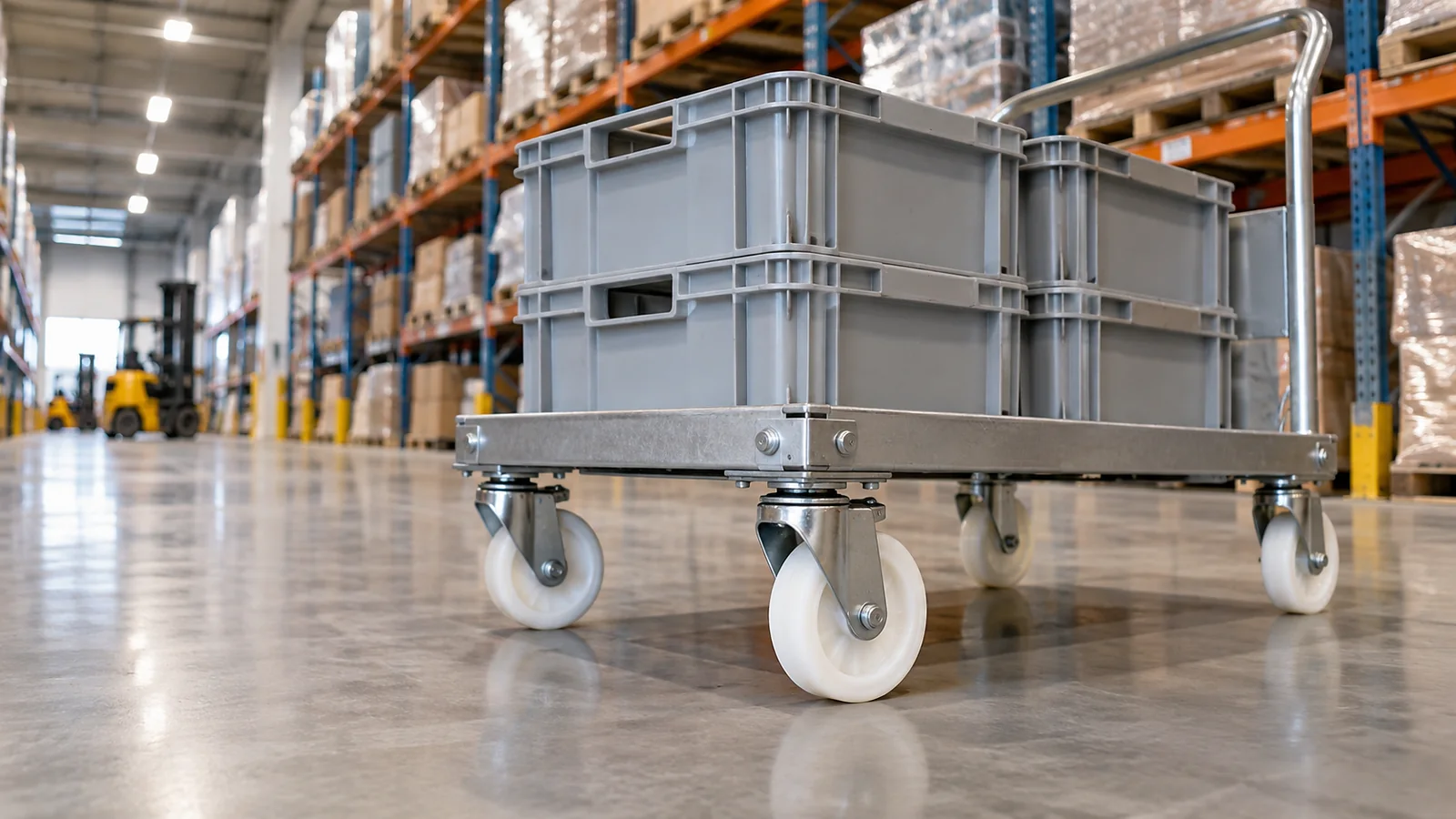
Tekerlek ve Döner Tekerlekli Uygulamalar
Uygulama sayfaları, tekerlek seçimini yük, zemin, montaj, hareket ve bakım kararlarına dönüştürür.
Çalışma bağlamına göre seçin
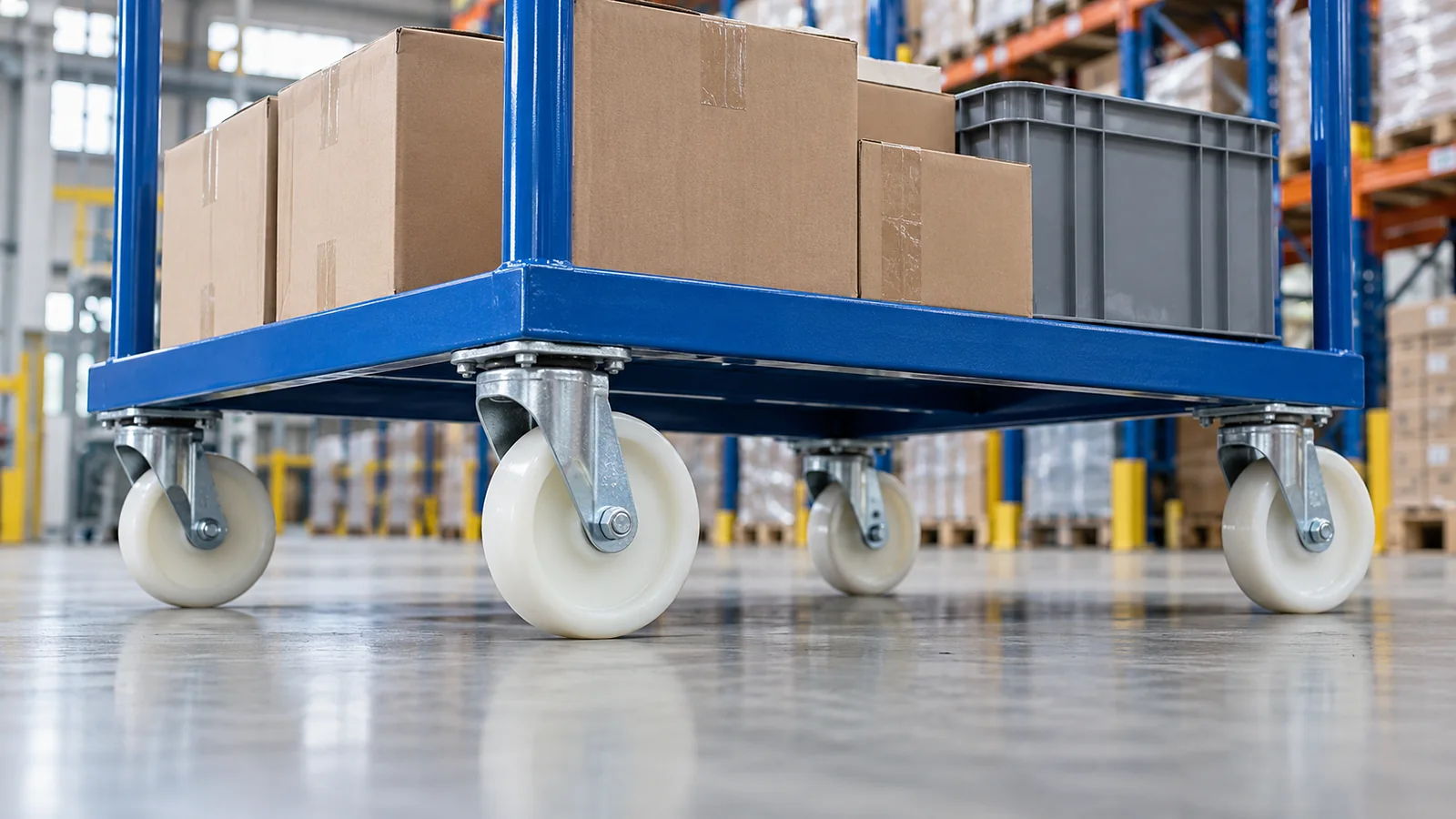
Malzeme Taşıma Ekipmanları
Tekrarlanan seyahat ve yük dağılımı.
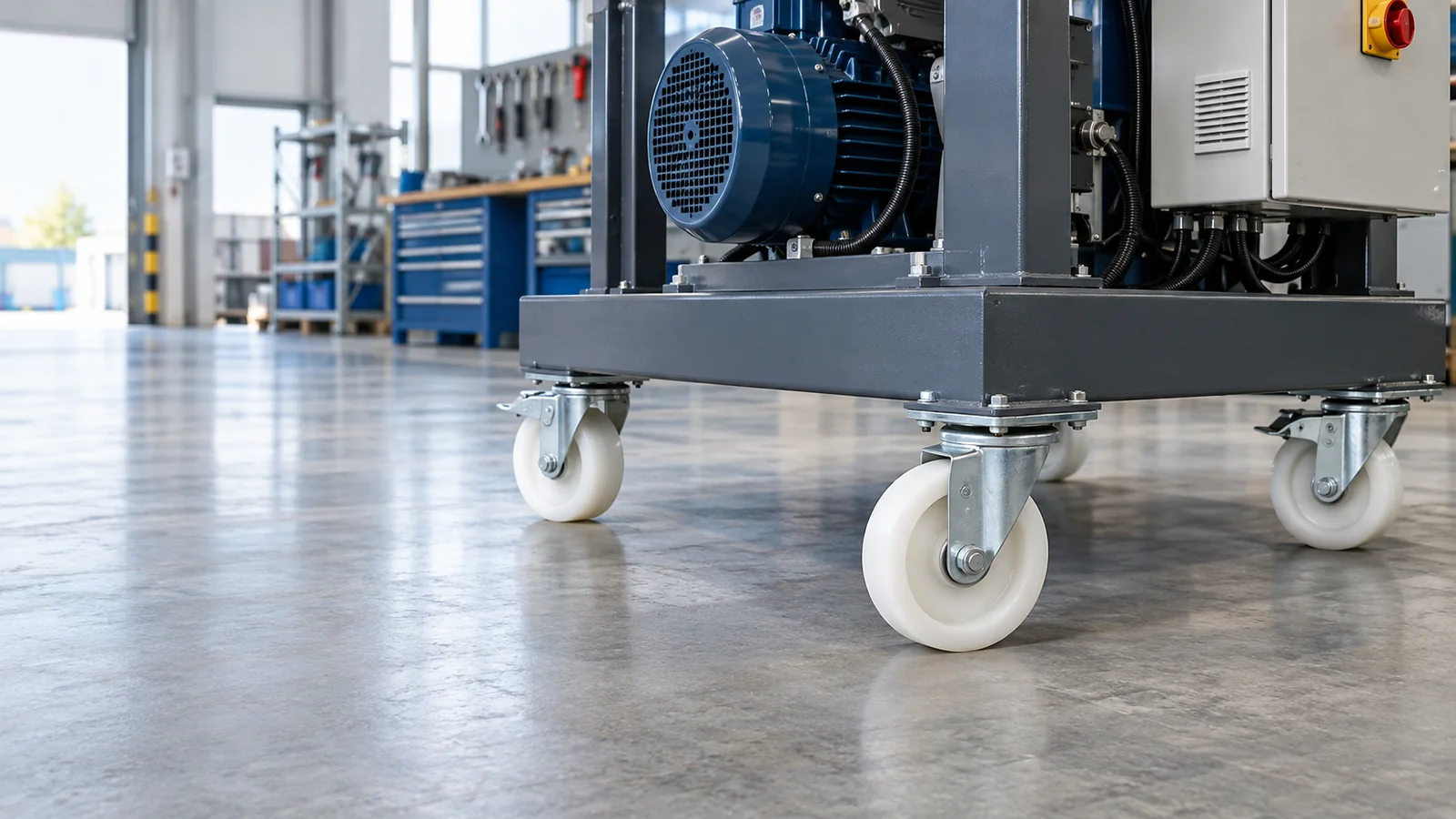
Endüstriyel Arabalar ve Taşıma Araçları
Direksiyon düzenleri, eşikler ve operatör çabası.
Makine ve Ekipman Üsleri
Kurulum yüksekliği ve servis erişimi.
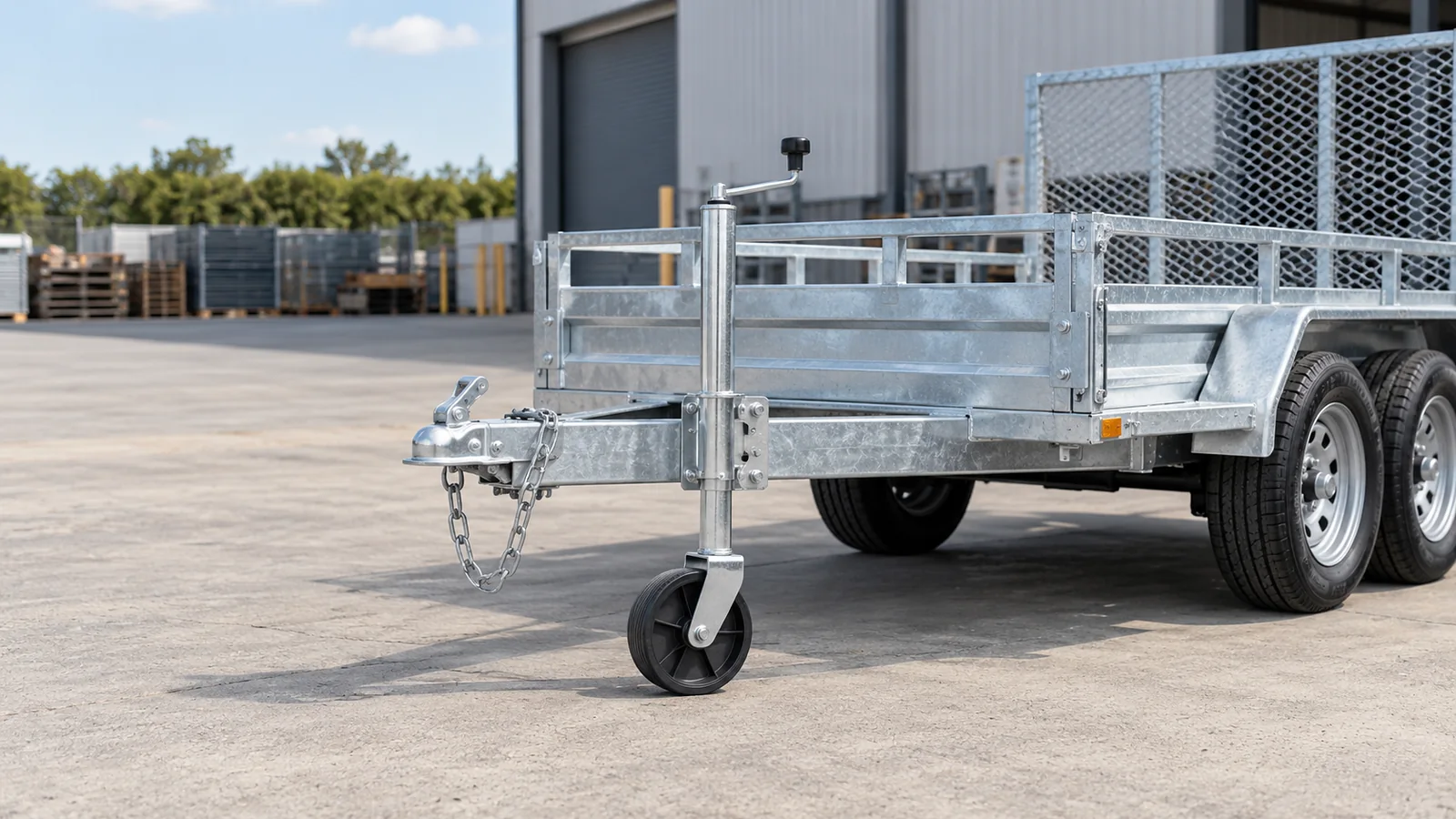
Römorklar ve Mobil Ekipmanlar
Çeki demiri yükü, yerden yükseklik ve istiflenmiş haldeki yükseklik.
Bir uygulamadan diğerine neler değişiyor?
Tekerlek uygulama mühendisliğinin pratik değeri, ancak spesifikasyon hareket ettirilmesi gereken ekipmanla, üzerinde hareket ettiği zeminle ve yükü taşıyan arayüzle ilişkilendirildiğinde ortaya çıkar.
Mobil endüstriyel ekipmanlarda, gerçek ekipman ağırlığı, hareket şekli ve zemin, ilk mühendislik kontrol noktası olarak ele alınmalıdır. Bunlar bilindikten sonra, tekerlek çapı, genişliği, malzemesi, rulman düzeni ve montaj detayları mantıklı bir sırayla incelenebilir.
Daha büyük bir tekerleğin, daha sert bir polimerin veya daha ağır bir braketin sorunu otomatik olarak çözeceğini varsaymaktan kaçının. Aynı tekerlek mantığını düz bir iç mekan arabasına ve çakıllı bir zeminde kullanılan bir römorka uygulamak kötü sonuçlar doğurabilir. Bu nedenle, en güvenli teklif talebi (RFQ), bir konfigürasyon teklife sunulmadan önce yükü, zemini, hareket mesafesini, montajı, boşluğu ve miktarı kaydetmelidir.
Paylaşılan RFQ alanları
| Alan | Neden kaydedilmeli? |
|---|---|
| Ağırlık ve yük | Yük taban çizgisini ayarlar. |
| Tekerlek düzeni | Destekleyici noktaları gösterir. |
| Zemin veya yer | Değişiklikler, engelleri ve malzeme hususlarını etkiler. |
| Montaj | Fiziksel uygunluğu kontrol eder. |
| Hareket modeli | Park etme, elle itme ve sık seyahat etme durumlarını birbirinden ayırır. |
| Çevre | Su, kimyasallar, atıklar veya sıcaklığı yakalar. |
Uygulamadan ürüne geçiş
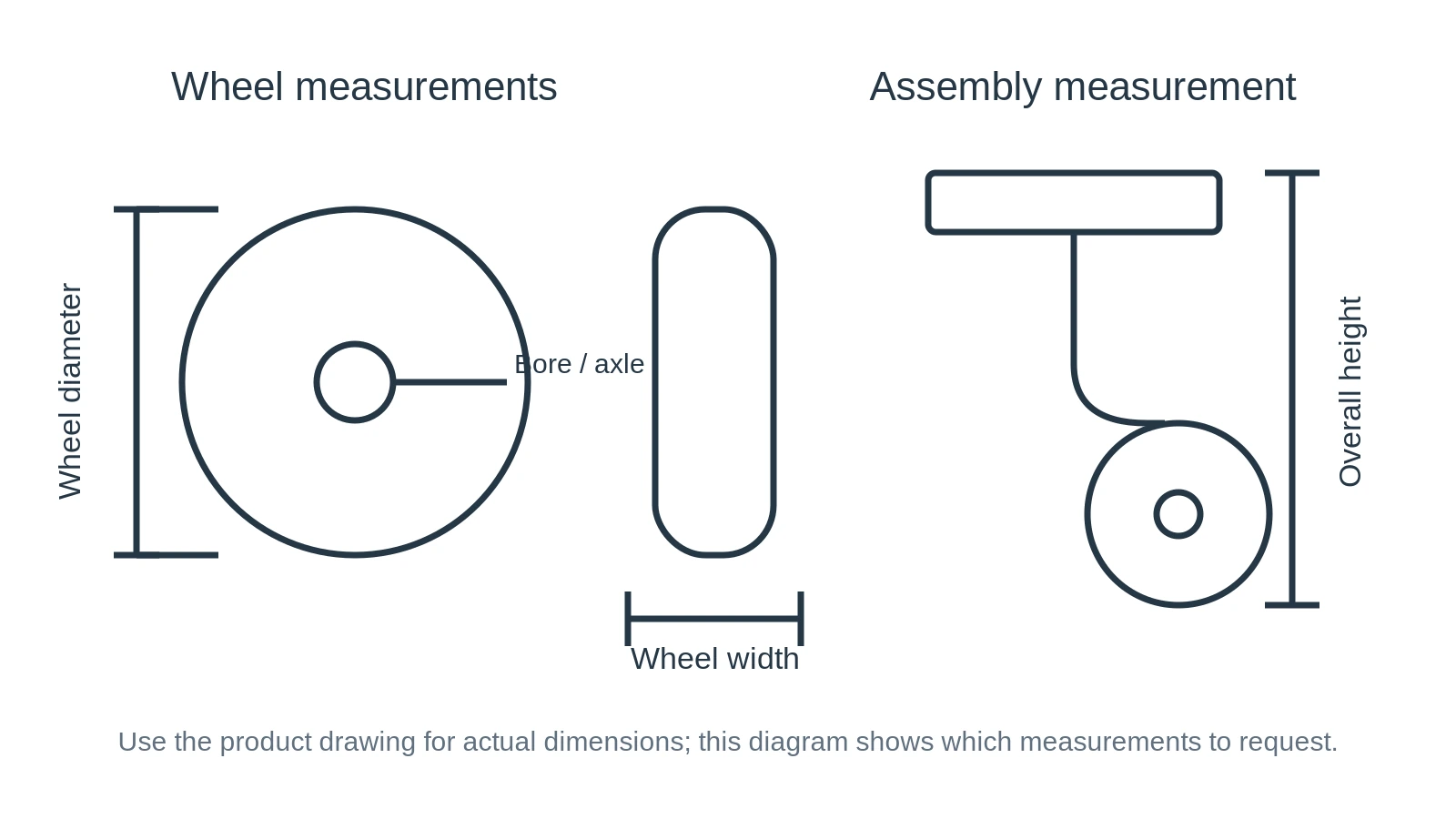
Kullanın ürün merkezi Koşullar tanımlandıktan sonra. Değiştirme için şunu kullanın: ölçüm kılavuzuFragmanlar için, şuraya taşıyın: destek tekerlekleri Çeki demiri geometrisi bilindiğinde.
Dört başvuru sorusu, aday havuzunu hızla daraltıyor.
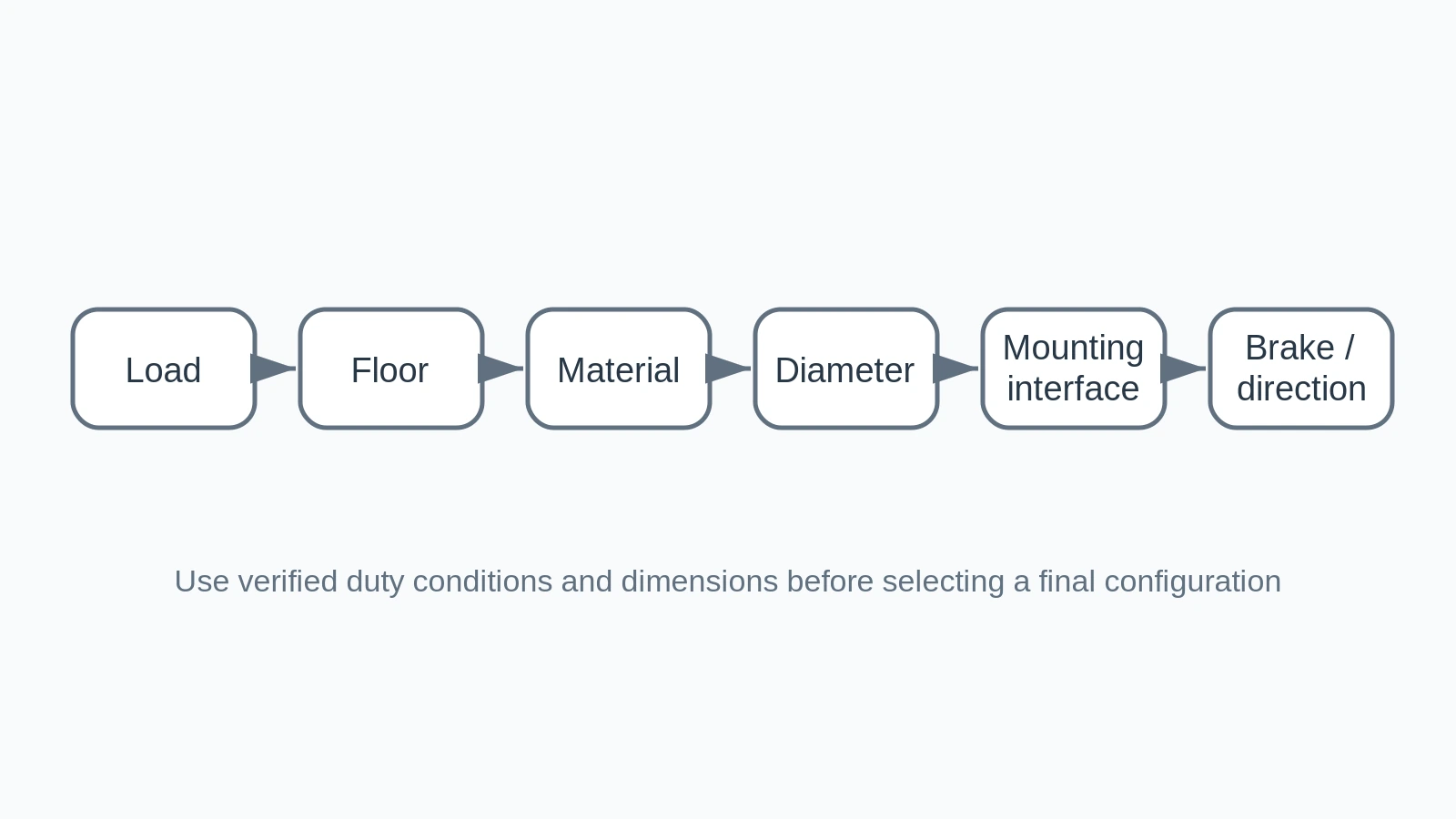
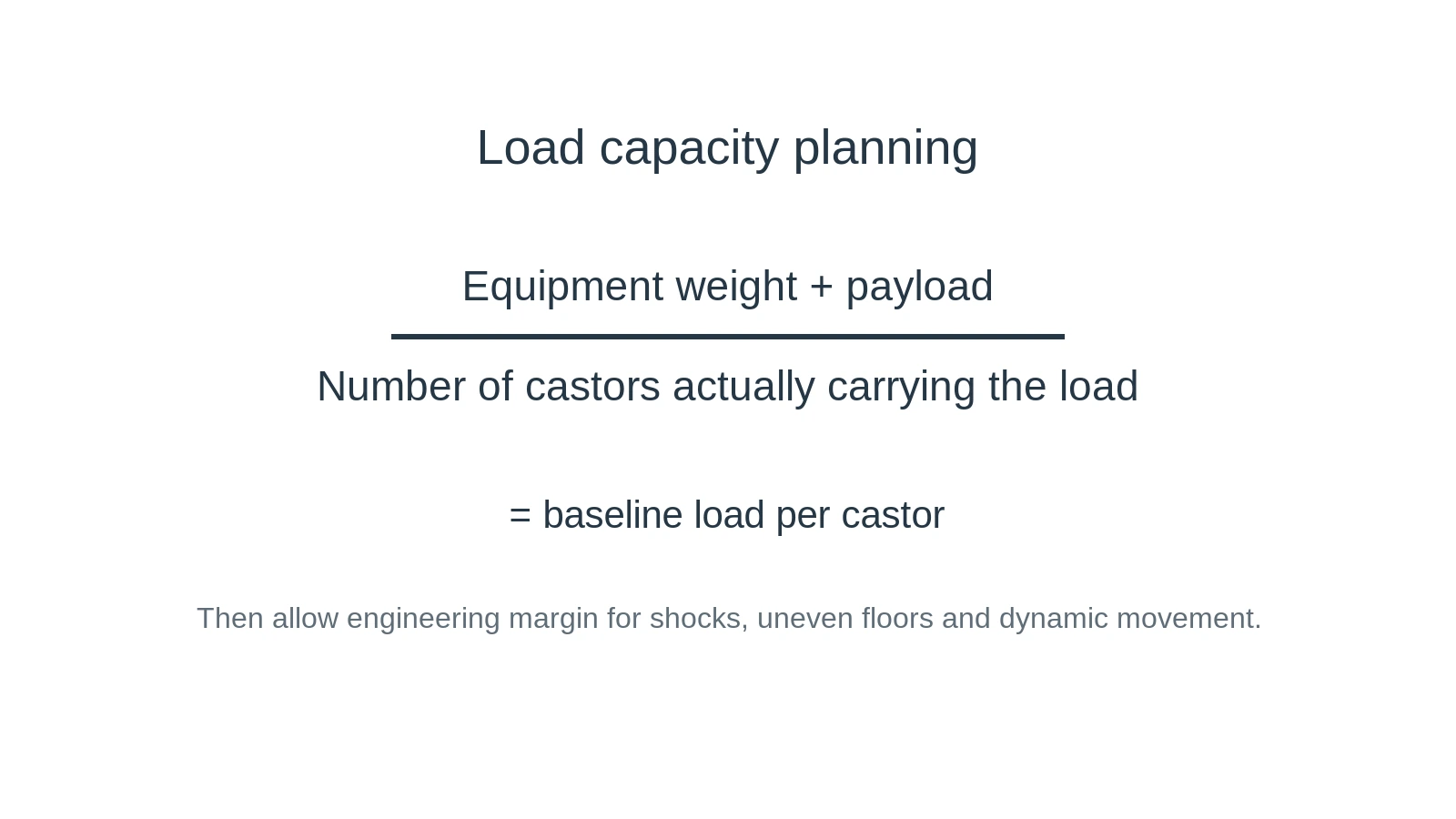
Öncelikle ekipmanın ne taşıdığını ve bu ağırlığı güvenilir bir şekilde paylaşan kaç tekerlek veya destek noktası olduğunu belirleyin. Ardından hareket yüzeyini tanımlayın: düz, sızdırmaz beton, genleşme derzleri, rampalar, eşikler, dış mekan kaldırımları, çakıl veya yumuşak zemin farklı öncelikler oluşturur. Daha sonra hareketi tanımlayın: ara sıra yeniden konumlandırma, sık sık elle itme, çekme, park etme veya römork destekleme görevi. Son olarak, montaj alanını ve herhangi bir fren, döndürme, katlama veya kaldırma gereksinimini kaydedin.
Bu sorular, uygulama sayfasını gerçek bir tedarik kararıyla bağlantılı tutar. Ayrıca, genel bir uygulama etiketini teknik bir özellik olarak ele almadan tekerlek çapını ve malzemesini karşılaştırmayı kolaylaştırır.
Malzeme taşıma ve el arabası görevleri
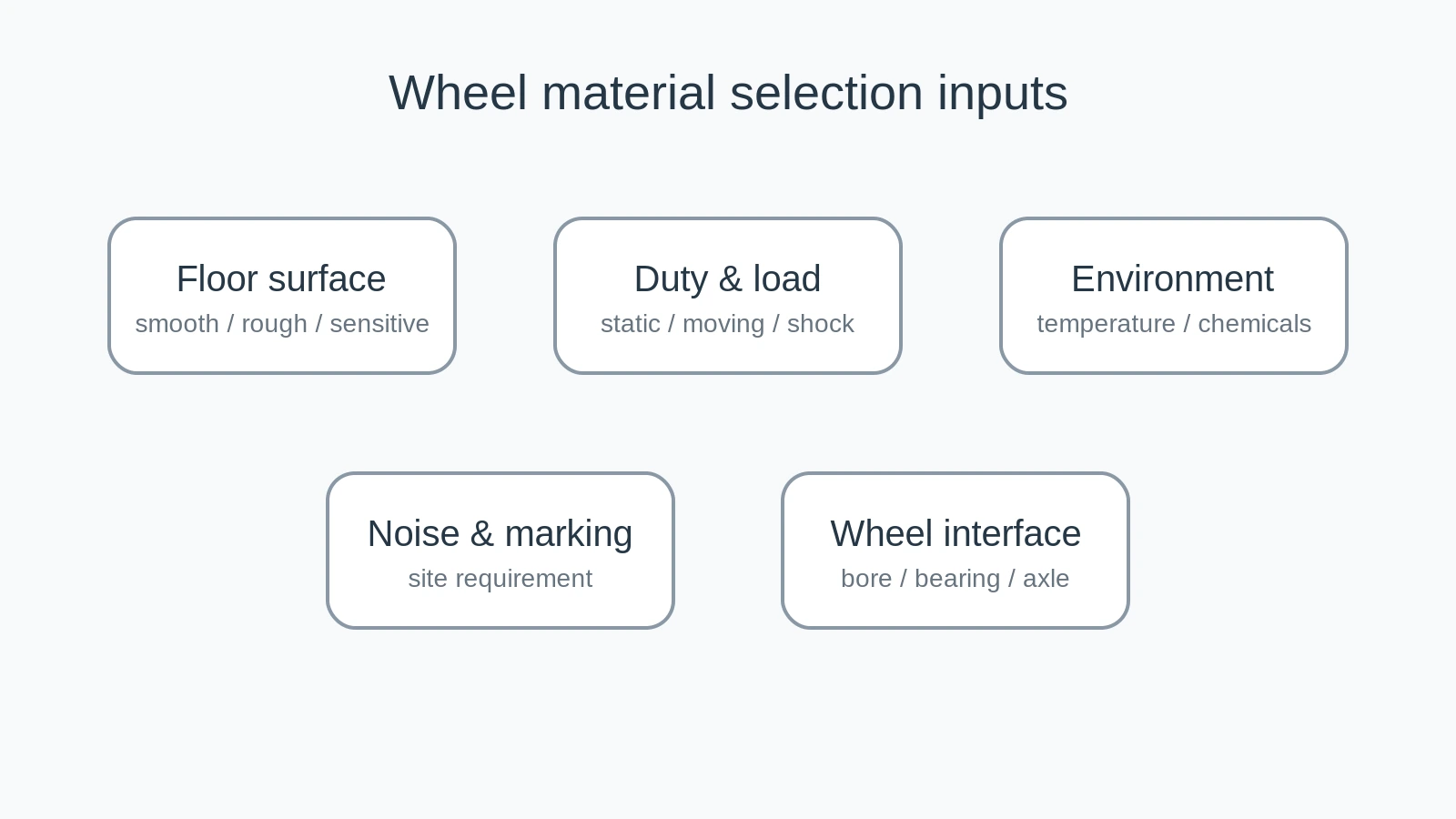
Malzeme taşıma arabaları genellikle ömürlerinin büyük bölümünü tahmin edilebilir zeminlerde geçirirler, ancak küçük ayrıntılar yine de önemlidir: zemin derzleri, yükleme rampaları, döküntüler, dönüş yarıçapı ve operatörün uygulayabileceği kuvvet miktarı. Uzun koridorlarda hareket, kısa manevra alanına sahip bir arabadan farklı bir direksiyon düzenini gerektirebilir. Bir alanda birden fazla araba tipi kullanılıyorsa, her çerçeve için tek bir tekerlek seçeneğinin geçerli olduğunu varsaymak yerine, en ağır yüke ve en zorlu zemin geçişine sahip olanı kaydedin.
Değişimler için, filonun gerçekten tek bir montaj düzeni ve kurulum yüksekliği kullanıp kullanmadığını kontrol edin. Onarımlar ve geçmişteki revizyonlar, arabalar yukarıdan bakıldığında aynı görünse bile, farklı donanımların bir arada bulunmasına neden olabilir.
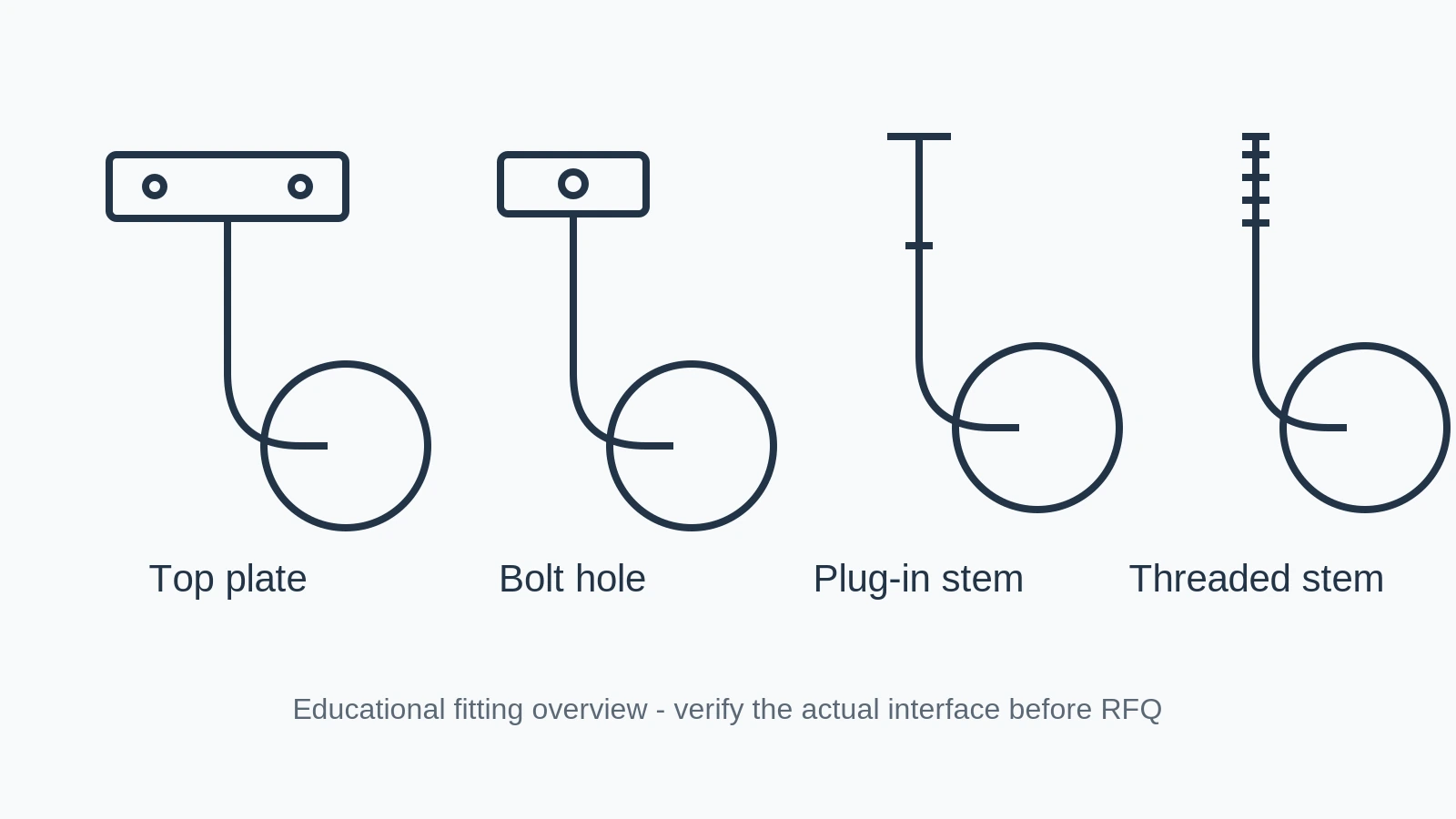
Makine tabanları ve römork destekleri farklı kısıtlamalar yaratır.
Makine kaideleri, denge, montaj yüksekliği, servis erişimi ve koruyucu veya panellerin etrafındaki boşluk gibi unsurları içerir. Treyler destek tekerlekleri ise çekme yükü, zemin koşulu, kriko hareketi ve depolama boşluğu gibi unsurları ekler. Tekerleklerin çapı benzer olsa bile, bu görev tanımları birbirinin yerine kullanılamaz.
Teklif talebi gönderirken, makine veya römork tipini belirtin ve montaj alanının bir fotoğrafını ekleyin. Sadece tekerleğin fotoğrafı, uyumu kontrol eden arayüzü gizleyebilir.
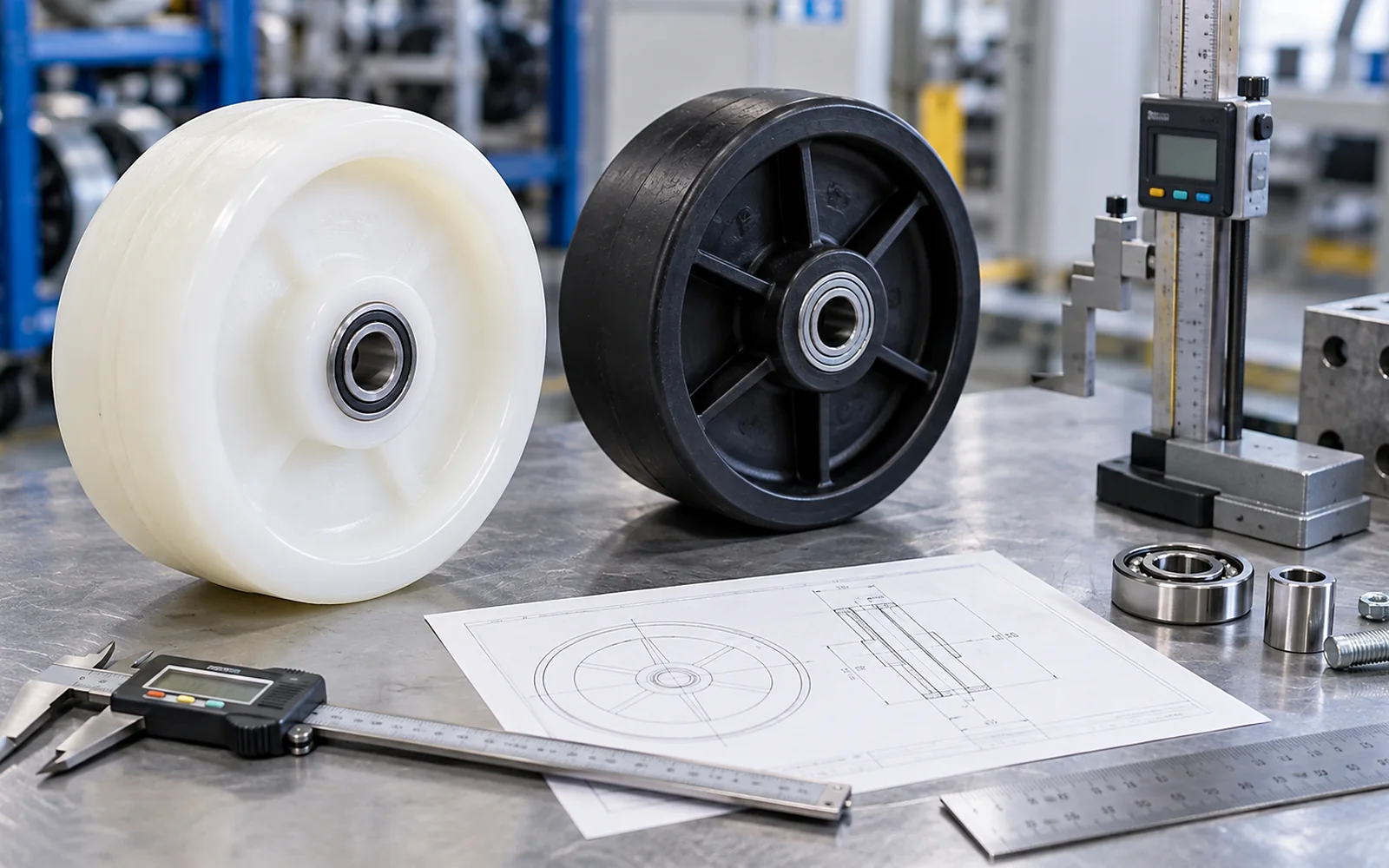
Başvuru adını kullanışlı bir seçim özetine dönüştürün.
“Araba” veya “makine tabanı” gibi bir uygulama etiketi, karar verme sürecinin sadece başlangıcıdır. Faydalı bir özet, ekipmanın kütlesini ve taşıma kapasitesini, destek tekerleklerinin sayısını ve konumunu, hareketin manuel mi yoksa motorlu mu olduğunu, hareket sıklığını, zemin koşullarını, eşikleri, rampaları ve yön kontrolü veya park kısıtlaması gereksinimlerini belirtmelidir. Dış mekan destek tekerlekleri için ayrıca zemin yüzeyi, çekme çubuğu veya destek yükü, montaj geometrisi ve açılmış/kapanmış boşluk da gereklidir.
Aynı disiplin, yeni bir ekipmana entegre edilmek yerine tekerleğin değiştirilmesi durumunda da geçerlidir. Kullanım sırasında arızalanan veya zorlaşan unsurları kaydedin: aşınma, iz, direksiyon çabası, taban bağlantı noktalarındaki darbe, rulman boşluğu, braket hasarı veya boşluk kaybı. Ardından, sökmeden önce mevcut tekerleği ve arayüzü ölçün. Bu, boyutlandırma sorununu kullanım veya yerleşim sorunundan ayırır ve tedarikçiye tahmin yürütmeden bir konfigürasyon hakkında görüş bildirmesi için yeterli bağlam sağlar.
Satın alma ekipleri için en tekrar kullanılabilir çıktı, konfigürasyon başına tek bir kontrollü satırdır. Ekipman grubu, tekerlek veya montaj boyutları, malzeme gereksinimi, montaj arayüzü, miktar ve onay notlarını bir arada tutun. Birkaç model aynı uygulamayı paylaşıyor ancak farklı boyutlar kullanıyorsa, boyutlarını tek bir serbest metin notunda birleştirmeyin. Basit bir kontrollü tablo, numuneler, çizimler ve revize edilmiş fiyat teklifleri mühendislik ve satın alma arasında hareket ederken hataları azaltır.
Seçim kriterlerini ekipmanla bağlantılı tutun.
Önerilen tekerlek değiştiğinde, genel bir katalog aramasından yeniden başlamak yerine, yeni seçeneği aynı ekipman kaydıyla karşılaştırın. Öncelikle uyum boyutlarını, ardından yük durumunu, zemini veya tabanı, hareket modelini ve herhangi bir fren veya direksiyon gereksinimini kontrol edin. Malzeme veya çap değişikliği, monte edilmiş boşluğu, yuvarlanma davranışını veya montaj yük yolunu değiştirebileceği her durumda bir konfigürasyon değişikliği olarak değerlendirilmelidir.
İlk numune onayı için, görünüme güvenmek yerine ekipmanın neyi göstermesi gerektiğini tanımlayın. Tekerleğin veya tertibatın tüm hareket boyunca çerçeveden geçmediğinden, montaj donanımının doğru şekilde oturduğundan, frenleme veya katlama fonksiyonlarının sorunsuz çalıştığından ve ekipmanın amaçlanan güzergahta hareket ettirilip park edilebildiğinden emin olun. İlk denemeden sonra beklenmedik gürültü, direksiyon çabası, temas izleri veya gevşeklik gibi durumları kaydedin. Bu gözlemler, daha büyük bir sipariş verilmeden önce bir uyum sorununu malzeme, yerleşim veya çalışma döngüsü sorunundan ayırmaya yardımcı olur. Karma filolar için, kabul edilen kurulum fotoğrafını ve temel boyutları ekipman referansıyla birlikte saklayın, böylece gelecekteki yedek parçalar, her araba, makine tabanı veya römorkun aynı donanımı kullandığını varsaymadan aynı temel çizgiye göre kontrol edilebilir.
Tekerleği seçmeden önce uygulamayı açıklayın.
Başvuru formunu, miktarı ve bildiğiniz ölçüleri gönderin. Eksik olan, uyum açısından kritik öneme sahip detaylar, fiyat teklifi verilmeden önce incelenebilir.