

نایلان کے پہیے
150 ملی میٹر / 6 انچ نایلان وہیل
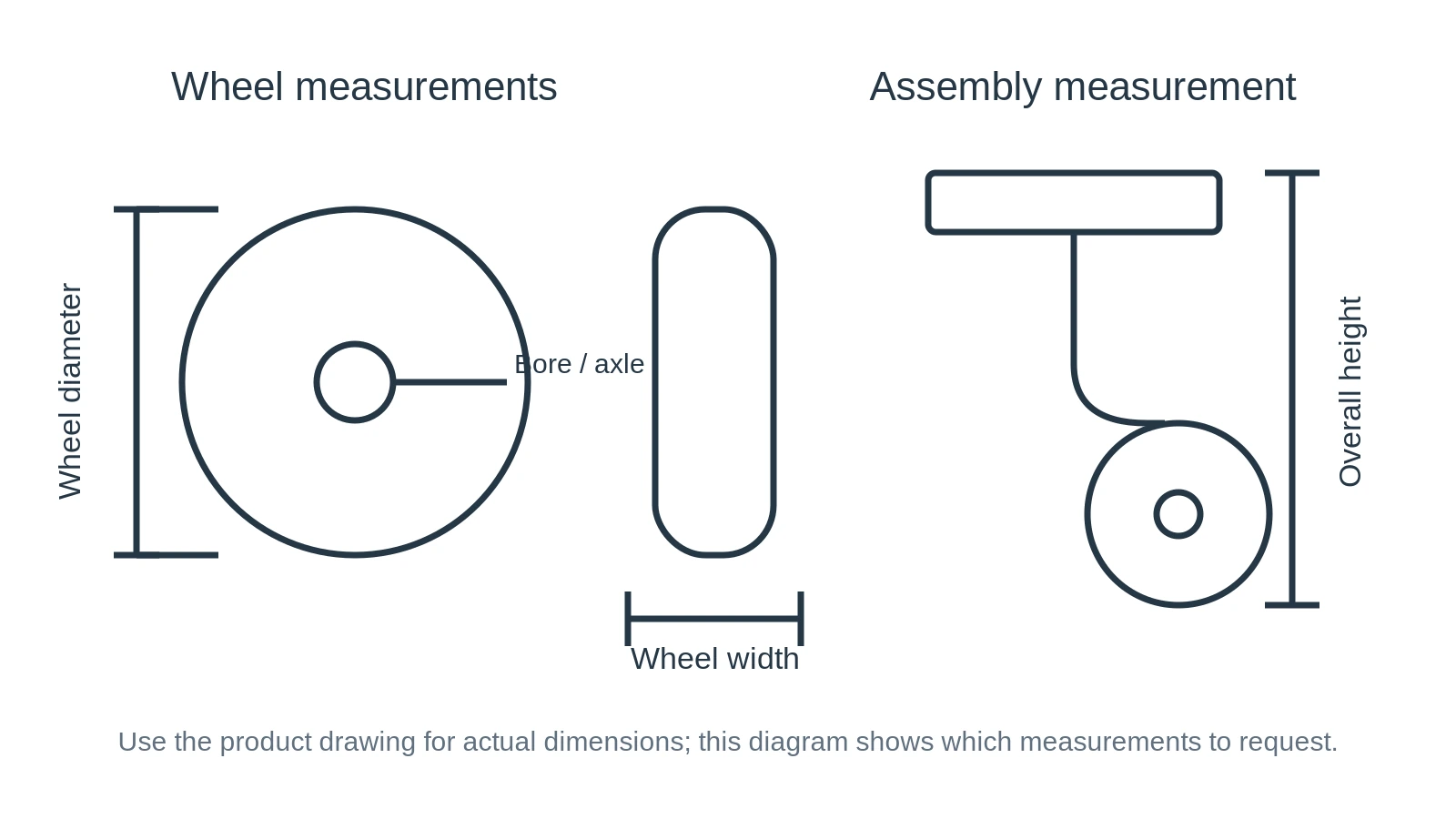
پہیے کا قطر150 ملی میٹر (6 برائے نام)پہیے کی چوڑائی50 ملی میٹر
B2B آلات یا ٹریلر سپورٹ پروجیکٹس کے لیے 150 ملی میٹر/6 انچ نایلان وہیل۔ فٹ کنٹرول کرنے والے انٹرفیس کی وضاحت کریں،…
ترتیب دیکھیں →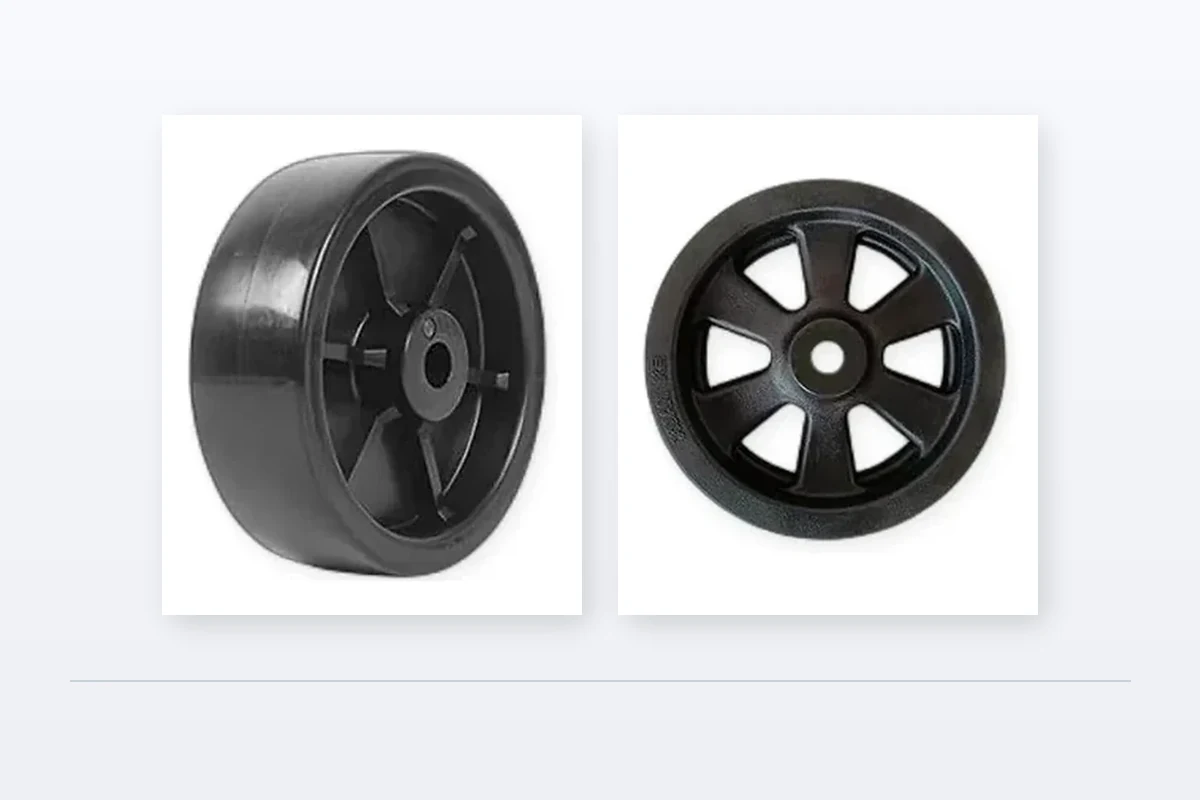
نایلان کے پہیے صنعتی نقل و حرکت کے لیے سخت تھرموپلاسٹک چلانے والی سطح فراہم کرتے ہیں۔ انتخاب اب بھی فرش، بوجھ، قطر، پہیے کی چوڑائی اور بور/بیرنگ کے انتظام پر منحصر ہے۔
نایلان پہیوں کی عملی قدر صرف اس وقت ظاہر ہوتی ہے جب تصریح اس سامان سے منسلک ہوتی ہے جسے حرکت کرنا ضروری ہے، جس فرش پر یہ چلتا ہے اور اس انٹرفیس سے جو بوجھ اٹھاتا ہے۔
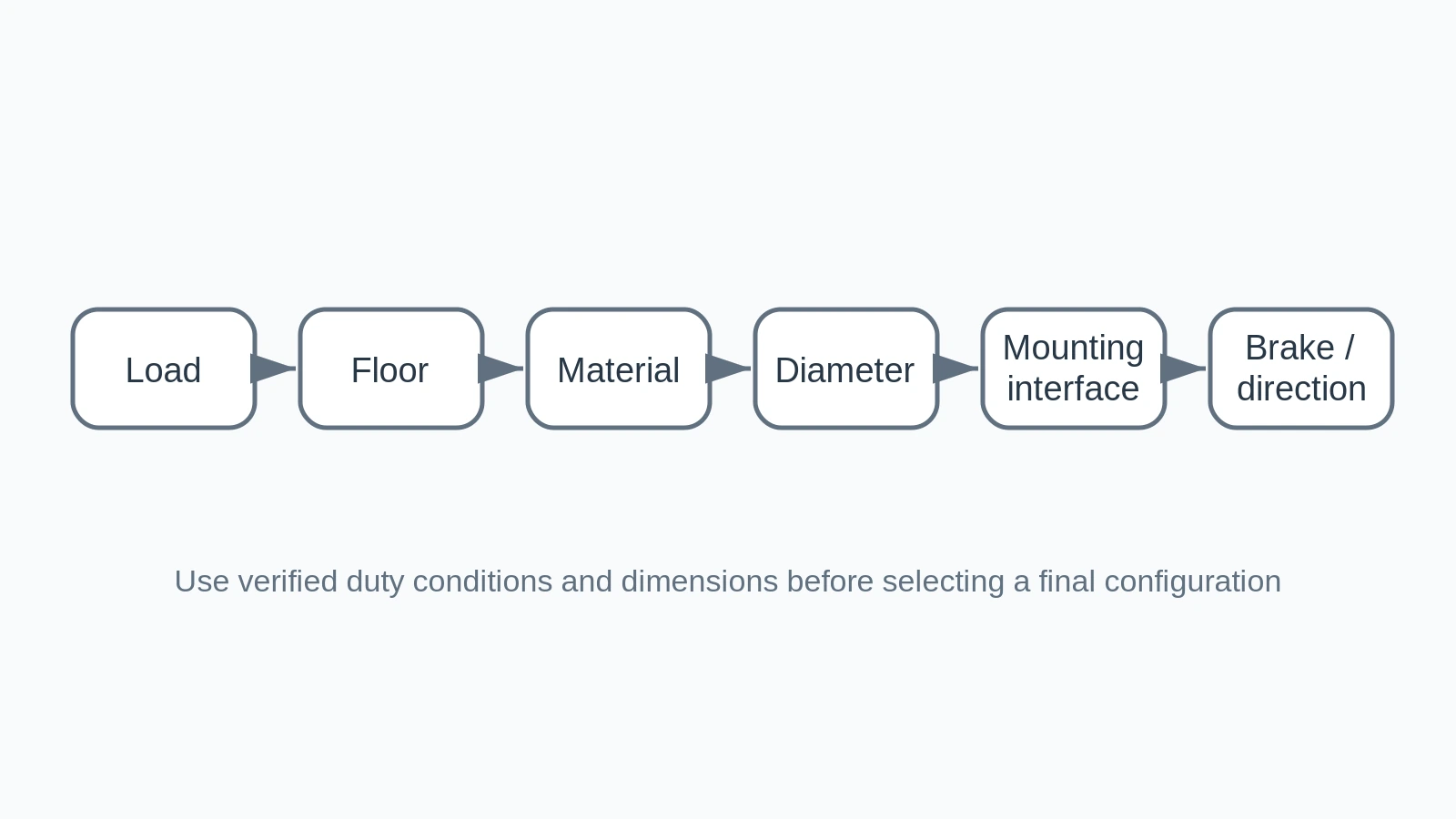
ہارڈ ٹریڈ میٹریل ہینڈلنگ کے اندر، اصل بوجھ اور فٹ کنٹرول کرنے والے طول و عرض کو پہلی انجینئرنگ چوکی کے طور پر سمجھا جانا چاہئے۔ ایک بار یہ معلوم ہوجانے کے بعد، پہیے کا قطر، چوڑائی، مواد، بیئرنگ کی ترتیب اور بڑھتے ہوئے تفصیلات کا ایک عقلی ترتیب میں جائزہ لیا جاسکتا ہے۔
یہ سمجھنے سے گریز کریں کہ ایک بڑا پہیہ، سخت پولیمر یا بھاری بریکٹ خود بخود مسئلہ حل کر دیتا ہے۔ مواد یا پہیے کے سائز کا لیبل خود سے مطابقت کی تصدیق نہیں کر سکتا۔ اس لیے سب سے محفوظ آر ایف کیو کوٹیشن کے لیے کنفیگریشن جاری ہونے سے پہلے بوجھ، فرش، پہیے کا قطر/چوڑائی، بڑھتے ہوئے انٹرفیس، بریک لگانے کی ضرورت اور مقدار کو ریکارڈ کرتا ہے۔ Nylon Wheels پر، کسی بھی انفرادی ترتیب کو آلات کے لیے موزوں سمجھنے سے پہلے خاندانی سطح کے انتخاب کو محدود کرنے کے لیے اس نقطہ کا استعمال کریں۔
ذیل میں لائیو پروڈکٹ گرڈ موجودہ کنفیگریشنز پر مشتمل ہے جس کی اس سائٹ میں نمائندگی کی گئی ہے۔ گرڈ کو ایک نقطہ آغاز کے طور پر استعمال کریں، پھر صرف ظاہری شکل سے منتخب کرنے کے بجائے درست بڑھتے ہوئے اور ڈیوٹی کے حالات کا موازنہ کریں۔ نایلان پہیوں پر، کسی بھی انفرادی ترتیب کو سازوسامان کے لیے موزوں سمجھنے سے پہلے خاندانی سطح کے انتخاب کو محدود کرنے کے لیے اس نقطہ کا استعمال کریں۔
B2B آلات یا ٹریلر سپورٹ پروجیکٹس کے لیے 150 ملی میٹر/6 انچ نایلان وہیل۔ فٹ کنٹرول کرنے والے انٹرفیس کی وضاحت کریں،…
ترتیب دیکھیں →
B2B آلات یا ٹریلر سپورٹ پروجیکٹس کے لیے 200 ملی میٹر/8 انچ نایلان وہیل۔ فٹ کنٹرول کرنے والے انٹرفیس کی وضاحت کریں،…
ترتیب دیکھیں →اس خاندان کو شارٹ لسٹ کرنا سب سے زیادہ قابل اعتماد ہے جب ہر امیدوار کا اسی درخواست کی تفصیل سے موازنہ کیا جائے۔ کیٹلاگ کے ناموں یا تصویروں کا موازنہ کرنے سے پہلے پہیے کا قطر، چوڑائی، مواد، بور یا بیئرنگ کا انتظام، حب کی لمبائی اور حقیقی بوجھ فی سپورٹنگ پوائنٹ ریکارڈ کریں۔ یہ فیصلہ کو ایک پرکشش خصوصیت کے بجائے آلات سے منسلک رکھتا ہے۔ Nylon Wheels پر، کسی بھی انفرادی ترتیب کو آلات کے لیے موزوں سمجھنے سے پہلے خاندانی سطح کے انتخاب کو محدود کرنے کے لیے اس نقطہ کا استعمال کریں۔
متبادل کام کے لیے، فرش کی حالت، جوڑ یا حد، ایکسل برقرار رکھنے اور بریکٹ یا فریم کے اندر دستیاب سائیڈ کلیئرنس کی مقدار شامل کریں۔ جہاں ایک موجودہ حصہ پہنا ہوا ہے، جھکا ہوا ہے یا مرمت کیا گیا ہے، ان طول و عرض کی شناخت کریں جو اب مطلوبہ جیومیٹری کی نمائندگی نہیں کرسکتے ہیں۔ ایک پیمائش شدہ ڈرائنگ یا طول و عرض والی تصویر نظر آنے والے لباس کو ڈیزائن کے ہدف کے طور پر استعمال کرنے سے زیادہ مفید ہے۔ Nylon Wheels پر، کسی بھی انفرادی ترتیب کو آلات کے لیے موزوں سمجھنے سے پہلے خاندانی سطح کے انتخاب کو محدود کرنے کے لیے اس نقطہ کا استعمال کریں۔
جب متعدد کنفیگریشنز کا موازنہ کیا جا رہا ہو تو مطلوبہ اقدار اور اختیاری ترجیحات کو الگ کالم میں رکھیں۔ اگر فٹ کنٹرول کرنے والا نمبر دستیاب نہیں ہے، تو اسے کسی دوسرے سائز یا سیریز سے قیمت لینے کے بجائے RFQ میں تصدیقی آئٹم کے طور پر چھوڑ دیں۔ Nylon Wheels پر، کسی بھی انفرادی ترتیب کو آلات کے لیے موزوں سمجھنے سے پہلے خاندانی سطح کے انتخاب کو محدود کرنے کے لیے اس نقطہ کا استعمال کریں۔
انفرادی کنفیگریشنز کا موازنہ کرنے سے پہلے مواد اور جیومیٹری کو تنگ کرنے کے لیے نایلان پہیوں کا صفحہ استعمال کریں۔ صرف پہیے والی اشیاء کے لیے، حتمی انتخاب اب بھی آلات کے ایکسل یا بیئرنگ انٹرفیس، حب کی جگہ اور فرش کے راستے پر منحصر ہے۔ امیدواروں کا ایک ہی بوجھ پر اور جوڑوں، ریمپوں، ملبے اور ہتھکنڈوں کے بارے میں یکساں مفروضوں کے ساتھ موازنہ کریں۔ اگر کسی خاص کنفیگریشن کے لیے مادی جائیداد، بیئرنگ کا انتظام یا بوجھ کی درجہ بندی نہیں دکھائی گئی ہے، تو اسے رینج میں موجود ہر پہیے کے لیے فیملی کی تفصیل کے طور پر استعمال کرنے کے بجائے اسے ایک RFQ تصدیقی نقطہ کے طور پر رکھیں۔
| متغیر | یہ کیوں اہمیت رکھتا ہے۔ |
|---|---|
| فی سپورٹنگ پوائنٹ لوڈ کریں۔ | فریم ہمیشہ کل ماس کو یکساں طور پر تقسیم نہیں کرتے، خاص طور پر ناہموار فرش پر۔ |
| پہیے کا قطر | گراؤنڈ کلیئرنس اور رکاوٹ کو عبور کرنے والی جیومیٹری کو تبدیل کرتا ہے۔ |
| پہیے کی چوڑائی | رابطے کے علاقے کو تبدیل کرتا ہے اور نرم زمین پر اہمیت رکھتا ہے۔ |
| مواد | سختی، فرش کے تعامل اور ماحولیاتی موافقت کو متاثر کرتا ہے۔ |
| بور / بیئرنگ / ایکسل | سائیڈ لوڈ یا امپرووائزڈ اسپیسرز کے بغیر صرف پہیے کی تنصیب کو کنٹرول کرتا ہے۔ |
| بریکٹ / ٹیوب / پلیٹ | مکمل اسمبلی فٹ اور قریبی کلیئرنس کو کنٹرول کرتا ہے۔ |
| بریک / تالا تقریب | اصل پارکنگ یا دشاتمک کنٹرول کی ضرورت سے مماثل ہونا چاہیے۔ |
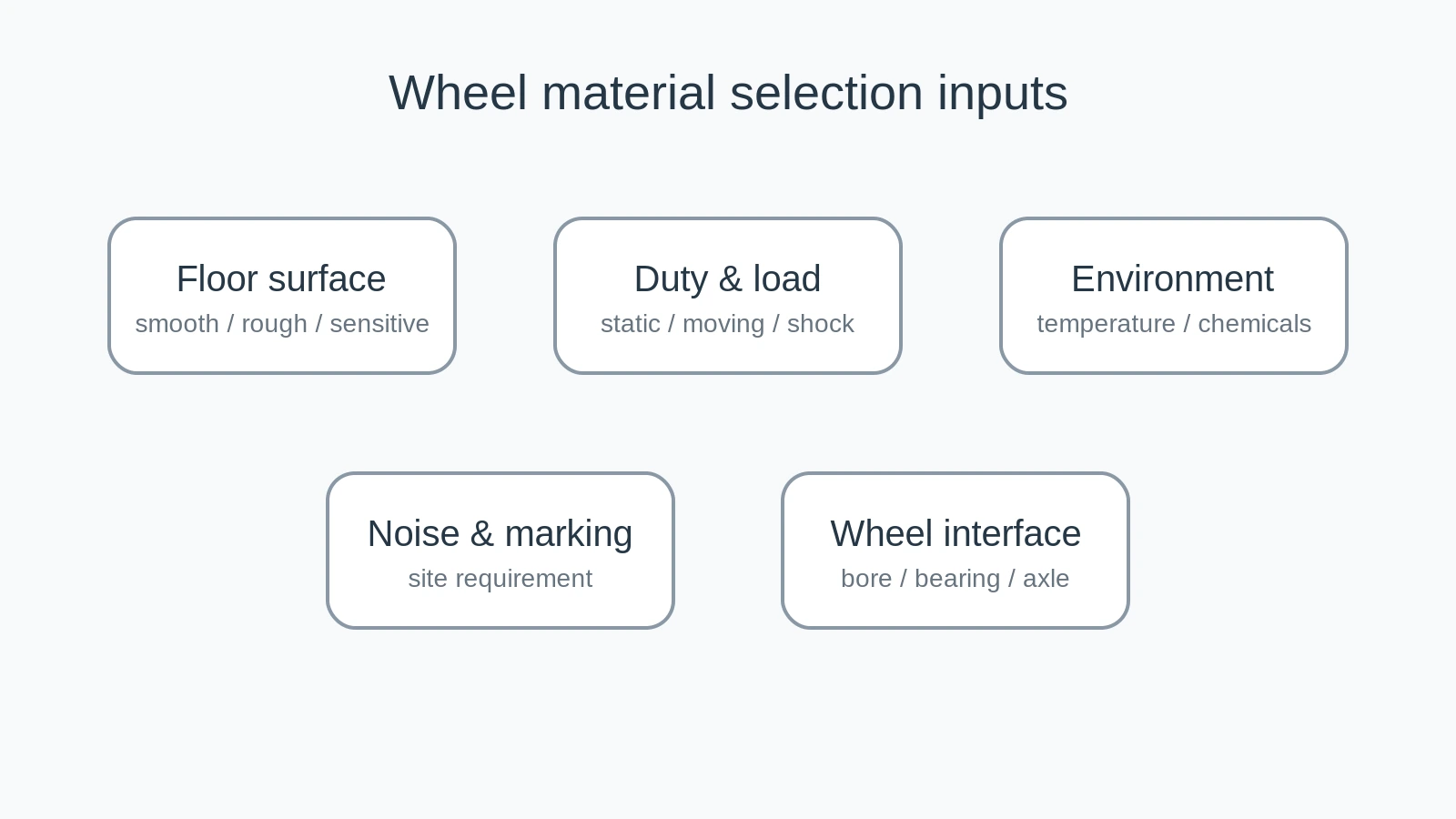
نایلان پہیے مشکل سے چلنے والے مواد کی ہینڈلنگ میں ظاہر ہوسکتے ہیں، لیکن صحیح ترتیب ہمیشہ اطلاق کے لیے مخصوص ہوتی ہے۔ مٹیریل ہینڈلنگ کا سامان اپنا زیادہ تر وقت ہموار کنکریٹ پر گزار سکتا ہے، جب کہ ٹریلر کے سپورٹ پہیے ہموار، کمپیکٹ شدہ زمین یا بجری کے اوپر گھوم سکتے ہیں۔ یہ مختلف ڈیزائن کی شرائط ہیں۔
انکوائری میں ریمپ، فرش کے جوڑ، واش-ڈاؤن، ملبہ، بیرونی نمائش اور متوقع سفر کی وضاحت کریں۔ اگر سامان پہلے سے ہی سروس میں ہے تو، ایک مختصر ویڈیو مداخلت یا اسٹیئرنگ رویے کو ظاہر کر سکتی ہے جو ایک جامد تصویر نہیں دکھاتی ہے۔ نایلان پہیوں پر، کسی بھی انفرادی ترتیب کو سازوسامان کے لیے موزوں سمجھنے سے پہلے خاندانی سطح کے انتخاب کو محدود کرنے کے لیے اس نقطہ کا استعمال کریں۔

پولیمر کو صرف رنگ کے لحاظ سے منتخب نہ کریں۔ مطلوبہ مواد کے خاندان کی تصدیق کریں اور، جہاں کیمیائی نمائش یا غیر معمولی درجہ حرارت اہمیت رکھتا ہے، ماحول کو بیان کریں تاکہ درست درجہ کا جائزہ لیا جا سکے۔ صرف پہیے کی تبدیلی کے لیے، ایکسل اور حب کا انٹرفیس اتنا ہی اہم ہے جتنا قطر؛ مکمل اسمبلیوں کے لیے، پلیٹ، ٹیوب یا کلیمپ کے طول و عرض کنٹرول کرتے ہیں کہ آیا پروڈکٹ کو محفوظ طریقے سے لگایا جا سکتا ہے۔ نایلان پہیوں پر، کسی بھی انفرادی ترتیب کو سازوسامان کے لیے موزوں سمجھنے سے پہلے خاندانی سطح کے انتخاب کو محدود کرنے کے لیے اس نقطہ کا استعمال کریں۔
جہاں حسب ضرورت ترتیب درکار ہو، موجودہ ڈرائنگ یا ایک طول و عرض والا خاکہ بھیجیں۔ بصری طور پر ملتے جلتے پروڈکٹ کی درخواست کے مقابلے میں ایک جہتی انکوائری کا جائزہ لینا تیز تر ہے۔ Nylon Wheels پر، کسی بھی انفرادی ترتیب کو آلات کے لیے موزوں سمجھنے سے پہلے خاندانی سطح کے انتخاب کو محدود کرنے کے لیے اس نقطہ کا استعمال کریں۔
ایک وسیع تر طریقہ کے لیے، ہمارا استعمال کریں۔ وہیل سلیکشن گائیڈ اور پیمائش گائیڈ. ٹریلر پر مرکوز کام کے لیے، ٹریلر کی درخواست کا صفحہ زمینی اور ذخیرہ شدہ کلیئرنس چیک شامل کرتا ہے۔
نہیں۔
ایک تصویر بھیجیں اور فرش، بوجھ اور ماحول کی وضاحت کریں۔ مواد کا رنگ سے اندازہ نہیں لگانا چاہیے۔
مخلوط ماڈلز کا تجارتی طور پر جائزہ لیا جا سکتا ہے۔ ہر ترتیب کو مقدار اور طول و عرض کے ساتھ الگ لائن پر رکھیں۔
یہ سائٹ 1-2 ٹکڑوں کی خوردہ خریداری کے بجائے B2B پروجیکٹ اور پیداواری پوچھ گچھ کے لیے ہے۔ نئے پراجیکٹس کے لیے ادا شدہ تشخیصی نمونوں پر غور کیا جا سکتا ہے۔
درخواست بھیجیں، مقدار اور طول و عرض جو آپ پہلے سے جانتے ہیں۔ کوٹیشن سے پہلے غائب فٹ اہم تفصیلات کا جائزہ لیا جا سکتا ہے۔