
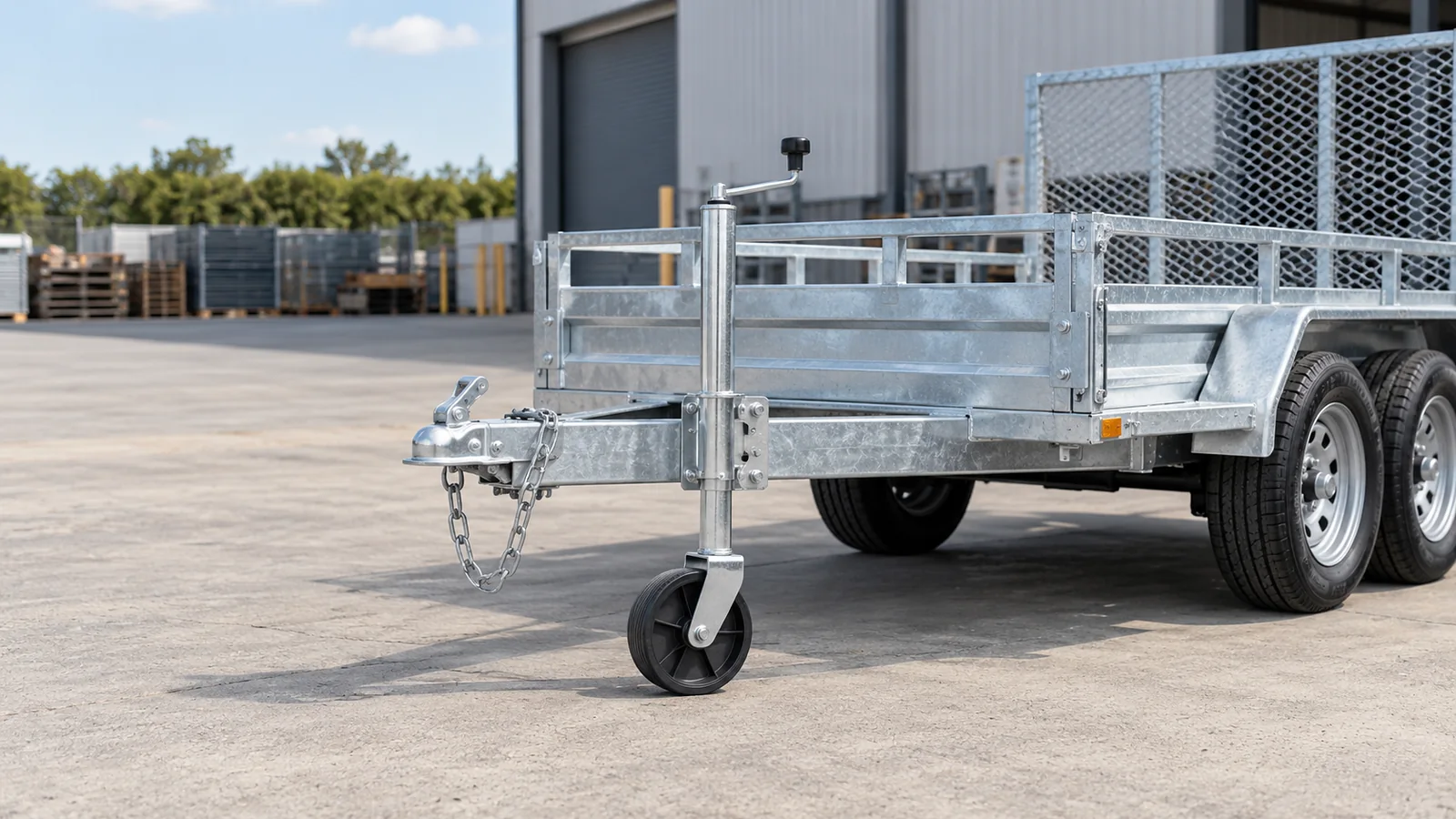
ٹریلرز اور موبائل آلات کے لیے جاکی پہیے
ٹریلرز اور موبائل آلات کے لیے جاکی پہیوں کے لیے پہیوں کا انتخاب کرنے کے لیے ضروری ہے کہ بوجھ، فرش، چڑھنے اور تدبیر کی تفصیلات کو ایک ساتھ غور کیا جائے۔
سامان سے شروع کریں، کیٹلاگ کے نام سے نہیں — ٹریلرز کے لیے جاکی وہیلز اور
پروکیورمنٹ ٹیمیں اکثر ٹریلرز اور موبائل آلات کے لیے جاکی وہیلز کا سامنا ایک کیٹلاگ اصطلاح کے طور پر کرتی ہیں، لیکن خریداری کا فیصلہ اس وقت واضح ہو جاتا ہے جب اس اصطلاح کو قابل پیمائش آپریٹنگ ضروریات میں تبدیل کر دیا جاتا ہے۔
ٹریلرز اور موبائل آلات کے جاکی پہیوں میں، اس لیے انتخاب کا آغاز مردہ وزن، زیادہ سے زیادہ بوجھ اور معاون پوائنٹس کی تعداد سے ہونا چاہیے۔ یہ ایک جہتی یا مادی انتخاب کو اس کام سے منسلک رکھتا ہے جو اسے عام مصنوعات کی وضاحت کے بجائے انجام دینا ضروری ہے۔
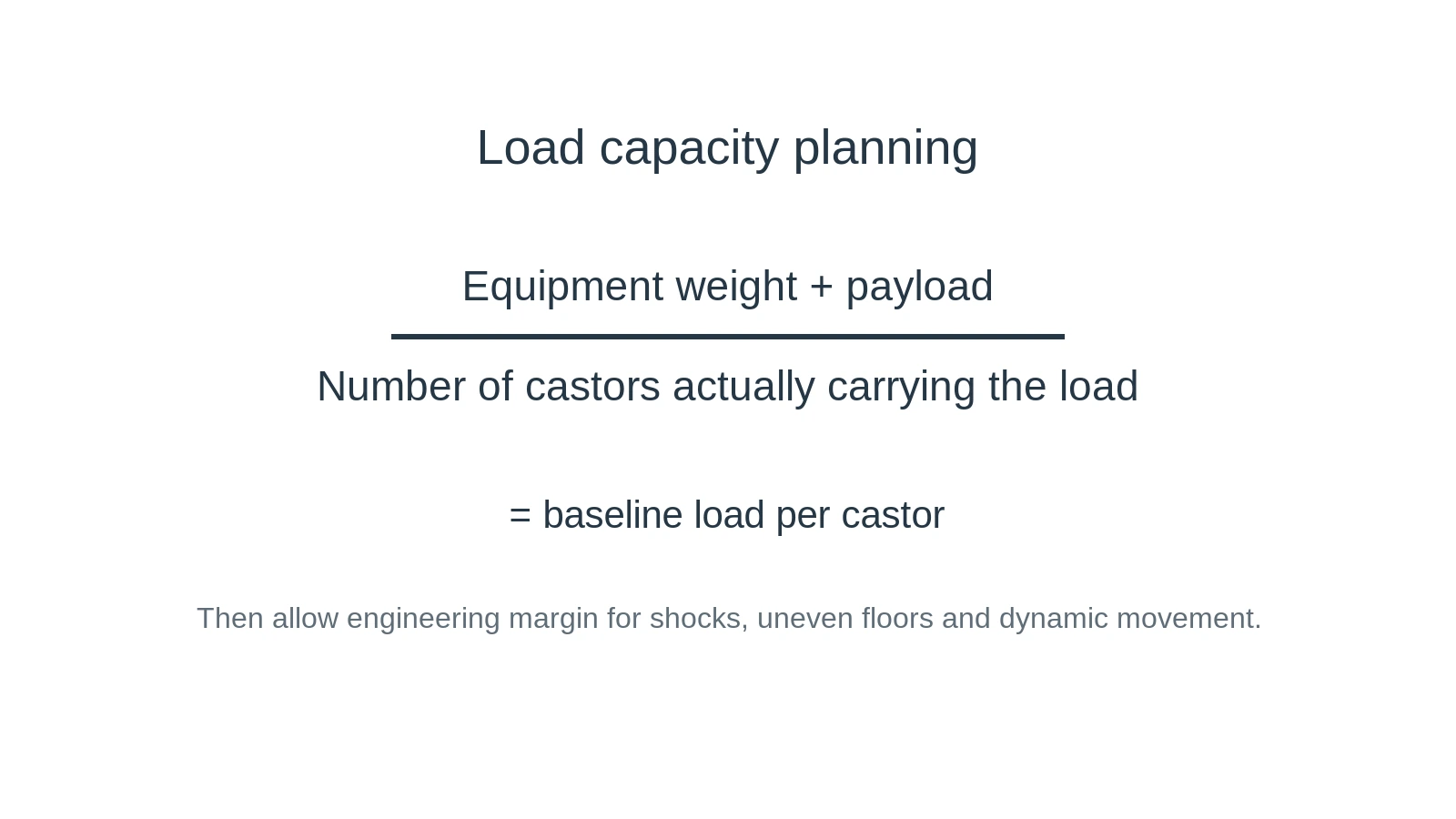
عام ناکامی ایک پرکشش پیرامیٹر کو پوری تفصیلات کے طور پر ماننا ہے۔ متحرک اثرات، ناہموار فرش رابطہ یا فریم موڑ توقع سے کم پہیوں پر بوجھ کو مرکوز کر سکتے ہیں۔ خریداری کا ایک بہتر نوٹ سامان کے وزن، پے لوڈ، پہیوں کی گنتی، سفر کی رفتار، فرش کی منتقلی اور موڑ کے پیٹرن کو پکڑتا ہے، لہذا سپلائرز اندازہ لگانے کے بجائے لائک اور فلیگ کی گمشدہ جہتوں کا موازنہ کر سکتے ہیں۔ ٹریلرز اور موبائل آلات کے لیے جاکی وہیلز پر، کسی بھی انفرادی ترتیب کو آلات کے لیے موزوں سمجھنے سے پہلے خاندانی سطح کے انتخاب کو محدود کرنے کے لیے اس نقطہ کا استعمال کریں۔
فرش اور نقل و حرکت کا نمونہ - ٹریلرز اور جاکی پہیے
ایک ہی کارٹ پالش کنکریٹ، رال فرش، اسفالٹ، ہموار یا کمپیکٹ شدہ زمین پر مختلف طریقے سے برتاؤ کر سکتا ہے۔ طویل ترین سفری مسافت، عام موڑ کا رداس، دہلیز اور ریمپ ریکارڈ کریں۔ سخت پہیے مناسب ہموار فرش پر مؤثر طریقے سے گھوم سکتے ہیں، جب کہ شور، جھٹکا یا سطح کی حفاظت زیادہ اہم ہونے پر دیگر مواد یا جیومیٹری کے انتخاب پر غور کیا جا سکتا ہے۔ ٹریلرز اور موبائل آلات کے لیے جاکی وہیلز پر، کسی بھی انفرادی ترتیب کو آلات کے لیے موزوں سمجھنے سے پہلے خاندانی سطح کے انتخاب کو محدود کرنے کے لیے اس نقطہ کا استعمال کریں۔
پرامید بوجھ کے حساب کتاب کے پیچھے ناہموار فرش کو نہ چھپائیں۔ اگر فریم جوڑوں کے پار ہل سکتا ہے تو، نامکمل لوڈ شیئرنگ کی اجازت دیں اور اس بات کی تصدیق کریں کہ بریکٹ اور وہیل مطلوبہ ڈیوٹی کے اندر رہتے ہیں۔ ٹریلرز اور موبائل آلات کے لیے جاکی وہیلز پر، کسی بھی انفرادی ترتیب کو آلات کے لیے موزوں سمجھنے سے پہلے خاندانی سطح کے انتخاب کو محدود کرنے کے لیے اس نقطہ کا استعمال کریں۔
ماؤنٹنگ اور کلیئرنس - ٹریلرز کے لیے جاکی پہیے اور
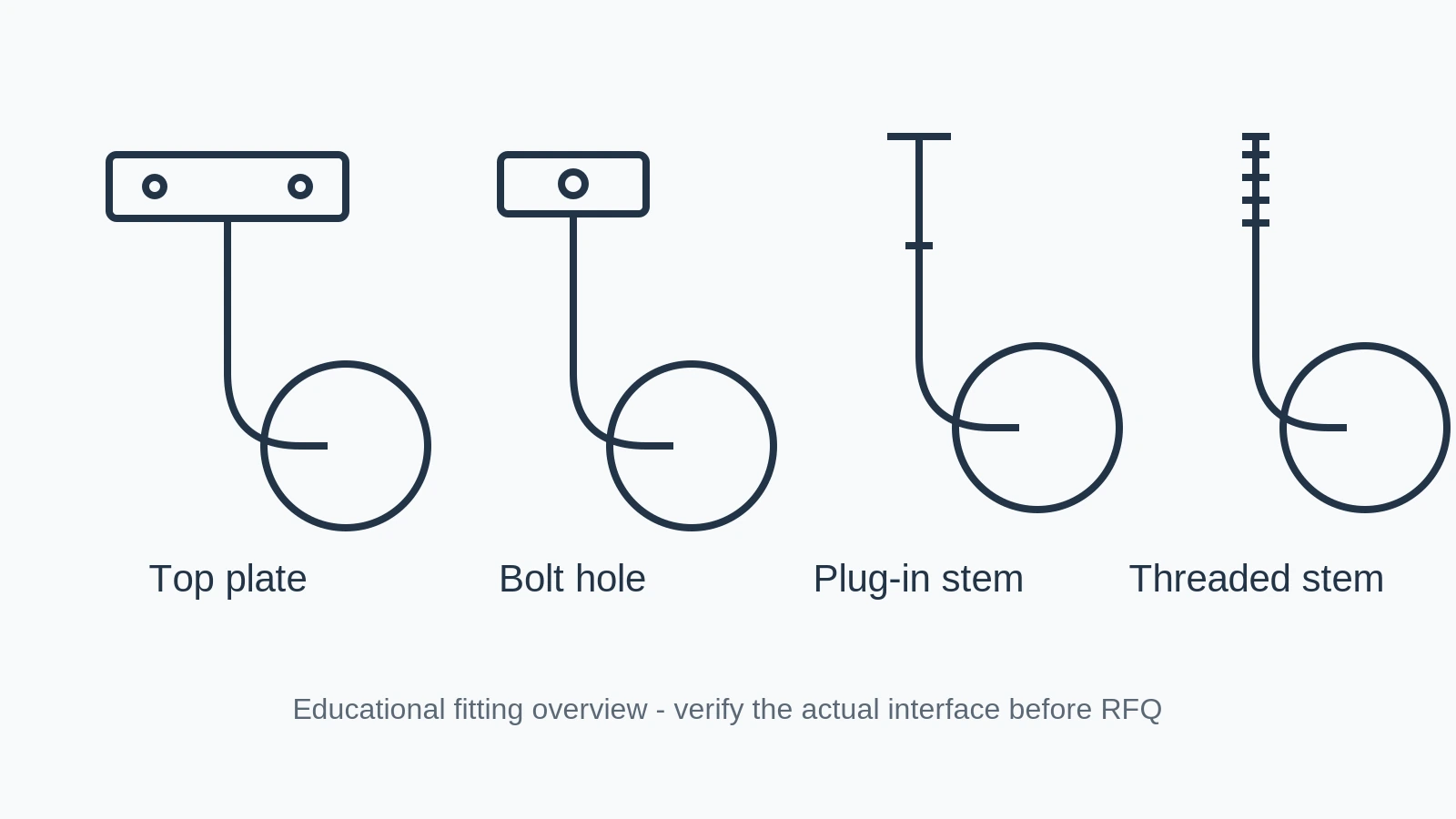
پہیے یا سپورٹ اسمبلی کو آلات سے جوڑنے والے انٹرفیس کی پیمائش کریں۔ پلیٹ میں سوراخ کا فاصلہ، بولٹ ہول کا قطر، تھریڈڈ اسٹیم کے طول و عرض، ٹیوب کلیمپ کا سائز، ایکسل/بور فٹ اور نصب اونچائی مطابقت کا تعین کر سکتی ہے۔ جب وہیل گھومتا ہے یا جیک فولڈ ہوتا ہے تو جھاڑی والے لفافے کو بھی چیک کریں۔ ٹریلرز اور موبائل آلات کے لیے جاکی وہیلز پر، کسی بھی انفرادی ترتیب کو آلات کے لیے موزوں سمجھنے سے پہلے خاندانی سطح کے انتخاب کو محدود کرنے کے لیے اس نقطہ کا استعمال کریں۔
قریبی گارڈز، کیبل ٹرے، ٹریلر کپلنگز اور ساختی ارکان کو ڈرائنگ یا تصویروں پر دکھایا جانا چاہیے۔ ایک جزو جو بنچ پر فٹ بیٹھتا ہے پھر بھی اس وقت ٹکرا سکتا ہے جب سامان موڑتا ہے، پیچھے ہٹتا ہے یا ریمپ کے اوپر سے گزرتا ہے۔ ٹریلرز اور موبائل آلات کے لیے جاکی وہیلز پر، کسی بھی انفرادی ترتیب کو آلات کے لیے موزوں سمجھنے سے پہلے خاندانی سطح کے انتخاب کو محدود کرنے کے لیے اس نقطہ کا استعمال کریں۔
پہیے کا مواد اور قطر - ٹریلرز اور کے لیے جاکی پہیے
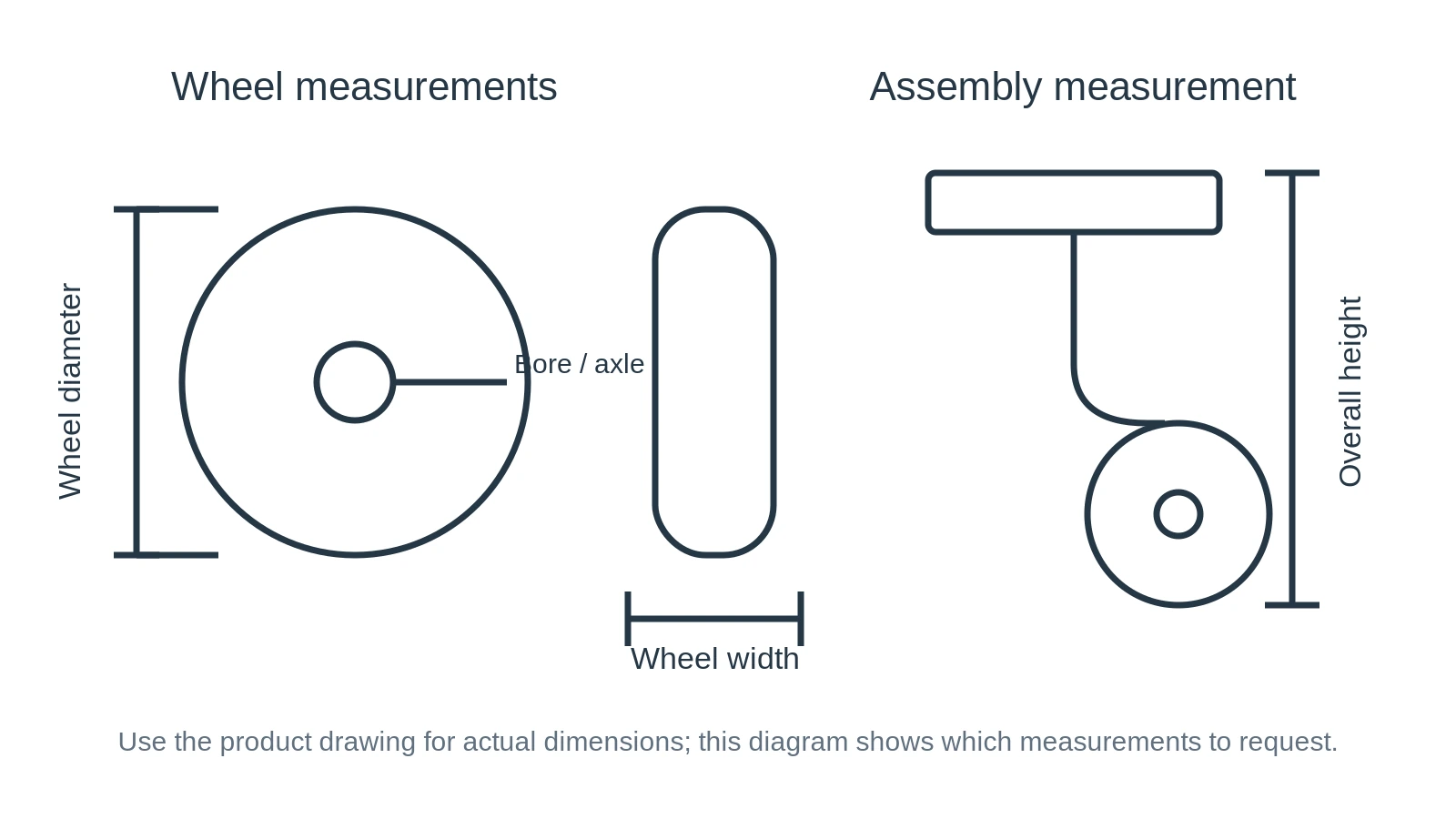
مواد کے انتخاب کو وہیل کو حقیقی منزل اور ماحول سے جوڑنا چاہیے۔ نایلان اور پولی پروپیلین سخت تھرمو پلاسٹک خاندان ہیں، لیکن گریڈ، بیئرنگ کا انتظام، آلودگی اور درجہ حرارت مناسبیت کو تبدیل کر سکتے ہیں۔ بڑا قطر عام طور پر رکاوٹ کو عبور کرنے والے جیومیٹری اور گراؤنڈ کلیئرنس کو بہتر بناتا ہے، لیکن نصب اونچائی کو بڑھا سکتا ہے یا اس سے بڑے کانٹے کی ضرورت پڑ سکتی ہے۔ ٹریلرز اور موبائل آلات کے لیے جاکی وہیلز پر، کسی بھی انفرادی ترتیب کو آلات کے لیے موزوں سمجھنے سے پہلے خاندانی سطح کے انتخاب کو محدود کرنے کے لیے اس نقطہ کا استعمال کریں۔
دو قطروں کا موازنہ کرتے وقت، وہیل کے سائز کے بجائے پورے اسمبلی لفافے کو چیک کریں۔
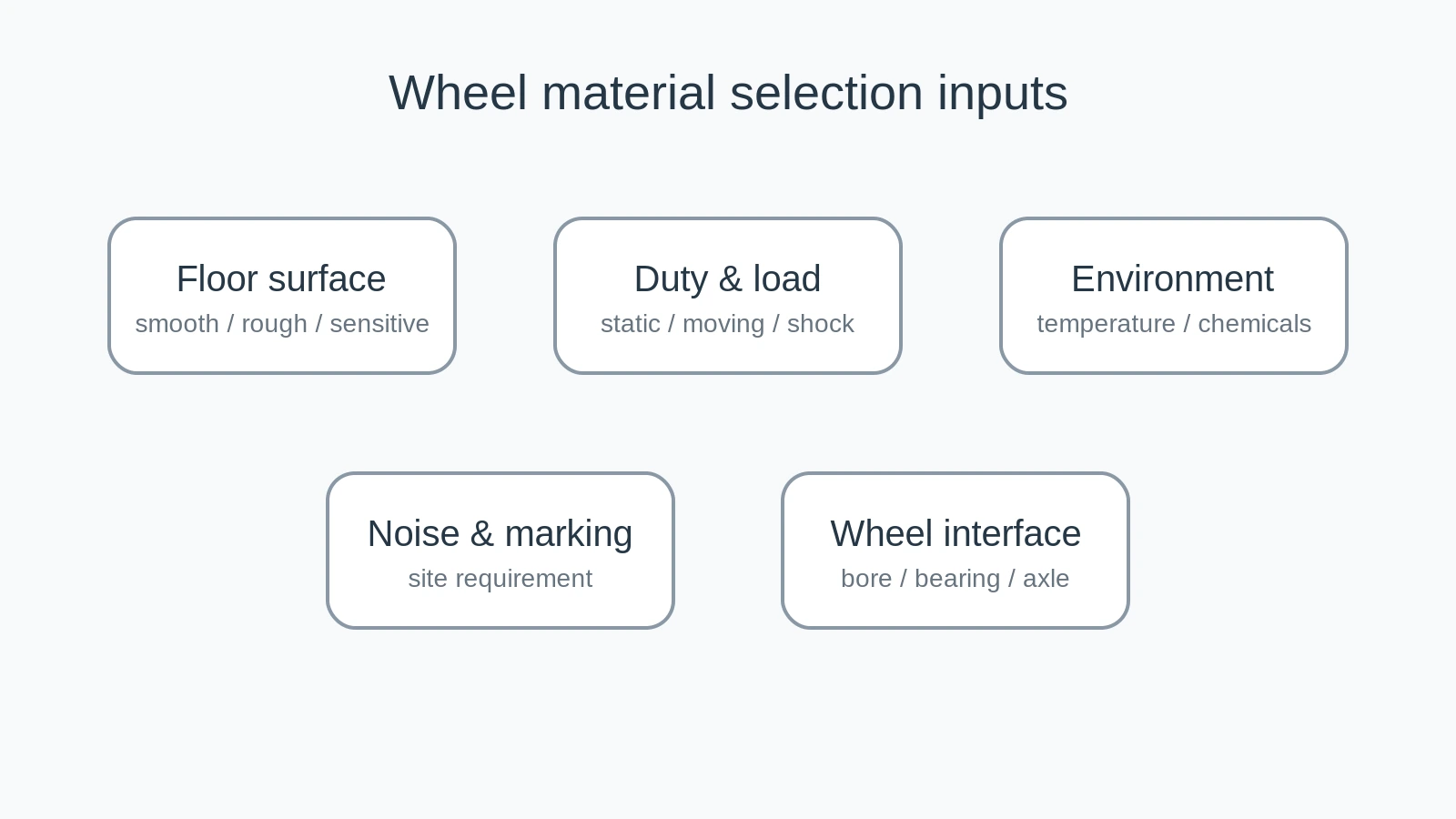
انٹیگریشن کا جائزہ — ٹریلرز اور جاکی وہیل
| چیک کریں۔ | جواب دینے کے لیے سوال |
|---|---|
| لوڈ | ایک معاون نقطہ حقیقت پسندانہ طور پر کس بڑے پیمانے پر دیکھ سکتا ہے؟ |
| سفر | کیا سامان زیادہ تر ساکن، ہاتھ سے دھکیلا، باندھا یا اکثر جگہ پر رکھا جاتا ہے؟ |
| فرش | کون سے جوڑ، ملبہ، ریمپ، پانی یا کیمیکل موجود ہیں؟ |
| انٹرفیس | کون سی جہت منسلکہ اور نصب اونچائی کو کنٹرول کرتی ہے؟ |
| کنٹرول | کیا وہیل بریک، کنڈا لاک، ڈائریکشنل لاک یا آزادانہ نقل و حرکت کی ضرورت ہے؟ |
| سروس | وہیل، بیئرنگ یا اسمبلی کا معائنہ اور تبدیل کیسے کیا جا سکتا ہے؟ |
آر ایف کیو کی تیاری - ٹریلرز اور جاکی پہیے
- مجموعی طور پر سامان اور پے لوڈ ماس
- وہیل/اسمبلی کی گنتی اور ترتیب
- موجودہ پہیے کا قطر، چوڑائی اور نصب اونچائی
- بڑھتے ہوئے طول و عرض یا ڈرائنگ
- فرش/زمین کی تفصیل اور رکاوٹ کی اونچائی
- تحریک پیٹرن اور بریک کی ضروریات
- مقدار اور منزل
کا جائزہ لیں۔ انتخاب گائیڈدستیاب کا موازنہ کریں۔ پلاسٹک کے پہیے، یا کے ذریعے تفصیلات بھیجیں۔ آر ایف کیو صفحہ.
عام سوالات - ٹریلرز اور جاکی وہیل
چار پہیوں والا فریم بعض اوقات صرف تین پہیوں کو کیوں لوڈ کرتا ہے؟
فرش کی ناہمواری اور فریم کی سختی ایک کونے کو اتار سکتی ہے، جس سے دوسرے پر بوجھ بڑھتا ہے۔
کیا ایک بڑا پہیہ ہمیشہ دھکیلنے والی قوت کو کم کرتا ہے؟
بڑا قطر رکاوٹوں میں مدد کر سکتا ہے، لیکن بیئرنگ، میٹریل، فرش، بوجھ اور صف بندی بھی کوشش کو متاثر کرتی ہے۔
متبادل تصویر کو کیا دکھانا چاہئے؟
سامان کا کونا، پہیے یا اسمبل کو سائیڈ سے، بڑھتے ہوئے چہرہ اور اہم جہتوں پر ایک پیمانہ دکھائیں۔
جڑواں پہیہ کب مفید ہے؟
جڑواں پہیوں کی ترتیب زمینی رابطے اور پیکیج جیومیٹری کو تبدیل کرتی ہے، لیکن خود بخود بہتر نہیں ہوتی۔ بوجھ، سطح اور اسٹیئرنگ کی ضروریات کو چیک کریں۔
کمیشننگ اور دیکھ بھال کا نقطہ نظر - ٹریلرز اور جاکی پہیے
تنصیب کے بعد، معمول کی خدمت سے پہلے سامان کو کم رفتار اور کنٹرول شدہ بوجھ کے تحت چیک کریں۔ اسٹیئرنگ رسپانس، وہیل ٹریکنگ، فاسٹنر سیٹنگ اور ارد گرد کے ڈھانچے کے ساتھ کسی بھی رابطے کا مشاہدہ کریں۔ دیکھ بھال کے ریکارڈ کو پہیے کی پوزیشن، ترتیب اور تبدیلی کی وجہ کی نشاندہی کرنی چاہیے تاکہ عام لباس کو بار بار آنے والے اوورلوڈ یا الائنمنٹ کے مسائل سے الگ کیا جا سکے۔ ٹریلرز اور موبائل آلات کے لیے جاکی وہیلز پر، کسی بھی انفرادی ترتیب کو آلات کے لیے موزوں سمجھنے سے پہلے خاندانی سطح کے انتخاب کو محدود کرنے کے لیے اس نقطہ کا استعمال کریں۔
ایپلیکیشن کو قابل پیمائش ان پٹ میں ترجمہ کریں — ٹریلرز اور جاکی وہیلز
ٹریلرز اور موبائل آلات کے جاکی پہیوں کے لیے، ڈرابار سپورٹ لوڈ، گراؤنڈ کنڈیشن، ٹریول اور سٹو کلیئرنس پر توجہ دیں۔ یہ وہ متغیرات ہیں جو عملی انتخاب کو تبدیل کرتے ہیں یہاں تک کہ جب آلات کے دو ٹکڑے ایک جیسے نظر آتے ہیں۔ سب سے خراب نارمل آپریٹنگ حالت کو ریکارڈ کریں، نہ صرف سب سے آسان سفری راستہ، اور نوٹ کریں کہ آیا سامان کو مسلسل، وقفے وقفے سے یا صرف دیکھ بھال کے دوران منتقل کیا جاتا ہے۔
جہاں کئی پہیے ایک فریم کا اشتراک کرتے ہیں، تصدیق کریں کہ آیا فریم اور فرش انہیں یکساں طور پر بوجھ بانٹنے کی اجازت دیتے ہیں۔ ایک برائے نام پہیے کی گنتی مساوی لوڈنگ کی ضمانت نہیں دیتی۔ بڑھتی ہوئی سطحیں، فریم کی سختی اور فرش کی سطح کم سپورٹ پوائنٹس پر بوجھ کو مرکوز کر سکتی ہے۔ ٹریلرز اور موبائل آلات کے لیے جاکی وہیلز پر، کسی بھی انفرادی ترتیب کو آلات کے لیے موزوں سمجھنے سے پہلے خاندانی سطح کے انتخاب کو محدود کرنے کے لیے اس نقطہ کا استعمال کریں۔
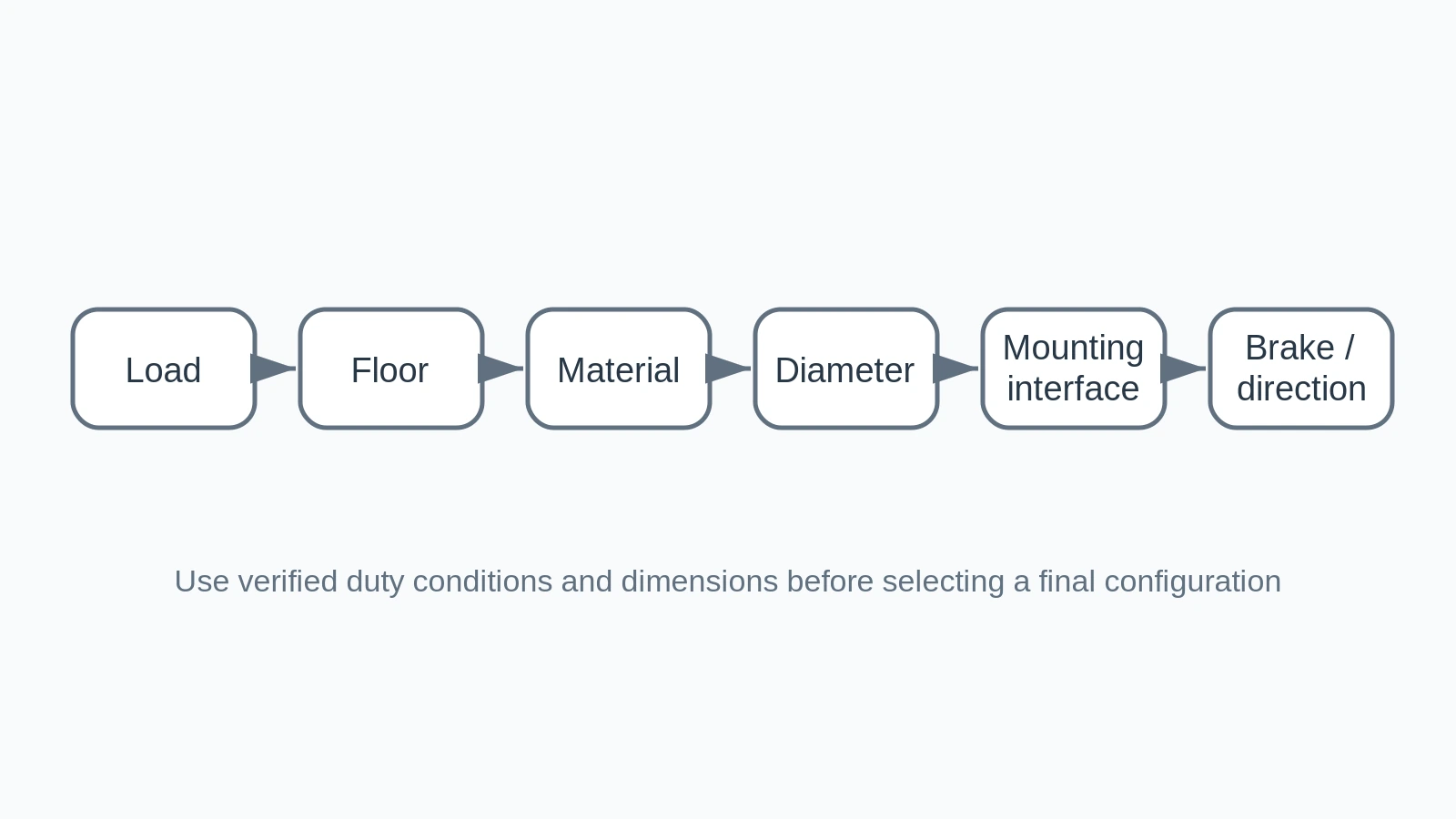
منتخب پہیے کو حقیقی راستے پر چلائیں — ٹریلرز اور جاکی وہیل
پہلی تنصیب کو کم رفتار اور کنٹرول شدہ بوجھ کے تحت دیکھا جانا چاہئے۔ سیدھا سفر، ٹرننگ، کلیئرنس، وہیل ٹریکنگ، فاسٹنر سیٹنگ اور ارد گرد کے ڈھانچے سے کوئی رابطہ چیک کریں۔ ٹرائل میں سب سے زیادہ مطالبہ کرنے والی نارمل تھریشولڈ، ریمپ یا فلور جوائنٹ شامل کریں۔ ٹریلر سپورٹ کے لیے، پارکنگ کے دوران استعمال ہونے والی سطح کو شامل کریں اور مینوئل مینیوورنگ۔ ٹریلرز اور موبائل آلات کے لیے جاکی وہیلز پر، کسی بھی انفرادی ترتیب کو آلات کے لیے موزوں سمجھنے سے پہلے خاندانی سطح کے انتخاب کو محدود کرنے کے لیے اس نقطہ کا استعمال کریں۔
کسی بھی چیز کو ریکارڈ کریں جس میں عام سروس سے پہلے ایڈجسٹمنٹ کی ضرورت ہو۔ یہ ایک عملی قبولیت کا ریکارڈ بناتا ہے اور سروس کی زندگی میں بعد میں عام لباس سے ایپلی کیشن کی مماثلت کو الگ کرنے میں مدد کرتا ہے۔ ٹریلرز اور موبائل آلات کے لیے جاکی وہیلز پر، کسی بھی انفرادی ترتیب کو آلات کے لیے موزوں سمجھنے سے پہلے خاندانی سطح کے انتخاب کو محدود کرنے کے لیے اس نقطہ کا استعمال کریں۔
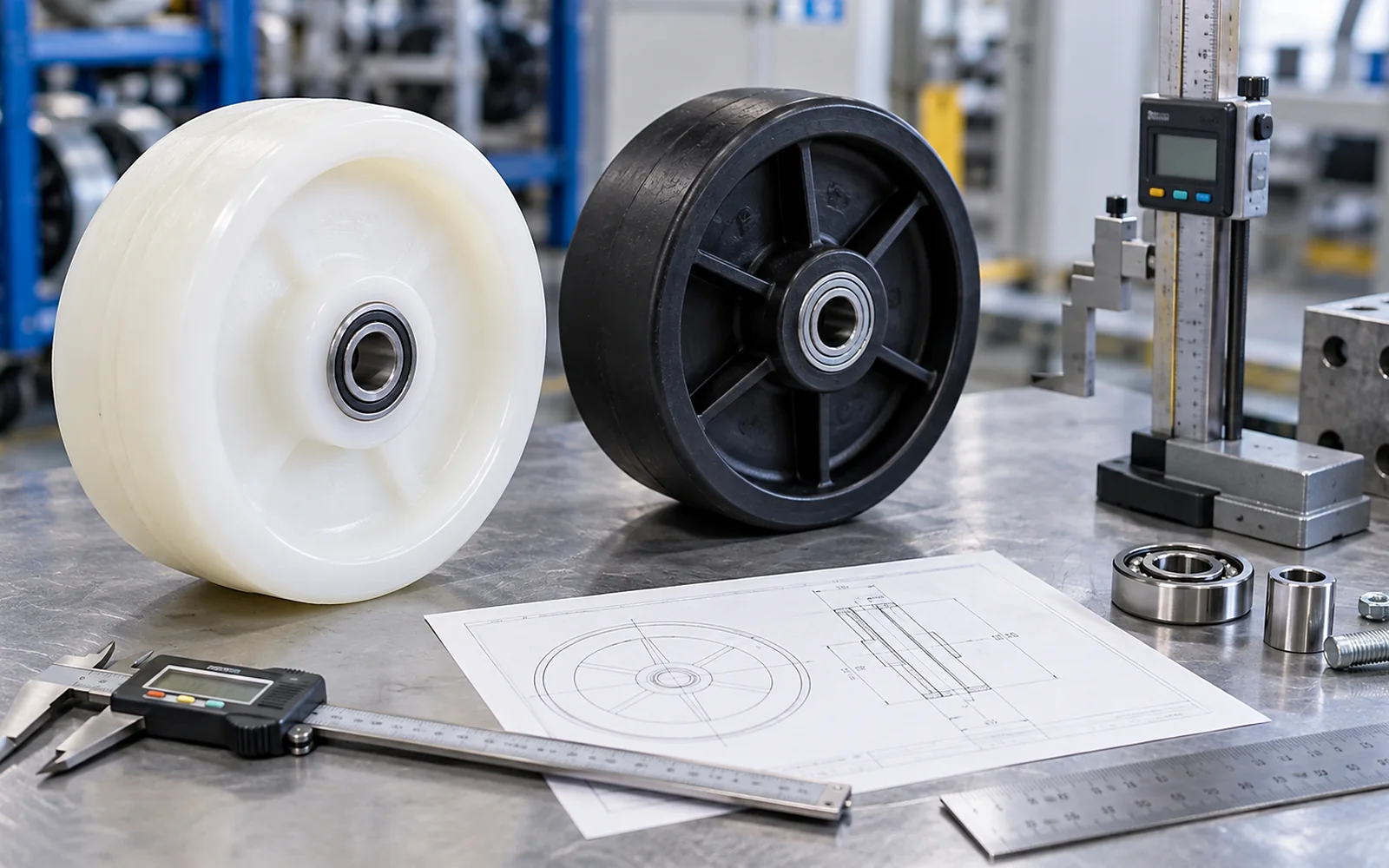
درخواست اور خریداری کے ریکارڈ کو ہم آہنگ رکھیں — ٹریلرز کے لیے جاکی وہیلز اور
جب پہیے کا سائز، مواد، بڑھتے ہوئے تفصیل یا کنٹرول کی خصوصیت تبدیل ہوتی ہے، تو RFQ لائن اور آلات کے ریکارڈ کو ایک ساتھ اپ ڈیٹ کریں۔ نظر ثانی شدہ تصویر کو نئی ترتیب کی واحد تفصیل نہ بننے دیں۔ طول و عرض، ڈیوٹی اور مقدار کا ایک مختصر کنٹرول نوٹ بعد کے آرڈرز کا جائزہ لینے میں بہت آسان بناتا ہے اور آلات کے آپریٹنگ حالات میں تبدیلی کے بعد پرانے مفروضوں کو فالو کرنے سے روکتا ہے۔ ٹریلرز اور موبائل آلات کے لیے جاکی وہیلز پر، کسی بھی انفرادی ترتیب کو آلات کے لیے موزوں سمجھنے سے پہلے خاندانی سطح کے انتخاب کو محدود کرنے کے لیے اس نقطہ کا استعمال کریں۔
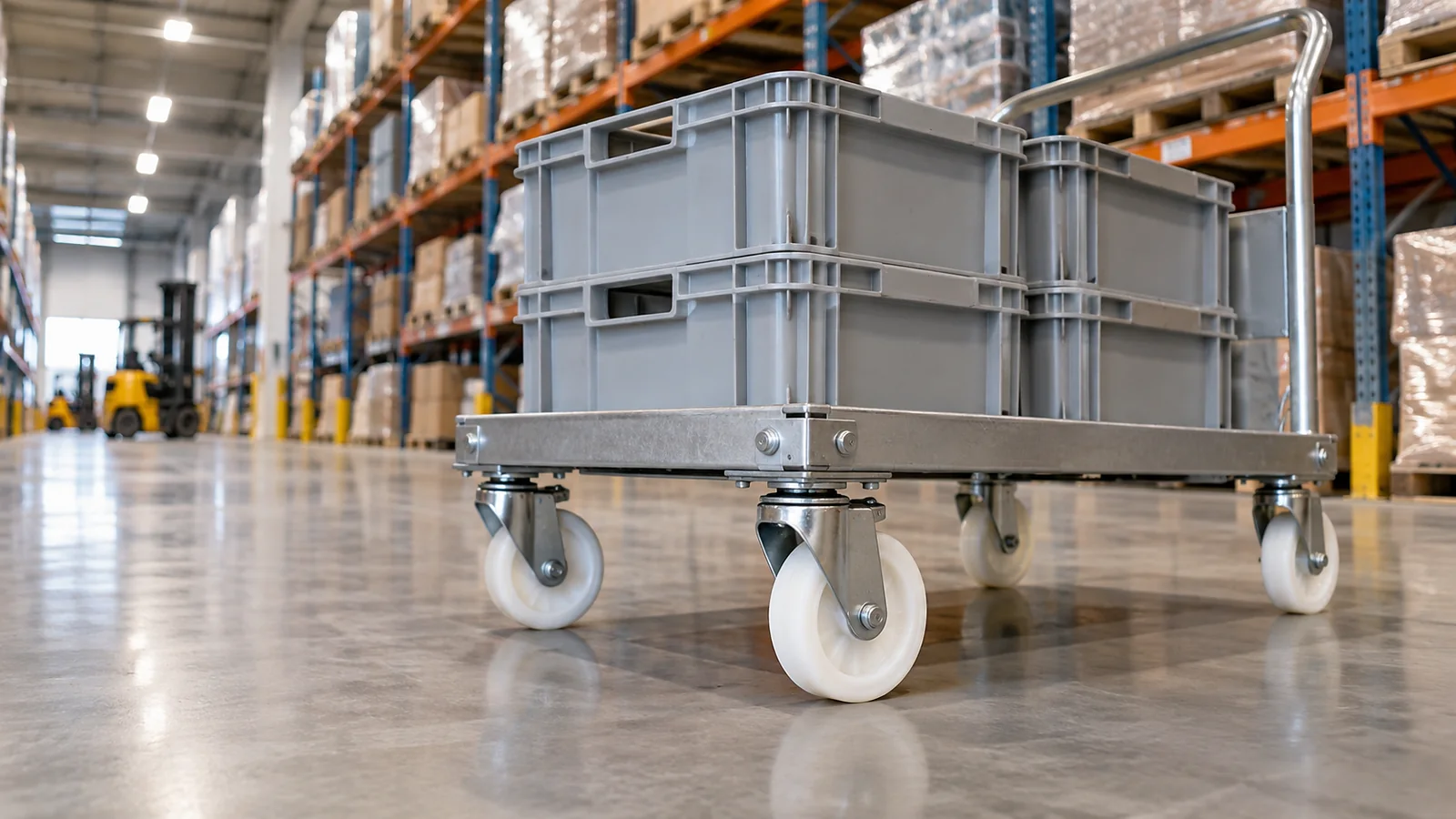
ٹریلرز اور موبائل آلات کے لیے جاکی وہیلز کے لیے دوبارہ قابل ہینڈ اوور بنائیں
ٹریلرز اور موبائل آلات کے لیے جوکی پہیوں کے لیے منتخب وہیل یا سپورٹ اسمبلی جاری ہونے سے پہلے، منظور شدہ انٹرفیس کے طول و عرض، لوڈ کیس، آپریٹنگ سطح، مقدار اور ایپلیکیشن کی تصاویر کو آلات کے ریکارڈ کے ساتھ محفوظ کریں۔ اگر انسٹالیشن متبادل ہے، تو اصل حصے کو اس وقت تک برقرار رکھیں جب تک کہ مشین پر پہلا نمونہ چیک نہ کر لیا جائے۔ یہ بعد میں خریداری کے فیصلوں کو دوبارہ پیدا کرنے میں آسان بناتا ہے اور سامان یا آپریٹنگ روٹ میں تبدیلی سے عام لباس میں فرق کرنے میں مدد کرتا ہے۔
کمیشن کرنے کے بعد، کسی بھی کلیئرنس کی حد، اسٹیئرنگ رویے، غیر معمولی اثر نقطہ یا دیکھ بھال کے مشاہدے کو ریکارڈ کریں جو بعد کے آرڈرز کے لیے اہمیت رکھتا ہو۔ مقصد ایک طویل معائنہ دستاویز بنانا نہیں ہے؛ یہ ان چند ایپلیکیشن حقائق کو محفوظ کرنا ہے جو یہ بتاتے ہیں کہ قبول شدہ کنفیگریشن اس آلات پر کیوں فٹ بیٹھتی ہے اور مستقبل کے متبادل کو کہاں نئے جائزے کی ضرورت ہوگی۔ ٹریلرز اور موبائل آلات کے لیے جاکی وہیلز پر، کسی بھی انفرادی ترتیب کو آلات کے لیے موزوں سمجھنے سے پہلے خاندانی سطح کے انتخاب کو محدود کرنے کے لیے اس نقطہ کا استعمال کریں۔
ٹریلرز اور موبائل آلات کے پہیے RFQ کے لیے ایک جاکی وہیل تیار کریں۔
درخواست بھیجیں، مقدار اور طول و عرض جو آپ پہلے سے جانتے ہیں۔ کوٹیشن سے پہلے غائب فٹ اہم تفصیلات کا جائزہ لیا جا سکتا ہے۔