
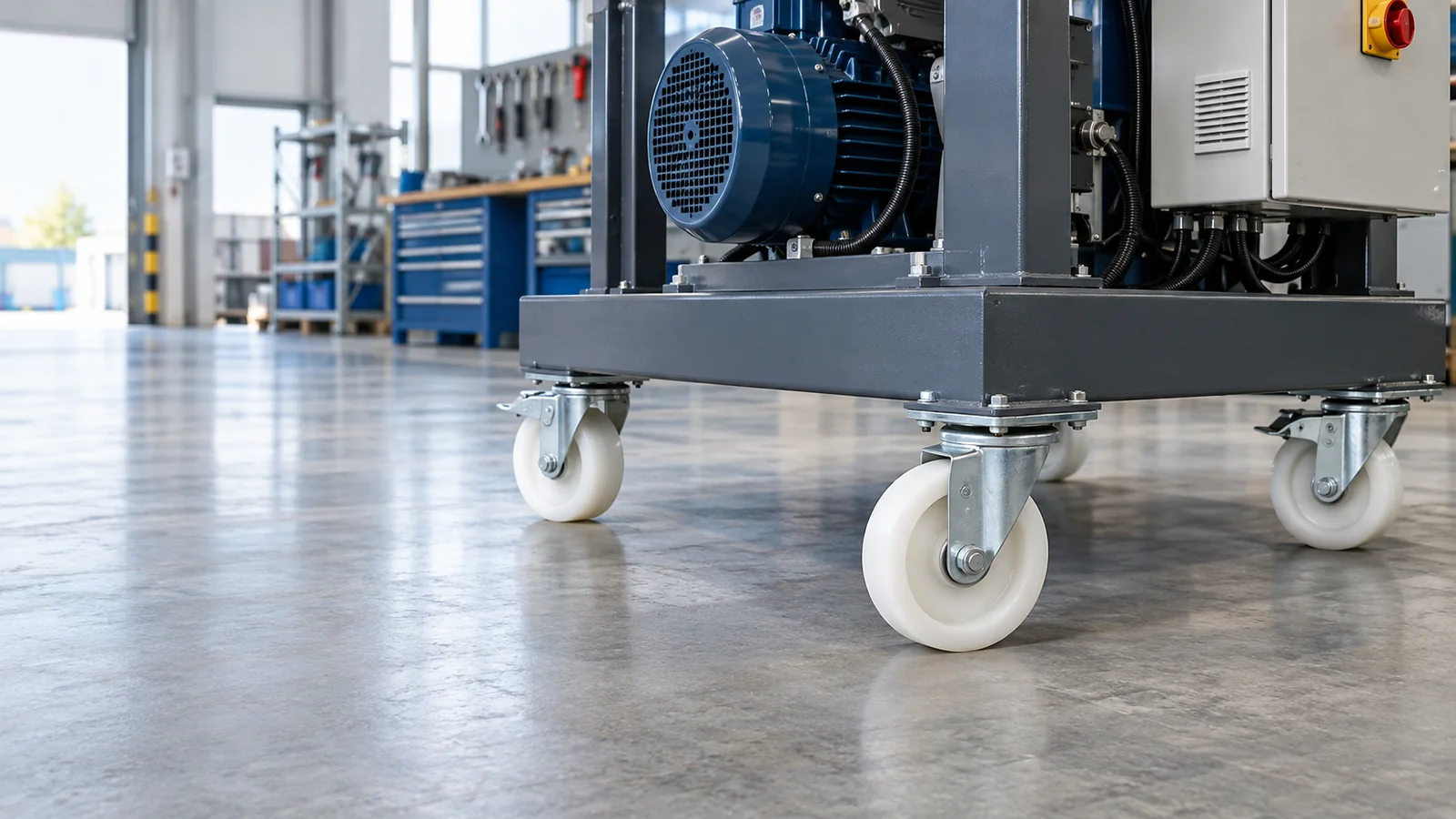
جب ایک دشاتمک تالا لمبی گلیارے والی ٹرالی کی مدد کرتا ہے۔
دشاتمک لاک ٹرالی کاسٹرز کے لیے ایک عملی خریدار گائیڈ، جو قابل پیمائش آپریٹنگ حالات اور RFQ کے لیے تیار فیصلوں پر مرکوز ہے۔
یہ سوال کیوں اہمیت رکھتا ہے - جب ایک دشاتمک لاک مدد کرتا ہے۔
ایک صنعتی خریدار کے لیے، ڈائریکشنل لاک ٹرالی کاسٹرز تنہائی میں منتخب کرنے کا لیبل نہیں ہے۔ مفید سوال یہ ہے کہ یہ مکمل پہیے، بڑھتے ہوئے اور ڈیوٹی سائیکل کے فیصلے کے اندر کیسے برتاؤ کرتا ہے۔
صنعتی ٹرالیوں، مشینی اڈوں اور موبائل فریموں کے لیے جن کے لیے پیشین گوئی کے قابل اسٹیئرنگ یا پارکنگ کنٹرول کی ضرورت ہوتی ہے، ماؤنٹنگ جیومیٹری، کنڈا/فکسڈ لے آؤٹ، کنٹرول فنکشن، نصب اونچائی اور کلیئرنس کی تصدیق کرکے شروع کریں۔ یہ عام طور پر پروڈکٹ کے برائے نام ناموں کا موازنہ کرنے سے زیادہ کارآمد ہوتا ہے کیونکہ دو بصری طور پر ملتے جلتے پہیے ایک بار چڑھنے، فرش کی حالت اور حقیقی بوجھ کی تقسیم پر غور کرنے کے بعد مختلف طریقے سے برتاؤ کر سکتے ہیں۔
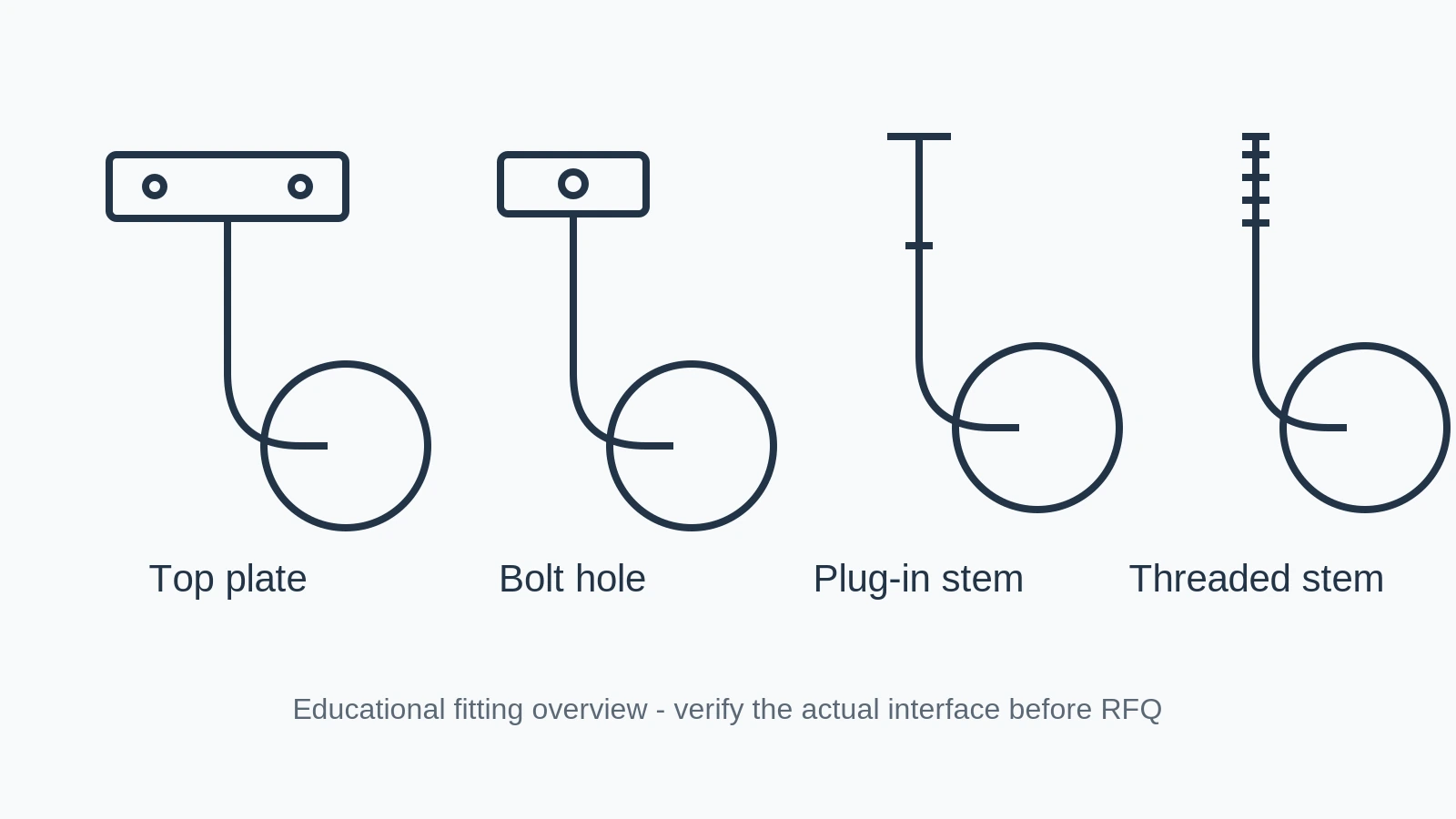
یہ بار بار سورسنگ کی غلطی کو بھی روکتا ہے: صرف ظاہری شکل سے انتخاب کرنا۔ مختلف ہول پیٹرن، آفسیٹ، لاک فنکشنز یا کنڈا لفافے استعمال کرتے ہوئے دو بریکٹ ایک جیسے نظر آ سکتے ہیں۔ انکوائری میں پلیٹ یا اسٹیم کے طول و عرض، فاسٹنرز، نصب اونچائی، پہیے کی ترتیب، لاک فنکشن، بوجھ اور مقدار کو ریکارڈ کریں تاکہ تجارتی بحث تکنیکی طور پر معنی خیز بیس لائن سے شروع ہو۔
پہلے آپریٹنگ حالت کی وضاحت کریں — جب ڈائریکشنل لاک مدد کرتا ہے۔
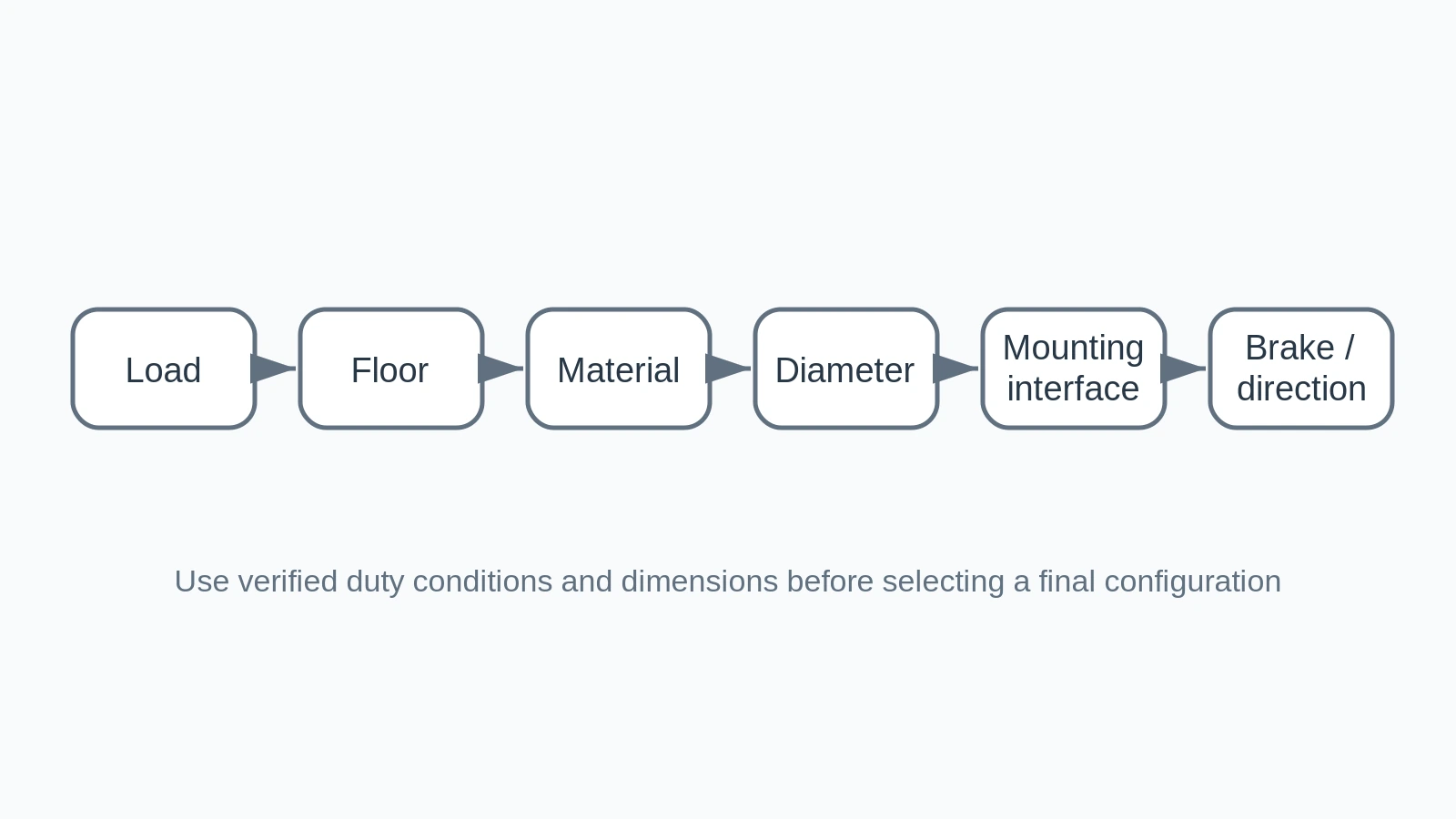
مصنوعات کا موازنہ کرنے سے پہلے، سامان کا کام ایک جملے میں لکھیں: کس چیز کو حرکت میں لانا چاہیے، یہ کیا بوجھ اٹھاتا ہے، یہ کہاں سفر کرتا ہے اور کتنی بار اس کی جگہ لی جاتی ہے۔ یہ تفصیل ایک پیرامیٹر کو آفاقی اصول میں بدلے بغیر دشاتمک لاک ٹرالی کاسٹرز کے لیے سیاق و سباق فراہم کرتی ہے۔
صنعتی ٹرالیوں، مشینی اڈوں اور موبائل فریموں کے لیے جن کے لیے پیشین گوئی کے قابل اسٹیئرنگ یا پارکنگ کنٹرول کی ضرورت ہوتی ہے، پہلے جائزے میں بڑھتے ہوئے جیومیٹری، کنڈا/فکسڈ لے آؤٹ، کنٹرول فنکشن، نصب اونچائی اور کلیئرنس کا احاطہ کیا جانا چاہیے۔ اگر کوئی قدر معلوم نہیں ہے، تو ایک عام نمبر کو تبدیل کرنے کے بجائے اسے پیمائش کے لیے نشان زد کریں۔ RFQ کا مقصد خلا کو بند کرنا ہے، انہیں چھپانا نہیں۔ اس میں جب ڈائریکشنل لاک لمبی گلی والے آر ایف کیو میں مدد کرتا ہے، یہ نقطہ اس وقت سب سے زیادہ مفید ہوتا ہے جب اسے آپریٹنگ کنڈیشن اور فٹ کنٹرول کرنے والی ڈائمینشنز کے ساتھ بیان کیا جاتا ہے۔
وہ پیمائشیں جو غلط مماثلتوں کو روکتی ہیں — جب ڈائریکشنل لاک مدد کرتا ہے۔
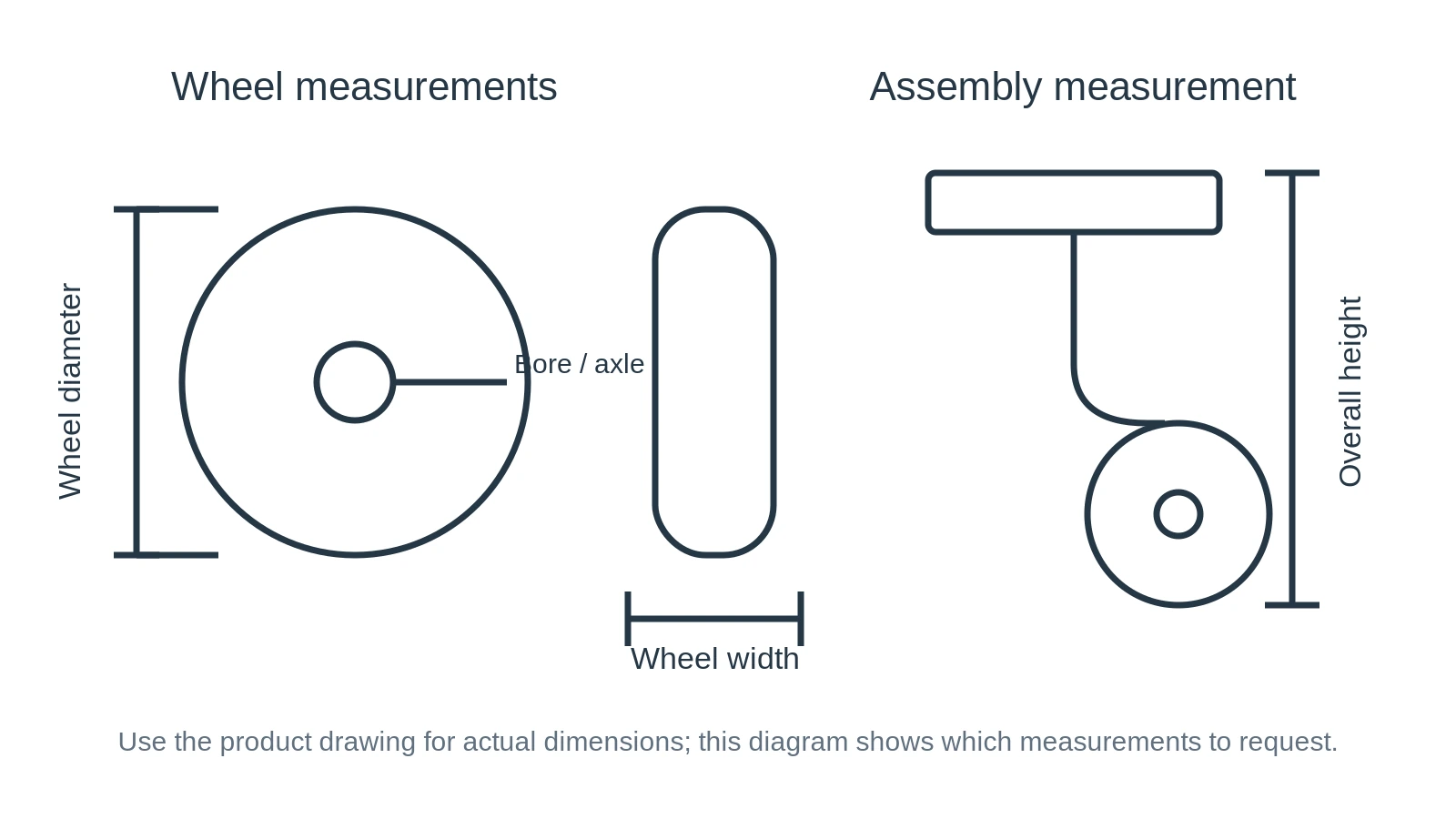
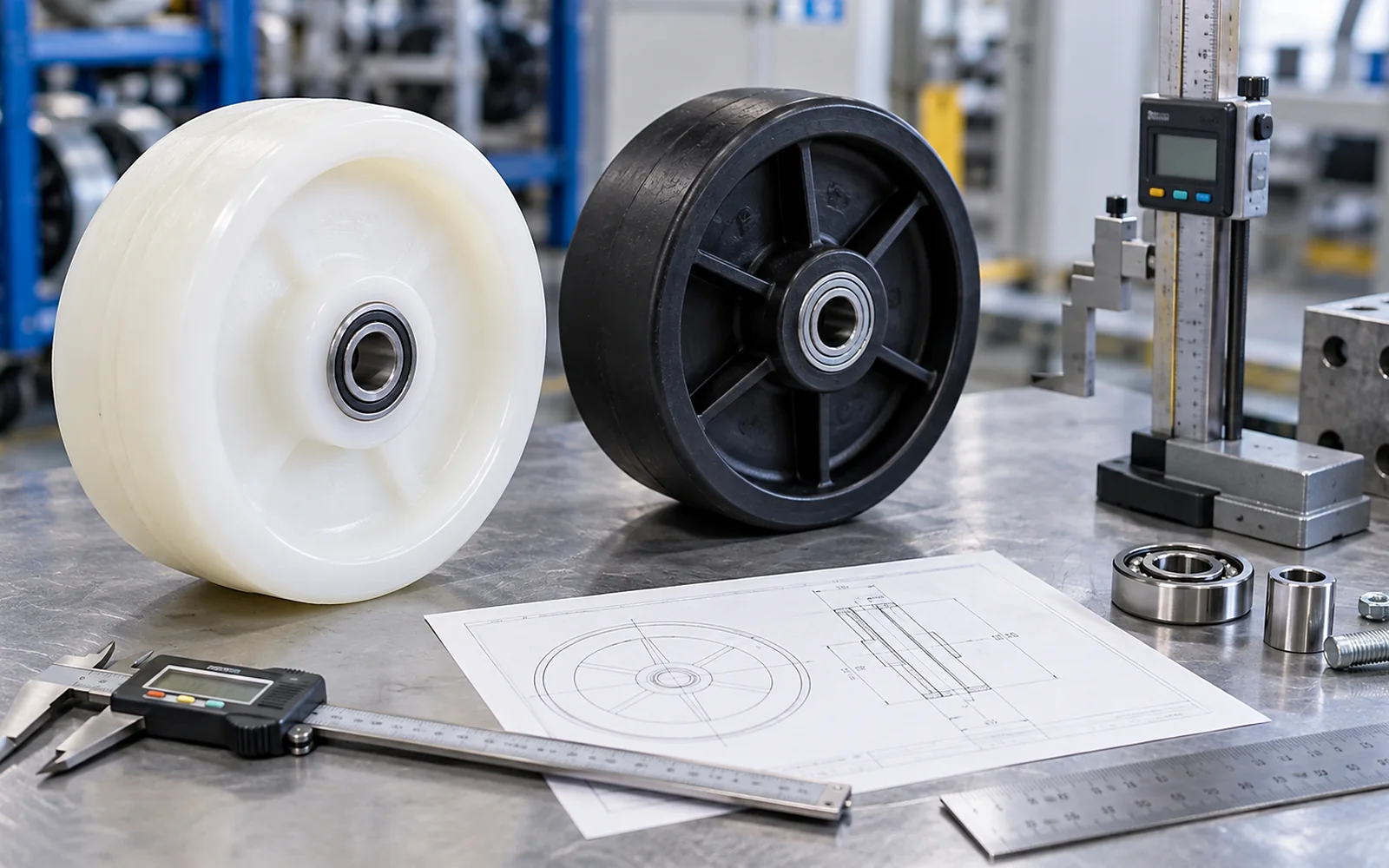
تبدیلی کے کام کو مسلسل پیمائش کے معمول سے فائدہ ہوتا ہے۔ وہیل کا قطر اور چوڑائی ریکارڈ کریں، پھر اندر کی طرف حب کی طرف بڑھیں: بور یا بیئرنگ کی قسم، ایکسل قطر، حب کی لمبائی اور اسپیسرز۔ مکمل اسمبلیوں کے لیے، نصب اونچائی اور بڑھتے ہوئے جیومیٹری شامل کریں۔ جب کسی جہت کو بیان کرنا مشکل ہو تو پیمائش کے آلے کی تصویر بنائیں۔ اس میں جب ڈائریکشنل لاک لمبی گلی والے آر ایف کیو میں مدد کرتا ہے، یہ نقطہ اس وقت سب سے زیادہ مفید ہوتا ہے جب اسے آپریٹنگ کنڈیشن اور فٹ کنٹرول کرنے والی ڈائمینشنز کے ساتھ بیان کیا جاتا ہے۔
اگر اصل قطر کی اہمیت ہو تو پہنی ہوئی چلن کو واحد حوالہ کے طور پر استعمال نہ کریں۔ جب اصل مسئلہ مادی نقصان کا ہوتا ہے تو بھاری پہنا ہوا پہیہ متبادل کو بہت بڑا بنا سکتا ہے۔ اسی طرح، ایک جھکا ہوا فورک یا امپرووائزڈ اسپیسر ظاہر آفسیٹ کو تبدیل کر سکتا ہے۔ اس میں جب ڈائریکشنل لاک لمبی گلی والے آر ایف کیو میں مدد کرتا ہے، یہ نقطہ اس وقت سب سے زیادہ مفید ہوتا ہے جب اسے آپریٹنگ کنڈیشن اور فٹ کنٹرول کرنے والی ڈائمینشنز کے ساتھ بیان کیا جاتا ہے۔
لوڈ، فرش اور نقل و حرکت کا باہمی تعامل — جب ایک دشاتمک لاک مدد کرتا ہے۔
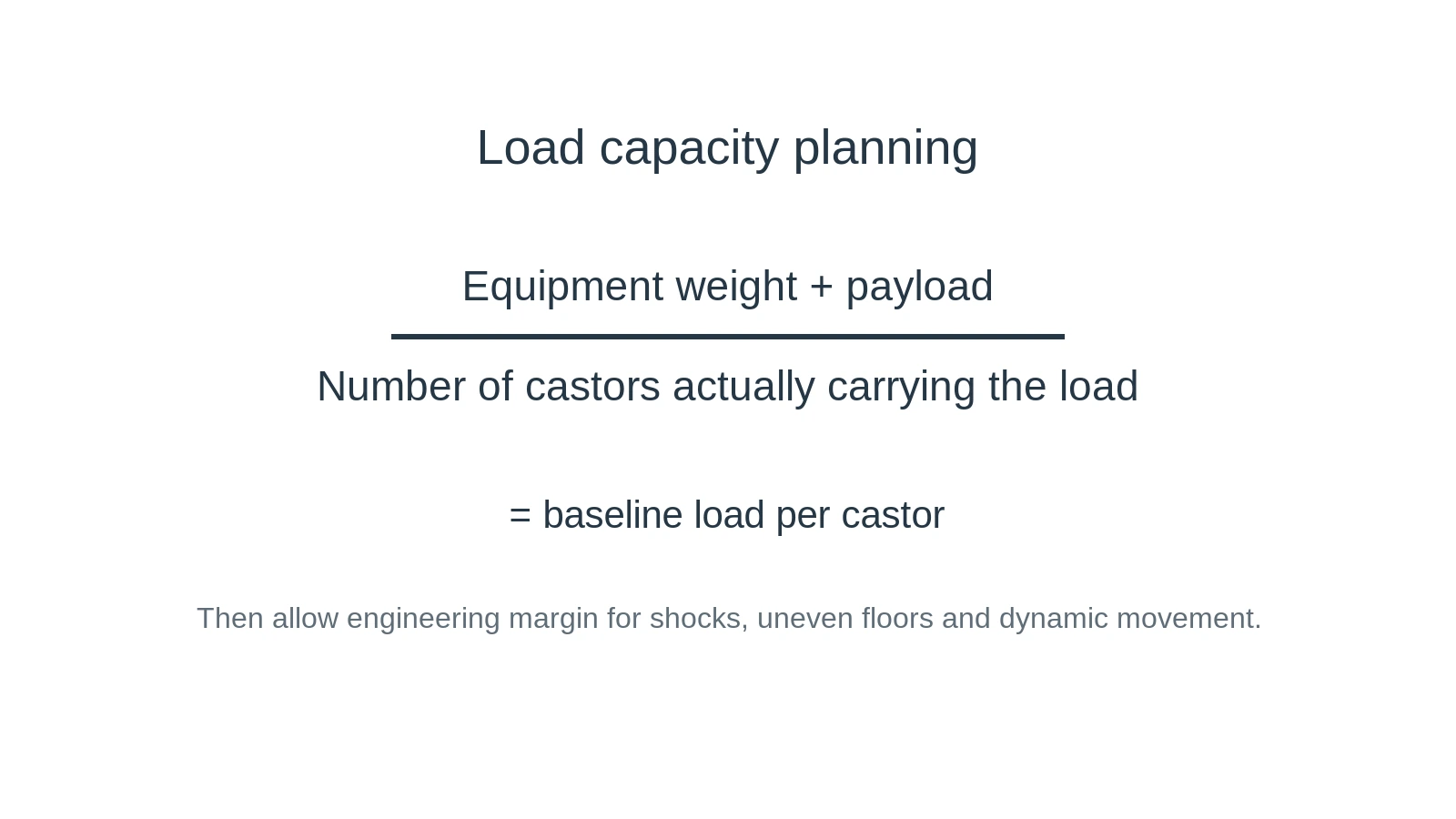
لوڈ کی درجہ بندی اس بات سے آزاد نہیں ہے کہ سامان کیسے حرکت کرتا ہے۔ دہلیز کو عبور کرنے والی گاڑی ایک جامد پارکنگ کی حالت میں غیر حاضر اثر قوتیں پیدا کر سکتی ہے۔ ایک ناہموار فرش بوجھ کو چار برائے نام سپورٹ پوائنٹس سے تین پر منتقل کر سکتا ہے۔ ایک ٹریلر جاکی وہیل ایک معمولی عمودی ڈرابار بوجھ لے سکتا ہے لیکن ڈھیلی زمین پر کافی مشقت کی ضرورت ہوتی ہے۔ اس میں جب ڈائریکشنل لاک لمبی گلی والے آر ایف کیو میں مدد کرتا ہے، یہ نقطہ اس وقت سب سے زیادہ مفید ہوتا ہے جب اسے آپریٹنگ کنڈیشن اور فٹ کنٹرول کرنے والی ڈائمینشنز کے ساتھ بیان کیا جاتا ہے۔
زیادہ سے زیادہ نارمل بوجھ، غیر معمولی لوڈنگ، فرش یا زمین، سفر کا فاصلہ اور رکاوٹ کی تعدد ریکارڈ کریں۔ مجموعہ ایک مجموعی وزن سے بہتر انتخاب کی بنیاد فراہم کرتا ہے۔
کنٹرول فنکشن حرکت کے پیٹرن سے مماثل ہونا چاہیے — جب ڈائریکشنل لاک مدد کرتا ہے۔
وہیل بریک پہیے کی گردش پر کام کرتی ہے۔ ایک کنڈا تالا بریکٹ کی سمت کو کنٹرول کرتا ہے۔ کل لاک دونوں کو کنٹرول کر سکتا ہے۔ ایک مقررہ ارنڈ گھومتا نہیں ہے۔ وہ فنکشن مختلف اسٹیئرنگ رویے پیدا کرتے ہیں، لہذا ترتیب گلیارے کی لمبائی، موڑنے کی جگہ، آپریٹر تک رسائی اور سامان کو پارک کرنے کے طریقہ پر منحصر ہے۔ اس میں جب ڈائریکشنل لاک لمبی گلی والے آر ایف کیو میں مدد کرتا ہے، یہ نقطہ اس وقت سب سے زیادہ مفید ہوتا ہے جب اسے آپریٹنگ کنڈیشن اور فٹ کنٹرول کرنے والی ڈائمینشنز کے ساتھ بیان کیا جاتا ہے۔
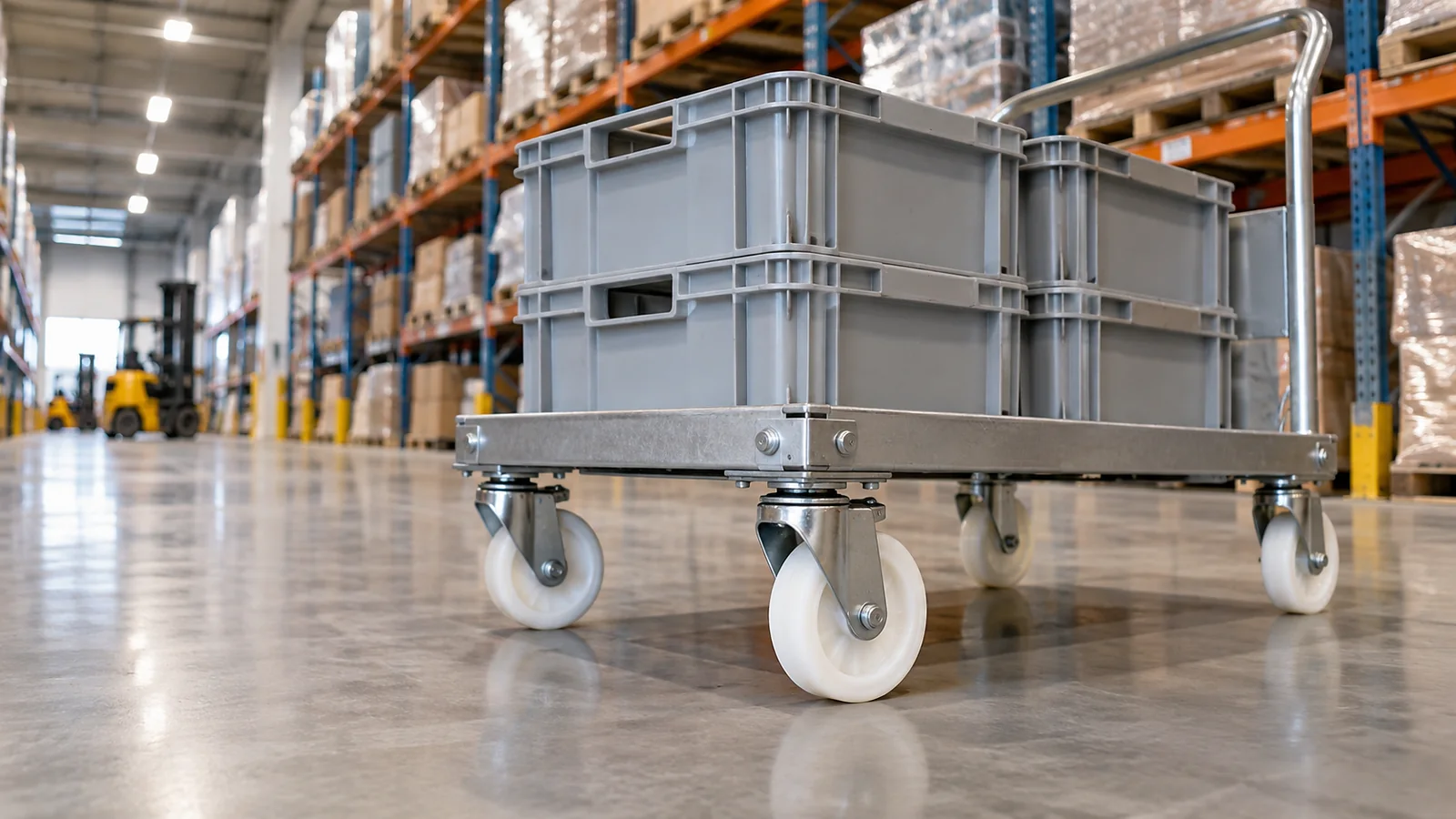
ایک وقت میں ایک کونے کے بجائے وہیل لے آؤٹ کو مکمل گاڑی کے طور پر جانچیں۔
ناکامی کے نمونے دیکھنے کے لیے جب ایک دشاتمک تالہ لمبی گلی میں مدد کرتا ہے۔
مختلف ہول پیٹرن، آفسیٹ، لاک فنکشنز یا کنڈا لفافے استعمال کرتے ہوئے دو بریکٹ ایک جیسے نظر آ سکتے ہیں۔ اسی طرح کی علامات ڈھیلے فاسٹنرز، پہنے ہوئے بیرنگ، غلط ترتیب، آلودہ فرش یا ایسے فریم سے بھی آ سکتی ہیں جو اب مربع نہیں ہے۔ پہیے کے مواد پر الزام لگانے سے پہلے، بڑھتے ہوئے کا معائنہ کریں اور پوزیشنوں میں پہننے کے نمونوں کا موازنہ کریں۔ اس میں جب ڈائریکشنل لاک لمبی گلی والے آر ایف کیو میں مدد کرتا ہے، یہ نقطہ اس وقت سب سے زیادہ مفید ہوتا ہے جب اسے آپریٹنگ کنڈیشن اور فٹ کنٹرول کرنے والی ڈائمینشنز کے ساتھ بیان کیا جاتا ہے۔
اگر صرف ایک کونا تیزی سے پہنتا ہے، تو اس کونے کے بوجھ اور سیدھ کی چھان بین کریں۔ اگر تمام پہیے یکساں نقصان دکھاتے ہیں تو ڈیوٹی، فرش اور مواد کی تفصیلات کا جائزہ لیں۔ اگر عمل میں تبدیلی کے بعد پہننے میں تیزی آتی ہے تو، نئے آلودگی، صفائی کرنے والے ایجنٹ، درجہ حرارت یا سفری پیٹرن کو ریکارڈ کریں۔ اس میں جب ڈائریکشنل لاک لمبی گلی والے آر ایف کیو میں مدد کرتا ہے، یہ نقطہ اس وقت سب سے زیادہ مفید ہوتا ہے جب اسے آپریٹنگ کنڈیشن اور فٹ کنٹرول کرنے والی ڈائمینشنز کے ساتھ بیان کیا جاتا ہے۔
آر ایف کیو لائن کیسے لکھیں — جب ڈائریکشنل لاک مدد کرتا ہے۔
فی کنفیگریشن ایک سطر کا استعمال کریں اور ضرورت لکھیں تاکہ کوئی دوسرا انجینئر اصل گفتگو کے بغیر اسے سمجھ سکے۔ پلیٹ یا اسٹیم کے طول و عرض، بندھن، نصب اونچائی، وہیل لے آؤٹ، لاک فنکشن، بوجھ اور مقدار شامل کریں۔ صحیح ڈرائنگ یا فوٹو سیٹ منسلک کریں۔ اگر انٹرفیس کا طول و عرض نامعلوم ہے، تو اندازہ شدہ قدر استعمال کرنے کے بجائے "پیمائش زیر التواء" کہیں۔ اس میں جب ڈائریکشنل لاک لمبی گلی والے آر ایف کیو میں مدد کرتا ہے، یہ نقطہ اس وقت سب سے زیادہ مفید ہوتا ہے جب اسے آپریٹنگ کنڈیشن اور فٹ کنٹرول کرنے والی ڈائمینشنز کے ساتھ بیان کیا جاتا ہے۔
ملٹی ماڈل آرڈرز کے لیے، مقداریں الگ رکھیں اور شناخت کریں کہ کون سے جہتیں مشترک ہیں۔
جب ایک دشاتمک لاک لمبی گلی کے فیصلے کی فہرست میں مدد کرتا ہے۔
- کیا زیادہ سے زیادہ عام بوجھ معلوم ہے؟
- کیا سپورٹنگ پہیے یکساں طور پر بوجھ بانٹ سکتے ہیں؟
- کیا اصلی منزل/زمین بیان کی گئی ہے؟
- کیا وہیل اور انٹرفیس کے طول و عرض کی پیمائش کی جاتی ہے؟
- کیا کنٹرول فنکشن واضح ہے؟
- کیا خصوصی مواد/ختم/ماحول کی ضروریات بیان کی گئی ہیں؟
- کیا مقدار صحیح ماڈل کے ساتھ منسلک ہے؟
کے ساتھ جاری رکھیں بنیادی انتخاب کا صفحہ، موازنہ کریں۔ موجودہ مصنوعات کے خاندان، یا استعمال کریں۔ آر ایف کیو فارم.
انتخاب، تنصیب اور مشاہدہ شدہ رویے کو جوڑیں — جب ڈائریکشنل لاک مدد کرتا ہے۔
نیچے دیے گئے نکات مضمون کے عنوان کو پیمائش، تنصیب اور فیلڈ کے مشاہدے پر لاگو کرتے ہیں بغیر کسی عام پروڈکٹ کے لیبل کو مکمل تفصیلات کے طور پر دیکھے۔
انسٹالیشن کے ساتھ لوپ بند کریں — جب ڈائریکشنل لاک مدد کرتا ہے۔
نمونہ یا پہلی لاٹ انسٹال ہونے کے بعد، حقیقی رویے کا RFQ مفروضوں سے موازنہ کریں۔ مداخلت، غیر معمولی لباس یا حرکت کو ریکارڈ کریں اور اسے اگلی خریداری کی تفصیلات میں کھلائیں۔ یہ ایک متبادل کو ایک کنٹرول شدہ دیکھ بھال کے معیار میں بدل دیتا ہے۔ اس میں جب ڈائریکشنل لاک لمبی گلی والے آر ایف کیو میں مدد کرتا ہے، یہ نقطہ اس وقت سب سے زیادہ مفید ہوتا ہے جب اسے آپریٹنگ کنڈیشن اور فٹ کنٹرول کرنے والی ڈائمینشنز کے ساتھ بیان کیا جاتا ہے۔
لاگو کرتے وقت کن باتوں کا مشاہدہ کیا جائے جب ڈائریکشنل لاک لمبی گلی میں مدد کرتا ہے۔
عام آپریشن سے پہلے کنٹرول شدہ بوجھ اور کم رفتار کے تحت ڈائریکشنل لاک ٹرالی کاسٹرز کے لیے ایک نئی یا متبادل کنفیگریشن کمیشن کریں۔ رگڑ، بریکٹ کا رابطہ، پہیے کی ہلچل، اسٹیئرنگ کی عدم استحکام، فاسٹنر کی نقل و حرکت اور ڈیک یا ڈرابار کی اونچائی میں کسی قسم کی تبدیلی پر نظر رکھیں۔ مقصد انتخاب کے دوران کیے گئے مفروضوں کی جانچ کرنا ہے بجائے اس کے کہ وہیل گھومنے کی تصدیق کریں۔
صنعتی ٹرالیوں، مشینوں کے اڈوں اور موبائل فریموں کے لیے جن کے لیے پیشین گوئی کے قابل اسٹیئرنگ یا پارکنگ کنٹرول کی ضرورت ہوتی ہے، ابتدائی ٹرائل میں سب سے زیادہ مطلوبہ نارمل فلور یا گراؤنڈ ٹرانزیشن شامل کریں۔ اگر سسٹم کو کسی حد، ریمپ یا کھردری جوائنٹ کو عبور کرنا ضروری ہے، تو وہاں اس کا مشاہدہ کریں۔ RFQ میں استعمال ہونے والے اسی ماڈل کے حوالے سے نتیجہ کو دستاویز کریں تاکہ مستقبل کے بعد کے آرڈرز میں میموری پر انحصار کرنے کی بجائے ایک مفید بیس لائن ہو۔ اس میں جب ڈائریکشنل لاک لمبی گلی والے آر ایف کیو میں مدد کرتا ہے، یہ نقطہ اس وقت سب سے زیادہ مفید ہوتا ہے جب اسے آپریٹنگ کنڈیشن اور فٹ کنٹرول کرنے والی ڈائمینشنز کے ساتھ بیان کیا جاتا ہے۔
دیکھ بھال کا ریکارڈ اس وقت اہمیت رکھتا ہے جب ایک دشاتمک تالہ لمبی گلی میں مدد کرتا ہے۔
وہیل کی پوزیشن، تنصیب کی تاریخ، ڈیوٹی، تبدیلی کی وجہ اور فرش کے غیر معمولی واقعات کو ریکارڈ کریں۔ ڈائریکشنل لاک ٹرالی کاسٹر پروگرام میں، یہ سادہ تاریخ اس بات کی نشاندہی کرنے میں مدد کرتی ہے کہ آیا پہننا بے ترتیب، پوزیشن کے مطابق ہے یا بدلے ہوئے ماحول سے منسلک ہے۔ ایک وہیل جو ایک کونے میں بار بار فیل ہو جاتا ہے وہ کسی عام مادی مسئلے کی بجائے بوجھ کے ارتکاز، سیدھ یا مقامی آلودگی کی طرف اشارہ کر سکتا ہے۔
پرانے پہیے کو ہٹانے پر ایکسل، سپیسرز، بیرنگ، بریکٹ اور فاسٹنرز کا معائنہ کریں۔ ایسی پیمائشیں رکھیں جو براہ راست پلیٹ یا اسٹیم کے طول و عرض، فاسٹنرز، نصب اونچائی، وہیل لے آؤٹ، لاک فنکشن، لوڈ اور مقدار سے متعلق ہوں۔ اگر سروس میں کسی جزو میں ترمیم کی گئی ہے تو، نئی شے کو انسٹال کرنے سے پہلے تبدیلی کی تصویر بنائیں اور فیصلہ کریں کہ آیا ترمیم شدہ حالت کو سرکاری سامان کی تفصیلات کا حصہ بننا چاہیے۔ اس میں جب ڈائریکشنل لاک لمبی گلی والے آر ایف کیو میں مدد کرتا ہے، یہ نقطہ اس وقت سب سے زیادہ مفید ہوتا ہے جب اسے آپریٹنگ کنڈیشن اور فٹ کنٹرول کرنے والی ڈائمینشنز کے ساتھ بیان کیا جاتا ہے۔
فیصلہ سازوسامان کے ارد گرد فریم کریں — جب ایک دشاتمک تالا مدد کرتا ہے۔
"جب ایک ڈائریکشنل لاک لمبی گلیوں والی ٹرالی میں مدد کرتا ہے" کی عملی قدر کوئی آفاقی ہاں یا نہیں میں جواب نہیں ہے۔ مفید حد وہ سامان اور فرض ہے جس میں سوال ہوتا ہے۔ کنڈا اور فکسڈ وہیل لے آؤٹ، کنڈا آفسیٹ، بڑھتے ہوئے سختی، وہیل بیس، رفتار، گلیارے کی لمبائی، فرش کی حالت، لاک فنکشن اور لوڈ کی تقسیم لکھیں۔ ان شعبوں کو ایک ساتھ رکھنے سے مصنوعات کی شناخت کے سوال کو انجینئرنگ کے انتخاب کے سوال سے الگ کرنا ممکن ہو جاتا ہے اور بصری طور پر ملتے جلتے حصے کو خود بخود قابل تبادلہ سمجھا جانے سے روکتا ہے۔
ایک بہترین کیس کی وضاحت کے بجائے سب سے زیادہ مطالبہ کرنے والی عام حالت کا استعمال کریں۔ اگر سامان بعض اوقات حد سے تجاوز کرتا ہے، باہر کام کرتا ہے، غیر مساوی پے لوڈ رکھتا ہے یا طویل عرصے تک جامد بوجھ کے بعد ہی تدبیر کرتا ہے، تو اس شرط کو شامل کریں۔ مقصد ایک دہرائی جانے والی ضرورت ہے جسے کوئی دوسرا انجینئر یا خریدار اصل جز کو دیکھے بغیر سمجھ سکتا ہے۔ اس میں جب ڈائریکشنل لاک لمبی گلی والے آر ایف کیو میں مدد کرتا ہے، یہ نقطہ اس وقت سب سے زیادہ مفید ہوتا ہے جب اسے آپریٹنگ کنڈیشن اور فٹ کنٹرول کرنے والی ڈائمینشنز کے ساتھ بیان کیا جاتا ہے۔

ابہام کو دور کرنے والے جہتوں کو اکٹھا کریں — جب ایک ڈائریکشنل لاک مدد کرتا ہے۔
اس موضوع کے لیے، کنڈا اور فکسڈ وہیل لے آؤٹ، کنڈا آفسیٹ، بڑھتے ہوئے سختی، وہیل بیس، رفتار، گلیارے کی لمبائی، فرش کی حالت، لاک فنکشن اور لوڈ کی تقسیم کو ریکارڈ کریں۔ جہاں ایک ڈرائنگ دستیاب نہ ہو وہاں جہتی تصویروں کا استعمال کریں اور ہر پیمائش کے لیے استعمال ہونے والے حوالہ جات کو دکھائیں۔ اگر پرانا حصہ پہنا ہوا ہے، جھکا ہوا ہے یا مرمت کر دیا گیا ہے، تو متاثرہ جیومیٹری کو ڈیزائن کے ہدف کے طور پر ماننے کے بجائے متاثرہ جہت کو جھنڈا لگائیں۔ اس میں جب ڈائریکشنل لاک لمبی گلی والے آر ایف کیو میں مدد کرتا ہے، یہ نقطہ اس وقت سب سے زیادہ مفید ہوتا ہے جب اسے آپریٹنگ کنڈیشن اور فٹ کنٹرول کرنے والی ڈائمینشنز کے ساتھ بیان کیا جاتا ہے۔
ایک موازنہ شیٹ فی کالم یا قطار ایک ترتیب کے ساتھ بہترین کام کرتی ہے۔ پیمائش شدہ اقدار، مطلوبہ اقدار اور اختیاری ترجیحات کو الگ الگ رکھیں۔ یہ سادہ علیحدگی اس موقع کو کم کر دیتی ہے کہ کسی سپلائر کی تجویز یا پرانی کیٹلاگ کی قدر کو بغیر جائزہ کے مطلوبہ تصریح میں کاپی کیا جائے۔ یہ بعد میں کوٹیشن کی نظرثانی کو بھی آڈٹ کرنے میں آسان بناتا ہے۔ اس میں جب ڈائریکشنل لاک لمبی گلی والے آر ایف کیو میں مدد کرتا ہے، یہ نقطہ اس وقت سب سے زیادہ مفید ہوتا ہے جب اسے آپریٹنگ کنڈیشن اور فٹ کنٹرول کرنے والی ڈائمینشنز کے ساتھ بیان کیا جاتا ہے۔
روٹین سروس سے پہلے ایک کنٹرول ٹرائل استعمال کریں — جب ڈائریکشنل لاک مدد کرتا ہے۔
امیدوار کے انسٹال ہونے کے بعد، آلات کو سیدھے سفر اور موڑ میں آہستہ سے دھکیلیں، ہر تالا کو الگ الگ لگائیں، عام فرش کے جوڑ کو عبور کریں اور شیمی، پل، وہیل اسکرب، بریکٹ کی حرکت اور آپریٹر سے درکار کوشش کا مشاہدہ کریں۔ پہلا ٹرائل اتنا سست ہونا چاہئے کہ وہیل اور بڑھتے ہوئے مشاہدہ کرنے کے بجائے محض یہ ثابت کرے کہ سامان حرکت کر سکتا ہے۔ رگڑنا، غیر متوقع سائیڈ موومنٹ، فاسٹنر موومنٹ، وہیل وبل، مداخلت اور آپریٹر کی کوششوں میں تبدیلی کو دیکھیں۔ اس میں جب ڈائریکشنل لاک لمبی گلی والے آر ایف کیو میں مدد کرتا ہے، یہ نقطہ اس وقت سب سے زیادہ مفید ہوتا ہے جب اسے آپریٹنگ کنڈیشن اور فٹ کنٹرول کرنے والی ڈائمینشنز کے ساتھ بیان کیا جاتا ہے۔
اگر نتیجہ غیر اطمینان بخش ہے تو، ایک ساتھ کئی متغیرات کو تبدیل کرنے سے پہلے علامت کو ریکارڈ کریں۔ ایک کنٹرول شدہ تبدیلی — جیسے کہ وہیل کا قطر، مواد، بڑھتے ہوئے الائنمنٹ یا اسٹیئرنگ لے آؤٹ — پوری اسمبلی کو تبدیل کرنے اور اصل مسئلہ کی وجہ کو کھونے سے زیادہ مفید معلومات فراہم کرتا ہے۔ اس میں جب ڈائریکشنل لاک لمبی گلی والے آر ایف کیو میں مدد کرتا ہے، یہ نقطہ اس وقت سب سے زیادہ مفید ہوتا ہے جب اسے آپریٹنگ کنڈیشن اور فٹ کنٹرول کرنے والی ڈائمینشنز کے ساتھ بیان کیا جاتا ہے۔
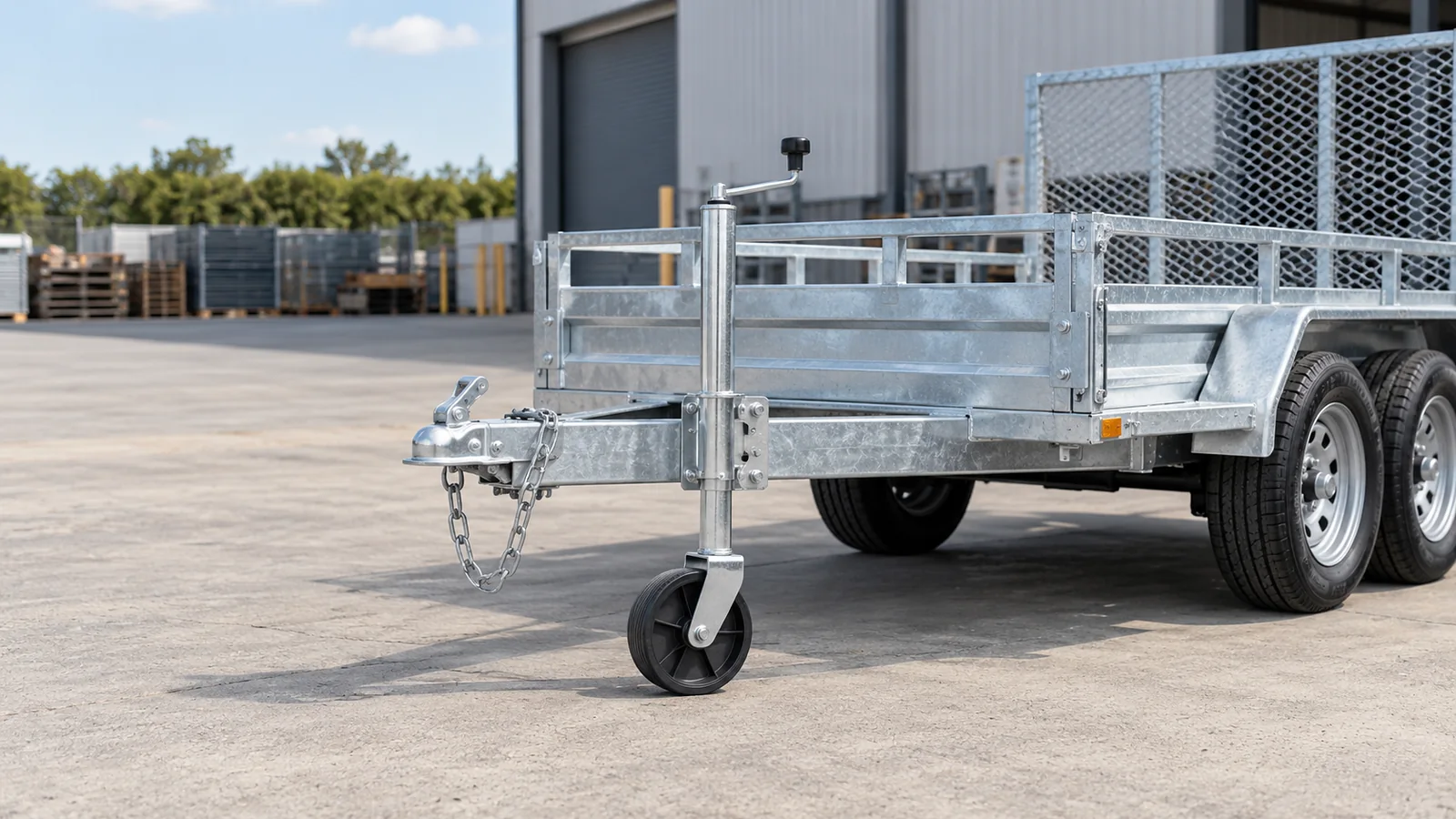
"جب ایک دشاتمک تالا لمبی گلیوں والی ٹرالی کی مدد کرتا ہے" میں نظام کی وجوہات سے الگ الگ جزو علامات
اگر کوئی ٹوکری گھومتی ہے، چمکتی ہے، اسکرب کرتی ہے یا اسے چلانا مشکل ہو جاتا ہے، تو قیاس کے مطابق ایک کیسٹر کو تبدیل کرنے سے پہلے بوجھ کی تقسیم، بڑھتے ہوئے سیدھ، فریم کی حالت، پہیے کے لباس اور فرش کے جوڑوں کا معائنہ کریں۔ ایک ڈھیلا یا بگڑا ہوا بڑھتا ہوا سطح ایک نیا جزو نصب ہونے کے بعد اسی علامت کو دوبارہ پیدا کرسکتا ہے۔ اس میں جب ڈائریکشنل لاک لمبی گلی والے آر ایف کیو میں مدد کرتا ہے، یہ نقطہ اس وقت سب سے زیادہ مفید ہوتا ہے جب اسے آپریٹنگ کنڈیشن اور فٹ کنٹرول کرنے والی ڈائمینشنز کے ساتھ بیان کیا جاتا ہے۔
علامت کو اس کے عام طریقے سے بھری ہوئی کارٹ کے ساتھ دستاویز کریں اور نوٹ کریں کہ آیا یہ سیدھے سفر، مڑنے، بریک لگانے یا کسی حد کو عبور کرنے کے دوران ہوتا ہے۔ یہ آپریٹنگ سیاق و سباق خریداری اور انجینئرنگ ٹیموں کو ہر اسٹیئرنگ شکایت کو پہیے کے مواد کے مسئلے کے طور پر سمجھنے کے بجائے صحیح انٹرفیس یا فنکشن طلب کرنے میں مدد کرتا ہے۔ اس میں جب ڈائریکشنل لاک لمبی گلی والے آر ایف کیو میں مدد کرتا ہے، یہ نقطہ اس وقت سب سے زیادہ مفید ہوتا ہے جب اسے آپریٹنگ کنڈیشن اور فٹ کنٹرول کرنے والی ڈائمینشنز کے ساتھ بیان کیا جاتا ہے۔
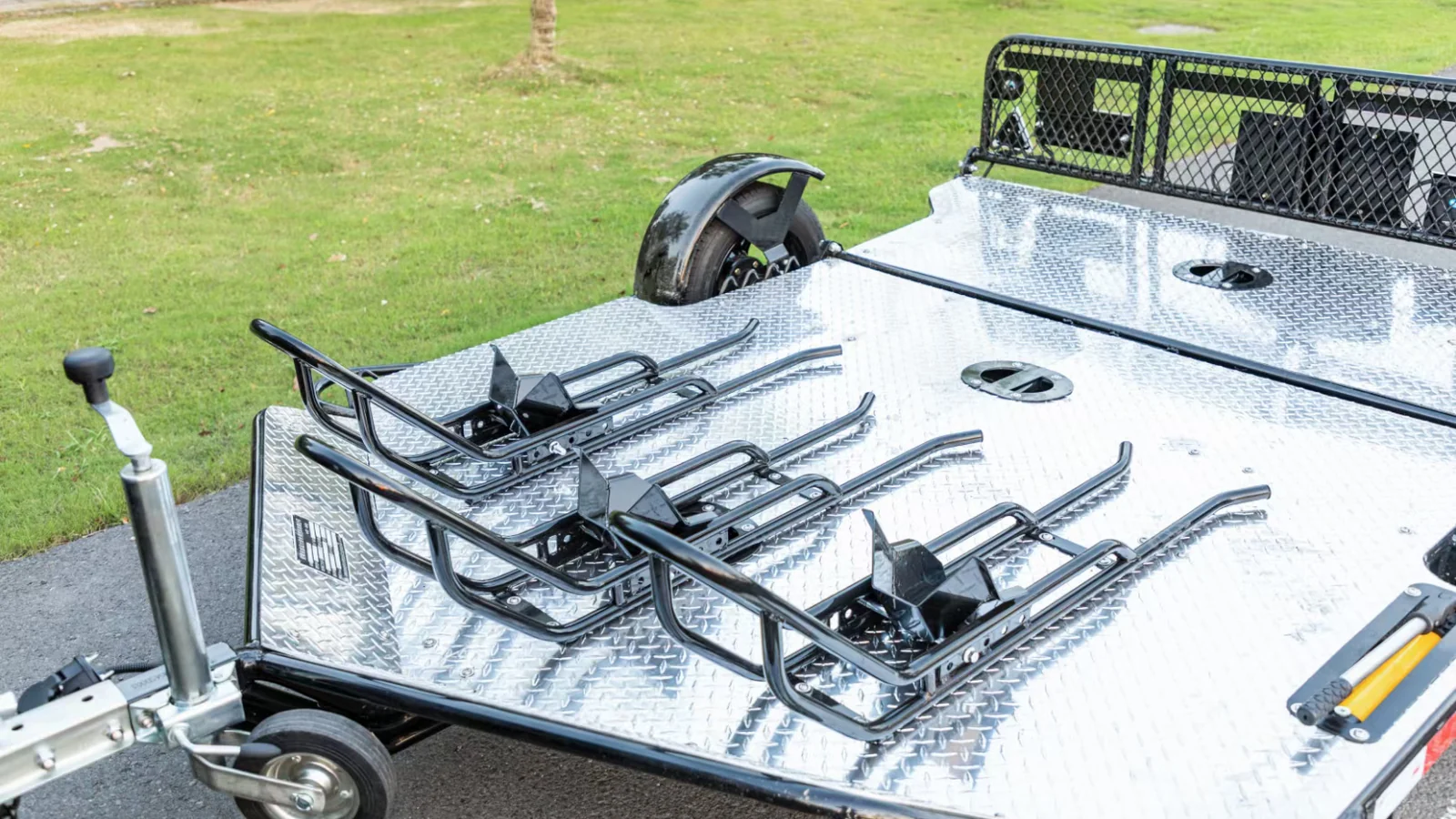
لاگو کرتے وقت کارٹ کی پوری جیومیٹری کو چیک کریں "When a Directional Lock helps a long-aisle Troley"
اسٹیئرنگ رویہ پہیوں، کاسٹرز اور فریم کی ترتیب سے پیدا ہوتا ہے، تنہائی میں کسی ایک جز سے نہیں۔ وہیل بیس، ٹریک کی چوڑائی، فکسڈ اور کنڈا پوزیشنوں کا مقام، ہینڈل یا ٹو پوائنٹ، متوقع سمت میں تبدیلی اور وہ سطح جہاں کارٹ استعمال کیا جاتا ہے ریکارڈ کریں۔ ناہموار لوڈنگ یا فریم کی لچک ایک ترتیب کو ایک سادہ خاکہ سے مختلف طریقے سے برتاؤ کر سکتی ہے۔ اس میں جب ڈائریکشنل لاک لمبی گلی والے آر ایف کیو میں مدد کرتا ہے، یہ نقطہ اس وقت سب سے زیادہ مفید ہوتا ہے جب اسے آپریٹنگ کنڈیشن اور فٹ کنٹرول کرنے والی ڈائمینشنز کے ساتھ بیان کیا جاتا ہے۔
تالا یا بریک کے لیے، بالکل واضح کریں کہ کس چیز کو روکا جانا چاہیے: پہیے کی گردش، کنڈا گھومنا، سمت، یا مجموعہ۔ RFQ میں ان فنکشنل تقاضوں کا استعمال کریں اور لیور تک رسائی کی تصدیق کریں اور عام پروڈکٹ فیملی نام پر انحصار کرنے کے بجائے حقیقی آلات پر کلیئرنس جاری کریں۔ اس میں جب ڈائریکشنل لاک لمبی گلی والے آر ایف کیو میں مدد کرتا ہے، یہ نقطہ اس وقت سب سے زیادہ مفید ہوتا ہے جب اسے آپریٹنگ کنڈیشن اور فٹ کنٹرول کرنے والی ڈائمینشنز کے ساتھ بیان کیا جاتا ہے۔
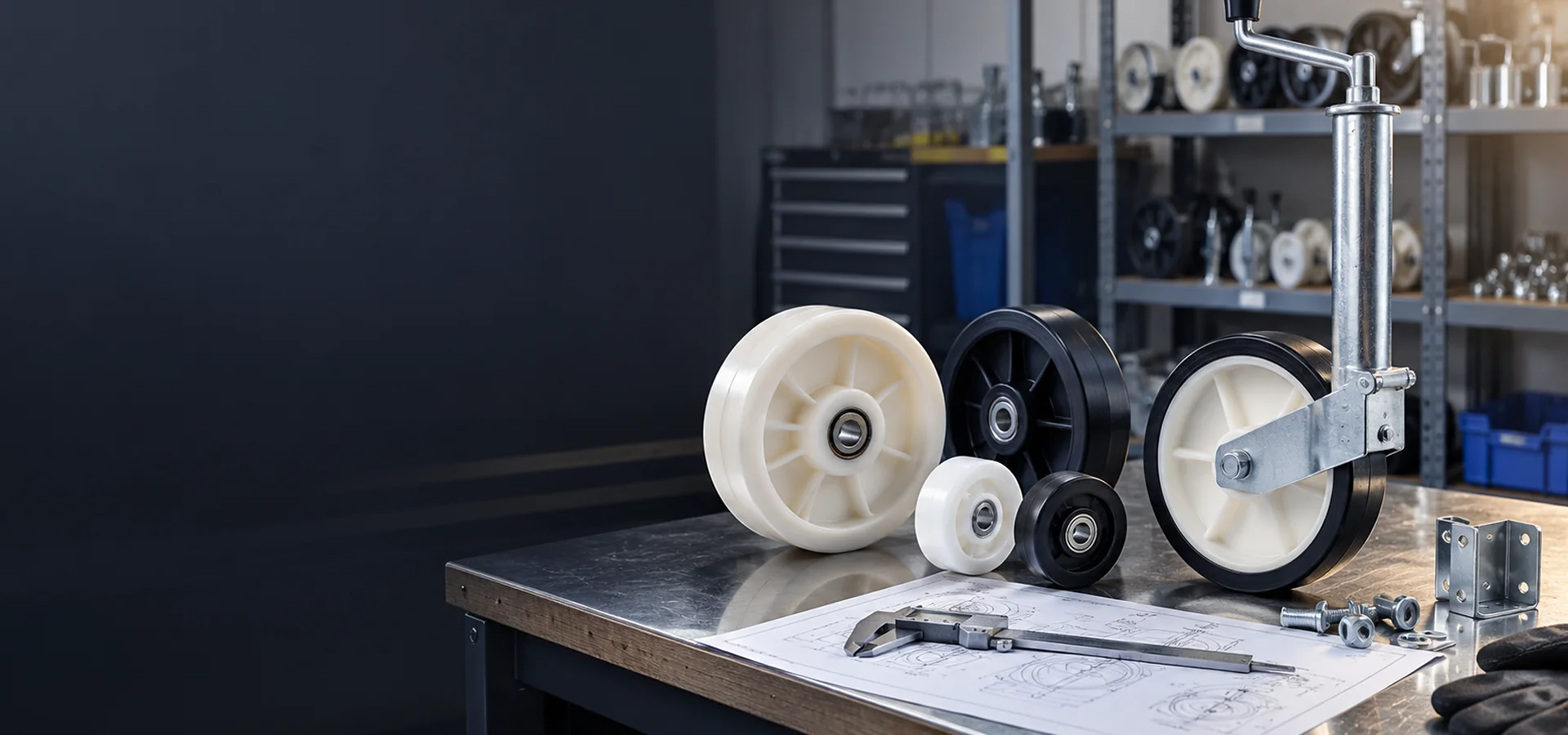
موضوع کو ایک کنٹرول شدہ آلات کی سطح کے مقابلے میں تبدیل کریں — جب ڈائریکشنل لاک مدد کرتا ہے۔
انجینئرنگ کا ایک مفید مضمون فیصلہ کرنے کے طریقہ کار پر ختم ہونا چاہیے، نہ کہ عام سفارش کے ساتھ۔ درخواست کی حد کو ٹھیک کرکے شروع کریں: سامان، بوجھ، حرکت، فرش یا گراؤنڈ، بڑھتے ہوئے انٹرفیس اور خریدار جس نتیجہ کو بہتر بنانے کی کوشش کر رہا ہے۔ اس میں جب ڈائریکشنل لاک لمبی گلی والے آر ایف کیو میں مدد کرتا ہے، یہ نقطہ اس وقت سب سے زیادہ مفید ہوتا ہے جب اسے آپریٹنگ کنڈیشن اور فٹ کنٹرول کرنے والی ڈائمینشنز کے ساتھ بیان کیا جاتا ہے۔
| ان پٹ | کیا ریکارڈ کرنا ہے۔ |
|---|---|
| درخواست | ایک وسیع انڈسٹری لیبل پر انحصار کرنے کے بجائے آلات کو نام دیں اور معمول کی حرکت کی وضاحت کریں۔ |
| لوڈ | کم سے کم سازگار نارمل حالت کے تحت آلات کا ماس، پے لوڈ اور سپورٹنگ پوائنٹس ریکارڈ کریں۔ |
| فٹ | وہیل اور بڑھتے ہوئے انٹرفیس کو مستحکم ڈیٹا سے پیمائش کریں اور کسی بھی پہنی ہوئی یا مرمت شدہ خصوصیات کی نشاندہی کریں۔ |
| فیصلے کا معیار | یہ بتائیں کہ امیدوار کو کیا بہتر یا محفوظ کرنا چاہیے، جیسے کلیئرنس، اسٹیئرنگ، فرش کا تعامل یا سروس تک رسائی۔ |
امیدواروں کا ان ہی ان پٹ سے موازنہ کریں۔ اگر ایک پروڈکٹ ایک سے زیادہ متغیرات کو تبدیل کرتا ہے، تو ہر تبدیلی کو ریکارڈ کریں تاکہ نتیجہ کی بعد میں تشریح کی جا سکے۔ بصری طور پر ملتا جلتا وہیل مختلف مواد، حب، بیئرنگ یا بڑھتے ہوئے جیومیٹری کا استعمال کر سکتا ہے، جبکہ جہتی طور پر ایک جیسا حصہ فرش پر اب بھی مختلف انداز میں برتاؤ کر سکتا ہے۔ موازنہ کو منظم رکھنا ایک پرکشش واحد خصوصیت کو فیصلے پر غلبہ پانے سے روکتا ہے۔ اس میں جب ڈائریکشنل لاک لمبی گلی والے آر ایف کیو میں مدد کرتا ہے، یہ نقطہ اس وقت سب سے زیادہ مفید ہوتا ہے جب اسے آپریٹنگ کنڈیشن اور فٹ کنٹرول کرنے والی ڈائمینشنز کے ساتھ بیان کیا جاتا ہے۔
پہلی تنصیب ایک سادہ پاس/فیل لمحے کے بجائے ایک کنٹرول شدہ مشاہدہ ہونا چاہیے۔ لوڈ کو لاگو کرنے سے پہلے فٹ کی جانچ پڑتال کریں، پھر سامان کو عام راستے سے کم رفتار سے منتقل کریں اور مداخلت، غیر معمولی حرکت، فاسٹنر کے رویے اور آپریٹر کی کوشش کو نوٹ کریں۔ جہاں نتیجہ تسلی بخش نہ ہو، اگلے متغیر کو تبدیل کرنے سے پہلے علامت کو پکڑ لیں۔ یہ معمول کی خریداری کو غیر تعاون یافتہ انجینئرنگ مفروضوں میں بدلے بغیر ایک عملی فیڈ بیک لوپ بناتا ہے۔ اس میں جب ڈائریکشنل لاک لمبی گلی والے آر ایف کیو میں مدد کرتا ہے، یہ نقطہ اس وقت سب سے زیادہ مفید ہوتا ہے جب اسے آپریٹنگ کنڈیشن اور فٹ کنٹرول کرنے والی ڈائمینشنز کے ساتھ بیان کیا جاتا ہے۔
کس طرح جب ایک دشاتمک تالا طویل گلیارے میں مدد کرتا ہے تو RFQ کو تبدیل کرتا ہے۔
"جب ڈائریکشنل لاک ایک لمبی ایزل ٹرالی کی مدد کرتا ہے" کے لیے، RFQ کو آپریٹنگ حقیقت بیان کرنی چاہیے جو صرف پروڈکٹ کی اصطلاح کو دہرانے کے بجائے سوال کو آگے بڑھاتی ہے۔ آلات کو نام دیں، عام اور زیادہ سے زیادہ ڈیوٹی کی وضاحت کریں، فٹ کنٹرول کرنے والے طول و عرض کو ریکارڈ کریں اور اس علامت یا مقصد کی نشاندہی کریں جس نے جائزہ لینے کا اشارہ کیا۔ اگر فیصلہ بوجھ سے متعلق ہے، تو سامان کا ماس اور معاون پوائنٹس شامل کریں۔ اگر یہ مواد سے متعلق ہے، تو فرش اور ماحول کی وضاحت کریں؛ اگر یہ بڑھتے ہوئے سے متعلق ہے تو، انٹرفیس جیومیٹری فراہم کریں؛ اور اگر اس کا تعلق ٹریلر سپورٹ وہیل سے ہے، تو سپورٹ کی حالت، زمینی اور دستیاب سفر شامل کریں۔
مطلوبہ اقدار کو کھلے سوالات سے الگ رکھیں۔ ایک فراہم کنندہ حتمی طور پر پیش کردہ تخمینہ شدہ جہت کے مقابلے میں "منسلک خاکے کے خلاف بور اور حب کی لمبائی کی تصدیق" کے لیے زیادہ مفید جواب دے سکتا ہے۔ یہی اصول لوڈ ریٹنگز، میٹریل گریڈز، بریک فنکشنز اور بڑھتے ہوئے تفصیلات پر لاگو ہوتا ہے۔ جہاں کسی قدر کی تصدیق ہوتی ہے، اس پر واضح طور پر لیبل لگائیں۔ جہاں یہ نہیں ہے، تصدیق کے لیے پوچھیں۔ یہ کوٹیشن کو حقیقی آلات کے ساتھ جوڑ کر رکھتا ہے اور صفحہ پر ایک اور بار بار منظوری یا بعد میں آرڈر کے سیکشن کو شامل کیے بغیر بعد میں تکنیکی جائزہ کو آسان بنا دیتا ہے۔ اس میں جب ڈائریکشنل لاک لمبی گلی والے آر ایف کیو میں مدد کرتا ہے، یہ نقطہ اس وقت سب سے زیادہ مفید ہوتا ہے جب اسے آپریٹنگ کنڈیشن اور فٹ کنٹرول کرنے والی ڈائمینشنز کے ساتھ بیان کیا جاتا ہے۔
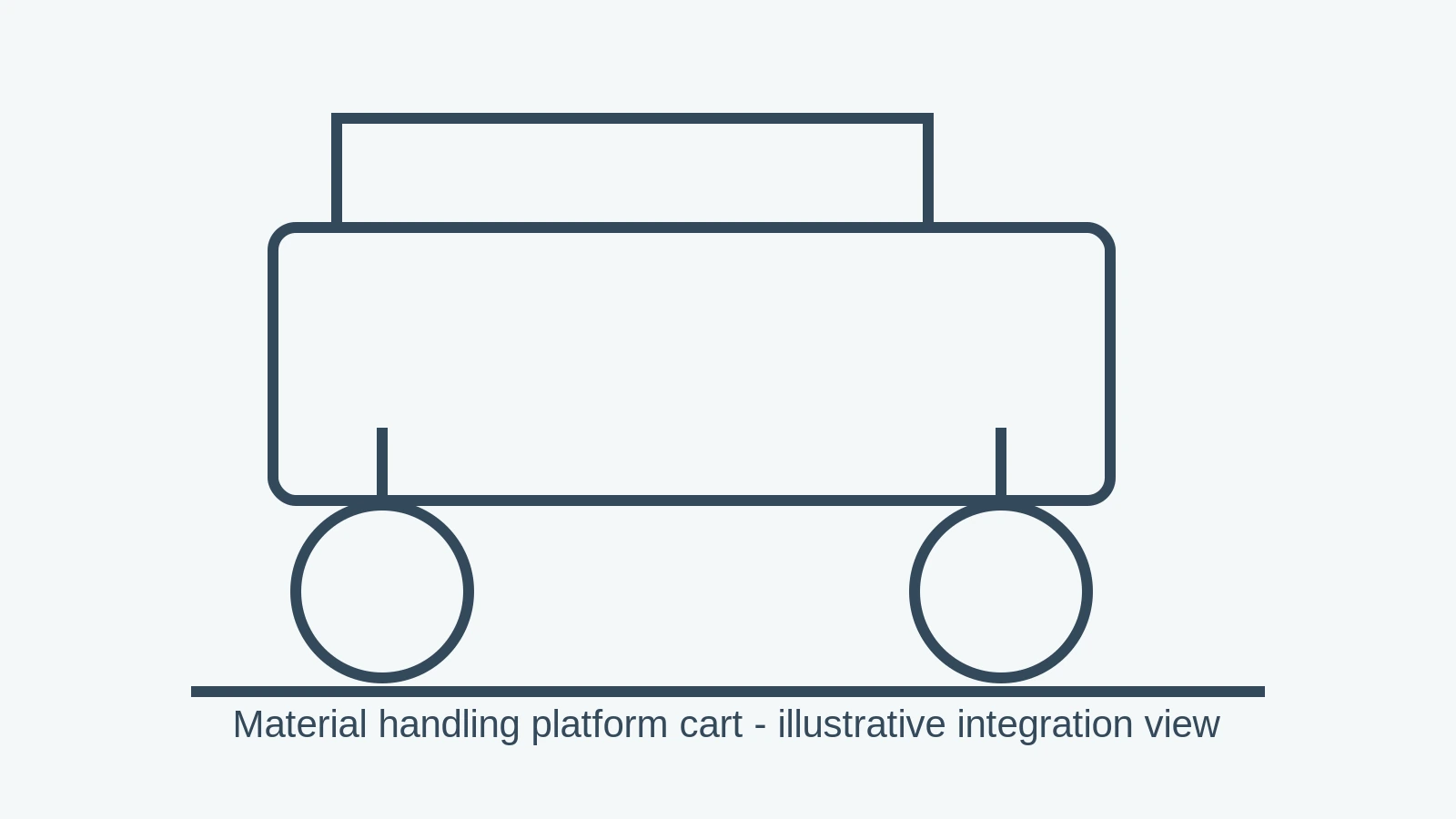
جب ایک دشاتمک تالہ ایک طویل-ایلیل FAQ میں مدد کرتا ہے۔
ڈائریکشنل لاک ٹرالی کاسٹرز کی تصدیق کرنے والی پہلی چیز کیا ہے؟
بڑھتے ہوئے جیومیٹری، کنڈا/فکسڈ لے آؤٹ، کنٹرول فنکشن، نصب اونچائی اور کلیئرنس کے ساتھ شروع کریں۔ یہ باقی انتخاب کو ایک قابل پیمائش سیاق و سباق فراہم کرتا ہے۔
کیا تصویر پیمائش کی جگہ لے سکتی ہے؟
ایک تصویر شناخت میں مدد کرتی ہے، لیکن فٹ ہونے کے لیے اہم جہتوں کو اب بھی ناپا جانا چاہیے یا منظور شدہ ڈرائنگ سے لیا جانا چاہیے۔
کیا خریدار کو لوڈ کرنے کے لیے حفاظتی عنصر شامل کرنا چاہیے؟
ایک حفاظتی الاؤنس عام طور پر غیر مساوی لوڈ شیئرنگ اور آپریٹنگ اثرات کو حل کرنے کے لیے استعمال کیا جاتا ہے، لیکن مناسب قیمت درخواست پر منحصر ہے اور پروڈکٹ کی درجہ بندی کو تبدیل نہیں کرتی ہے۔ اس میں جب ڈائریکشنل لاک لمبی گلی والے آر ایف کیو میں مدد کرتا ہے، یہ نقطہ اس وقت سب سے زیادہ مفید ہوتا ہے جب اسے آپریٹنگ کنڈیشن اور فٹ کنٹرول کرنے والی ڈائمینشنز کے ساتھ بیان کیا جاتا ہے۔
اگر مواد نامعلوم ہے تو کیا ہوگا؟
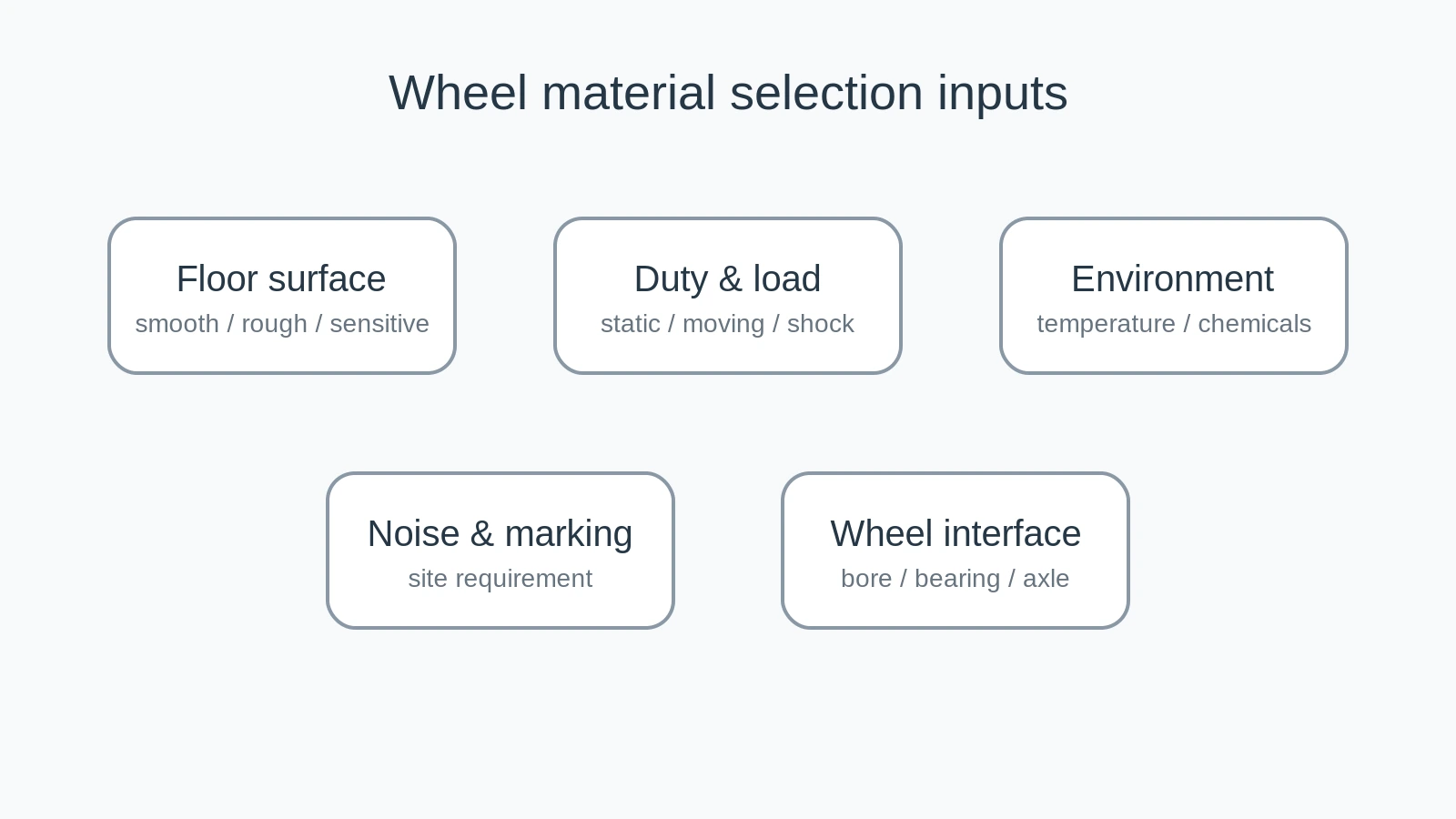
اسٹیٹ آپریٹنگ فلور اور ماحول، ایک نمونہ یا تصویر فراہم کریں، اور مواد کو رنگ سے اندازہ لگانے کی بجائے تصدیقی شے کے طور پر پیش کریں۔
اپنی دشاتمک لاک ٹرالی کاسٹر کی ضرورت پر تبادلہ خیال کریں۔
ایپلیکیشن، لوڈ، فٹ کنٹرول کرنے والے طول و عرض، مقدار اور کوئی متعلقہ تصویر یا ڈرائنگ بھیجیں۔ ہم ان پٹ کو بغیر اندازہ لگائے پروڈکٹ فیملی کو تنگ کرنے کے لیے استعمال کریں گے۔