
Mô tả sản phẩm
HangZhou Yida industry and Trade Co., Ltd. is a professional manufacturer of injection molding plastic products and moulds
processing. Founded in 1999,The products range covers Construction, Home Appliances, Foods, Machinery, Vehicles & Accessories, Daily Consumer Goods, Sports & Fitness, Electronic Components & Accessories, Tools, Fishery, Packaging & Printing etc.
Rapid tooling
Fast and cost-effective process to create aluminum or steel injection molds for quick turn injection molding. Ideal for rapid prototyping needs or validating product concept for production.
Overmolding
Overmolding is a unique injection molding process that combines 2 or more components together. It is the best practice for the plastic manufacturing of multi-color and multi-layers products.
Insert molding
Insert molding is a custom injection molding process that encapsulates components in a plastic part. It is most commonly used for
prototype injection molding designs with threads and holes.
Liquid Silicone Rubber injection molding
Liquid silicone rubber (LSR) is a flexible prototype injection molding process that produces elastic, durable parts. Get custom
prototypes and production parts from 15 days.
Mould Design Process
Step 1: Analyze the product drawings
Step 2:Create the Design for Manufacturability (DFM) report
Step 3: Make the mould flow analysis
Step 4: Design tooling drawings
Step 5: Mould making
Once the mould making is finished, we’ll make several pieces of pre-production samples for test, if the dimensions are correct,then we will send the samples to customers for final confirmation. If the test failed, we will modify the mould or adjust the molding parameter to make new samples, and test it again. Once the samples are approval by customers, we will purchase the raw material and making quality inspection. Then mixing material, molding and trimming, we will make many times of inspection during the production. Finally we will arrange the assembly and packing. After whole order is ready, we will send the packing list to customer to arrange the shipment.
| Vật liệu khuôn | S45C, S50C, P20, 718H, 738H, NAK80, S136, S136H |
| Mold Life Time | 300K times |
| Product Material | ABS+PC, PP, PC, ABS, PA, HIPS, PVC, PE, PS, POM, Acrylic, |
| Bề mặt | Smooth, glossy, textured, matte |
| Kích cỡ |
1) According to customers’ drawings 2) According to customers’ samples |
| Định dạng bản vẽ | step, dwg, igs, pdf |
| Quá trình | Injection Plastic Modling |
| Điều khoản thanh toán | T/T, L/C, Trade Assurance |
| Place of Origin | China |
| Màu sắc | Customized |
Câu hỏi thường gặp
Q1:Where can I get product&price information?
A1:Send us e-mail , we will contact you as we receive your mail.
Q2: How soon can I get samples?
A2: Depending on your specific project, it usually takes 10 to 20 days.
Q3:How to enjoy the OEM services?
A3:Usually, base on your design drawings or original samples, we give some technical proposals and a quotation to you, after your agreement, we produce for you.
Q4:Can you make machining parts based on our samples?
A4:Yes, we can make measurement based on your samples to make drawings for machining parts making.
Q5: Is it possible to know how are my products going on without visiting your company?
A5: We will offer a detailed production schedule and send weekly reports with digital pictures and videos which show the machining progress.
| Vật liệu: | PP |
|---|---|
| Ứng dụng: | Medical, Household, Electronics, Automotive, Agricultural, Plastic |
| Chứng nhận: | ISO |
| Mold Material: | S45c, S50c, P20, 718h, 738h, Nak80, S136, S136h |
| Mold Life Time: | 300K Times |
| Product Material: | ABS+PC, PP, PC, ABS, PA, HIPS, PVC, PE, PS, POM |
| Mẫu: |
US$ 10/Miếng
1 chiếc (Số lượng đặt tối thiểu) | |
|---|
| Tùy chỉnh: |
Có sẵn
|
|
|---|
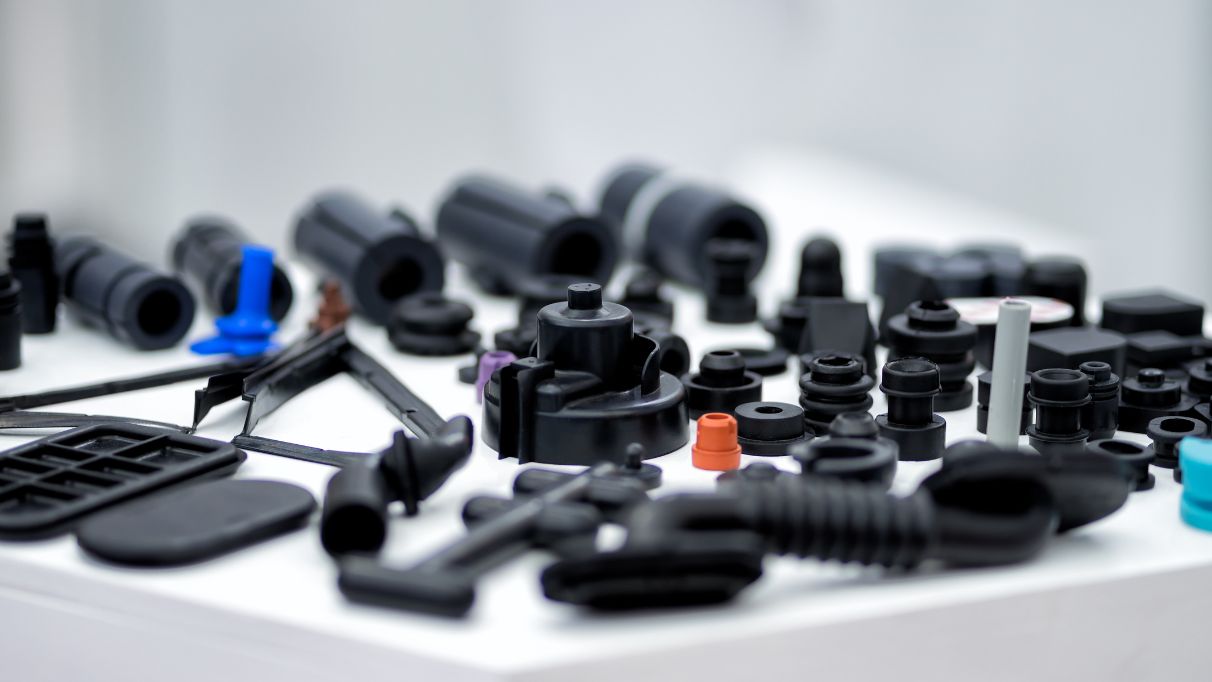
Can injection molded parts be customized or modified to meet unique industrial needs?
Yes, injection molded parts can be customized or modified to meet unique industrial needs. The injection molding process offers flexibility and versatility, allowing for the production of highly customized parts with specific design requirements. Here’s a detailed explanation of how injection molded parts can be customized or modified:
Design Customization:
The design of an injection molded part can be tailored to meet unique industrial needs. Design customization involves modifying the part’s geometry, features, and dimensions to achieve specific functional requirements. This can include adding or removing features, changing wall thicknesses, incorporating undercuts or threads, and optimizing the part for assembly or integration with other components. Computer-aided design (CAD) tools and engineering expertise are used to create custom designs that address the specific industrial needs.
Material Selection:
The choice of material for injection molded parts can be customized based on the unique industrial requirements. Different materials possess distinct properties, such as strength, stiffness, chemical resistance, and thermal stability. By selecting the most suitable material, the performance and functionality of the part can be optimized for the specific application. Material customization ensures that the injection molded part can withstand the environmental conditions, operational stresses, and chemical exposures associated with the industrial application.
Surface Finishes:
The surface finish of injection molded parts can be customized to meet specific industrial needs. Surface finishes can range from smooth and polished to textured or patterned, depending on the desired aesthetic appeal, functional requirements, or ease of grip. Custom surface finishes can enhance the part’s appearance, provide additional protection against wear or corrosion, or enable specific interactions with other components or equipment.
Color and Appearance:
Injection molded parts can be customized in terms of color and appearance. Colorants can be added to the material during the molding process to achieve specific shades or color combinations. This customization option is particularly useful when branding, product differentiation, or visual identification is required. Additionally, surface textures, patterns, or special effects can be incorporated into the mold design to create unique appearances or visual effects.
Secondary Operations:
Injection molded parts can undergo secondary operations to further customize or modify them according to unique industrial needs. These secondary operations can include post-molding processes such as machining, drilling, tapping, welding, heat treating, or applying coatings. These operations enable the addition of specific features or functionalities that may not be achievable through the injection molding process alone. Secondary operations provide flexibility for customization and allow for the integration of injection molded parts into complex assemblies or systems.
Tooling Modifications:
If modifications or adjustments are required for an existing injection molded part, the tooling can be modified or reconfigured to accommodate the changes. Tooling modifications can involve altering the mold design, cavity inserts, gating systems, or cooling channels. This allows for the production of modified parts without the need for creating an entirely new mold. Tooling modifications provide cost-effective options for customizing or adapting injection molded parts to meet evolving industrial needs.
Prototyping and Iterative Development:
Injection molding enables the rapid prototyping and iterative development of parts. By using 3D printing or soft tooling, prototype molds can be created to produce small quantities of custom parts for testing, validation, and refinement. This iterative development process allows for modifications and improvements to be made based on real-world feedback, ensuring that the final injection molded parts meet the unique industrial needs effectively.
Overall, injection molded parts can be customized or modified to meet unique industrial needs through design customization, material selection, surface finishes, color and appearance options, secondary operations, tooling modifications, and iterative development. The flexibility and versatility of the injection molding process make it a valuable manufacturing method for creating highly customized parts that address specific industrial requirements.
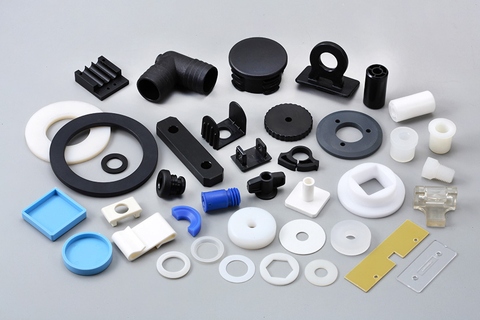
Can you describe the various post-molding processes, such as assembly or secondary operations, for injection molded parts?
Post-molding processes play a crucial role in the production of injection molded parts. These processes include assembly and secondary operations that are performed after the initial molding stage. Here’s a detailed explanation of the various post-molding processes for injection molded parts:
1. Assembly:
Assembly involves joining multiple injection molded parts together to create a finished product or sub-assembly. The assembly process can include various techniques such as mechanical fastening (screws, clips, or snaps), adhesive bonding, ultrasonic welding, heat staking, or solvent welding. Assembly ensures that the individual molded parts are securely combined to achieve the desired functionality and structural integrity of the final product.
2. Surface Finishing:
Surface finishing processes are performed to enhance the appearance, texture, and functionality of injection molded parts. Common surface finishing techniques include painting, printing (such as pad printing or screen printing), hot stamping, laser etching, or applying specialized coatings. These processes can add decorative features, branding elements, or improve the surface properties of the parts, such as scratch resistance or UV protection.
3. Machining or Trimming:
In some cases, injection molded parts may require additional machining or trimming to achieve the desired final dimensions or remove excess material. This can involve processes such as CNC milling, drilling, reaming, or turning. Machining or trimming is often necessary when tight tolerances, specific geometries, or critical functional features cannot be achieved solely through the injection molding process.
4. Welding or Joining:
Welding or joining processes are used to fuse or bond injection molded parts together. Common welding techniques for plastic parts include ultrasonic welding, hot plate welding, vibration welding, or laser welding. These processes create strong and reliable joints between the molded parts, ensuring structural integrity and functionality in the final product.
5. Insertion of Inserts:
Insertion involves placing metal or plastic inserts into the mold cavity before the injection molding process. These inserts can provide additional strength, reinforce threaded connections, or serve as mounting points for other components. Inserts can be placed manually or using automated equipment, and they become permanently embedded in the molded parts during the molding process.
6. Overmolding or Two-Shot Molding:
Overmolding or two-shot molding processes allow for the creation of injection molded parts with multiple layers or materials. In overmolding, a second material is molded over a pre-existing substrate, providing enhanced functionality, aesthetics, or grip. Two-shot molding involves injecting two different materials into different sections of the mold to create a single part with multiple colors or materials. These processes enable the integration of multiple materials or components into a single injection molded part.
7. Deflashing or Deburring:
Deflashing or deburring processes involve removing excess flash or burrs that may be present on the molded parts after the injection molding process. Flash refers to the excess material that extends beyond the parting line of the mold, while burrs are small protrusions or rough edges caused by the mold features. Deflashing or deburring ensures that the molded parts have smooth edges and surfaces, improving their appearance, functionality, and safety.
8. Inspection and Quality Control:
Inspection and quality control processes are performed to ensure that the injection molded parts meet the required specifications and quality standards. This can involve visual inspection, dimensional measurement, functional testing, or other specialized testing methods. Inspection and quality control processes help identify any defects, inconsistencies, or deviations that may require rework or rejection of the parts, ensuring that only high-quality parts are used in the final product or assembly.
9. Packaging and Labeling:
Once the post-molding processes are complete, the injection molded parts are typically packaged and labeled for storage, transportation, or distribution. Packaging can include individual part packaging, bulk packaging, or custom packaging based on specific requirements. Labeling may involve adding product identification, barcodes, or instructions for proper handling or usage.
These post-molding processes are vital in achieving the desired functionality, appearance, and quality of injection molded parts. They enable the integration of multiple components, surface finishing, dimensional accuracy, and assembly of the final products or sub-assemblies.
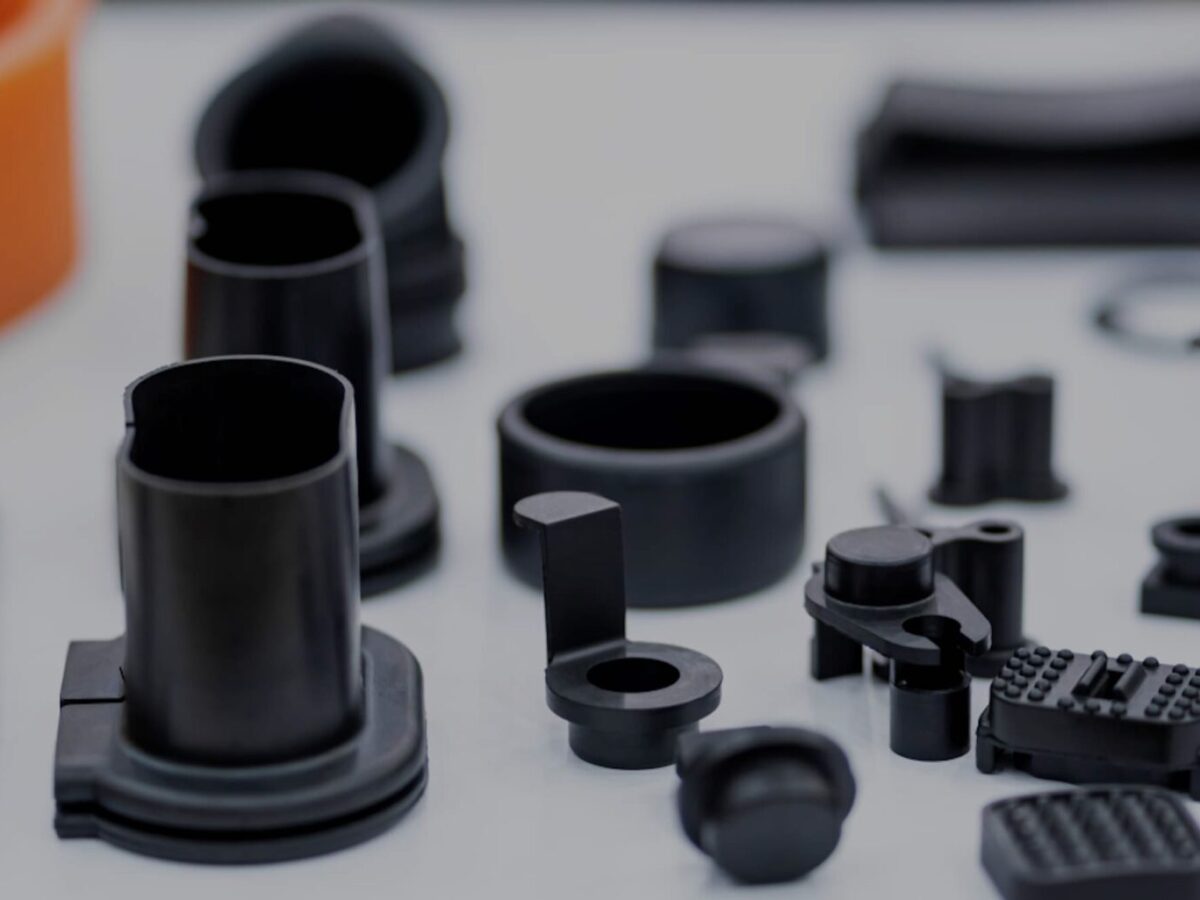
Các bộ phận đúc phun là gì và chúng được sản xuất như thế nào?
Các chi tiết đúc phun là các bộ phận hoặc sản phẩm được sản xuất thông qua quy trình sản xuất bằng phương pháp đúc phun. Đúc phun là một kỹ thuật sản xuất được sử dụng rộng rãi để tạo ra các bộ phận bằng nhựa với độ chính xác, độ phức tạp và hiệu quả cao. Dưới đây là giải thích chi tiết về các chi tiết đúc phun và quy trình sản xuất chúng:
Quy trình ép phun:
Quy trình ép phun bao gồm các bước sau:
1. Thiết kế khuôn:
Bước đầu tiên trong sản xuất các chi tiết đúc phun là thiết kế khuôn. Khuôn là một công cụ được chế tạo riêng, xác định hình dạng và các đặc điểm của chi tiết cuối cùng. Nó thường được làm từ thép hoặc nhôm và bao gồm hai phần: khoang và lõi. Thiết kế khuôn phải tính đến các yếu tố như hình dạng chi tiết, lựa chọn vật liệu, yêu cầu làm mát và cơ chế đẩy sản phẩm.
2. Lựa chọn vật liệu:
Bước tiếp theo là lựa chọn vật liệu phù hợp cho quy trình ép phun. Các polyme nhiệt dẻo thường được sử dụng do khả năng nóng chảy và đông đặc nhiều lần mà không bị suy giảm đáng kể. Việc lựa chọn vật liệu phụ thuộc vào các đặc tính mong muốn của sản phẩm cuối cùng, chẳng hạn như độ bền, độ dẻo, độ trong suốt hoặc khả năng kháng hóa chất.
3. Nung chảy và ép phun:
Trong máy ép phun, vật liệu nhựa nhiệt dẻo được lựa chọn sẽ được nung chảy và đưa đến trạng thái nóng chảy. Vật liệu nóng chảy, được gọi là nhựa nóng chảy, sau đó được bơm vào khuôn dưới áp suất cao. Quá trình bơm được thực hiện thông qua vòi phun và hệ thống dẫn nhựa đưa vật liệu nóng chảy vào khoang khuôn.
4. Làm mát:
Sau khi vật liệu nóng chảy được bơm vào khuôn, nó bắt đầu nguội và đông cứng. Quá trình làm nguội là một giai đoạn quan trọng trong quá trình ép phun vì nó quyết định độ chính xác về kích thước, độ bền và các đặc tính khác của sản phẩm cuối cùng. Khuôn được thiết kế với các kênh làm mát hoặc các chi tiết chèn để tạo điều kiện làm nguội hiệu quả và đồng đều cho sản phẩm. Thời gian làm nguội có thể thay đổi tùy thuộc vào các yếu tố như độ dày của sản phẩm, đặc tính vật liệu và thiết kế khuôn.
5. Mở khuôn và đẩy sản phẩm ra:
Sau khi vật liệu được bơm vào đã nguội và đông cứng đủ, khuôn sẽ mở ra, tách hai nửa khuôn. Các chốt đẩy hoặc các cơ cấu khác được sử dụng để đẩy hoặc giải phóng chi tiết ra khỏi khoang khuôn. Hệ thống đẩy phải được thiết kế cẩn thận để tránh làm hỏng chi tiết trong quá trình đẩy.
6. Hoàn thiện:
Sau khi được lấy ra khỏi khuôn, chi tiết đúc phun có thể trải qua các quy trình hoàn thiện bổ sung, chẳng hạn như cắt bỏ phần vật liệu thừa, loại bỏ cuống hoặc đường dẫn nhựa, và áp dụng các phương pháp xử lý bề mặt hoặc tạo vân. Những quy trình này giúp đạt được hình thức và chức năng cuối cùng mong muốn của chi tiết.
Ưu điểm của các bộ phận được sản xuất bằng phương pháp ép phun:
Các bộ phận được sản xuất bằng phương pháp ép phun mang lại một số ưu điểm:
1. Độ chính xác và độ phức tạp cao:
Kỹ thuật ép phun cho phép tạo ra các bộ phận có độ chính xác cao và chi tiết phức tạp. Khuôn có thể tạo ra các hình dạng phức tạp, các chi tiết nhỏ và kích thước chính xác, cho phép sản xuất các bộ phận với dung sai chặt chẽ.
2. Sản xuất hàng loạt tiết kiệm chi phí:
Ép phun là một quy trình hiệu quả cao, phù hợp với sản xuất quy mô lớn. Sau khi tạo khuôn, quy trình sản xuất có thể được tự động hóa, giúp sản xuất nhanh chóng và tiết kiệm chi phí các bộ phận giống hệt nhau. Khối lượng sản xuất lớn giúp giảm chi phí trên mỗi đơn vị sản phẩm.
3. Tính đa dụng của vật liệu:
Kỹ thuật ép phun hỗ trợ nhiều loại vật liệu nhựa nhiệt dẻo, cho phép lựa chọn vật liệu linh hoạt dựa trên các đặc tính mong muốn của sản phẩm cuối cùng. Có thể sử dụng các vật liệu khác nhau để đạt được các đặc tính cụ thể như độ bền, độ dẻo, khả năng chịu nhiệt hoặc khả năng kháng hóa chất.
4. Độ bền và khả năng chịu lực:
Các chi tiết được sản xuất bằng phương pháp ép phun có độ bền và độ chắc chắn tuyệt vời. Quá trình ép phun đảm bảo vật liệu được phân bố đồng đều, dẫn đến các đặc tính cơ học nhất quán trên toàn bộ chi tiết. Điều này làm cho các chi tiết ép phun phù hợp với nhiều ứng dụng khác nhau đòi hỏi tính toàn vẹn cấu trúc và tuổi thọ cao.
5. Xử lý hậu kỳ tối thiểu:
Các chi tiết được đúc phun thường chỉ cần xử lý sau khi đúc ở mức tối thiểu. Độ chính xác và chất lượng cao đạt được trong quá trình đúc giúp giảm thiểu nhu cầu gia công hoặc hoàn thiện bổ sung phức tạp, tiết kiệm thời gian và chi phí.
6. Tính linh hoạt trong thiết kế:
Với phương pháp ép phun, các nhà thiết kế có được sự linh hoạt đáng kể trong thiết kế chi tiết. Quy trình này có thể đáp ứng các hình dạng phức tạp, các phần lồi lõm, thành mỏng và các đặc điểm thiết kế khác mà các phương pháp sản xuất khác khó thực hiện hoặc tốn kém. Sự linh hoạt này cho phép đổi mới và tối ưu hóa chức năng của chi tiết.
Tóm lại, các bộ phận đúc phun là các linh kiện hoặc sản phẩm được sản xuất thông qua quy trình đúc phun. Quy trình này bao gồm thiết kế khuôn, lựa chọn vật liệu phù hợp, nung chảy và bơm vật liệu vào khuôn, làm nguội và làm đông cứng sản phẩm, mở khuôn và lấy sản phẩm ra, và áp dụng các quy trình hoàn thiện khi cần thiết. Các bộ phận đúc phun mang lại nhiều ưu điểm như độ chính xác cao, ít phức tạp, sản xuất hàng loạt tiết kiệm chi phí, tính linh hoạt về vật liệu, độ bền và độ chắc chắn, xử lý sau tối thiểu và tính linh hoạt trong thiết kế. Những yếu tố này góp phần vào việc sử dụng rộng rãi phương pháp đúc phun trong nhiều ngành công nghiệp để sản xuất các bộ phận nhựa chất lượng cao.


editor by CX 2023-12-10