产品描述
HangZhou Yida industry and Trade Co., Ltd. is a professional manufacturer of injection molding plastic products and moulds
processing. Founded in 1999,The products range covers Construction, Home Appliances, Foods, Machinery, Vehicles & Accessories, Daily Consumer Goods, Sports & Fitness, Electronic Components & Accessories, Tools, Fishery, Packaging & Printing etc.
Rapid tooling
Fast and cost-effective process to create aluminum or steel injection molds for quick turn injection molding. Ideal for rapid prototyping needs or validating product concept for production.
Overmolding
Overmolding is a unique injection molding process that combines 2 or more components together. It is the best practice for the plastic manufacturing of multi-color and multi-layers products.
Insert molding
Insert molding is a custom injection molding process that encapsulates components in a plastic part. It is most commonly used for
prototype injection molding designs with threads and holes.
Liquid Silicone Rubber injection molding
Liquid silicone rubber (LSR) is a flexible prototype injection molding process that produces elastic, durable parts. Get custom
prototypes and production parts from 15 days.
Mould Design Process
Step 1: Analyze the product drawings
Step 2:Create the Design for Manufacturability (DFM) report
Step 3: Make the mould flow analysis
Step 4: Design tooling drawings
Step 5: Mould making
Once the mould making is finished, we’ll make several pieces of pre-production samples for test, if the dimensions are correct,then we will send the samples to customers for final confirmation. If the test failed, we will modify the mould or adjust the molding parameter to make new samples, and test it again. Once the samples are approval by customers, we will purchase the raw material and making quality inspection. Then mixing material, molding and trimming, we will make many times of inspection during the production. Finally we will arrange the assembly and packing. After whole order is ready, we will send the packing list to customer to arrange the shipment.
| 模具材料 | S45C, S50C, P20, 718H, 738H, NAK80, S136, S136H |
| Mold Life Time | 300K times |
| Product Material | ABS+PC, PP, PC, ABS, PA, HIPS, PVC, PE, PS, POM, Acrylic, |
| 表面 | Smooth, glossy, textured, matte |
| 尺寸 |
1) According to customers’ drawings 2) According to customers’ samples |
| 绘图格式 | step, dwg, igs, pdf |
| Process | Injection Plastic Modling |
| 付款期限 | T/T, L/C, Trade Assurance |
| Place of Origin | China |
| 颜色 | 定制 |
常问问题
Q1:Where can I get product&price information?
A1:Send us e-mail , we will contact you as we receive your mail.
Q2: How soon can I get samples?
A2: Depending on your specific project, it usually takes 10 to 20 days.
Q3:How to enjoy the OEM services?
A3:Usually, base on your design drawings or original samples, we give some technical proposals and a quotation to you, after your agreement, we produce for you.
Q4:Can you make machining parts based on our samples?
A4:Yes, we can make measurement based on your samples to make drawings for machining parts making.
Q5: Is it possible to know how are my products going on without visiting your company?
A5: We will offer a detailed production schedule and send weekly reports with digital pictures and videos which show the machining progress.
| 材料: | PP |
|---|---|
| 应用: | Medical, Household, Electronics, Automotive, Agricultural, Plastic |
| 认证: | ISO |
| Mold Material: | S45c, S50c, P20, 718h, 738h, Nak80, S136, S136h |
| Mold Life Time: | 300K Times |
| Product Material: | ABS+PC, PP, PC, ABS, PA, HIPS, PVC, PE, PS, POM |
| 示例: |
US$ 10件/件
1 件(最低订购量) | |
|---|
| 定制化: |
可用的
|
|
|---|
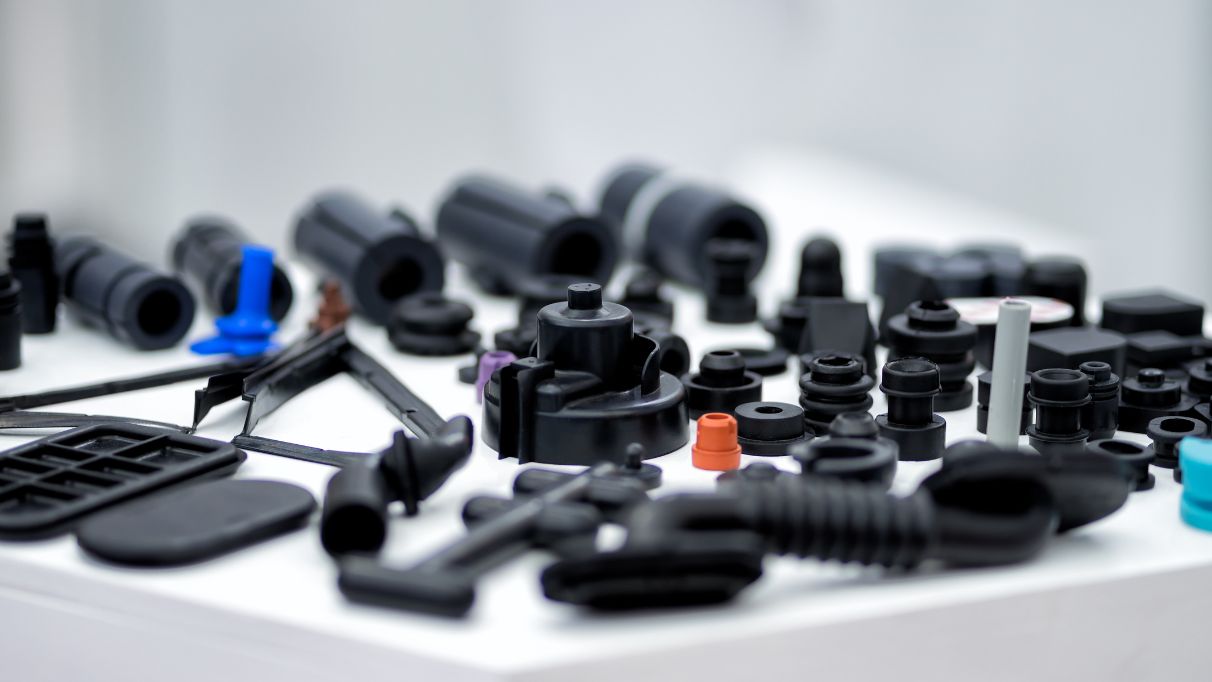
Can injection molded parts be customized or modified to meet unique industrial needs?
Yes, injection molded parts can be customized or modified to meet unique industrial needs. The injection molding process offers flexibility and versatility, allowing for the production of highly customized parts with specific design requirements. Here’s a detailed explanation of how injection molded parts can be customized or modified:
Design Customization:
The design of an injection molded part can be tailored to meet unique industrial needs. Design customization involves modifying the part’s geometry, features, and dimensions to achieve specific functional requirements. This can include adding or removing features, changing wall thicknesses, incorporating undercuts or threads, and optimizing the part for assembly or integration with other components. Computer-aided design (CAD) tools and engineering expertise are used to create custom designs that address the specific industrial needs.
Material Selection:
The choice of material for injection molded parts can be customized based on the unique industrial requirements. Different materials possess distinct properties, such as strength, stiffness, chemical resistance, and thermal stability. By selecting the most suitable material, the performance and functionality of the part can be optimized for the specific application. Material customization ensures that the injection molded part can withstand the environmental conditions, operational stresses, and chemical exposures associated with the industrial application.
Surface Finishes:
The surface finish of injection molded parts can be customized to meet specific industrial needs. Surface finishes can range from smooth and polished to textured or patterned, depending on the desired aesthetic appeal, functional requirements, or ease of grip. Custom surface finishes can enhance the part’s appearance, provide additional protection against wear or corrosion, or enable specific interactions with other components or equipment.
Color and Appearance:
Injection molded parts can be customized in terms of color and appearance. Colorants can be added to the material during the molding process to achieve specific shades or color combinations. This customization option is particularly useful when branding, product differentiation, or visual identification is required. Additionally, surface textures, patterns, or special effects can be incorporated into the mold design to create unique appearances or visual effects.
Secondary Operations:
Injection molded parts can undergo secondary operations to further customize or modify them according to unique industrial needs. These secondary operations can include post-molding processes such as machining, drilling, tapping, welding, heat treating, or applying coatings. These operations enable the addition of specific features or functionalities that may not be achievable through the injection molding process alone. Secondary operations provide flexibility for customization and allow for the integration of injection molded parts into complex assemblies or systems.
Tooling Modifications:
If modifications or adjustments are required for an existing injection molded part, the tooling can be modified or reconfigured to accommodate the changes. Tooling modifications can involve altering the mold design, cavity inserts, gating systems, or cooling channels. This allows for the production of modified parts without the need for creating an entirely new mold. Tooling modifications provide cost-effective options for customizing or adapting injection molded parts to meet evolving industrial needs.
Prototyping and Iterative Development:
Injection molding enables the rapid prototyping and iterative development of parts. By using 3D printing or soft tooling, prototype molds can be created to produce small quantities of custom parts for testing, validation, and refinement. This iterative development process allows for modifications and improvements to be made based on real-world feedback, ensuring that the final injection molded parts meet the unique industrial needs effectively.
Overall, injection molded parts can be customized or modified to meet unique industrial needs through design customization, material selection, surface finishes, color and appearance options, secondary operations, tooling modifications, and iterative development. The flexibility and versatility of the injection molding process make it a valuable manufacturing method for creating highly customized parts that address specific industrial requirements.
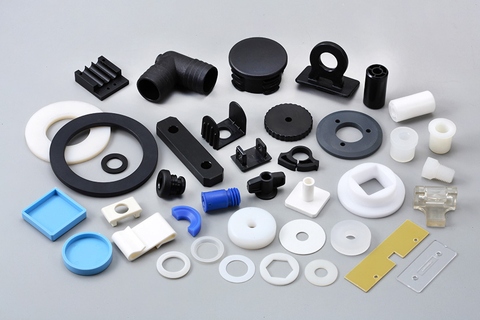
Can you describe the various post-molding processes, such as assembly or secondary operations, for injection molded parts?
Post-molding processes play a crucial role in the production of injection molded parts. These processes include assembly and secondary operations that are performed after the initial molding stage. Here’s a detailed explanation of the various post-molding processes for injection molded parts:
1. Assembly:
Assembly involves joining multiple injection molded parts together to create a finished product or sub-assembly. The assembly process can include various techniques such as mechanical fastening (screws, clips, or snaps), adhesive bonding, ultrasonic welding, heat staking, or solvent welding. Assembly ensures that the individual molded parts are securely combined to achieve the desired functionality and structural integrity of the final product.
2. Surface Finishing:
Surface finishing processes are performed to enhance the appearance, texture, and functionality of injection molded parts. Common surface finishing techniques include painting, printing (such as pad printing or screen printing), hot stamping, laser etching, or applying specialized coatings. These processes can add decorative features, branding elements, or improve the surface properties of the parts, such as scratch resistance or UV protection.
3. Machining or Trimming:
In some cases, injection molded parts may require additional machining or trimming to achieve the desired final dimensions or remove excess material. This can involve processes such as CNC milling, drilling, reaming, or turning. Machining or trimming is often necessary when tight tolerances, specific geometries, or critical functional features cannot be achieved solely through the injection molding process.
4. Welding or Joining:
Welding or joining processes are used to fuse or bond injection molded parts together. Common welding techniques for plastic parts include ultrasonic welding, hot plate welding, vibration welding, or laser welding. These processes create strong and reliable joints between the molded parts, ensuring structural integrity and functionality in the final product.
5. Insertion of Inserts:
Insertion involves placing metal or plastic inserts into the mold cavity before the injection molding process. These inserts can provide additional strength, reinforce threaded connections, or serve as mounting points for other components. Inserts can be placed manually or using automated equipment, and they become permanently embedded in the molded parts during the molding process.
6. Overmolding or Two-Shot Molding:
Overmolding or two-shot molding processes allow for the creation of injection molded parts with multiple layers or materials. In overmolding, a second material is molded over a pre-existing substrate, providing enhanced functionality, aesthetics, or grip. Two-shot molding involves injecting two different materials into different sections of the mold to create a single part with multiple colors or materials. These processes enable the integration of multiple materials or components into a single injection molded part.
7. Deflashing or Deburring:
Deflashing or deburring processes involve removing excess flash or burrs that may be present on the molded parts after the injection molding process. Flash refers to the excess material that extends beyond the parting line of the mold, while burrs are small protrusions or rough edges caused by the mold features. Deflashing or deburring ensures that the molded parts have smooth edges and surfaces, improving their appearance, functionality, and safety.
8. Inspection and Quality Control:
Inspection and quality control processes are performed to ensure that the injection molded parts meet the required specifications and quality standards. This can involve visual inspection, dimensional measurement, functional testing, or other specialized testing methods. Inspection and quality control processes help identify any defects, inconsistencies, or deviations that may require rework or rejection of the parts, ensuring that only high-quality parts are used in the final product or assembly.
9. Packaging and Labeling:
Once the post-molding processes are complete, the injection molded parts are typically packaged and labeled for storage, transportation, or distribution. Packaging can include individual part packaging, bulk packaging, or custom packaging based on specific requirements. Labeling may involve adding product identification, barcodes, or instructions for proper handling or usage.
These post-molding processes are vital in achieving the desired functionality, appearance, and quality of injection molded parts. They enable the integration of multiple components, surface finishing, dimensional accuracy, and assembly of the final products or sub-assemblies.
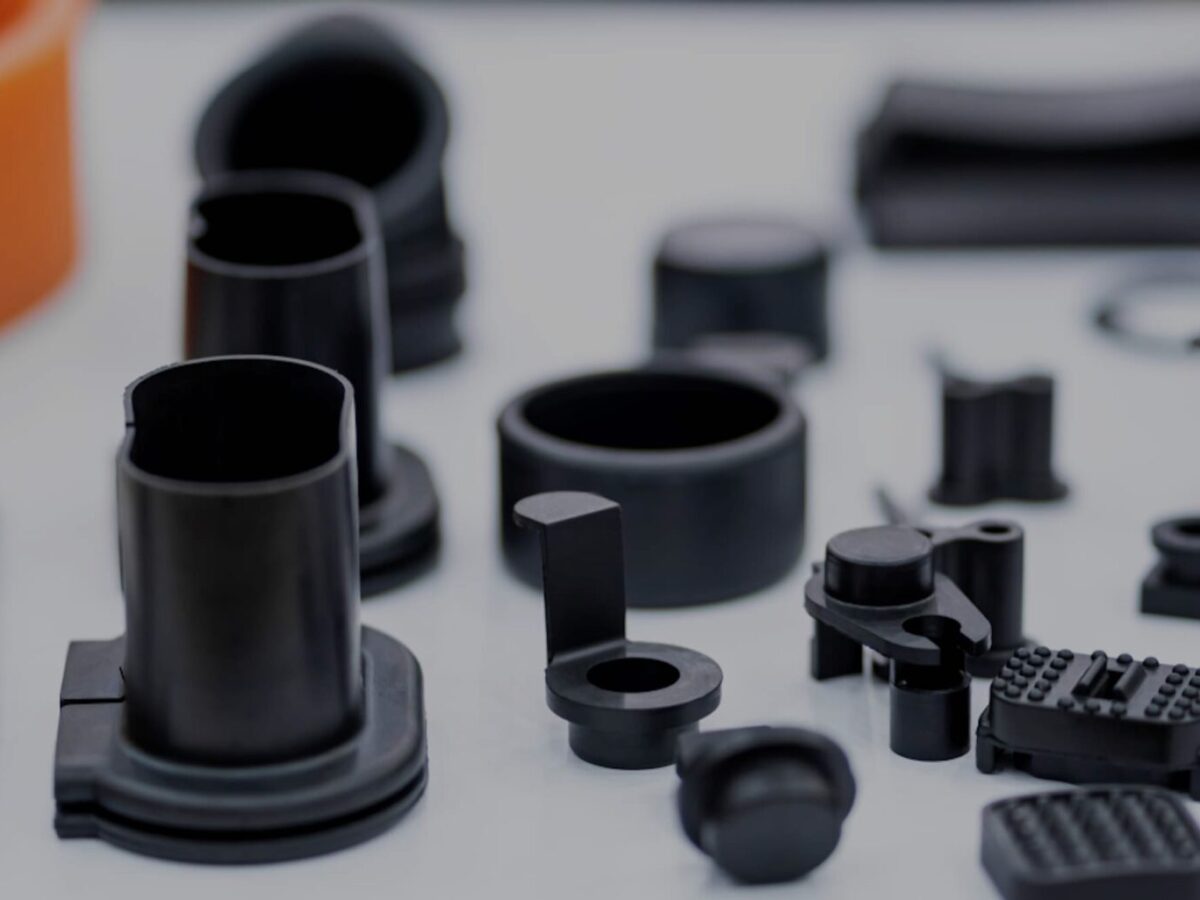
什么是注塑成型零件?它们是如何制造的?
注塑成型零件是指通过注塑成型工艺生产的零部件或产品。注塑成型是一种广泛应用的制造技术,能够以高精度、高复杂度和高效率制造塑料零件。以下是对注塑成型零件及其制造工艺的详细说明:
注塑成型工艺:
注塑成型工艺包括以下步骤:
1. 模具设计:
注塑成型零件制造的第一步是模具设计。模具是定制的工具,用于确定最终零件的形状和特征。它通常由钢或铝制成,由两部分组成:型腔和型芯。模具设计需要考虑诸多因素,例如零件几何形状、材料选择、冷却要求和顶出机构。
2. 材料选择:
下一步是选择适合注塑成型工艺的材料。热塑性聚合物因其能够反复熔化和固化而不会发生显著性能退化而被广泛应用。材料的选择取决于最终零件所需的性能,例如强度、柔韧性、透明度或耐化学性。
3. 熔化和注射:
在注塑机中,选定的热塑性材料被熔化成熔融状态。然后,这种熔融材料(称为熔体)在高压下被注入模具。注射过程通过喷嘴和流道系统完成,流道系统将熔融材料输送到模腔。
4. 冷却:
熔融材料注入模具后,便开始冷却凝固。冷却是注塑成型工艺的关键阶段,因为它决定了最终零件的尺寸精度、强度和其他性能。模具设计有冷却通道或嵌件,以促进零件高效均匀冷却。冷却时间会因零件厚度、材料特性和模具设计等因素而异。
5. 开模和脱模:
待注入的材料充分冷却凝固后,模具打开,将两半模具分离。顶针或其他机构用于将零件从模腔中推出或释放。顶出系统必须经过精心设计,以避免在顶出过程中损坏零件。
6. 完成:
注塑成型后的零件脱模后,可能还需要进行一些后续的精加工工序,例如去除多余材料、去除浇口或流道以及进行表面处理或纹理化。这些工序有助于零件达到所需的最终外观和功能。
注塑成型零件的优点:
注塑成型零件具有以下几个优点:
1. 高精度和高复杂度:
注塑成型技术能够制造出精度高、细节复杂的零件。模具可以生产出形状复杂、特征精细、尺寸精确的零件,从而实现对公差要求极高的零件制造。
2. 成本效益高的批量生产:
注塑成型是一种高效的工艺,适用于大规模生产。模具制作完成后,即可实现生产过程自动化,从而快速、经济高效地生产出相同的零件。高产量有助于降低单位成本。
3. 材料多样性:
注塑成型工艺支持多种热塑性材料,可根据最终零件所需的特性灵活选择材料。不同的材料可用于实现特定的性能,例如强度、柔韧性、耐热性或耐化学腐蚀性。
4. 强度和耐久性:
注塑成型零件具有优异的强度和耐久性。成型工艺确保材料均匀分布,从而使零件整体具有一致的机械性能。这使得注塑成型零件适用于各种需要结构完整性和长寿命的应用。
5. 尽量减少后期处理:
注塑成型的零件通常只需极少的后处理。成型过程中实现的高精度和高质量减少了后续大量机械加工或精加工工序的需求,从而节省了时间和成本。
6. 设计灵活性:
注塑成型工艺为设计人员提供了极大的零件设计灵活性。该工艺能够实现复杂的几何形状、倒扣、薄壁以及其他采用其他制造方法可能难以实现或成本高昂的设计特征。这种灵活性使得零件功能的创新和优化成为可能。
总而言之,注塑成型零件是指通过注塑成型工艺制造的组件或产品。该工艺包括设计模具、选择合适的材料、将材料熔化并注入模具、冷却固化、打开模具并取出零件,以及根据需要进行后续加工。注塑成型零件具有诸多优势,例如精度高、结构复杂、可经济高效地进行大规模生产、材料选择多样、强度高、耐久性好、后处理工序少以及设计灵活。这些优势促使注塑成型技术在各行各业被广泛用于生产高质量的塑料零件。


editor by CX 2023-12-10