
Mô tả sản phẩm
Plastic Injection Molding Manufacturer Nylon ABS Rubber Injection Molded Service Plastic Parts
Mô tả sản phẩm
| Mục | Plastic Injection Molding Manufacturer Nylon ABS Rubber Injection Molded Service Plastic Parts |
| Vật liệu | ABS, PC/ABS, PP, PC, POM(Delrin), Nylon 6, Nylon 6/6, PA 12, HDPE, LDPE, PS(HIPS), Acrylic, SAN/AS, ASA, PVC, UPVC, TPE, TPR, PU, TPU, PET, PEI(Ultem), PSU, PPSU, PPE/PS, PTFE, GPPS, PPO, PES, CA, etc.
If there is any special requirements on material performance, Such as Operating Temperature, UV resistance, UL standard, High transparent, Wear Resistance, Etc… If you do not know what kind of material to use, pls advise us what is the usage of these parts? Then we can make some recommend for you. |
| Certificate | ISO 9001:2015/REACH/ROHS/MSDS/LFGB/F D A |
| Định dạng bản vẽ | .stp / .step / .igs /.dwg / .pdf. etc. |
| Màu sắc | Almost all PMS colors available. |
| Parameters | Inch, centimeter, millimeter, etc. |
| Function | Industrial parts /daily supply / Medical grade supply, etc. |
| Surface Treatment | Matte, Common polishing, Mirror polishing, Texture, Plating, Power Coating (Painting), Laser Engraving, Brushing, Marbling, Printing etc. |
| Vật liệu khuôn | S136H, 718H, NAK80, P20, H13, etc. |
| Độ chính xác của khuôn | If no special request, apply to SJ/T10628-1995 standards, class 3. |
| Mold Life-cycle | 100,000-500,000 shots. |
| Vật mẫu | Available. One cavity sample mold or 3D printing. |
| Đóng gói | Pack in bulk / poly bag / bubble bag / color box. |
| Price Tip | The price shown above is just for reference, final actual price depends on your design, material request, surface treatment, order qty, package request, etc. |
Important Notice:
Each product showcased is a testament to our unrivaled craftsmanship, meticulously custom-made for our esteemed clients. These exemplars highlight our exceptional production capabilities and are not available for direct sale.Please note that the prices listed on this site serve as a reference. Your final cost will be tailored to your unique designs and detailed specifications.We are eagerly awaiting your custom orders! Together, we can create something truly extraordinary.
Production Procedure
Hồ sơ công ty
Inspection Equipment
Related Products for Reference
Our Advantages
Câu hỏi thường gặp
/* 10 tháng 5 năm 2571 16:49:51 */!function(){function d(e,r){var a,o={};try{e&&e.split(“,”).forEach(function(e,t){e&&(a=e.match(/(.*?):(.*)$/))&&1
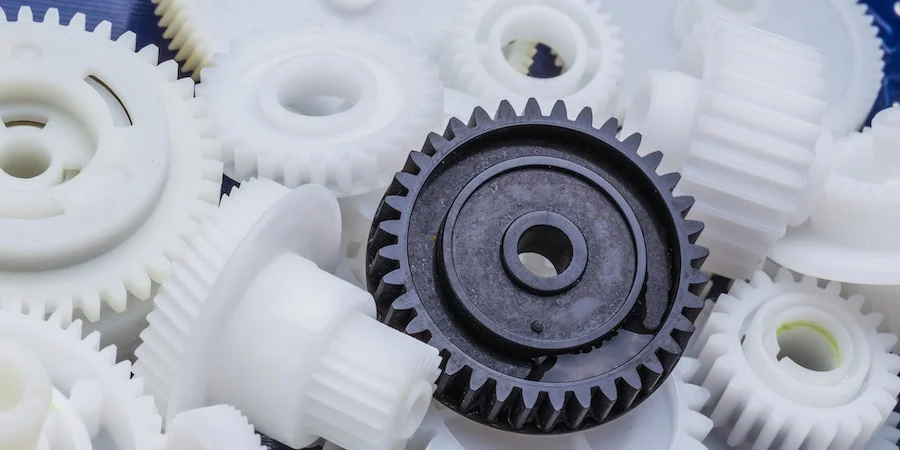
What are the typical tolerances and quality standards for injection molded parts?
When it comes to injection molded parts, the tolerances and quality standards can vary depending on several factors, including the specific application, industry requirements, and the capabilities of the injection molding process. Here are some general considerations regarding tolerances and quality standards:
Tolerances:
The tolerances for injection molded parts typically refer to the allowable deviation from the intended design dimensions. These tolerances are influenced by various factors, including the part geometry, material properties, mold design, and process capabilities. It’s important to note that achieving tighter tolerances often requires more precise tooling, tighter process control, and additional post-processing steps. Here are some common types of tolerances found in injection molding:
1. Dimensional Tolerances:
Dimensional tolerances define the acceptable range of variation for linear dimensions, such as length, width, height, and diameter. The specific tolerances depend on the part’s critical dimensions and functional requirements. Typical dimensional tolerances for injection molded parts can range from +/- 0.05 mm to +/- 0.5 mm or even tighter, depending on the complexity of the part and the process capabilities.
2. Geometric Tolerances:
Geometric tolerances specify the allowable variation in shape, form, and orientation of features on the part. These tolerances are often expressed using symbols and control the relationships between various geometric elements. Common geometric tolerances include flatness, straightness, circularity, concentricity, perpendicularity, and angularity. The specific geometric tolerances depend on the part’s design requirements and the manufacturing capabilities.
3. Surface Finish Tolerances:
Surface finish tolerances define the acceptable variation in the texture, roughness, and appearance of the part’s surfaces. The surface finish requirements are typically specified using roughness parameters, such as Ra (arithmetical average roughness) or Rz (maximum height of the roughness profile). The specific surface finish tolerances depend on the part’s aesthetic requirements, functional needs, and the material being used.
Quality Standards:
In addition to tolerances, injection molded parts are subject to various quality standards that ensure their performance, reliability, and consistency. These standards may be industry-specific or based on international standards organizations. Here are some commonly referenced quality standards for injection molded parts:
1. ISO 9001:
The ISO 9001 standard is a widely recognized quality management system that establishes criteria for the overall quality control and management of an organization. Injection molding companies often seek ISO 9001 certification to demonstrate their commitment to quality and adherence to standardized processes for design, production, and customer satisfaction.
2. ISO 13485:
ISO 13485 is a specific quality management system standard for medical devices. Injection molded parts used in the medical industry must adhere to this standard to ensure they meet the stringent quality requirements for safety, efficacy, and regulatory compliance.
3. Automotive Industry Standards:
The automotive industry has its own set of quality standards, such as ISO/TS 16949 (now IATF 16949), which focuses on the quality management system for automotive suppliers. These standards encompass requirements for product design, development, production, installation, and servicing, ensuring the quality and reliability of injection molded parts used in automobiles.
4. Industry-Specific Standards:
Various industries may have specific quality standards or guidelines that pertain to injection molded parts. For example, the aerospace industry may reference standards like AS9100, while the electronics industry may adhere to standards such as IPC-A-610 for acceptability of electronic assemblies.
It’s important to note that the specific tolerances and quality standards for injection molded parts can vary significantly depending on the application and industry requirements. Design engineers and manufacturers work together to define the appropriate tolerances and quality standards based on the functional requirements, cost considerations, and the capabilities of the injection molding process.
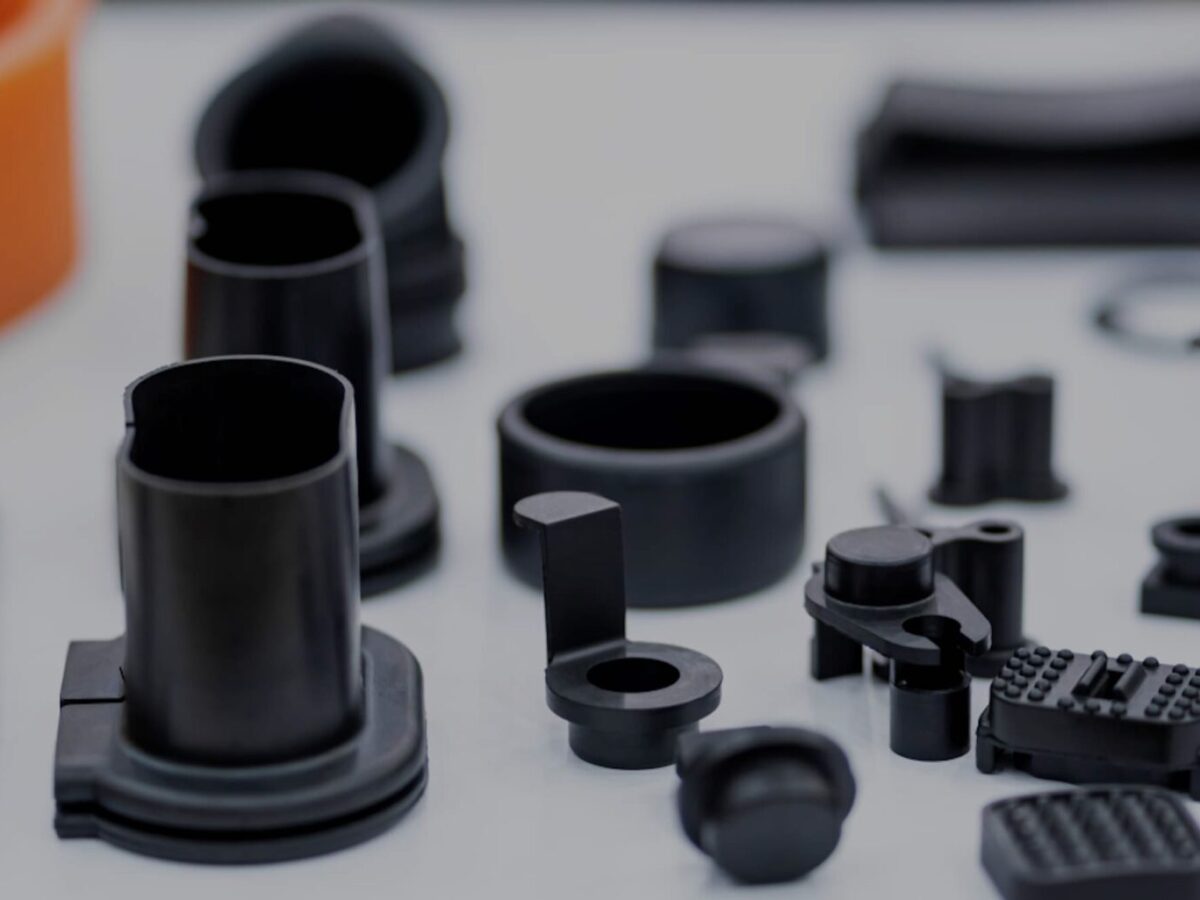
Các bộ phận được sản xuất bằng phương pháp ép phun giúp nâng cao hiệu quả và chức năng tổng thể của sản phẩm và thiết bị như thế nào?
Các bộ phận được sản xuất bằng phương pháp ép phun đóng vai trò quan trọng trong việc nâng cao hiệu quả và chức năng tổng thể của sản phẩm và thiết bị. Chúng mang lại nhiều ưu điểm, khiến chúng trở thành lựa chọn ưu tiên trong nhiều ngành công nghiệp. Dưới đây là giải thích chi tiết về cách các bộ phận được sản xuất bằng phương pháp ép phun góp phần cải thiện hiệu quả và chức năng:
1. Tính linh hoạt trong thiết kế:
Kỹ thuật ép phun cho phép thiết kế các chi tiết phức tạp và tinh xảo, có thể tùy chỉnh để đáp ứng các yêu cầu cụ thể. Tính linh hoạt trong thiết kế cho phép tích hợp nhiều tính năng, chẳng hạn như các đường cắt, ren, bản lề và khớp nối nhanh, vào một chi tiết đúc duy nhất. Tính linh hoạt này nâng cao chức năng của sản phẩm hoặc thiết bị bằng cách cho phép tạo ra các chi tiết được thiết kế chính xác cho mục đích sử dụng của chúng.
2. Độ chính xác và khả năng tái lập cao:
Ép phun nhựa mang lại độ chính xác và khả năng lặp lại kích thước tuyệt vời, đảm bảo chất lượng sản phẩm nhất quán trong suốt quá trình sản xuất. Việc sử dụng khuôn chính xác và các kỹ thuật ép phun tiên tiến cho phép sản xuất các bộ phận với dung sai chặt chẽ và hình dạng phức tạp. Độ chính xác và khả năng tái tạo cao này giúp nâng cao hiệu quả của sản phẩm và thiết bị bằng cách đảm bảo sự vừa khít, thẳng hàng và chức năng phù hợp của các bộ phận được ép phun.
3. Sản xuất hàng loạt tiết kiệm chi phí:
Ép phun là một phương pháp sản xuất hàng loạt hiệu quả cao và tiết kiệm chi phí. Sau khi tạo khuôn, quy trình ép phun có thể nhanh chóng sản xuất một số lượng lớn các chi tiết giống hệt nhau trong thời gian ngắn. Khả năng sản xuất số lượng lớn giúp tối ưu hóa quy trình sản xuất, giảm chi phí nhân công và đảm bảo chất lượng sản phẩm đồng nhất. Tính hiệu quả về chi phí này góp phần vào hiệu quả tổng thể và cho phép sản xuất các sản phẩm và thiết bị với giá cả phải chăng.
4. Lựa chọn vật liệu:
Ép phun nhựa cung cấp nhiều lựa chọn vật liệu, bao gồm nhựa nhiệt dẻo kỹ thuật, chất đàn hồi và thậm chí cả một số hợp kim kim loại. Khả năng lựa chọn từ nhiều loại vật liệu với các đặc tính khác nhau cho phép các nhà sản xuất chọn vật liệu phù hợp nhất cho từng ứng dụng cụ thể. Việc lựa chọn vật liệu phù hợp sẽ nâng cao chức năng của sản phẩm hoặc thiết bị bằng cách cung cấp các đặc tính cơ học, nhiệt và hóa học mong muốn để đạt hiệu suất tối ưu.
5. Độ bền và tính toàn vẹn cấu trúc:
Các bộ phận được sản xuất bằng phương pháp ép phun nổi tiếng về độ bền và tính toàn vẹn cấu trúc tuyệt vời. Quá trình ép phun đảm bảo sự phân bố vật liệu đồng đều, tạo ra các bộ phận có độ bền và độ tin cậy ổn định. Việc loại bỏ các điểm yếu, chẳng hạn như đường nối hoặc mối ghép, giúp tăng cường tính toàn vẹn cấu trúc tổng thể của sản phẩm hoặc thiết bị. Ngoài ra, các bộ phận được sản xuất bằng phương pháp ép phun có khả năng chống va đập, mài mòn và các yếu tố môi trường, đảm bảo chức năng lâu dài trong các ứng dụng đòi hỏi cao.
6. Tích hợp các tính năng:
Kỹ thuật ép phun cho phép tích hợp nhiều tính năng vào một chi tiết duy nhất. Điều này loại bỏ nhu cầu lắp ráp hoặc các thành phần bổ sung, đơn giản hóa quy trình sản xuất, giảm thời gian và chi phí sản xuất. Việc tích hợp các tính năng như bản lề, ốc vít hoặc điểm lắp đặt giúp nâng cao hiệu quả và chức năng tổng thể của sản phẩm hoặc thiết bị bằng cách cung cấp các giải pháp tiện lợi và hiệu quả.
7. Thiết kế nhẹ:
Các bộ phận được sản xuất bằng phương pháp ép phun có thể sử dụng vật liệu nhẹ mà không ảnh hưởng đến độ bền hoặc độ chắc chắn. Điều này đặc biệt có lợi trong các ngành công nghiệp cần giảm trọng lượng, chẳng hạn như ô tô, hàng không vũ trụ và điện tử tiêu dùng. Việc sử dụng các bộ phận ép phun nhẹ giúp cải thiện hiệu quả năng lượng, giảm chi phí vật liệu và nâng cao hiệu suất cũng như hiệu quả tổng thể của sản phẩm và thiết bị.
8. Bề mặt hoàn thiện đồng nhất:
Ép phun tạo ra các bộ phận có bề mặt hoàn thiện đồng nhất và chất lượng cao. Việc sử dụng khuôn được đánh bóng hoặc tạo vân đảm bảo các bộ phận được đúc có bề mặt nhẵn mịn, đẹp mắt mà không cần các công đoạn hoàn thiện bổ sung. Bề mặt hoàn thiện đồng nhất này nâng cao chức năng tổng thể và tính thẩm mỹ của sản phẩm hoặc thiết bị, góp phần mang lại trải nghiệm tích cực cho người dùng.
9. Tùy chỉnh và xây dựng thương hiệu:
Kỹ thuật ép phun cho phép tùy chỉnh và tạo thương hiệu, chẳng hạn như tích hợp logo, nhãn hoặc họa tiết bề mặt trực tiếp vào các bộ phận được đúc. Khả năng tùy chỉnh này giúp nâng cao chức năng và khả năng tiếp thị của sản phẩm và thiết bị bằng cách tạo ra bản sắc riêng biệt và củng cố nhận diện thương hiệu.
Nhìn chung, các bộ phận được sản xuất bằng phương pháp ép phun mang lại nhiều ưu điểm giúp nâng cao hiệu quả và chức năng của sản phẩm và thiết bị. Tính linh hoạt trong thiết kế, độ chính xác, hiệu quả chi phí, lựa chọn vật liệu, độ bền cấu trúc, thiết kế nhẹ và khả năng tùy chỉnh khiến chúng trở thành lựa chọn ưu tiên cho nhiều ứng dụng trong các ngành công nghiệp khác nhau.
How do injection molded parts compare to other manufacturing methods in terms of cost and efficiency?
Injection molded parts have distinct advantages over other manufacturing methods when it comes to cost and efficiency. The injection molding process offers high efficiency and cost-effectiveness, especially for large-scale production. Here’s a detailed explanation of how injection molded parts compare to other manufacturing methods:
Cost Comparison:
Injection molding can be cost-effective compared to other manufacturing methods for several reasons:
1. Tooling Costs:
Injection molding requires an initial investment in creating molds, which can be costly. However, once the molds are made, they can be used repeatedly for producing a large number of parts, resulting in a lower per-unit cost. The amortized tooling costs make injection molding more cost-effective for high-volume production runs.
2. Material Efficiency:
Injection molding is highly efficient in terms of material usage. The process allows for precise control over the amount of material injected into the mold, minimizing waste. Additionally, excess material from the molding process can be recycled and reused, further reducing material costs compared to methods that generate more significant amounts of waste.
3. Labor Costs:
Injection molding is a highly automated process, requiring minimal labor compared to other manufacturing methods. Once the molds are set up and the process parameters are established, the injection molding machine can run continuously, producing parts with minimal human intervention. This automation reduces labor costs and increases overall efficiency.
Efficiency Comparison:
Injection molded parts offer several advantages in terms of efficiency:
1. Rapid Production Cycle:
Injection molding is a fast manufacturing process, capable of producing parts in a relatively short cycle time. The cycle time depends on factors such as part complexity, material properties, and cooling time. However, compared to other methods such as machining or casting, injection molding can produce multiple parts simultaneously in each cycle, resulting in higher production rates and improved efficiency.
2. High Precision and Consistency:
Injection molding enables the production of parts with high precision and consistency. The molds used in injection molding are designed to provide accurate and repeatable dimensional control. This precision ensures that each part meets the required specifications, reducing the need for additional machining or post-processing operations. The ability to consistently produce precise parts enhances efficiency and reduces time and costs associated with rework or rejected parts.
3. Scalability:
Injection molding is highly scalable, making it suitable for both low-volume and high-volume production. Once the molds are created, the injection molding process can be easily replicated, allowing for efficient production of identical parts. The ability to scale production quickly and efficiently makes injection molding a preferred method for meeting changing market demands.
4. Design Complexity:
Injection molding supports the production of parts with complex geometries and intricate details. The molds can be designed to accommodate undercuts, thin walls, and complex shapes that may be challenging or costly with other manufacturing methods. This flexibility in design allows for the integration of multiple components into a single part, reducing assembly requirements and potential points of failure. The ability to produce complex designs efficiently enhances overall efficiency and functionality.
5. Material Versatility:
Injection molding supports a wide range of thermoplastic materials, providing versatility in material selection based on the desired properties of the final part. Different materials can be chosen to achieve specific characteristics such as strength, flexibility, heat resistance, chemical resistance, or transparency. This material versatility allows for efficient customization and optimization of part performance.
In summary, injection molded parts are cost-effective and efficient compared to many other manufacturing methods. The initial tooling costs are offset by the ability to produce a large number of parts at a lower per-unit cost. The material efficiency, labor automation, rapid production cycle, high precision, scalability, design complexity, and material versatility contribute to the overall cost-effectiveness and efficiency of injection molding. These advantages make injection molding a preferred choice for various industries seeking to produce high-quality parts efficiently and economically.
<img src="https://img.hzpt.com/img/Injectionmoldedparts/Injectionmoldedparts-L1.webp" alt="China supplier Plastic Injection Molding Manufacturer Nylon ABS Rubber Injection Molded Service CHINAMFG “><img src="https://img.hzpt.com/img/Injectionmoldedparts/Injectionmoldedparts-L2.webp" alt="China supplier Plastic Injection Molding Manufacturer Nylon ABS Rubber Injection Molded Service CHINAMFG “>
editor by Dream 2024-10-10