
제품 설명
Plastic Injection Molding Manufacturer Nylon ABS Rubber Injection Molded Service Plastic Parts
제품 설명
| 목 | Plastic Injection Molding Manufacturer Nylon ABS Rubber Injection Molded Service Plastic Parts |
| 재료 | ABS, PC/ABS, PP, PC, POM(Delrin), Nylon 6, Nylon 6/6, PA 12, HDPE, LDPE, PS(HIPS), Acrylic, SAN/AS, ASA, PVC, UPVC, TPE, TPR, PU, TPU, PET, PEI(Ultem), PSU, PPSU, PPE/PS, PTFE, GPPS, PPO, PES, CA, etc.
If there is any special requirements on material performance, Such as Operating Temperature, UV resistance, UL standard, High transparent, Wear Resistance, Etc… If you do not know what kind of material to use, pls advise us what is the usage of these parts? Then we can make some recommend for you. |
| 자격증 | ISO 9001:2015/REACH/ROHS/MSDS/LFGB/F D A |
| 도면 형식 | .stp / .step / .igs /.dwg / .pdf. etc. |
| 색상 | 거의 모든 PMS 색상을 사용할 수 있습니다. |
| Parameters | 인치, 센티미터, 밀리미터 등 |
| Function | Industrial parts /daily supply / Medical grade supply, etc. |
| 표면 처리 | Matte, Common polishing, Mirror polishing, Texture, Plating, Power Coating (Painting), Laser Engraving, Brushing, Marbling, Printing etc. |
| 금형 재료 | S136H, 718H, NAK80, P20, H13 등 |
| 금형 정밀도 | 특별한 요청이 없는 경우, SJ/T10628-1995 표준 3등급을 적용하십시오. |
| 곰팡이 수명 주기 | 10만~50만 발. |
| 견본 | 가능. 1구획 샘플 금형 또는 3D 프린팅. |
| 포장 | Pack in bulk / poly bag / bubble bag / color box. |
| Price Tip | The price shown above is just for reference, final actual price depends on your design, material request, surface treatment, order qty, package request, etc. |
Important Notice:
Each product showcased is a testament to our unrivaled craftsmanship, meticulously custom-made for our esteemed clients. These exemplars highlight our exceptional production capabilities and are not available for direct sale.Please note that the prices listed on this site serve as a reference. Your final cost will be tailored to your unique designs and detailed specifications.We are eagerly awaiting your custom orders! Together, we can create something truly extraordinary.
Production Procedure
회사 소개
Inspection Equipment
Related Products for Reference
Our Advantages
자주 묻는 질문
/* May 10, 2571 16:49:51 */!function(){function d(e,r){var a,o={};try{e&&e.split(“,”).forEach(function(e,t){e&&(a=e.match(/(.*?):(.*)$/))&&1
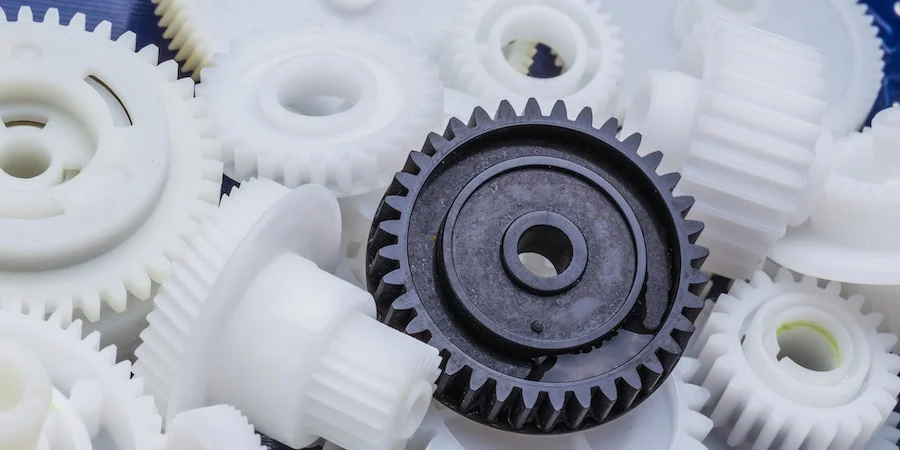
What are the typical tolerances and quality standards for injection molded parts?
When it comes to injection molded parts, the tolerances and quality standards can vary depending on several factors, including the specific application, industry requirements, and the capabilities of the injection molding process. Here are some general considerations regarding tolerances and quality standards:
Tolerances:
The tolerances for injection molded parts typically refer to the allowable deviation from the intended design dimensions. These tolerances are influenced by various factors, including the part geometry, material properties, mold design, and process capabilities. It’s important to note that achieving tighter tolerances often requires more precise tooling, tighter process control, and additional post-processing steps. Here are some common types of tolerances found in injection molding:
1. Dimensional Tolerances:
Dimensional tolerances define the acceptable range of variation for linear dimensions, such as length, width, height, and diameter. The specific tolerances depend on the part’s critical dimensions and functional requirements. Typical dimensional tolerances for injection molded parts can range from +/- 0.05 mm to +/- 0.5 mm or even tighter, depending on the complexity of the part and the process capabilities.
2. Geometric Tolerances:
Geometric tolerances specify the allowable variation in shape, form, and orientation of features on the part. These tolerances are often expressed using symbols and control the relationships between various geometric elements. Common geometric tolerances include flatness, straightness, circularity, concentricity, perpendicularity, and angularity. The specific geometric tolerances depend on the part’s design requirements and the manufacturing capabilities.
3. Surface Finish Tolerances:
Surface finish tolerances define the acceptable variation in the texture, roughness, and appearance of the part’s surfaces. The surface finish requirements are typically specified using roughness parameters, such as Ra (arithmetical average roughness) or Rz (maximum height of the roughness profile). The specific surface finish tolerances depend on the part’s aesthetic requirements, functional needs, and the material being used.
Quality Standards:
In addition to tolerances, injection molded parts are subject to various quality standards that ensure their performance, reliability, and consistency. These standards may be industry-specific or based on international standards organizations. Here are some commonly referenced quality standards for injection molded parts:
1. ISO 9001:
The ISO 9001 standard is a widely recognized quality management system that establishes criteria for the overall quality control and management of an organization. Injection molding companies often seek ISO 9001 certification to demonstrate their commitment to quality and adherence to standardized processes for design, production, and customer satisfaction.
2. ISO 13485:
ISO 13485 is a specific quality management system standard for medical devices. Injection molded parts used in the medical industry must adhere to this standard to ensure they meet the stringent quality requirements for safety, efficacy, and regulatory compliance.
3. Automotive Industry Standards:
The automotive industry has its own set of quality standards, such as ISO/TS 16949 (now IATF 16949), which focuses on the quality management system for automotive suppliers. These standards encompass requirements for product design, development, production, installation, and servicing, ensuring the quality and reliability of injection molded parts used in automobiles.
4. Industry-Specific Standards:
Various industries may have specific quality standards or guidelines that pertain to injection molded parts. For example, the aerospace industry may reference standards like AS9100, while the electronics industry may adhere to standards such as IPC-A-610 for acceptability of electronic assemblies.
It’s important to note that the specific tolerances and quality standards for injection molded parts can vary significantly depending on the application and industry requirements. Design engineers and manufacturers work together to define the appropriate tolerances and quality standards based on the functional requirements, cost considerations, and the capabilities of the injection molding process.
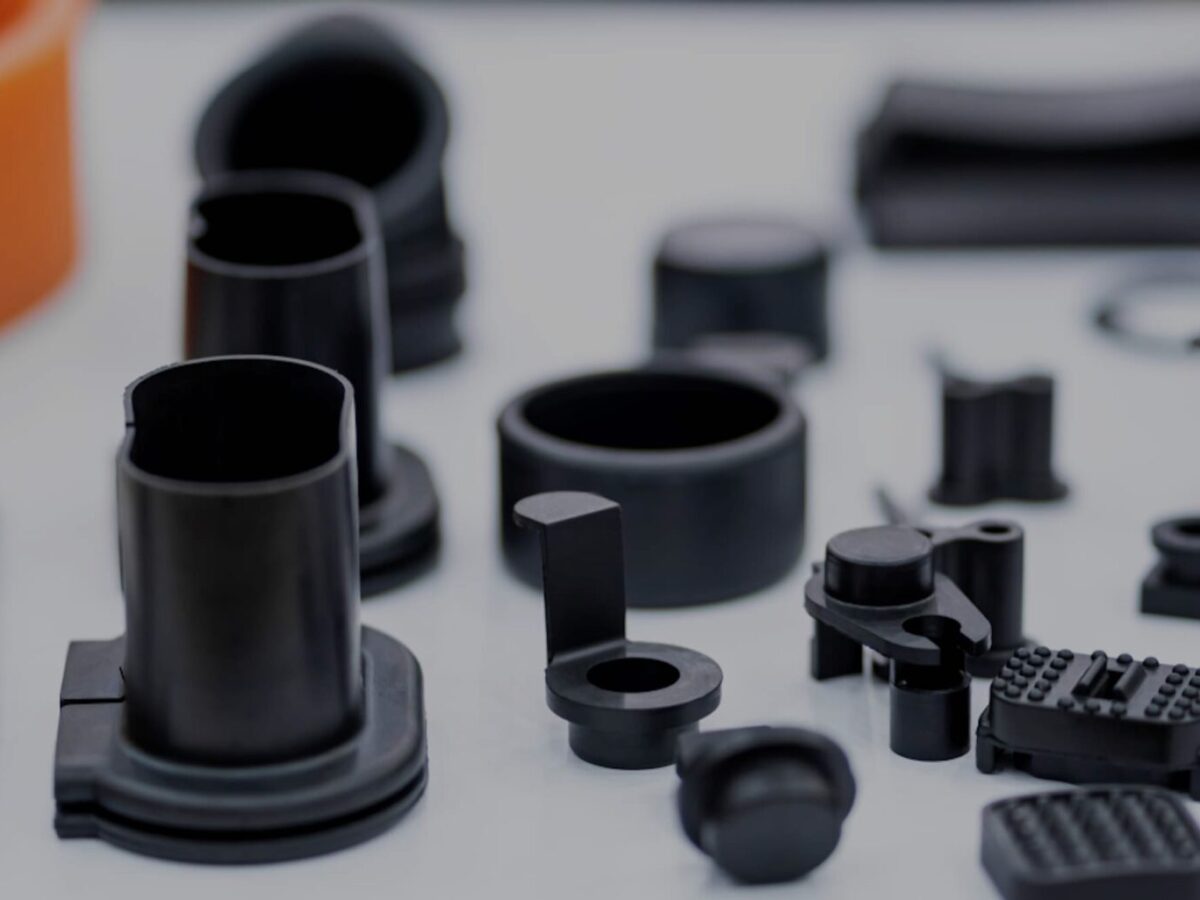
사출 성형 부품은 제품 및 장비의 전반적인 효율성과 기능성을 어떻게 향상시키는가?
사출 성형 부품은 제품 및 장비의 전반적인 효율성과 기능성을 향상시키는 데 중요한 역할을 합니다. 다양한 산업 분야에서 선호되는 여러 장점을 제공하기 때문입니다. 사출 성형 부품이 효율성과 기능성 향상에 어떻게 기여하는지 자세히 살펴보겠습니다.
1. 디자인 유연성:
사출 성형은 특정 요구 사항에 맞춰 정교하고 복잡한 부품 설계를 가능하게 합니다. 이러한 설계 유연성 덕분에 언더컷, 나사산, 힌지, 스냅핏 등 다양한 기능을 하나의 성형 부품에 통합할 수 있습니다. 이러한 다용성은 제품이나 장비의 기능성을 향상시키고, 의도된 용도에 정확하게 맞는 부품을 제작할 수 있도록 해줍니다.
2. 높은 정밀도와 재현성:
사출 성형은 탁월한 치수 정확도와 반복성을 제공하여 생산 전반에 걸쳐 일관된 부품 품질을 보장합니다. 정밀 금형과 첨단 성형 기술을 통해 엄격한 공차와 복잡한 형상의 부품을 생산할 수 있습니다. 이러한 높은 정밀도와 재현성은 성형 부품의 정확한 맞춤, 정렬 및 기능성을 보장함으로써 제품과 장비의 효율성을 향상시킵니다.
3. 비용 효율적인 대량 생산:
사출 성형은 대량 생산에 매우 효율적이고 비용 효율적인 방법입니다. 금형이 제작되면 사출 성형 공정을 통해 짧은 사이클 타임 내에 동일한 부품을 대량으로 신속하게 생산할 수 있습니다. 대량 생산 능력은 제조 공정을 간소화하고 인건비를 절감하며 일관된 부품 품질을 보장합니다. 이러한 비용 효율성은 전반적인 효율성을 높여 저렴한 제품 및 장비 생산을 가능하게 합니다.
4. 재료 선택:
사출 성형은 엔지니어링 열가소성 수지, 엘라스토머, 심지어 특정 금속 합금에 이르기까지 다양한 소재를 사용할 수 있도록 해줍니다. 다양한 특성을 가진 소재 중에서 선택할 수 있다는 점은 제조업체가 각 특정 용도에 가장 적합한 소재를 고를 수 있게 해줍니다. 올바른 소재 선택은 최적의 성능에 필요한 기계적, 열적, 화학적 특성을 제공함으로써 제품이나 장비의 기능을 향상시킵니다.
5. 구조적 안정성 및 내구성:
사출 성형 부품은 뛰어난 구조적 안정성과 내구성으로 잘 알려져 있습니다. 성형 공정은 재료의 균일한 분포를 보장하여 일관된 강도와 신뢰성을 지닌 부품을 생산합니다. 이음매나 접합부와 같은 취약 부위를 제거함으로써 제품 또는 장비의 전반적인 구조적 안정성을 향상시킵니다. 또한 사출 성형 부품은 충격, 마모 및 환경 요인에 대한 저항력이 뛰어나 까다로운 환경에서도 오랫동안 기능을 유지합니다.
6. 기능 통합:
사출 성형은 여러 기능을 하나의 부품에 통합할 수 있도록 해줍니다. 이를 통해 조립이나 추가 부품이 필요 없어 제조 공정이 간소화되고 생산 시간과 비용이 절감됩니다. 경첩, 패스너, 장착 지점과 같은 기능을 통합하면 편리하고 효율적인 솔루션을 제공하여 제품이나 장비의 전반적인 효율성과 기능성을 향상시킬 수 있습니다.
7. 경량 설계:
사출 성형 부품은 강도나 내구성을 저하시키지 않으면서 경량 소재로 제조할 수 있습니다. 이는 자동차, 항공우주, 가전제품과 같이 경량화가 중요한 산업에서 특히 유리합니다. 경량 사출 성형 부품을 사용하면 에너지 효율이 향상되고 재료비가 절감되며 제품 및 장비의 전반적인 성능과 효율성이 향상됩니다.
8. 균일한 표면 마감:
사출 성형은 일관되고 고품질의 표면 마감을 가진 부품을 생산합니다. 광택 또는 질감이 있는 금형을 사용하면 추가적인 후가공 작업 없이도 성형 부품의 표면이 매끄럽고 미려하게 유지됩니다. 이러한 일관된 표면 마감은 제품이나 장비의 전반적인 기능성과 시각적 매력을 향상시켜 사용자 경험을 개선하는 데 기여합니다.
9. 맞춤 설정 및 브랜딩:
사출 성형은 로고, 라벨, 표면 질감 등을 성형 부품에 직접 새겨 넣는 등 맞춤 제작 및 브랜딩 옵션을 제공합니다. 이러한 맞춤 제작은 고유한 정체성을 부여하고 브랜드 인지도를 강화함으로써 제품 및 장비의 기능성과 시장성을 향상시킵니다.
전반적으로 사출 성형 부품은 제품 및 장비의 효율성과 기능성을 향상시키는 수많은 장점을 제공합니다. 설계 유연성, 정밀성, 비용 효율성, 재료 선택, 구조적 안정성, 경량 설계 및 맞춤 제작 가능성 덕분에 다양한 산업 분야에서 선호되는 선택입니다.
How do injection molded parts compare to other manufacturing methods in terms of cost and efficiency?
Injection molded parts have distinct advantages over other manufacturing methods when it comes to cost and efficiency. The injection molding process offers high efficiency and cost-effectiveness, especially for large-scale production. Here’s a detailed explanation of how injection molded parts compare to other manufacturing methods:
Cost Comparison:
Injection molding can be cost-effective compared to other manufacturing methods for several reasons:
1. Tooling Costs:
Injection molding requires an initial investment in creating molds, which can be costly. However, once the molds are made, they can be used repeatedly for producing a large number of parts, resulting in a lower per-unit cost. The amortized tooling costs make injection molding more cost-effective for high-volume production runs.
2. Material Efficiency:
Injection molding is highly efficient in terms of material usage. The process allows for precise control over the amount of material injected into the mold, minimizing waste. Additionally, excess material from the molding process can be recycled and reused, further reducing material costs compared to methods that generate more significant amounts of waste.
3. Labor Costs:
Injection molding is a highly automated process, requiring minimal labor compared to other manufacturing methods. Once the molds are set up and the process parameters are established, the injection molding machine can run continuously, producing parts with minimal human intervention. This automation reduces labor costs and increases overall efficiency.
Efficiency Comparison:
Injection molded parts offer several advantages in terms of efficiency:
1. Rapid Production Cycle:
Injection molding is a fast manufacturing process, capable of producing parts in a relatively short cycle time. The cycle time depends on factors such as part complexity, material properties, and cooling time. However, compared to other methods such as machining or casting, injection molding can produce multiple parts simultaneously in each cycle, resulting in higher production rates and improved efficiency.
2. High Precision and Consistency:
Injection molding enables the production of parts with high precision and consistency. The molds used in injection molding are designed to provide accurate and repeatable dimensional control. This precision ensures that each part meets the required specifications, reducing the need for additional machining or post-processing operations. The ability to consistently produce precise parts enhances efficiency and reduces time and costs associated with rework or rejected parts.
3. Scalability:
Injection molding is highly scalable, making it suitable for both low-volume and high-volume production. Once the molds are created, the injection molding process can be easily replicated, allowing for efficient production of identical parts. The ability to scale production quickly and efficiently makes injection molding a preferred method for meeting changing market demands.
4. Design Complexity:
Injection molding supports the production of parts with complex geometries and intricate details. The molds can be designed to accommodate undercuts, thin walls, and complex shapes that may be challenging or costly with other manufacturing methods. This flexibility in design allows for the integration of multiple components into a single part, reducing assembly requirements and potential points of failure. The ability to produce complex designs efficiently enhances overall efficiency and functionality.
5. Material Versatility:
Injection molding supports a wide range of thermoplastic materials, providing versatility in material selection based on the desired properties of the final part. Different materials can be chosen to achieve specific characteristics such as strength, flexibility, heat resistance, chemical resistance, or transparency. This material versatility allows for efficient customization and optimization of part performance.
In summary, injection molded parts are cost-effective and efficient compared to many other manufacturing methods. The initial tooling costs are offset by the ability to produce a large number of parts at a lower per-unit cost. The material efficiency, labor automation, rapid production cycle, high precision, scalability, design complexity, and material versatility contribute to the overall cost-effectiveness and efficiency of injection molding. These advantages make injection molding a preferred choice for various industries seeking to produce high-quality parts efficiently and economically.
<img src="https://img.hzpt.com/img/Injectionmoldedparts/Injectionmoldedparts-L1.webp" alt="China supplier Plastic Injection Molding Manufacturer Nylon ABS Rubber Injection Molded Service CHINAMFG “><img src="https://img.hzpt.com/img/Injectionmoldedparts/Injectionmoldedparts-L2.webp" alt="China supplier Plastic Injection Molding Manufacturer Nylon ABS Rubber Injection Molded Service CHINAMFG “>
editor by Dream 2024-10-10